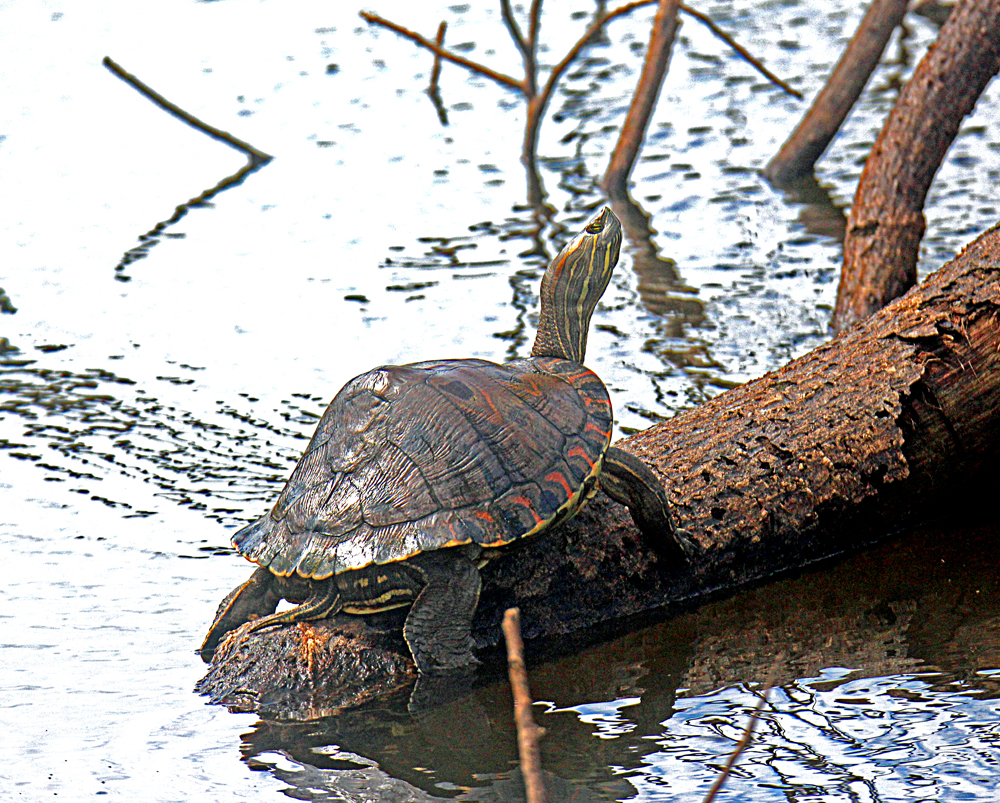
They have been calling this turtle “Red-eared Slider” but it is actually a little different from the North American Red-eared Slider, so now they call it Mesoamerican Slider (Wikipedia) or the sub-species for Costa Rica & Nicaragua of Trachemys venusta uhrigi for you scientists. 🙂 I’m just sharing one photo of it from the lagoon or lake at Maquenque Ecolodge:
Mesoamerican Slider Turtle, Maquenque Ecolodge, Costa Rica
Now that I finished all of the Agatha Christie books, I try different kinds of books from non-fiction to mysteries to classics and have frequently followed the advice of my younger brother, Jerry, who told me once that if you don’t enjoy a book or get something from it, why continue reading it? Even a classic!
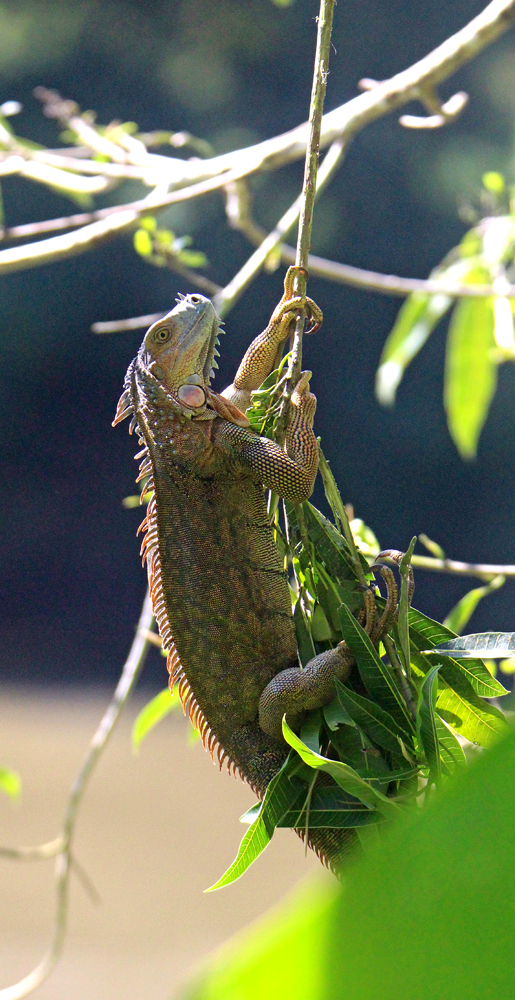
I did not include the “Green” in the title, though according to the books this area of Costa Rica has only Green Iguanas and none of the the Black or Spiny-tailed Iguanas, but all four of these photographed below are so different from each other, making me doubtful, even though I know that Green Iguanas come in all colors, have spiny tails, and frequently look like the other Iguana found on the Pacific Slope of Costa Rica. Here’s 4 different ones with all of them photographed on the Farm Hike at Maquenque Ecolodge, 17 February 2022. Note that the lodge is located on the Caribbean (Atlantic) Slope of Costa Rica which has only Green Iguanas according to the books.
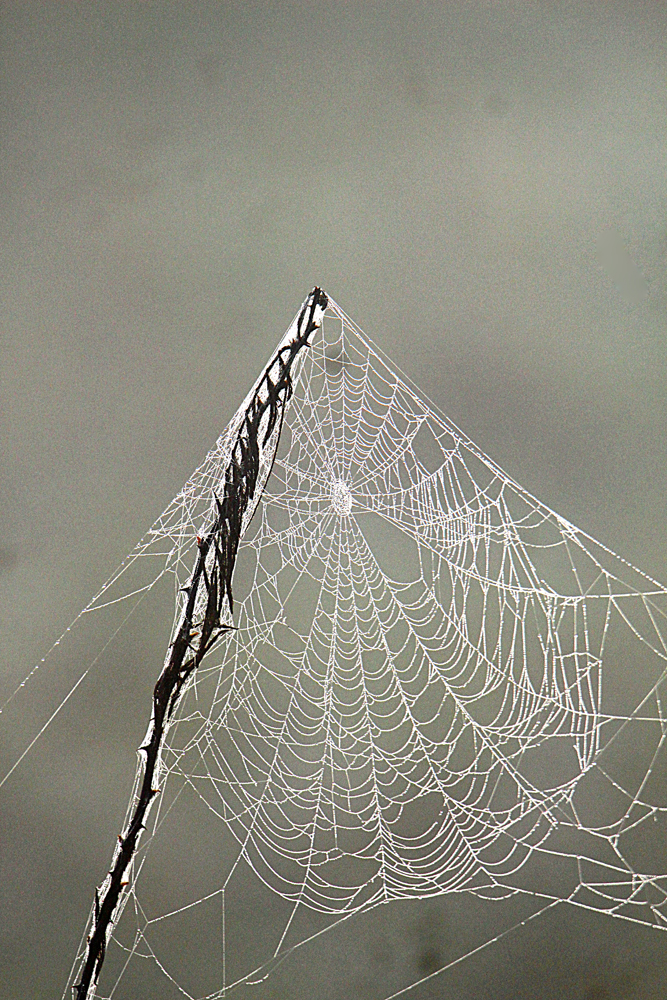
I’m always amazed at the work of little spiders and really don’t try to photograph their work nearly enough! Early morning is the best time and seeing them at Maquenque on an early morning bird hike reminded me of early walks years ago in the Everglades National Park in the States with thousands of spider webs visible in early morning in those wetlands. Note that on the second or landscape photo below that the web looks like the spider wove a second web on top or an earlier one. Maybe common, but the first time I’ve noticed such.
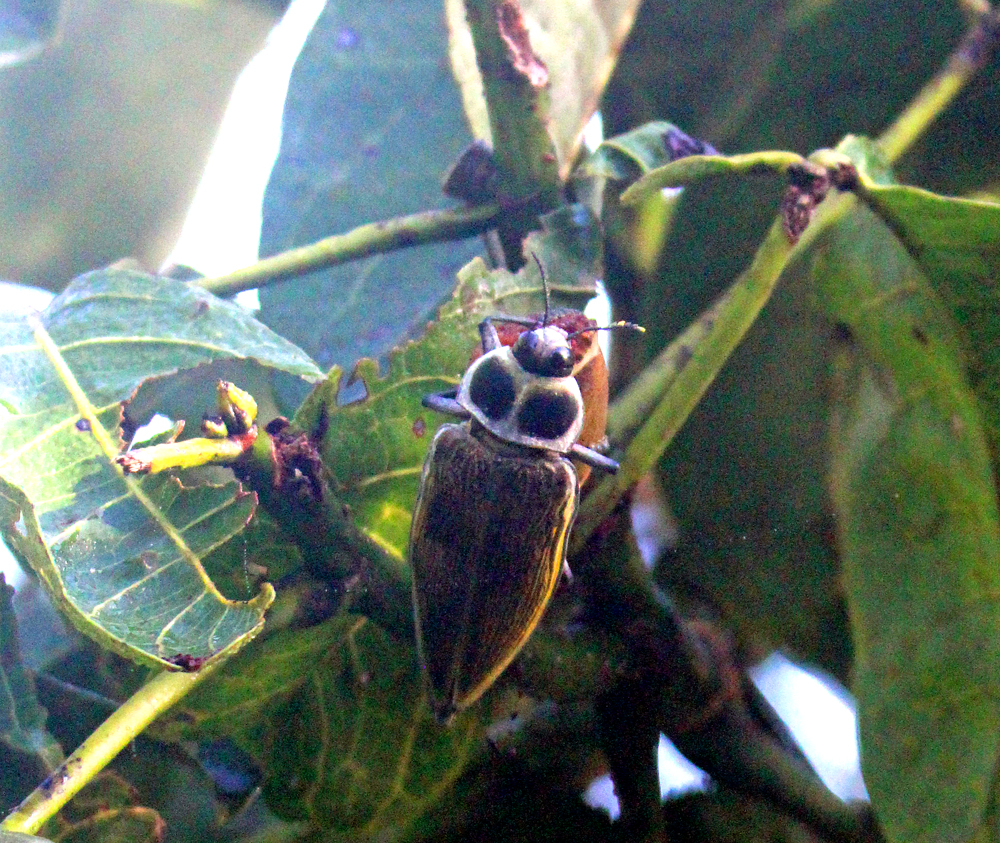
If you take the time to look, I guess you can find a lot of interesting insects almost anywhere. 🙂 But this is another one I photographed at Maquenque a week ago that I’ve never seen before. Enjoy three photos of what I think is a type of beetle . . .
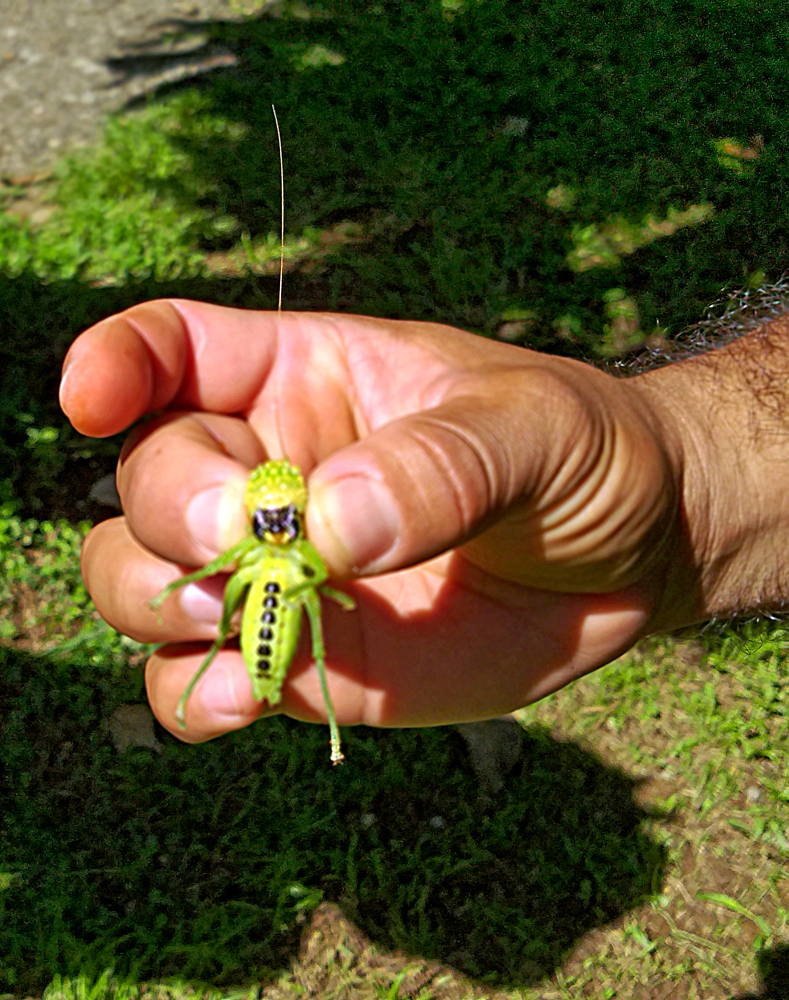
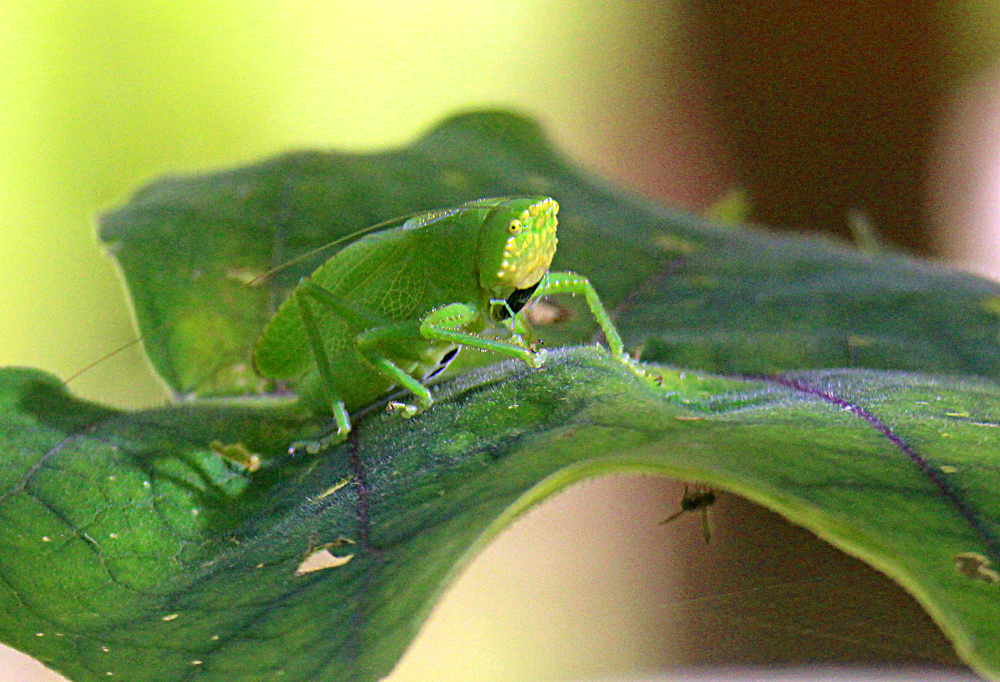
With 6,400 different species of Katydids worldwide, this one may not even have an “official” name yet. Another amateur photographer online called it “Flat-faced Katydid” which is certainly descriptive but I’m not going to give it a name until I find an official entomology name for it – but it is a cool bug that we saw on the “Farm Tour” at Maquenque Ecolodge & Reserve a week or so ago (time is blurring on me now). 🙂
Here are three different views of what I am pretty sure is one of the many Katydids . . .
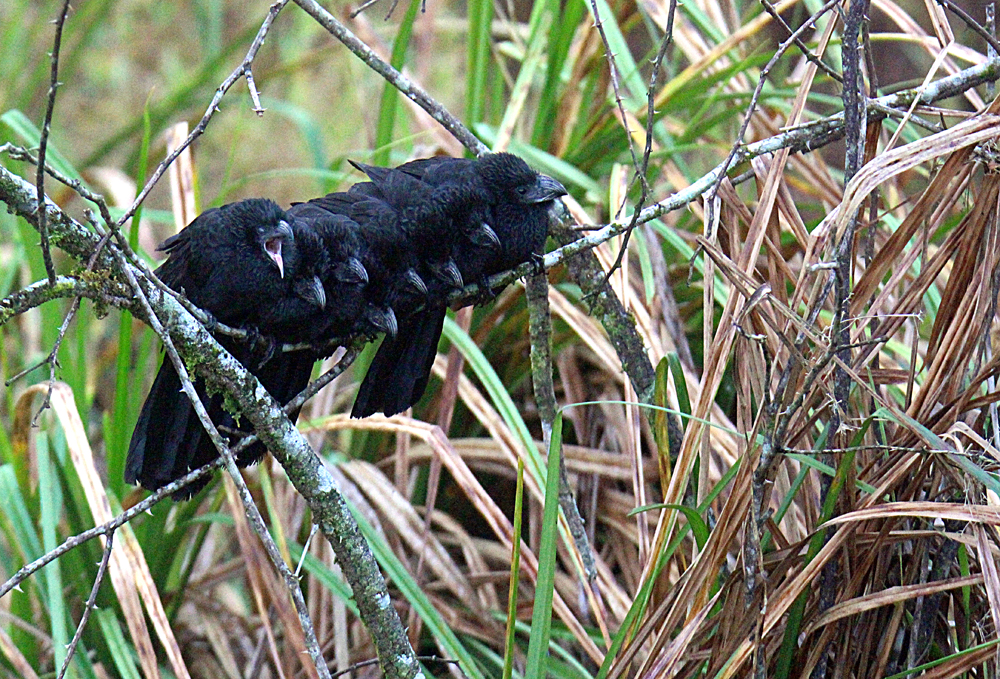
Groove-billed Ani Family – I think Mom at right with 7 noisy kids! 🙂 Unless the one on left is also a parent.
A New Computer is Like . . . “Back to Square One!”
WHY I HAVEN’T BEEN BLOGGING: I had to get a new laptop computer which comes with the new Microsoft Windows 11 they claim is better (Not!) but for an old man, just figuring out how to use it is a big challenge, plus no software and the tech guy is not allowed to transfer software, only files! And the keyboard is partly different! Augh!
Just getting the software was a multiple days chore and Microsoft forced me to buy a new version of Office. Not worth it! I’m nearly back online and functioning on my new Dell Inspiron Laptop. I like the laptop (very lightweight), but technology will be the death of me yet! And there are things I still haven’t figured out how to do!
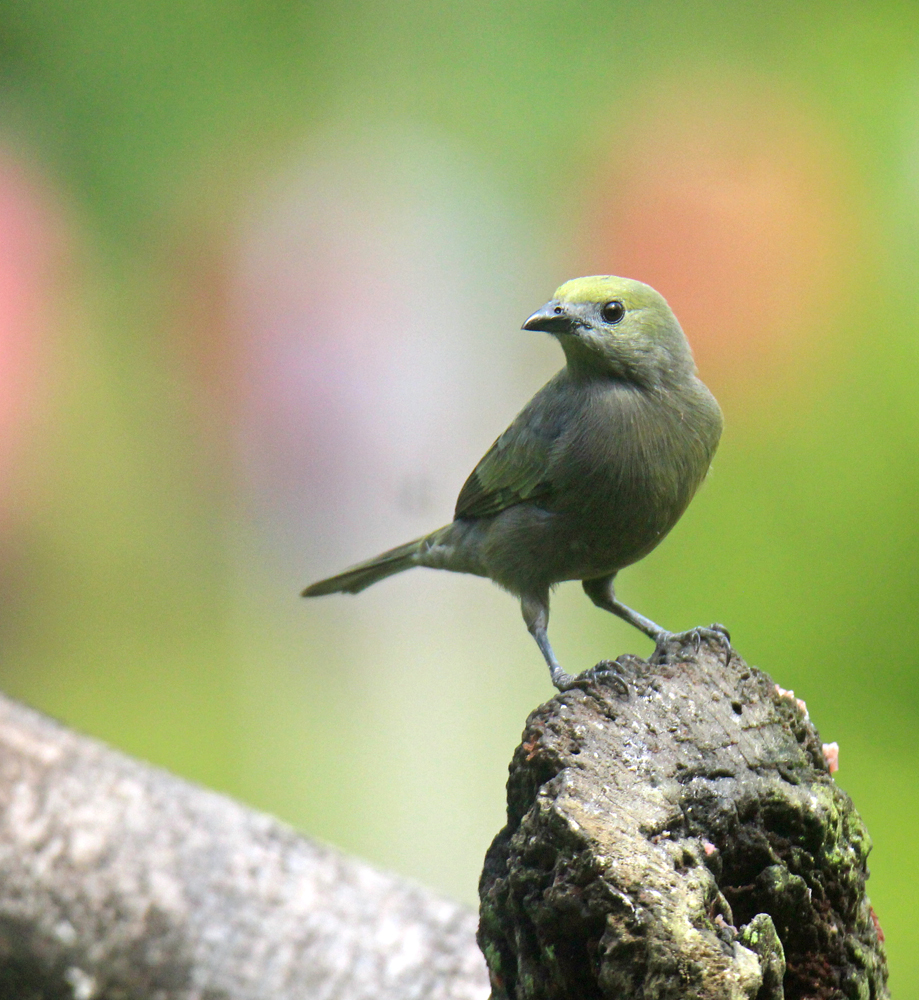
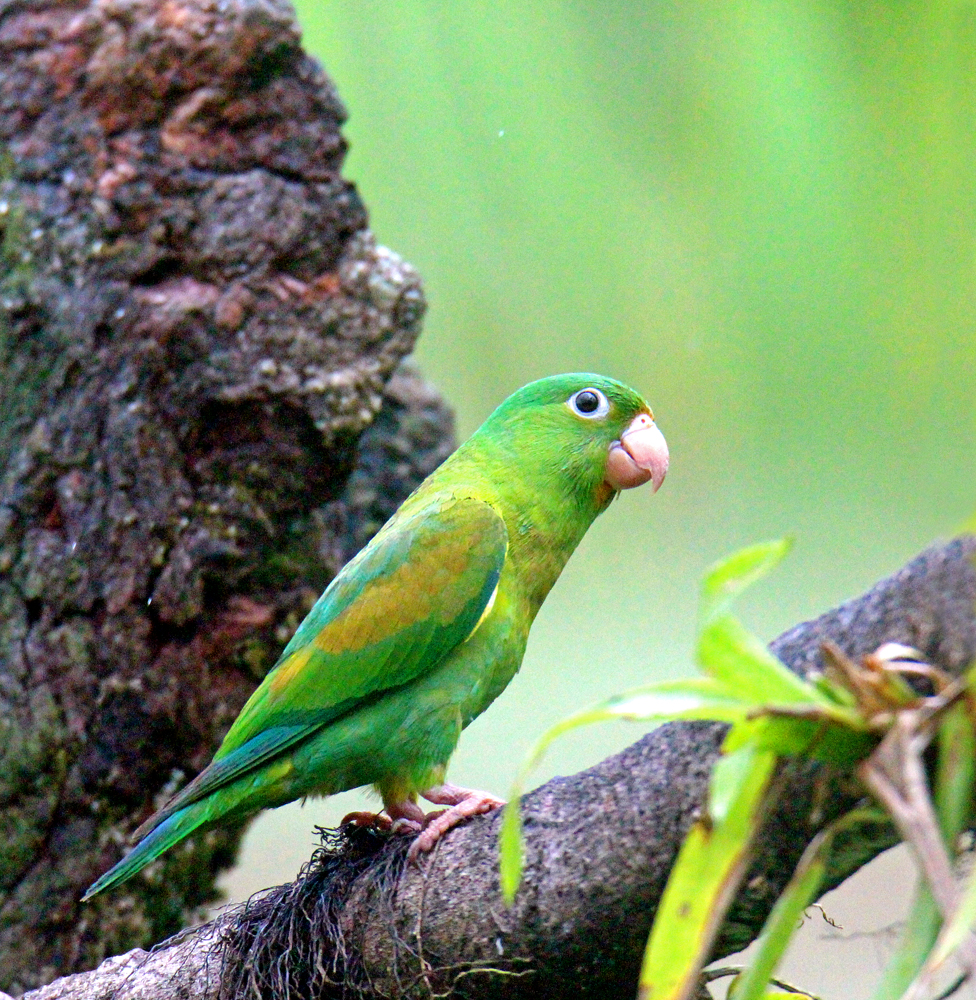
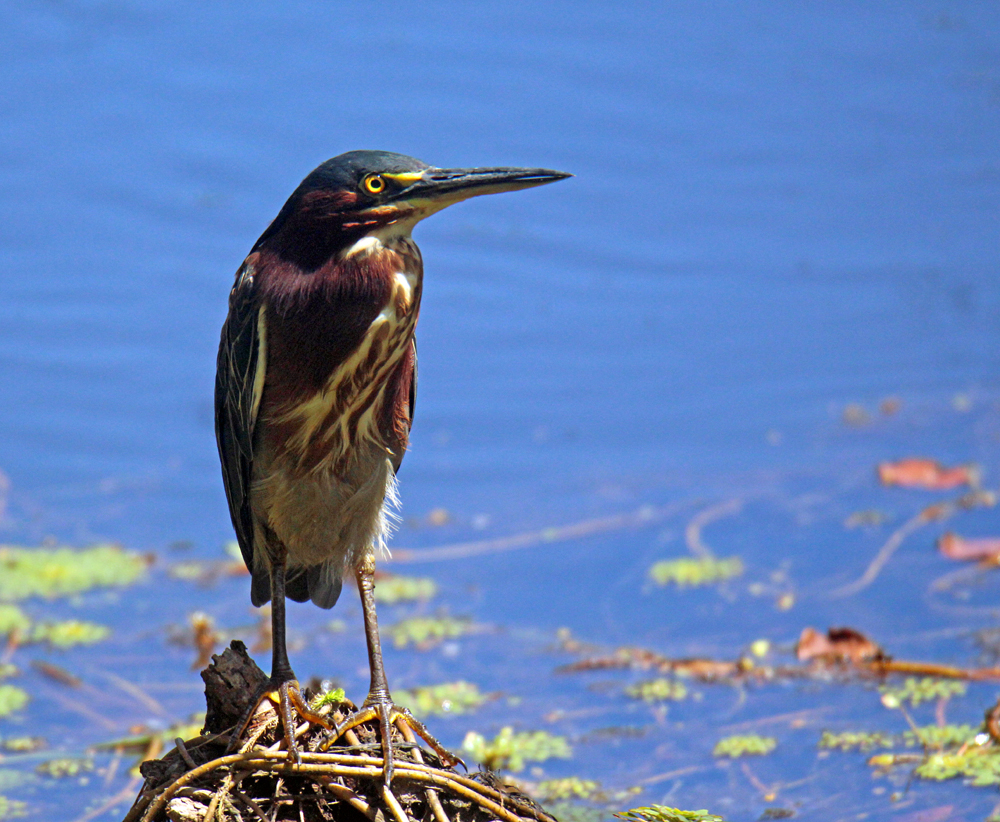
Plus I’m behind on processing my photos from Maquenque Ecolodge, but I did finish the biggest bulk which is of birds and have an online gallery of bird photos from this trip, so read on for some amazing bird photos . . .
I had some tough choices to show only 5 more birds, but that is best for now and I will maybe skip a day while I go through other photos for some future posts from Maquenque. Then I will get back to blogs about our tranquil little farm town of Atenas. 🙂
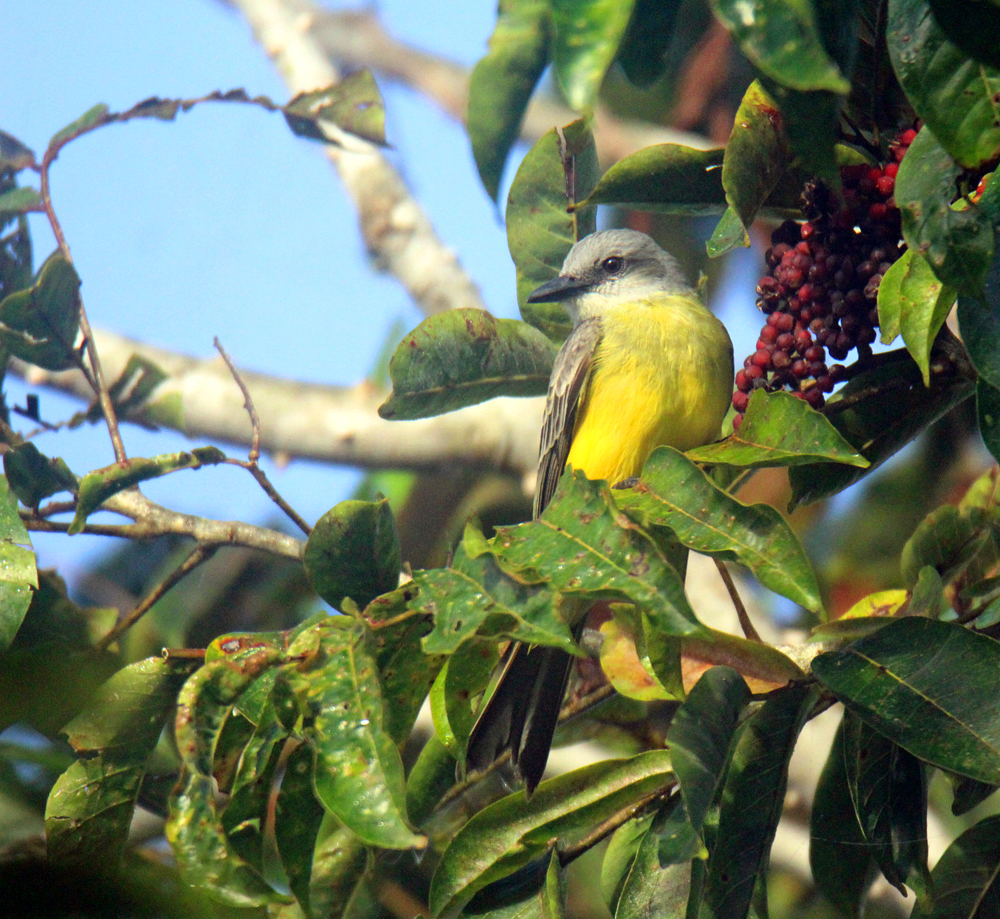
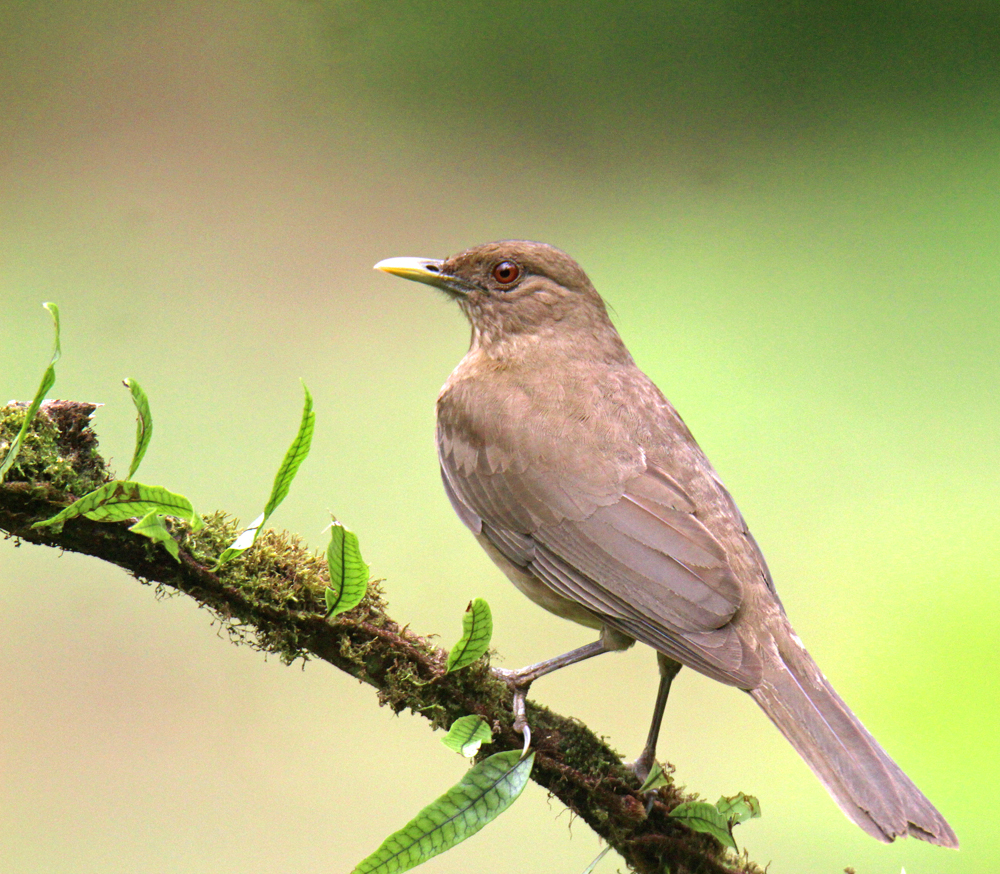
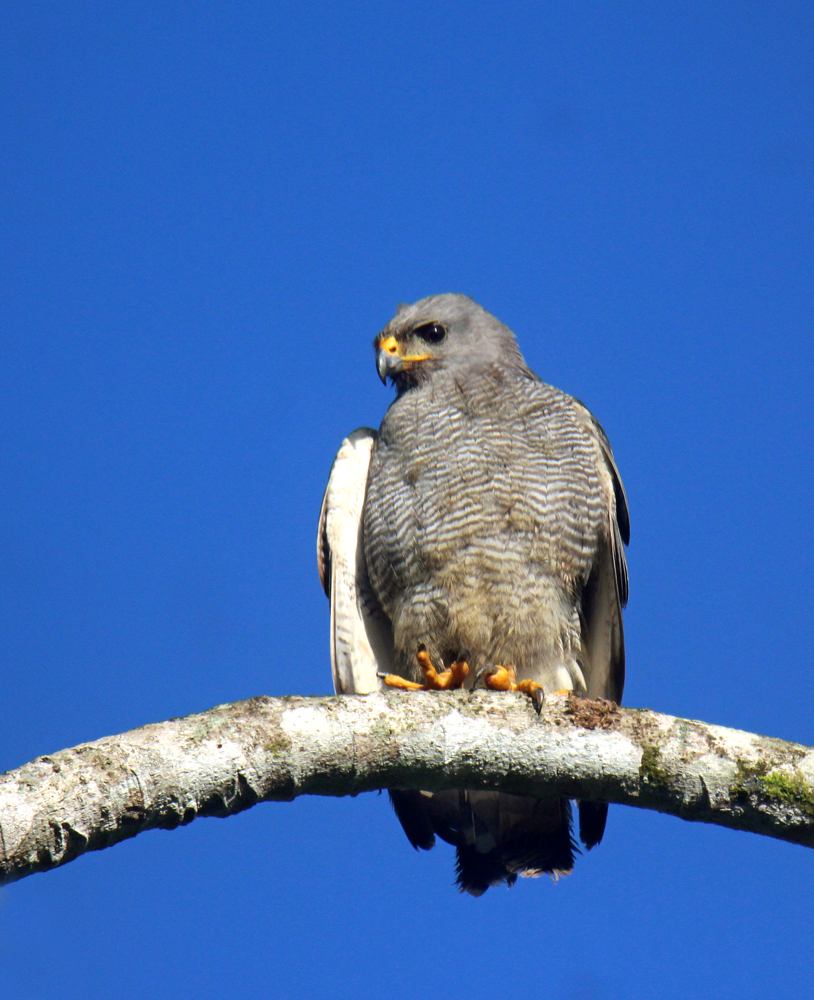
Maquenque Ecolodge is such a great place to get close to birds that the portraits approach seemed logical to me! 🙂 Here’s 5 more and I will try to hold it down to just one more “Portraits Post.” 🙂
I can’t say enough good things about Maquenque Ecolodge & Reserve (link to their website). in many ways it is my favorite in Costa Rica and they made several improvements over my last visit – using their “Covid down time” to make many physical improvements plus they hired a new super chef with a menu that now competes with any lodge in Costa Rica! AND I still get to stay in a treehouse! 🙂
Here’s 5 more bird portraits that I liked . . .
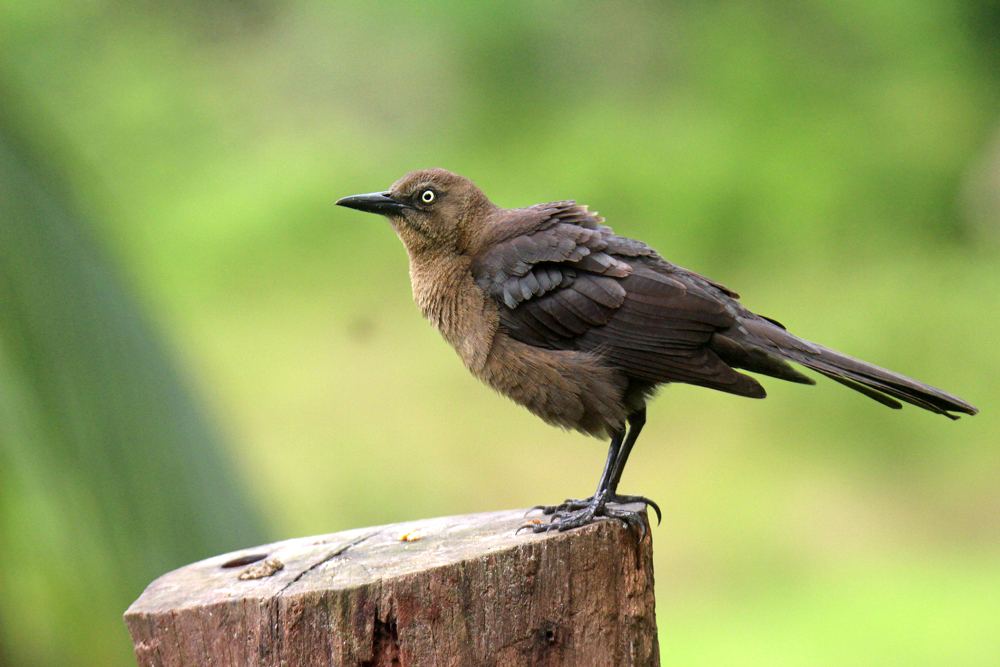
Female Great-tailed Grackle at Maquenque Ecolodge & Reserve, Boca Tapada, Costa Rica. And oh yes, she’s fluffing her feathers to dry them after a rain shower! 🙂Continue reading “Bird Portraits 2”
Here’s the first five portraits with more coming, though all fifty-something birds I’ve photographed will not be good enough for what I’m calling a “portrait” or “a close-up” of just one bird. Plus other types of photos are coming from Maquenque over the next few days or week, even though I return home tomorrow.