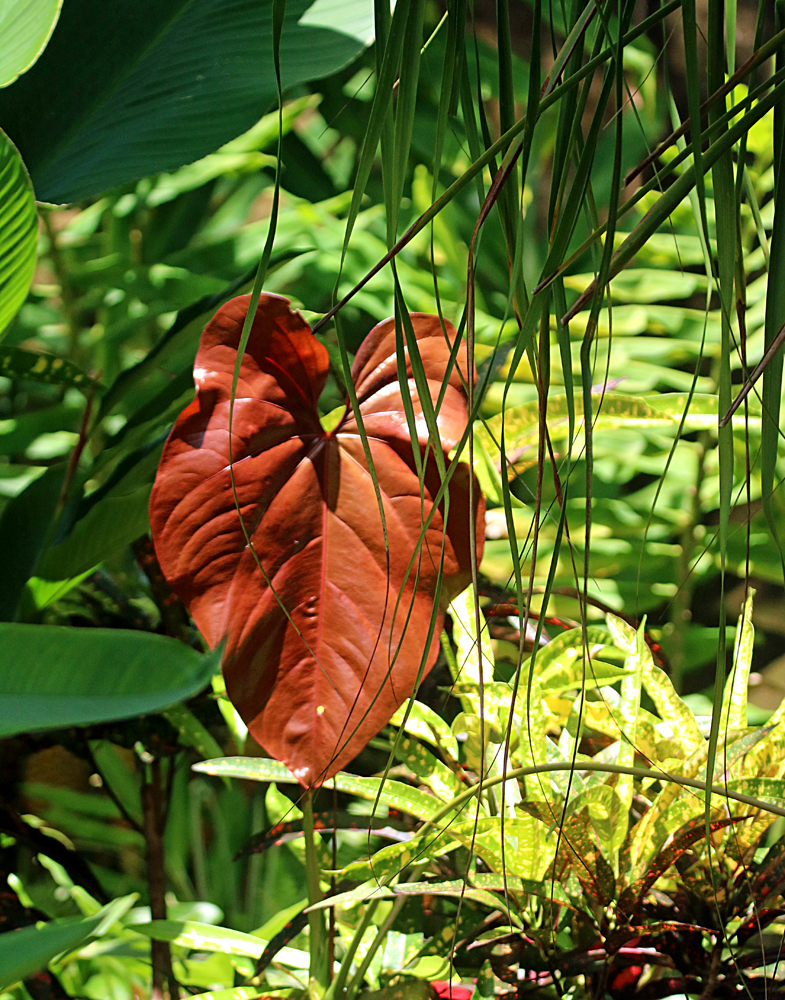

The theme of today’s online class was “Light & Shadow” and you can see my class notes and comments at Pause 5: Light & Shadow. (linked to my notes) Still not excited about the class, but this was a good photo-activity! 🙂
So I went outside at about 3pm yesterday (not the best time for long shadows, but okay). Here are a few of my shots in a gallery that won’t work in the email, so one pix for the email and then go to the online post for the gallery . . .
I am continuing the “Photography & Mindfulness” online class with #4 being day before yesterday or done yesterday for me. And of course a blog post each time with a link to my notes, comments and one or more of my photos that I think sort of relate. I’m not quite as “ethereal” or maybe it’s “psychological” as my teacher in Spain, but hoping this focus on mindfulness will help me to be more mindful and sensitive in making creative and meaningful nature photos. If interested, go to my online notes on this particular class at : Pause 4: Sensation and Emotion -May 15, 2026 NOTES.
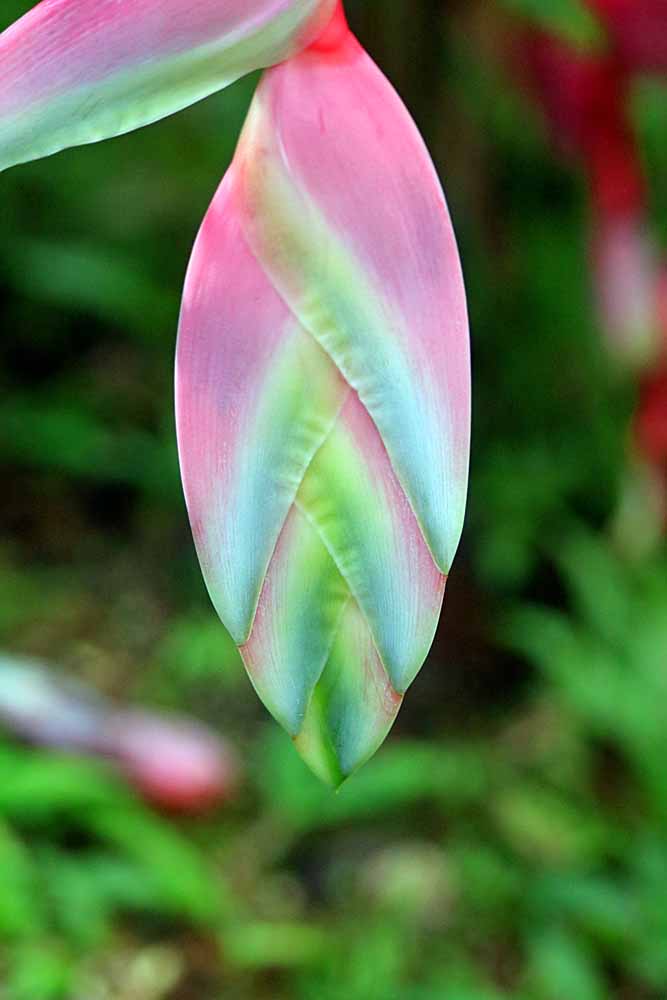
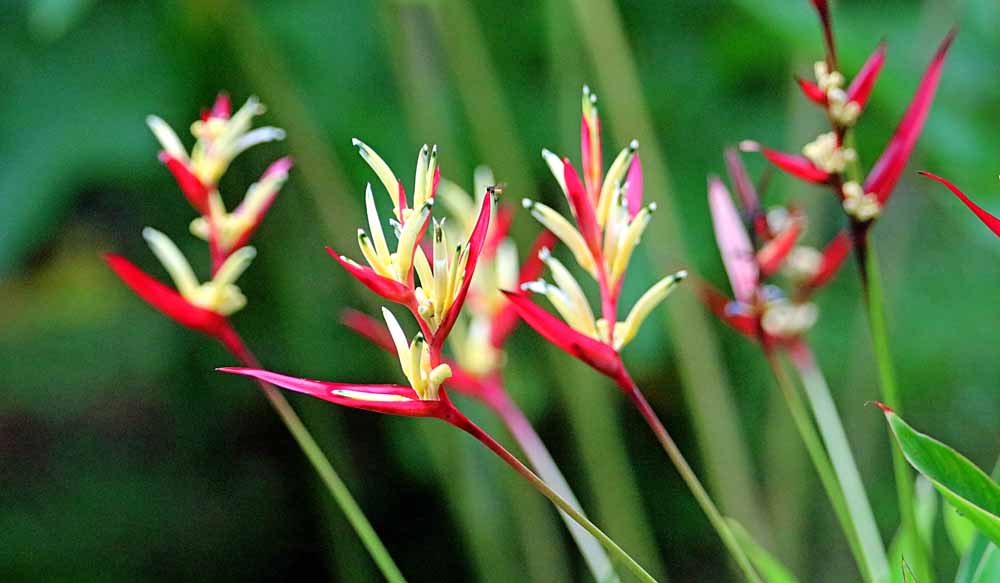
I think that a red flower always produces more “sensation or emotion” than any other color. 🙂
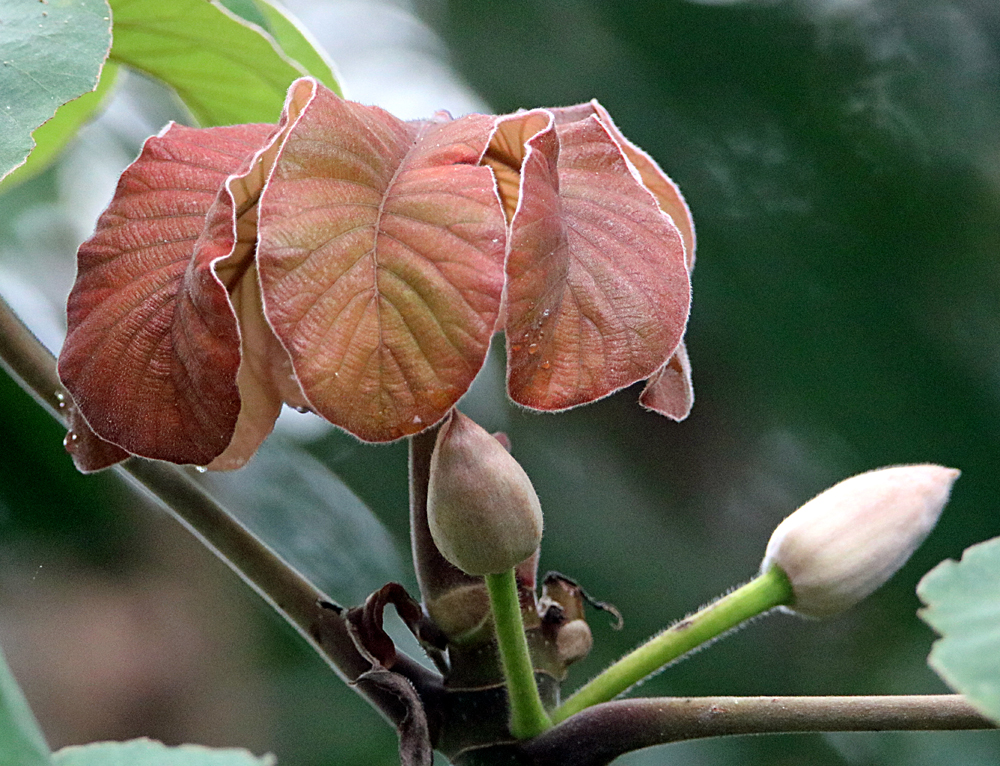
And About the Feature Photo . . .
Dying Cecropia Leaf with green spots or “Green Islands”
From Google AI: “Green islands” on a browning leaf are caused by living pests or pathogens that manipulate the plant’s hormones. They excrete cytokinins (plant growth hormones) that trick the leaf into delaying its natural death and keeping its green chlorophyll active in that specific area.
As butterflies slowly return, even in the wind, I welcome another former regular, the Juno Silverspot(my gallery link) even if not really good photos. I’ve seen him flying by more than landing anywhere, but barely managed to get these two shots, side view & top.
Juno Silverspot, Atenas, Alajuela, Costa RicaJuno Silverspot, Atenas, Alajuela, Costa Rica
I’m trying to be more patient, just sitting on the terrace long enough to see something like this hairstreak land on one of my flowers for maybe 20 seconds, meaning that one then has to be quick to snap a photo! 🙂 This one is not a stranger to my garden as you can see in the gallery: Ziba Scrub-Hairstreak, Strymon ziba. The former English common name was “Red-spotted Scrub-Hairstreak” and the Spanish common name still is. I guess some committee somewhere makes all these name changes for both birds and butterflies.
And, with it still being quite windy, I’m forced to be patient and wait for one to show up in the lulls of the wind. And the same patience is needed for an interesting bird to land in a tree too, as they eventually will, even on windy days. 🙂
Ziba Scrub-Hairstreak, Atenas, Alajuela, Costa Rica
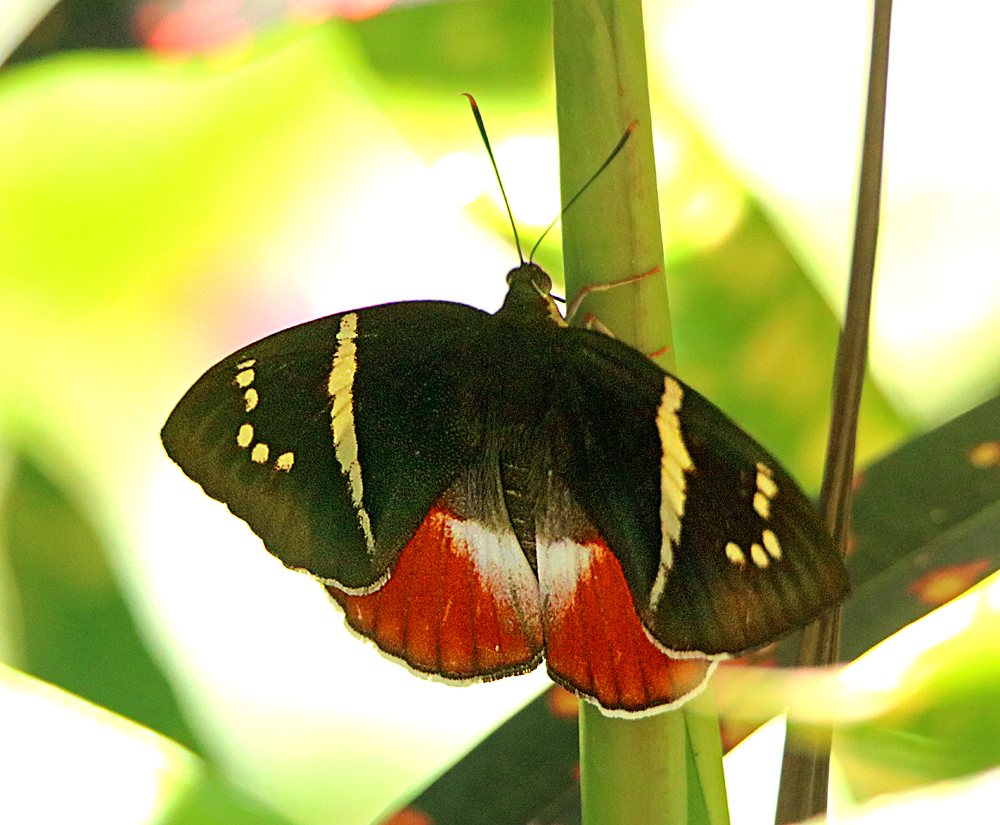
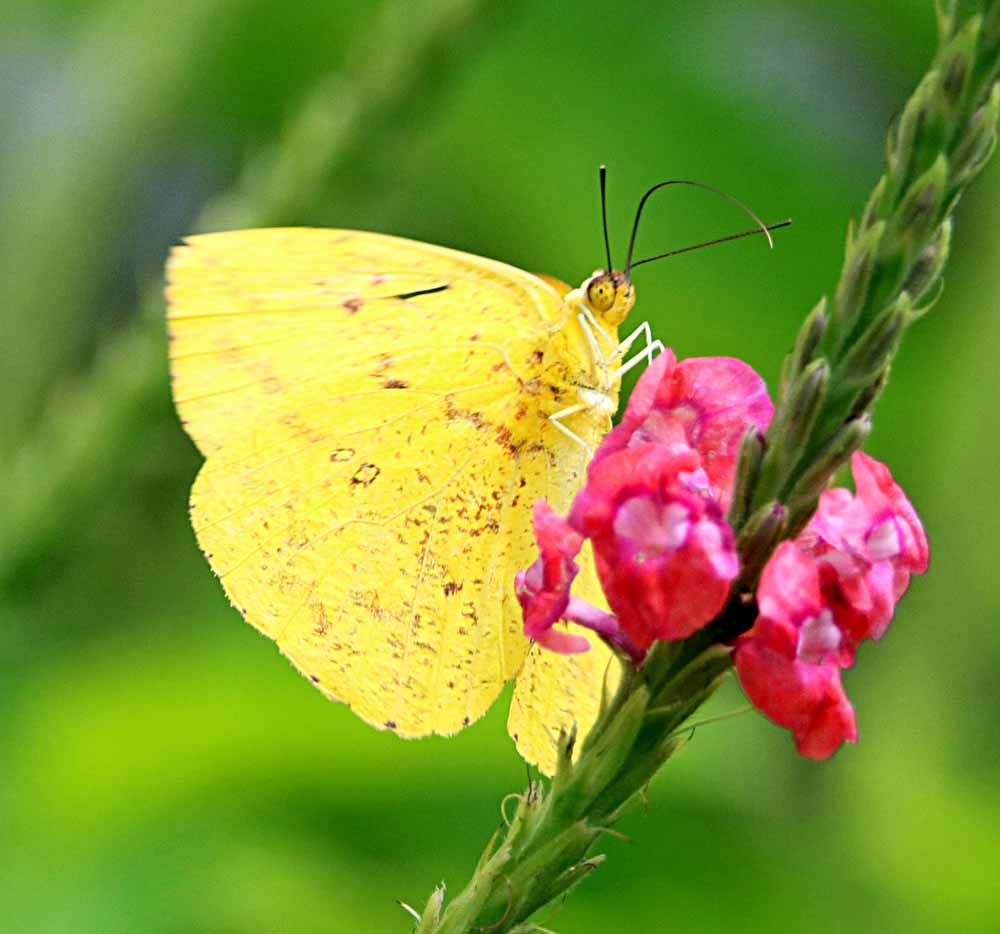
ThisBanded Peacock (my gallery link) was back in my garden yesterday for the first time in a while. I’ve also seen a couple of species of Sulphurs and the Yellow that flies around high up in the trees. But the only regular continues to be the Polydamas Swallowtail which seems to handle the wind easier than the other. The wind is lessening some now, but there is still wind and those gusts which are difficult for butterflies. I’m trying to be patient. 🙂 And oh yes, another big rain yesterday afternoon! So maybe the rainy season has started early this year! 🙂
Banded Peacock on a Lantana flower (Lantana camara ), Atenas, Alajuela
¡Pura Vida!
And I hope that any readers who live in Residential Roca Verde will check out my new photo book: Roca Verde Butterflies with 180 species photographed in Roca Verde. Click that link for a free preview of every page! Roca Verde seems to be a significant haven for butterflies! Including a couple of species rarely seen according to iNaturalist.
🙂
CLICK the above book cover for a free preview of all pages.
And that would be “cuidando las macetas” in Spanish! The motivation for this little job was the large flower pot of potted palms at the entrance of my terrace had grown so much (in maybe 10 years) that the growing roots broke the terracotta pot. I had the gardeners plant those palms along the southside palm row for a thicker screen from the street and bought a new smaller pot with smaller palms to still visually separate my outdoor dining table from the driveway to the top of the hill. And while at the Vivero (plant nursery) I got two small red anthuriums for the old white pot that has seen many different flower over about 9 years and the one in it last week had become ugly!
Next project is to paint the Frog Pot and two other terracotta pots, after sanding. Always something that needs to be done! 🙂
Entering the terrace from the driveway, the potted palms sort of shield the dining table, even this smaller bunch of palms.Continue reading “Minding the Flowerpots”
Some Americans here probably still call it “Torch Ginger,” the common English name, but I’ve always preferred the Costa Rican Spanish name of El Bastón del Emperador. And since I started walking with a Trekking Pole, most Costa Ricans call it my “Bastón!” 🙂
I noticed the other day, within sight of my terrace, 3 different stages of the ginger flower: bud, baby flower and mature flower. So here the are in that order . . .
On many days it seemed that these were the only butterflies that could manage in the wind, and many had broken or damaged wings. See more of this most frequent Swallowtail for my garden in the gallery: Polydamas Swallowtail. It now looks like it will be mid to late May before the winds slow down enough to allow for more butterflies.
Polydamas Swallowtail, Atenas, Alajuela, Costa RicaPolydamas Swallowtail, Atenas, Alajuela, Costa Rica
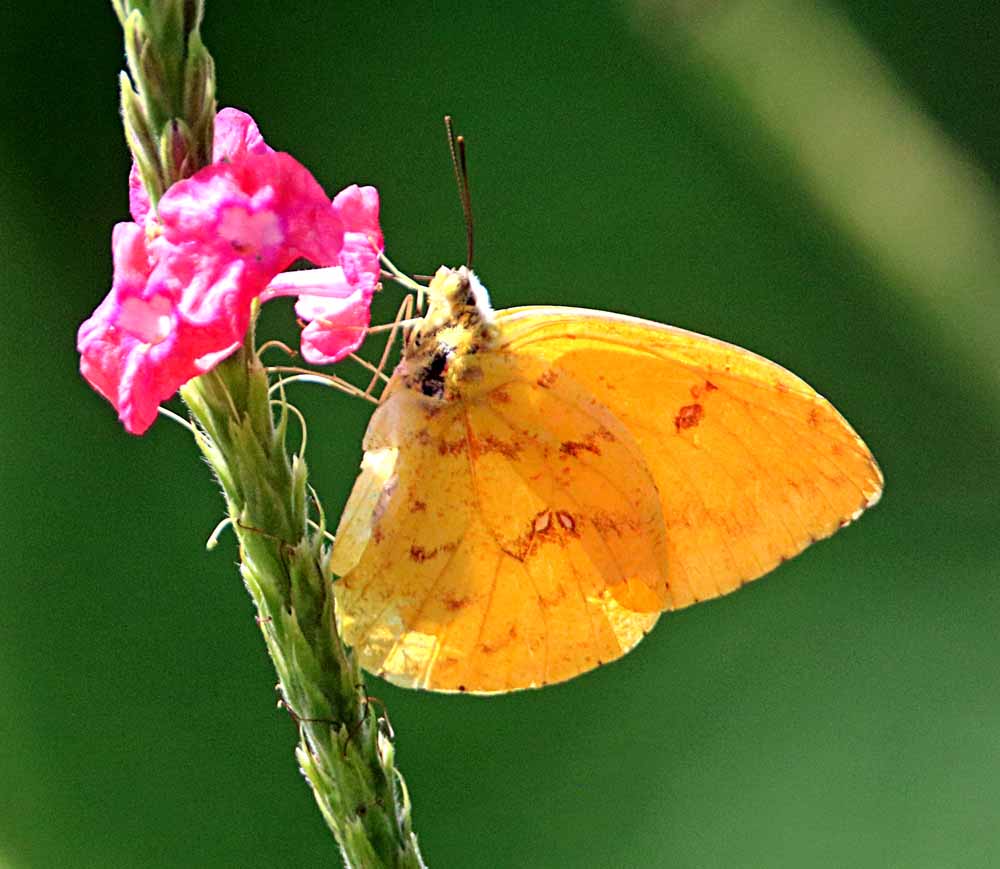
The wind is slowing down a little and that helps to see more birds and butterflies like this White Angled-Sulphur (my gallery link) photographed day-before-yesterday in my garden. This is a typical folded wings sideview showing a little greenish hue, while the top view is bright white with bright yellow patches under the two dark spots. See that in my above linked gallery, which I was unable to capture this time.
White Angled-Sulphur, Atenas, Alajuela, Costa Rica
“The Best Weather in the World”
or “El Mejor Clima del Mundo,” is the slogan of the town of Atenas, where the temperature stays in the Fahrenheit 70’s or Centigrade 20’s year around! It is usually windy just January to March, blowing in both regular dust and sometimes volcano ashes, which are black, making them obvious. Dry season is December to April or May and Rainy Season May to November, with April and November called “shoulder months,” meaning that it could be either dry or rainy and this April, also windy, which is not normal.
When I walked out of my bank across the street from Central Park on Tuesday, there were no other people by the city sign (unusual), so I did the touristy thing and made a selfie in front of the sign, which I haven’t done since it was first installed. The ATENAS letters have colorful drawings of places and activities in Atenas, while carved in stone beneath the name is the weather slogan: EL MEJOR CLIMA DEL MUNDO, which is also on the back of all Atenas buses.
Charlie Doggett, Central Park, Atenas, Alajuela, Costa Rica
We were suppose to have a big rain last night and I hope it will be the early beginning of the rainy season, which is my favorite time of year here with most days having only a couple of hours of rain in the afternoon or evening, and everything is greener and more beautiful! Plus that is when I see & photograph more wildlife including butterflies! 🙂
¡Pura Vida!
Amateur video in español . . .
Amateurish, but it does show a lot of Atenas including the county villages . . .