The Health Ministry on Monday presented Costa Rica’s plan for a gradual reopening.
Beginning May 16, Costa Rica will further ease coronavirus restrictions and allow limited visitation at beaches and national parks. If the epidemiological curve permits, more measures will be lifted in June and beyond.
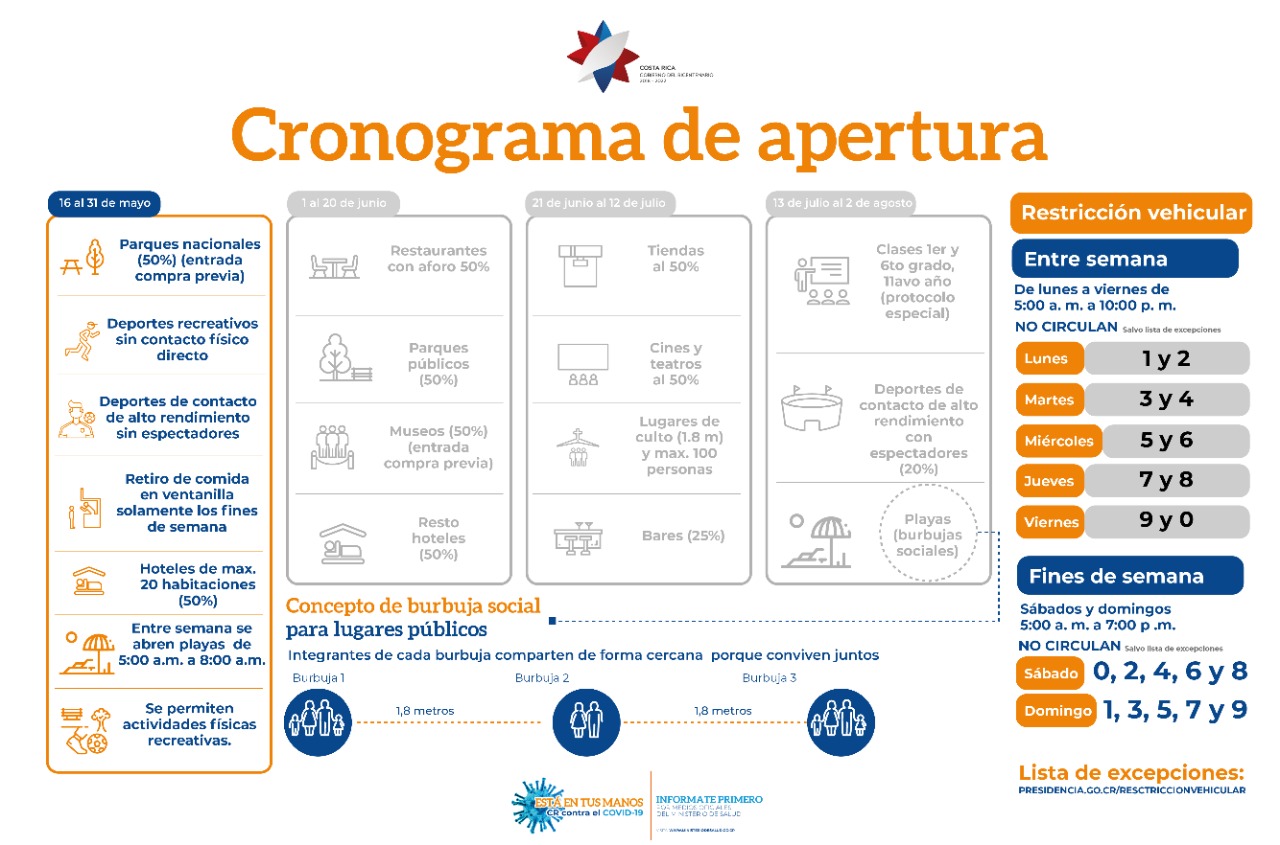
Here is Costa Rica’s timeline for reopening, as presented Monday by the Health Ministry.
May 16 to May 31
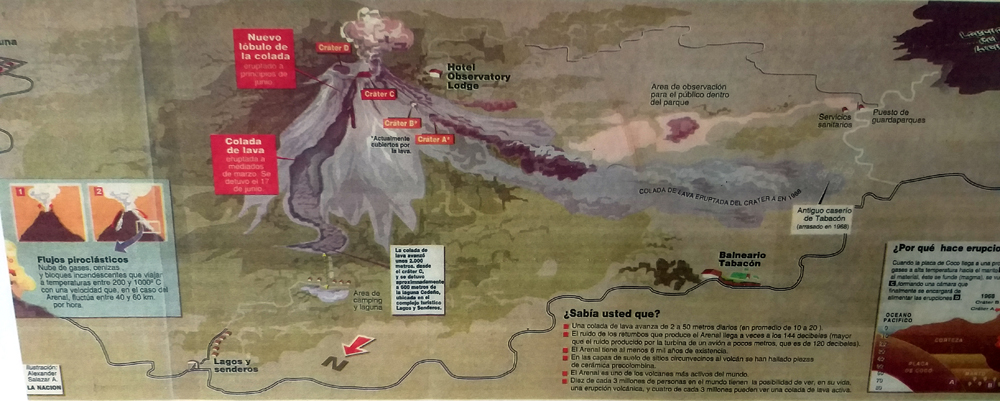
- The following national parks can open at 50% capacity: Irazú Volcano, Poás Volcano, Guayabo, Braulio Carrillo, Carara, Corcovado, Manuel Antonio, Cahuita, Arenal, Rincón de la Vieja, Los Quetzales and Tapantí. Monteverde, a private reserve, can also open. Tickets must be pre-purchased.
- Non-contact and individual recreational sports / athletic training are permitted.
- High-level contact sports are permitted, without spectators.
- Small hotels (maximum 20 rooms) can reopen at 50% capacity.
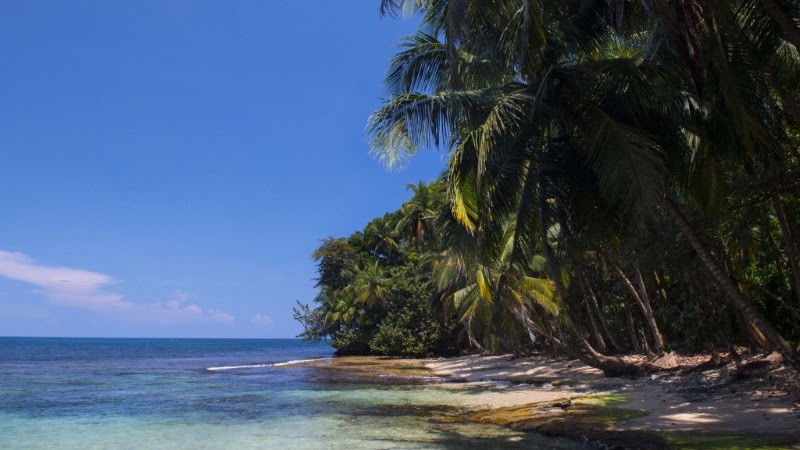
- During the week, beaches can open from 5 a.m. to 8 a.m.
June 1 to June 20*
- Remaining national parks reopen at 50% capacity.
- All restaurants at 50% capacity.
- Public parks at 50% capacity.
- Museums at 50% capacity. (Prior ticket purchase is required.)
- All other hotels at 50% capacity.
- The current border restrictions will expire on June 16; these may be extended.
June 21 to July 12*
- All stores at 50% capacity.
- All cinemas and theaters at 50% capacity.
- Religious centers can hold gatherings (maximum 100 people with 1.8 meters of separation).
- Bars at 25% capacity.
July 13 to August 2*
- Schools under to-be-announced protocols.
- Contact sports with spectators (20% capacity).
- Beaches with social distancing.
* All plans beyond the measures announced for May 16-31 are tentative and may be changed if Costa Rica experiences a surge in cases.
‘Golden rules’ for containing coronavirus spread
The Health Ministry announced a series of “golden rules” that should be observed by all residents of Costa Rica.
- No one with a cold or flu, or with respiratory symptoms, should leave the house.
- People with coronavirus risk factors should avoid going to public places.
- While in public, maintain a distance of 1.8 meters (6 feet) between anyone not in your “social bubble.”
- Do not touch your face in public without first washing your hands.
- Do not sing, shout or speak loudly in public.
- Wear face masks, especially on public transportation or if remaining in a public place for more than 15 minutes.
- If possible, take the temperature of patrons before allowing them into an establishment.
Vehicular restrictions to continue
Starting on May 18, the following daytime vehicular restrictions will be enforced between the hours of 5 a.m. and 10 p.m.:
- Mondays: Vehicles with license plates ending in 1 and 2 cannot drive. Vehicles with license plates ending in all other numbers can transit freely between 5 a.m. and 10 p.m.
- Tuesdays: Vehicles with license plates ending in 3 and 4 cannot drive. Vehicles with license plates ending in all other numbers can transit freely between 5 a.m. and 10 p.m. .
- Wednesdays: Vehicles with license plates ending in 5 and 6 cannot drive. Vehicles with license plates ending in all other numbers can transit freely between 5 a.m. and 10 p.m. .
- Thursdays: Vehicles with license plates ending in 7 and 8 cannot drive. Vehicles with license plates ending in all other numbers can transit freely between 5 a.m. and 10 p.m. .
- Fridays: Vehicles with license plates ending in 9 and 0 cannot drive. Vehicles with license plates ending in all other numbers can transit freely between 5 a.m. and 10 p.m. .
A total vehicular restriction — with a few exceptions — will be enforced nationwide every weeknight from 10 p.m. to 5 a.m. the following morning.
The weekend driving restrictions will continue between the hours of 5 a.m. and 7 p.m.:
- Saturdays: Vehicles with license plates ending in even numbers cannot drive.
- Sundays: Vehicles with license plates ending in odd numbers cannot drive.
A total vehicular restriction — with a few exceptions — will be enforced nationwide every Saturday and Sunday night from 7 p.m. to 5 a.m. the following morning.
Thankful to live in Costa Rica with common sense national leadership! ~CD
¡Pura Vida!
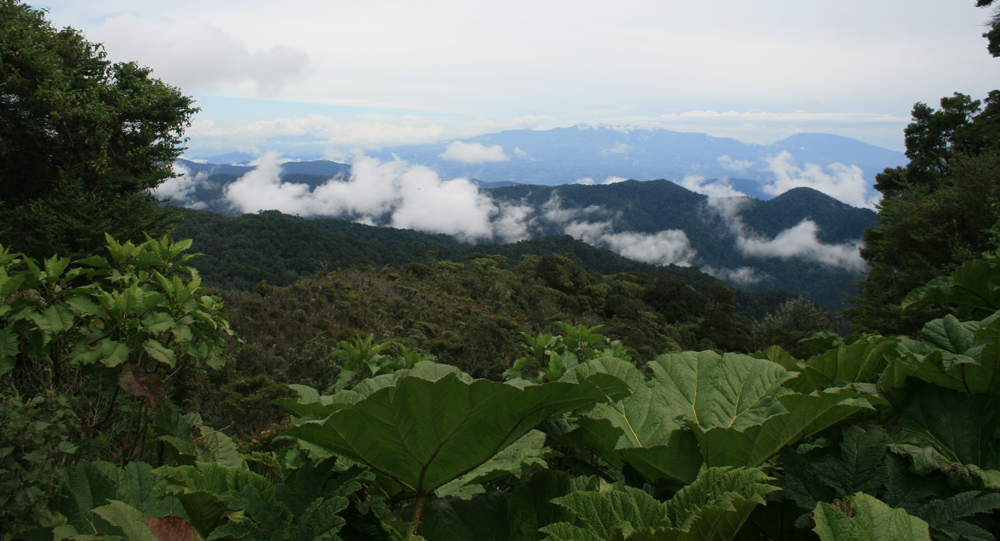
 This is in many ways my favorite hotel and nature retreat, though not my best birding place. And is one of the most expensive! But it has as much nature overall as any of my favorite places, plus 5 of their own waterfalls on property, plus excellent service, rooms, and food plus the best of all hot tubs or jacuzzis! (And more birds than at home!)
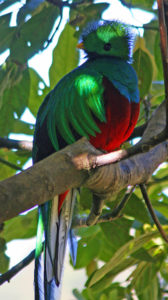 I’ve wanted to return there since my first short visit on a birding tour in 2009 while still living in downtown Nashville. I’ve returned to San Gerardo de Dota twice since then as the best place in Costa Rica to see and photograph the Resplendent Quetzal! I’ll include links to those two other lodges visited below in case considering the area for a visit.
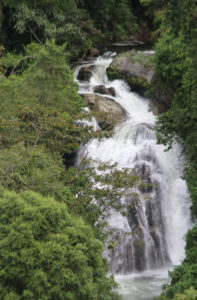 The Chirripó Mountain is the tallest in Costa Rica and for a certain group of Tico young men, climbing to the top (overnight with one night on the mountain) is a sort of “rite of passage” for the real outdoors young man here, some before high school graduation. 🙂
 My second visit to this favorite retreat and #1 birding spot that ranked first place on my
  Another favorite hotel that I never tire of even though not the best for birds like Maquenque. It is the location, people, service, attitudes, the great “Howler Suite” room that I must reserve a year in advance and the excellent food.
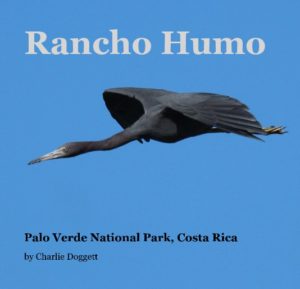 Another favorite hotel that has almost everything! Luxury room, gourmet food, and lots of birds and other nature to photograph! It could become another regular that I just discovered last year. It is on the Rio Tempisque river across from the Palo Verde National Park and possibly the only place in Costa Rica you can photograph a Jabiru Stork along with lots of other birds.
 Another favorite hotel of mine in almost every category from birds to food and service! And it is very popular for both tourists and Ticos. This will be my third time here and the photos below will show why I like it so much.