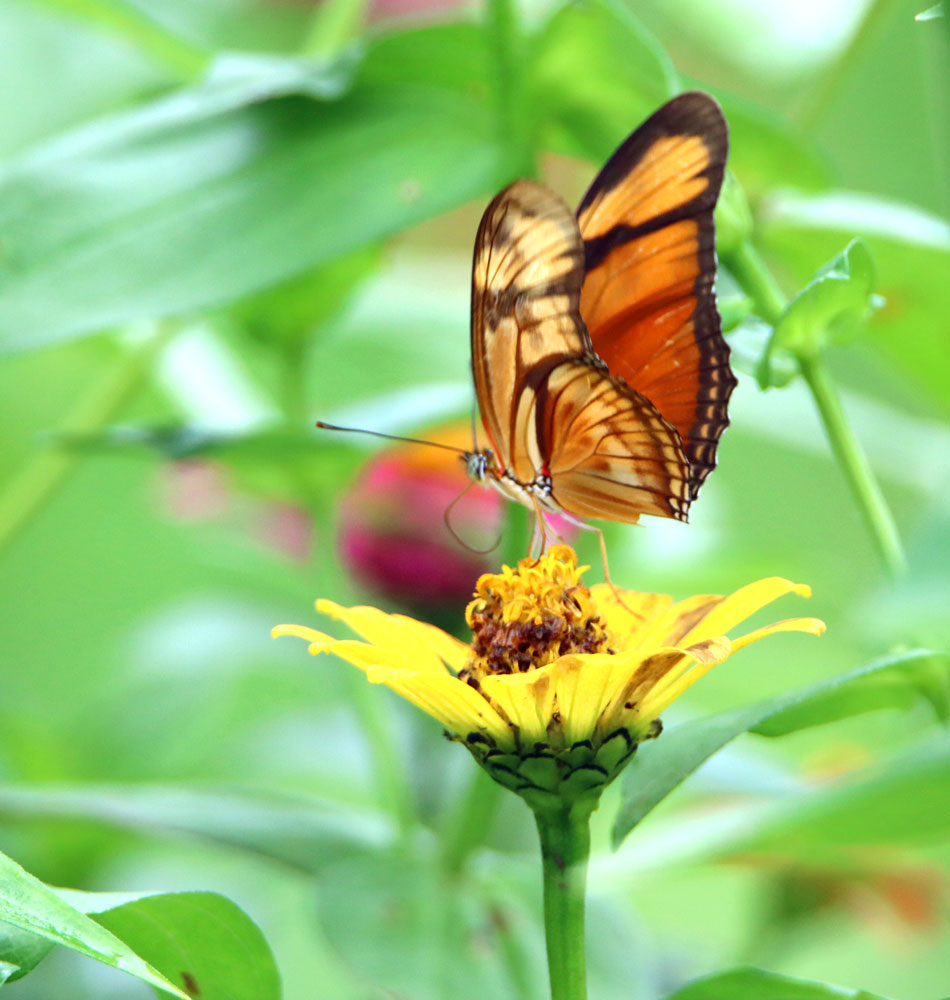
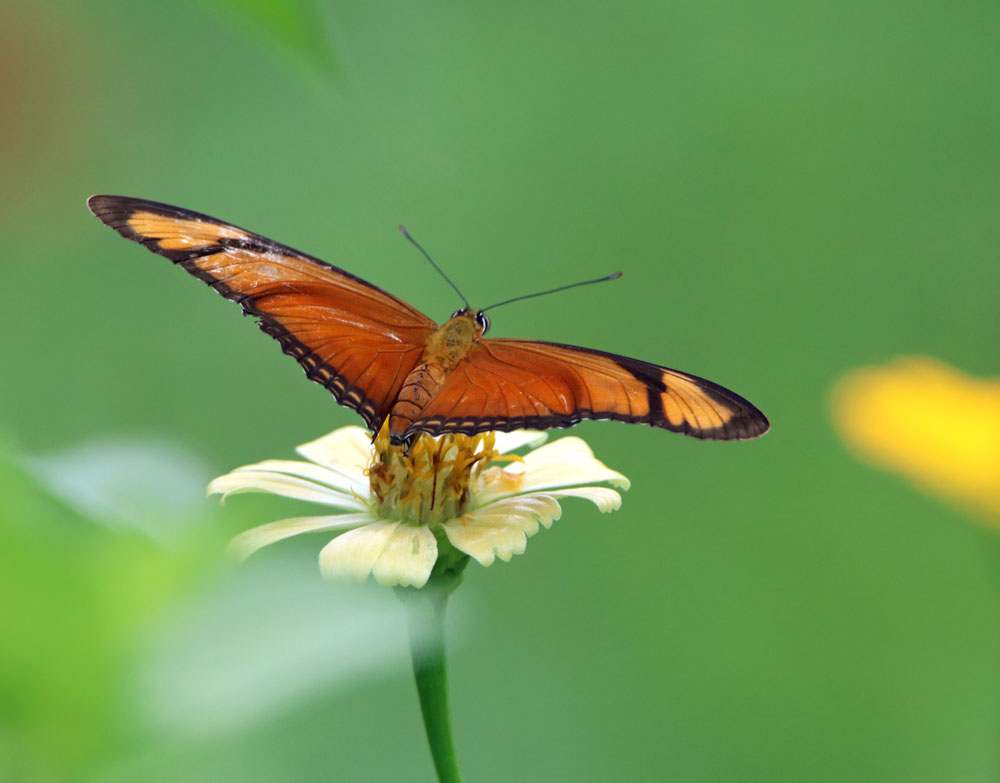
The Julia Heliconian (my gallery link) was also prevalent at Maquenque as in my garden, another favorite butterfly. Here’s the distinctive side view and top view . . .
¡Pura Vida!
charliedoggett.net
The Julia Heliconian (my gallery link) was also prevalent at Maquenque as in my garden, another favorite butterfly. Here’s the distinctive side view and top view . . .
¡Pura Vida!
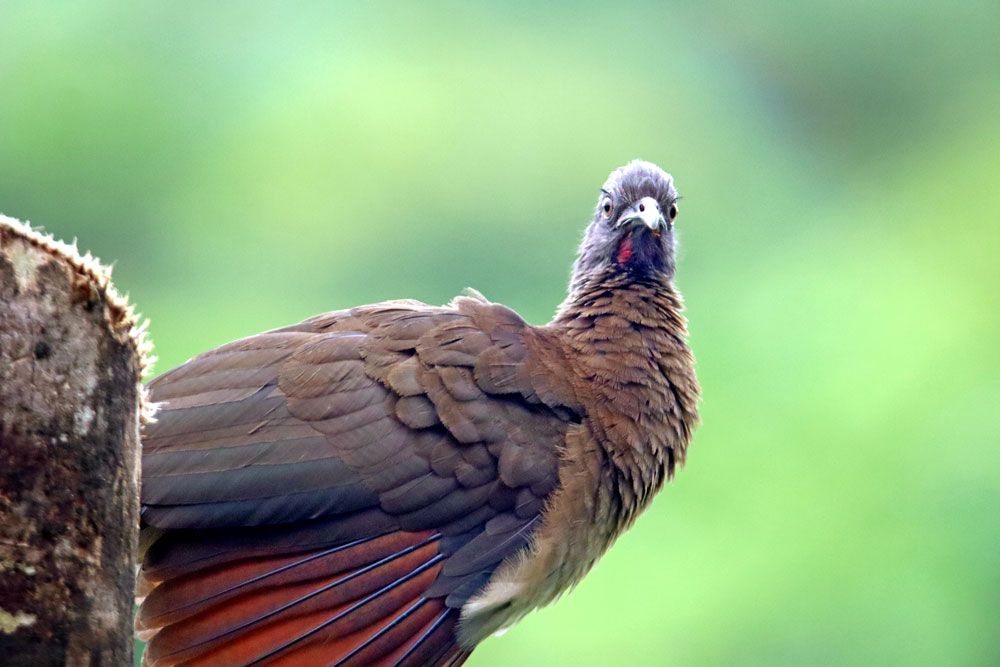
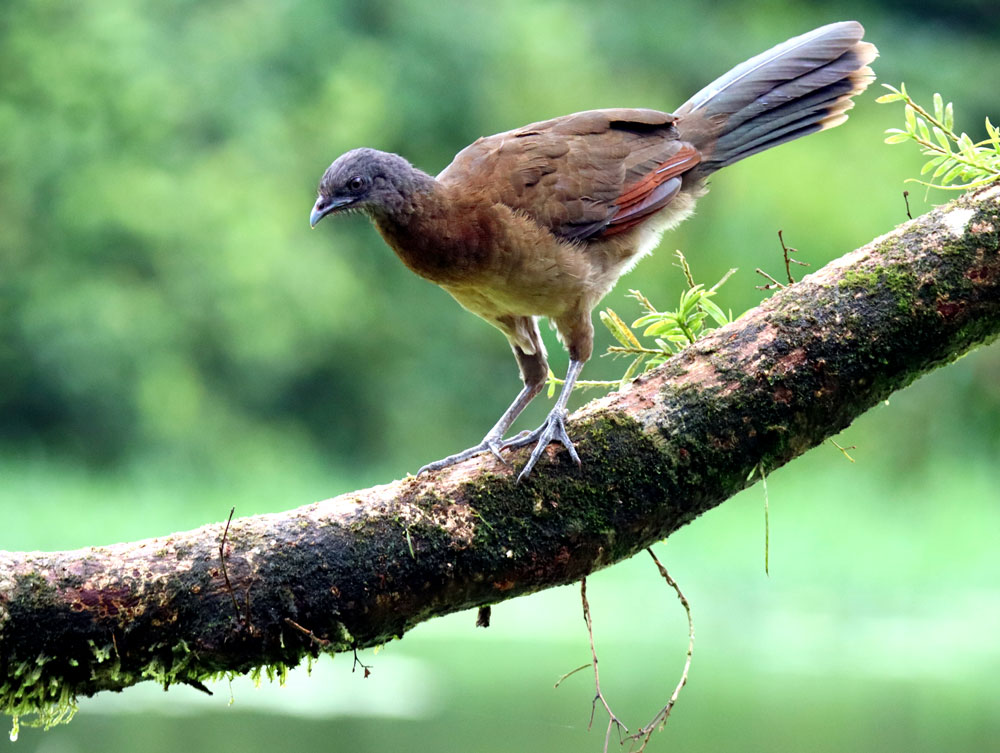
Another bird nearly as big as the Crested Guan and Curassow at Maquenque is the Gray-headed Chachalaca (my gallery link) and this chattering big bird is also common at my house while the other two are not. These three shots are representative of the many different looks that Chachalacas seem to have. I particularly like the second photo below of a very wet Chachalaca in a rain. 🙂 And note that both male and female have the red dewlap on their neck during mating season (unlike Crested Guans which is only the males.) In fact, male & female Chachalacas are almost identical, though males tend to be a little larger.
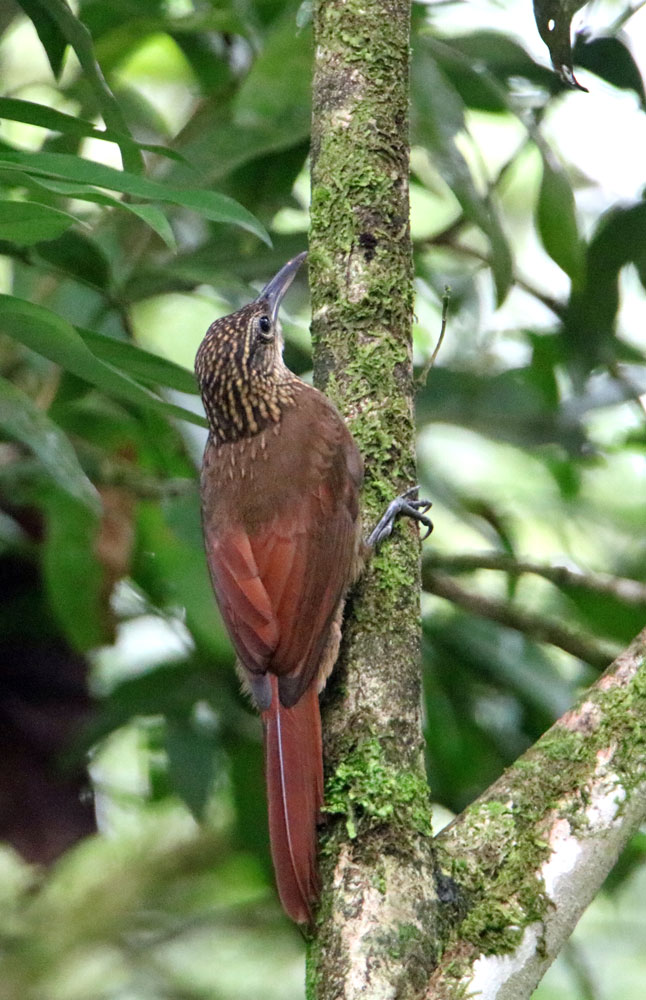
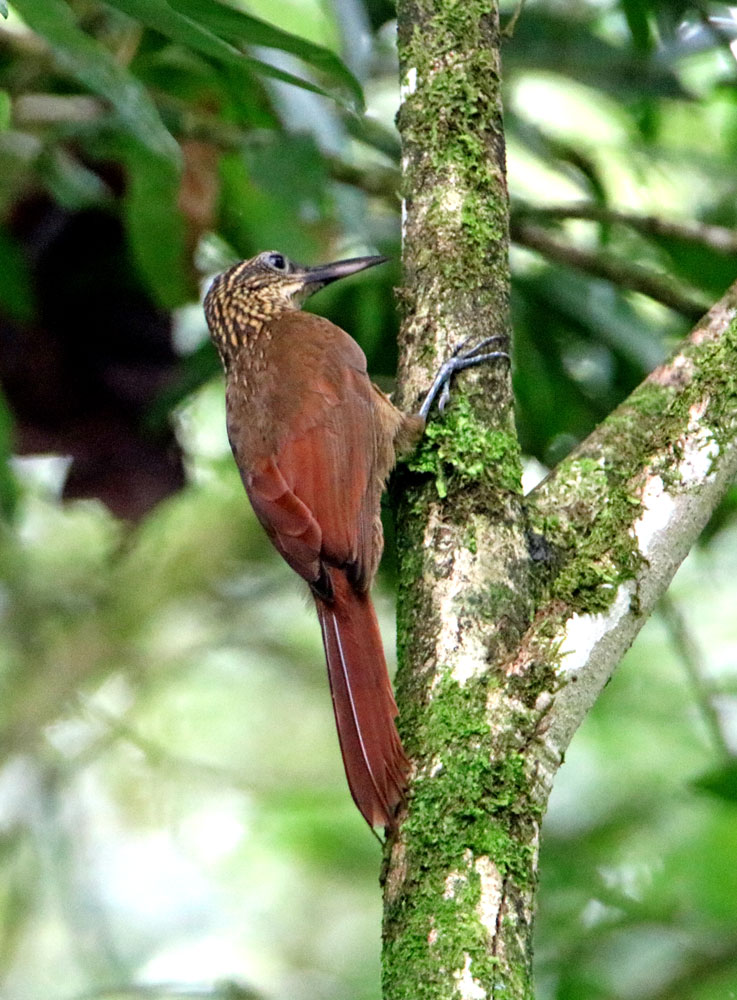
This is another one of the fine birds that I photographed from my back porch at Maquenque in two different sightings. I’ve seen this bird in only 2 other lodges but these were my best shots ever while just sitting on the back porch. 🙂 See more photos from these sightings plus those from the other two lodges in my gallery: Cocoa Woodcreeper (linked).
¡Pura Vida!
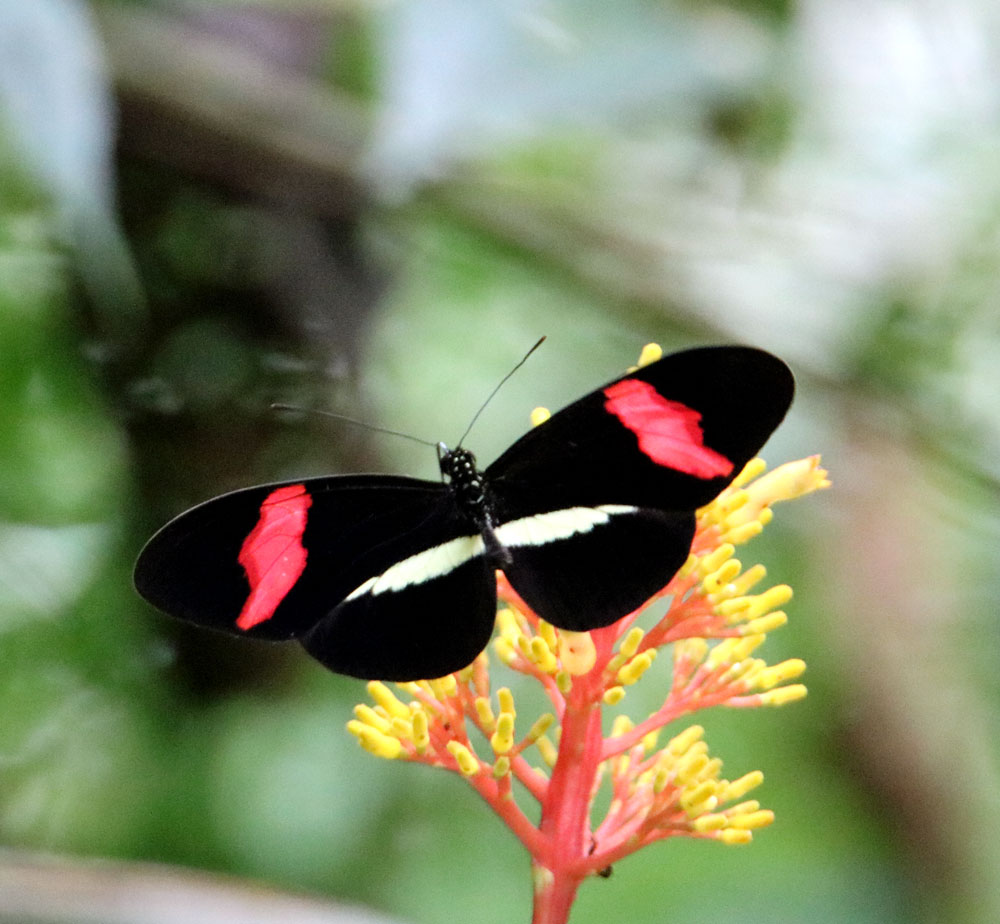
The Red Postman, Heliconius erato (my gallery link) is found from Southern Texas in the U.S. south through Mexico, all of Central America and most of South America. It is easily confused with the Postman, Heliconius melpomene rosina (my gallery link), found only in Costa Rica and Panama.
¡Pura Vida!
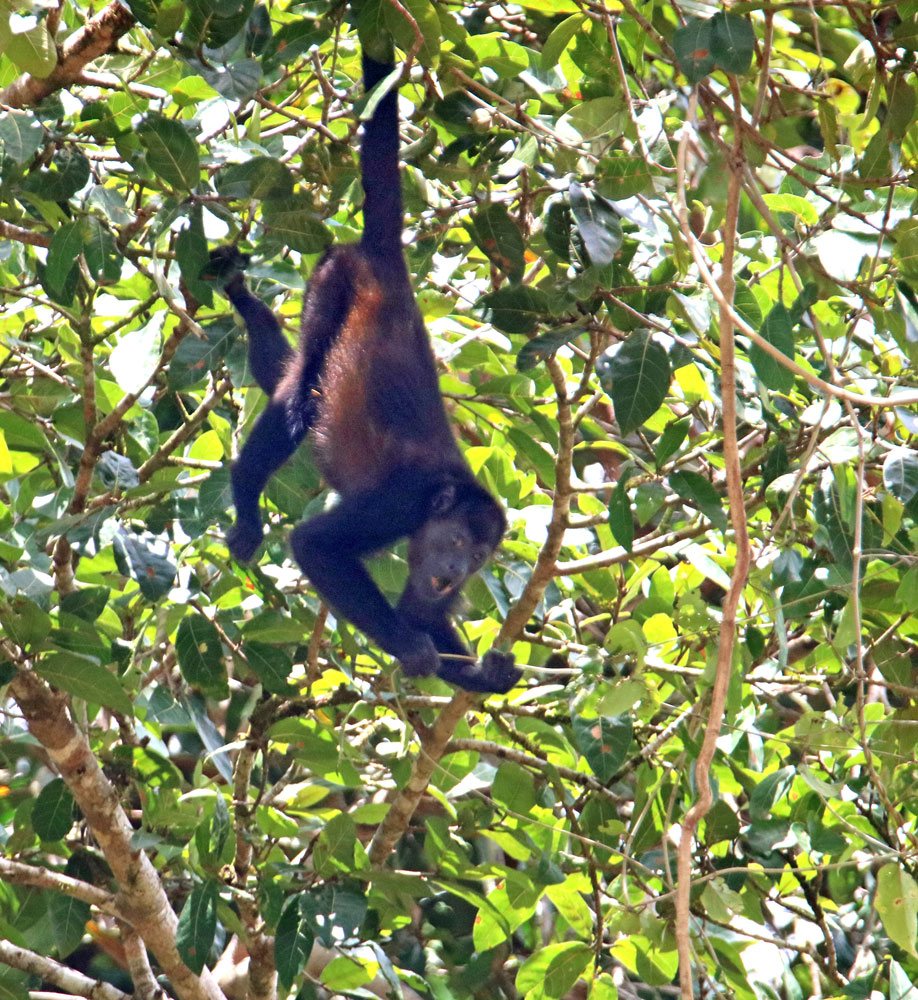
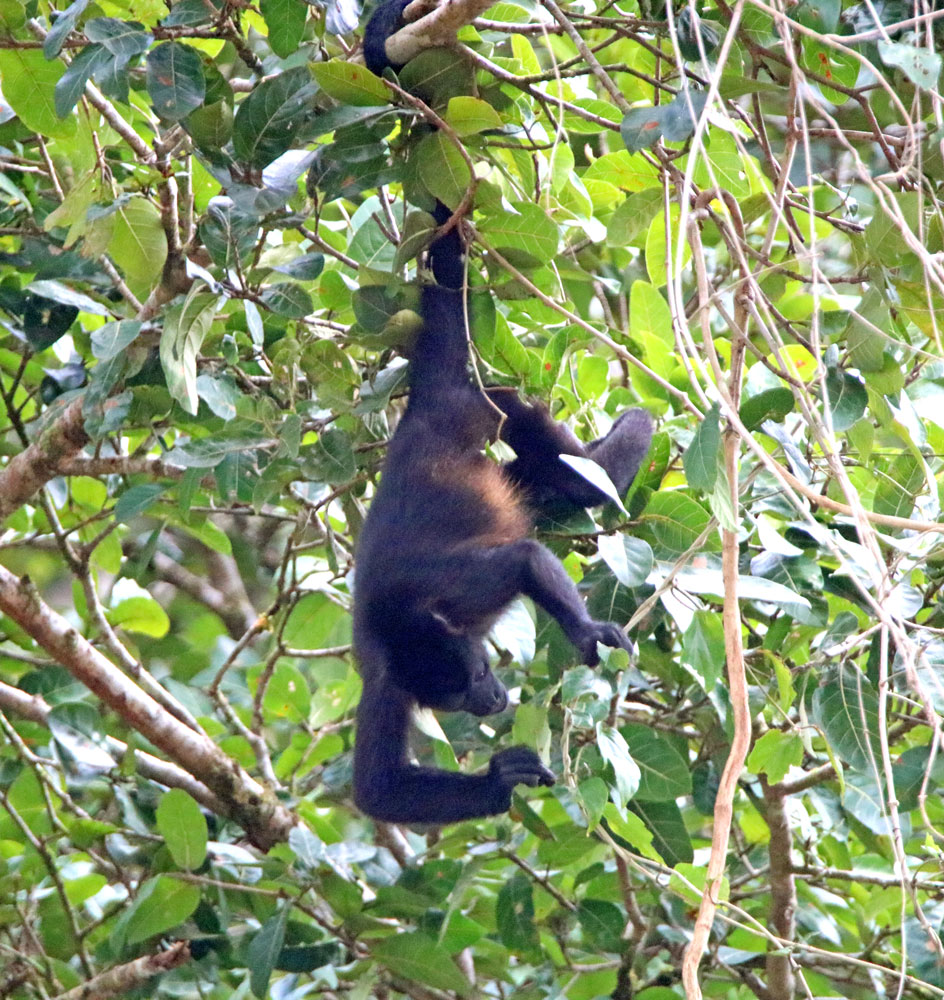
While I was waiting on the arrival of Walter for my return trip the boat driver took me across the river to a tree with several of these Mantled Howler Monkeys (my gallery link). They are almost constantly looking for something to eat and here it is leaves. See more shots in the above linked gallery from my many trips all over Costa Rica..
¡Pura Vida!
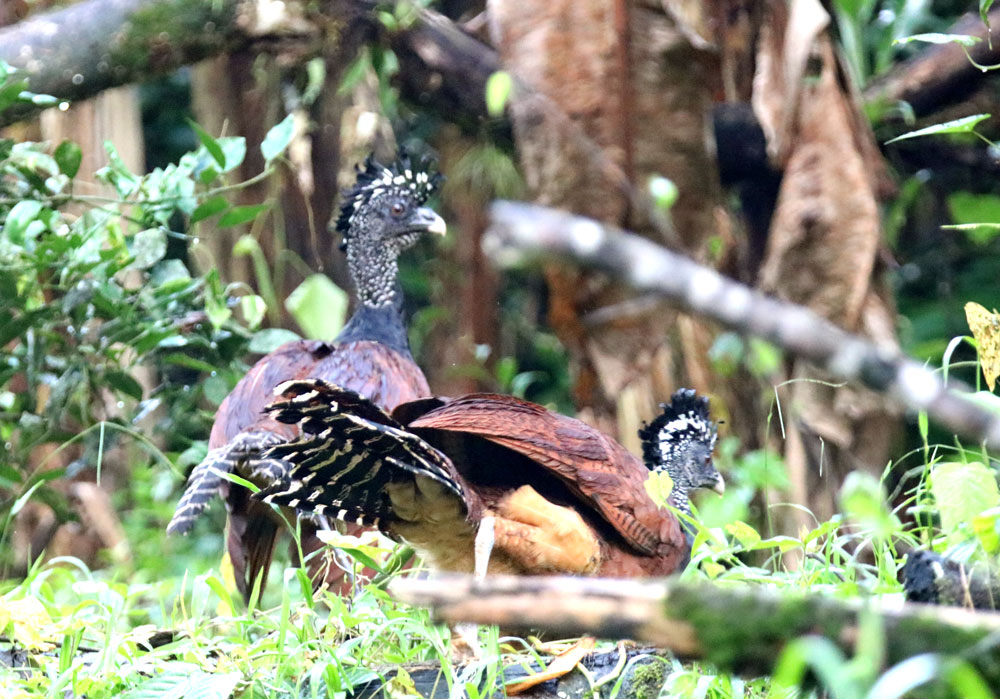
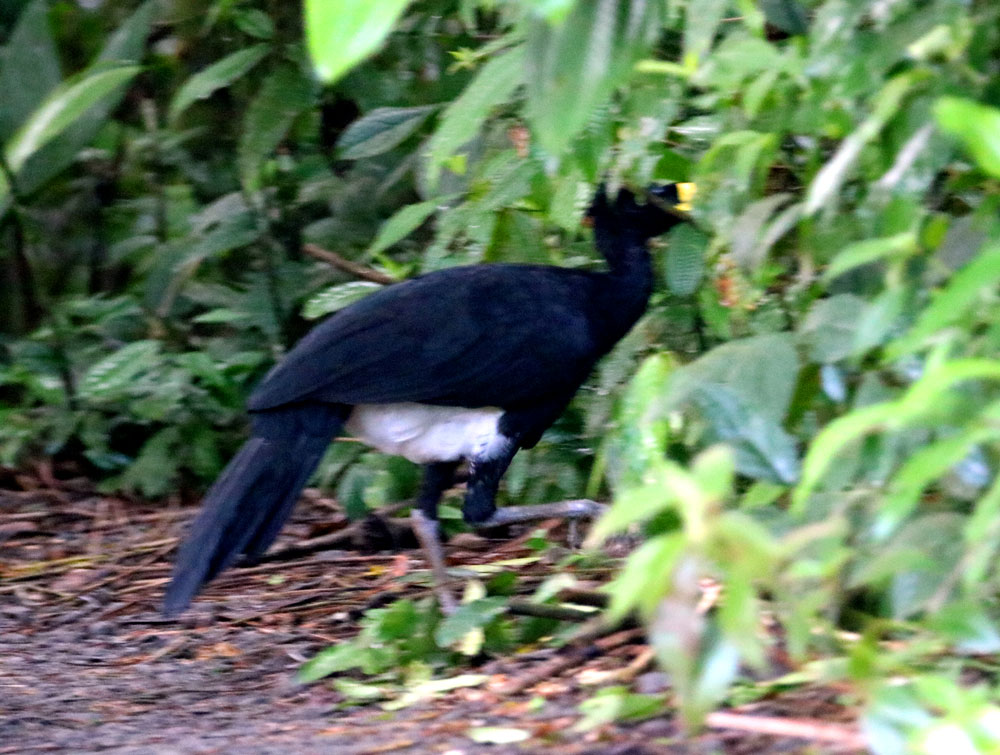
The other big forest bird (like the guans shown earlier) is the Great Curassow (my gallery link) and the first photo is of two females and a second photo of one male. Note that the male is mostly black like the guans, but has a bright yellow bump on his beak while the male Crested Guan has a red waddle. And interestingly to me is that the Curassows have bigger crests than the Crested Guans with crest in their name. 🙂 The above linked gallery has better photos than these two. I guess I’m getting “rusty” or “slow on the draw” as an action photographer! The birds wait for no one and never pose! 🙂
¡Pura Vida!
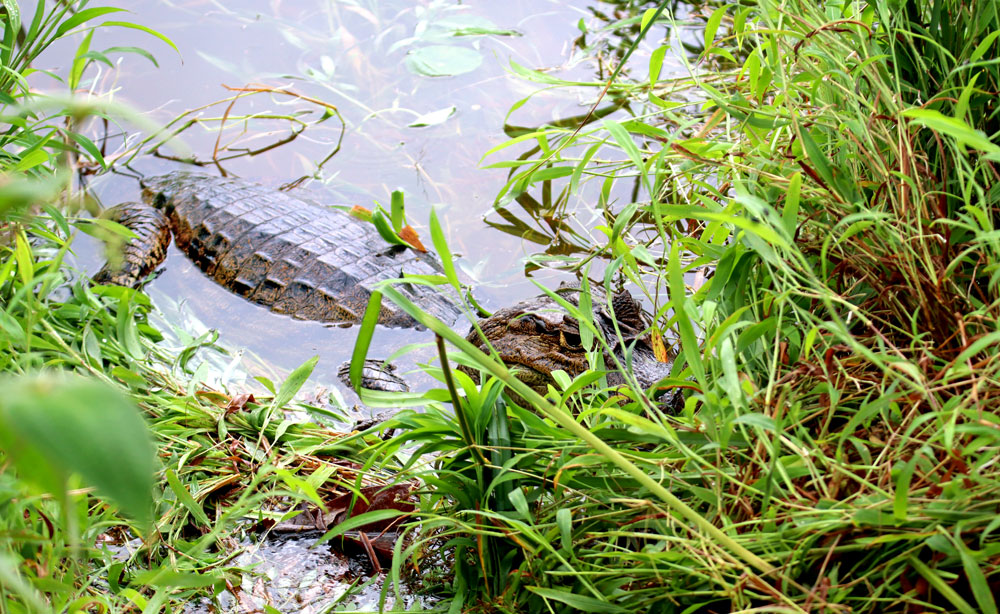
I don’t make reptiles a priority focus in my photography, but in a true rainforest of Costa Rica you will always see either the American Crocodile (my gallery link) which at Maquenque is only on a Rio San Carlos boat trip OR the smaller Spectacled Caiman (my gallery link) which is in the lagoons of the lodge. Snakes are seldom seen in the daylight and I no longer take the night hikes because I risk falling, but that is the best way to see them. This Spectacled Caiman was in a lower lagoon right at the water overflow location, probably hoping for a fish to wash over the dam. 🙂 Just one photo this time.
¡Pura Vida!
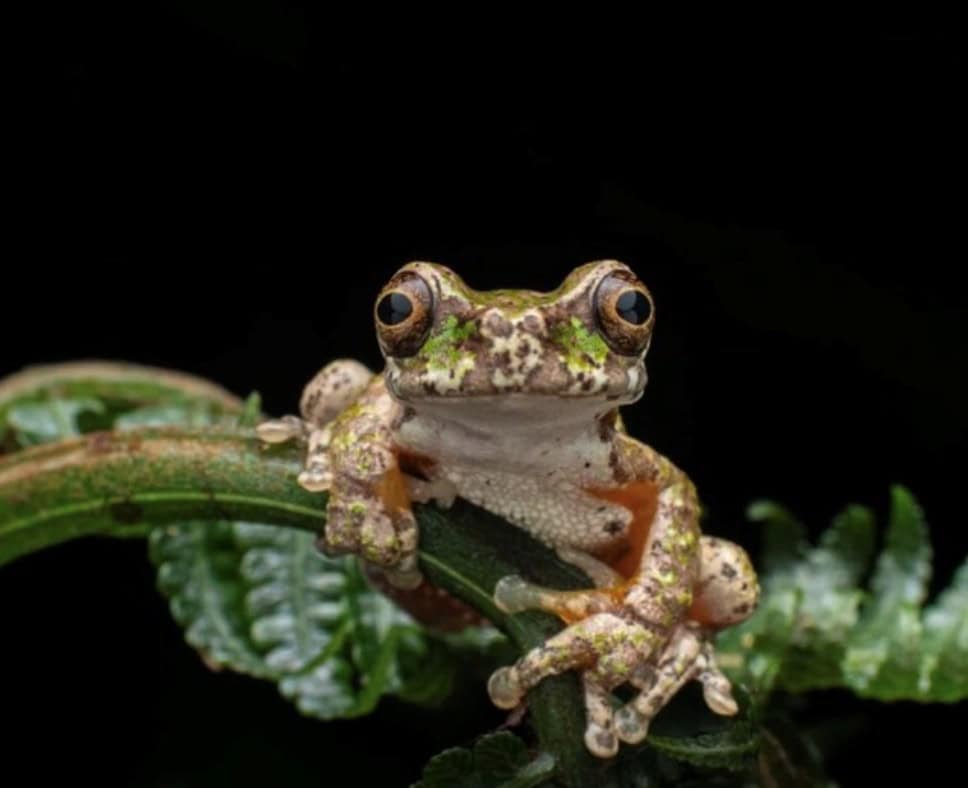
Read about the new species with the scientific name of Isthmohyla nacientes (linked article in Tico Times). It is a mountain tree frog living only above 4,000 feet.
For more information: A Facebook Page in Spanish
And Naturalista Costa Rica’s Post also in Spanish.
And a little bit on Wikipedia. All 3 articles can be translated to English by Google.
¡Pura Vida!
In the land of nature!
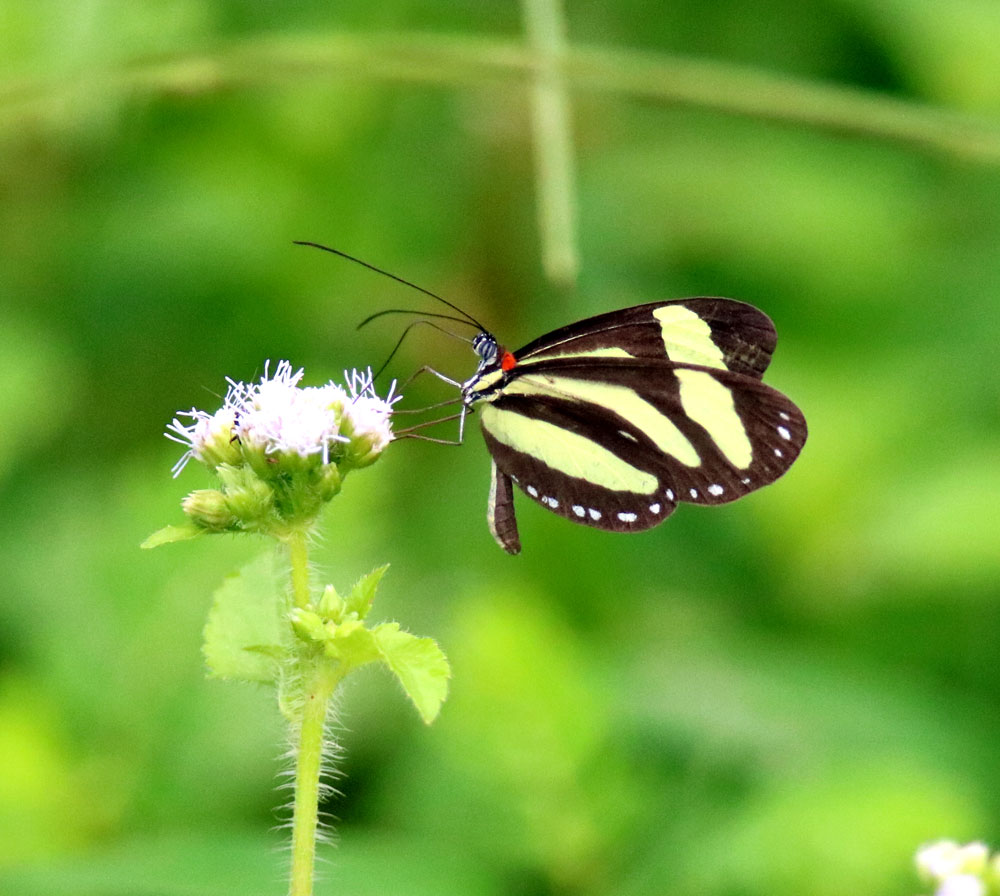
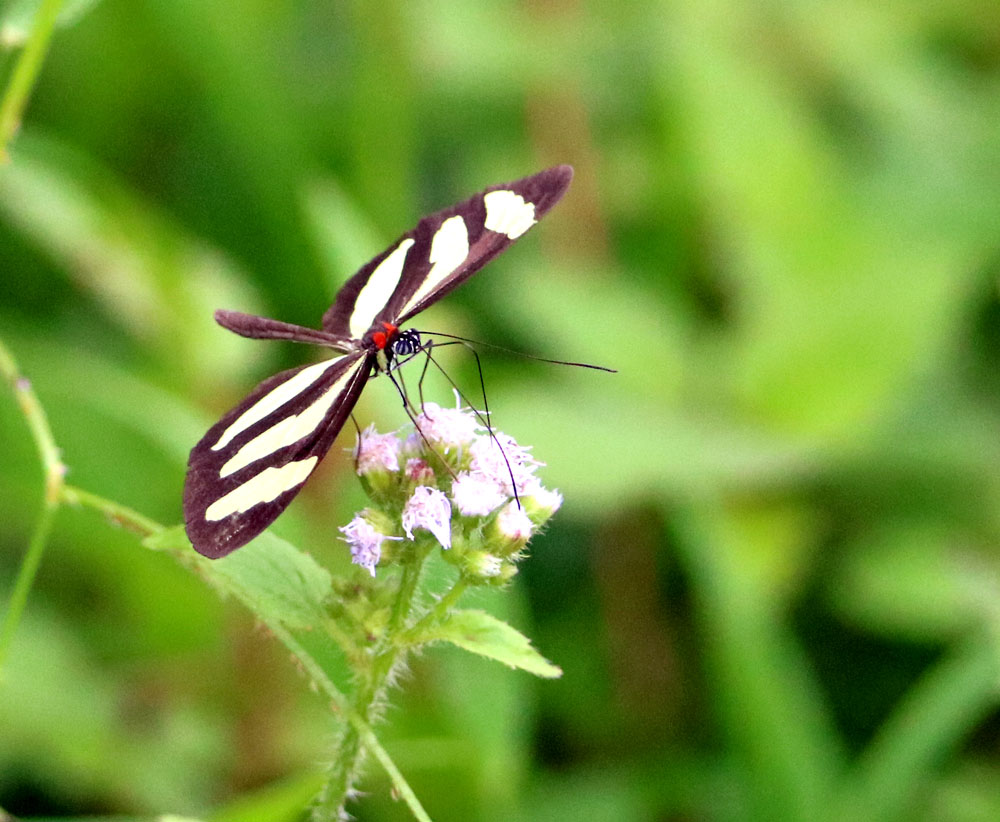
Maquenque is just the 4th place I’ve seen this Banded Tigerwing, Aeria eurimedia (my gallery link) and all four locations were on the Caribbean Slope of Costa Rica, with the other 3 right on the coast at Tortuguero, Cahuita and Gandoca-Manzanilla. A beautiful butterfly that seems to always give me opportunity for both top view and side view photos. 🙂 That’s the two views that “identifiers” want. 🙂
¡Pura Vida!
Rainforest Experience
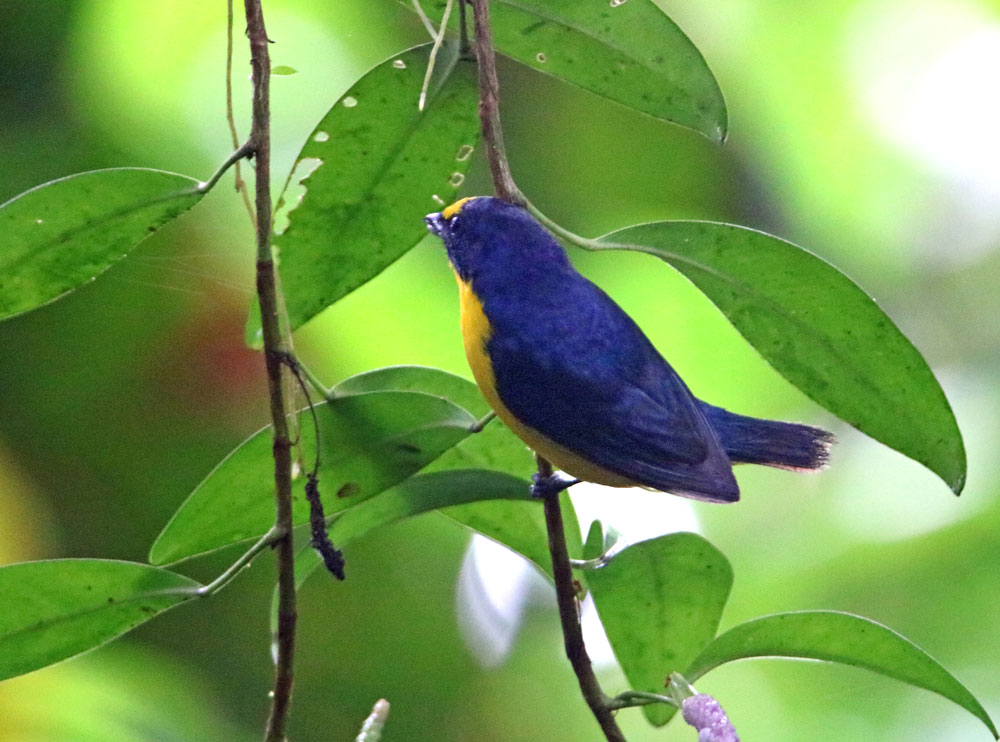
Just one of many photos with more available in the gallery: Yellow-throated Euphonia (linked).
¡Pura Vida!
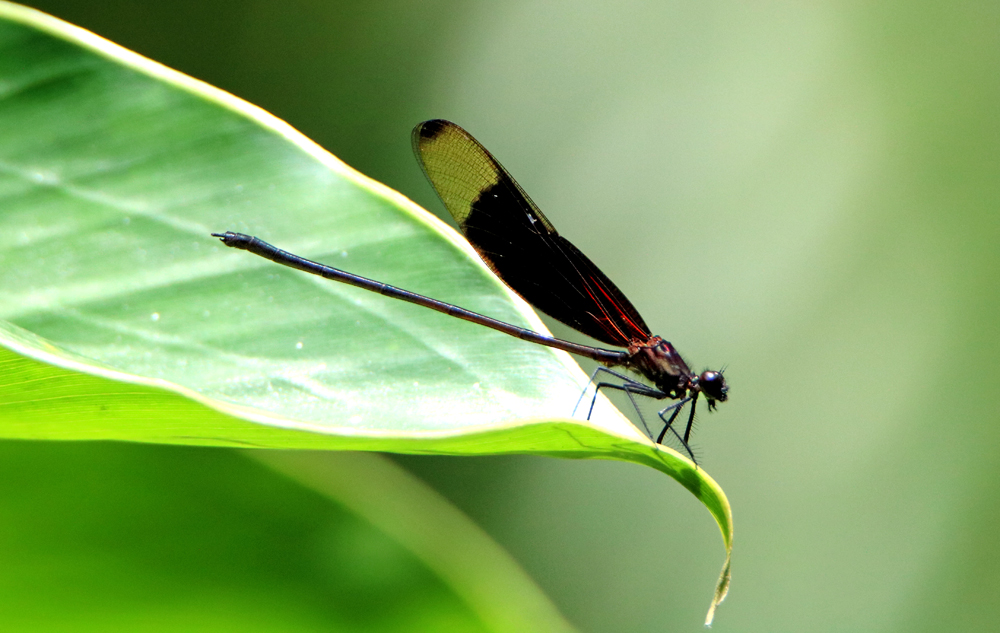
Here’s a little gallery of 4 of the 5 dragonflies I tried to photograph at Maquenque with the fifth one a pretty bad photo and not used here. Anywhere there is a lot of water there are a lot of different species of dragonflies & damselflies . . .
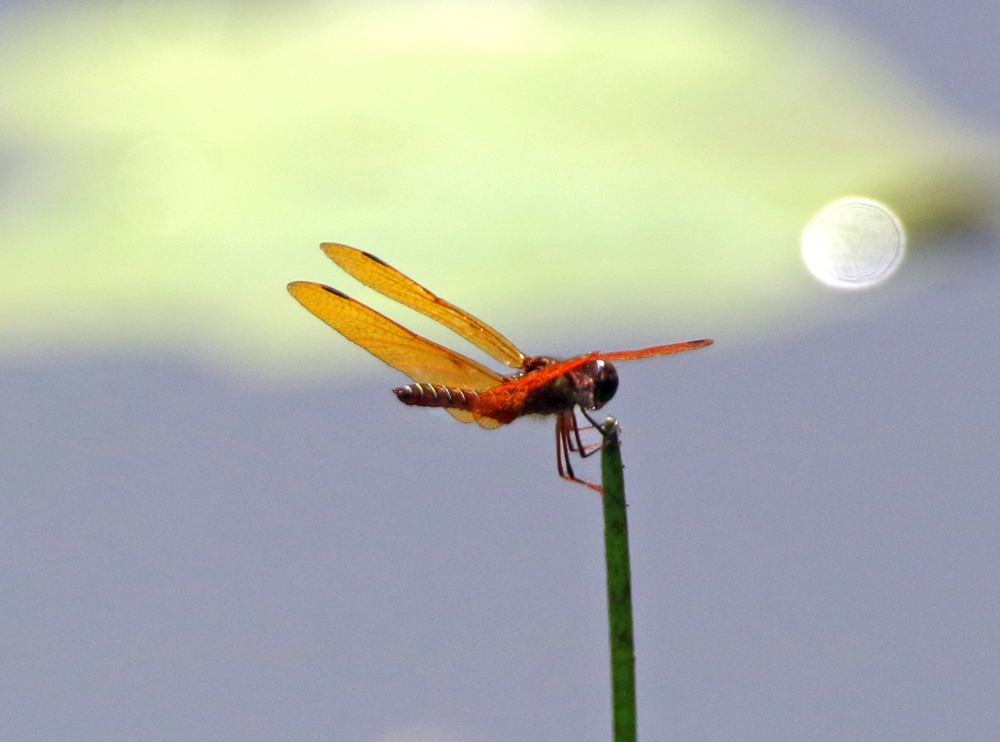
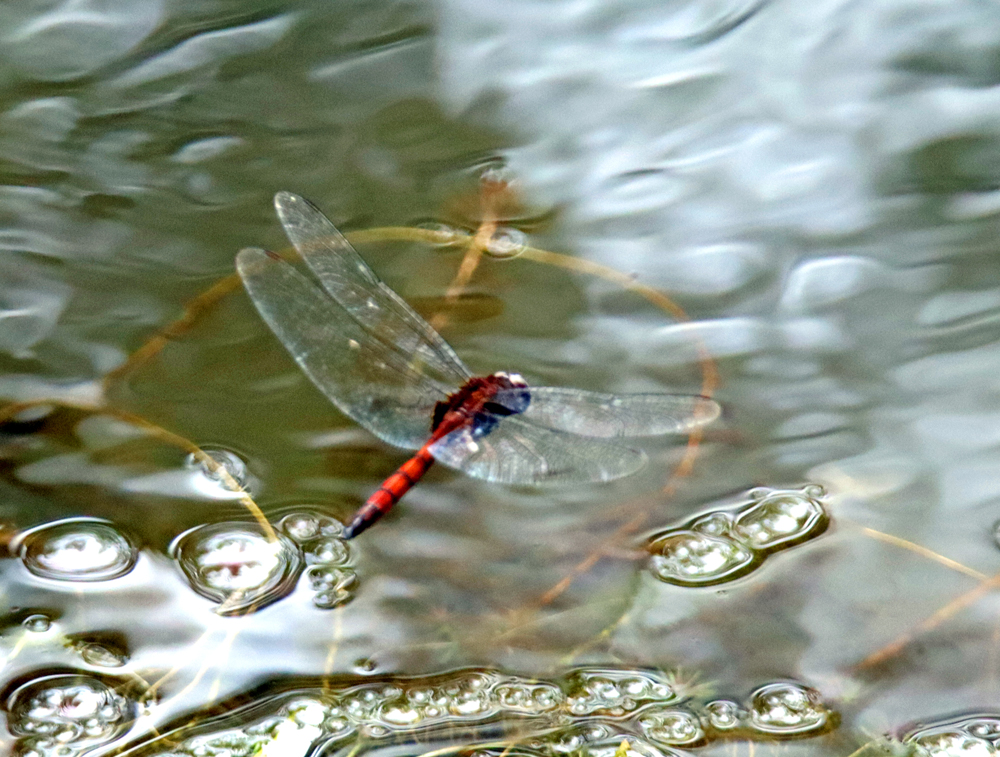
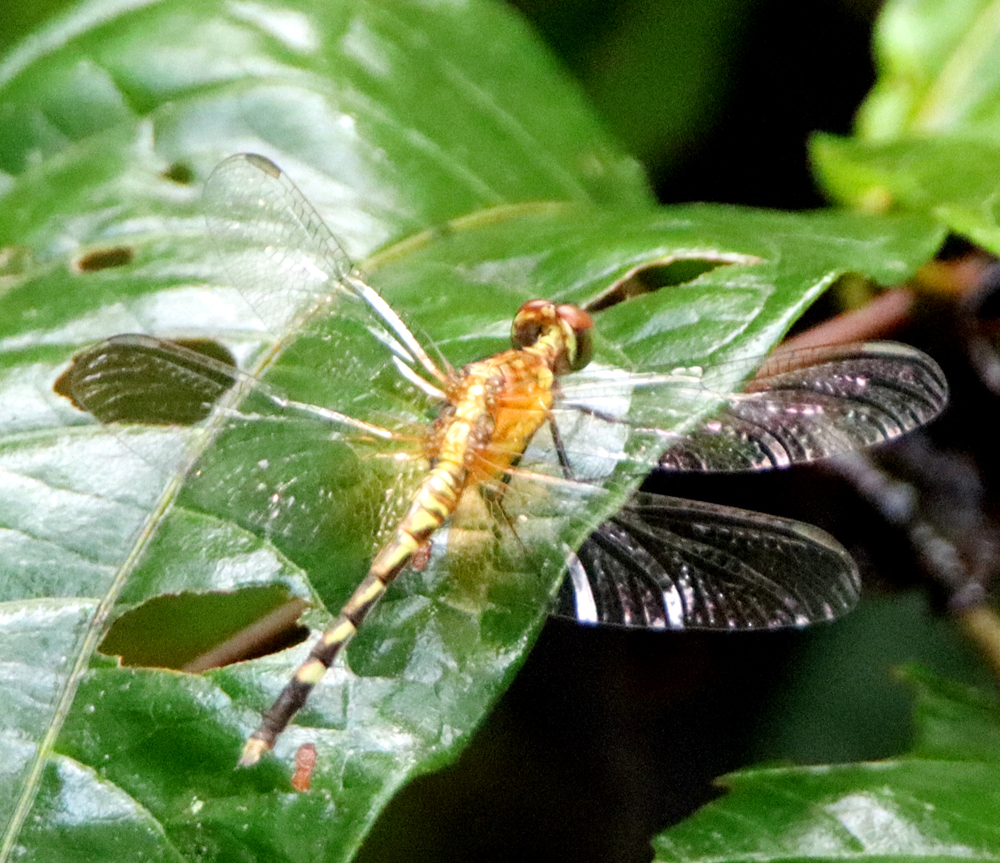
When I’m not sure of the species name, I use genus or family name as with three of these. Then hope that someone on iNaturalist will make a positive species identification. 🙂
And I have a pretty good collection of Dragonflies & Damselflies in that linked gallery of 50+ species! 🙂
¡Pura Vida!