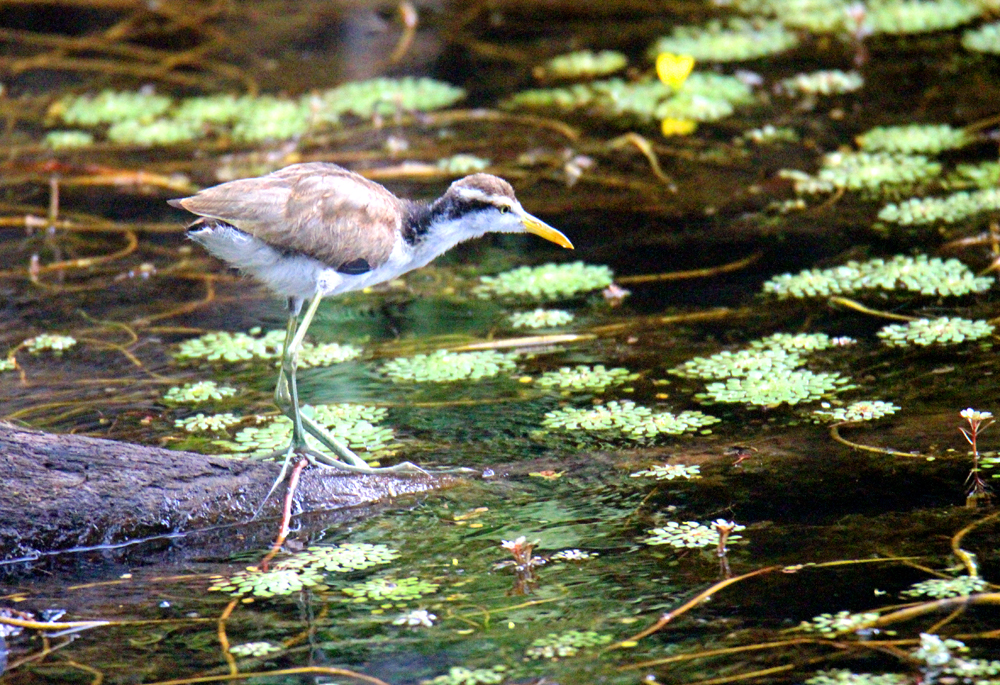
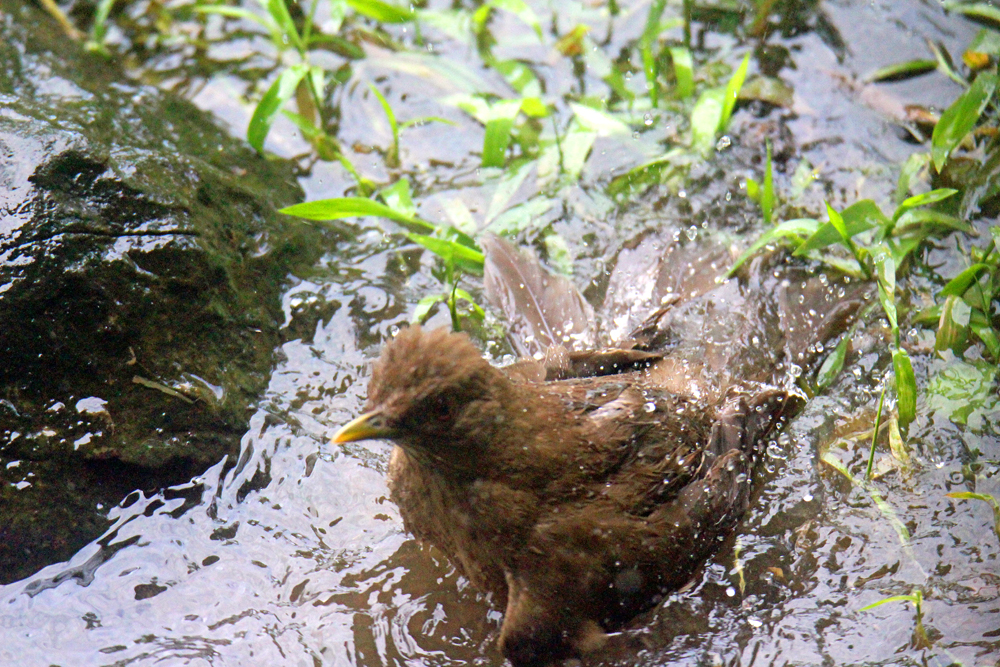
It seems like maybe there have been more than a usual number of immature or juvenile birds this week, so I’m featuring 5 today. 🙂
Tomorrow morning, I go on a guided bird hike and expect to get a lot more above the 35 species I’ve photographed on my own so far. 🙂 Plus, I’m taking a tour of the farm where 85% of the restaurant food is raised and that will probably be tomorrow night’s post! ?
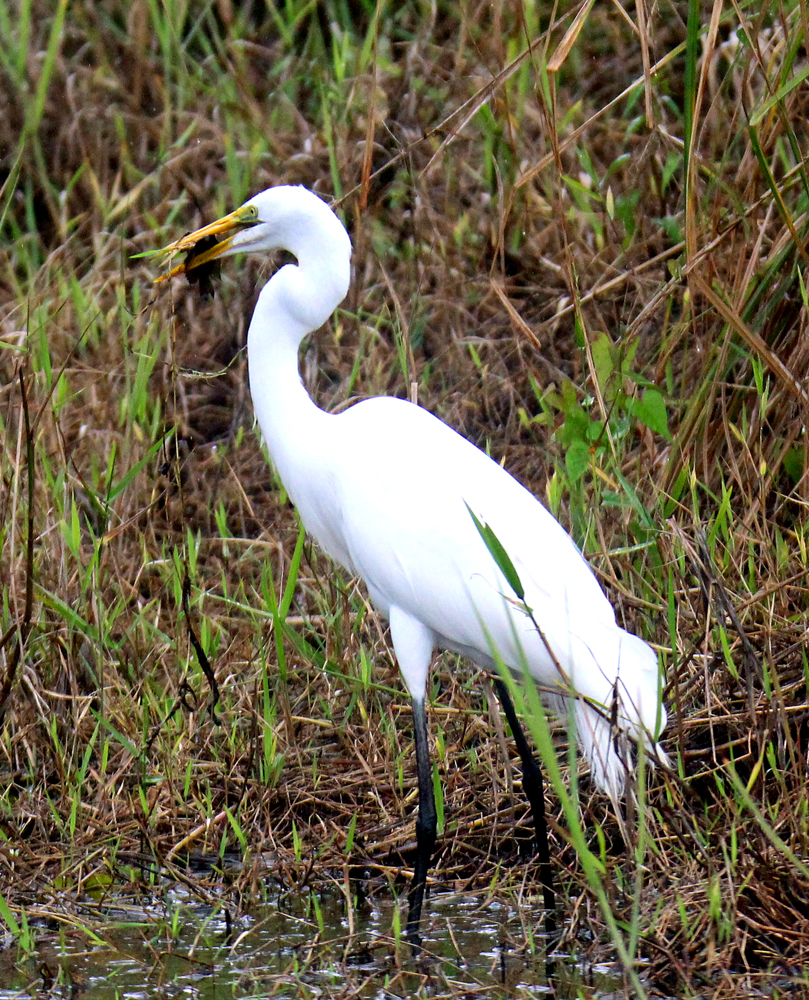
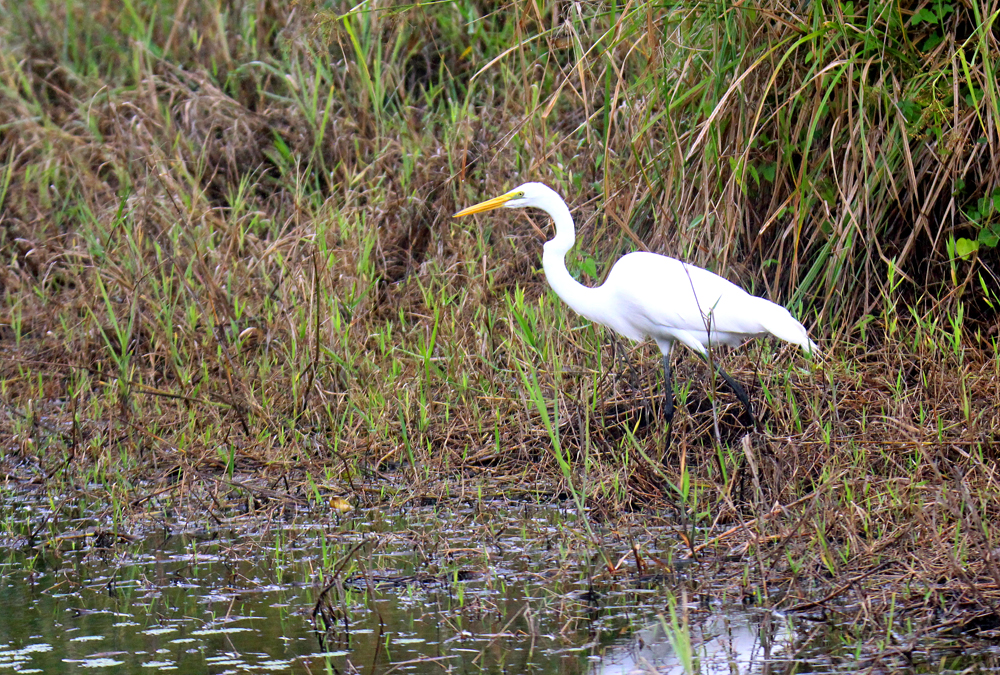
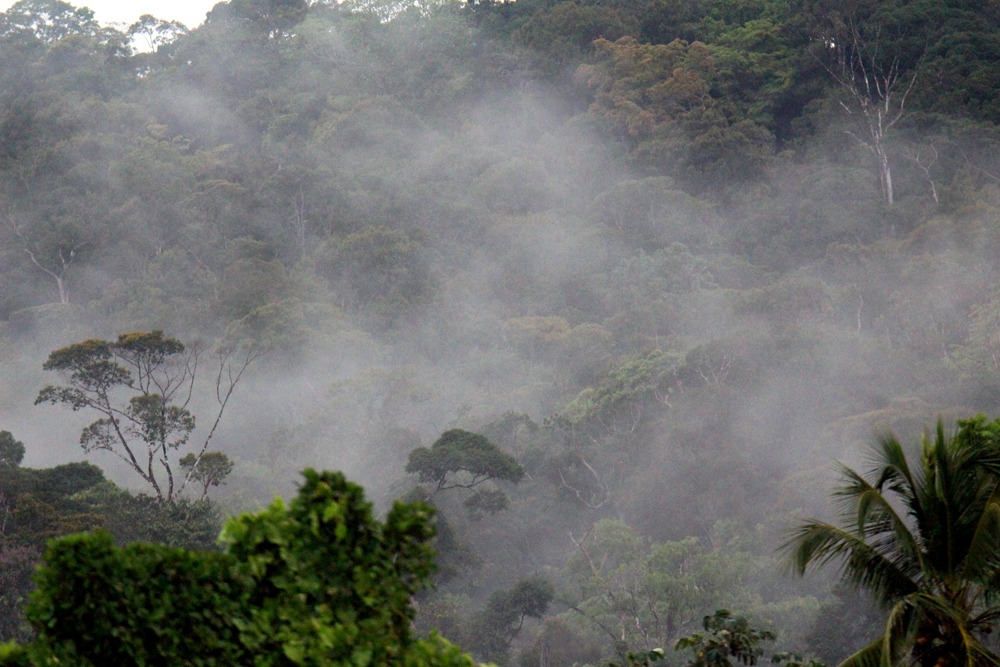
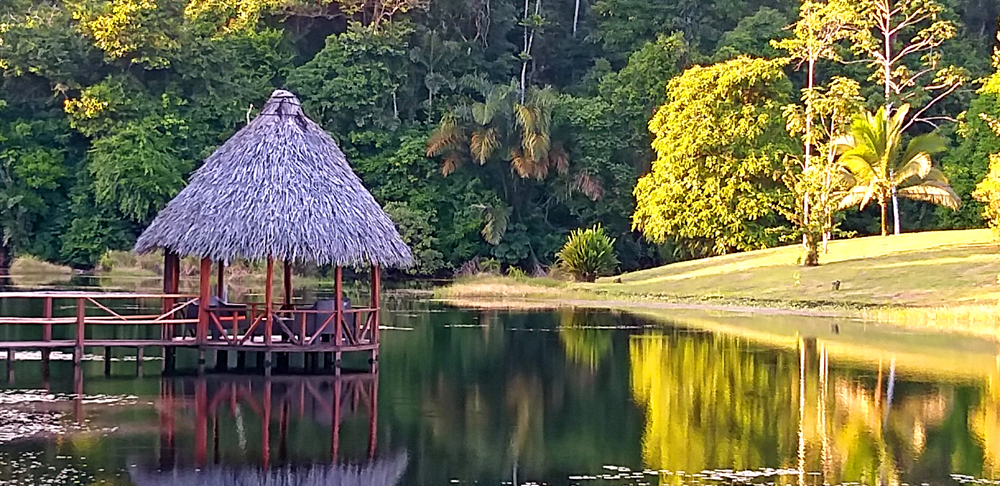
I photographed so many birds today, but decided the fishing action shots were the ones to show. Note that the lake is very low during this dry season, even though it rained off and on all day today. ? Here’s the five steps a Great Egret took:
“Wildness . . . has also been defined as a quality produced in nature, as that which emerges from a forest, and as a level of achievement in nature.”
~definitions.net
I leave tomorrow morning for my third visit to a favorite rainforest lodge, Maquenque Ecolodge & Reserve in Boca Tapada, which is in my province of Alajuela but in the far north near the Nicaragua border, a 3 hour drive for my driver Walter. 🙂 Read on for why this is a favorite lodge and check out the links to my two other visits there . . .
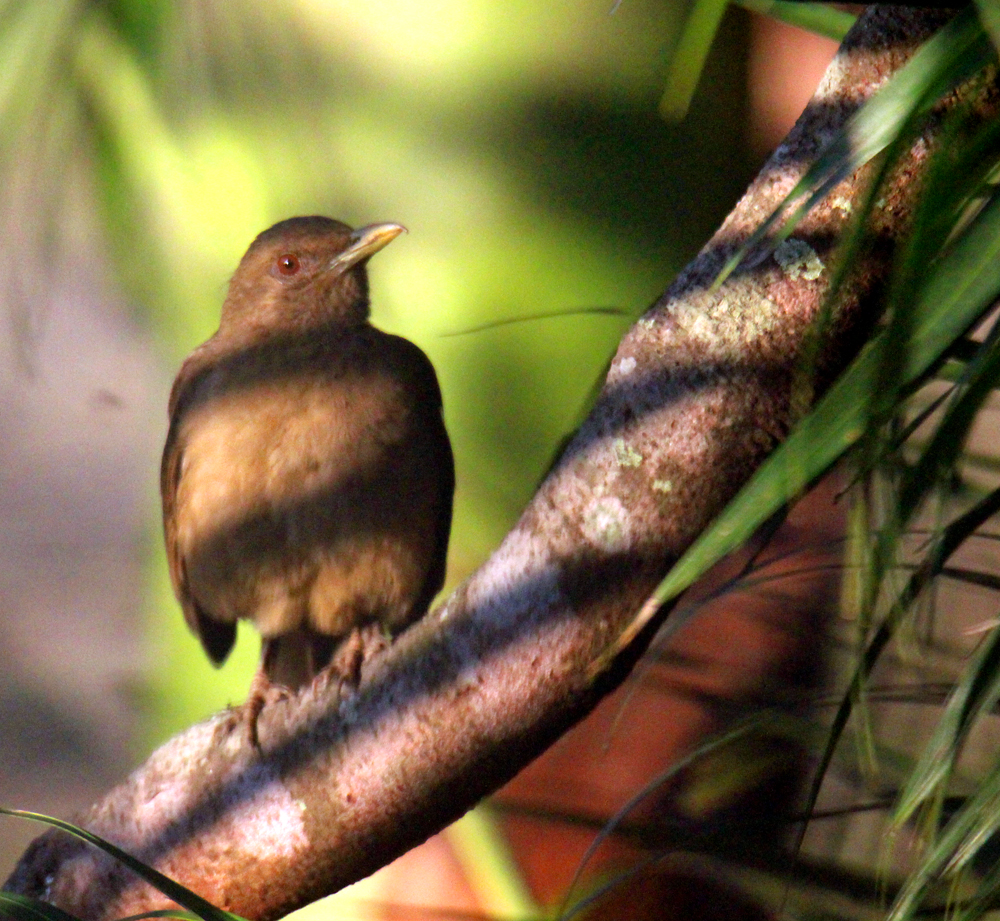
Last week (Feb. 2) I tried to see what birds would come around my terrace as the sun starts setting around 5 pm, with camera in hand of course! 🙂 There were several other birds, but I managed to capture only five, and of those only the Clay-colored Thrush (feature photo) was in good light, but regardless, here’s five common birds often around my house with the Oropendola staying near the tops of tall trees and not photographed as often. The Doves and Chachalacas are seen more in the mornings. Others are “special” or more rarely seen.
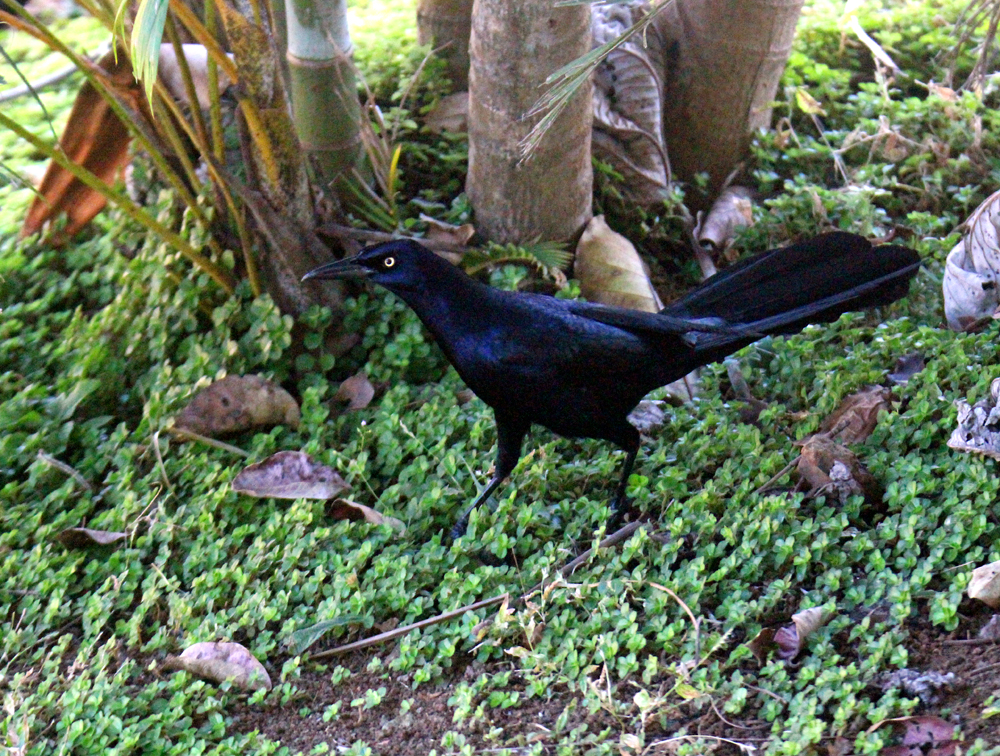
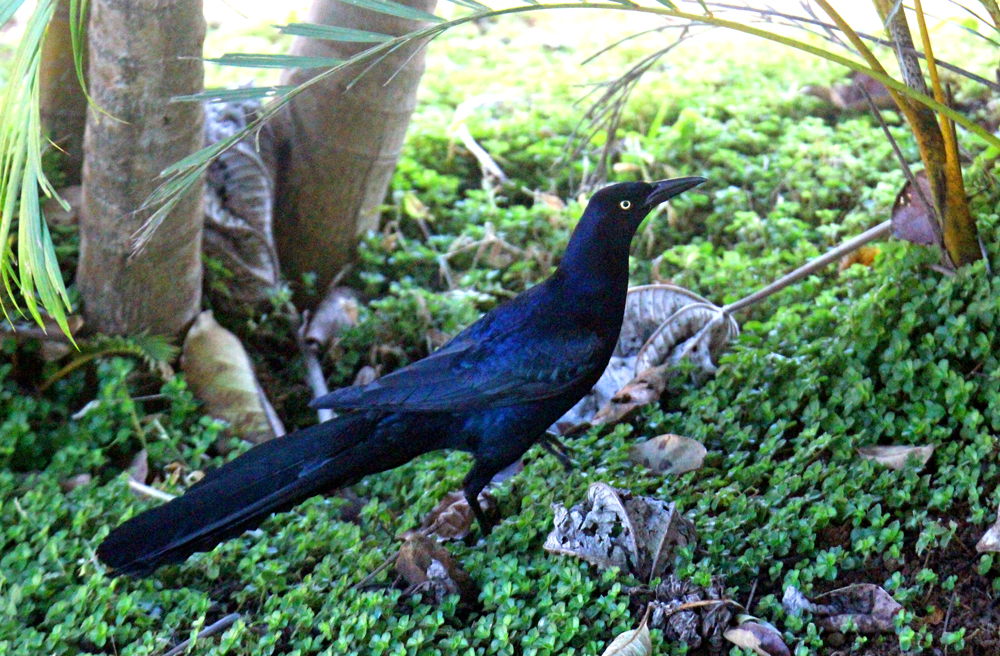
The iridescent colors make this common bird stand out, even in the shadows of my garden. Three of the four photos are definitely male (blue), while one appears to have the brown coloring of a female. See my Great-tailed Grackle Gallery or read about them on eBird.
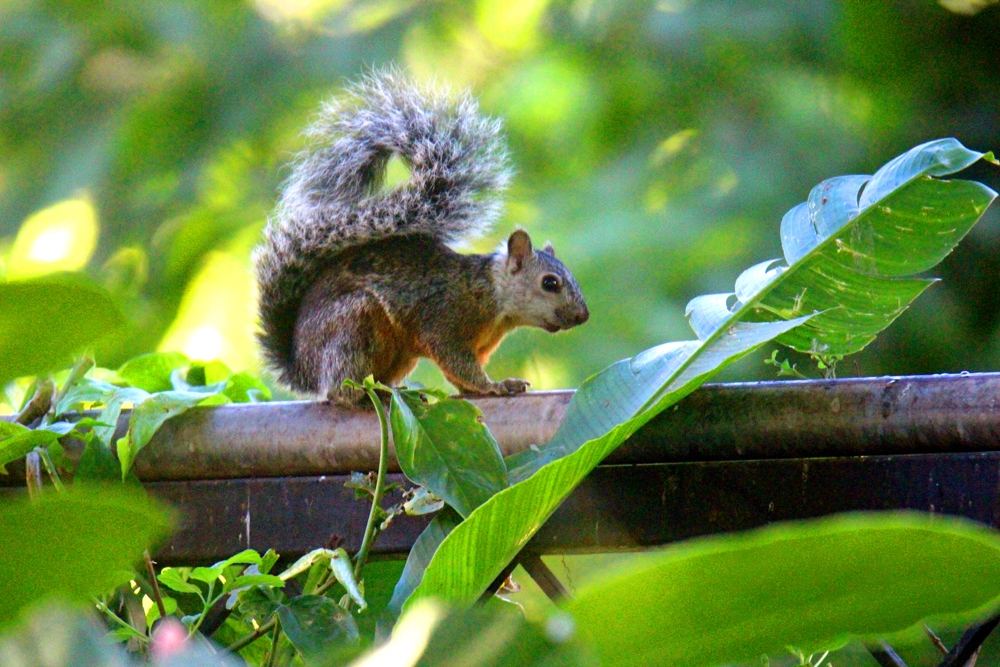
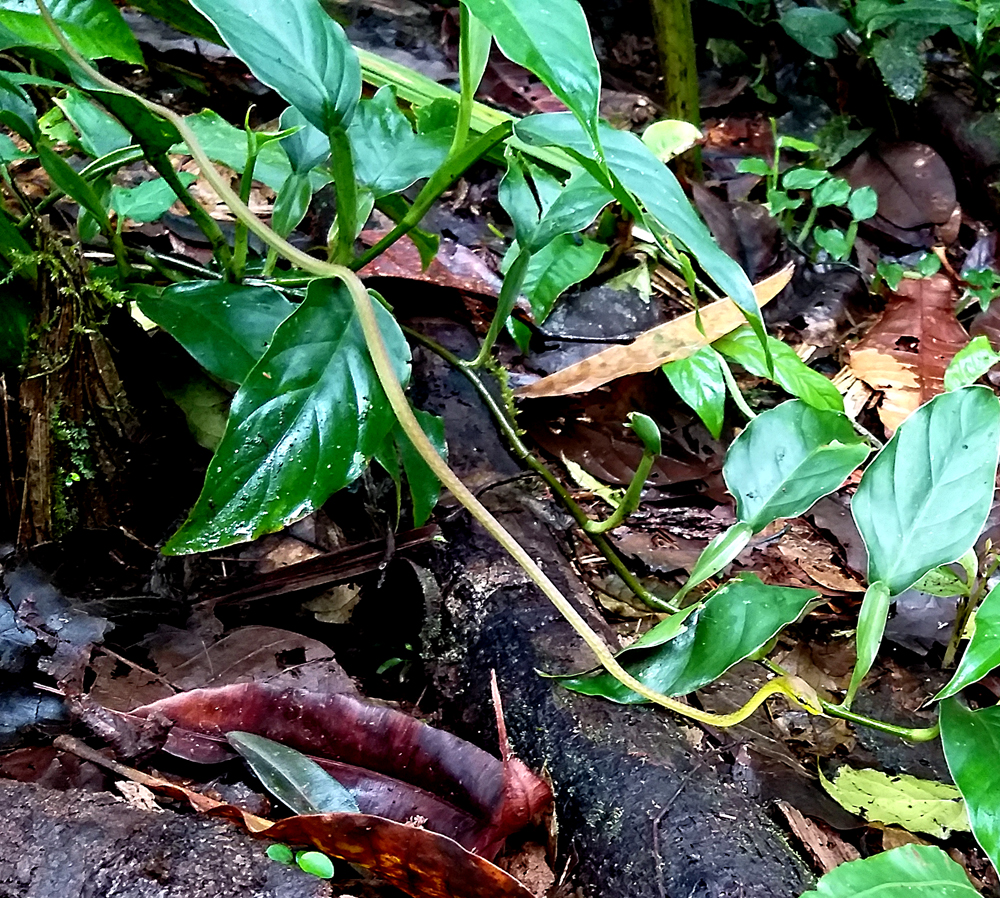
At the same breakfast stop for the Macaws shown yesterday, I got a photo of this very common Variegated Squirrel. Then, while on the trail at Tenorio Volcano National Park, a shot of an immature or juvenile Brown Vine Snake. We could have seen more wildlife in that park had it been our target instead of waterfalls. 🙂 But I stayed focused on my target of the day! 🙂
Variegated Squirrel, Canas, Guanacaste, Costa Rica.Immature Brown Vine Snake, Tenorio Volcano National Park, Guanacaste, Costa Rica. And if you have trouble finding it , it runs from upper left corner to lower right corner. Yellowish Brown.
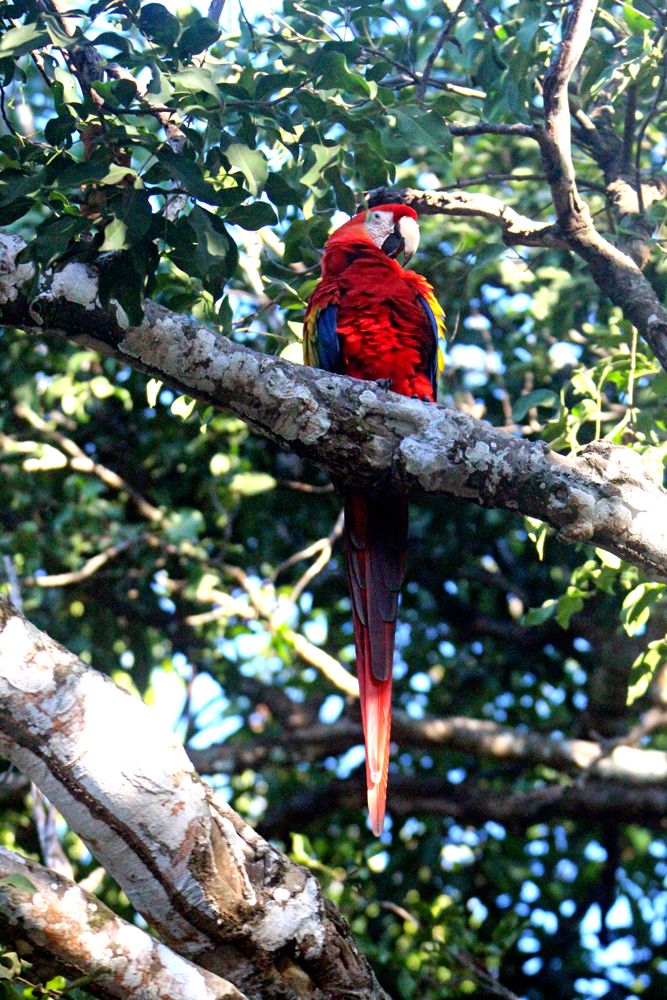
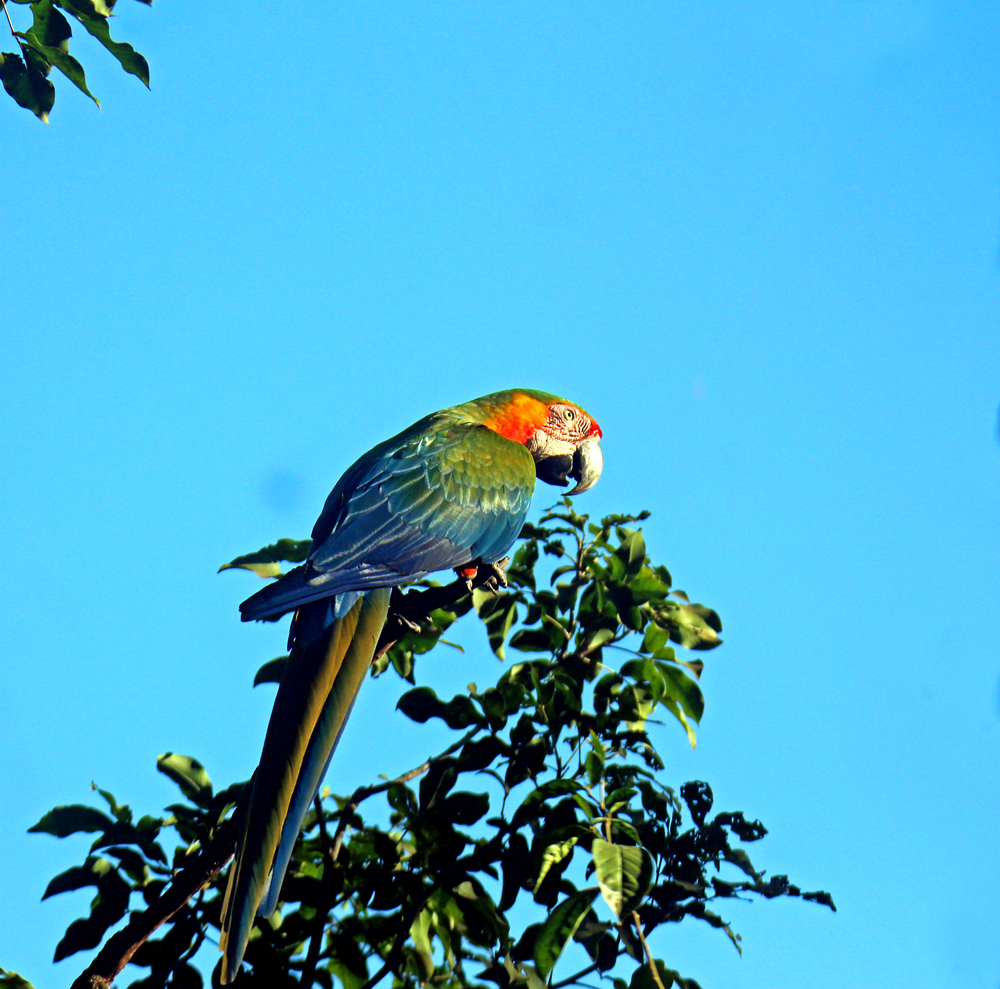
Walter knows all the good places to eat along the different highways and early on our waterfall trip last Wednesday we stopped on Ruta 1 in or near Canas or Paso Real for a super breakfast and chance to see the many Scarlet Macaws in the trees around that restaurant and hotel across the highway from Tres Hermanas (interesting because of same name as a Soda in Atenas). 🙂
I took only a few minutes to try photographing some Macaws, not my best photos! But you can see all of my Scarlet Macaw photos in my Scarlet Macaw Gallery with shots from all over Costa Rica or read about them on eBird. In Costa Rica they are more prevalent on the Pacific Slope and coast while the endangered Green Macaw is more prevalent on the Caribbean or Atlantic Slope. Below this photo is a gallery of several other Macaw shots from this waterfall trip stop . . .
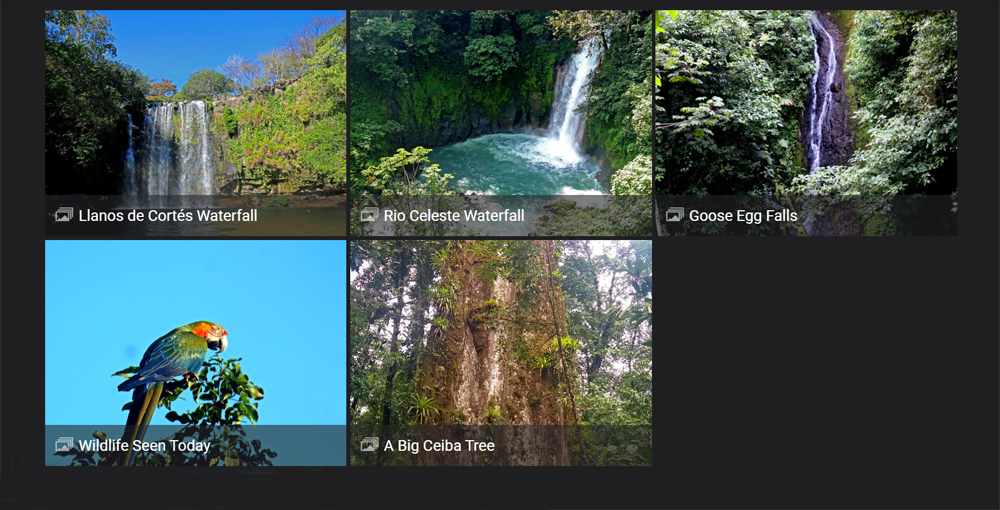
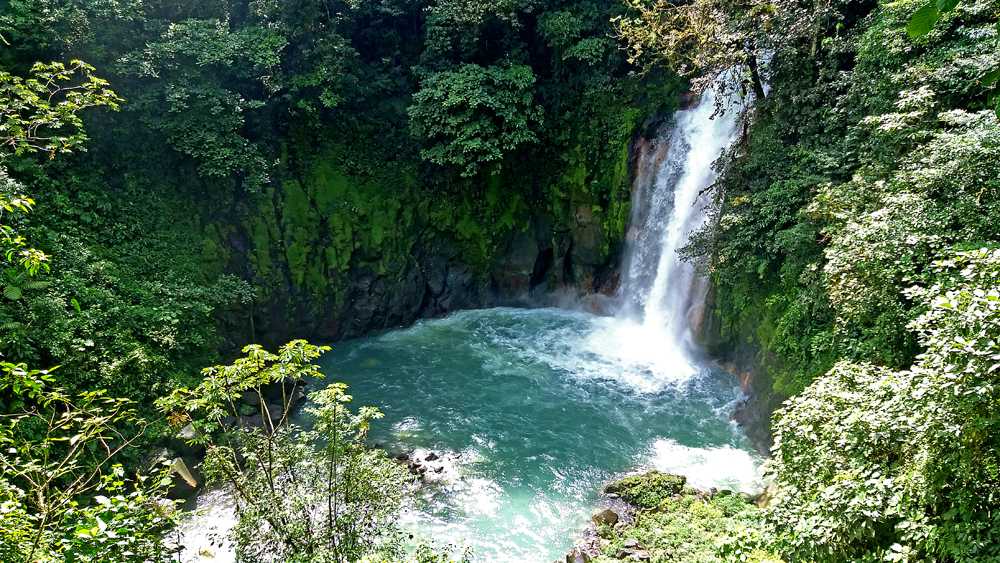
The Rio Celeste Waterfall (a tour company site link) is in the Tenorio Volcano National Park (NP website link) and is one of the more popular waterfalls for tourists because of the unique turquoise water in the river due to minerals from the volcano. It was fun to go to the point in the park where two clear rivers come together and watch the new mixture of water turn blue or turquoise in color. See my 2017 Tenorio NP Visit for photos of the turquoise water which had more color than we had yesterday because it had rained all day the day before, making the water a little muddy. I did not get to see the waterfall in 2017 because the hurricane that came across northern CR destroyed the stairs and trail down to the falls. Note also that the National Park does not allow swimming in this plunge pool, making if better for photographers and nature lovers! 🙂 It is in the Cloud Forest so it gets rain year around.
For the email recipients, please click the MORE button after this photo for not only more waterfall photos but also a pix of my guide and driver plus one of me at these falls.