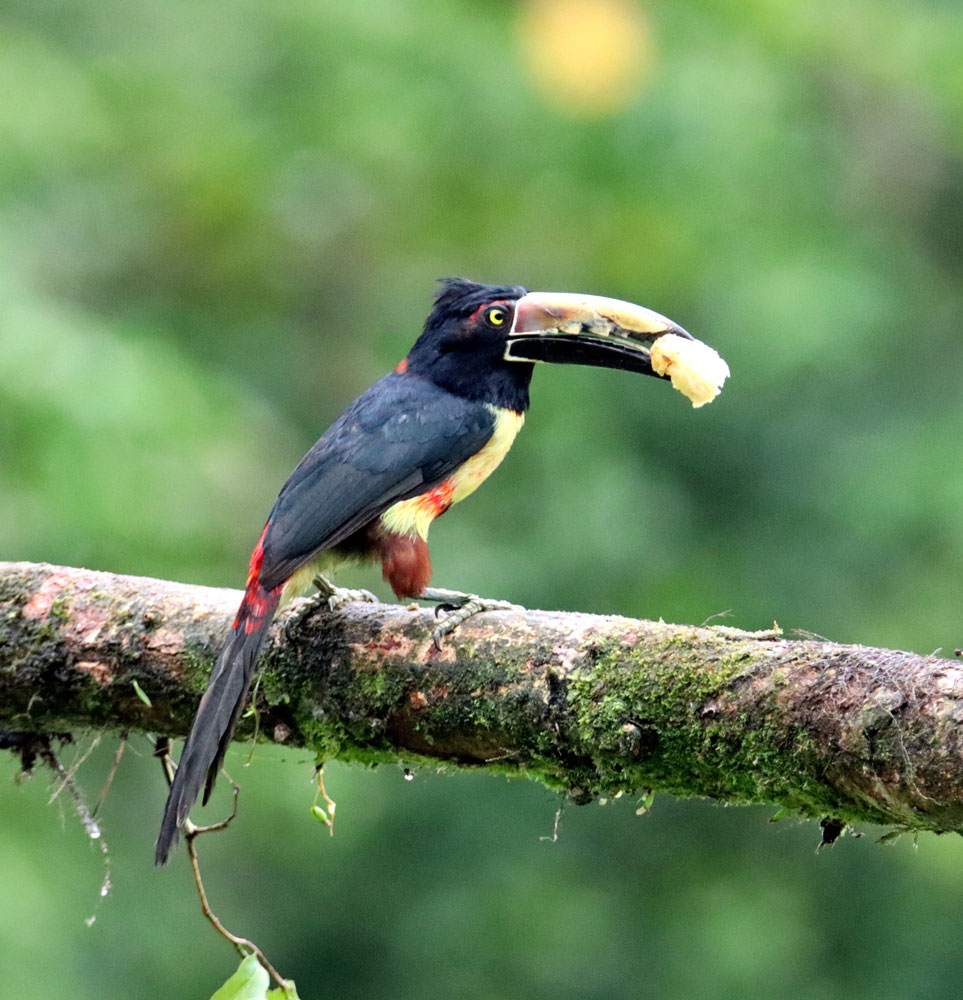
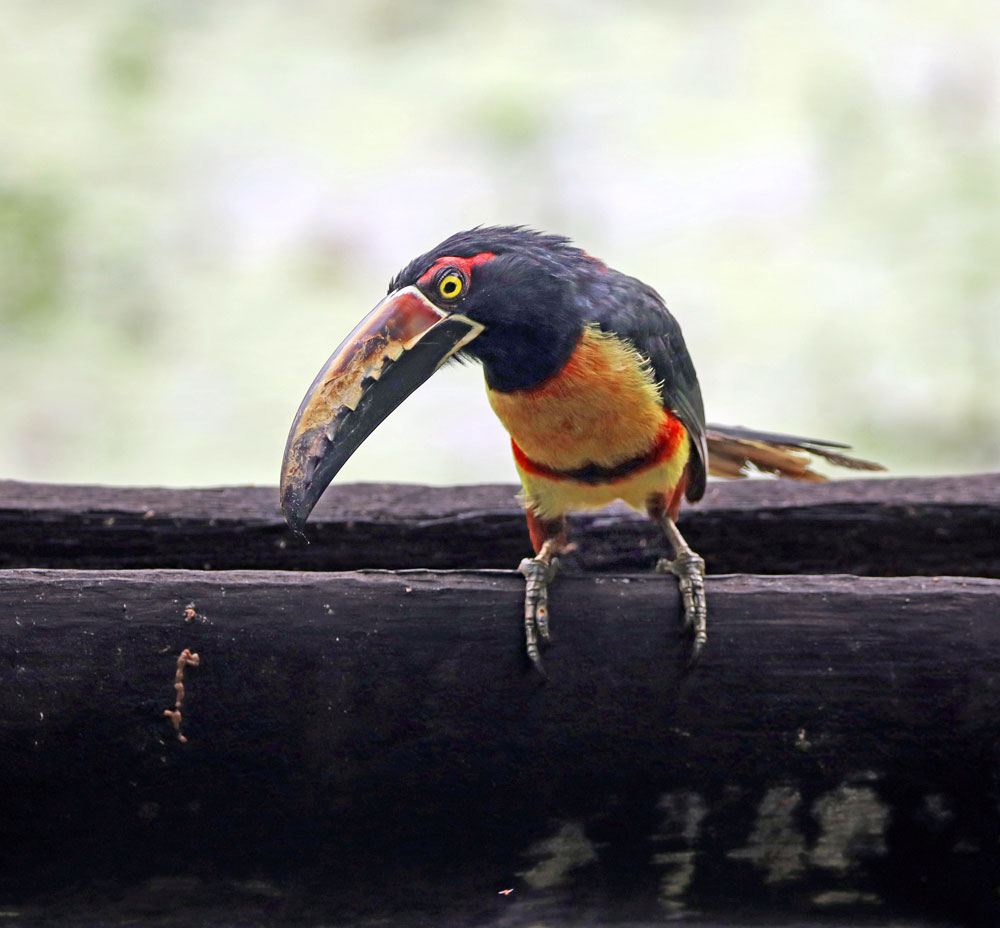
This small toucan, Collared Aracari(my gallery link) is found mostly on the Caribbean Slope of Costa Rica but it is possible to see one on the Pacific Slope occasionally where his close “cousin” the Fiery-billed Aracari(my gallery link) lives only on the Pacific Slope.
Collared Aracari, Maquenque Lodge, Costa RicaCollared Aracari, Maquenque Lodge, Costa Rica
Today I will travel for about 4 hours to one of my favorite lodges and best birding place, Maquenque Eco Lodge (their link) near the Nicaragua border in Boca Tapada, San Carlos Canton, Alajuela Province, almost directly north of where I live in the center of the country. It will be my 6th trip there and 3rd time to celebrate my birthday there, which is July 4 and this year number 86! 🙂
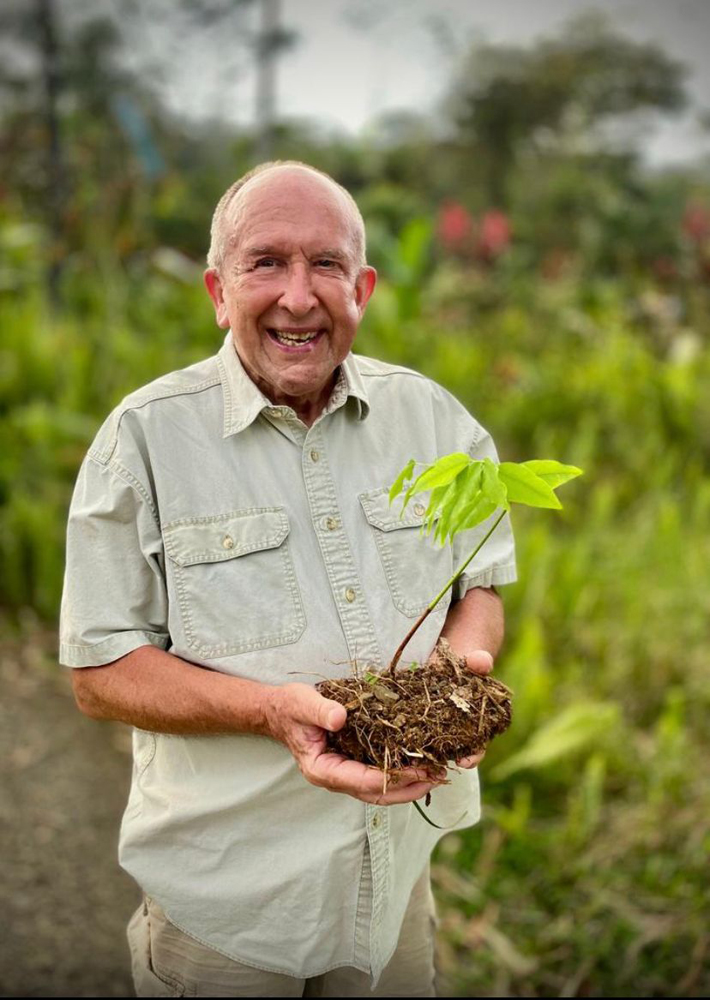
3 years ago I planted an Avocado Tree there to help the endangered Green Macaws at Maquenque.
I may or may not do a post tonight from there, but otherwise a daily post from Maquenque reporting on my nature finds there for the next 5 days and as always a few more days after a trip. This will be my 6th time at Maquenque with, of course, lots of photos and a “Trip Gallery” from every visit there . . .
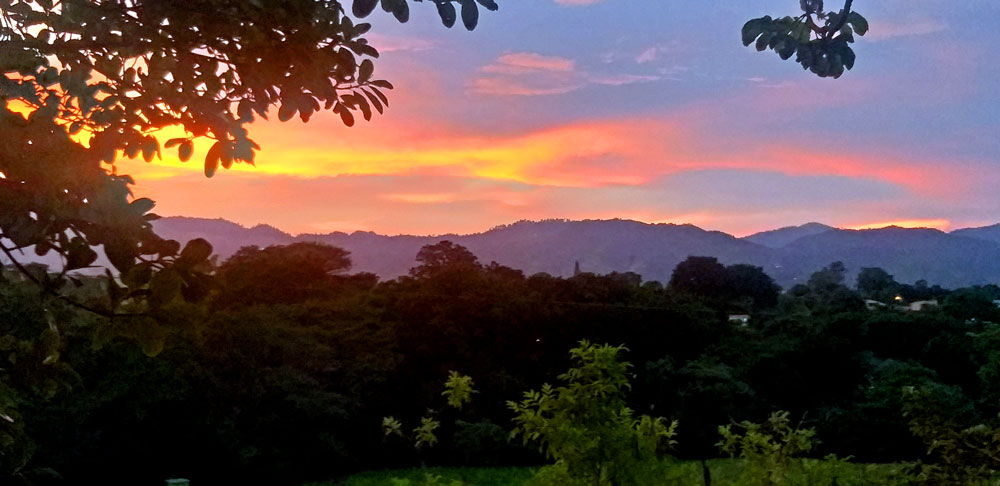
When you live surrounded by both hills and trees, you don’t get to enjoy full sunrises or full sunsets. (I get both of those when I visit the two coasts of Costa Rica + at Arenal.) But occasionally the weather, the clouds and whatever else come together for a reflected colorful sky at sunrise and at sunset, as shown here from my terrace the other night at sunset (June 23). I look forward to my September trip to the Caribbean where I enjoy beautiful sunrises every morning, While my Christmas trip to Arenal Observatory will have semi-indirect (time of year thing) sunsets over Lake Arenal, visible from my choice room. 🙂
Sunset from my terrace on June 23, 2026, Atenas, Alajuela, Costa Rica – Sunsets to the left of this view.
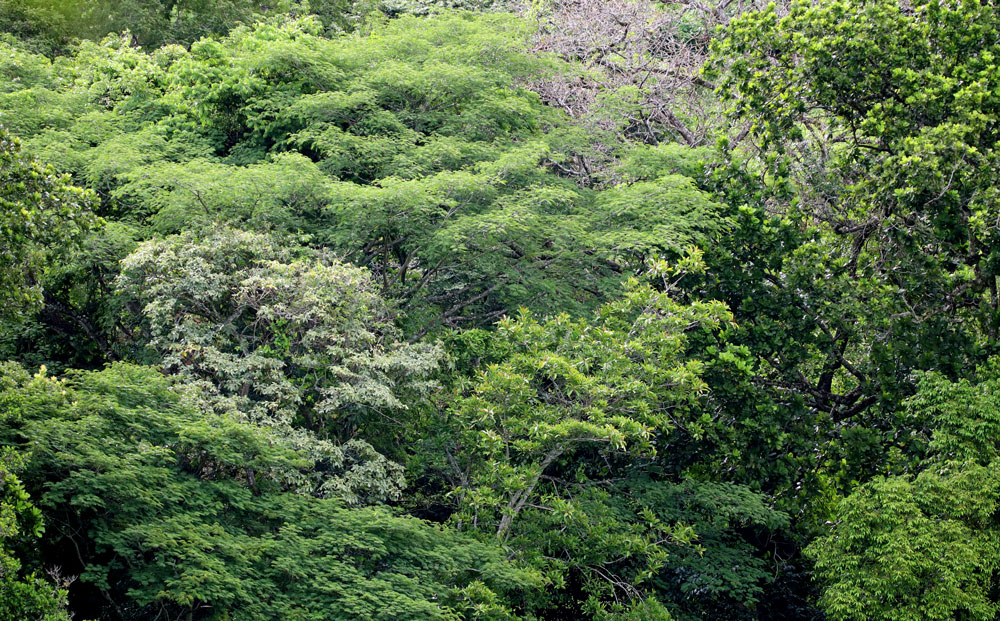
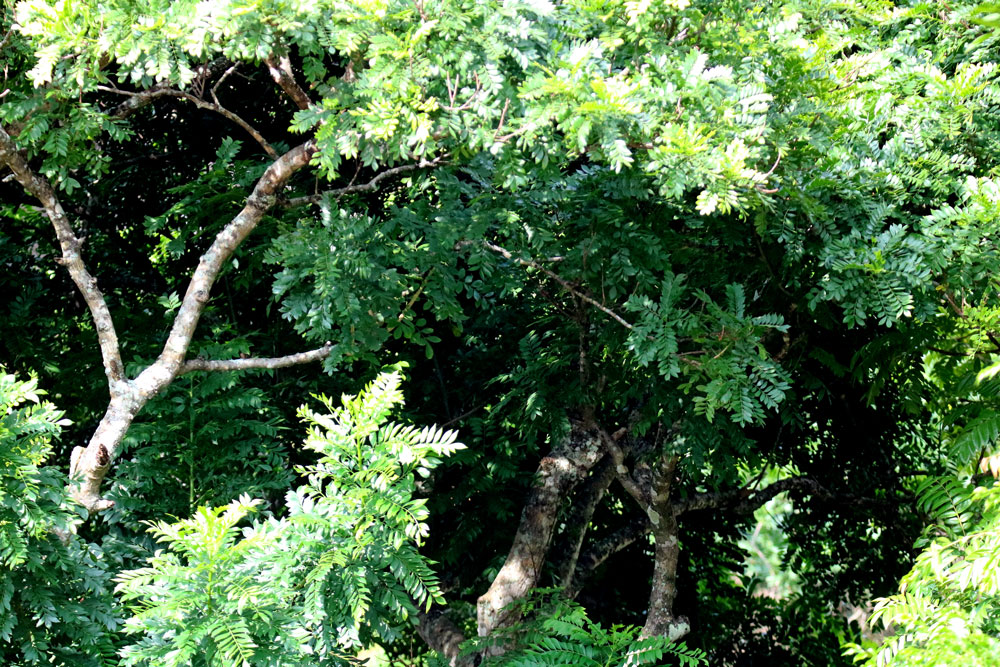
When you fly anywhere in a small plane you can easily see how trees grow thickly along almost all streams, even in urban or developed areas and that is certainly so for the little stream across the cow pasture from me. I zoomed in on it with the camera from my terrace and I like the thick forest look, even in a highly populated town or small city. 🙂
Streamside Trees, Roca Verde, Atenas, Alajuela, Costa Rica
“Trees are poems that the earth writes upon the sky.”
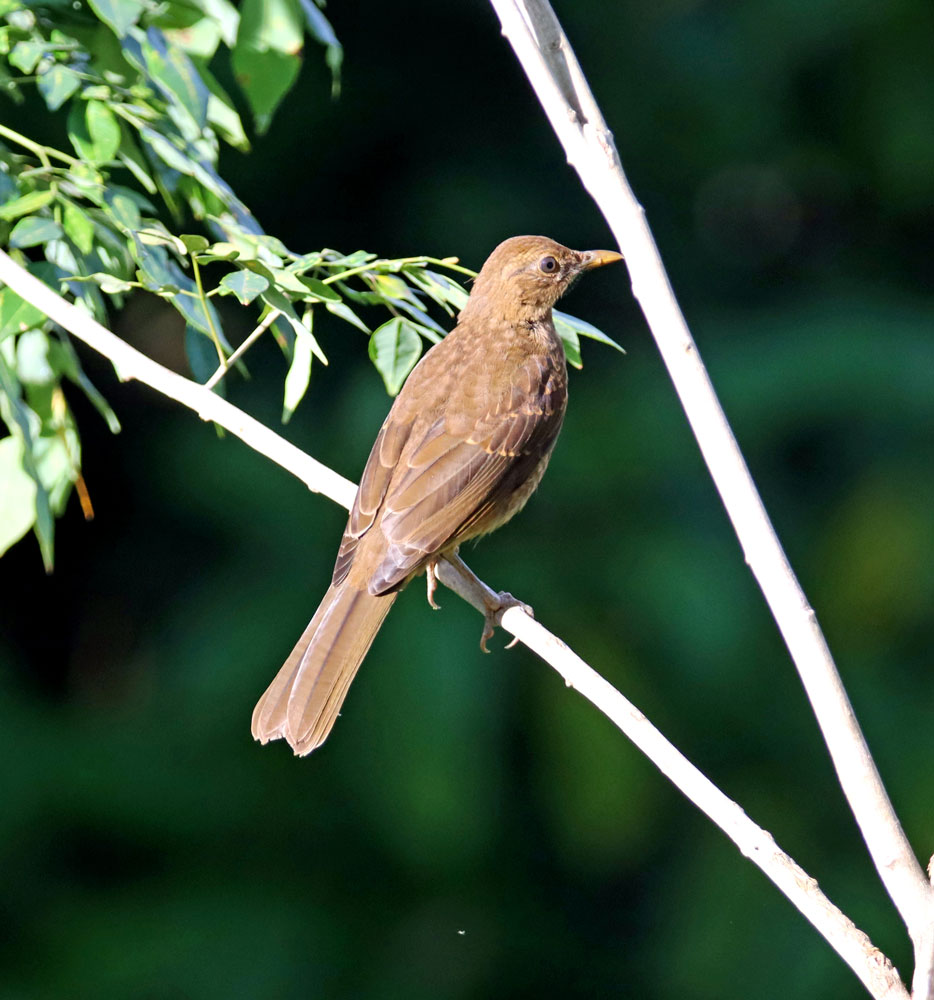
The Clay-colored Thrush (my gallery link) is called a Yigüirro in Costa Rica and is the National Bird, yet such a simple, Robin-sized brown bird. Not only does his singing in April attract the rain (and me), but his simple, plain look is also appealing. Another favorite bird seen at Xandari this week.
Clay-colored Thrush or Yigüirro, Xandari Costa Rica.
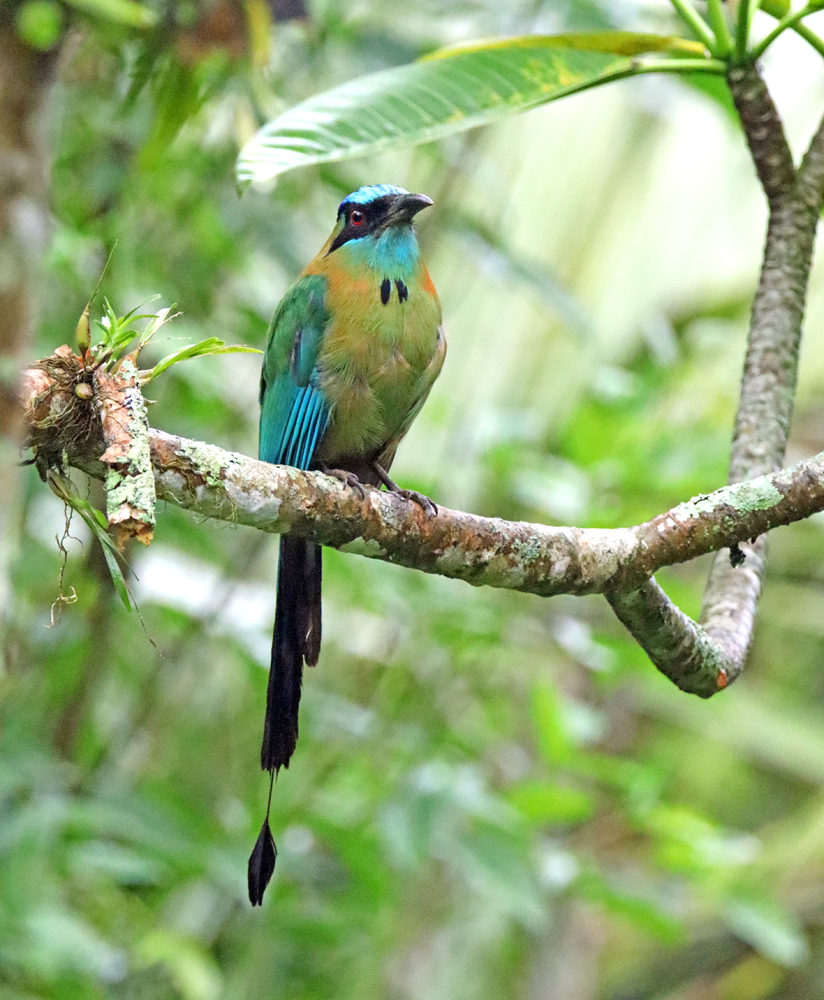
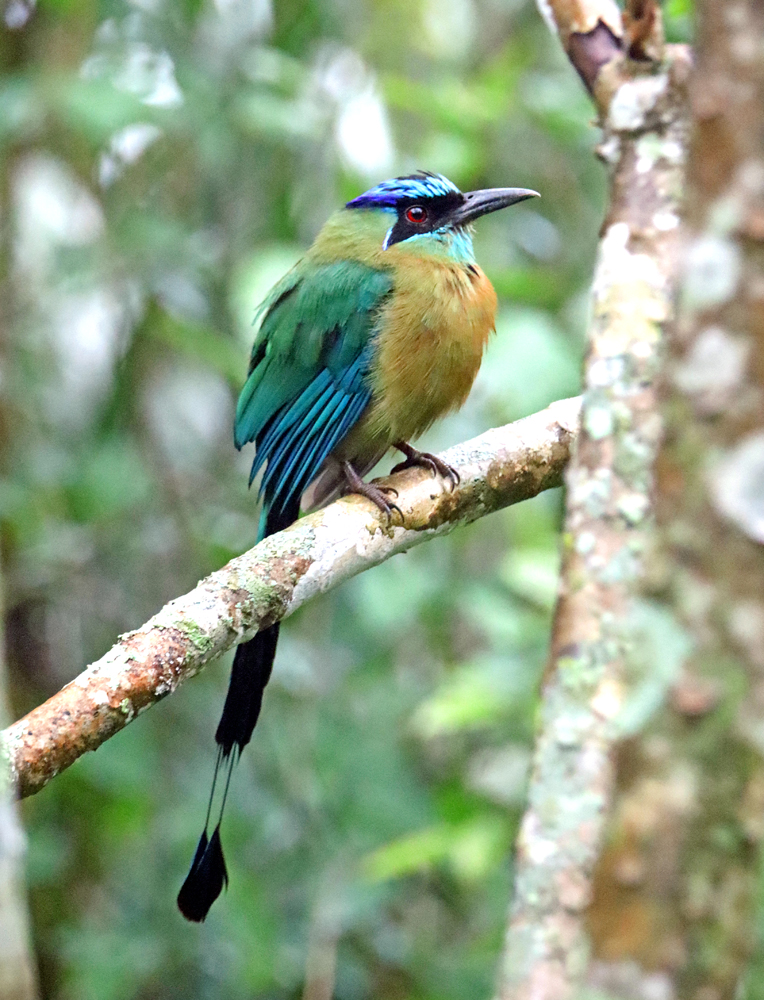
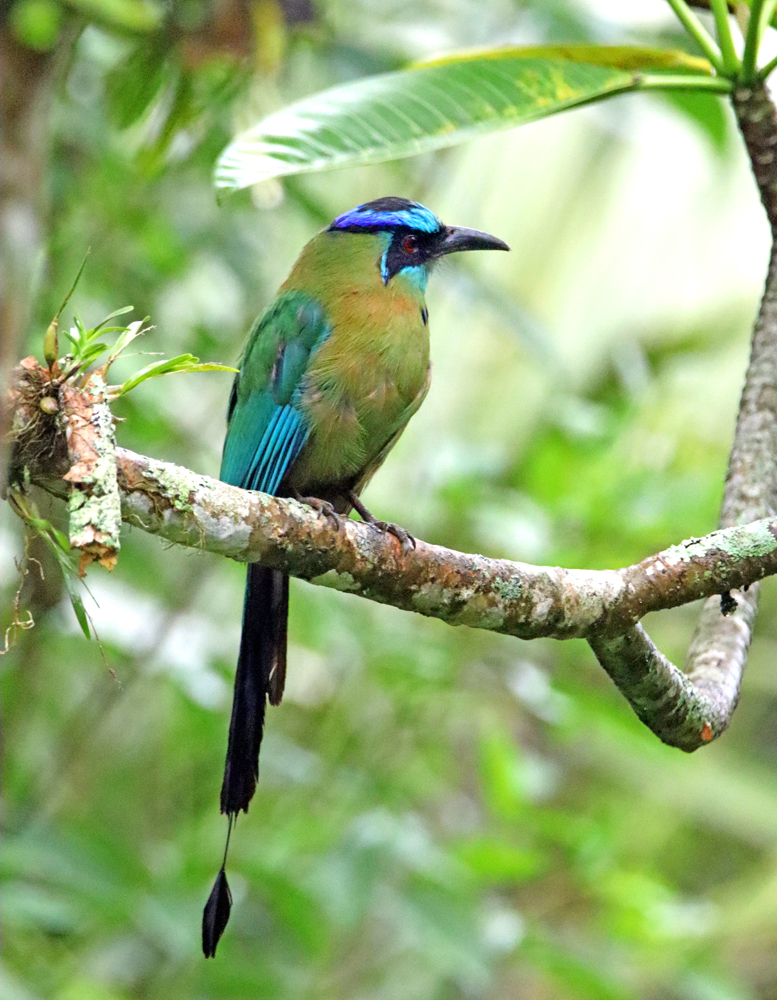
One of my favorite Costa Rica Birds, the Lessson’s Motmot (my gallery link), previously called “Blue-crowned Motmot,” is usually one of the first birds I see at Xandari and that was the case this morning on my circle walk through the gardens just after seeing two toucans fly over (no photo). I saw several other small birds in the shrubs without good photos, including a White-eared Ground-Sparrow and the National Bird, Yigüirro or Clay-colored Thrush. The pre-breakfast walk is always the best time for birds, but with overcast skies and the threat of rain, there were not as many today. And that is usually too early for butterflies that seek the sun, but I did get one which I will share in a separate post later today.
Here’s photos of the two Motmots, male & female, with couples like this usually seen together . . .
Lesson’s Motmot, (I think the female), Xandari Nature Resort, Alajuela, Alajuela, Costa RicaLesson’s Motmot, (I think the male), Xandari Nature Resort, Alajuela, Alajuela, Costa RicaLesson’s Motmot, (I think the male), front view, Xandari Nature Resort, Alajuela, Alajuela, Costa Rica
As I sat in Xandari dining balcony overlooking the grounds and a fogged out Central Alajuela, waiting for my Nachos & Lemonade, I experienced a Wet Art Show of my own category of “Leaves & Nature Things.” After the introductory photo for the emailed blog post there are 2 short galleries of horizontals and verticals of the beautiful Nature Art I enjoyed before my nachos! 🙂 Enjoy!
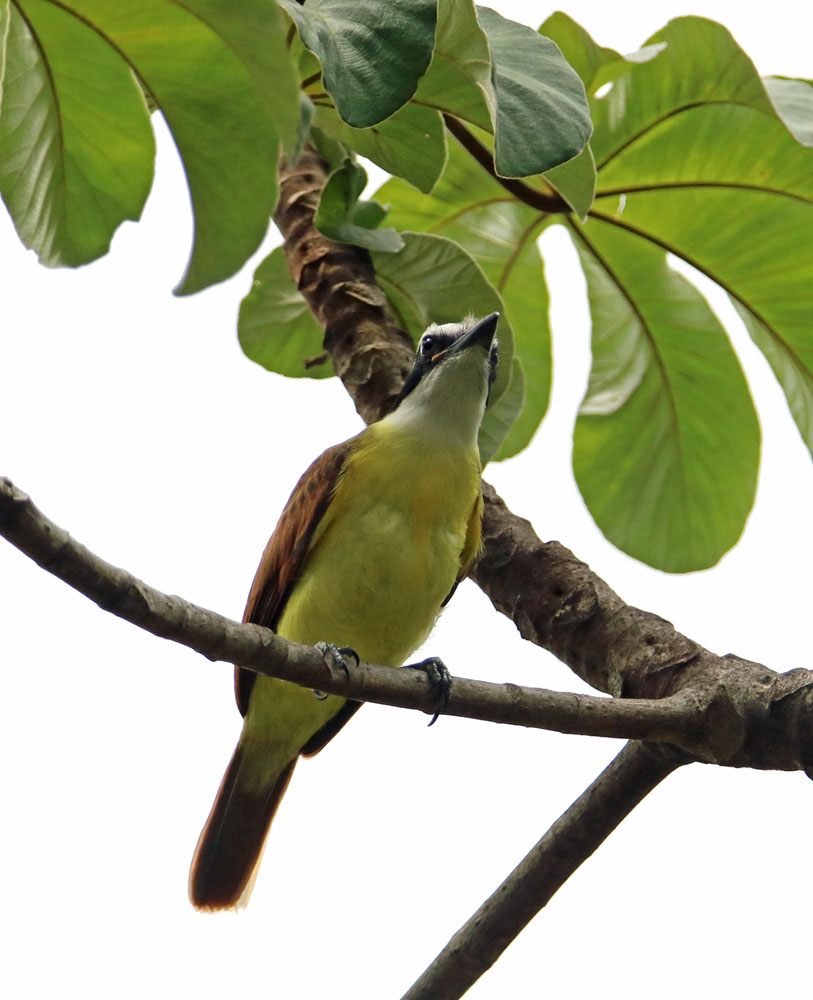
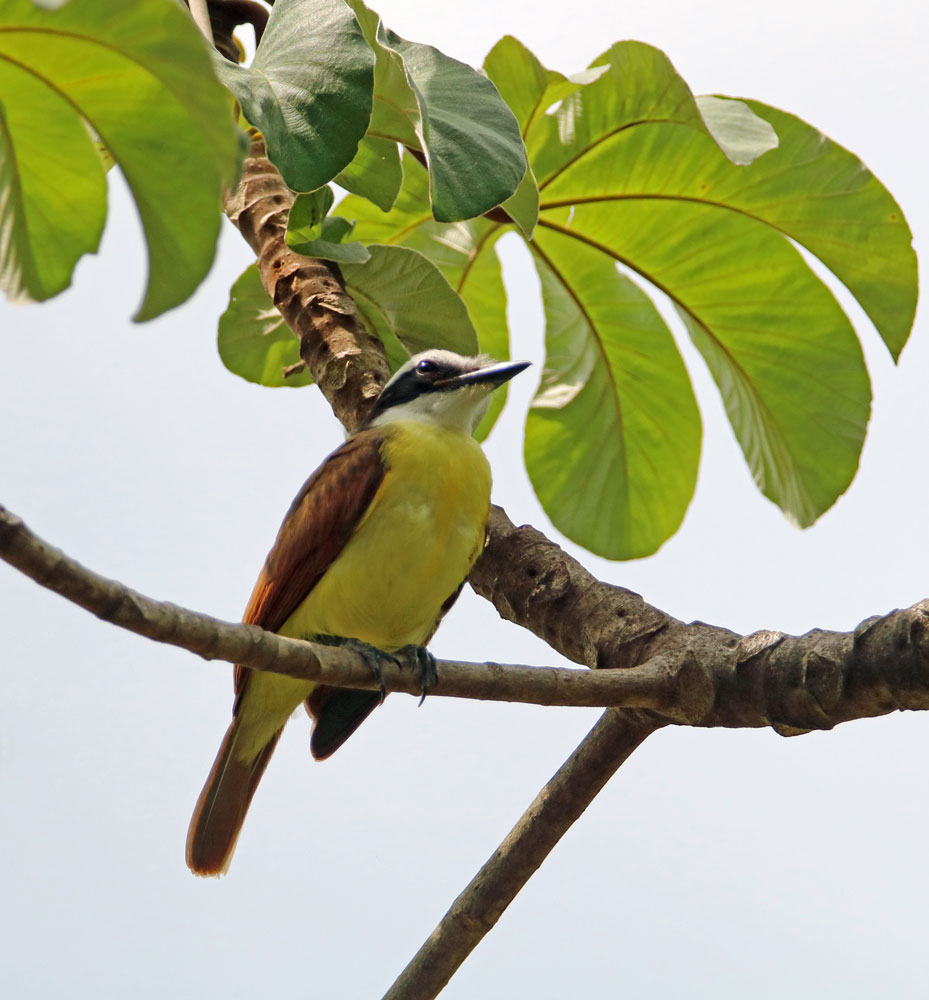
One of the more common birds seen in my garden has always been the Great Kiskadee (linked to my gallery) and here are 2 shots of this tropical bird common all over Costa Rica.
Great Kiskadee, Atenas, Alajuela, Costa RicaGreat Kiskadee, Atenas, Alajuela, Costa Rica
The theme of today’s online class was “Light & Shadow” and you can see my class notes and comments at Pause 5: Light & Shadow. (linked to my notes) Still not excited about the class, but this was a good photo-activity! 🙂
So I went outside at about 3pm yesterday (not the best time for long shadows, but okay). Here are a few of my shots in a gallery that won’t work in the email, so one pix for the email and then go to the online post for the gallery . . .
I am continuing the “Photography & Mindfulness” online class with #4 being day before yesterday or done yesterday for me. And of course a blog post each time with a link to my notes, comments and one or more of my photos that I think sort of relate. I’m not quite as “ethereal” or maybe it’s “psychological” as my teacher in Spain, but hoping this focus on mindfulness will help me to be more mindful and sensitive in making creative and meaningful nature photos. If interested, go to my online notes on this particular class at : Pause 4: Sensation and Emotion -May 15, 2026 NOTES.
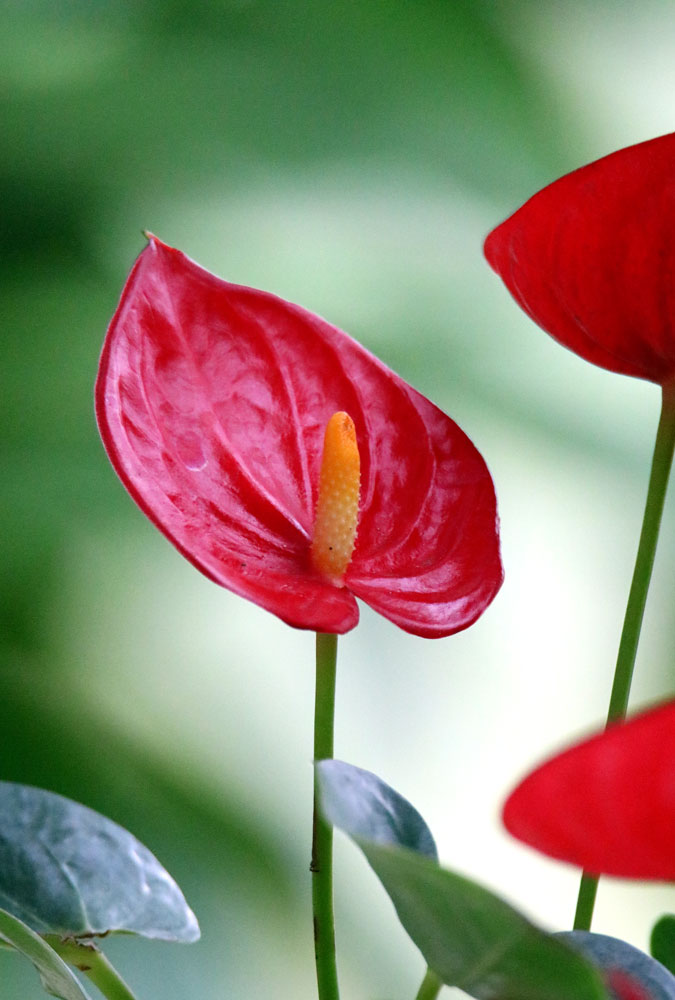
I think that a red flower always produces more “sensation or emotion” than any other color. 🙂
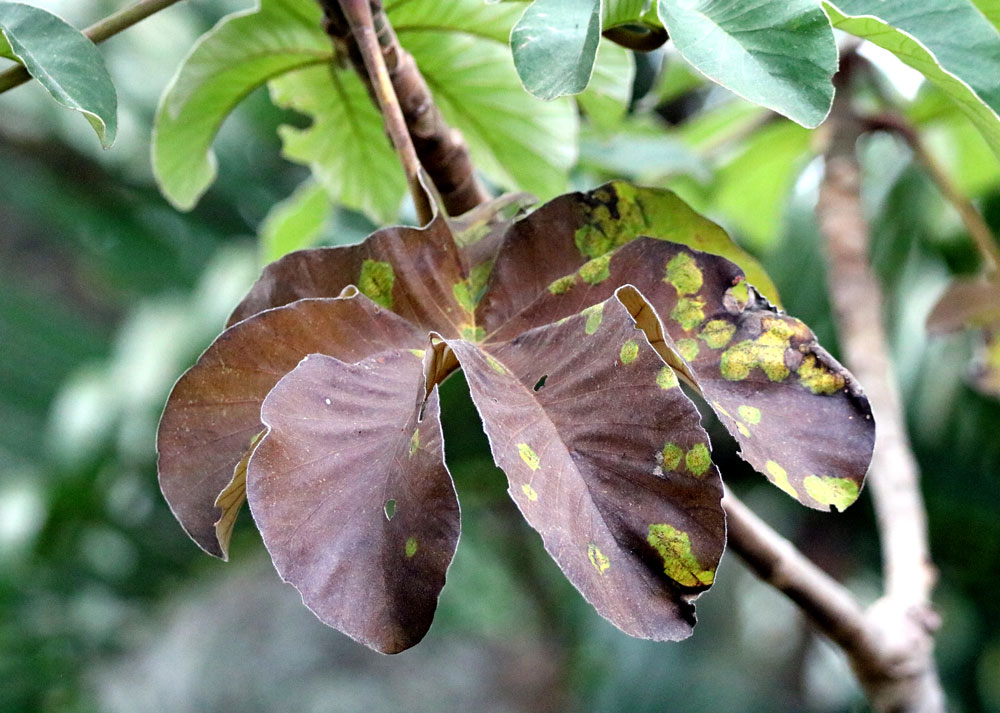
And About the Feature Photo . . .
Dying Cecropia Leaf with green spots or “Green Islands”
From Google AI: “Green islands” on a browning leaf are caused by living pests or pathogens that manipulate the plant’s hormones. They excrete cytokinins (plant growth hormones) that trick the leaf into delaying its natural death and keeping its green chlorophyll active in that specific area.