NOT business for me! So maybe “Calling” Card is a better name? 🙂 It’s my easy way of sharing my contact information.
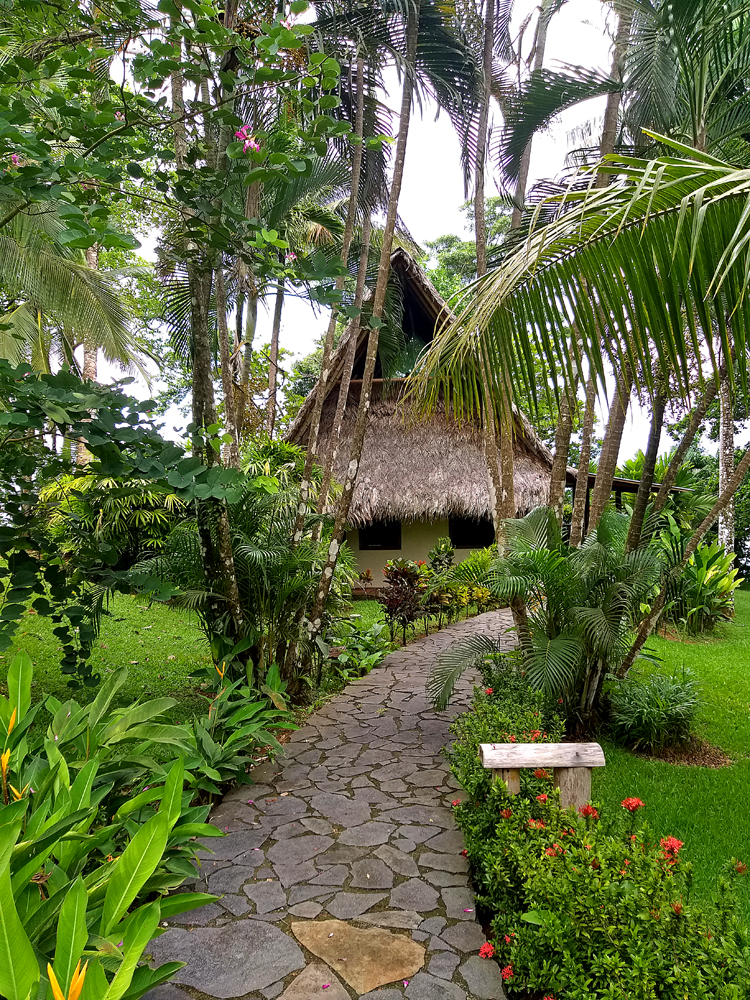
The one I’ve used for years had one of my Keel-billed Toucan photos on it and I have been in the “Red-eyed Tree Frog Mood” for awhile now, so decided to change to this shot from Danta Corcovado Lodge 2018 that I used on my Christmas Card last year. I order these cards fairly cheap online from VistaPrints. None of my contact info has changed, just the look:
Well – not very large! VistaPrint Proof 🙁
Calling card image – part of the tropical magic of Costa Rica! 🙂
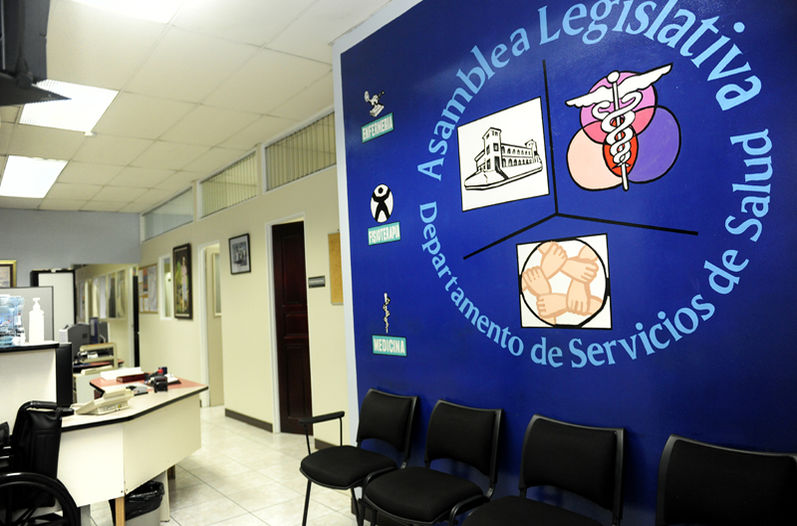
As a kid some pushy boys would challenge you with “I double-dog dare you to . . .” do whatever outlandish thing they thought I or someone else was too scared to do. Well the linked article below in The New Yorker Magazine is a very long article (taking time to read), but if you are really interested in the health of people wherever you live, then I “double-dog dare you” to read the whole article! 🙂 I believe you will be impressed!
It tells the story of a doctor almost my age from Atenas, Costa Rica (my current home town) who revolutionized Costa Rica’s health care system to make it arguably one of, if not the best in the world by blending public health and medical care. It’s a life-changing story for Costa Rica! And it could be for rich, self-centered countries like the U.S. who need to quit fearing “socialism” and start thinking about what is best for ALL the people and not just the RICH few as it now works in the states. I applaud The New Yorker for this excellent article! May America soon wake up! And thanks to Steve for bringing it to my attention! 🙂
In the right light, at the right time, everything is extraordinary.
~Aaron Rose
🙂
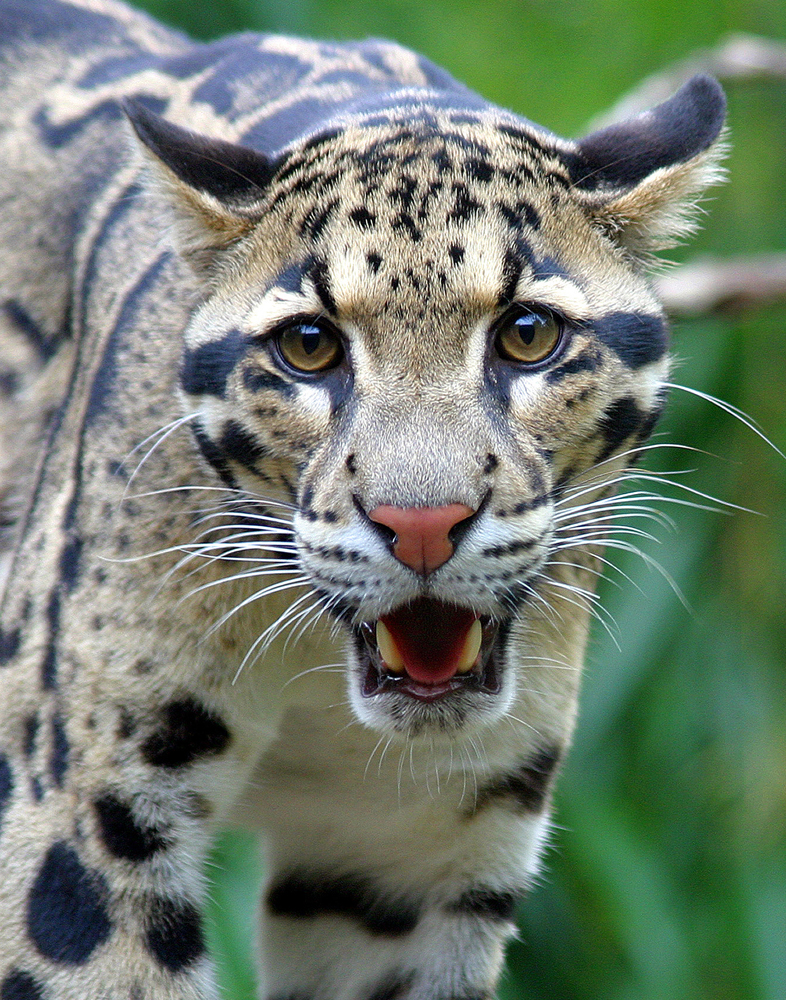
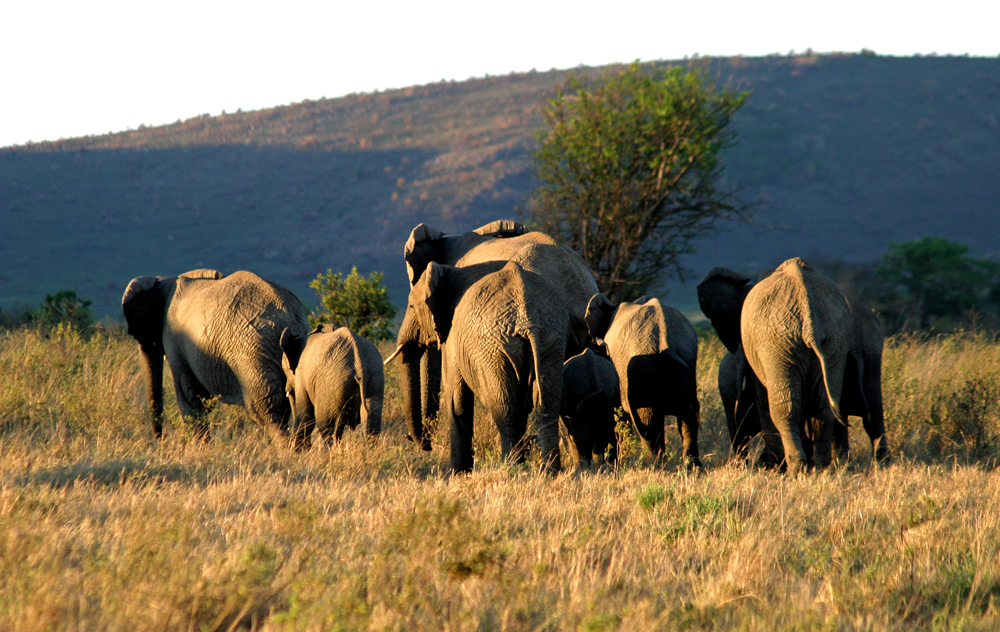
When I searched my old photos, all made before moving to Costa Rica in 2014, I quickly chose 125 photos without even going through all and decided to stop looking. Then I made cuts down to 40 photos that had “the right light” and I considered “extraordinary” and still too many! 🙂 I arbitrarily told myself “No more than 20!” (hopefully fewer) and the last cuts were the most difficult! 🙂 So forgive me for doing a post with 20 photos, but the chosen ones are all below in a gallery where you can click an image to see it larger. The feature photo in the header is my favorite Clouded Leopard shot from Nashville Zoo and this sample below for the email recipients (who have to click “Read More” to continue) is one of many extraordinary shots from 2 safaris in the Masai Mara . And these are not necessarily favorites but seem to fit in these two locations. 🙂
African Elephants taking their Children to bed for the night, Masai Mara Reserve, Kenya.
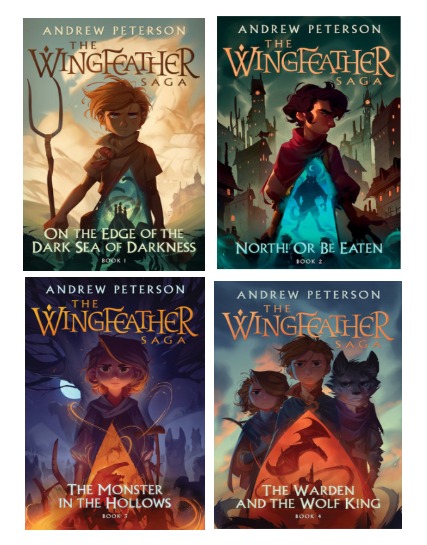
You may not know that my favorite kind of books or stories are the ones written partly for children or maybe it is “the young at heart!” JRR Tolkien, CS Lewis and JK Rowling. I was about to start re-reading Tolkien (the most difficult of the above) when through the sharing of friends in the Goodreads club/blog I discovered The WingFeather Saga (link to author’s description of the books). They are children’s books in this general fantasy/adventure style of the above three mentioned authors, with it quickly obvious that the author, Andrew Peterson, admires CS Lewis the most and would like to create a Narnia.
From my “Merriam-Webster Word of the Day” email today:
resilience – noun | rih-ZIL-yunss
the capability of a strained body to recover its size and shape after deformation caused especially by compressive stress
an ability to recover from or adjust easily to misfortune or change
And this is the effort or goal of my body right now, much longer after the radiation treatment than I expected, as my trip the last week of July showed.
For the rest of the year I have only 2 trips, both very relaxing places that I have already explored, so I plan to truly “take it easy” in September on the Caribbean or Atlantic Coast of Costa Rica in maybe my most relaxed hotel here, Banana Azul. I have reserved “The Howler Suite,” like a tree house on the second floor with a large private deck overlooking the forest and the beach where I plan to hangout more this time, with my “hikes” limited to beach walks and I may even use room service for some meals in my room and use the in-room Jacuzzi this time! 🙂 I was “too busy” the last time there! 🙂 Maybe read two books this time!
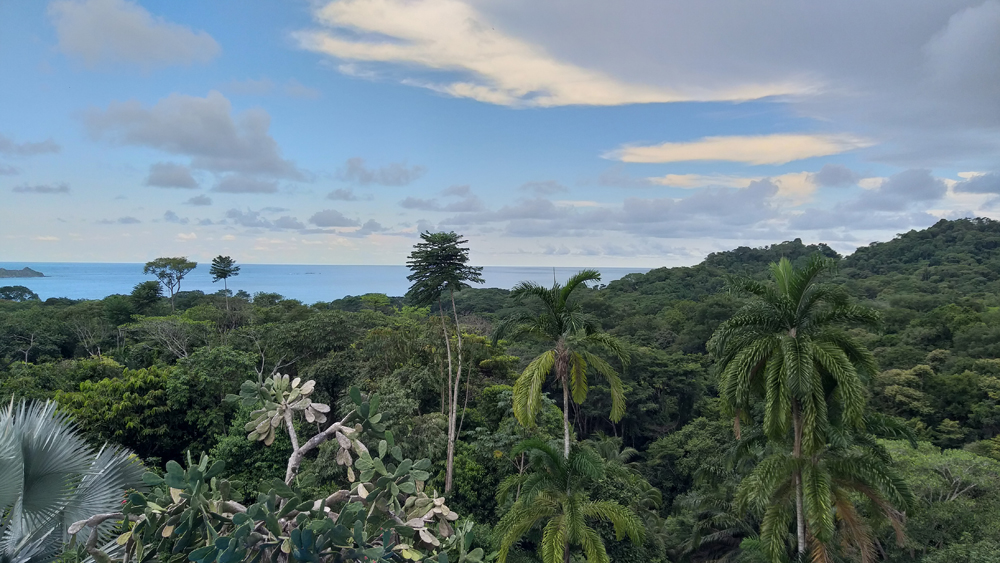
Christmas week I’m back on the Pacific side at another favorite hotel, Cristal Ballena in Uvita, overlooking the bay of whales and the “Whale’s Tail Beach” (feature photo at top) along with a lot of birds right outside my room and with even better food! As much as I love where I live, I function better with a change of scenery every couple of months or so. And I believe both these places will help me immensely with my continued efforts of “Resilience” after cancer! 🙂
Two Trees beachside at Banana Azul Caribe say “resilience” to me. And “Feature Photo” at top is a Pacific View at Cristal Ballena, Uvita.
“The oak fought the wind and was broken, the willow bent when it must and survived.”
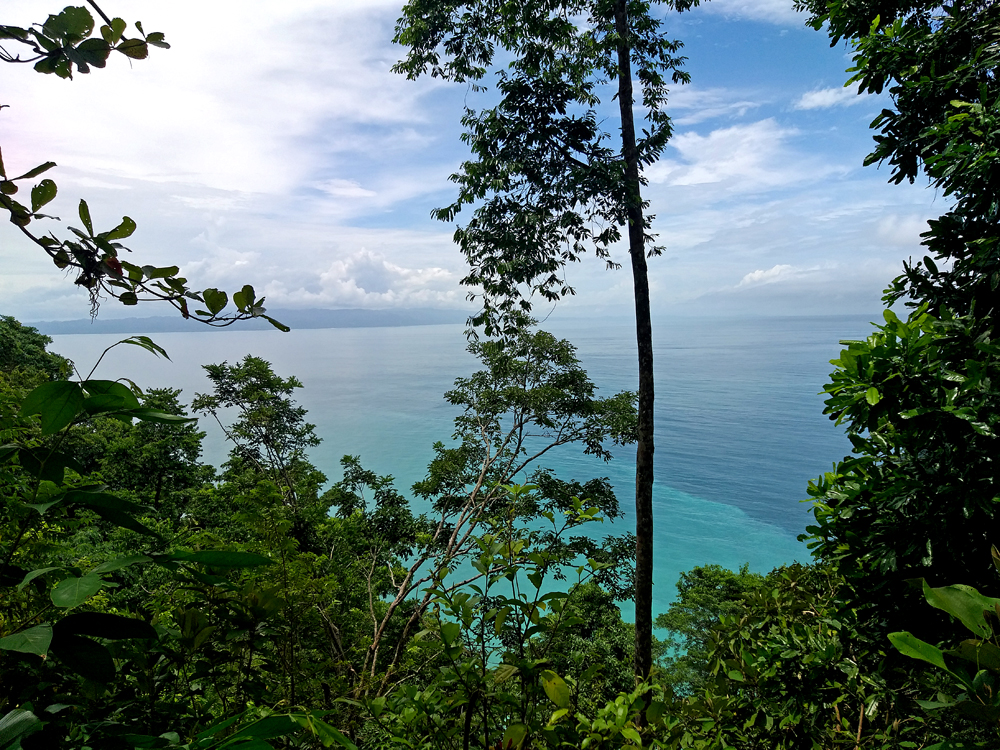
As much as I hate to omit it, I was not well during my week on the Osa Peninsula, still tired or low on energy with limited taste due to 7 weeks of radiation treatment and not my usual “gung ho” self! I chose to not talk about how I felt and I still got a lot of photos, and some are pretty good in spite of my limited mobility on the trails (I fell twice). You can find my efforts in the Photo Gallery, under Costa Rica TRIPS, or click the seascape image below or this web address: https://charliedoggett.smugmug.com/TRIPS/2021-07-22-28-Bosque-del-Cabo-Osa-Peninsula
Feeling tired is a common experience. It can be caused by disrupted sleep habits, a change in routine, or the appearance of stressors in your life. No matter the reason, tiredness can push us to our limits emotionally and mentally. In some cases, extreme tiredness sets in. This is called exhaustion.
~https://www.webmd.com/
Or in my case, I think I was just doing more physically than my healing body was ready for. When I finally got home Wednesday night, after a delayed flight and 7 days of hiking up and down hills through the rainforest, I collapsed in my bed and slept for 11 hours! Of course I had errands to run yesterday and then today I’ve just chilled, not leaving the house, with laundry my most strenuous activity. 🙂
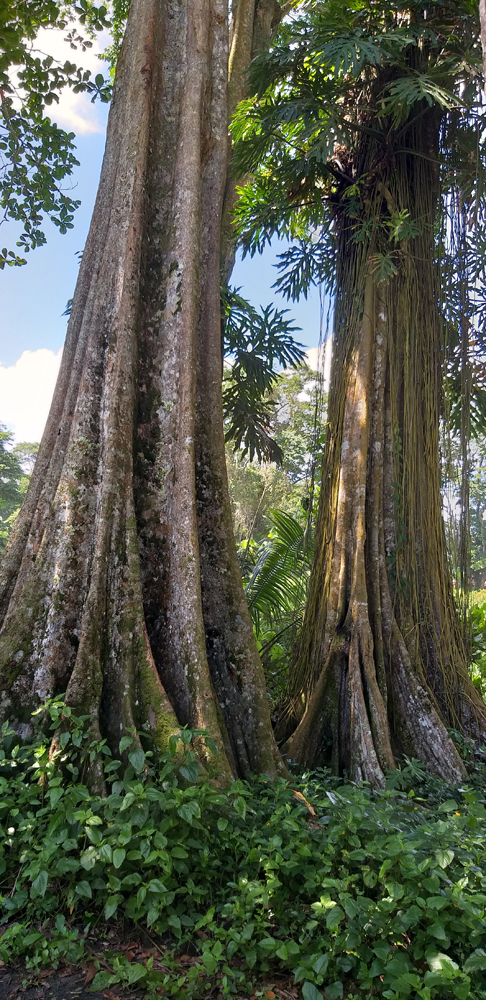
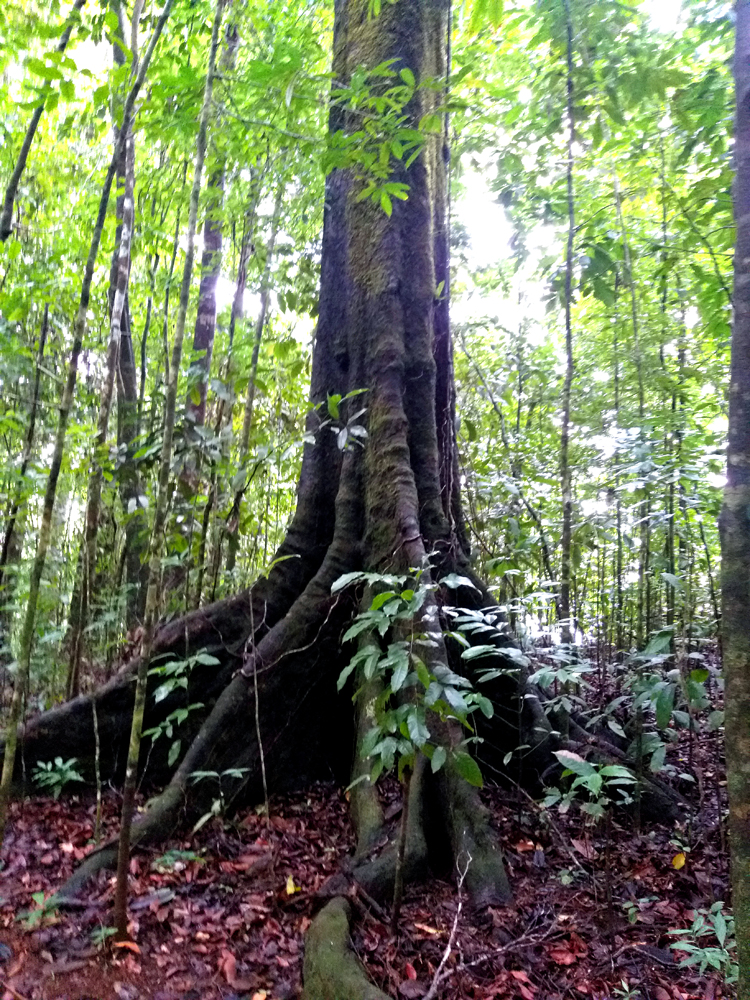
Tree on the Creek Trail, Bosque del Cabo Rainforest Lodge
I still recommend Bosque del Cabo Rainforest Lodge, but now add the disclaimer that it is an “active place for healthy people” that requires a lot of walking just to and from your cabin, not to mention all the trails and other activities, etc. My cellphone said I walked more than 14,500 steps one day – which normally is very good! But I was not healthy enough for that, not fully recovered from cancer treatment. But I will be soon! And by the September trip to the Caribe, I expect to be my normal active self, enjoying more walks wherever I am. 🙂 Pura vida!
“If you would know strength and patience, welcome the company of trees.”
― Hal Borland
And oh yes, more photos yet to come from this trip!
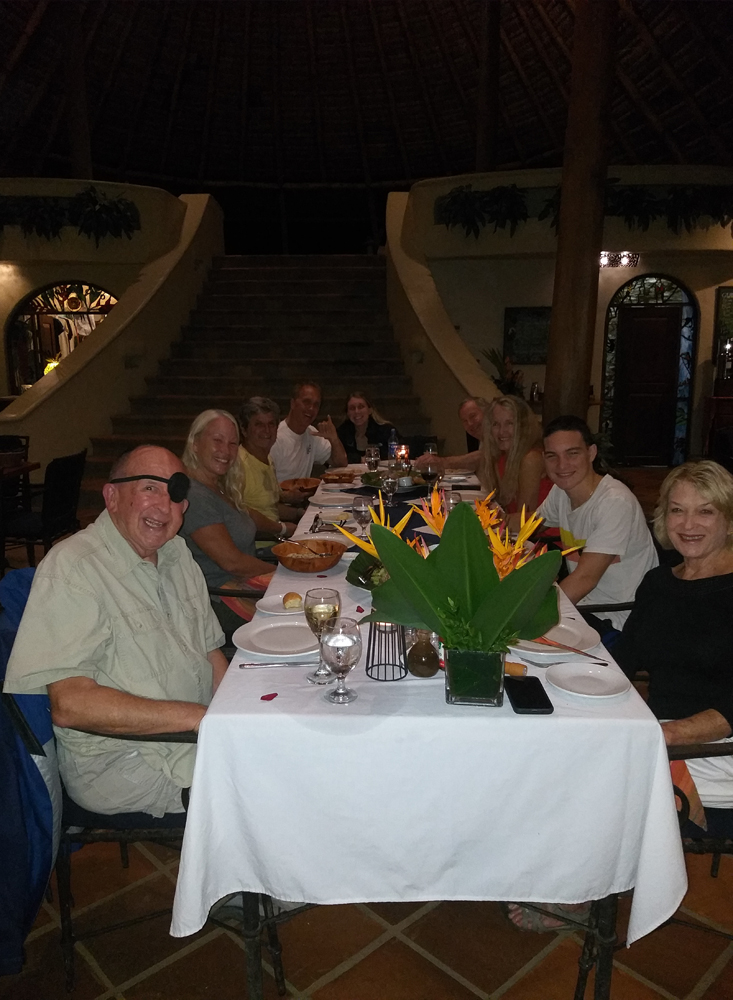
Some of you know that I prefer traveling solo; maybe it’s selfish or maybe it’s the results of 20 years of marriage. 🙂 I also enjoy eating solo, reading my Kindle or just observing what surrounds me. Occasionally in the informal lodges people invite me to join them at their table and never wanting to offend, I often accept. This group from Florida asked me to join them on the second night and I think I told them I would, but for dinner only, since I liked to read at breakfast and lunch. They have also invited others to their table like this couple from St. Thomas with a teen son. It’s been interesting as long as I ignore political statements! 🙂 Our waitress made this image on a couple of our cellphones for us last night.
Like pretty much everywhere in Costa Rica (except San Jose) all our meals here are open air, just under a roof because of mucho rain! 🙂
I got here in time to dump my stuff in my cabin before a delicious lunch that I was able to eat all of! Yay! 🙂 It’s overcast with some scattered showers but I explored the trails a little and scheduled 4 activities this week with the rest of time exploring on my own! And the 4? Well, boring old-man activities compared to some available here: Morning & Afternoon Birding hikes in 2 totally different locations, a sunset/night hike looking for night creatures, and a morning Primary Rainforest 3-hour conservation hike. The rest of the week is photographing a lot, resting, and finally eating real food for a week! My radiation taste is not totally gone, but greatly improved and I’m eating just about everything now! 🙂
My thatched-roof open-air hut with a cool breeze off the Pacific now! 🙂
The Pacific Ocean View from my room porch on an overcast day.
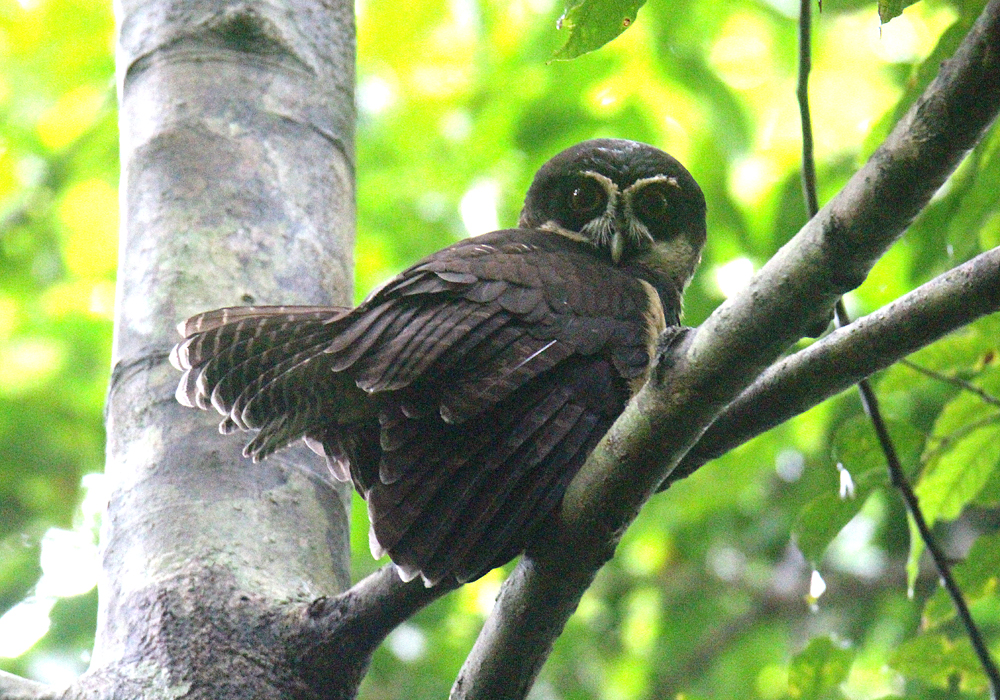
I’ve seen a Crested Caracara (on the road here), and here: lots of Scarlet Macaws, lots of little birds not identified and a family of Spider Monkeys, all by my thatched roof cabin. And I’m looking forward to happy hour snacks before a great dinner. There are about 25 tourists in this lodge (from all over the world including children), which is not bad with Covid still raging around the globe! And it is a 45 minute drive (fording streams) from the primitive landing strip in Puerto Jiménez to the lodge or if you must, an 8-hour+ drive from the San Jose Airport.
The “Boa Bar” at Bosque Del Cabo Rainforest Lodge . . .
Your nightly report from the rainforest will be uploaded each afternoon from the above poolside location! And oh yes, the internet connection is great (at least today!).
On January 5, 2020 I did a Blog Post 2020 Ranking of My Birding Lodges, which is now out of date and it even included Nicaragua and Panama lodges, where today’s is only Costa Rica and I have included the multiple trips to places I repeat with each bird count, but only those with 10 or more birds photographed by me. Even on eBird I count only the ones I get a photo of. These are from my birding visits since 2015, my first year living in Costa Rica.
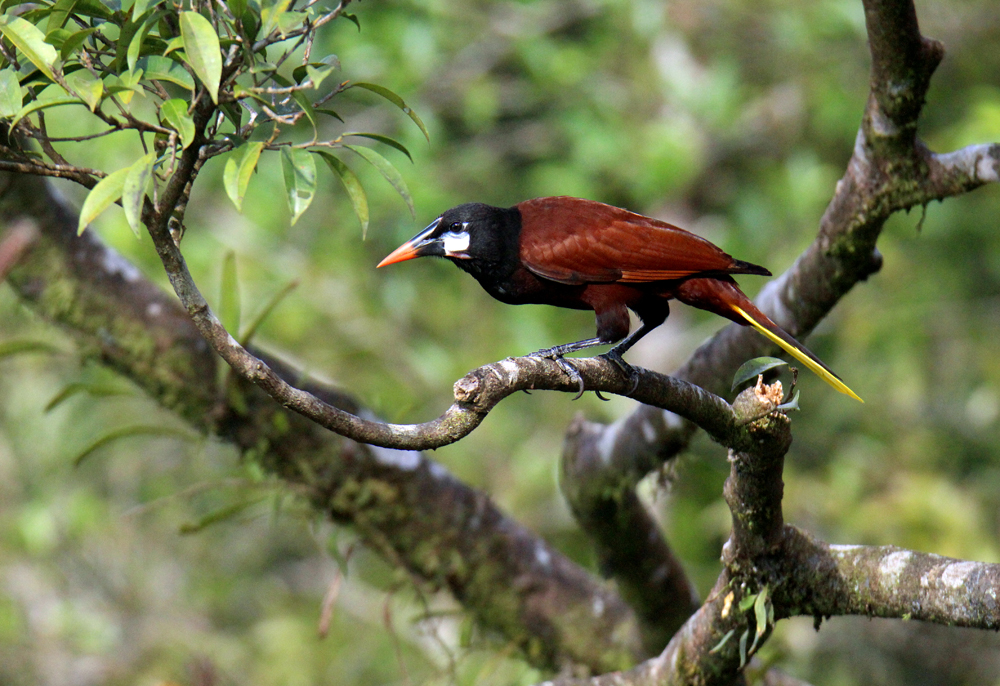
Montezuma Oropendola at Arenal Observatory
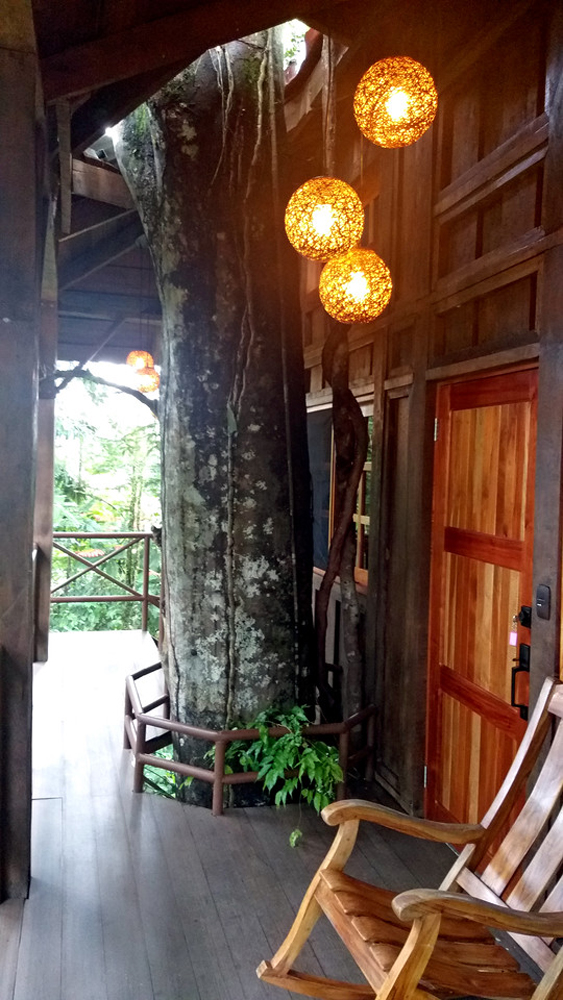
The Feature Photo at top is my Treehouse Room at Maquenque Lodge, Boca Tapada.
And the 2021 Rankings by number of species are . . .