We had a rather dry rainy season May-September, but at the time of this writing October has been fairly normal with rain every afternoon or evening. If it will continue through November, we may not suffer as much during the dry season with this year expected to have public water shortages and more grass fires. This is for the Pacific Slope, while the Caribbean Slope (Atlantic side) has had more than usual rain. Crazy weather this year!
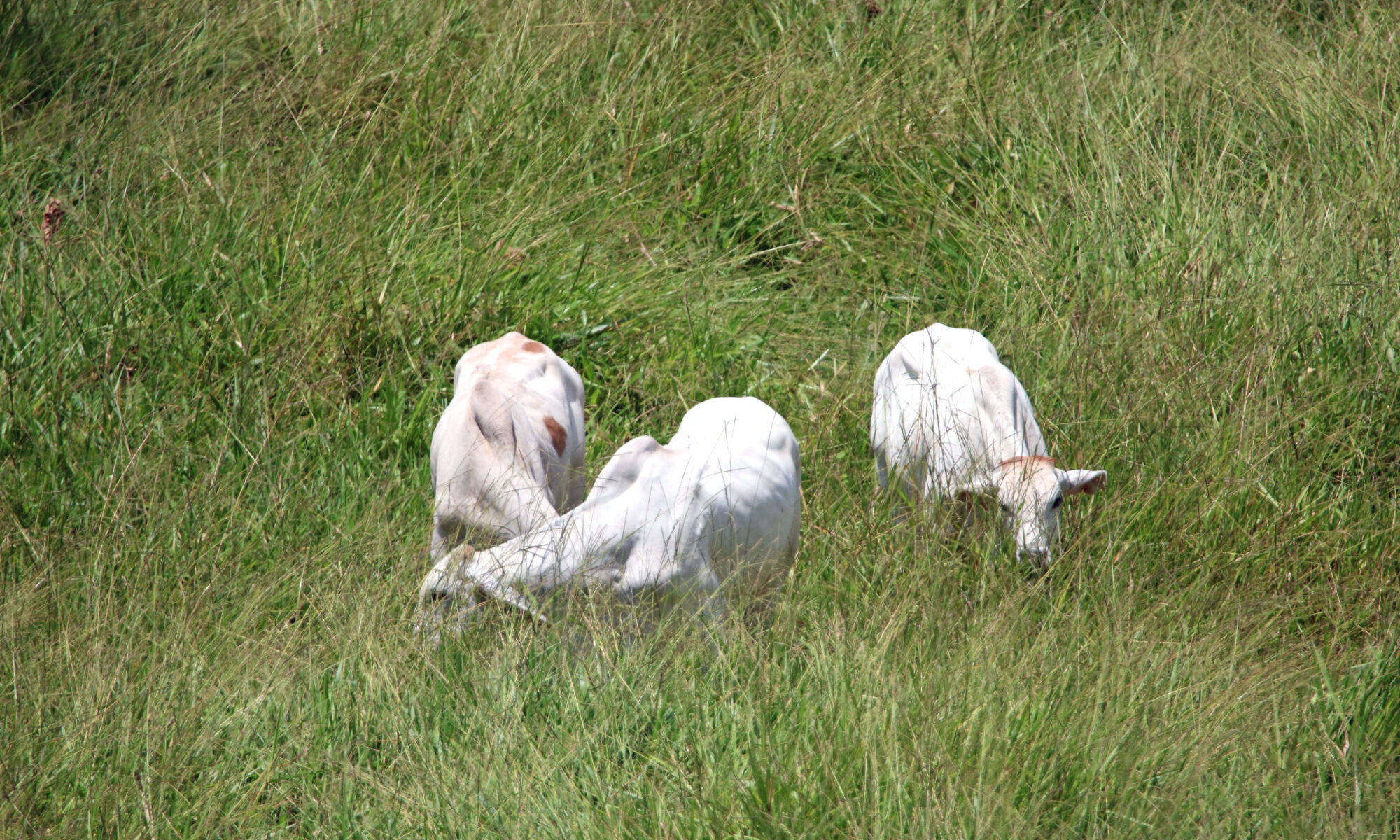
Most, if not all, of the cows that rotate through this neighborhood cow pasture are Brahmas, as most in Costa Rica are. But in my gallery Cows, I haven’t bothered to try and identify all the cow photos made from trips all over the country. And I think a few are other species. They aren’t “wild” life, but have been fun to see and photograph, both in my neighborhood cow pasture and when traveling across the country over these last 12 years!
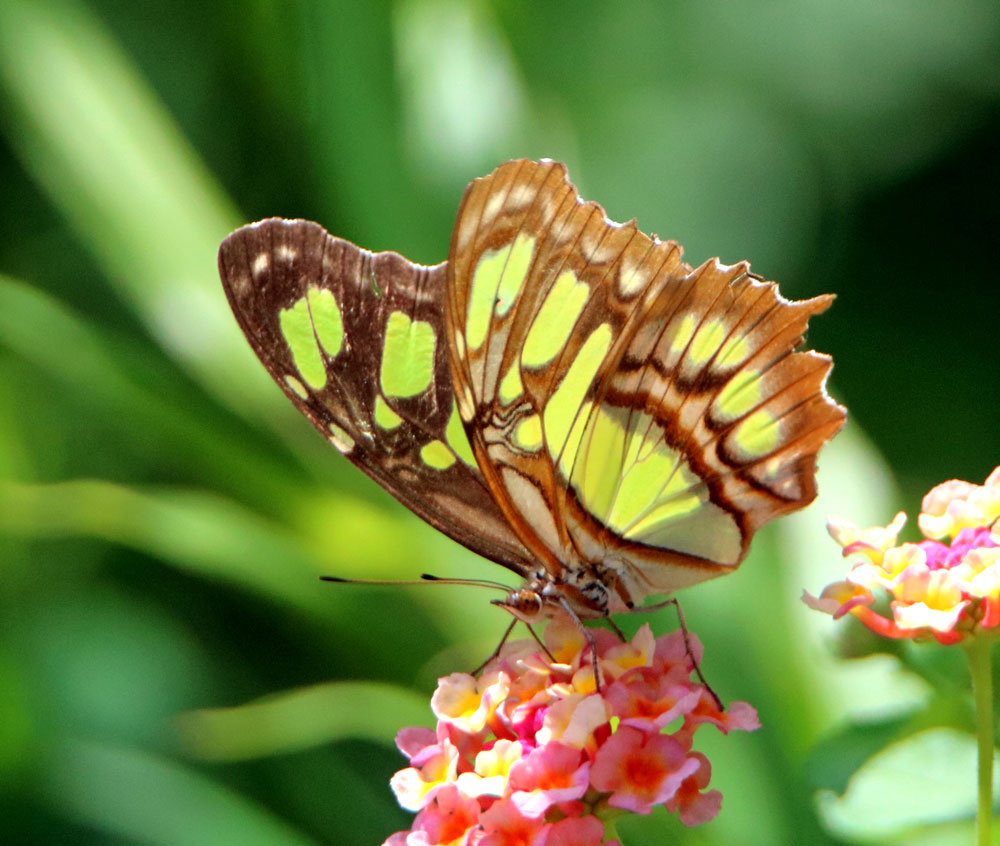
One of my many “favorite” butterflies is this Malachite (my gallery link) which I recently shared one of from Hotel Colinas del Sol nearby and this one was one of the few in my garden this year, on a Lantana flower.
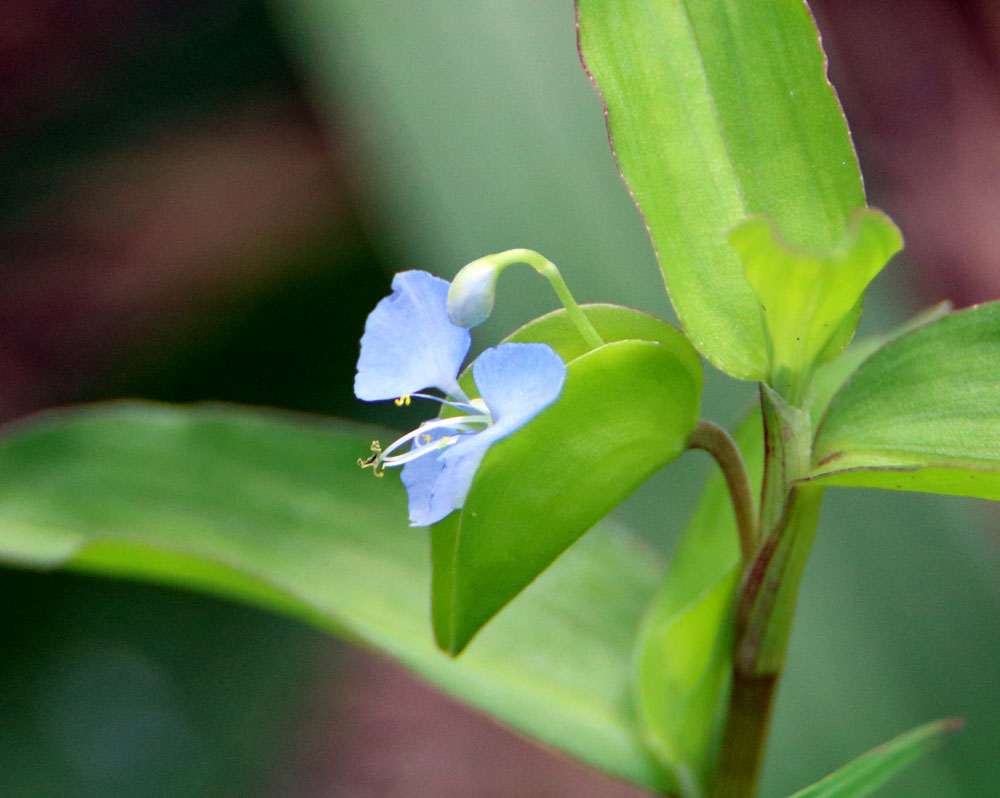
This little wildflower I saw along the side of the road in front of my house. Upon checking, I found that I had seen it one other time in my garden back in 2023 before I used iNaturalist and had an identification. I’m pretty certain of this ID which has already been verified by a botanist on iNaturalist. To see my 2023 observation, go to my gallery Scrambling Dayflower. You can read more about it on both iNaturalist and on Wikipedia.
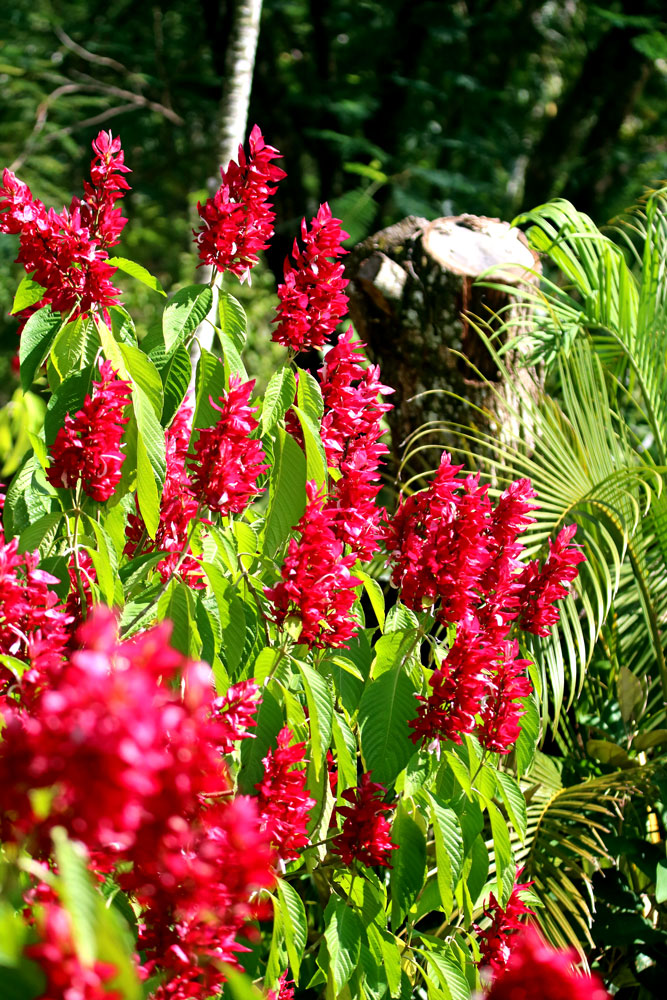
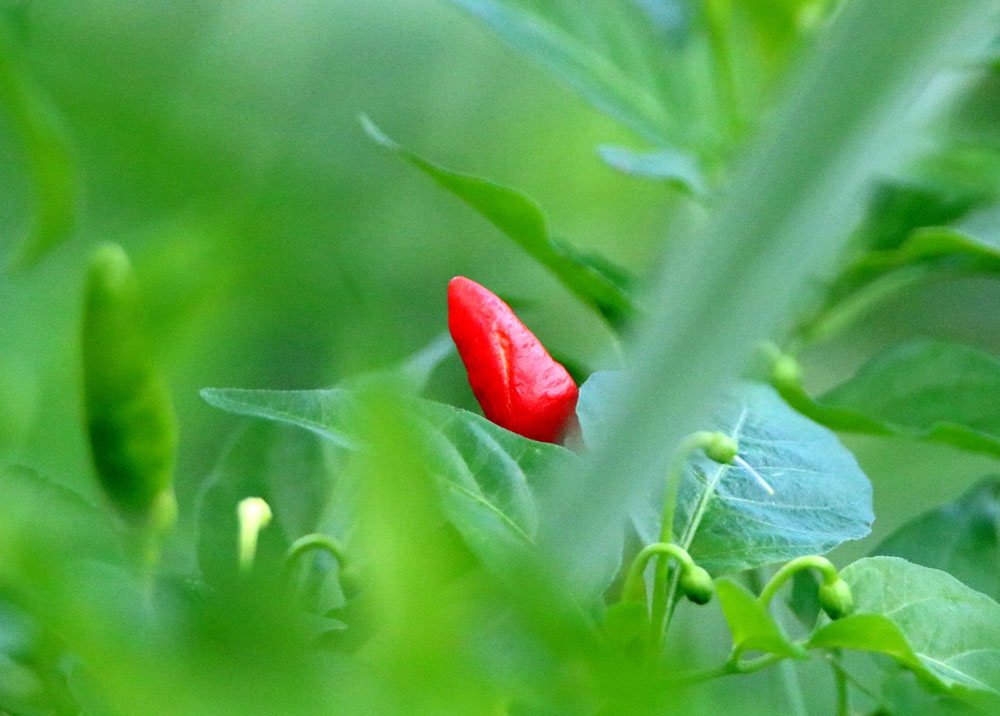
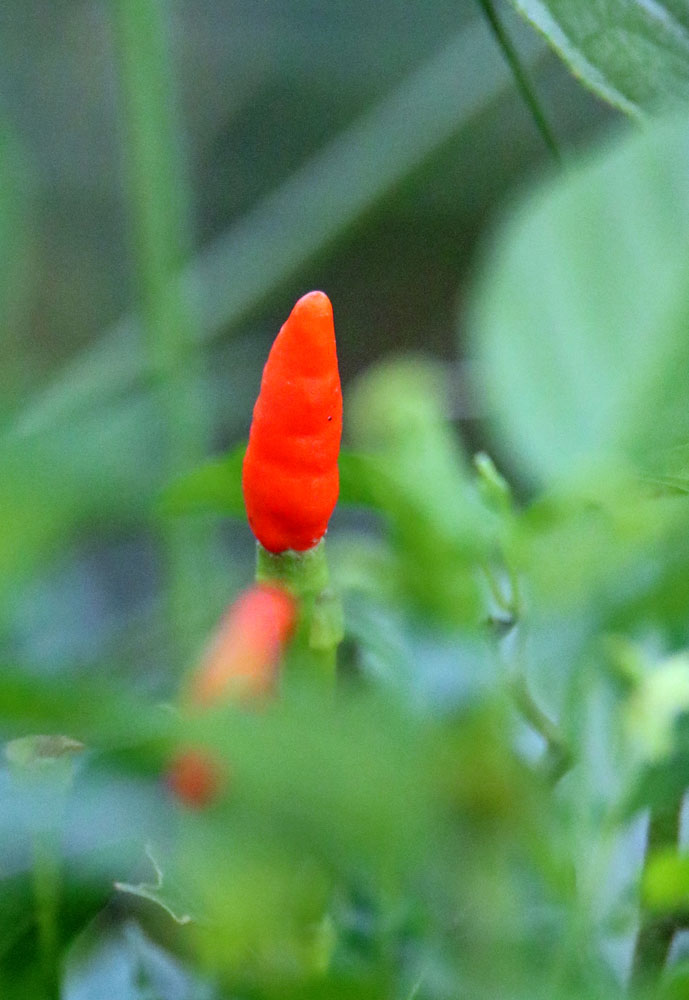
This is another one of those “international migrants” in Costa Rica that grows well here but is native in this case to Brazil, Surinam, & Venezuela. At first glance I though it was a Red Ginger, but on a closer look, there are several differences! It is just one more species I’ve added to my Under Construction CR Flowers by Species with only this photo in the Brazilian Red-cloak gallery now. You can read about and see where others have seen this flower in Costa Rica on iNaturalistCR by clicking “View All” under TOTAL OBSERVATIONS where there is a map showing where. Or read more about them on Wikipedia (en español) or shorter one in English.
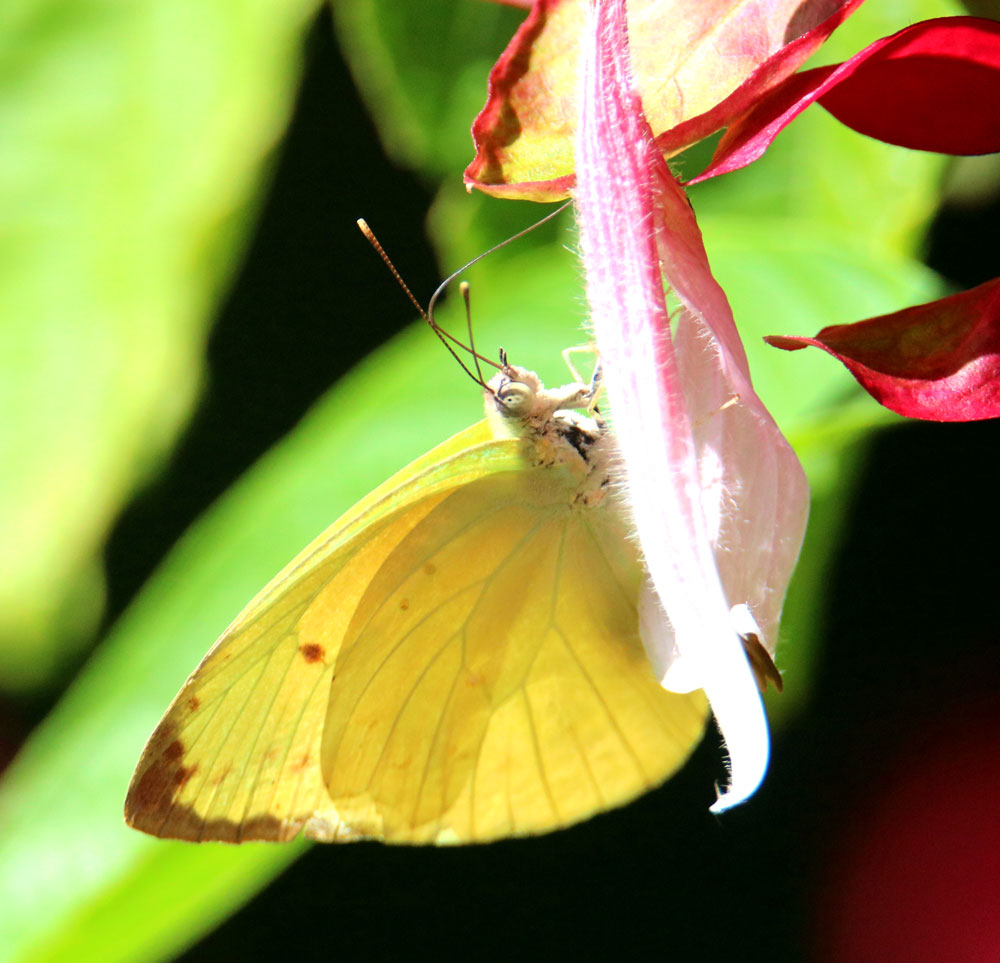
This is one of those peculiar butterflies in the Pieridae Family (whites-yellows-sulphurs) that can sometime appear more yellow (as this one) or in my experiences is usually more white or “whitish.” 🙂 It is the Statira Sulphur(my gallery link) seen frequently in my garden though this one was at the nearby Hotel Colinas del Sol during my overnight there for a house fumigation. It is found mostly in Central America with other Costa Rica sightings seen on iNaturalist Costa Rica where I am the lead observer and for those seen in Florida and South Texas in the states, check out BAMONA where I keep CR represented. 🙂
¡Pura Vida!
Note that as of today, we are still having a normal October with rain every afternoon and all are hoping that it will be sufficient to bring the water table back up from our lack of normal rain May-September. The dry season starts in December and the amount of water in the rainy season is important for plants, water table, etc. Some fear a shortage of water during the dry season and possibly more grass fires if this rain doesn’t continue through November.
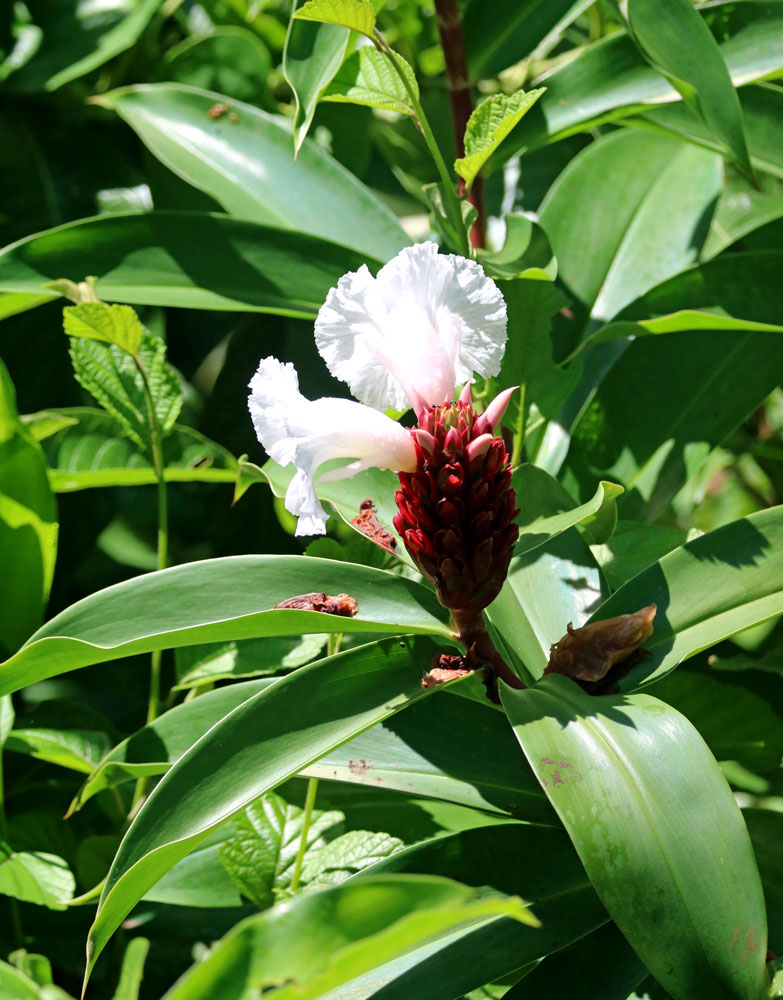
This beautiful and delicate-looking flower is not seen as often as some of the other ginger flowers, but is another one of my many favorites! I saw this one a week or so ago at the local Hotel Colinas del Sol. And now that I’m building a gallery of flowers by species (still under construction) I do have a gallery with all my photos of the Crêpe Ginger (linked) with shots from 5 different locations. It is another “foreign” (Asia) flower that has “naturalized” here in Costa Rica. Read more about it on Wikipedia.
¡Pura Vida!
An update to the brief memorial in yesterday morning’s blog post
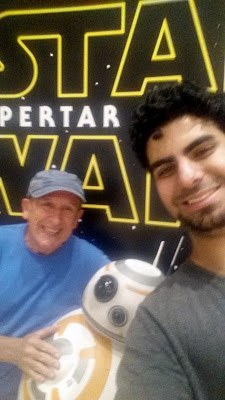
Yesterday afternoon, I added to my memorial to Yaison Quesada, the only photo I had of him (below) and a list of links to the 11 blog posts where I mentioned him or told about something he had done for me. I wanted everything about him to be in the same place, thus I added it all to yesterday’s nature post addition at: https://www.charliedoggett.net/2026/10/11/the-security-of-tree-limbs/
Scroll to the bottom of that post or click this photo to read about Jason Quesada.
Jason Quesada with Charlie Doggett at the 2015 Star Wars Movie, Alajuela City Mall, CR.
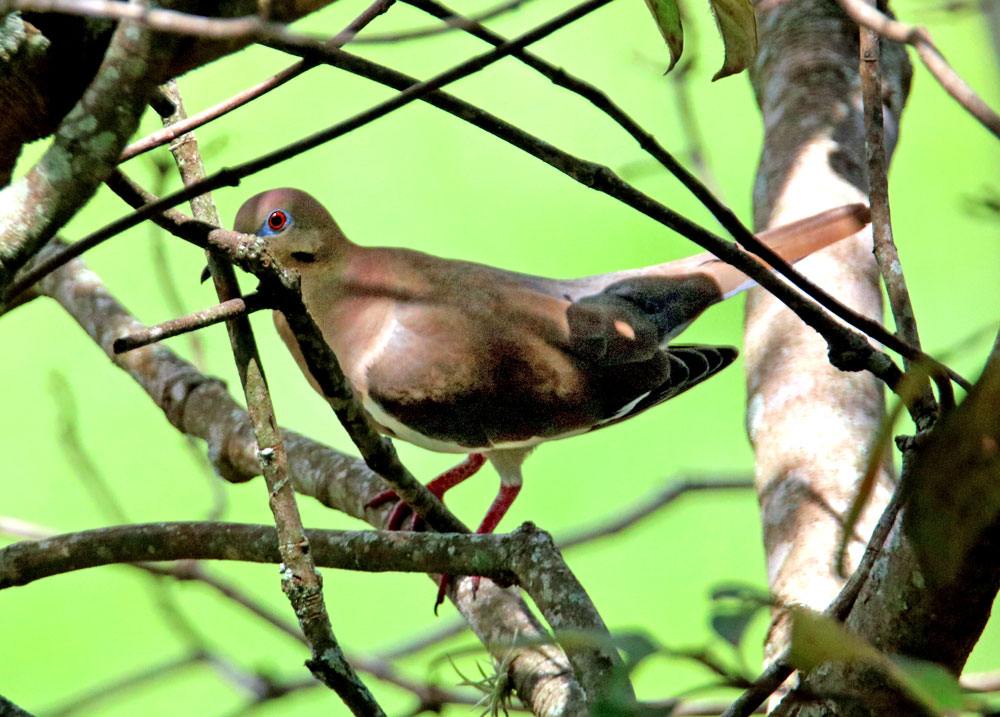
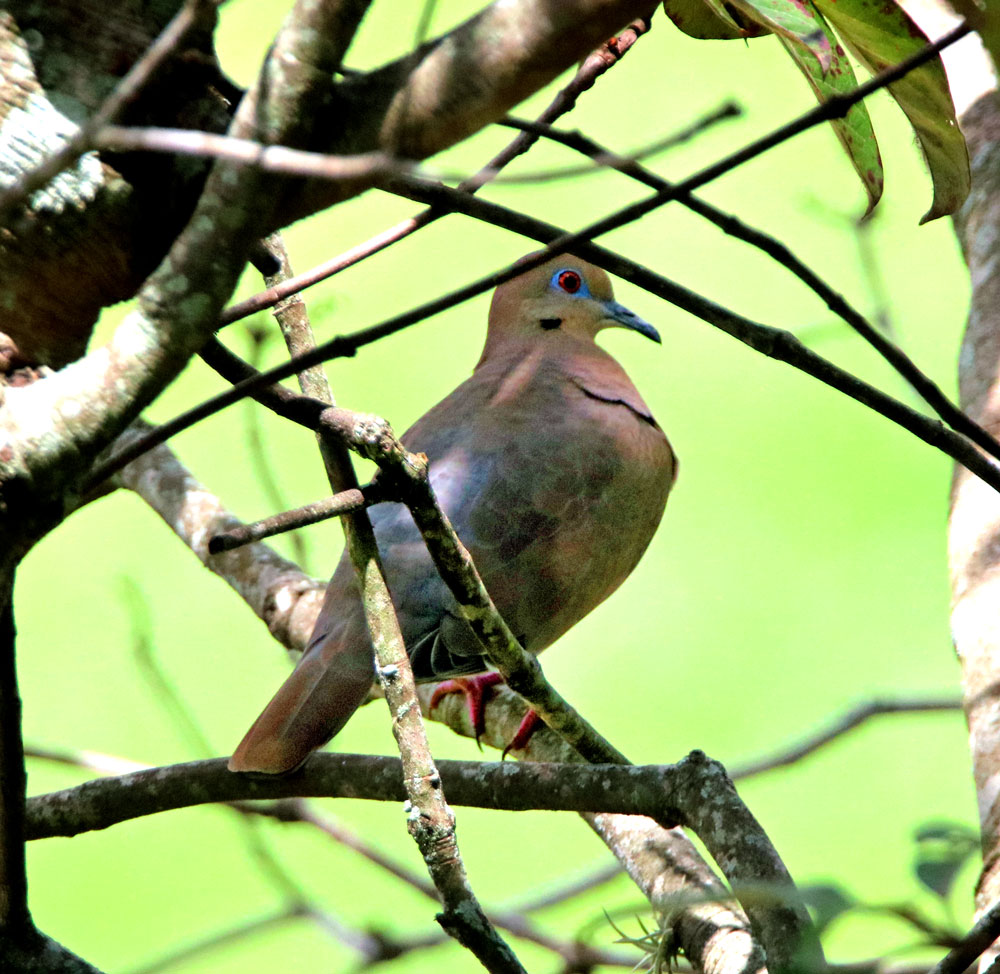
I’m noticing that most birds (with exceptions of course) tend to land in a tree on a limb that is surrounded by other limbs and thus I assume that they purposefully find a “safe spot” out of the reach of possible predators. And in the case of this White-winged Dove (my gallery link) in a Nance Tree, they also make themselves difficult to photograph! 🙂 Or at least the kind of open and posed photo on a clean limb humans like to see. Maybe you could call it “Nature’s Security.” 🙂
White-winged Dove, My Garden, Atenas, Alajuela, Costa Rica
¡Pura Vida!
Sad Loss of a Young Tico Friend
And of course 38 is young to me! 🙂 Yeison went by “Jason” with his English-speaking friends and was one of two, then 12 years younger, guys assigned to me to “practice” my Spanish and as would probably be expected, he practiced more English than I did Spanish, 🙂 but that was okay.
After that first year I saw him only occasionally and he continued to be like too many of his generation of males here, not wanting to work or not keeping a job for long (it seems to me). With his good English, he tried 3 different U.S. Call Center jobs here in Costa Rica and hated all of them, none lasting long. He tried working in A/C Sales for an uncle in Jaco, but “that didn’t work out,” he said. Then off and on jobs as a security guard which he was at my bank when he died last month. During his off and on work he married and had a cute little baby boy, but was not sufficiently supporting his family and she divorced him and he was ordered to pay the equivalent of $400 per month child support and had become quite depressed with the difficulty of that (for him) and seldom getting to see the child.
Last month he walked out on the Atenas railroad bridge (highest in the country) and jumped off into the deep rocky canyon of the Rio Grande River. He was reported missing and not found for two days, and then by the Red Cross Ambulance Service after someone called to report seeing a body in the bottom of the canyon. The official government report of his death is here: https://crhoy.com/nacionales/encuentran-en-rio-el-hombre-de-joven-desaparecido-en-atenas/
Yeison Quesada
My Blog Post Search for my mentions of Jason Quesada
It was mostly during those first 2 to 4 years when I was with him, often as a needed translator then, or at the beginning treating him to a Star Wars movie (his 1st) as the only blog post showing a photo of him (below). But the idea is that in those early years here in CR, he was a part of my life and I deeply regret that I was not able do anything to stop his suicide. He is just one example of the difficulties of being poor in this world, sometimes living a hopeless life. And of course he brought some of his problems on himself (lack of ambition, education and good work ethics), but the popular lifestyles and systems of this world (highly American-influenced) also have some blame. It saddens me to lose a friend who gave up on living in this hectic, crazy world. He was a believer and I put faith in the verse from Psalm 34:18 – “The Lord is close to the brokenhearted and saves those who are crushed in spirit.” I don’t understand, but hope that he is close to God now.
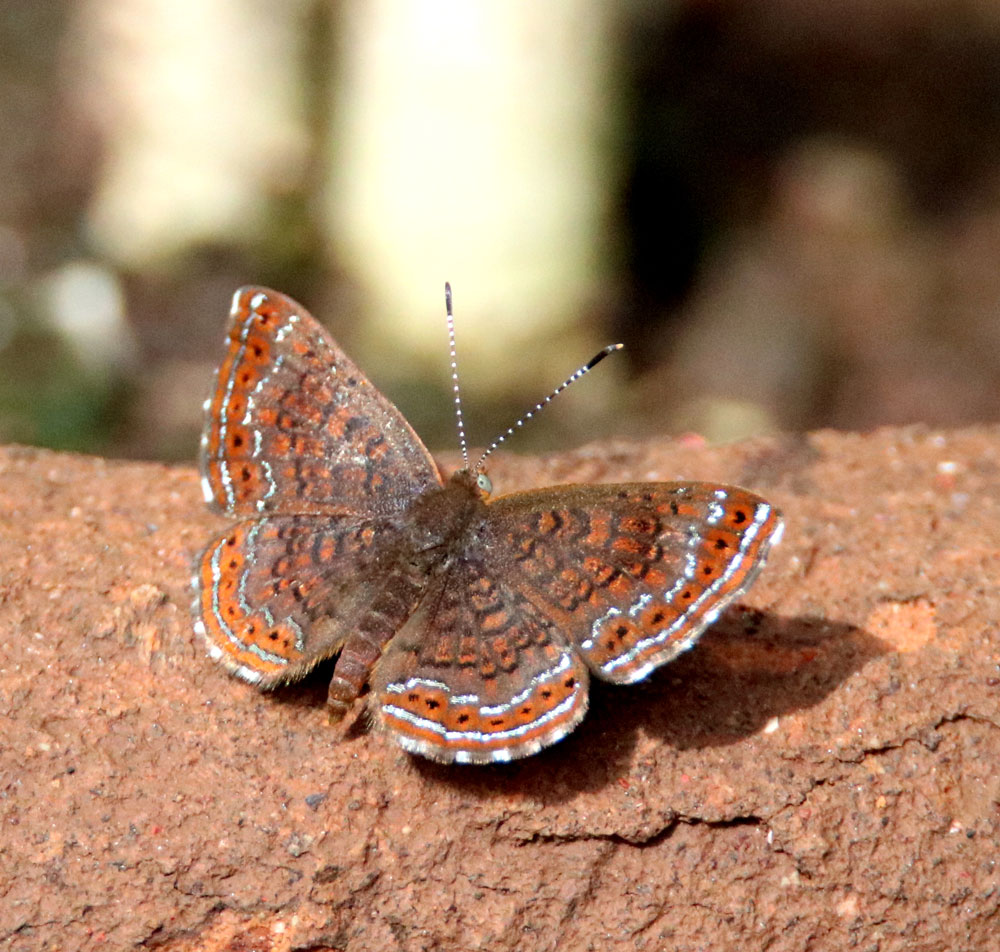
The Laverna Metalmark, Calephelis laverna (my gallery link) is almost identical to the Carolina Metalmark in the States, while this one is found from Costa Rica to Brazil.
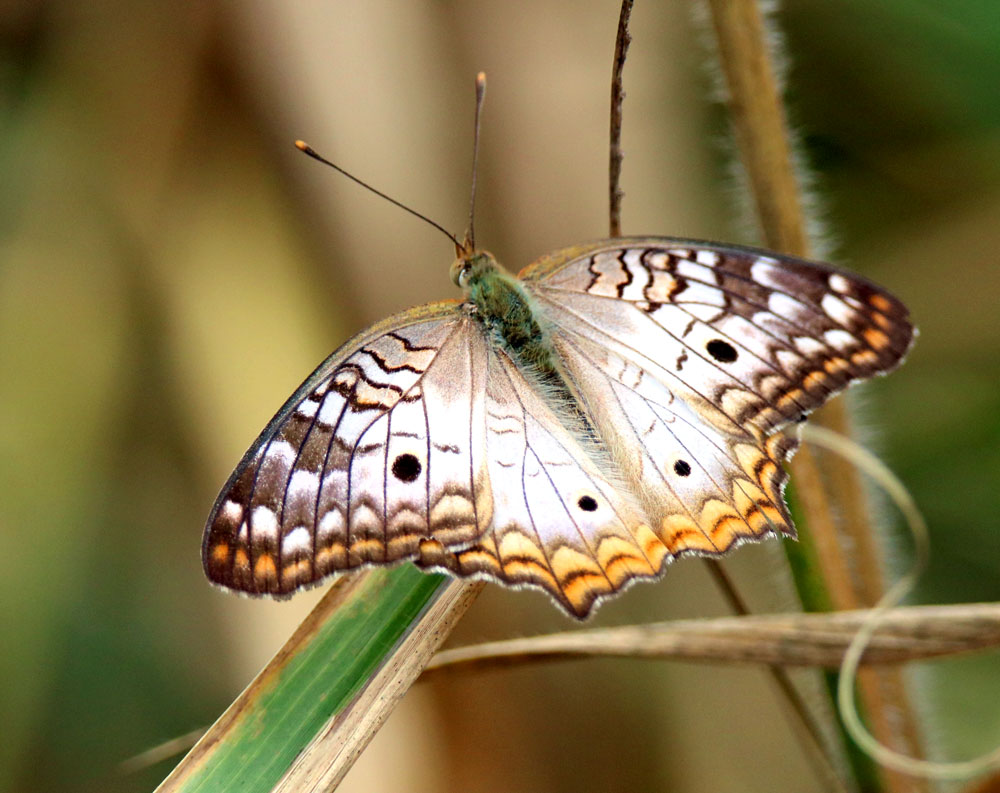
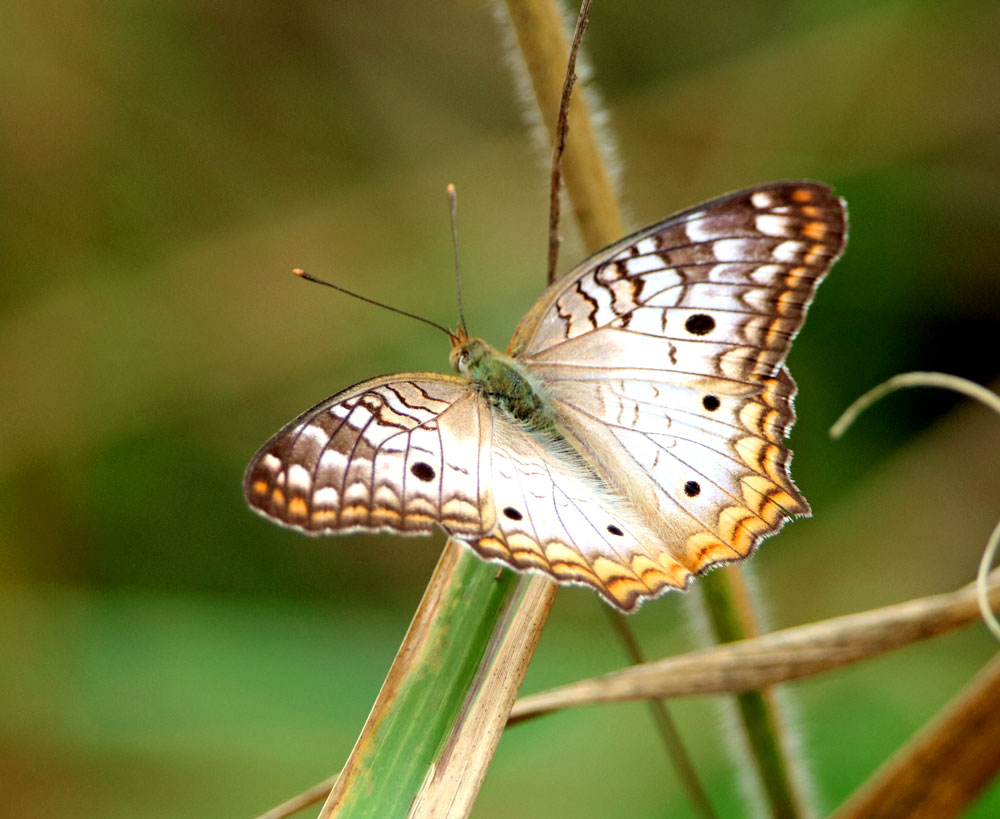
Another favorite butterfly was seen in the cow pasture in September, the White Peacock(my gallery link). They are so different from the Banded Peacock, I sometimes wonder why they are both called peacocks. 🙂 But, “A rose by any other name . . .” I definitely don’t see as many of these as his “Banded” cousin, but I have photos of them from all over the country, literally coast to coast.
White Peacock, Roca Verde Cow Pasture, Atenas, Alajuela, Costa Rica