Simple
Butterfly
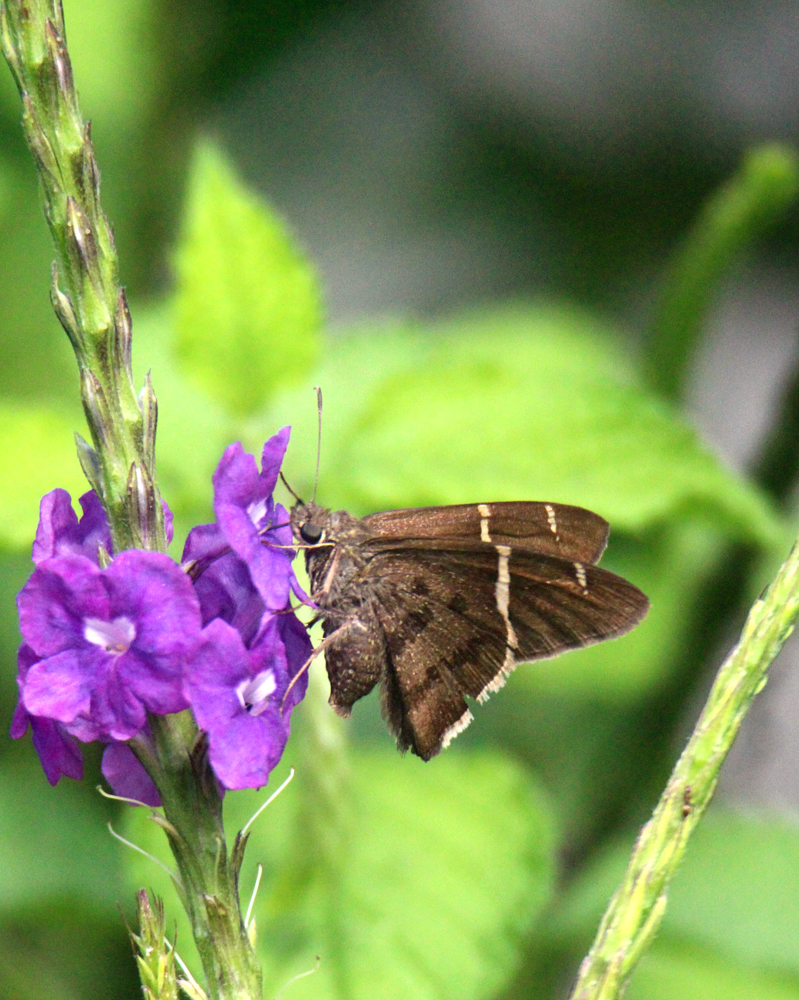
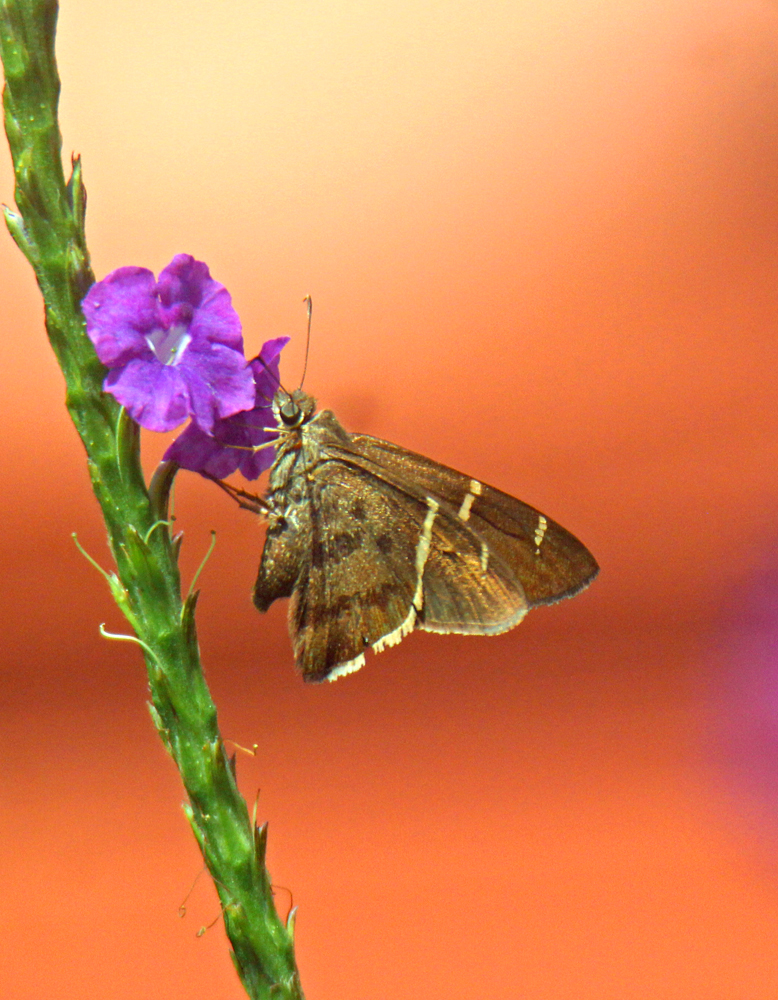
Plain Brown
See my GALLERY of other Chisos Banded Skippers.
¡Pura Vida!
charliedoggett.net
Butterflies photographed in Costa Rica and nearby
Simple Butterfly Plain Brown
See my GALLERY of other Chisos Banded Skippers.
¡Pura Vida!
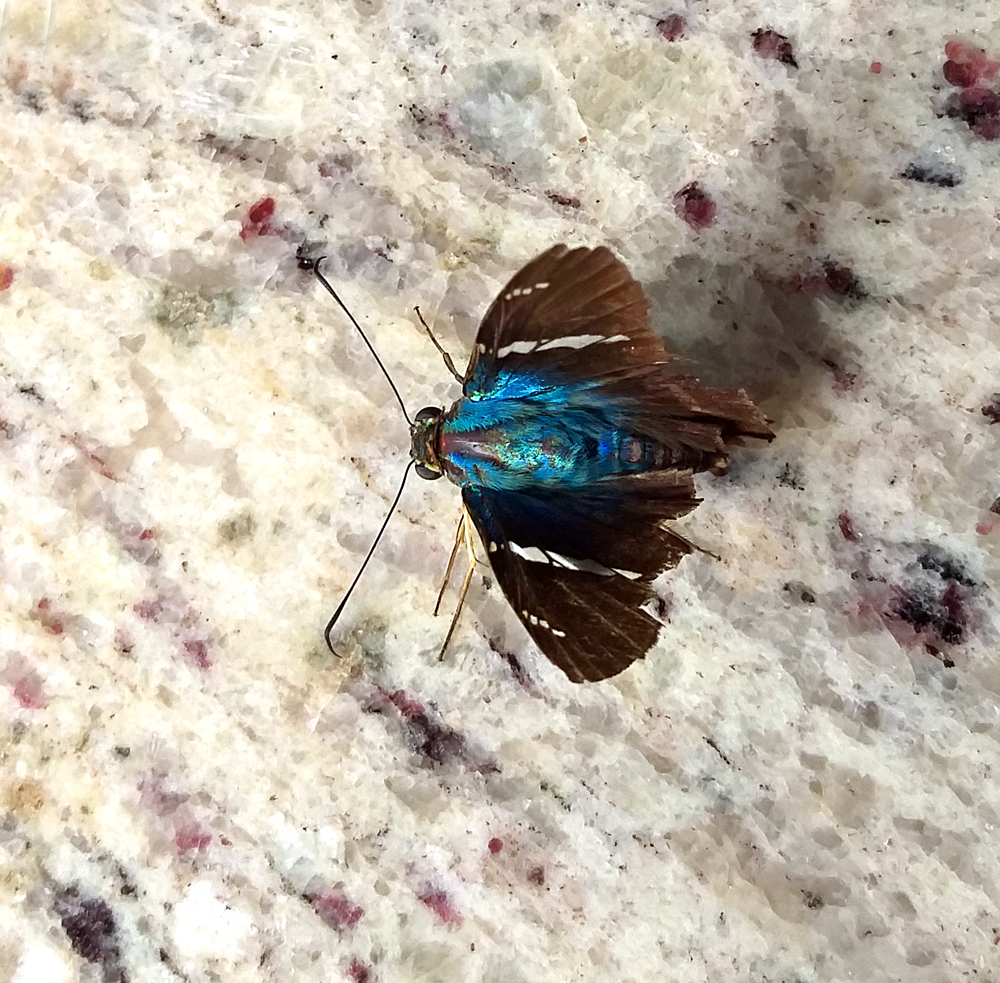
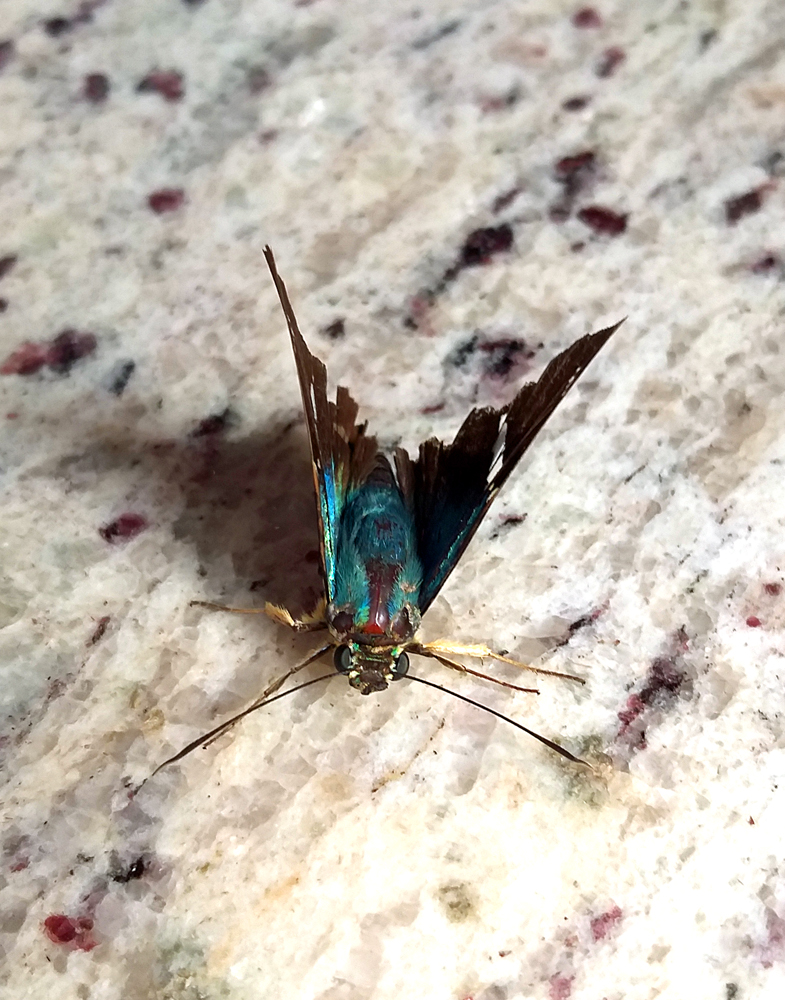
This is my second sighting of this bright turquoise fellow, this time INSIDE my house! There are better photos made in the garden this same time of year, two years ago in my Two-barred Flasher Gallery. Here’s two cellphone shots of one on my kitchen counter.
¡Pura Vida!
See all my Costa Rica Butterflies Galleries, 130+ species.

“I’m going on an adventure!” said Bilbo Baggins
~JRR Tolkien in The Hobbit
Only great books deserve “re-reading” and The Hobbit (Wikipedia link), the 1937 published book by JRR Tolkien, is certainly one of those! I just finished reading it again on my Kindle and of course discovered “new stuff” not in my memory! He pretty much introduces a new character or creature in every chapter and then brings them all back together for the epic “Battle of Five Armies” at the end of the story.
I will not write a full or formal review but just share some first impressions and personal feelings on the re-read of a favorite book, which I followed by a re-watch of the 3-movies version of the book . . .
Continue reading “The Hobbit Re-read”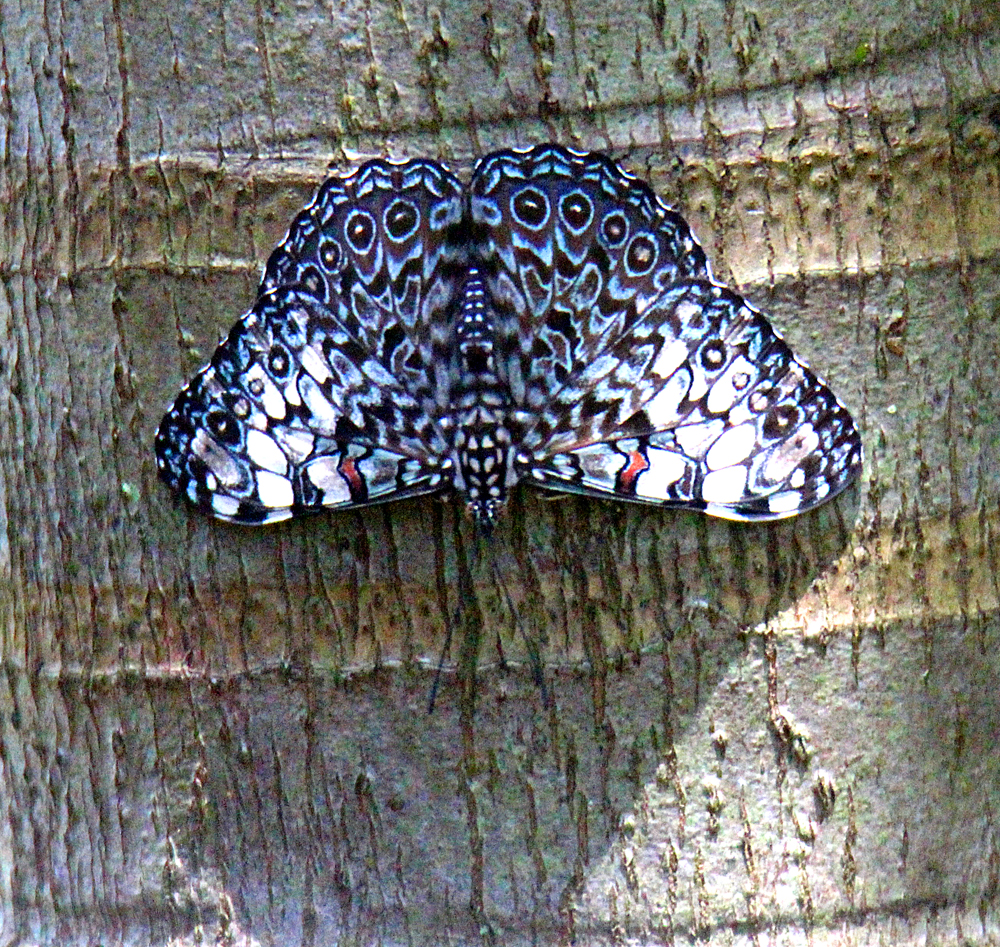
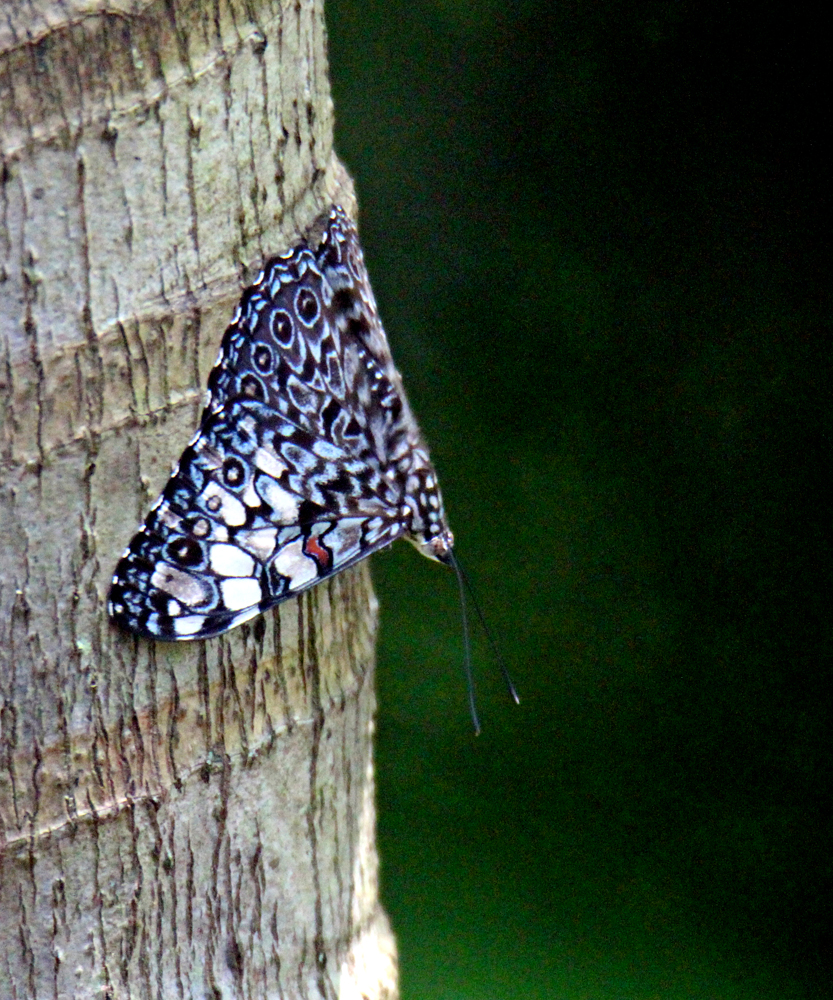
A first for my garden, seen on the trunk of a small palm tree. This “strange” butterfly is very much like the Guatemalan Cracker, with the latter having 2 blue rings instead of one. I have photographed 3 species of the Crackers, seen in my CR Butterflies Galleries: The Gray Cracker in Nicaragua, the Guatemalan Cracker at Corcovado NP Costa Rica, and now my third, the Variable Cracker in my Garden, Atenas, Alajuela Province yesterday. 🙂 More photos are in the gallery linked above.
“If you haven’t found something strange during the day, it hasn’t been much of a day.”
~John Archibald Wheeler
🙂
¡Pura Vida!
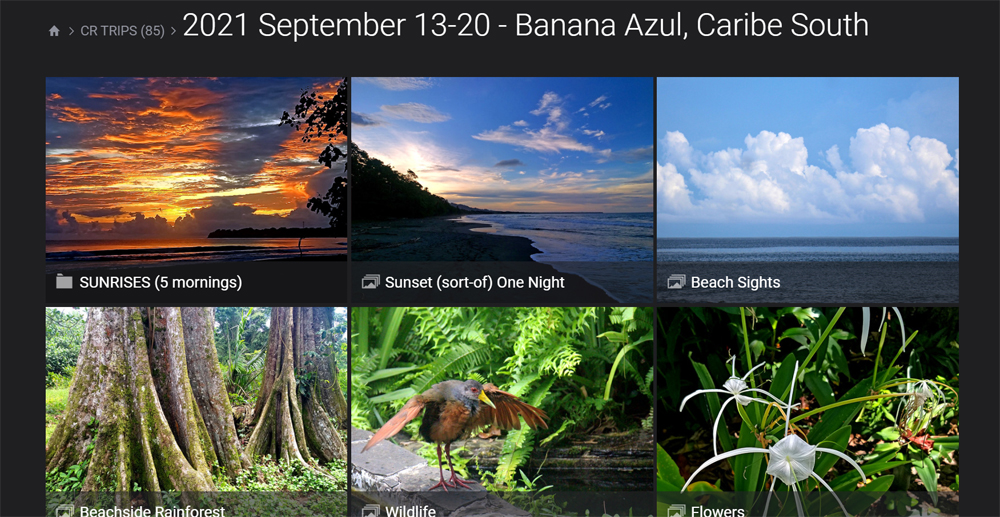
Because I wasn’t running around on my usual side-trips this past week (in my over-80 slow mode now) 🙂 I got started on and have now finished the “CR TRIP GALLERY” for this 2021 Banana Azul Caribe South week (link is to the gallery).
There’s a lot more to photograph when not leaving a hotel than I thought. Now granted, there are fewer photos of birds and other wildlife and none from national parks, wildlife refuges, waterfalls, indigenous reserves, or wildlife rescue centers (all of which I’ve “toured” from this very hotel in the past). This week became my “quiet mode” focus. I just stayed put and photographed the little things in nature all around me on the hotel grounds, plus some fun shots from the small plane flight there! There are 9 sub-galleries! 🙂 Just click the first page of the gallery below and ENJOY! 🙂
“Photography is an austere and blazing poetry of the real.”
– Ansel Adams
¡Pura Vida!
And if you are interested in some of those great “side-trips” I’ve made from this same hotel, check out the galleries from other trips to South Caribe:
Continue reading “TRIP GALLERY is Ready”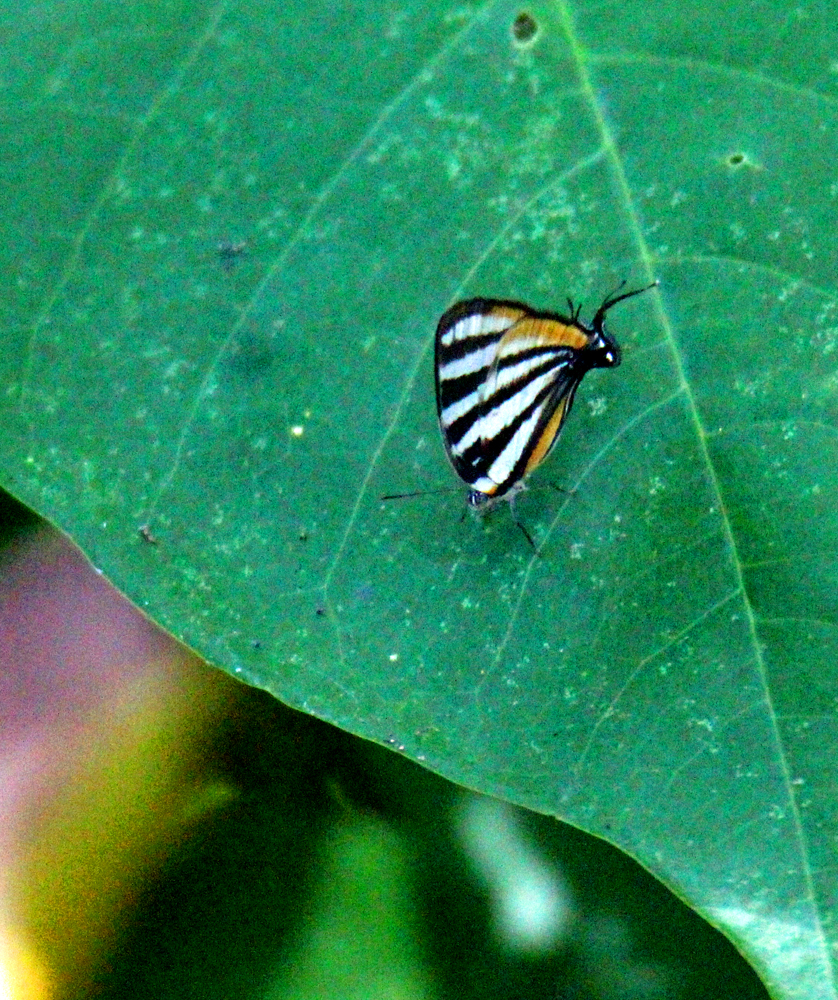
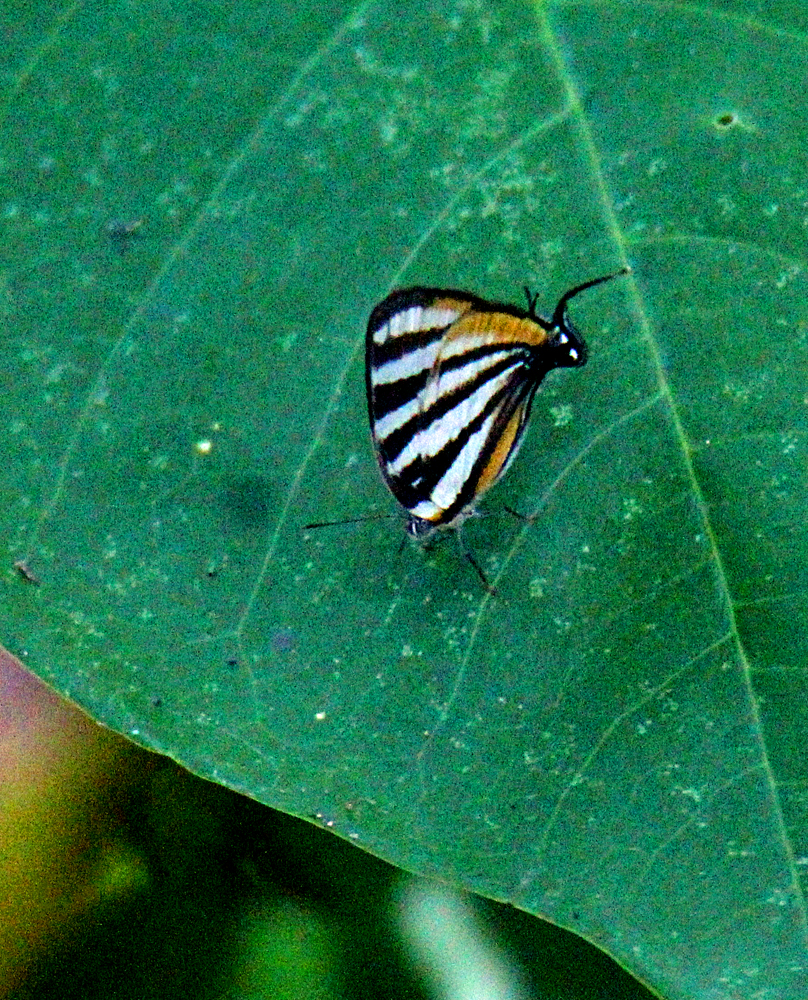
This is one of those tiny ones, the size of my thumbnail or smaller! I don’t have my butterfly book with me and could not find this one online. With the strange tail that looks like another head he is similar to the Silverline Butterflies found in Asia, but patterns are different. Maybe I will find him in the book when I get home.
¡Pura Vida!
My Costa Rica Butterflies GALLERY.
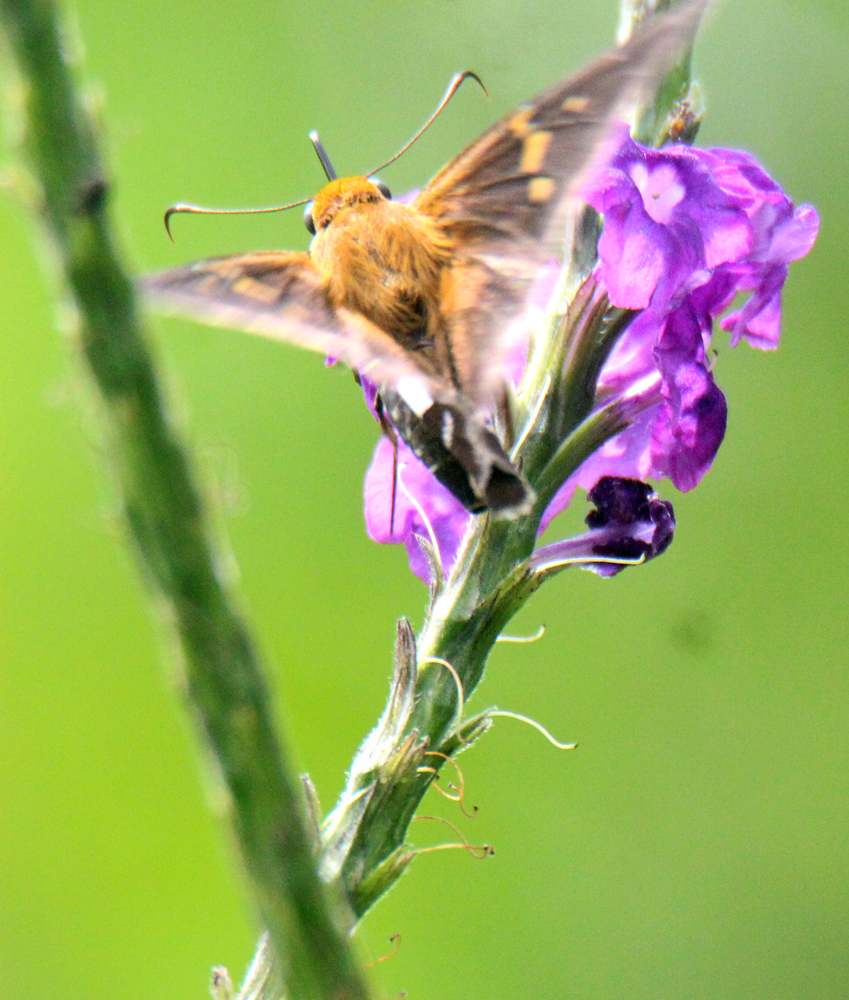
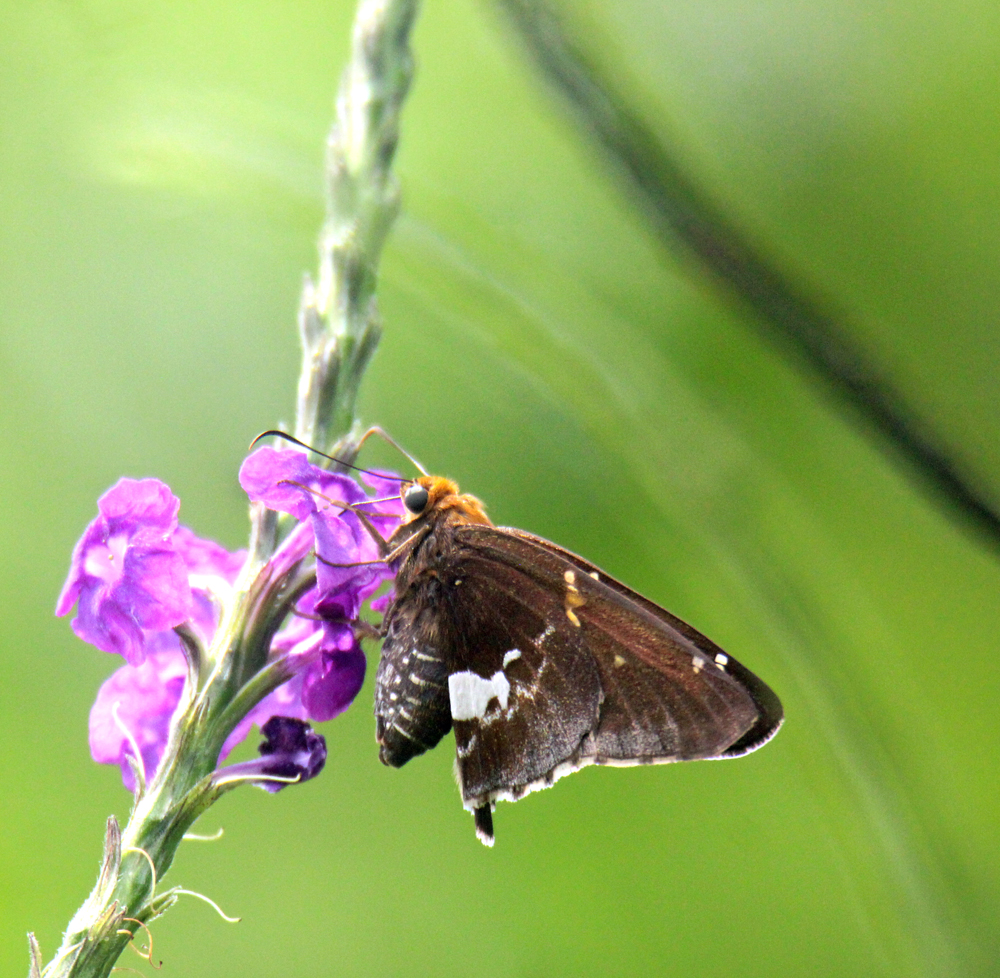
Yes, I had a photo of this butterfly not too long ago, but this one looks a little different and it is my last garden share before the Caribe trip. Just two shots and my first of one flying.
“Beautiful and graceful, varied and enchanting, small but approachable, butterflies lead you to the sunny side of life. And everyone deserves a little sunshine.”
-Jeffrey Glassberg
¡Pura Vida!
ID is from book: A Swift Guide to Butterflies of Mexico and Central America by Jeffrey Glassberg.
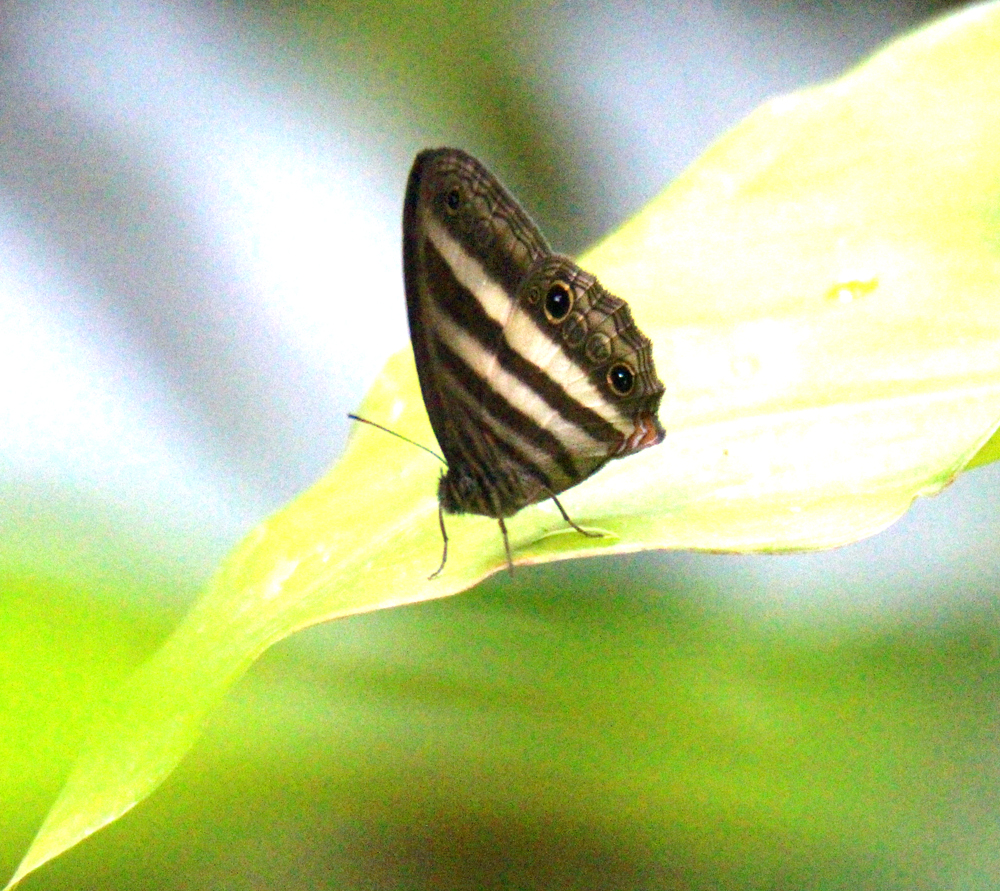
Almost alone in the garden yesterday morning were 2 or 3 of these tiny butterflies, the size of my thumbnail, flitting from flower to flower. Nature never ceases to amaze! 🙂 The English name of this one is the Double-White Satyr. (Link to my gallery of more photos.)
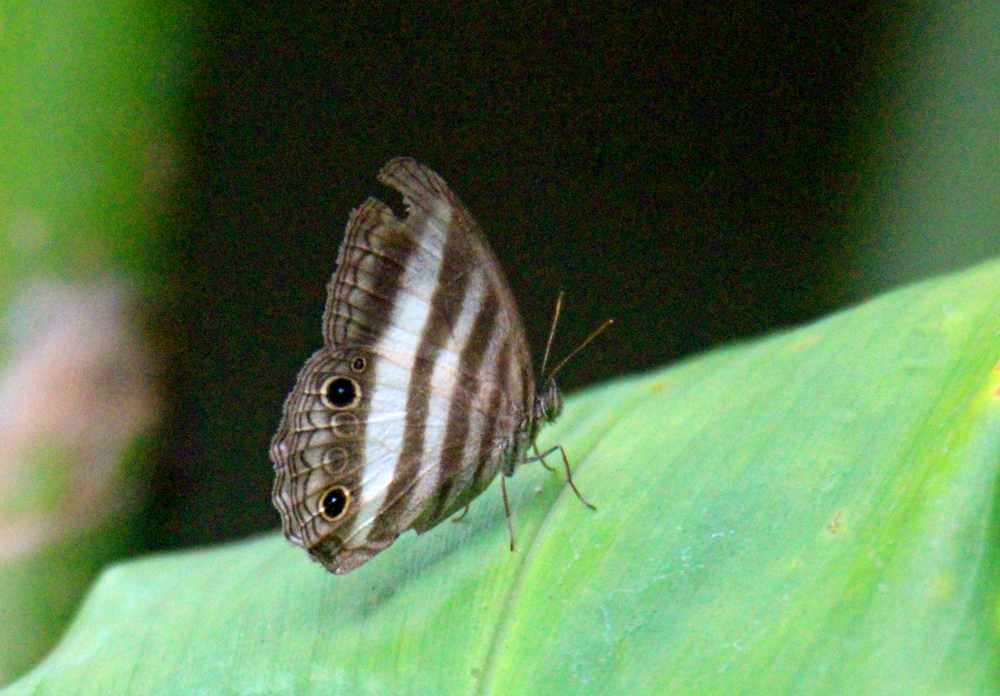
Nothing is really small; whoever is open to the deep penetration of nature knows this.
~Victor Hugo
¡Pura Vida!
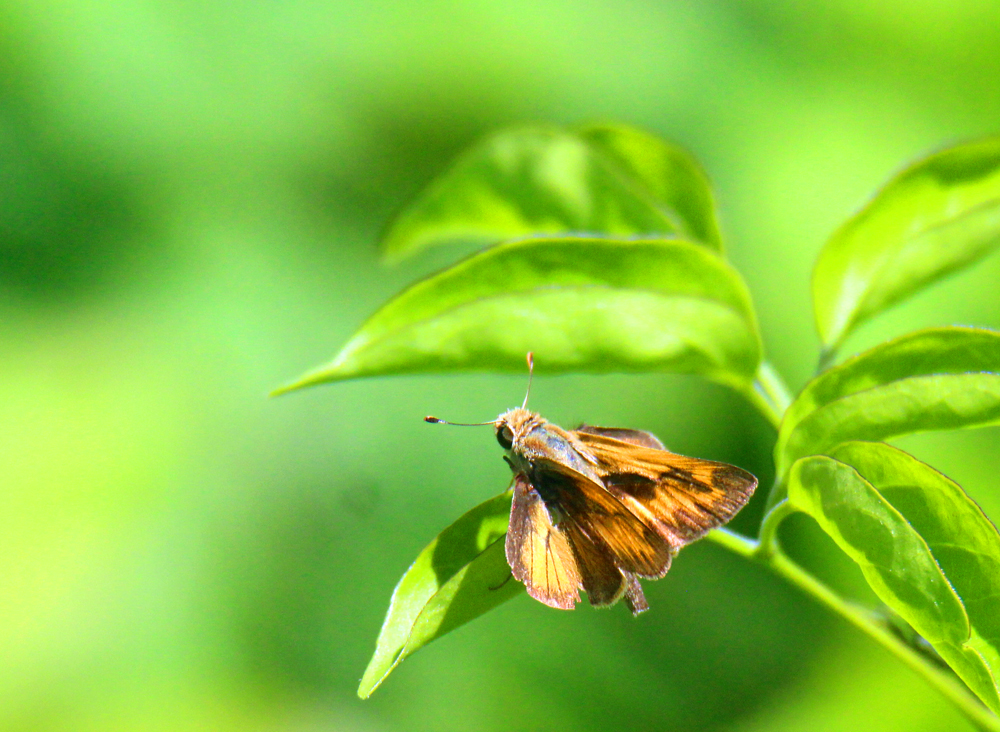
After breakfast, Spanish Class, and some reading I decided to walk through my garden with the camera at a little after 9 AM. For a long time the birds have been scarce and the butterflies up and down, but in about 20 minutes this morning I photographed 2 birds and 7 different butterflies all fluttering through my gardens and trying to avoid me and my camera. All nine photos are in a slide show at the bottom of the post with the featured photo at top being a Southern Broken-Dash Skipper and the photo below a Yellow-rimmed Skipper. The garden was alive this morning! 🙂
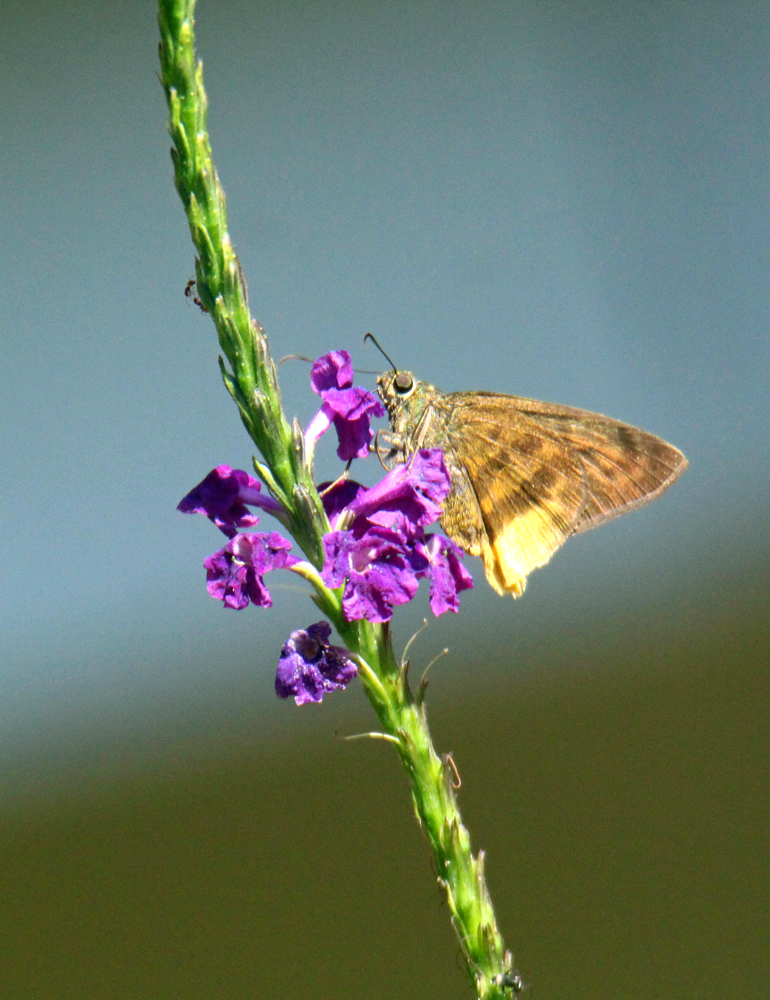
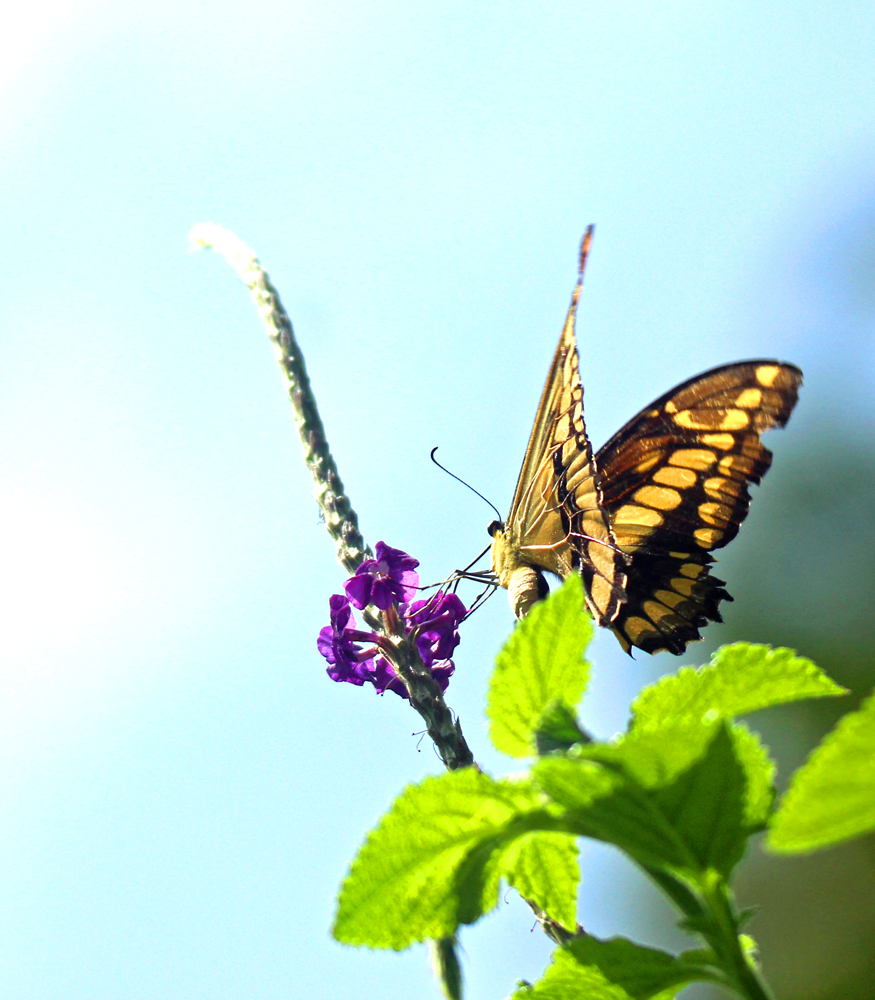
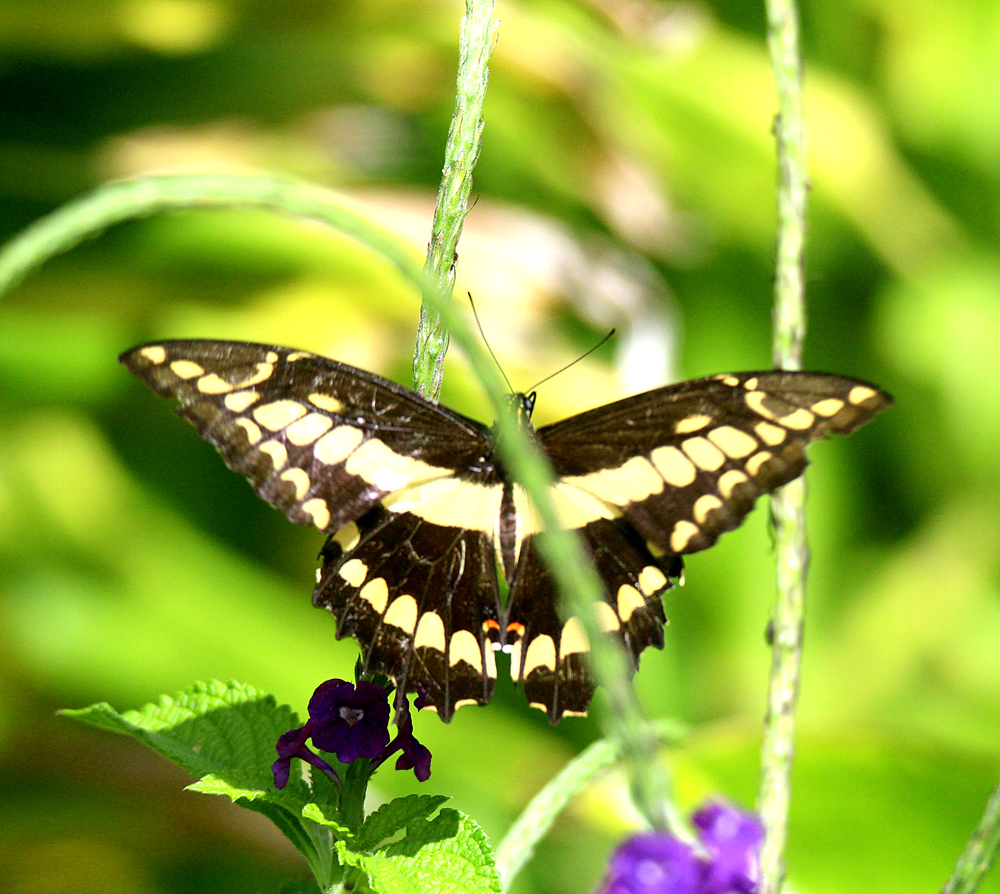
This is a new species for me. Many swallowtails are similar but the distinction of this one is the large cell spot on each upper wing, backside. Similar ones are Giant, Thomas, and Ornythion Swallowtails. In fact, the first one I photographed was at Monteverde that I had labeled as a Thomas Swallowtail. But I was wrong. It is now in my Broad-banded gallery, based on those two cel spots again.
You can read about the Broad-banded Swallowtail or Papilio astyalus on Wikipedia or see more photos I’ve made in my new Broad-banded Swallowtail Gallery. I base my ID on photos in the book A Swift Guide to Butterflies of Mexico and Central America and particularly the two big cell spots on the upper wings. Butterflies continue to amaze me! And below are 5 new shots of this new one for me . . .
Continue reading “Broad-banded Swallowtail”