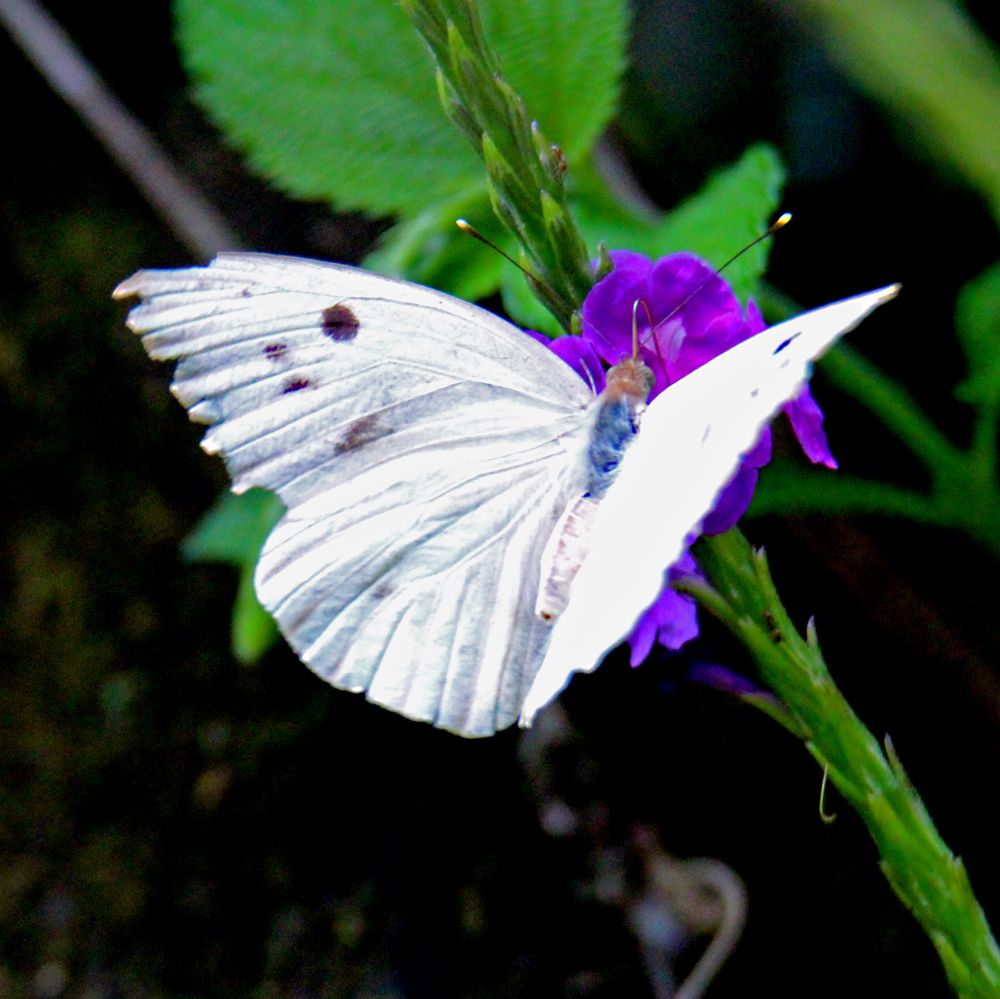
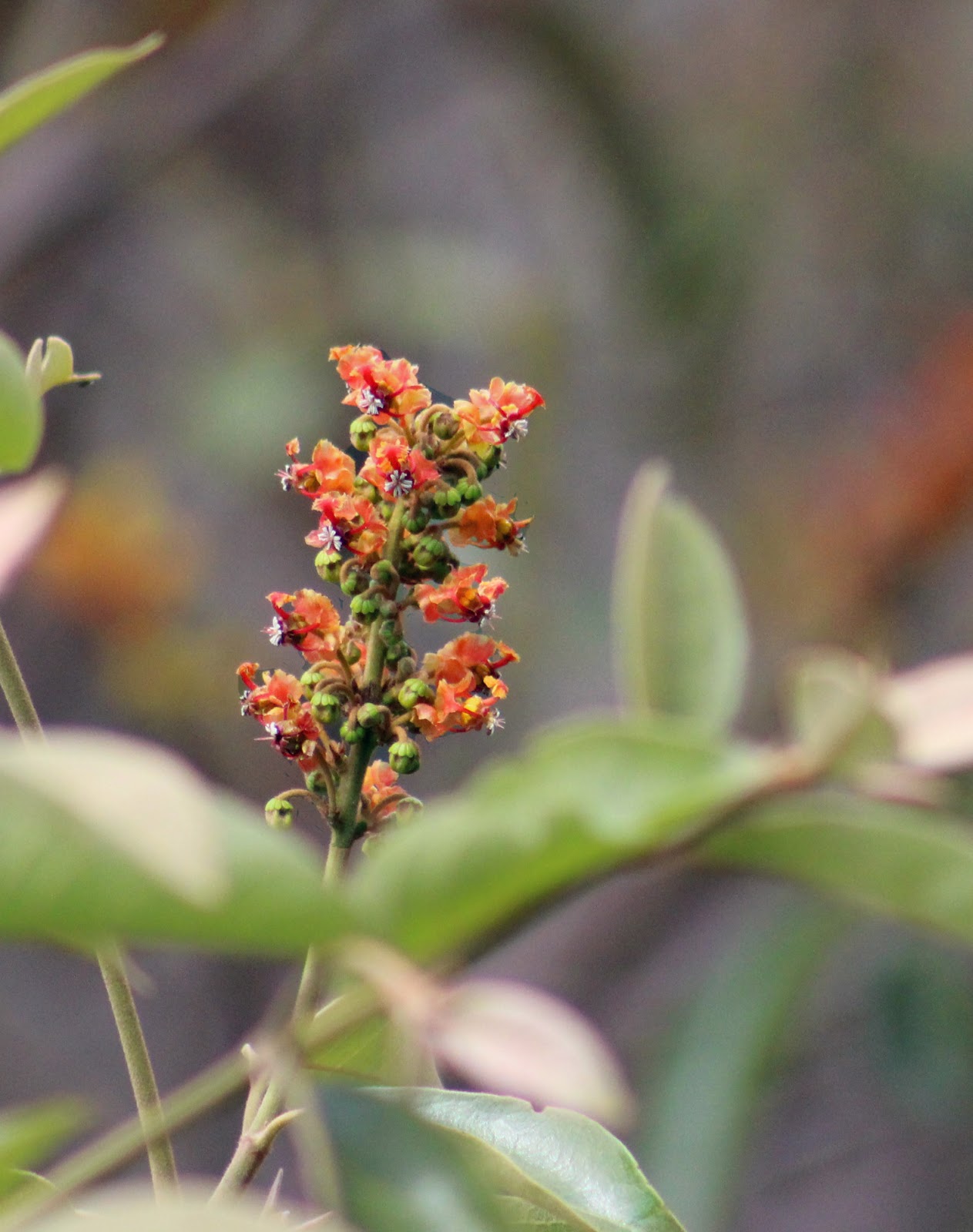
This morning after breakfast on the terrace I walked through my garden searching for butterflies (got only one) and instead was attracted to the many shapes, colors and textures in my garden (as I often am) – a gallery of modern art! Of Nature as Art! Enjoy what I saw through the slide show this morning:
And from my galleries you can download the digital files for free (down pointing arrow at bottom of enlarged image) or buy prints or wall art of the images (Click “Buy” button).
I have been wanting to “open up” or “loosen up” my flower garden and make a couple of plant changes. Finally did that this week with the expert help and physical strength of my gardeners.
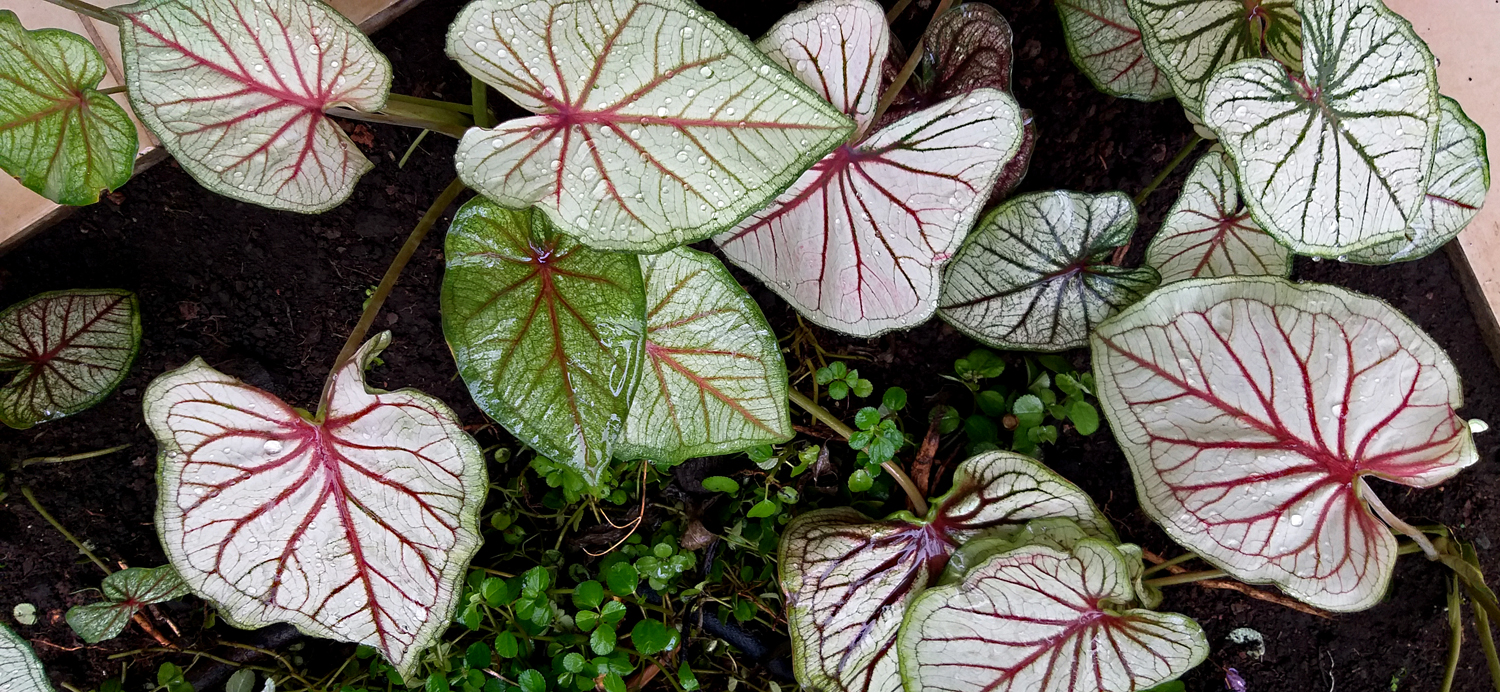
The Palmetto had become a giant ugly tree and was interfering with other plants. I had them remove it completely and replace with a Croton, the English name we used in Florida for a colorful-leaved shrub that can become very large if not trimmed. Earlier I had asked for a border of caladiums and they used the only type found in the Central Valley with very long sparse red leaves that went too far over my sidewalk. I explained the kind of small, heart-shaped leaf caladium I wanted and to get 40, as I needed, he had to order them from the Caribbean side of Costa Rica. But now I have what I wanted! 🙂
And we trimmed or cut back everything, especially the Plumbago which just takes over! So more open and clean now (fewer snakes!) but also with fewer flowers for the time being. In the tropics you have to be severe with pruning as everything grows rapidly here.
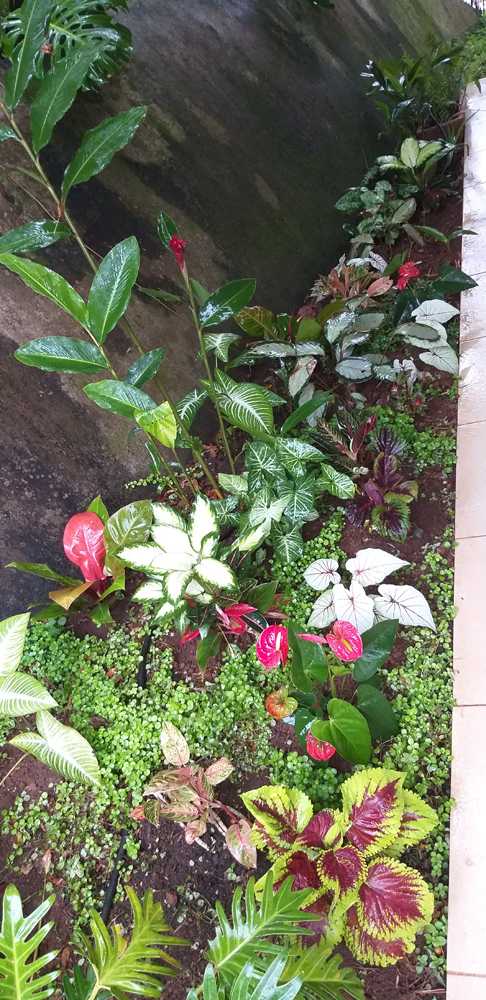
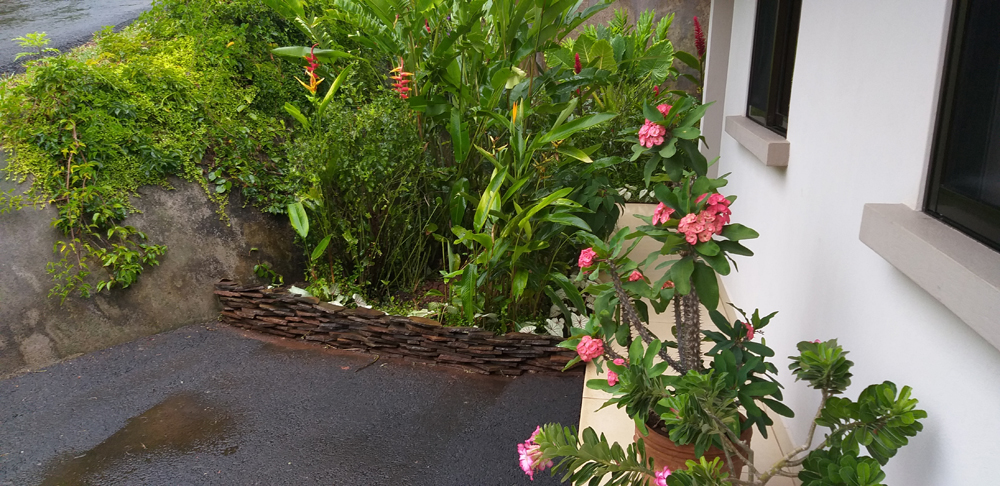
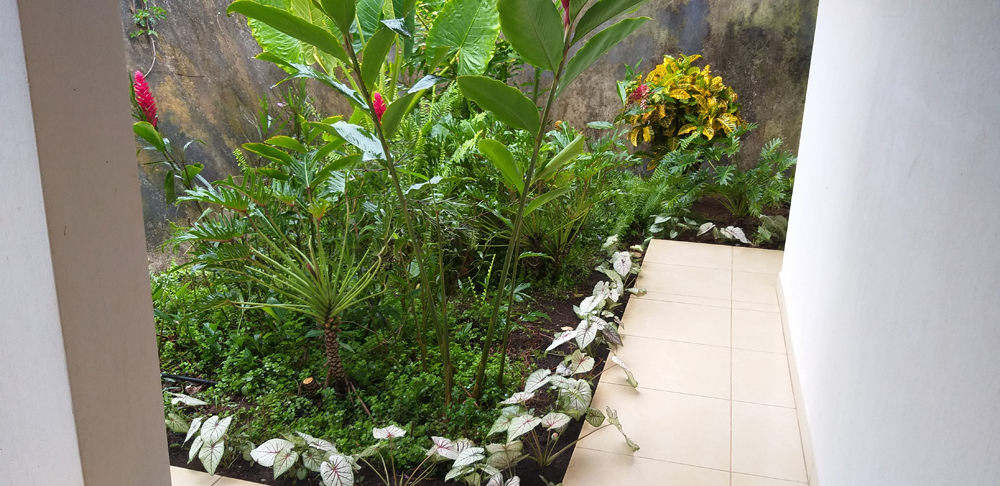
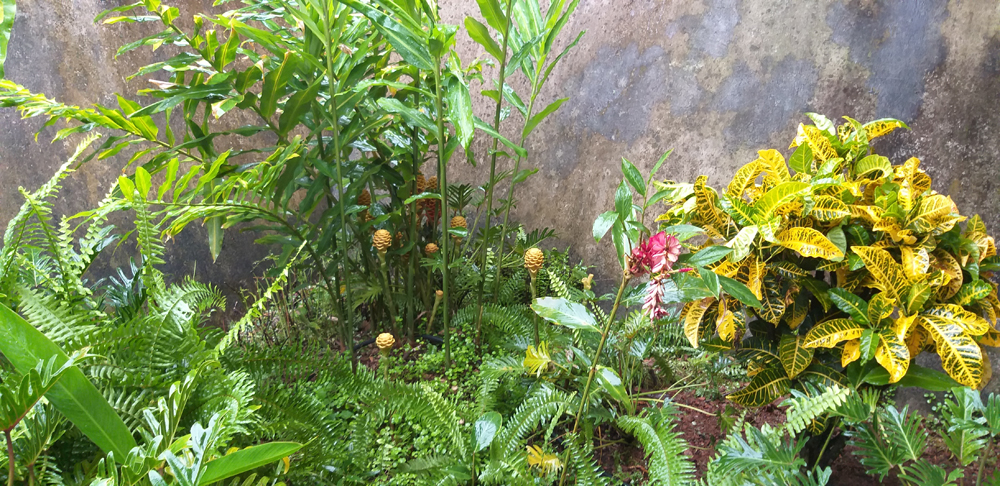
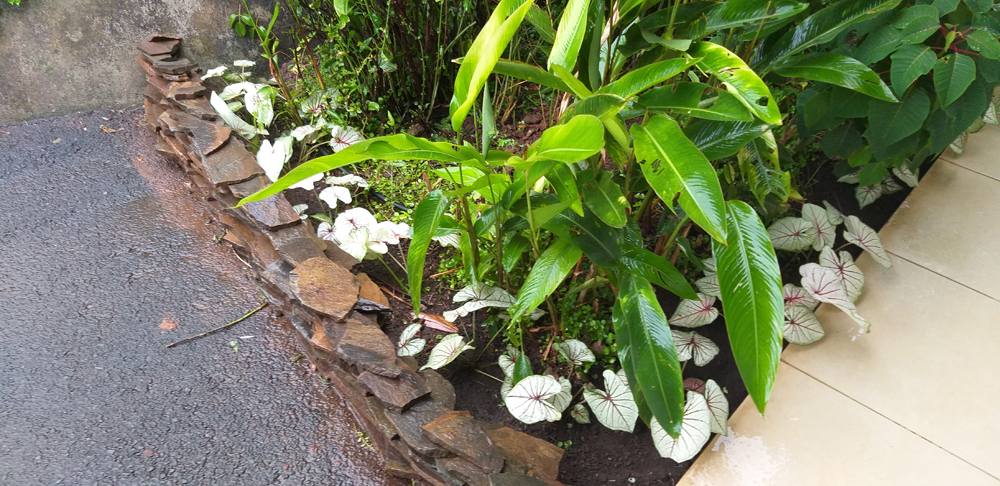
Here are a few photos I took in the rain yesterday that sort of shows what I have done different. Not many blooms now but there will be and I have two Poinsettias that will be blooming nicely around Christmas! It all will fill in soon.
Back side of house
The only color caladiums they had
Walking in on driveway. I plan to replace those flat stones with river rocks.
Caladium Border
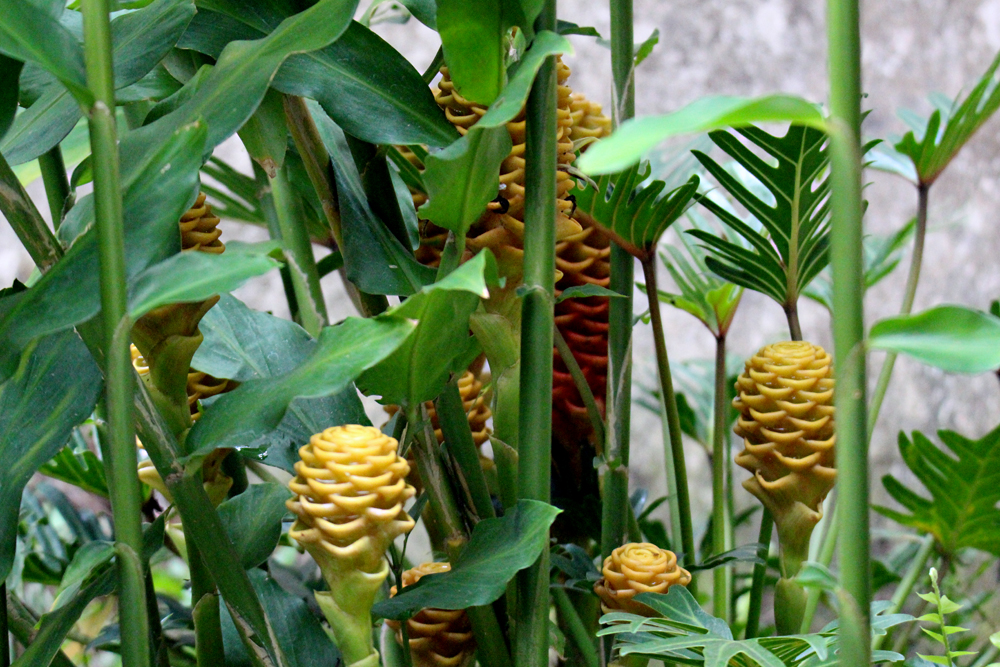
My Maraca Plant is opened up to see flowers.
New Yellow Croton Shrub and opened up the Maraca Plant
The border also has rocks at driveway end
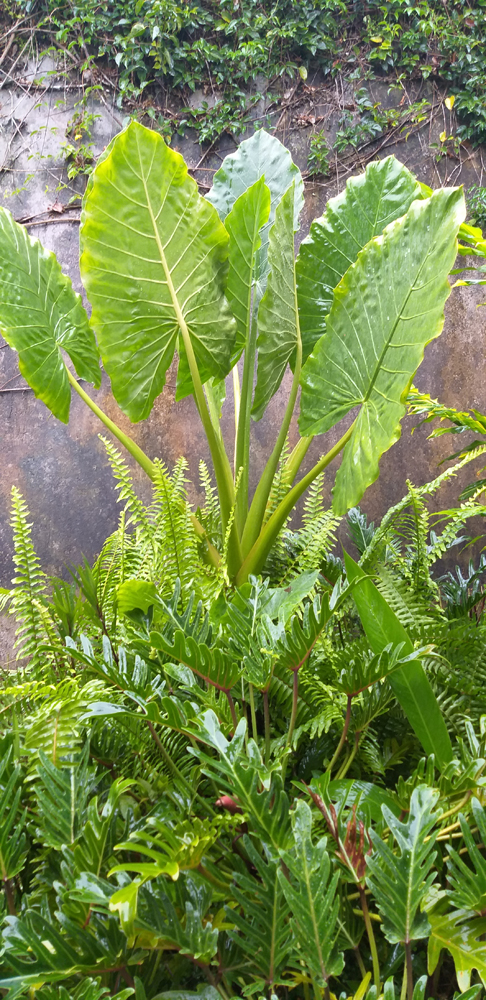
My Elephant Ear surrounded by ferns
Flowers always make people better, happier, and more helpful; they are sunshine, food and medicine for the soul.
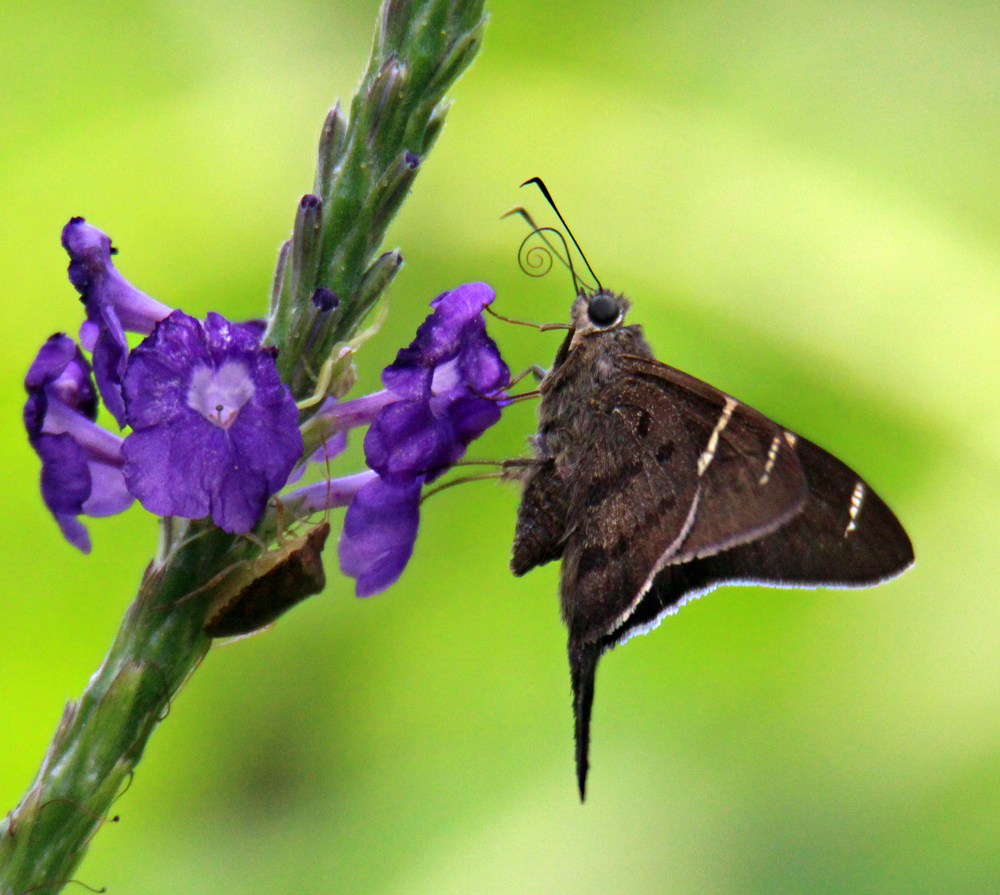
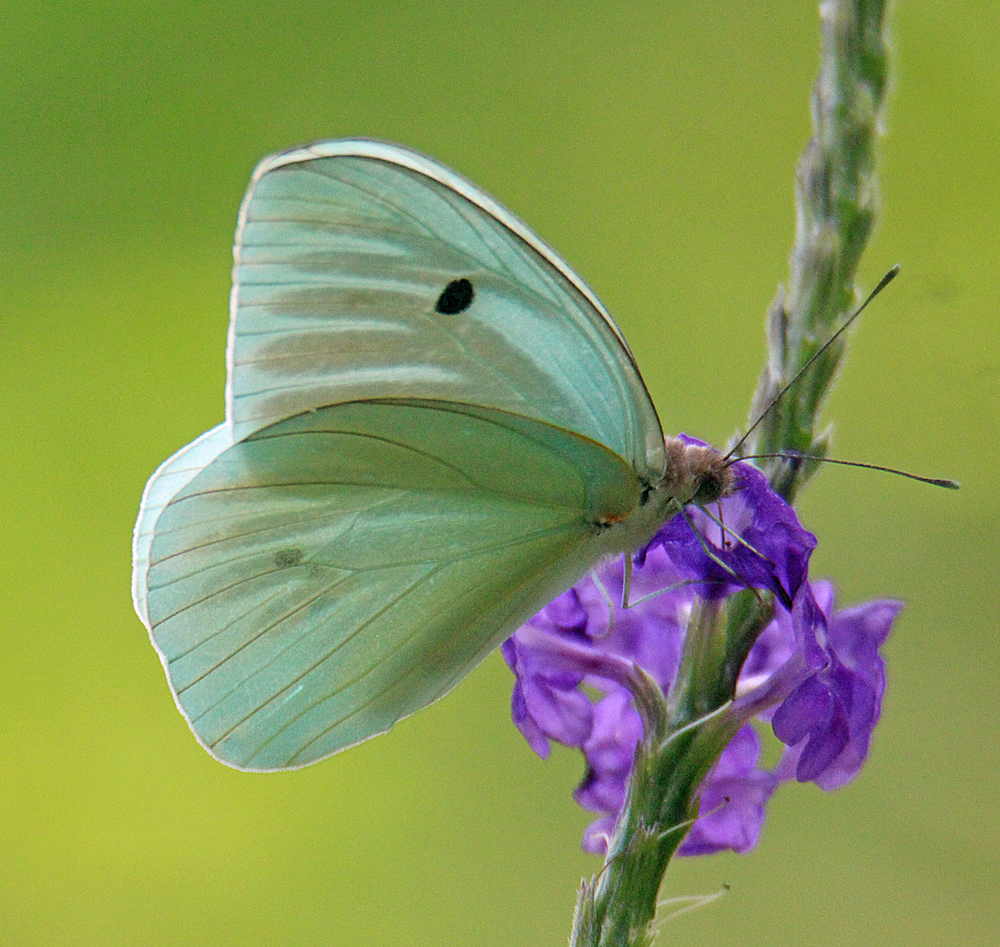
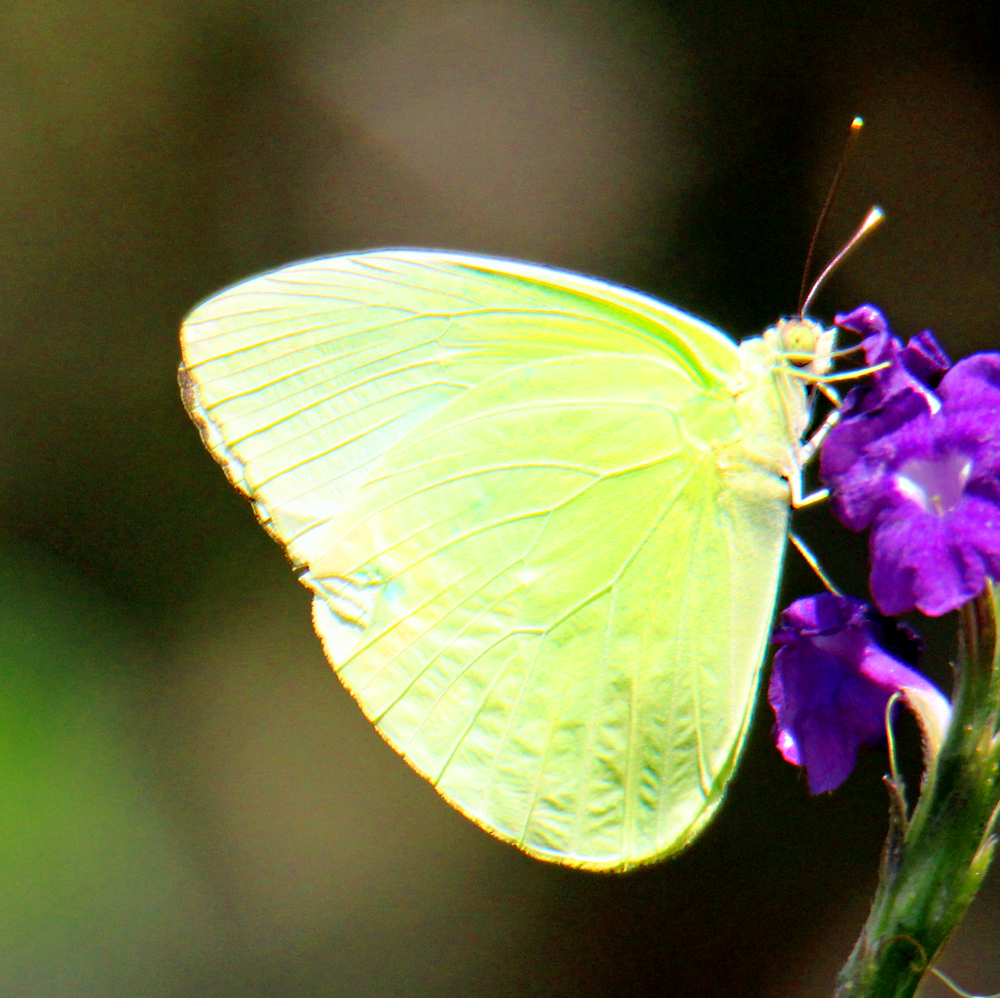
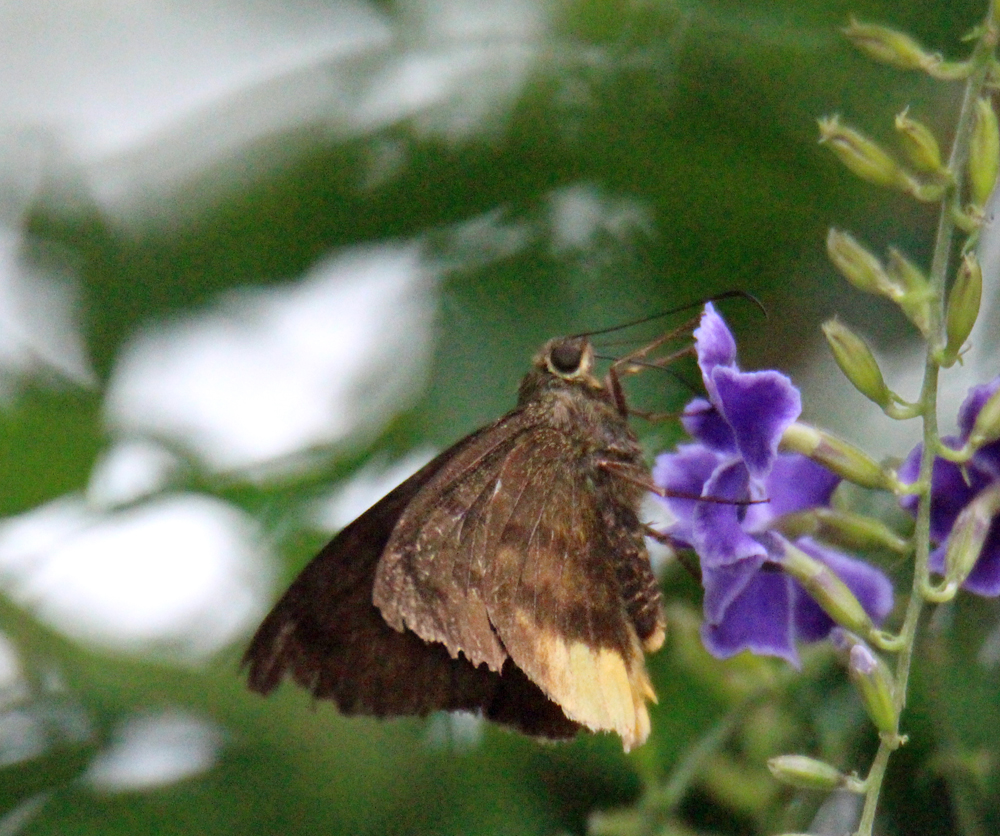
I’ve been back from Villa Caletas for a couple of days and my most obvious wildlife observation has been the butterflies, some repeats here from earlier posts but the Yellow-rimmed Skipper is a new one for my gallery and blog. There are soooo many different skippers! 🙂
Remember to CLICK an image to see it enlarged plus see the link to my butterfly gallery below the images.
For friends in Costa Rica, I have found that the best book for identifying butterflies (though still not 100%) is A Swift Guide to the Butterflies of Mexico and Central America by Jeffrey Glassberg. I’ve been using the first edition but just ordered the Second Edition which is improved and for those who prefer electronics, it is available in a Kindle Edition. I’m still a little partial to paper wildlife guides, though I do use Merlin on my phone for birds!
For just Costa Rica Butterflies there is a little less extensive book by Carrol Henderson titled Butterflies, Moths, and Other Invertebrates of Costa Ricawhich is also available in an electronic Kindle Edition. It is good for the most common butterflies & moths here and okay for maybe most people, but I like having many more butterflies to choose from in the Swift Guide, though I actually use both books. Because it is also more work digging through more choices! 🙂
Clay-colored Thrush or Yigüirro The National Bird of Costa Rica Joined me for breakfast this morning. Atenas, Costa Rica
“With its unmistakable tune and people-friendly character, the clay-colored thrush is the national bird of Costa Rica. The melodious thrush, known locally as the Yigüirro, is one of the country’s most common birds. While the species ranges from South Texas to northern Colombia, it holds a special place in the heart of Ticos.
“In January 1977 the clay-colored thrush was designated as Costa Rica’s bird, under the government of Mr. Daniel Oduber Quiros. It was chosen in large part for its gorgeous song, which represents the arrival of the green seasons.” Copied from the Go Visit Costa Ricawebsite
This bird is the same size and a relative of the American Robin with similar behavior, though the song is more distinctive. He is here and singing year around but some say his song in May is what brings the Green Season rains which we are thirsty for after 6 months of dryness. 🙂 This simple bird as a national bird says a lot about Costa Rica and its practical people when we have so many showy birds like toucans and macaws and more resplendent quetzals than Guatemala who call it their national bird. Thankfulness for the life-giving rain that this bird supposedly brings notes the priorities of the happy Costa Rica people! ¡Pura Vida!~Charlie
Whack! Whack! and Drop the Machete! All before I can turn on my cellphone & photograph it! 2 limbs of my Guarumo Tree were banging against roof in the wind. My yard, Atenas, Costa Rica
And for anyone planning to drive a car here in the near future, Ruta 27 will get a little faster next week and the La Patina Bridge repairs & widening is to be finished by April 30 according to this article in Tico Times. And it will speed up the buses to San Jose also!
Lineated Woodpecker In my garden, Roca Verde, Atenas, Costa Rica I was thrilled that he was just 2 meters off my deck! AND in the open! (for less than a minute!) I have several shots of this species, but this is best! One at Rancho Naturalista was previous best. And I had a Fair Shot in Panama
Lineated Woodpecker In tree in my garden, Atenas, Costa Rica This “Peek-a-boo” sighting behind leaves is often all I get. Still makes me happy!
See my photo gallery of Birdsphotos made since I moved to Costa Rica. This gallery shows you my number one motivation for moving to and retiring in Costa Rica. I love the birds here!
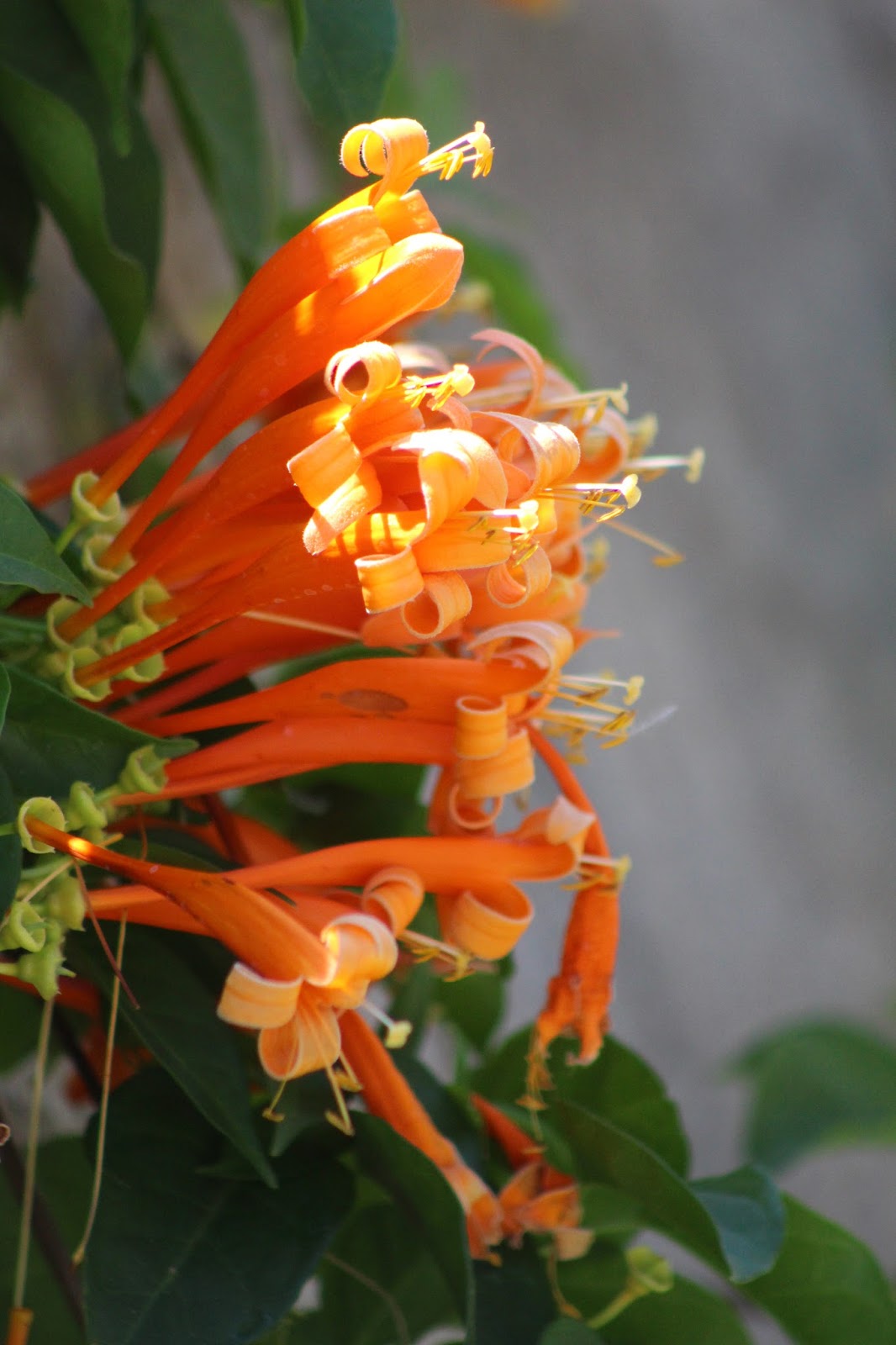
The brilliant orange flowers of Triquitraque or Flame Vine is a great contrast to the blue Plumbago flowers. I saturated the color so they’re not really this red, but are a deeper orange than next untouched photos.
If I remember correctly they will bloom 2 to maybe 3 months, February-April. I had hoped for year around blooms like some of my other plants, but this gives me something special for this time of year. And this year they cover more of my stark concrete wall, which is what I wanted! 🙂 ¡Me gusta!
And read about Flamevine which Costa Ricans call Triquitraque, Spanish for “a string of firecrackers” or sometimes can mean “creaking” or “rattling” in colorful conversations. 🙂
Immature Gray-headed Chachalaca Flying out of a Yellow-bell Tree in my gardens, Atenas, Costa Rica
Two Immature Gray-headed Chachalacas Sitting in a Yellow-bell Tree in my gardens, Atenas, Costa Rica
Identification Explanations for the Birders Who Read This
When I first saw them I thought “Black Guan” which can be in this part of the country, but on closer examination, they do not have the red eyes and legs that all black guans have, nor the blue facial skin. I knew we had Chachalacas in Roca Verde, so I resigned myself to darker than usual Chachalacas and thought maybe Plain rather than Gray-headed, BUT, the book says Plain don’t live in this part of the country, only in Guanacaste. And my earlier photo of one in my garden (note how much lighter) fit the Gray-headed description and they live in the Central Valley. Plus some online investigation shows some juvenile Gray-headed Chachalacas to be very dark or black. Also the white tips on the tail feathers are only seen in the Gray-headed Chachalaca. Here’s another one at Rancho Naturalista which is darker but not black.
Whew! Identification can be a challenge sometimes and every species seem to have some exceptions!