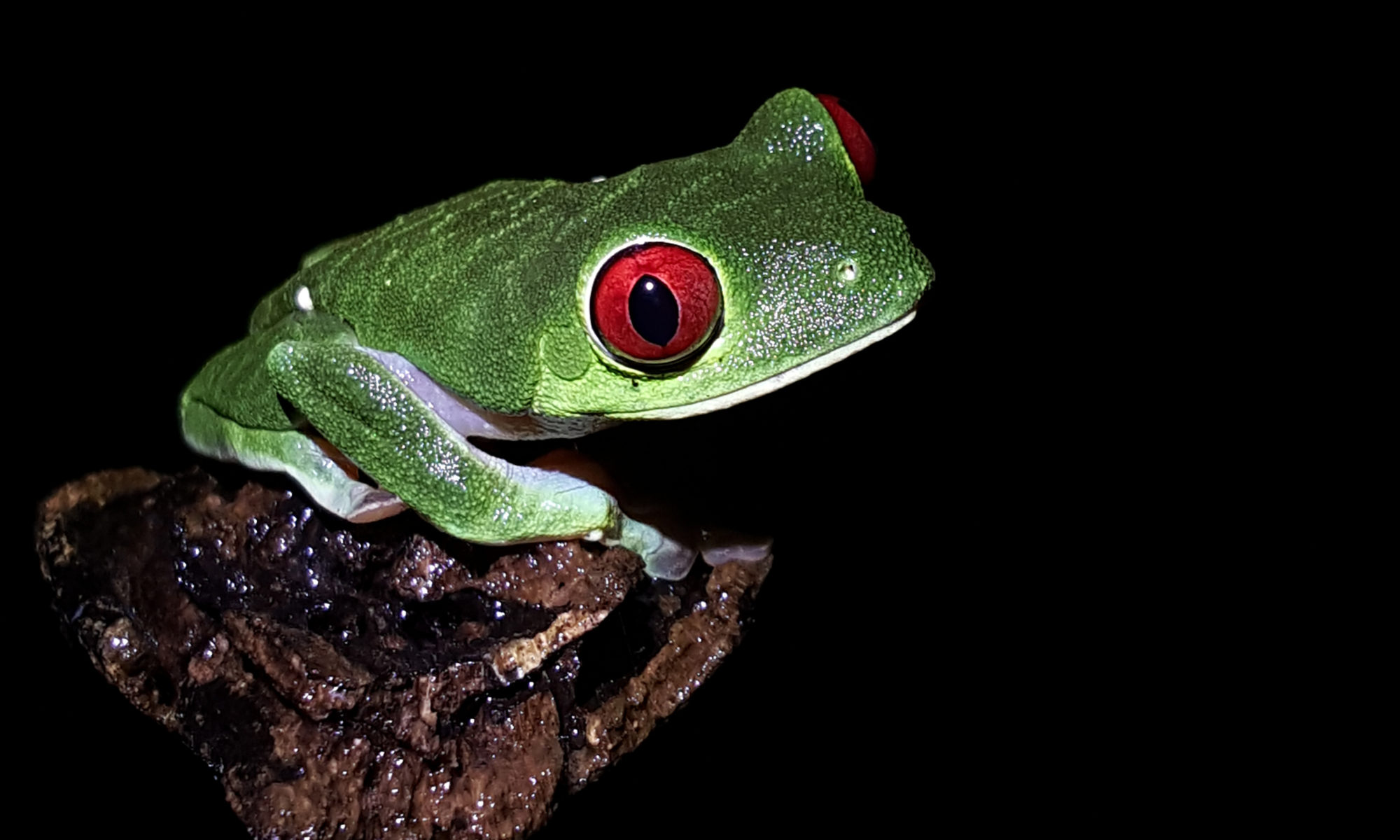
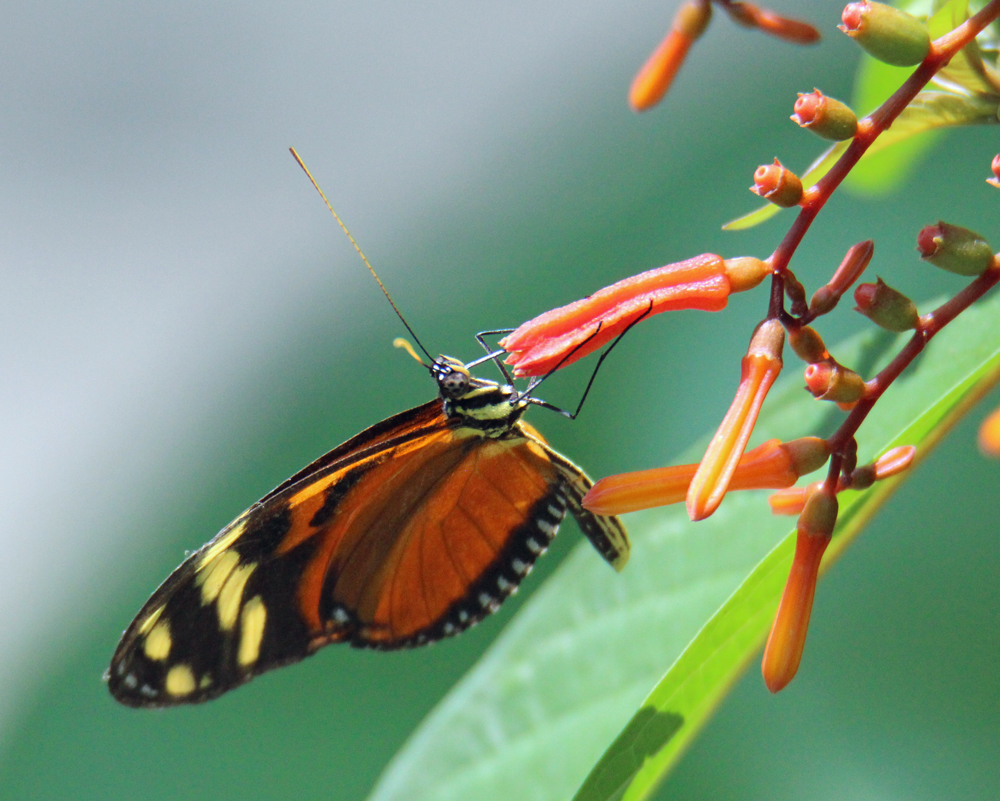
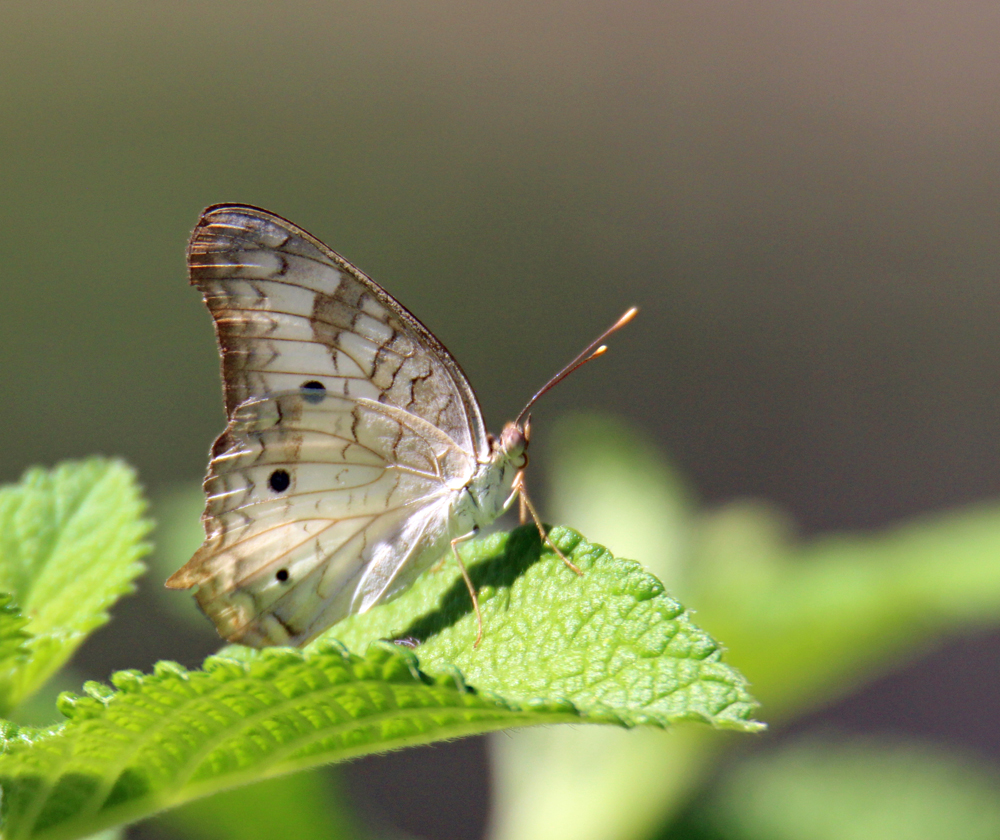
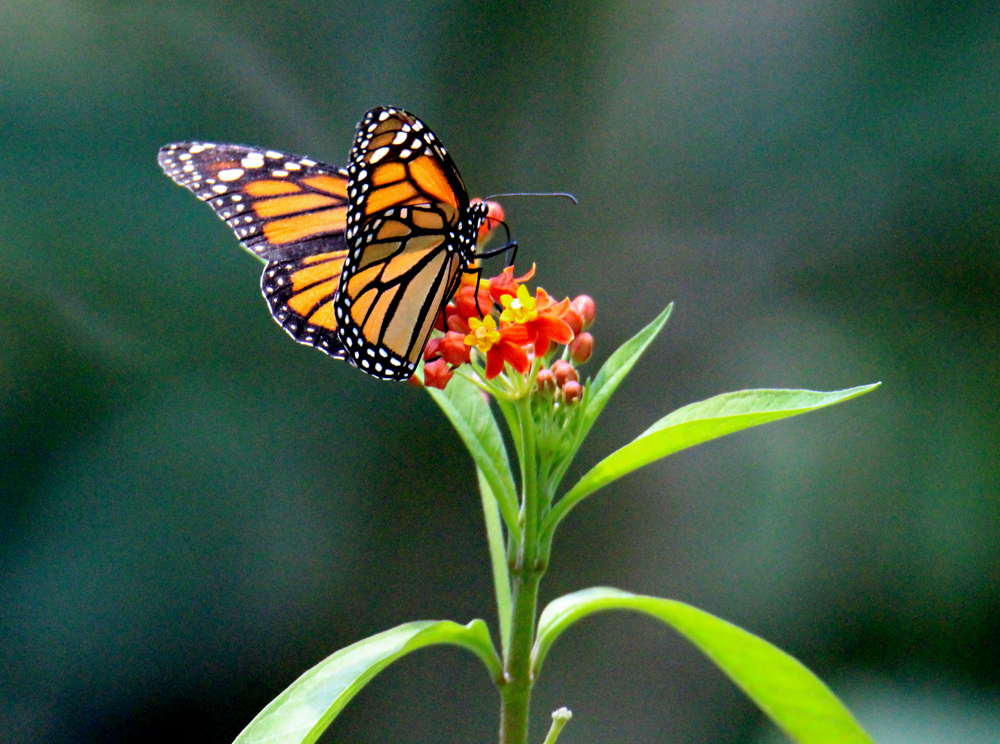
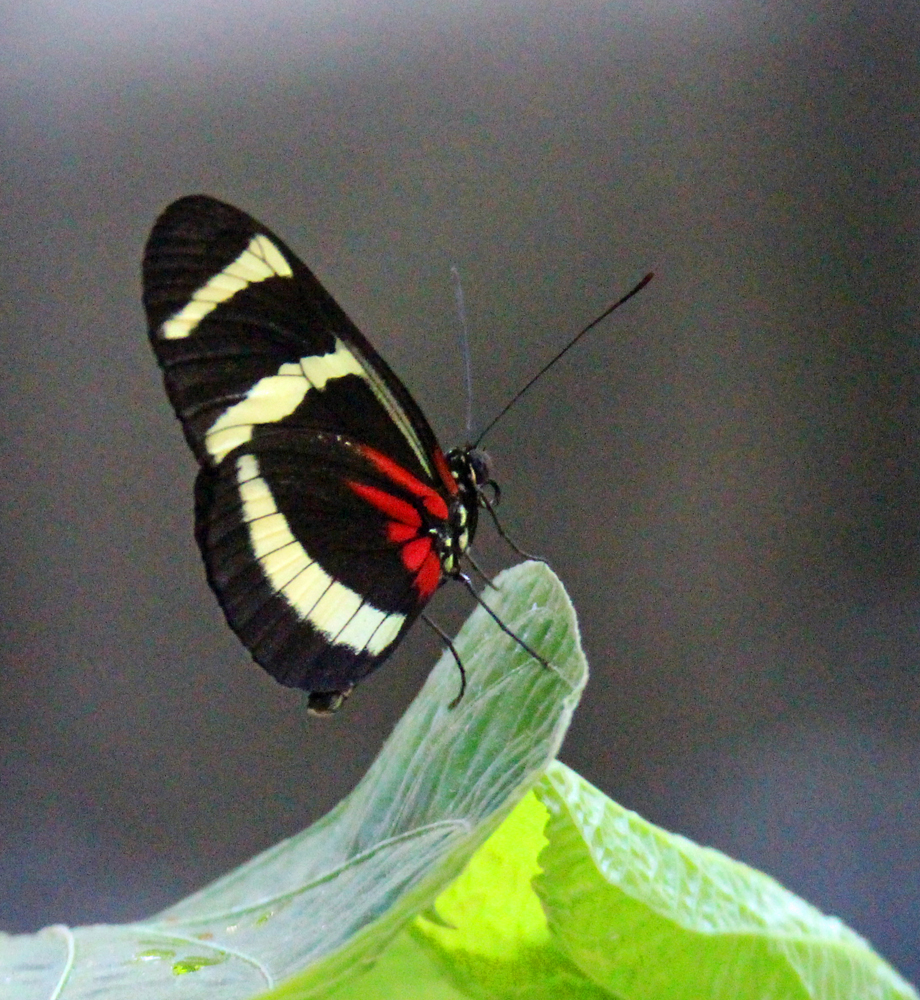
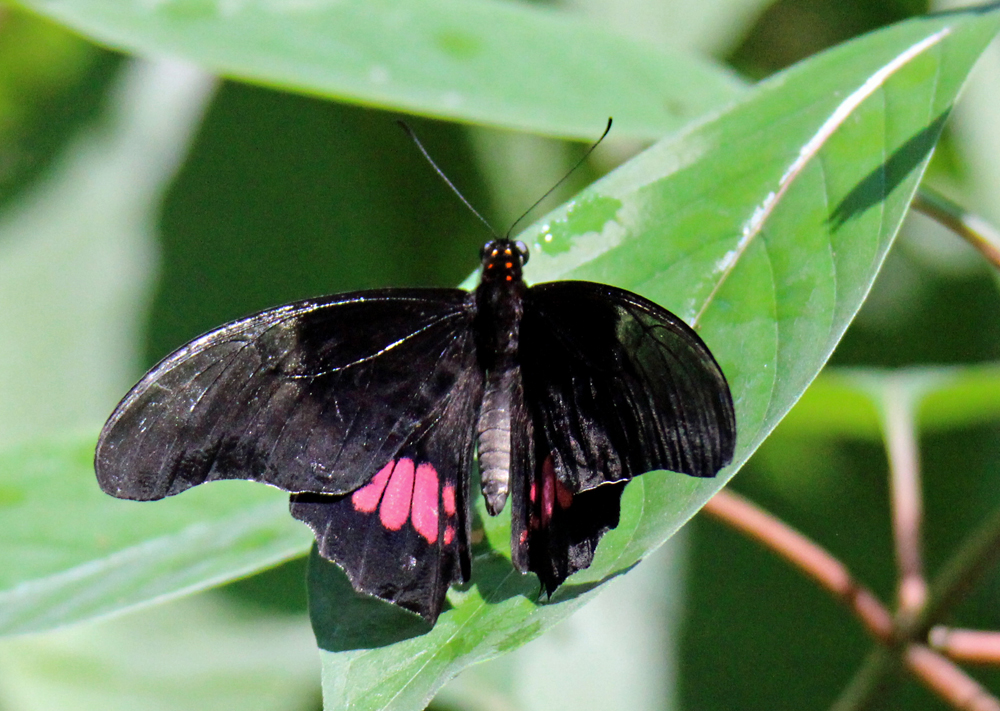
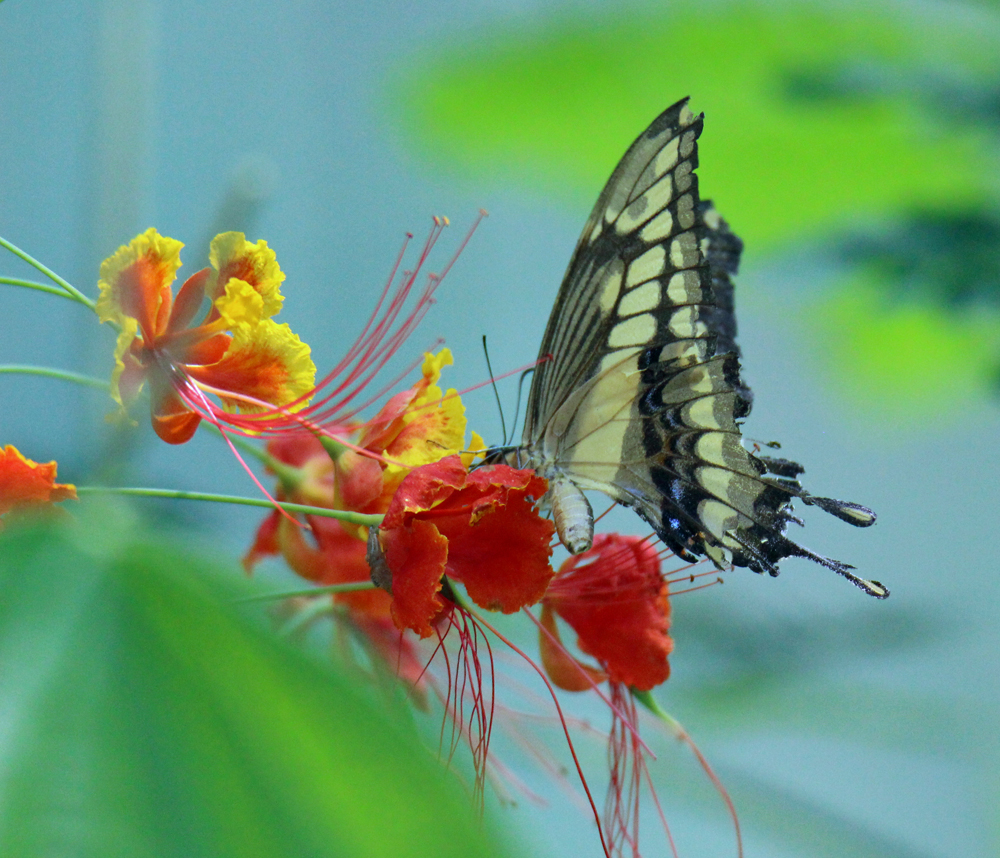
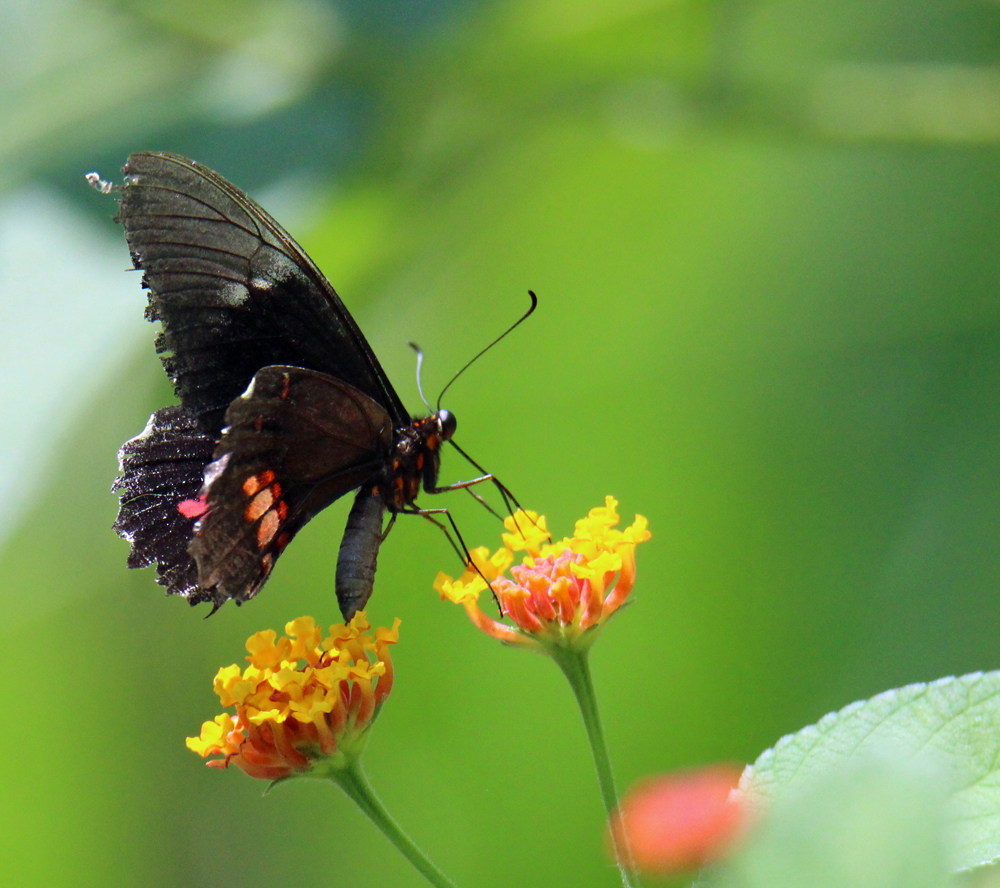
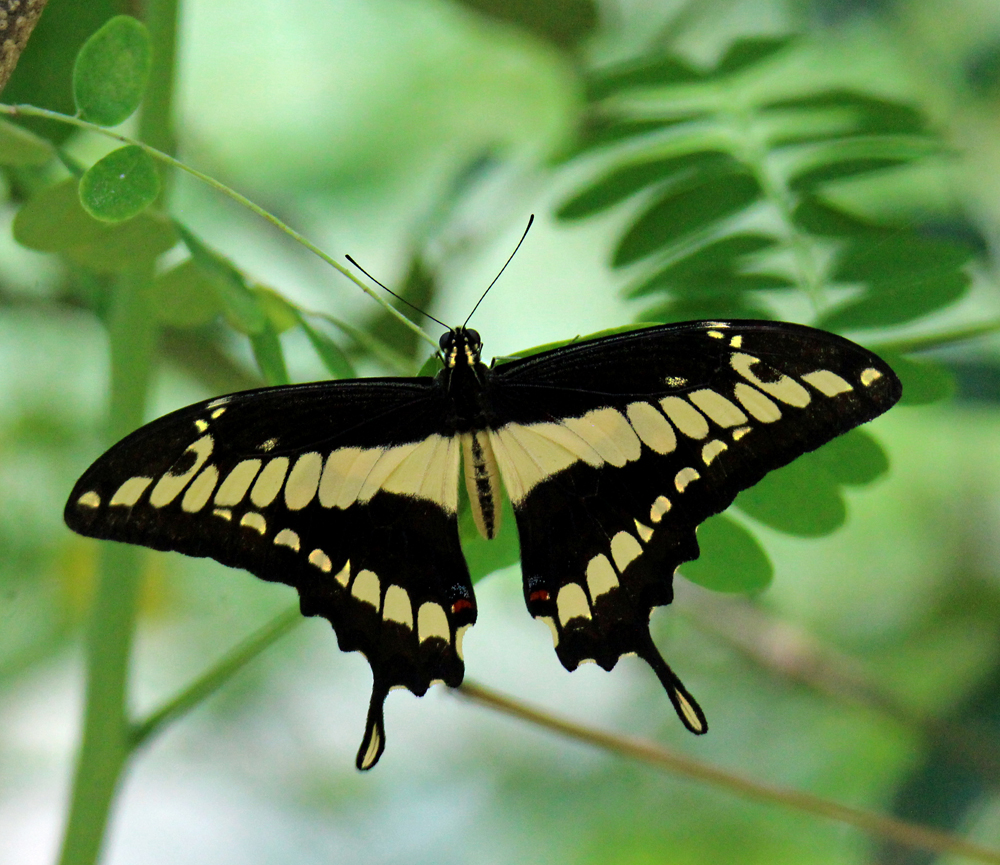
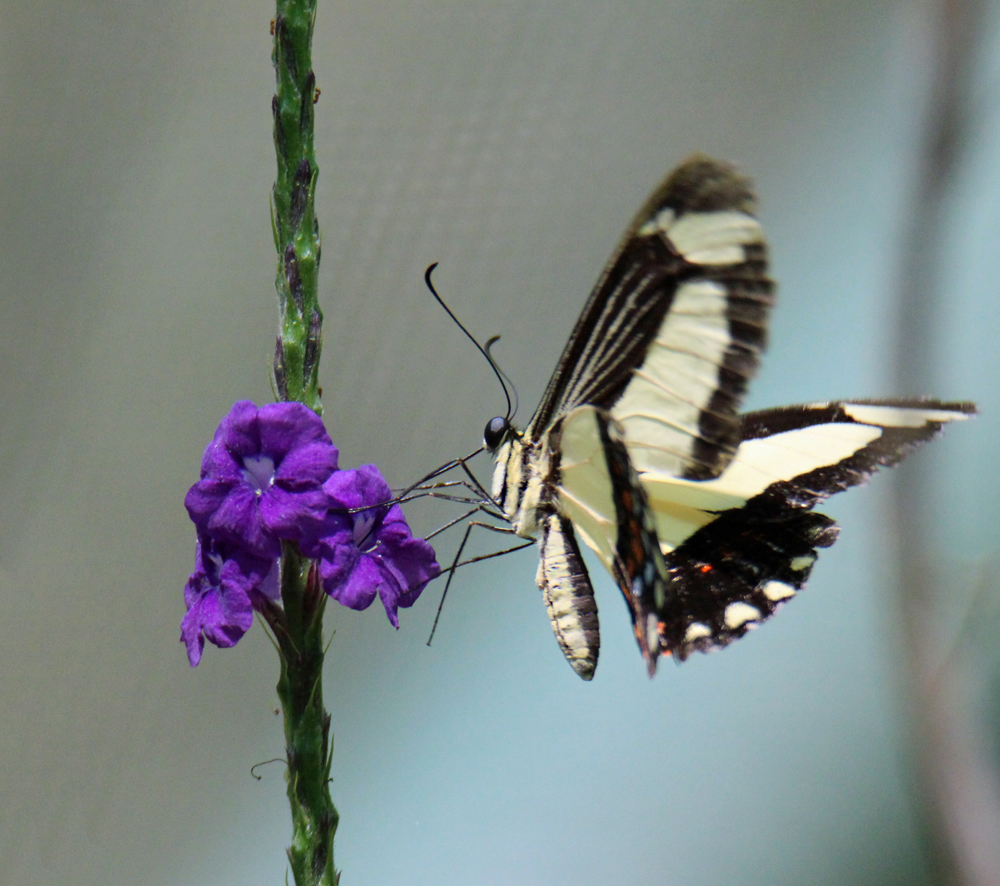
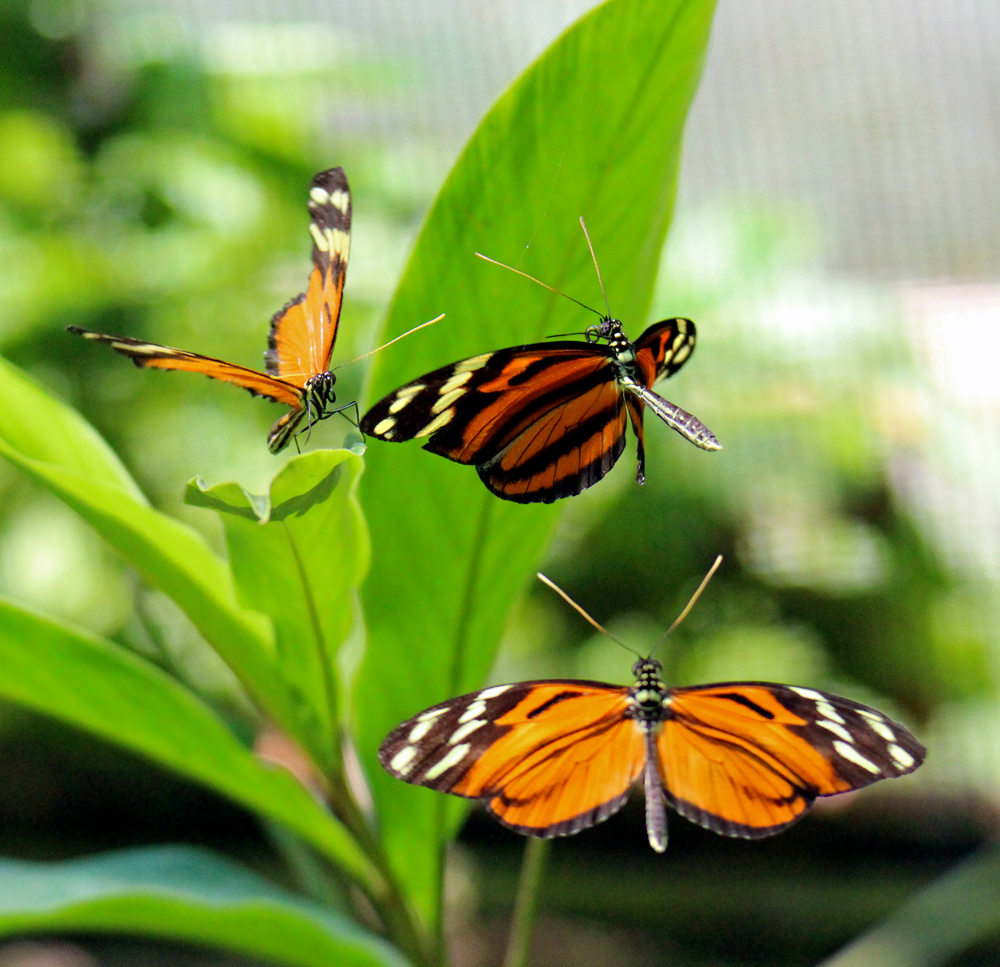
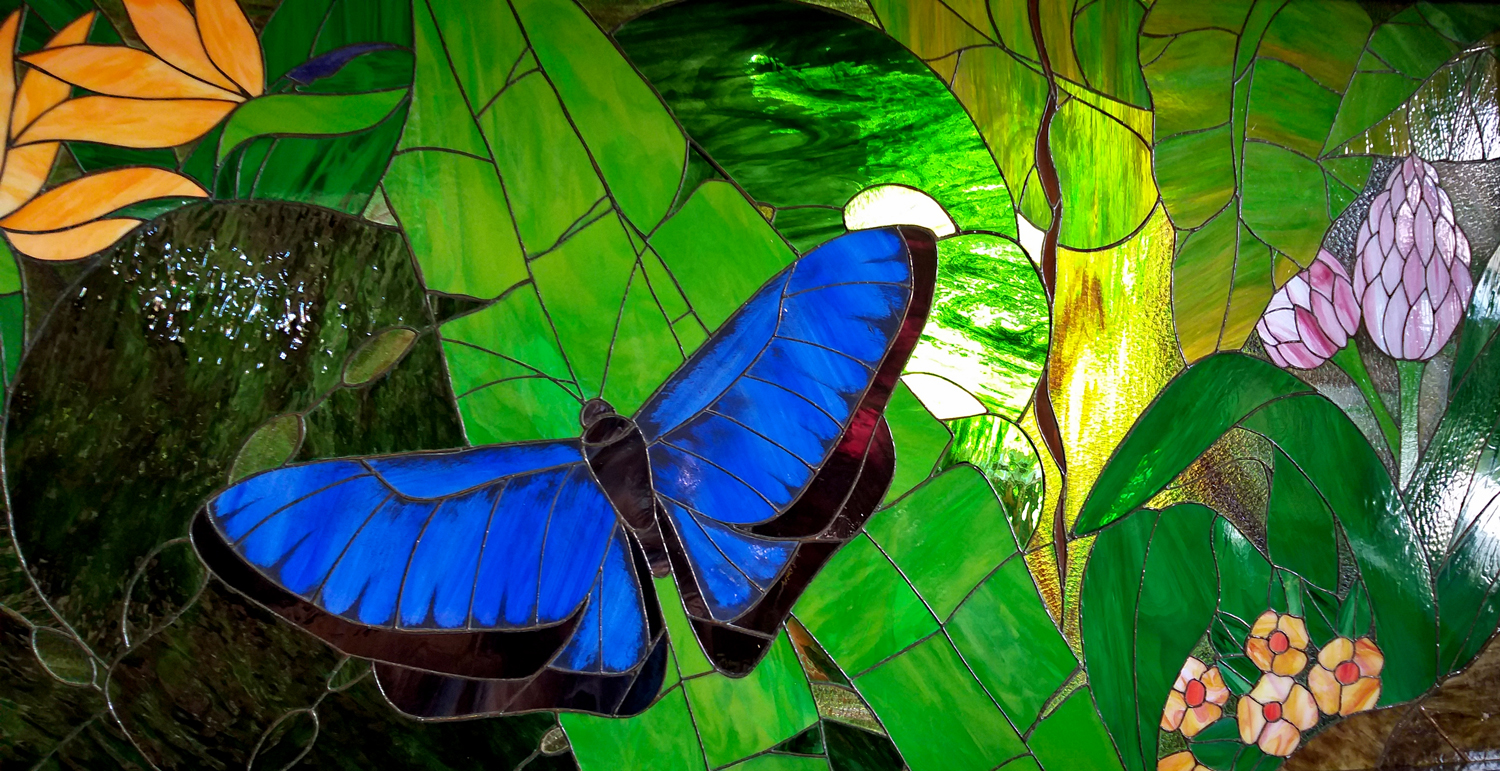
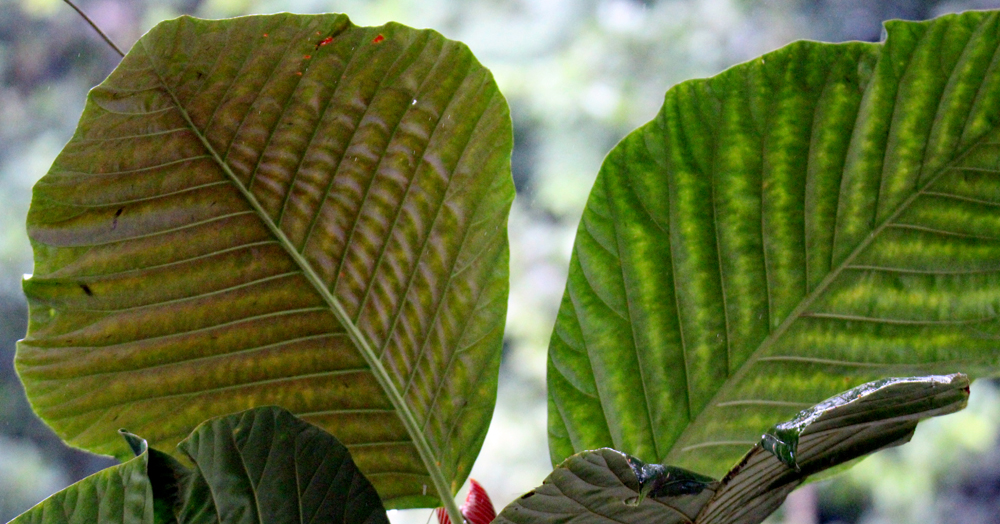
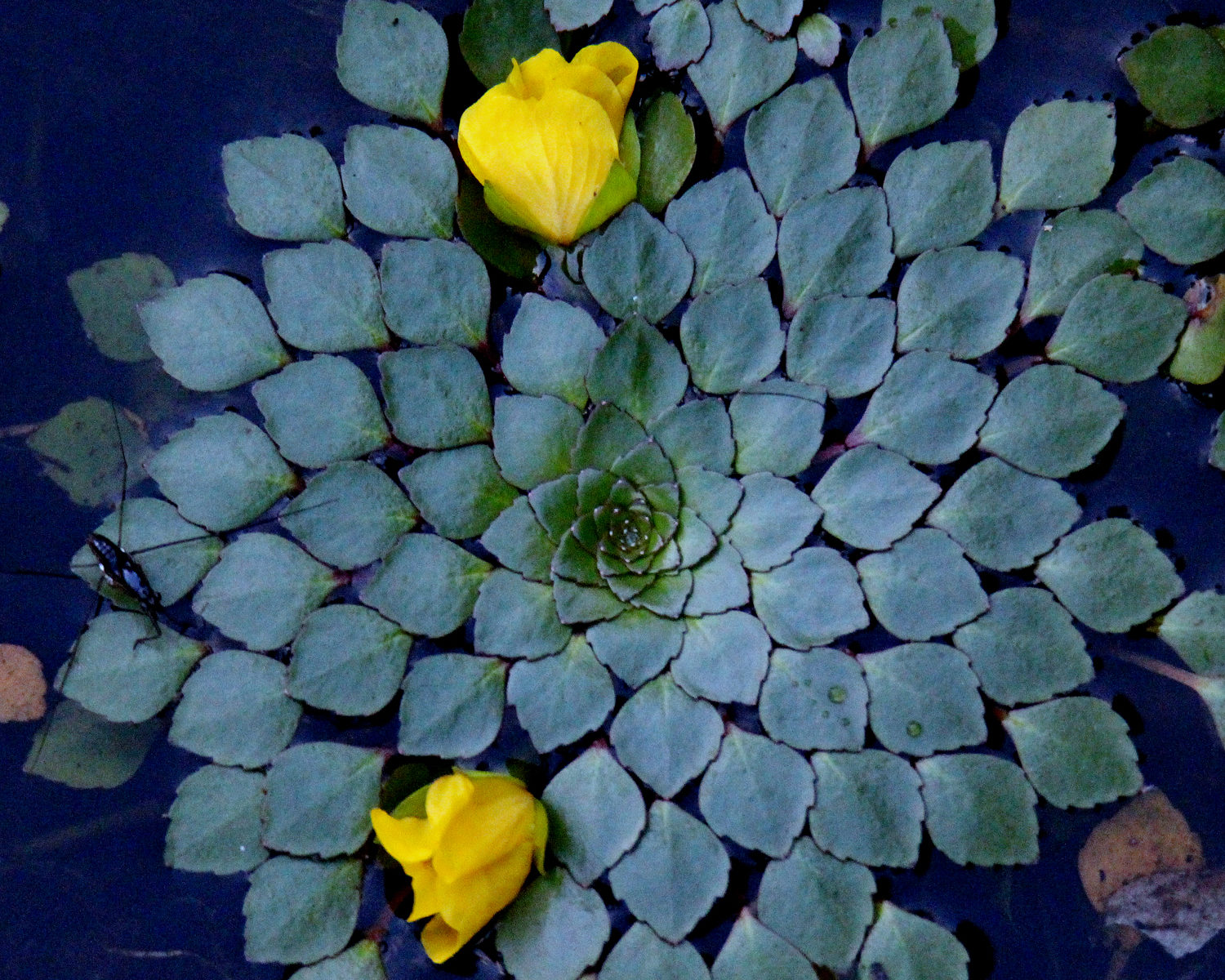
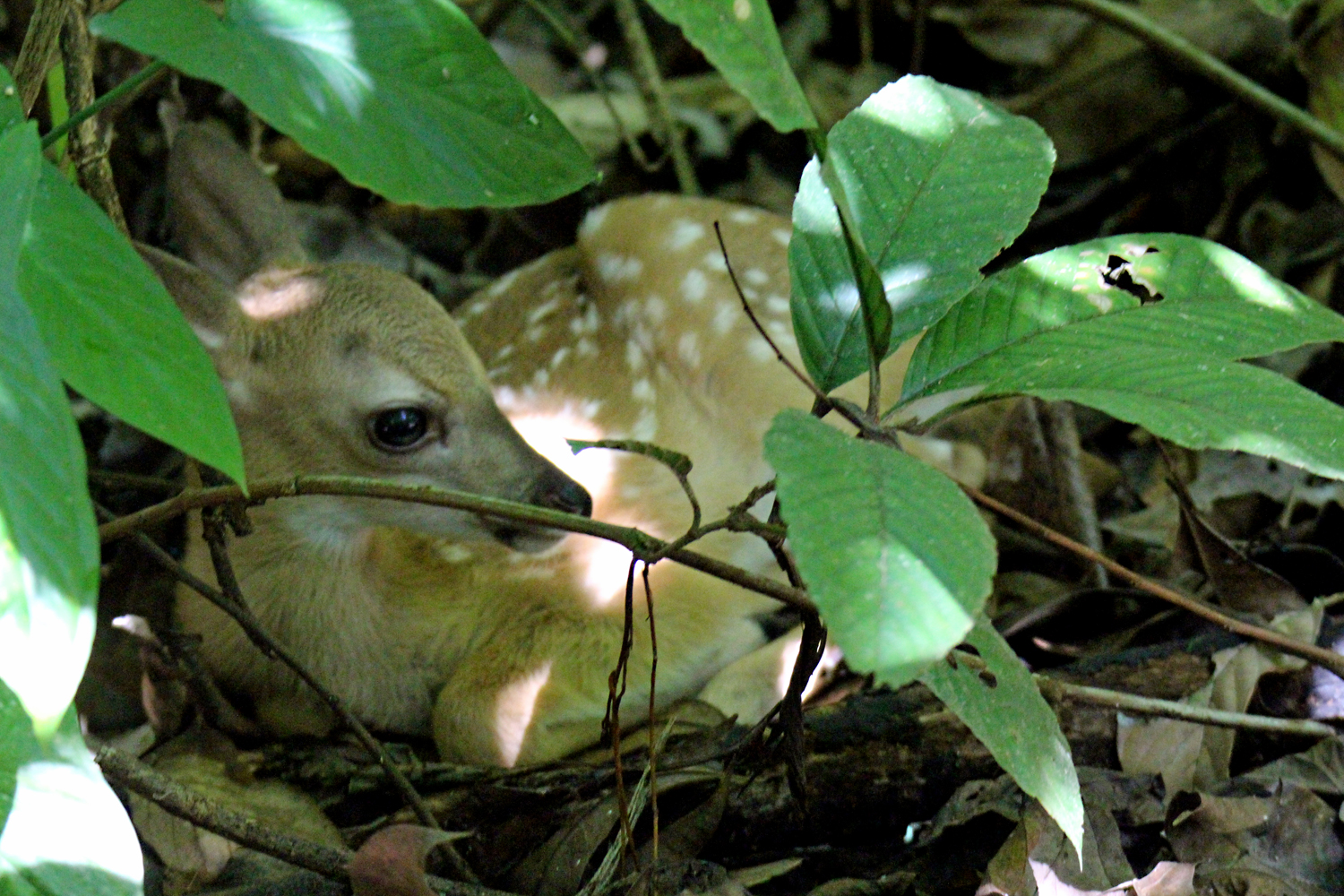
Not often enough do I look at the details surrounding me in a rainforest like Maquenque Lodge & Reserve – but this time I did get a few shots of small nature art:
Yesterday, 23rd, was a full day with tour of the park and the night hike here at hotel wildlife refuge – thus I did not get photos all processed until today, the 24th, the anniversary of me living in Costa Rica four years now.
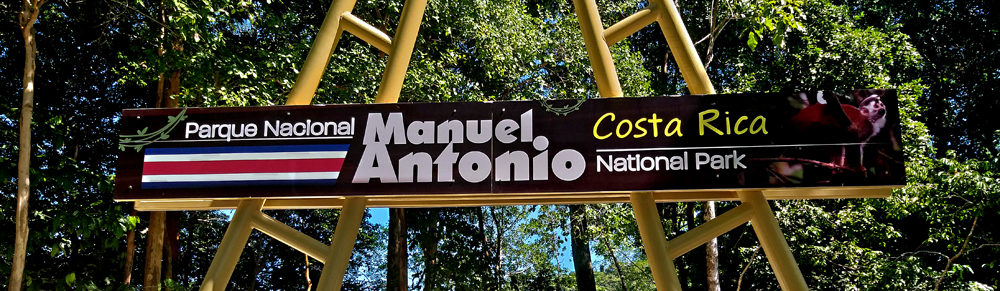
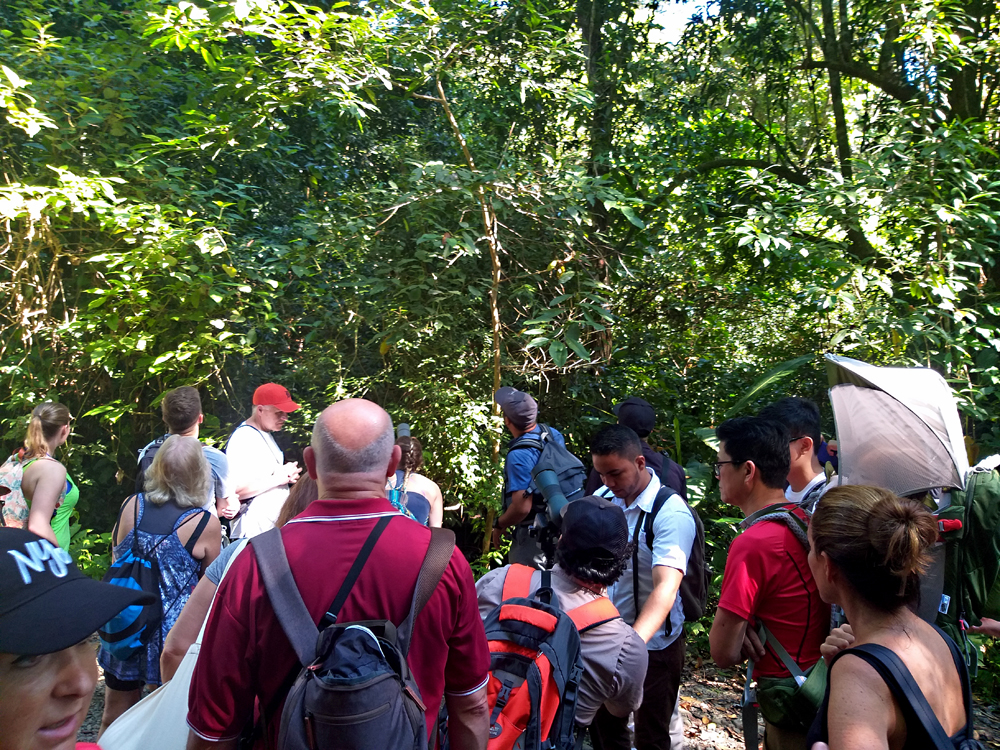
I think I have said this before in the blog, but I will repeat that Manuel Antonio National Park is the most visited of all 28 or so national parks in Costa Rica and thus generally my least favorite because it is “loved to death” with too many people (think Great Smoky Mountains National Park in the states with the Gatlinburg-Pigeon Forge mess). My last time here was in 2015 with Kevin Hunter and the park tour was different in that we saw some different animals and probably had a better guide who grew up in the area. We saw squirrel monkeys then which we did not this time nor the parrot snake I photographed on that visit, but otherwise similar. And this time we went to all three beaches in the park, while only going to the one main beach last time.
If an animal is spotted by one group, all the other converge on that spot. Too many people!
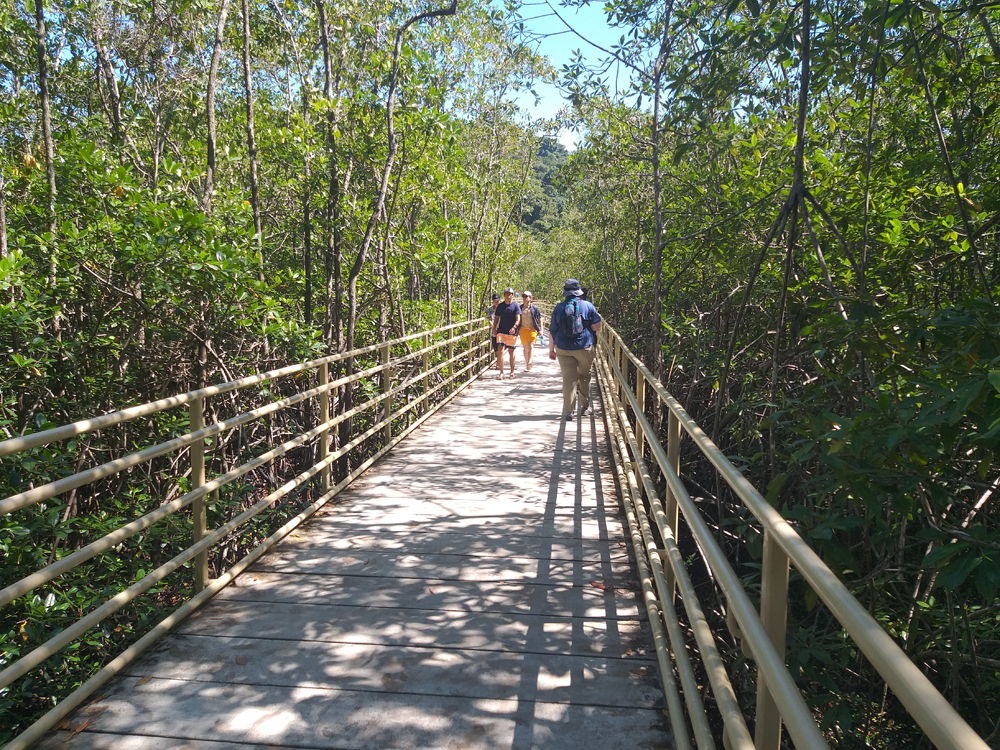
And this time there are now more trails and a really nice series of bridges or elevated walkways through the mangrove swamp, handicap accessible with braille signs! Though behind the U.S. in handicap accessibility, Costa Rica is moving fast in that direction!
I go mainly for the wildlife, so that is the main slideshow below, but many people come here for the three different beaches inside the park and pay the $16 admission just to spend the day on one of the beaches, so a shot of each of the three beaches is in the second slideshow. Overall, Manuel Antonio is just too “touristy” for me and I have no desire to return here. The hotel with its own wildlife refuge is nice and I love the views from the hillside, but it too is rather “touristy” and overpriced, so I don’t see myself returning here either. But glad I’ve had all these experiences! The Costa Rica tourists see.
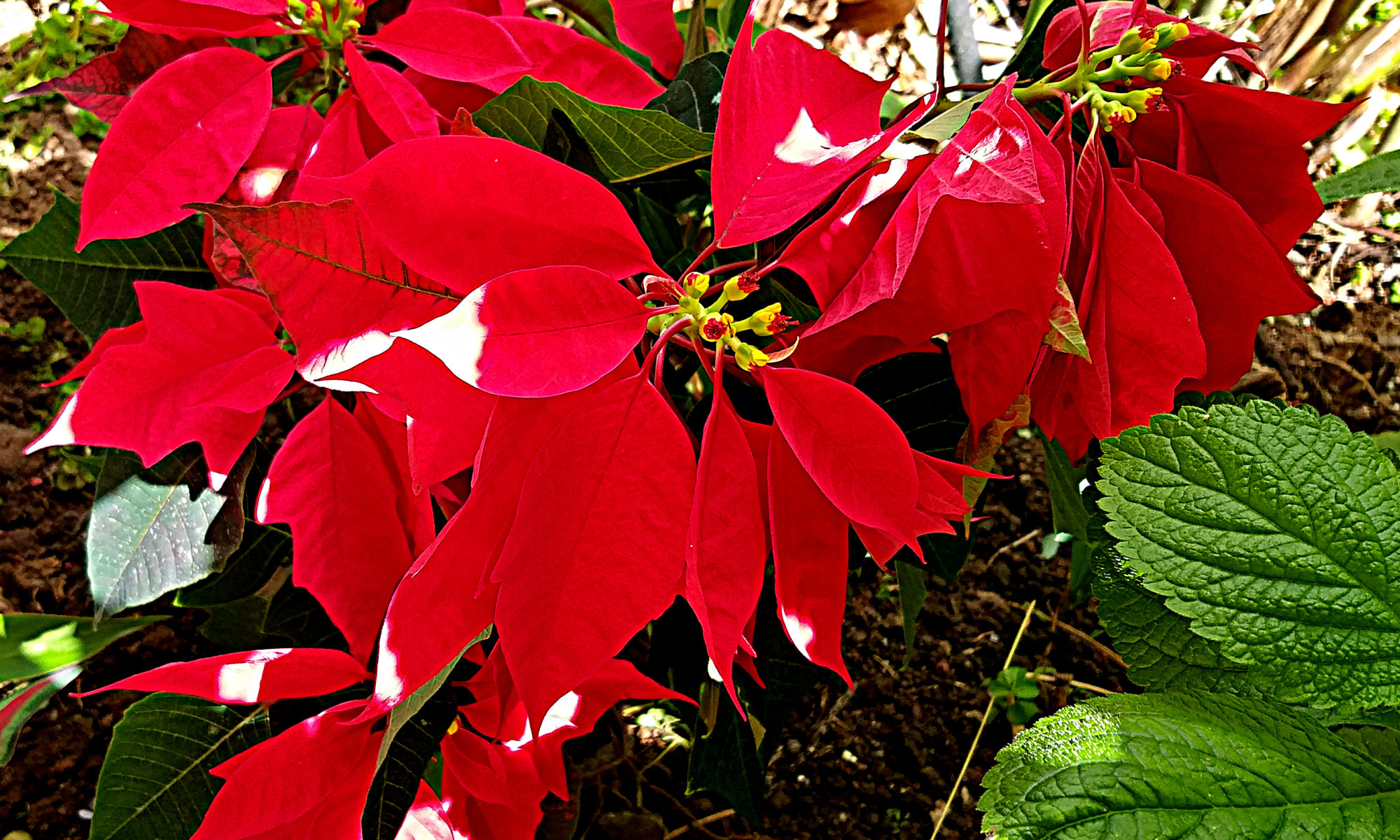
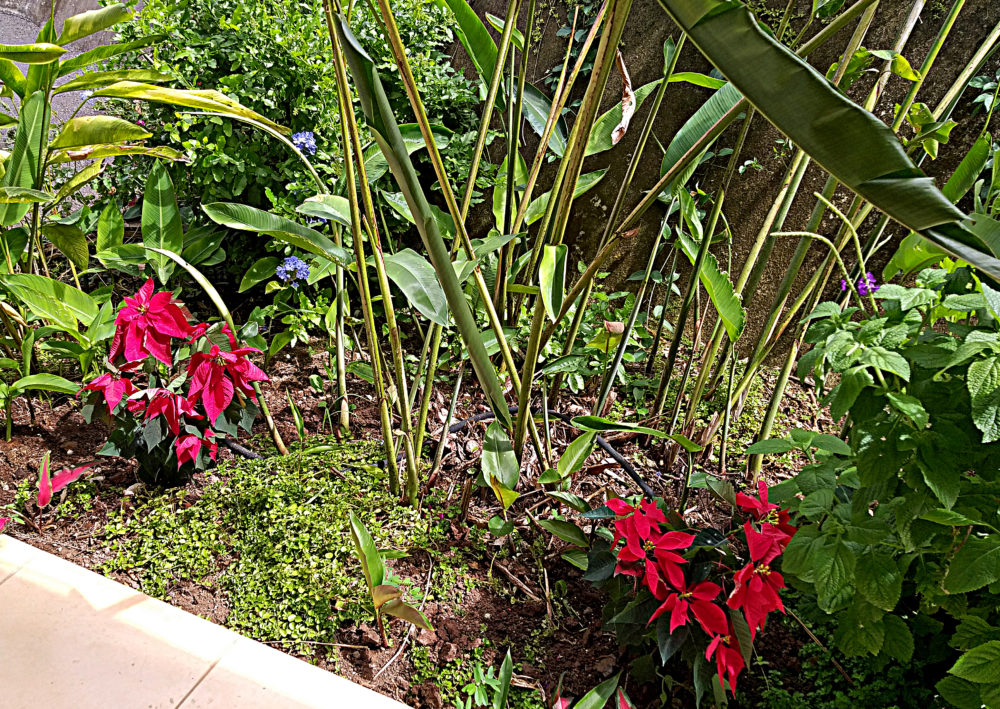
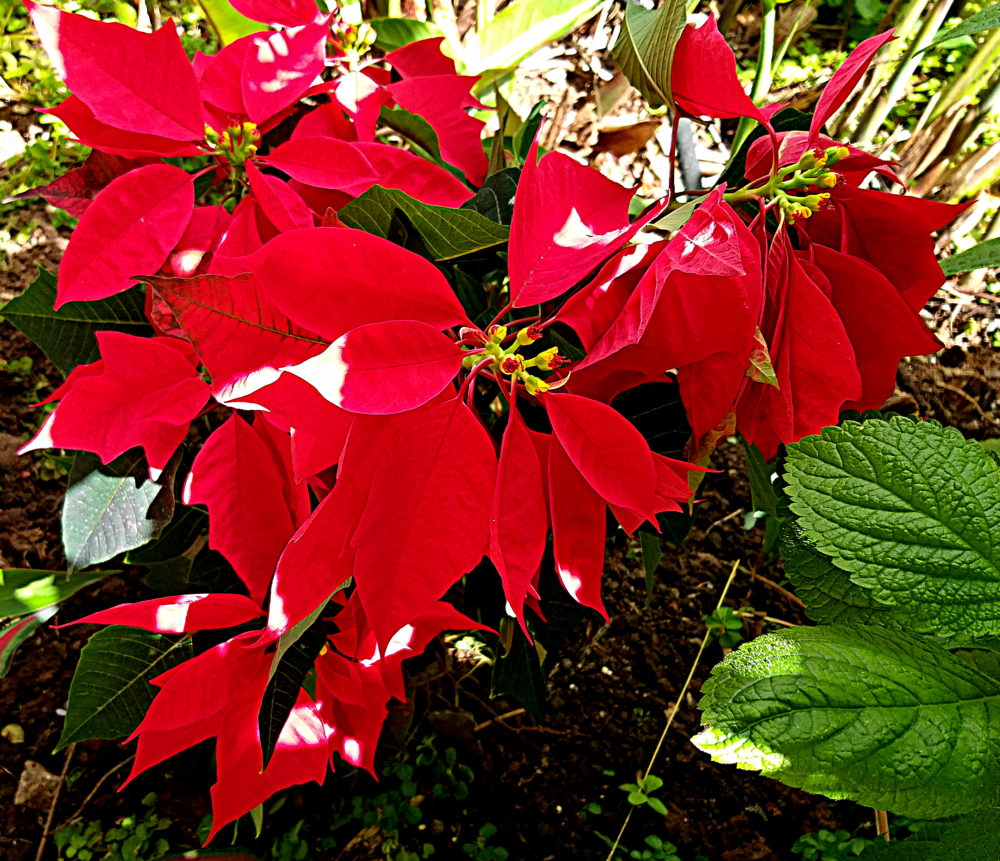
Last year after Christmas I took the potted Poinsettia I had had inside and planted it in my garden. When I recently asked my gardeners to “thin out” my garden, well . . . they really thinned it out including the removal of my poinsettia which was not doing well anyway.
So today I looked for another poinsettia in town and found only one little plant store that had any and they were expensive, but I got two anyway. They add to the “Christmas Spirit” around my house and I already had in mind putting them immediately in my garden, which I did. Well, the rain seems to have stopped (we might get 1 or 2 more) and the wind has started blowing (think March in the states). The petals or really leaves on the poinsettia are be thrashed by the wind and already look weathered.
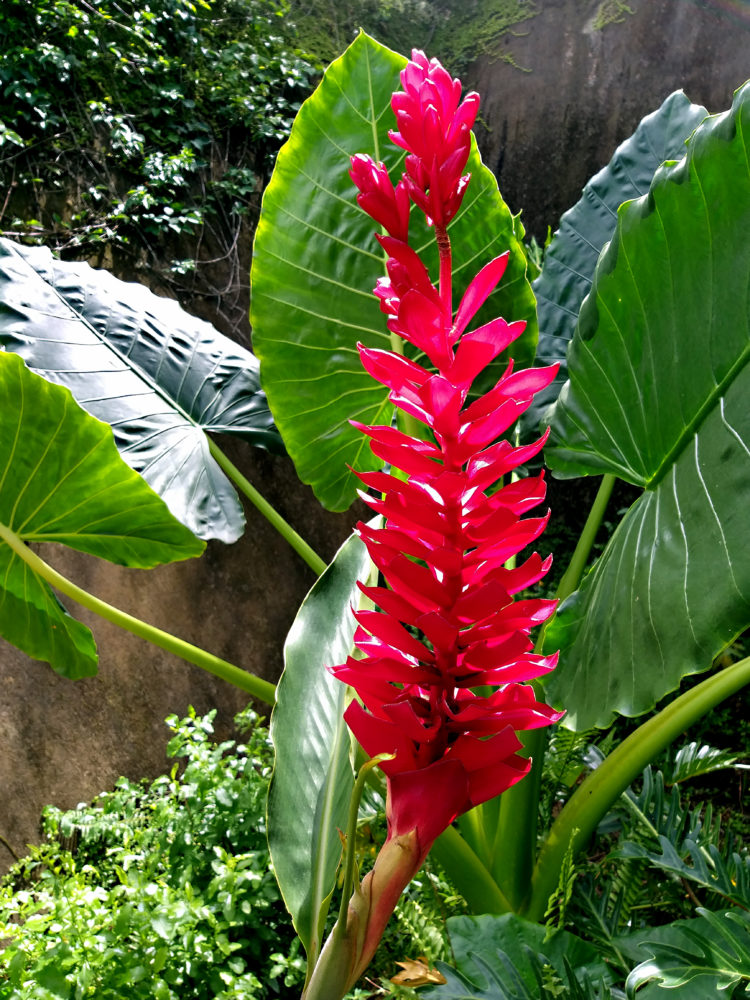
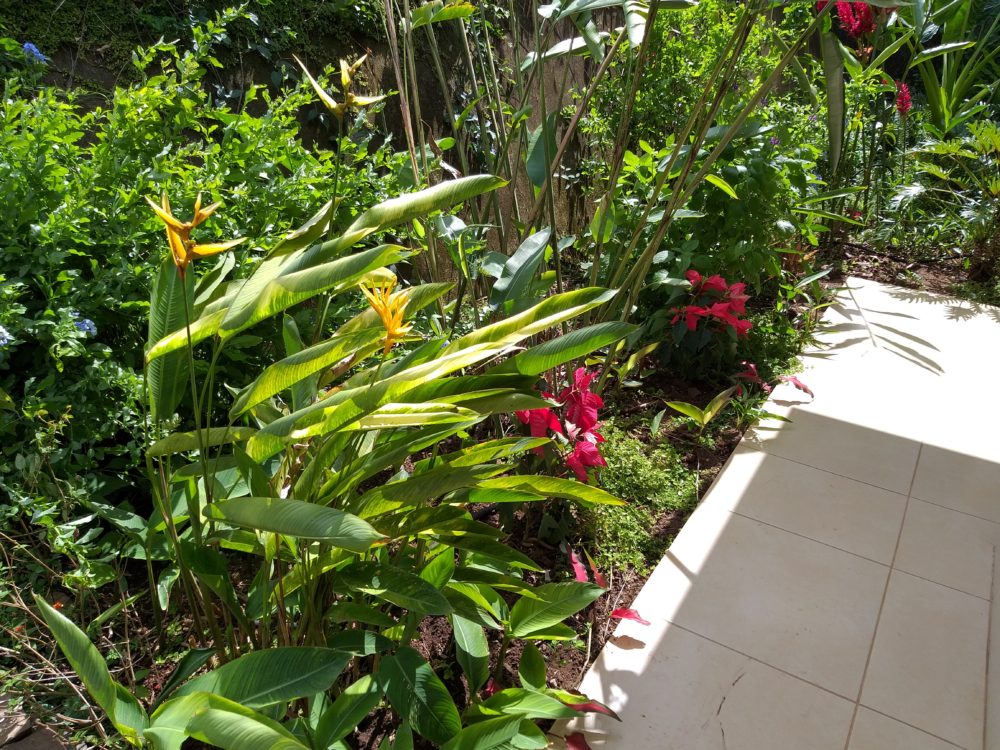
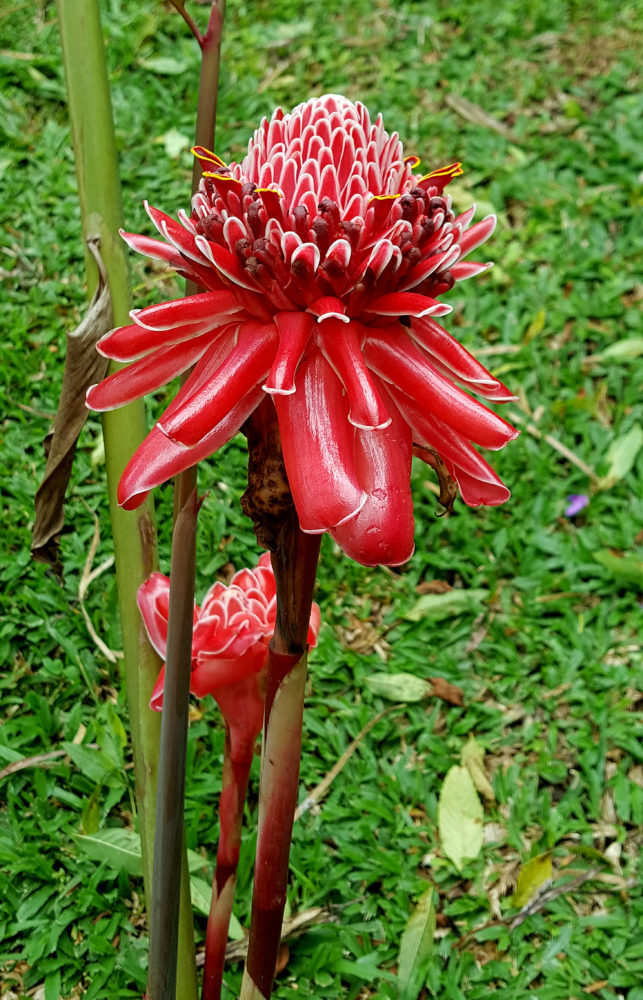
Oh well, I meant well and in my thinned out garden there is not much color now, so they have been added to my two other now-blooming red flowers: Red Ginger and Torch Ginger or in Costa Rica El bastón de emperador. So maybe all this red in my gardens is my Christmas color for this year! 🙂
The red of the toyshops on a dark winter’s afternoon, Of Father Christmas and the robin’s breast? Or green? Green of holly and spruce and mistletoe in the house, dark shadow of summer in leafless winter? One might plainly add a romance of white, fields of frost and snow; thus white, green, red- reducing the event to the level of a Chianti bottle. But many will say that the significant colour is gold, gold of fire and treasure, of light in the winter dark; and this gets closer, For the true colour of Christmas is Black. Black of winter, black of night, black of frost and of the east wind, black of dangerous shadows beyond the firelight.
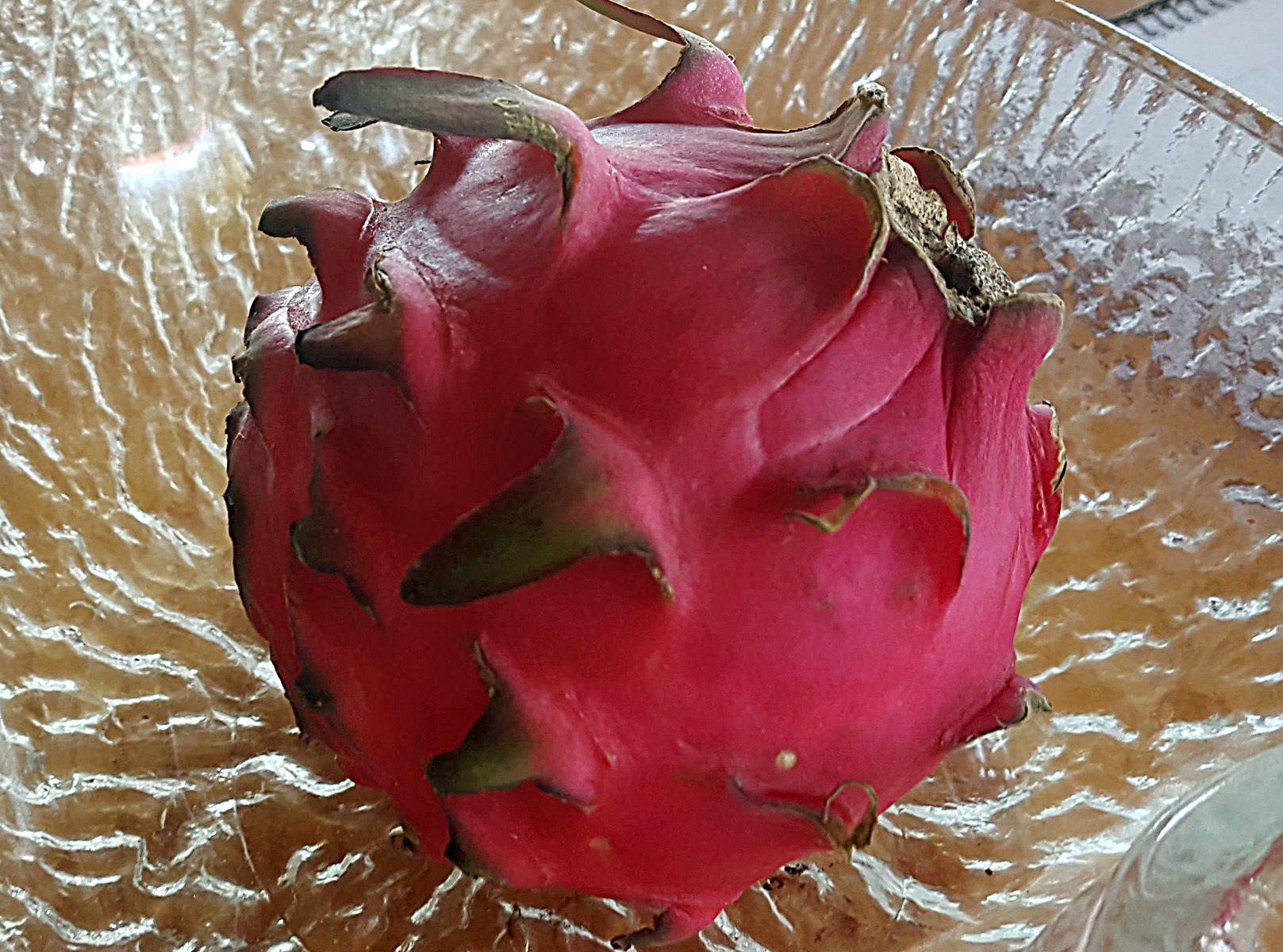
“Pitahaya” is not a Spanish word but rather a word from the indigenous people of Costa Rica and what everyone calls this unusual fruit or flower growing on a cactus plant. It is used most popularly in bebidas or fruit drinks like American Smoothies and the fruit is called “Dragon Fruit” or “Pitaya” in the states. The inside is gelatin like and pink in color with tiny black seeds and very sweet.
The photo is of one David brought to Spanish class the other day and I thought I would share another one of out unusual foods here in Costa Rica (and all over Latin America and in Asia). Read about it on Wikipedia (en español) or in English as pitaya/dragon fruit.
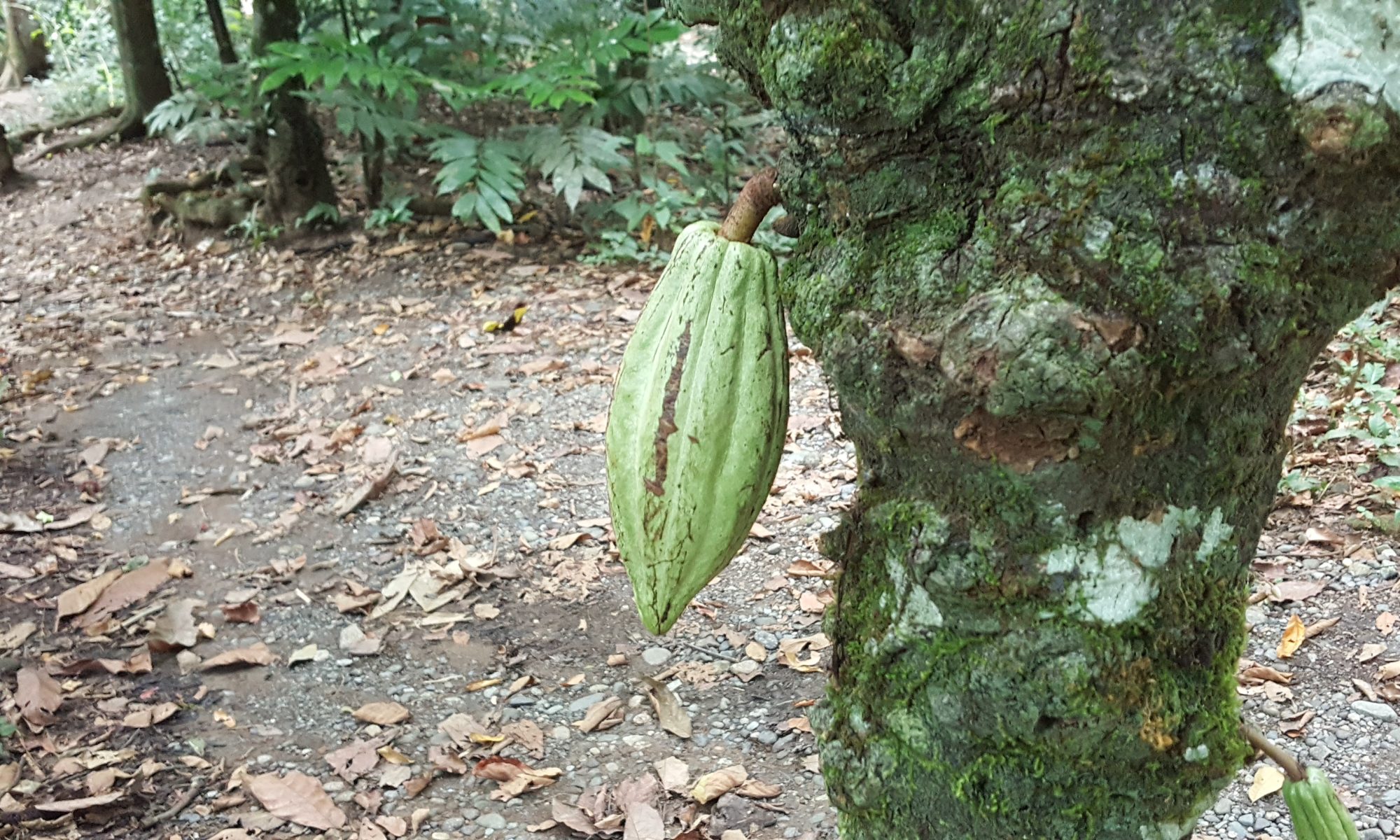
The above link is a really interesting article in one of our online English newspapers. Chocolate comes from the cacao tree which will only grow 20 ° north or south of the equator and in the correct amount of humidity. Central America and particularly Costa Rica are perfect for that. West Africa has been good for cocoa, but global warming, higher temperatures and the desertification of West Africa along with some plant diseases there may someday, possibly by 2050, eliminate all cocoa farming in West Africa. They are experimenting with hybrid plants there says this month’s National Geographic magazine, but already people are saying the resulting chocolate is not as good.
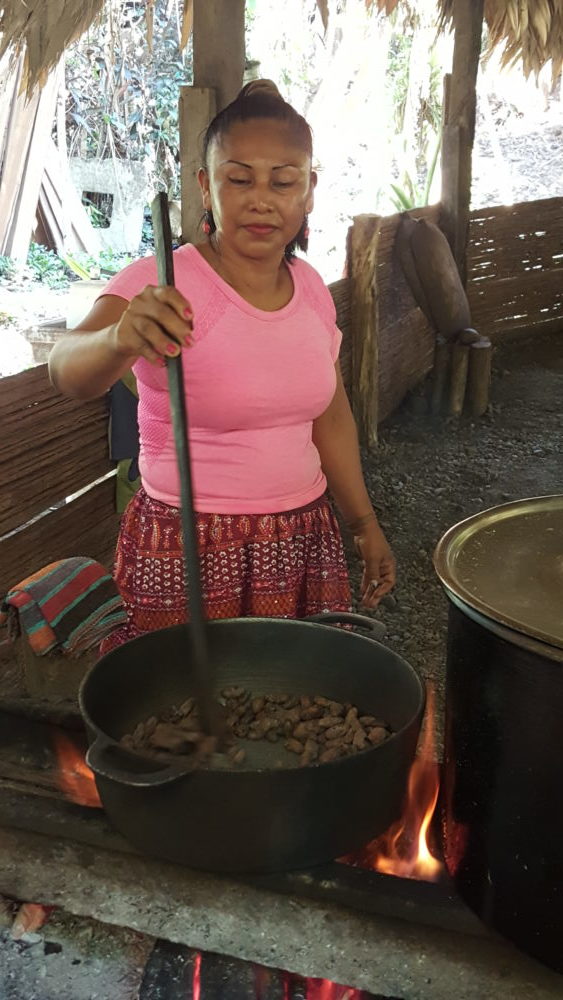
Cacao is grown all over Costa Rica as small family farm businesses and by some of the indigenous peoples as I described in my recent visit to the Bribri Watsi village and earlier from my visit to Bribri Yorkin as we watched their children suck the sweet white stuff from around the cacao beans and we tried it ourselves.
If you ever visit Costa Rica there are many chocolate tours you can take to learn the complicated process for making one of the world’s favorite sweets.
“All you need is love. But a little chocolate now and then doesn’t hurt.”
― Charles M. Schulz
This is just a small sampling of many more photos in Arenal Observatory trip gallery: Flowers & Tropical Plants. Arenal Observatory Lodge grounds are a Botanical Gardens!
And if you like tropical plants but live “up north,” check out how you can go tropical in your house, year-around, 16 Tropical Plants to Grow Indoors. A reader wrote and suggested this.
The Lodge converted a farmer’s tractor & trailer for hikers/tourists
This took us the 6 km from lodge to ranger station where others must hike along river
Los Patos Ranger Station, Corcovado National Park, Costa Rica
Rio Rincon or the Rincon River
Los Patos Ranger Station, Corcovado National Park, Costa Rica
I was the old man traveling with two young couples from Europe as here, we sometimes drove in the river bed.
Los Patos Ranger Station, Corcovado National Park, Costa Rica
And about 15-20 times we forded the river When walking or riding a tractor, it is slow, even 6 km!
Plus we stopped for birds a few times, so an hour or so each way on tractor.
Los Patos Ranger Station, Corcovado National Park, Costa Rica
River is park border, thus one side is private property like this house above. When I got back I was showing the waiter/bartender David Venegas these photos and
he said, “Oh! That is my grandfather’s house!” Small little world down here!
Los Patos Ranger Station, Corcovado National Park, Costa Rica
This young man couldn’t use his bike along river but was headed to the graded gravel road
And note the machete strapped to his side, a basic tool all over Costa Rica!
Los Patos Ranger Station, Corcovado National Park, Costa Rica
We finally leave the river and enter the woods to the ranger station.
Los Patos Ranger Station, Corcovado National Park, Costa Rica
At our hiking trail entrance near the ranger station
After we registered and signed in at the station, we hike rest of the day.
Los Patos Ranger Station, Corcovado National Park, Costa Rica
“Velcro Plant” is what Jairo called it!
See next photo for why.
Los Patos Ranger Station, Corcovado National Park, Costa Rica
School children cut pieces of the “Velcro Plant” leaves and stick on their shirts to make lots of images! Los Patos Ranger Station, Corcovado National Park, Costa Rica
We are quickly in a thick virgen forest.
Los Patos Ranger Station, Corcovado National Park, Costa Rica
There are still plants here not identified.
Los Patos Ranger Station, Corcovado National Park, Costa Rica
More species in this park than in any other one place in the world!
Los Patos Ranger Station, Corcovado National Park, Costa Rica
I want to photograph everything I see – but simply can’t!
Los Patos Ranger Station, Corcovado National Park, Costa Rica
“Monkey Brush”
Jairo explains how monkeys use this fruit/seed of a tree to brush insects out of their fur.
Then one of our two girls demonstrated by brushing her hair. Incredibly good brush!
Los Patos Ranger Station, Corcovado National Park, Costa Rica
We stopped to see this “Stink Flower”
which smelled awful! Like a dead animal!
Los Patos Ranger Station, Corcovado National Park, Costa Rica
And here Jairo collects some “Red Beans”
He gave each of us 3 of the red beans or seeds and said
that tradition is they will bring us good luck if carried in pocket.
Los Patos Ranger Station, Corcovado National Park, Costa Rica
Meanwhile David is looking for birds & found many!
See the trip Birds Gallery for some I photographed.
And the trip’s Other Wildlife Galleryfor other animals
photographed both in the park and at the lodge nearby.
Los Patos Ranger Station, Corcovado National Park, Costa Rica
Passion Flower as one of many wildflowers seen
Los Patos Ranger Station, Corcovado National Park, Costa Rica
About 4pm we were back to ranger station and on slow tractor drive back to lodge by around 5pm Los Patos Ranger Station, Corcovado National Park, Costa Rica
This was just a brief overview of an all day hike that included the beautiful waterfall in a separate post yesterday and many birds and other animals shown earlier. Corcovado is truly an incredible place! See the bigger picture through my TRIP Gallery 2018 March 13-17 – Danta Corcovado.
Note that this trip was on the northeast side of park labeled “Los Patos.”
My trip last year was in northwest corner labeled “San Pedrillo” near Drake Bay.
And in 2009 I visited the south side of park at “La Leona.”
I neither saw nor photographed a single bird, though I heard many. But it was a beautiful walk in the rainforest across the road from the lodge on a trail they created for about 2-3 km. It is a similar cloud forest to what I walked through in Tenorio Park, just fewer people! Here are a dozen photos without much comment:
Rainforest Trail Seen from Lodge Dining Room Celeste Mountain Lodge Rainforest Trail, Bijagua, Costa Rica
Tree Fern
Celeste Mountain Lodge Rainforest Trail, Bijagua, Costa Rica
One of Many Old Growth Trees Celeste Mountain Lodge Rainforest Trail, Bijagua, Costa Rica
Flower at Entrance to Trail Celeste Mountain Lodge Rainforest Trail, Bijagua, Costa Rica
Fern Celeste Mountain Lodge Rainforest Trail, Bijagua, Costa Rica
Unknown Berries Celeste Mountain Lodge Rainforest Trail, Bijagua, Costa Rica
Tree Celeste Mountain Lodge Rainforest Trail, Bijagua, Costa Rica
Plant Celeste Mountain Lodge Rainforest Trail, Bijagua, Costa Rica
Much Grows on the Trees Celeste Mountain Lodge Rainforest Trail, Bijagua, Costa Rica
Air Plant Celeste Mountain Lodge Rainforest Trail, Bijagua, Costa Rica
Footbridge Over Stream Celeste Mountain Lodge Rainforest Trail, Bijagua, Costa Rica
Trail Welcome & Rules in Spanish, English & French Celeste Mountain Lodge Rainforest Trail, Bijagua, Costa Rica