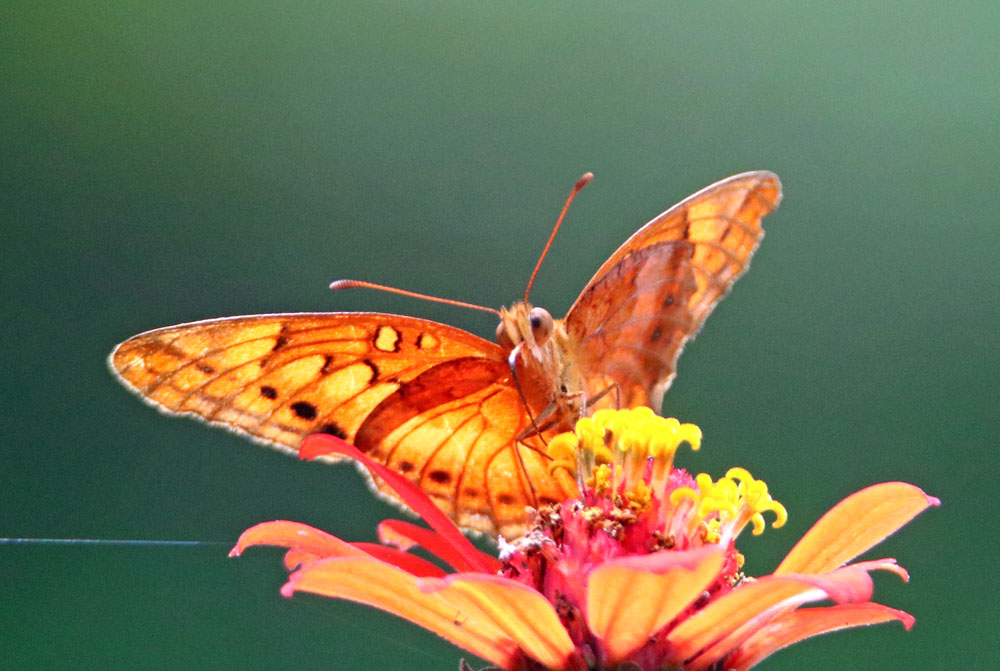
There are so many orange with black trim butterflies and most of them are distinctly different, as is this Mexican Fritillary, Euptoieta hegesia (my gallery link).

charliedoggett.net
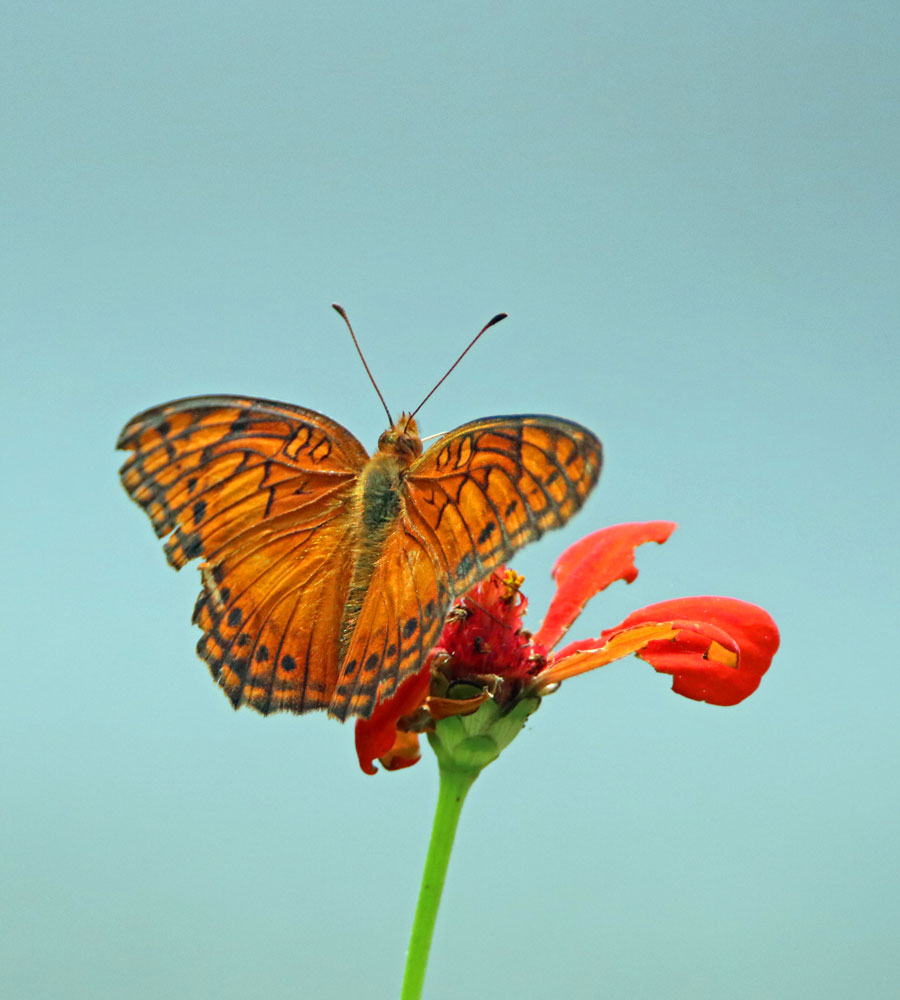
There are so many orange with black trim butterflies and most of them are distinctly different, as is this Mexican Fritillary, Euptoieta hegesia (my gallery link).
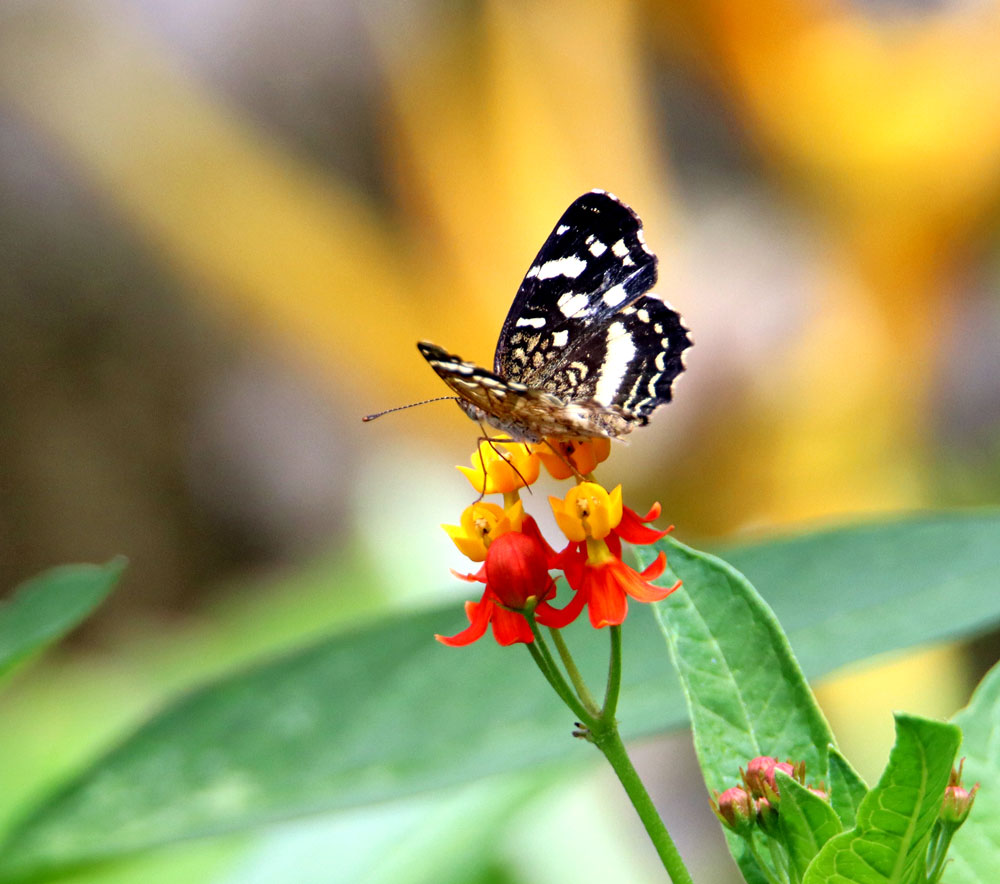
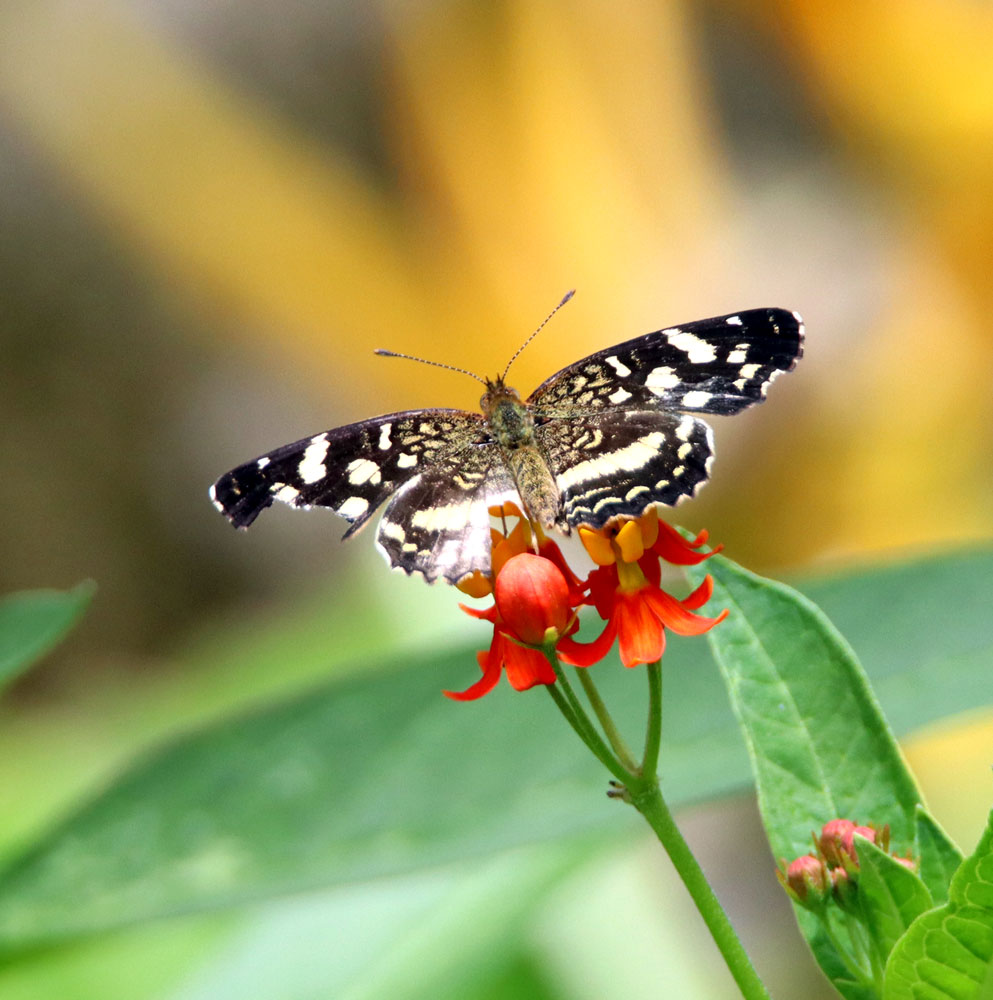
In my gallery I have 9 different species of Crescents and this one has been mostly seen here in Atenas. See my GALLERY: Pale-banded Crescent, Anthanassa tulcis (linked). Here’s three different views in my garden this June and the damaged wings you may have noticed on other butterfly photos I’ve shared this year. It is the wind! Though not all the time like January, it is blowing just as hard here in June, which is not normal! I believe it is a part of the human-caused climate change. Also note that this one is on one of my few Milkweed Flowers, which is also attracting other species, so I want to find another sunny spot for more.
And two more different view photos . . .
Continue reading “Pale-banded Crescent”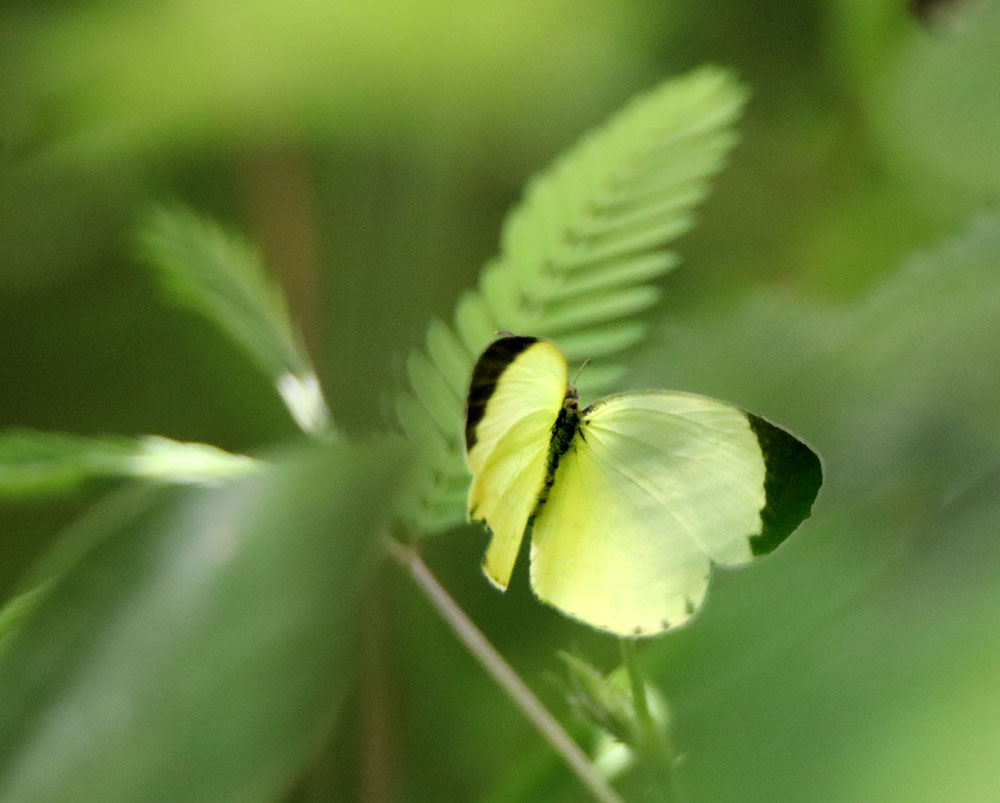
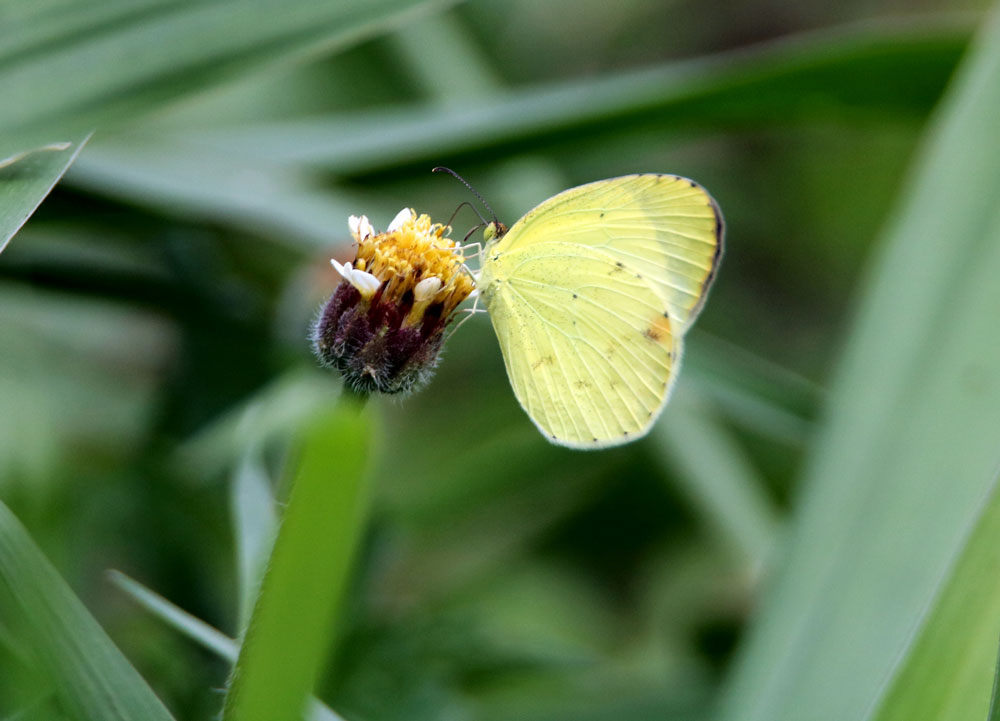
Above is a crisper, traditional shot while below is another “soft look” shot as with the feature photo . . .
Continue reading “Mimosa Yellow”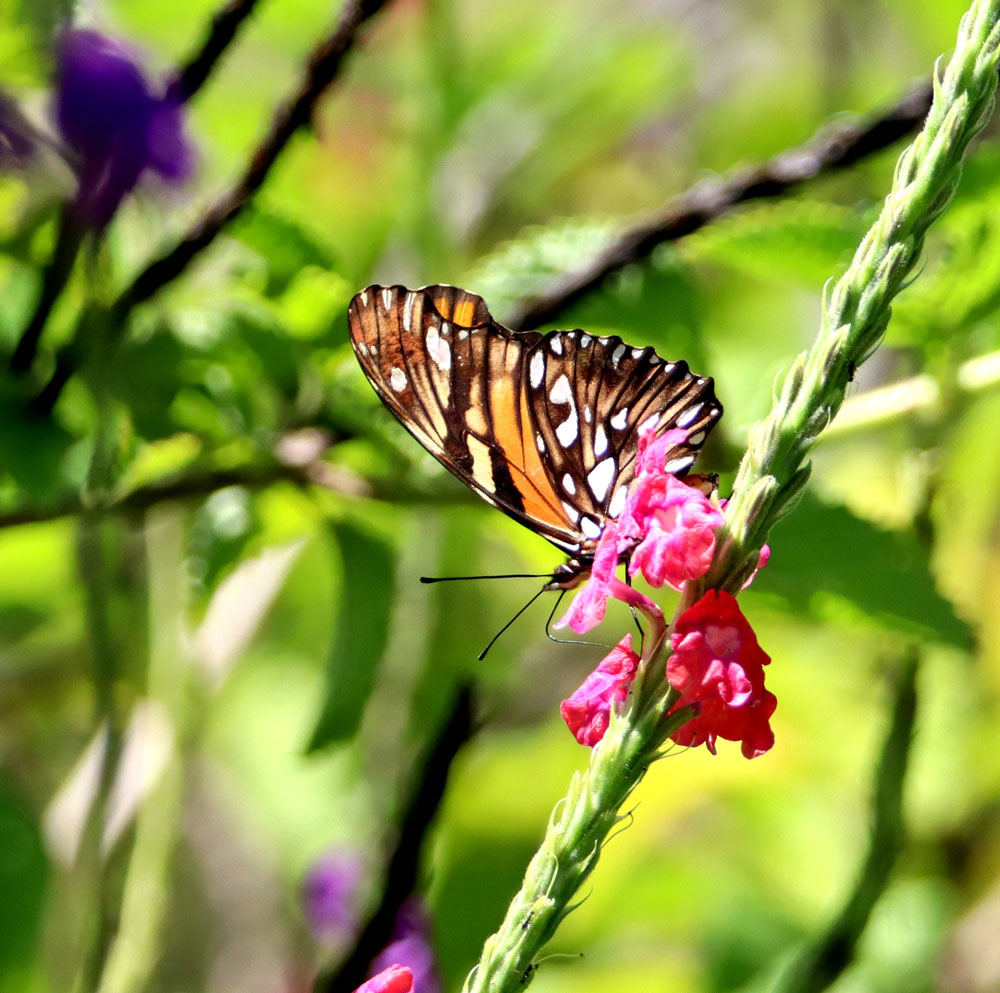
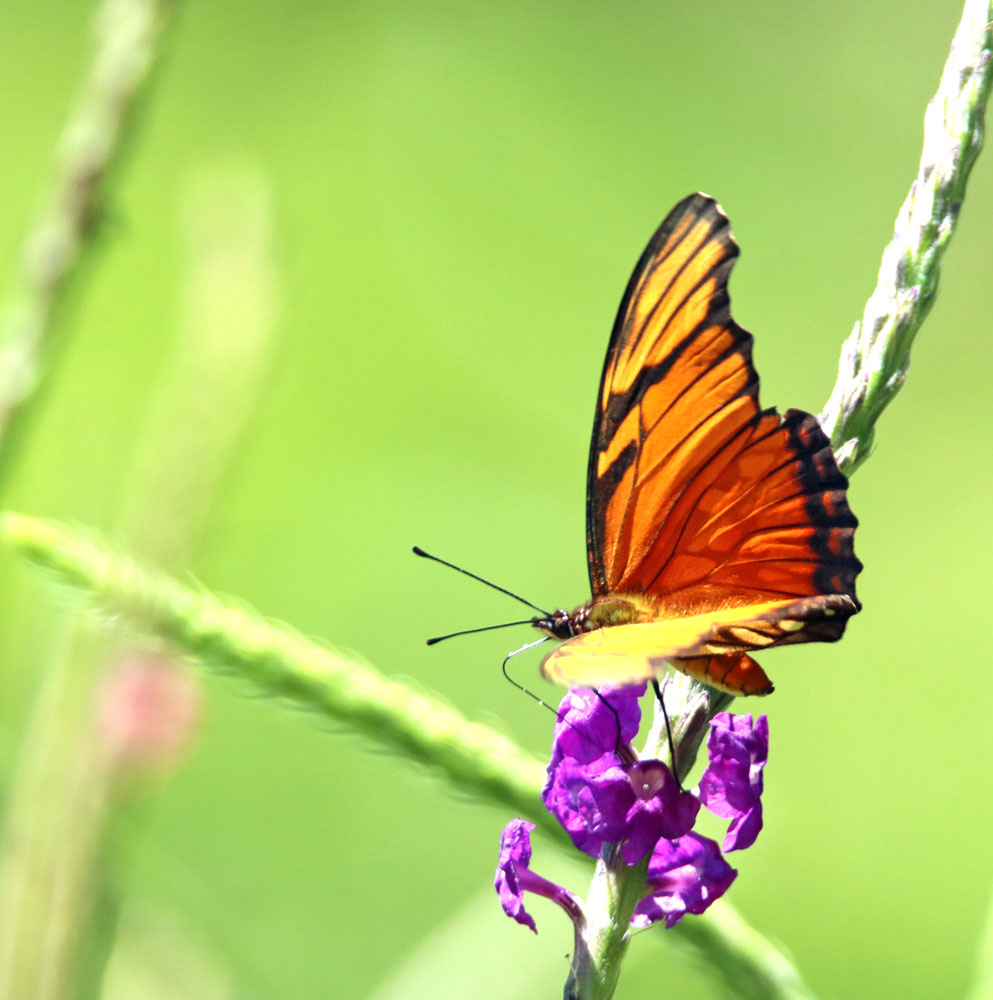
Earlier this month I was seeing a lot of different butterflies but it has turned windy again and not many can handle that. This is one of my favorites . . . Juno Silverspot (my gallery link).
¡Pura Vida!
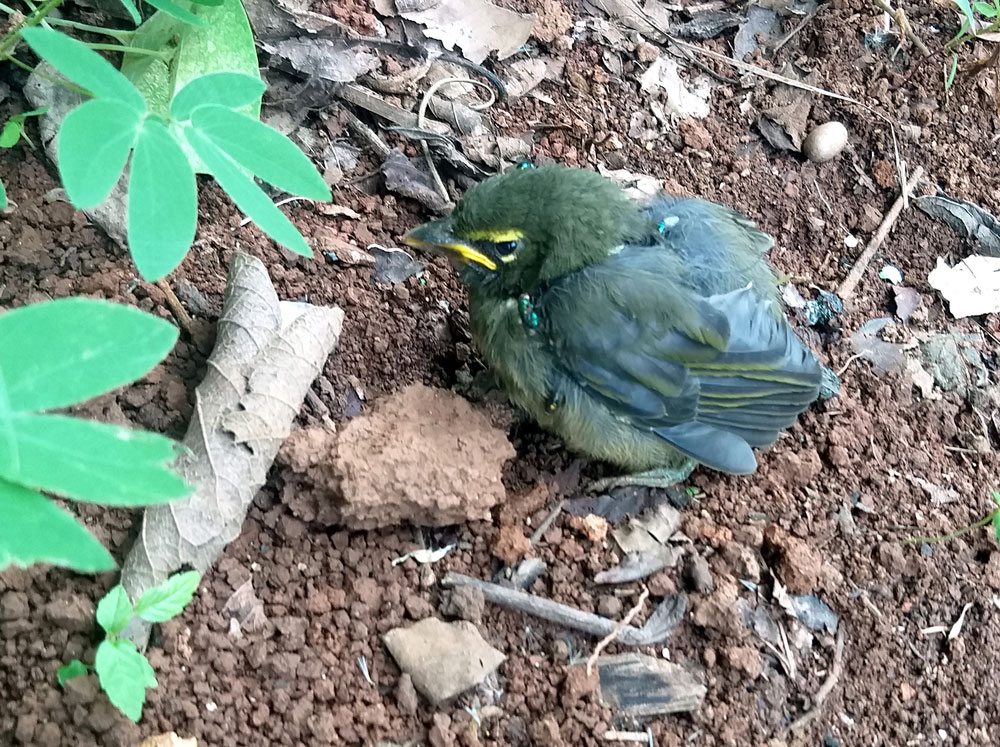
And that is a “Most Likely” identification from iNaturalist and eBird with a definite from Google Lens. 🙂 I photographed it outside the gate of Roca Verde in Barrio Boquerón and we do have a lot of adult Yellow-faced Grassquits here, especially around the cow pasture, so it is a pretty safe ID. 🙂 See photos of adults in my gallery Yellow-faced Grassquit (linked).
¡Pura Vida!
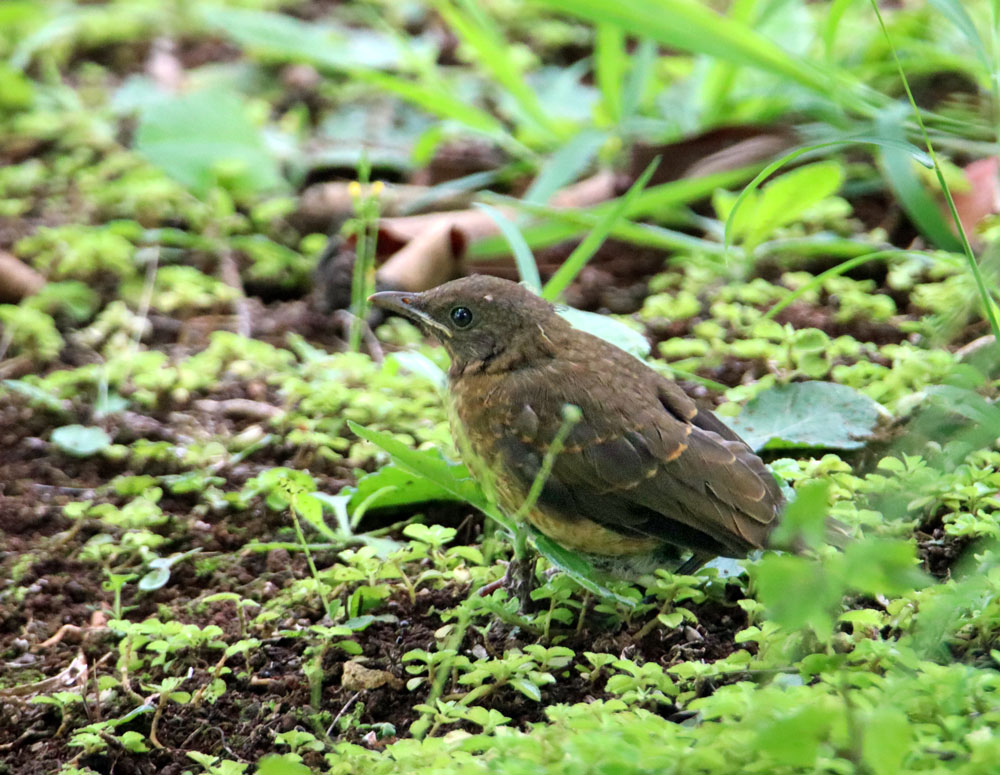
“A Lifer” means “first time seen species” and this is my first new bird in quite a while! (# 189 in my CR bird gallery) 🙂 He was on the ground in my garden (or front yard) and I first thought it was a young Yigüirro – Clay-colored Thrush (and it is possible that he actually is), but it is instead the iNat AI says it is a juvenile or immature Pale-vented Thrush, and I’m going with that. As they get older they lose those two rows of little orange spots and the belly turns whitish. In Costa Rica they are seen only in the low foothills of the Central Valley (like where I live), so not your every day bird all over Costa Rica! 🙂 And I got only one useable photo the first sighting (read on for the better 2nd sighting) . . .
Then, the next day, I saw this same juvenile in a tree waiting for Mom to come feed him as you can see that she did in these two shots the day after the above photo . . .
Continue reading “Pale-vented Thrush – A Lifer!”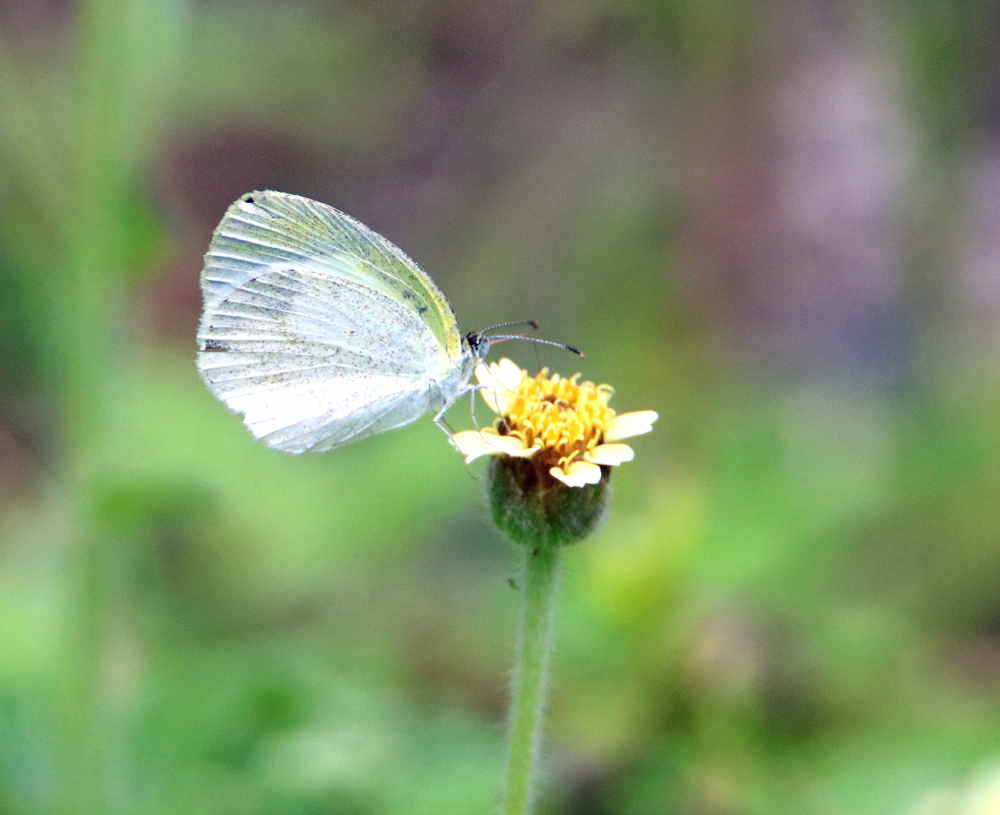
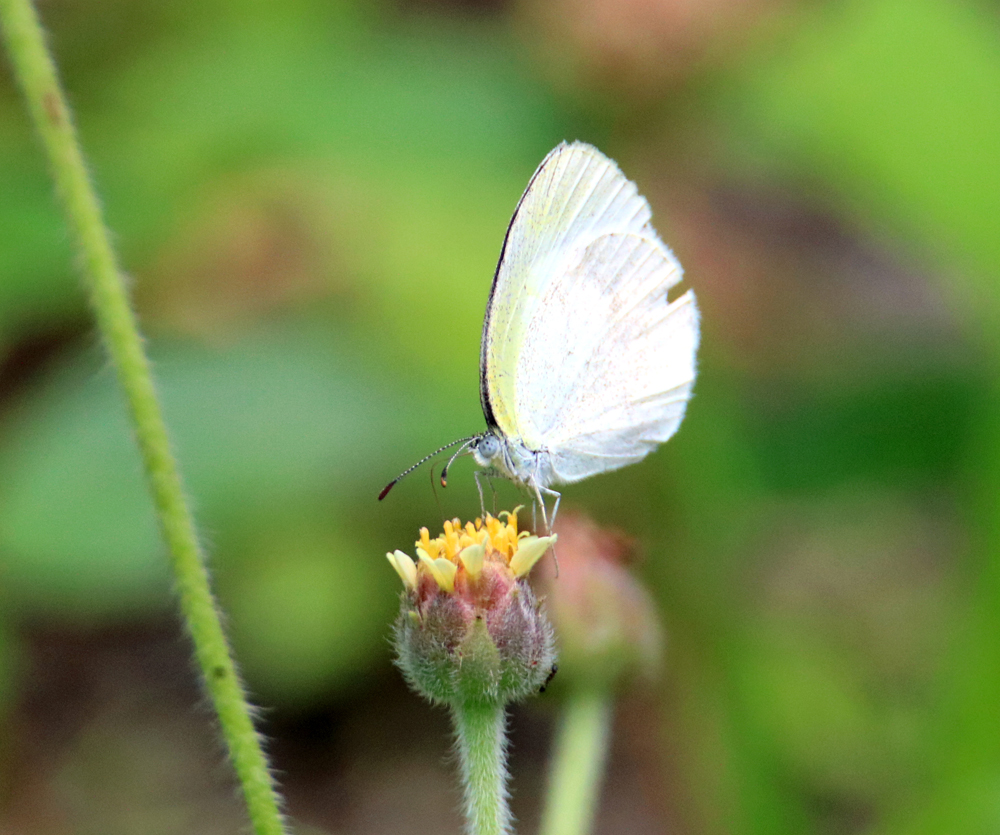
June has become the usual big butterfly month in my gardens and here is another nice one, the Barred Yellow (my gallery link) . . .
¡Pura Vida!
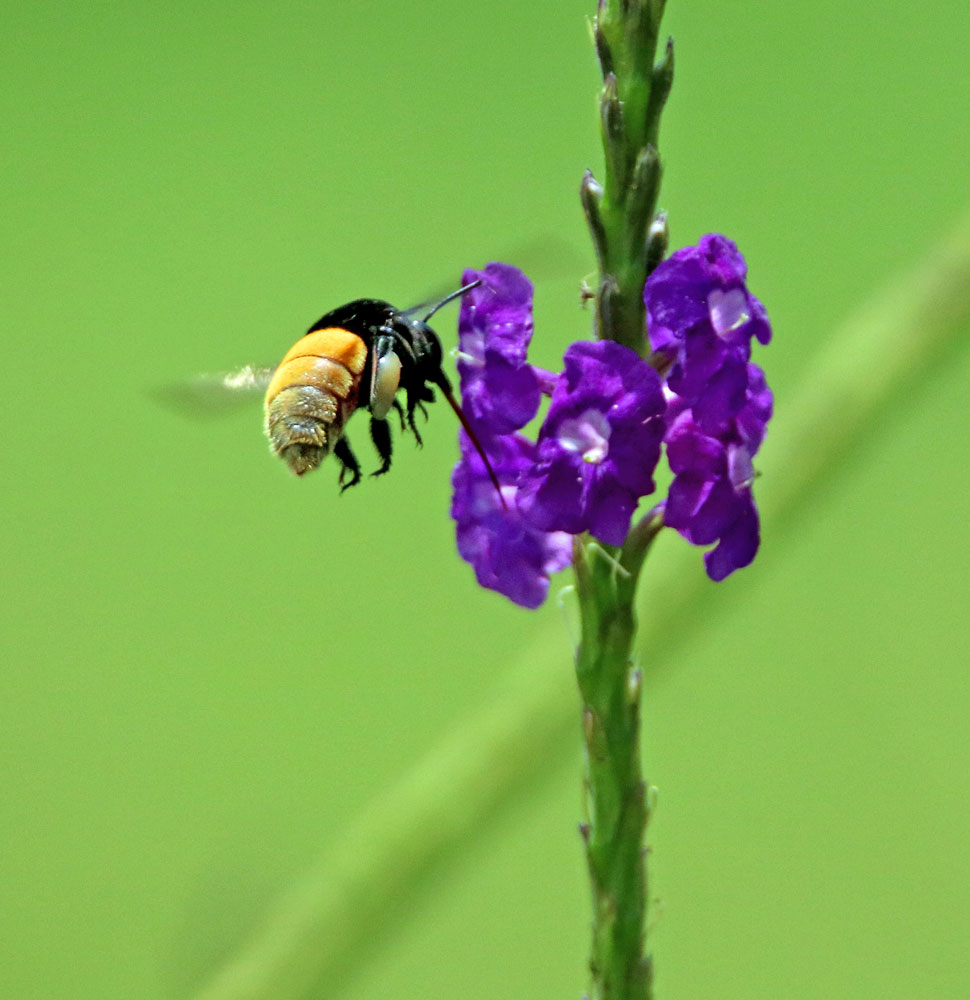
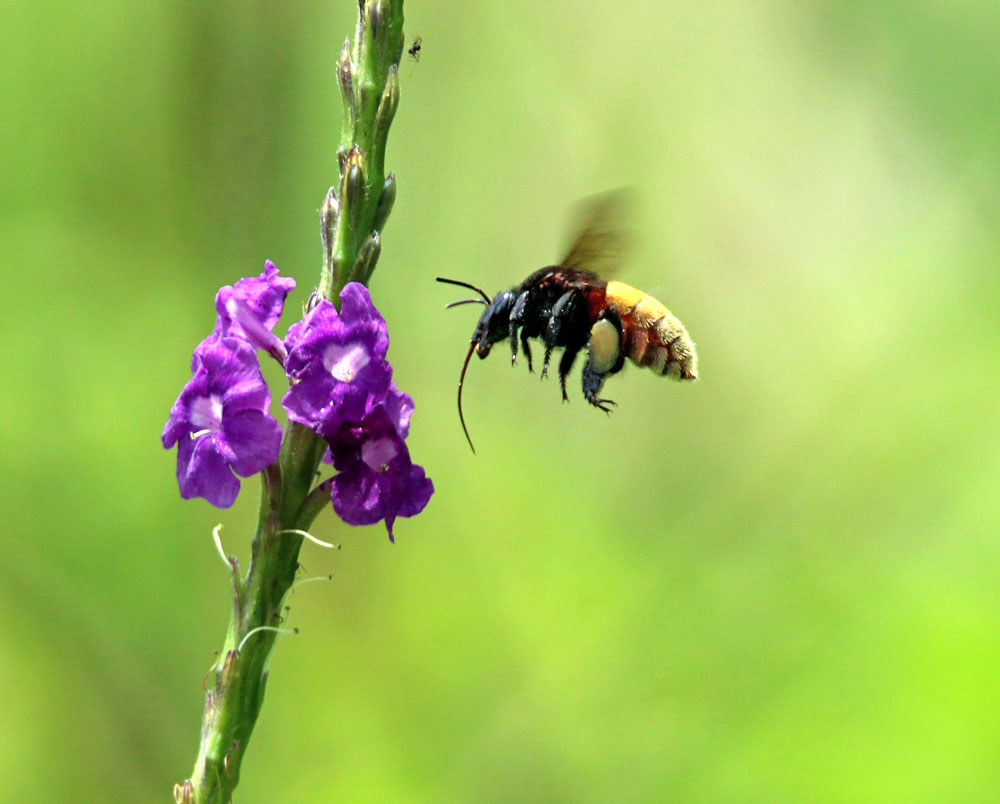
One of the most common bees in my garden is this particular Orchid Bee. There are several kinds of Orchid Bees. All of my Bee photos are in one gallery called Bees — Abejas.
Here are two shots of one in my garden recently as they join the Hummingbirds and Butterflies in spreading nectar around . . .
¡Pura Vida!
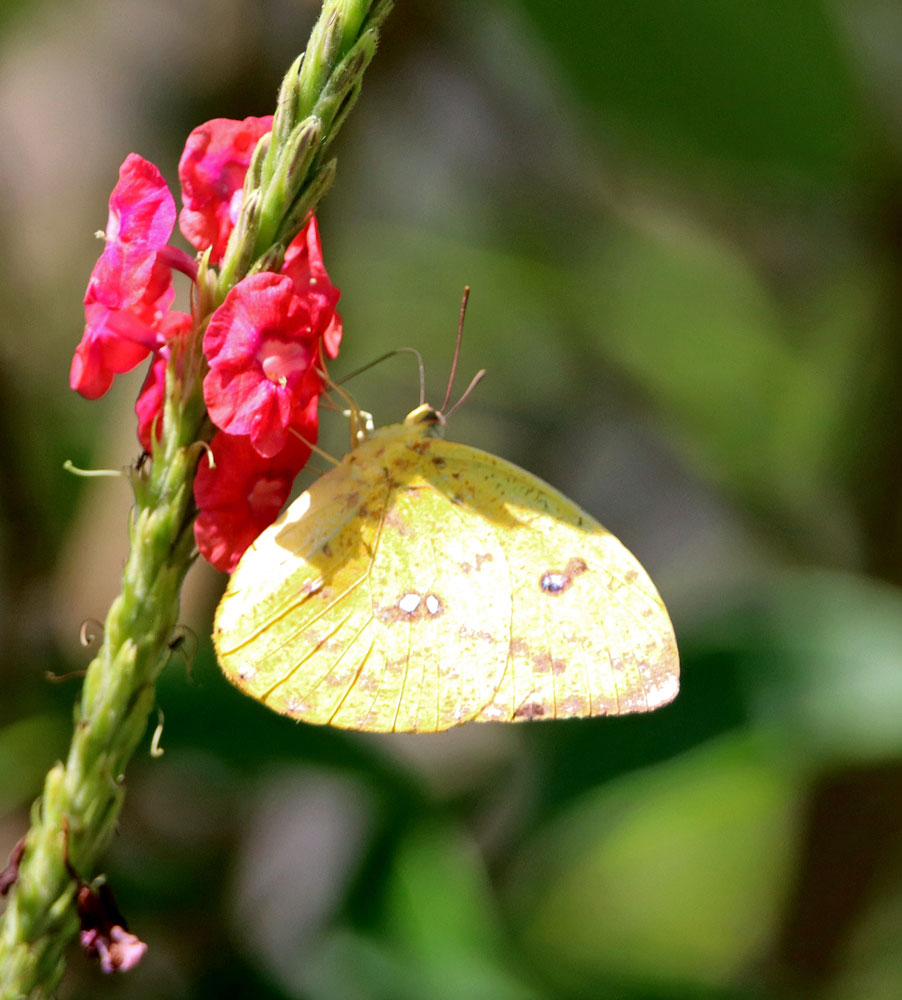
I’m the #1 observer of this species in Costa Rica’s iNaturalist and earlier I had it lumped with the North American Cloudless Sulphur, but someone decided that we are a different subspecies down here and added the “South American” identifier to the common name in both English & Spanish. Today I had 51 photos in my South American Cloudless Sulphur Gallery. (linked) Phoebis sennae.
¡Pura Vida!
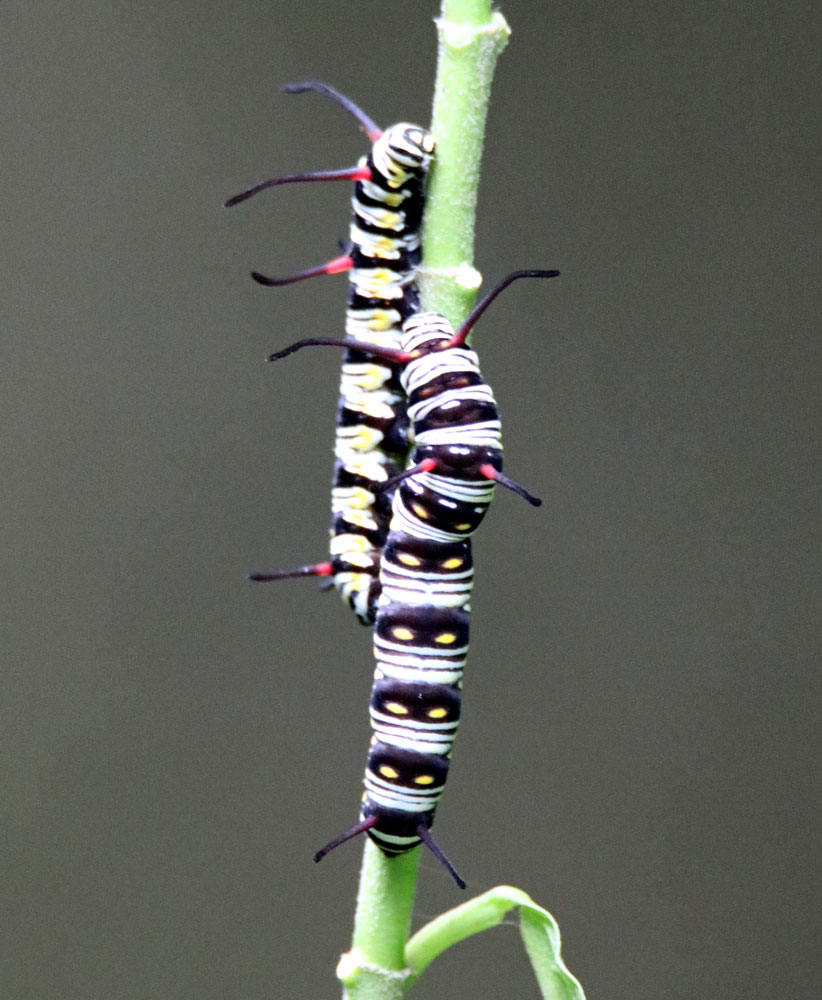
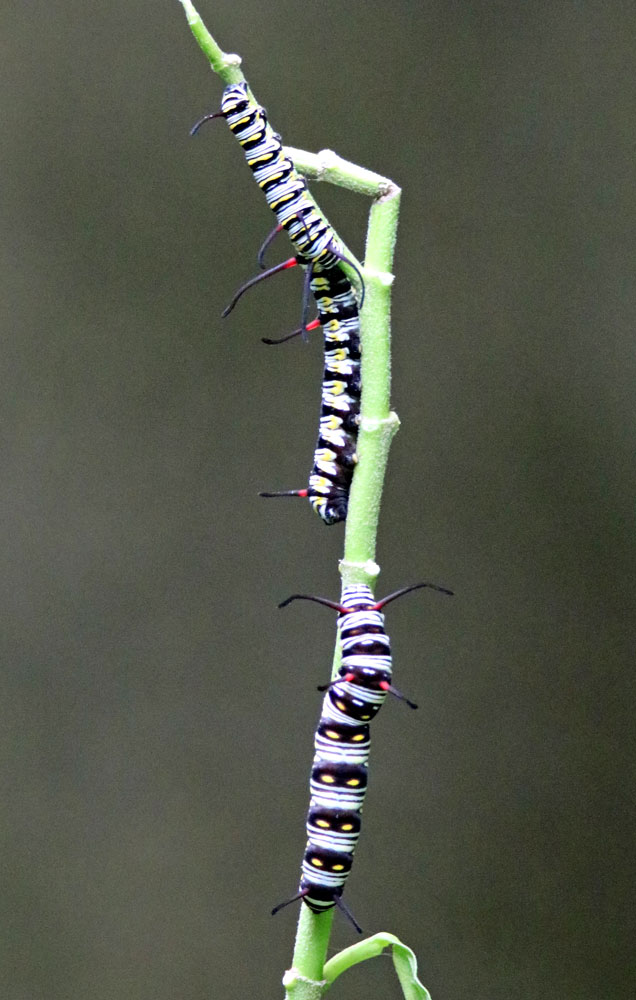
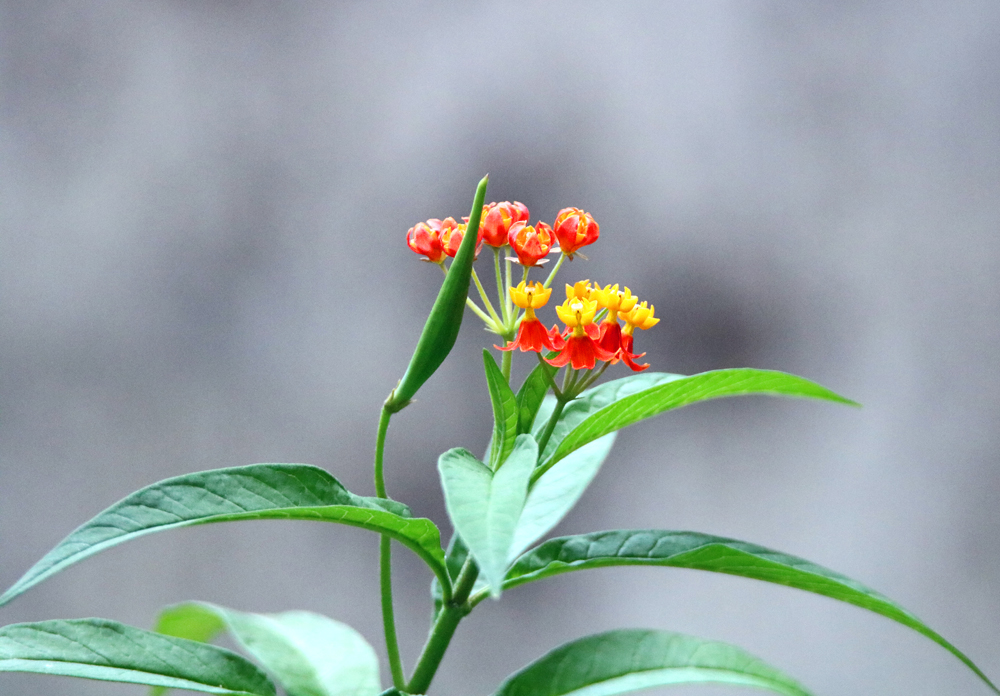
When I first planted the Tropical Milkweed I was hoping they would attract the Monarch Butterfly which is not as common here as in the States, but none yet. Then the other day I found 3 caterpillars on one of the Milkweed plants and with the iNaturalist AI have identified them as caterpillars of the Queen – Danaus gilippus butterfly (Linked to my gallery) which is related to the Monarch. Maybe in the near future I will have some fresh Queens birthed in my garden! 🙂 So far, the only two Queens I’ve seen have been elsewhere.
I’m hoping that their eating all the leaves off my best Milkweed plant will not kill it! 🙂 They were first planted between two tall flowers and thus only get sunshine midday which is really not enough sun for milkweed. I just a few days ago planted 3 more Milkweeds in a different part of the garden where they get both morning and midday sun, so hopefully they will do better! I’m on the side of a hill with lots of trees, so plants like this that need lots of sunshine will always struggle on my little lot.
¡Pura Vida!
I have not focused on caterpillars, but do have a little gallery with what caterpillars I’ve photographed in Costa Rica at CATERPILLARS (linked) with most in the “Unidentified” folder for a total of 15 species, assuming no overlap or duplication.