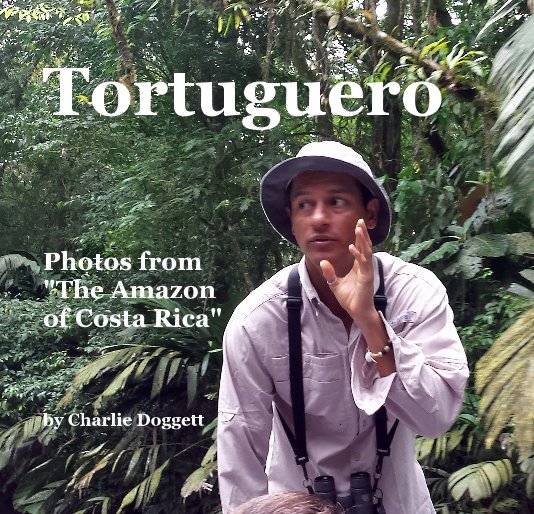
It is finished and is the best summary of my most recent trip which you can thumb through electronically for free in my bookstore or click the cover image below:

It is finished and is the best summary of my most recent trip which you can thumb through electronically for free in my bookstore or click the cover image below:

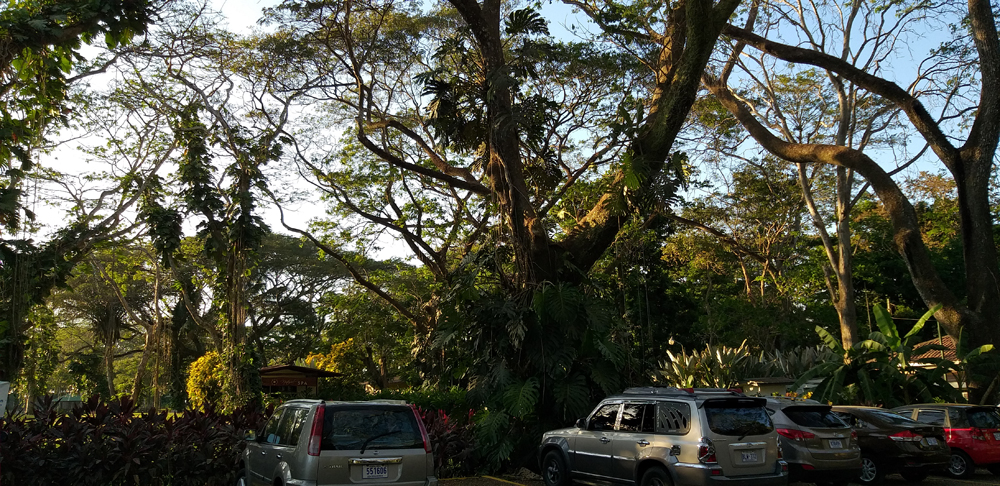
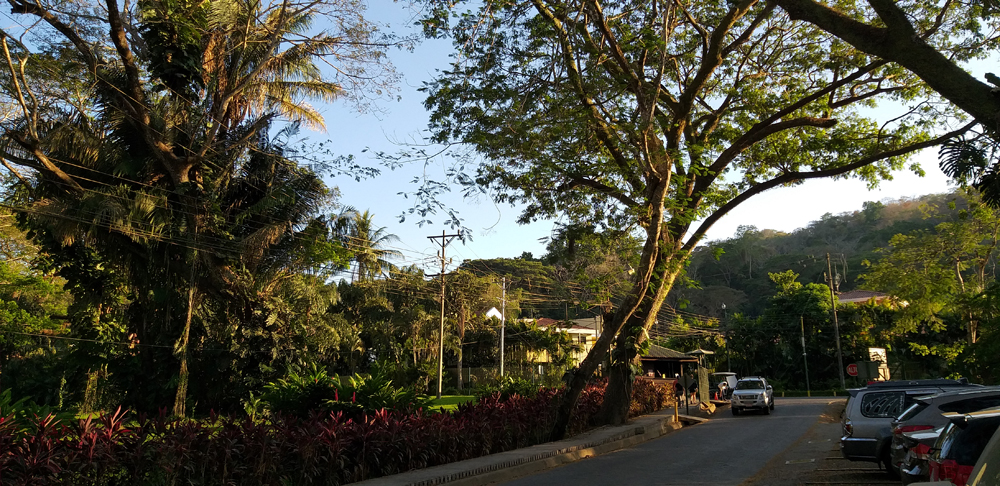
This was last night’s hike at Si Como No Greentique Wildlife Refuge and as with all night hikes, photography was difficult and our conscientious guide would not let us shine lights on sleeping birds or a couple of other animals. I would loved to have gotten a photo of the sleeping Kingfisher and the sleeping Gray-necked Wood Rail. We saw but could not photo a sloth and a Kinkajou (too high in tree & moving). None of these pix are particularly good, but they give an idea of what you see on night hikes all over Costa Rica. Though I think my Red-eyed Tree Frog, Glass Frog, & Bullfrog are pretty good. There were also a lot of insects, especially spiders & scorpions of which I got no useable photos.
“I often think that the night is more alive
and more richly colored than the day.”
~Vincent Van Gogh
¡Pura Vida!
See this TRIP GALLERY 2018 December Si Como No.
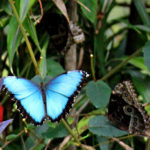
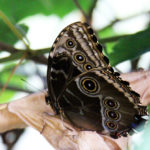
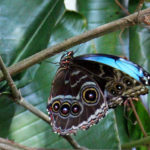
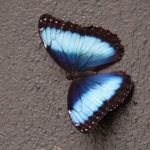
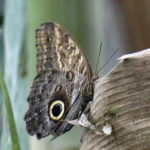
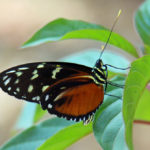
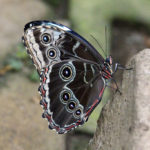
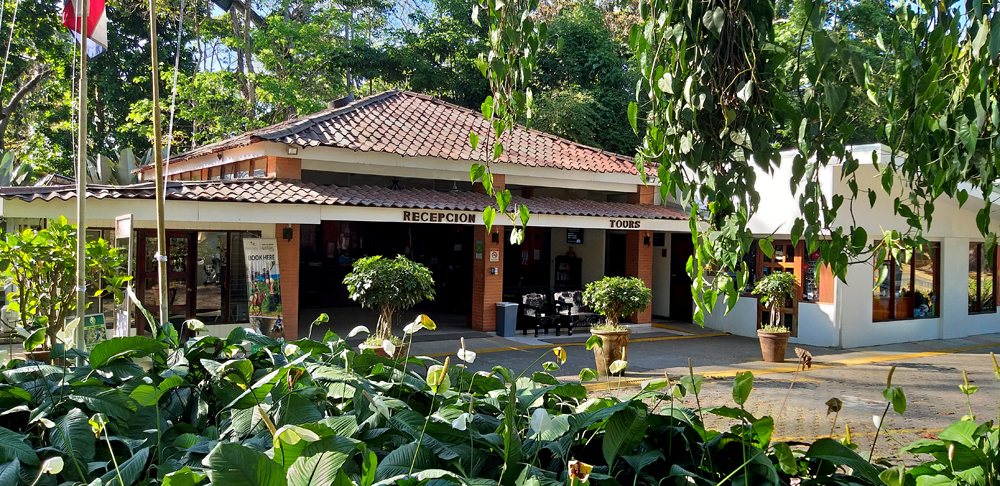
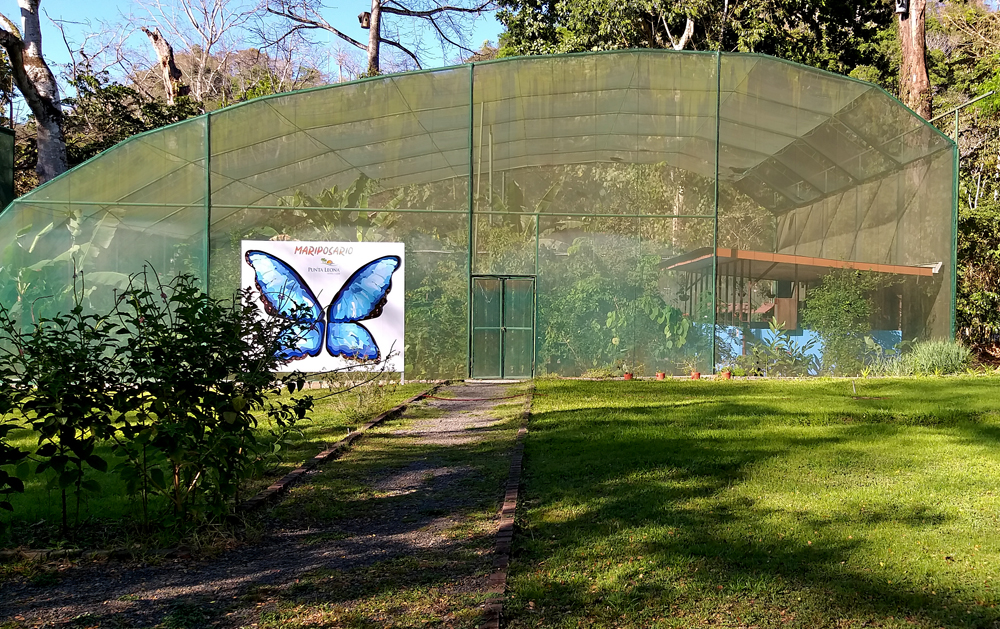
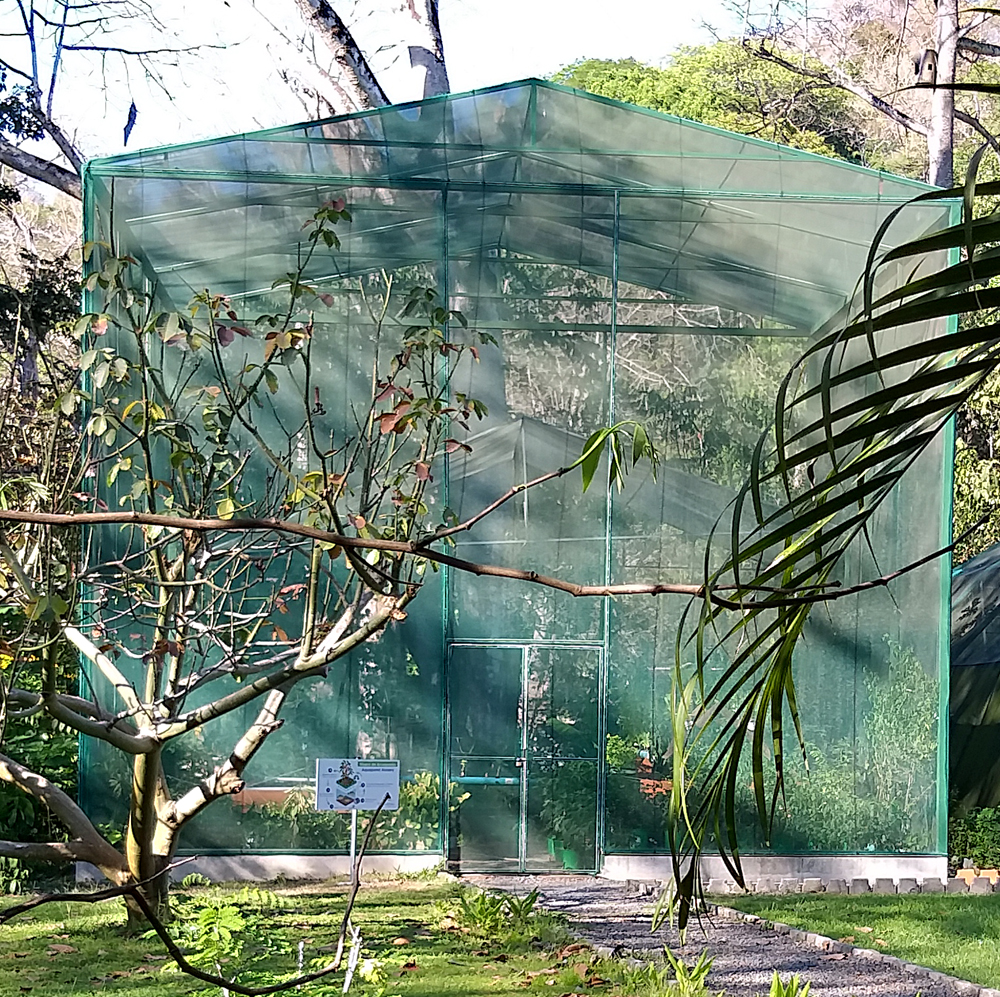
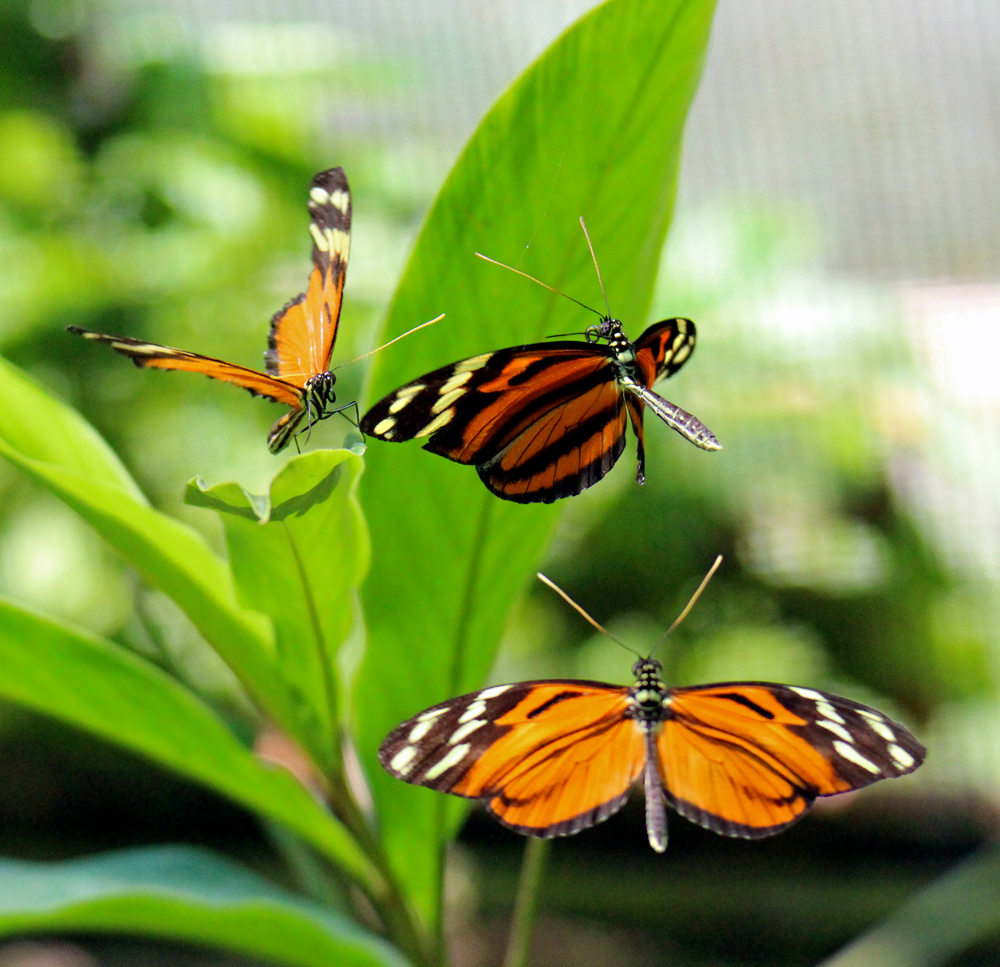
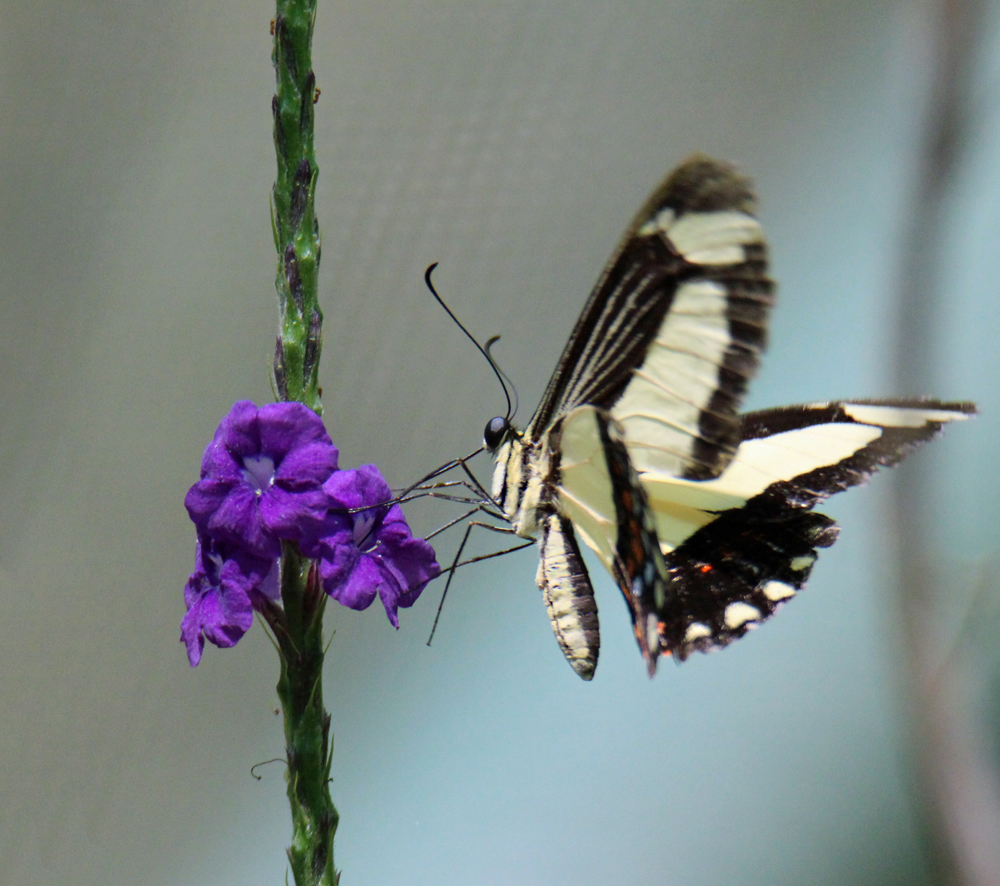
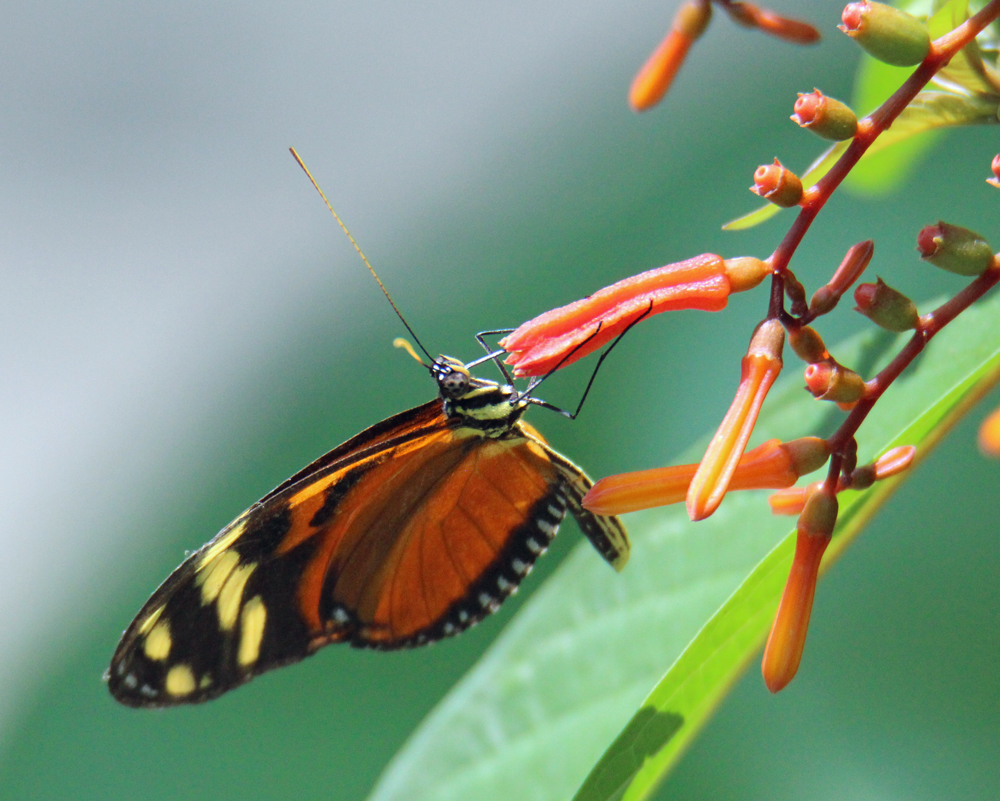
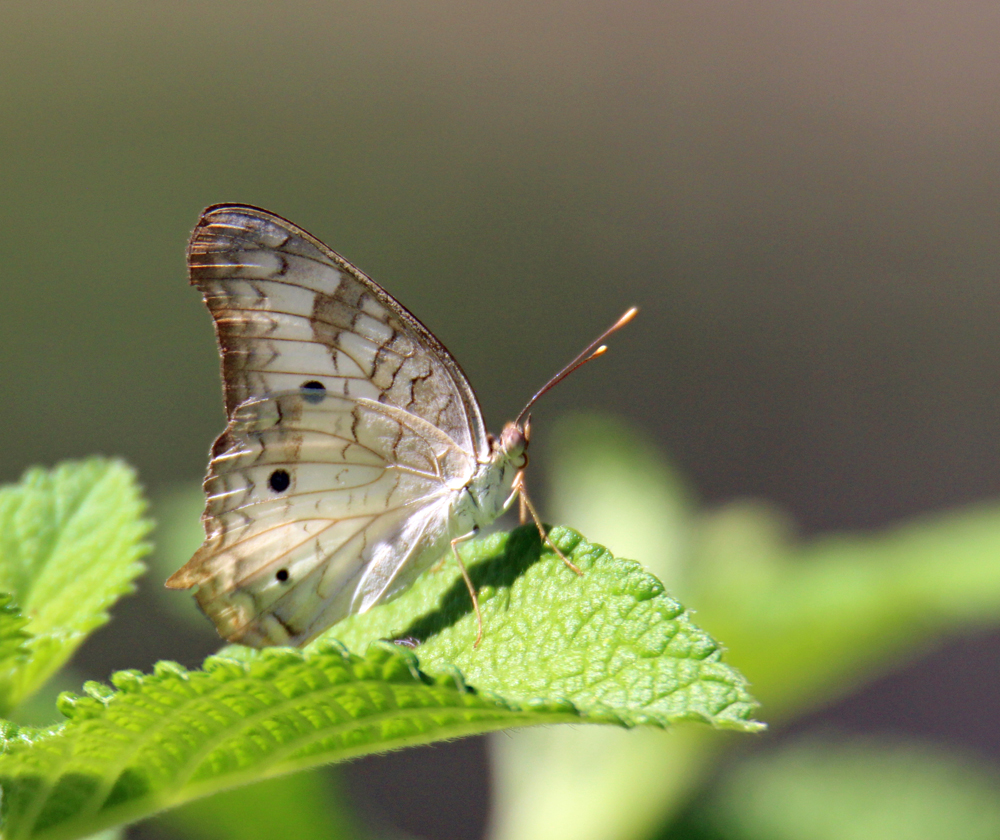
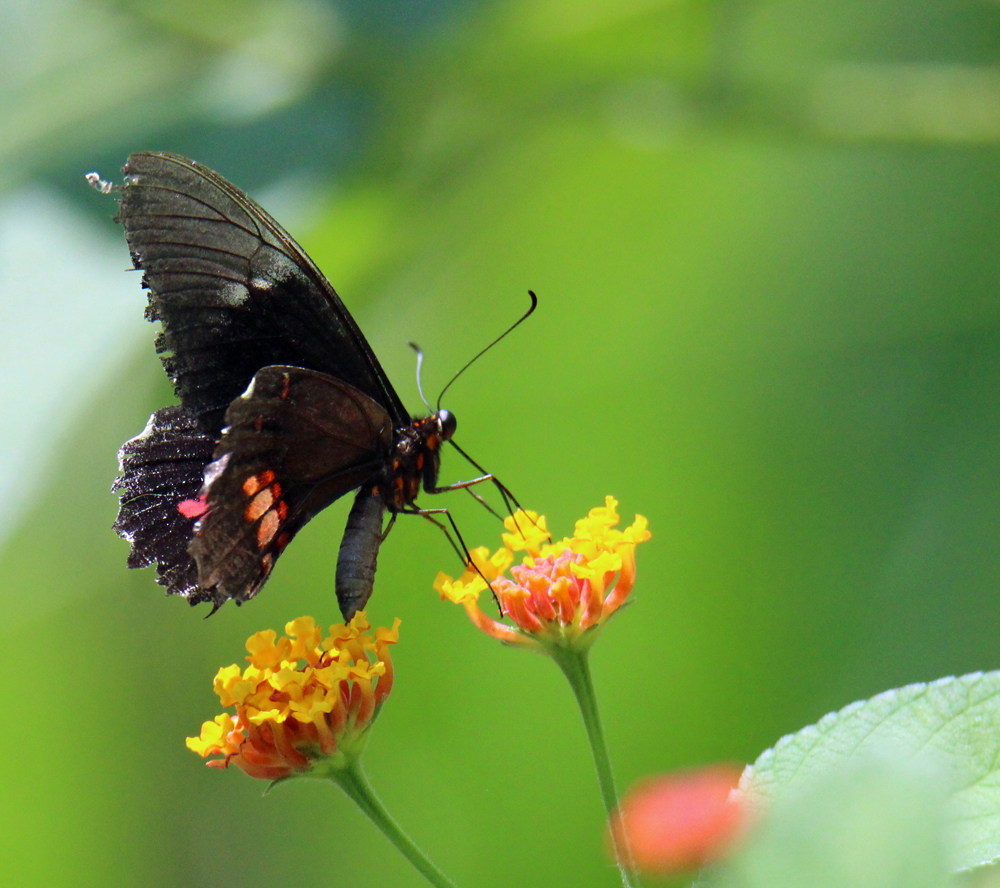
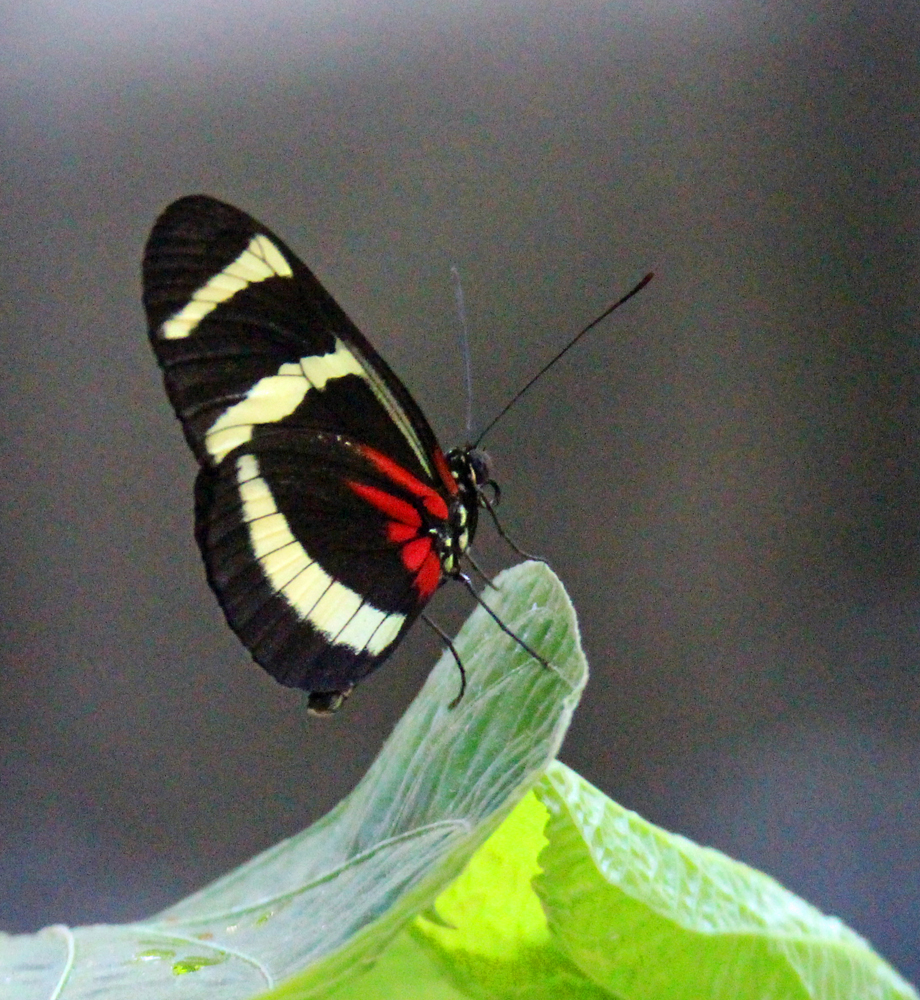
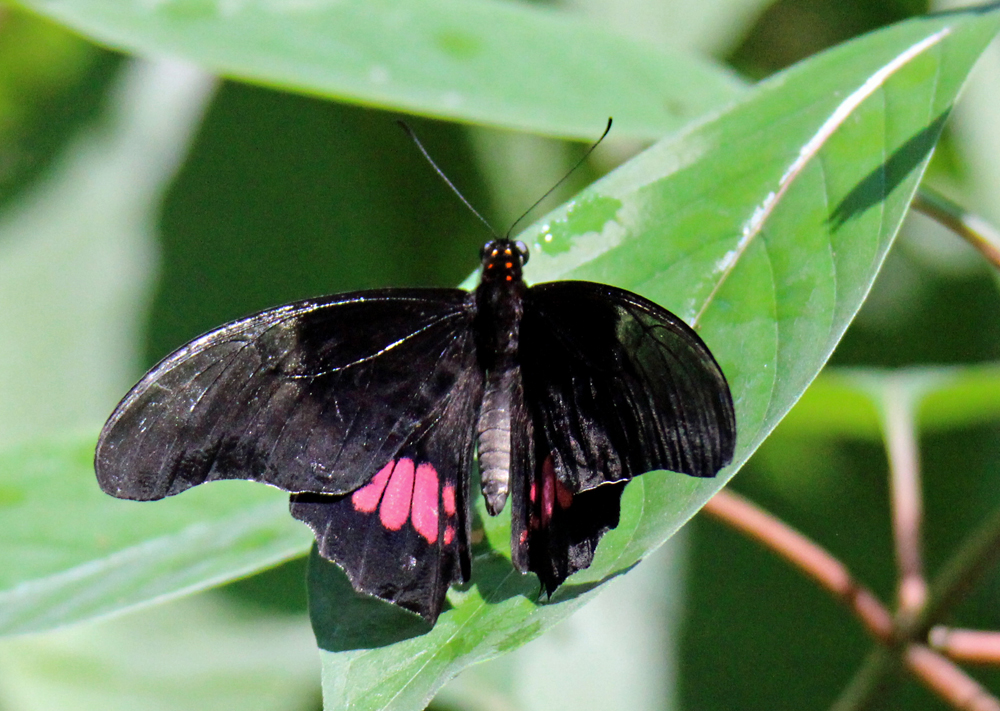
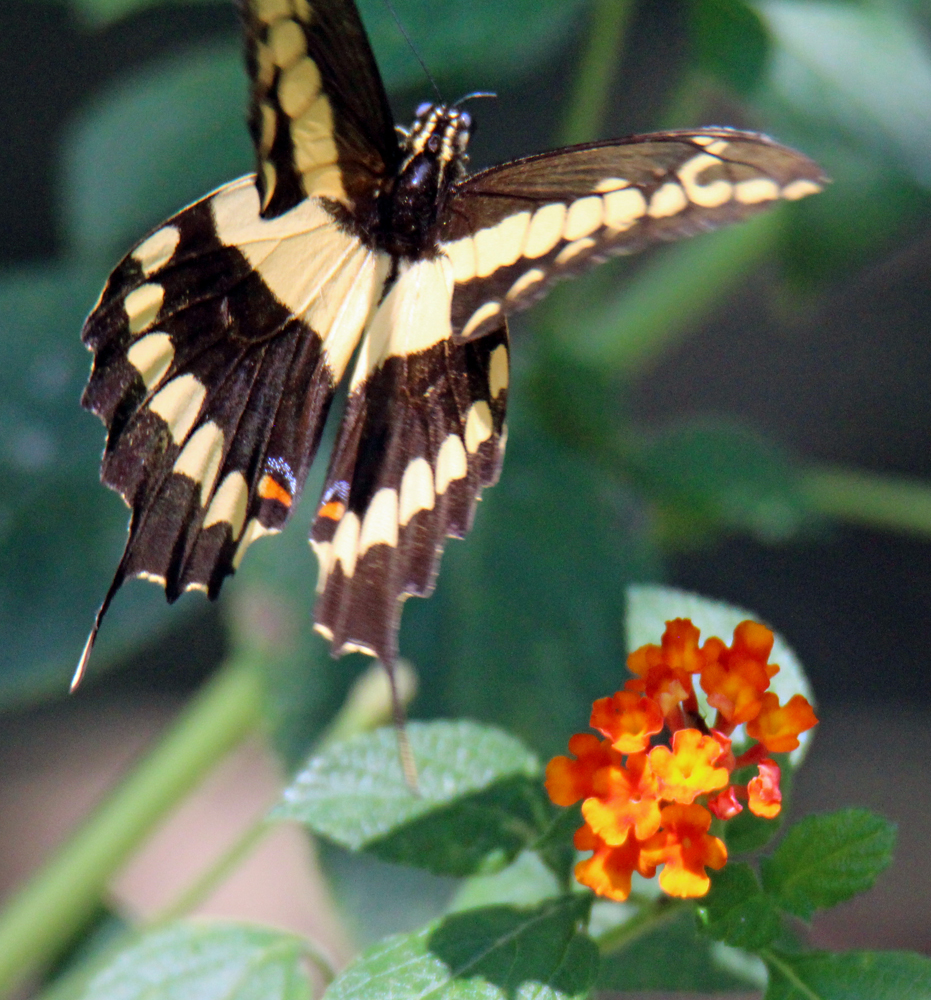
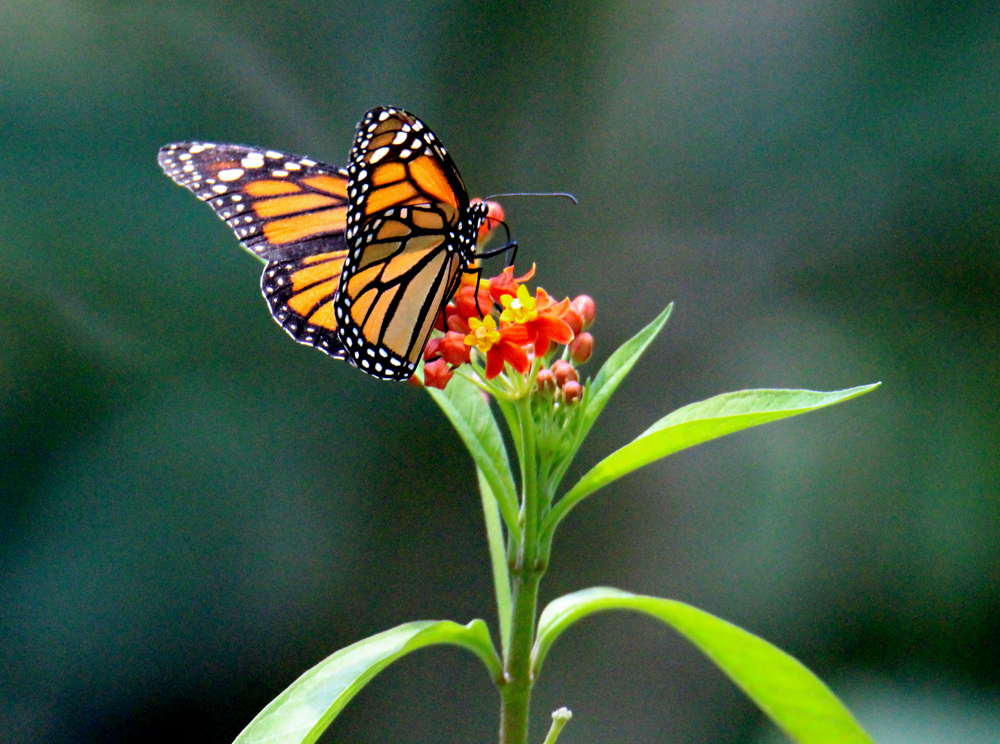
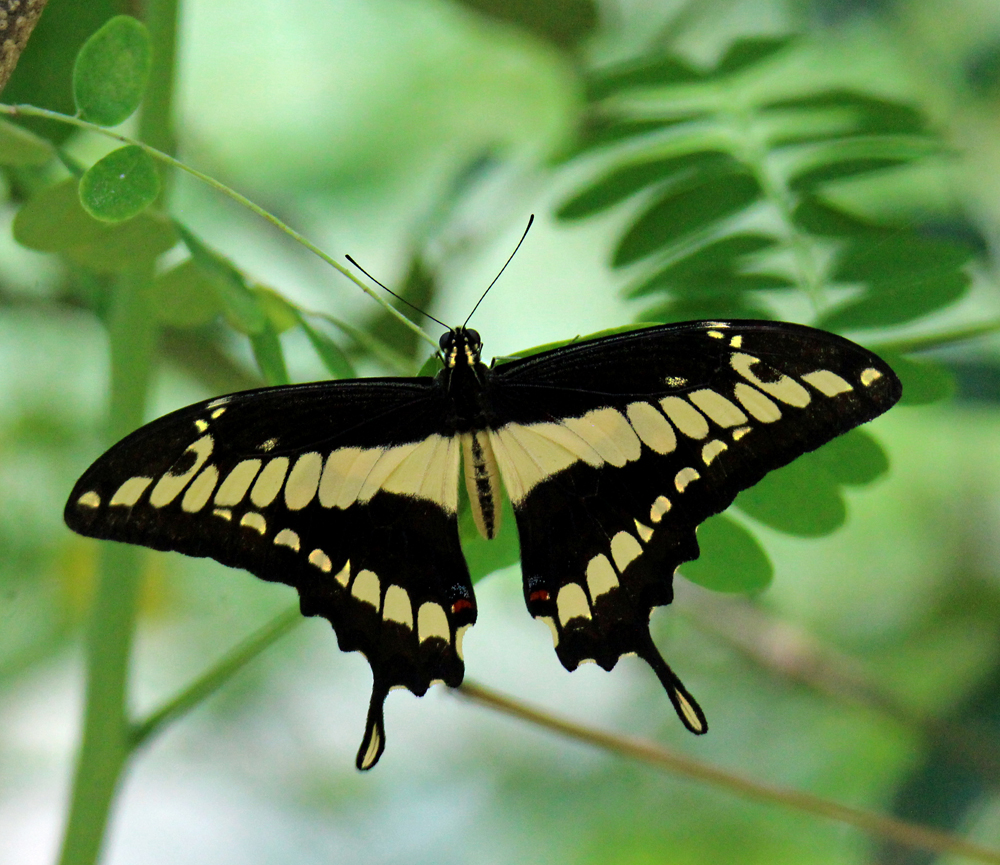
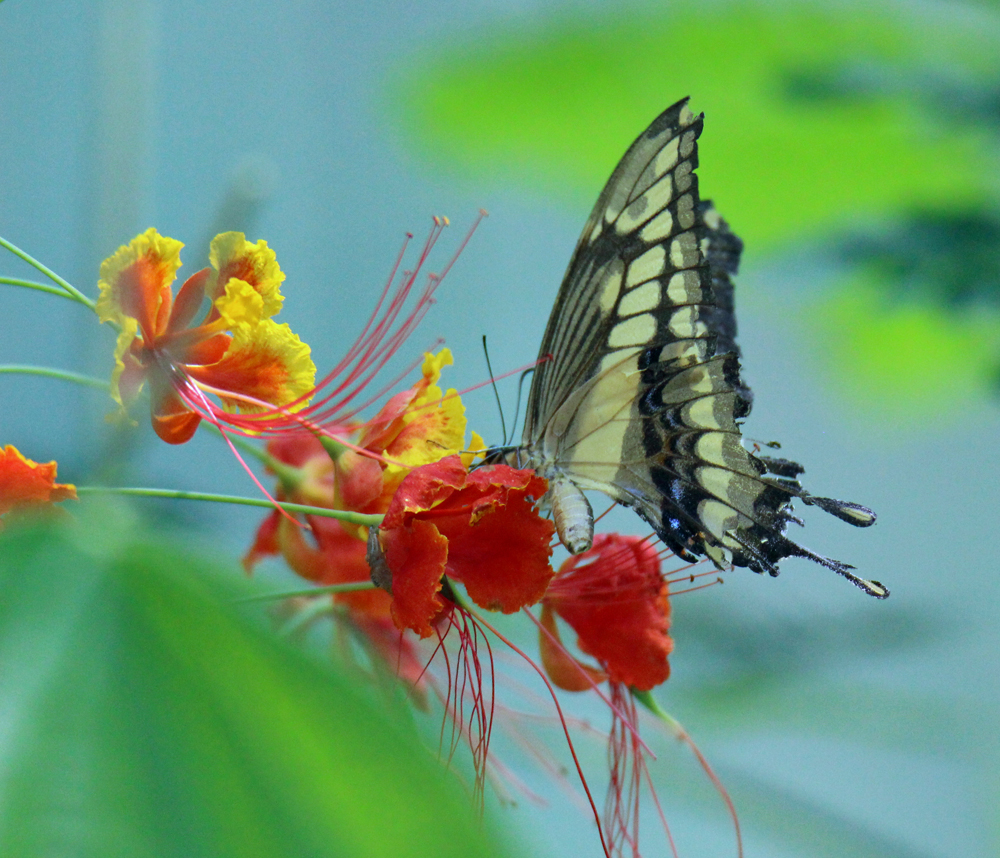
On the hotel property’s “Wildlife Refuge” or nature trail is a “Butterfly Garden” like you find all over Costa Rica, a big, high ceiling cage with lots of flowering plants and continuously hatching butterflies. Here’s some of the ones I saw there today in a simple little slideshow. I do not have my butterfly book with me, meaning I could have mis-labeled one or two and there is one I have no idea of the name and there was no attendant to help me label them. Most I already knew from all I have photographed all over Costa Rica. Enjoy what Robert Frost calls “Flying Flowers!”
“Well, I must endure the presence of a few caterpillars if I wish to become acquainted with the butterflies.”
― Antoine de Saint-Exupéry, The Little Prince
See all my butterflies in my Costa Rica Butterfly Gallery
See this TRIP GALLERY 2018 December Si Como No.
Last year after Christmas I took the potted Poinsettia I had had inside and planted it in my garden. When I recently asked my gardeners to “thin out” my garden, well . . . they really thinned it out including the removal of my poinsettia which was not doing well anyway.
So today I looked for another poinsettia in town and found only one little plant store that had any and they were expensive, but I got two anyway. They add to the “Christmas Spirit” around my house and I already had in mind putting them immediately in my garden, which I did. Well, the rain seems to have stopped (we might get 1 or 2 more) and the wind has started blowing (think March in the states). The petals or really leaves on the poinsettia are be thrashed by the wind and already look weathered.
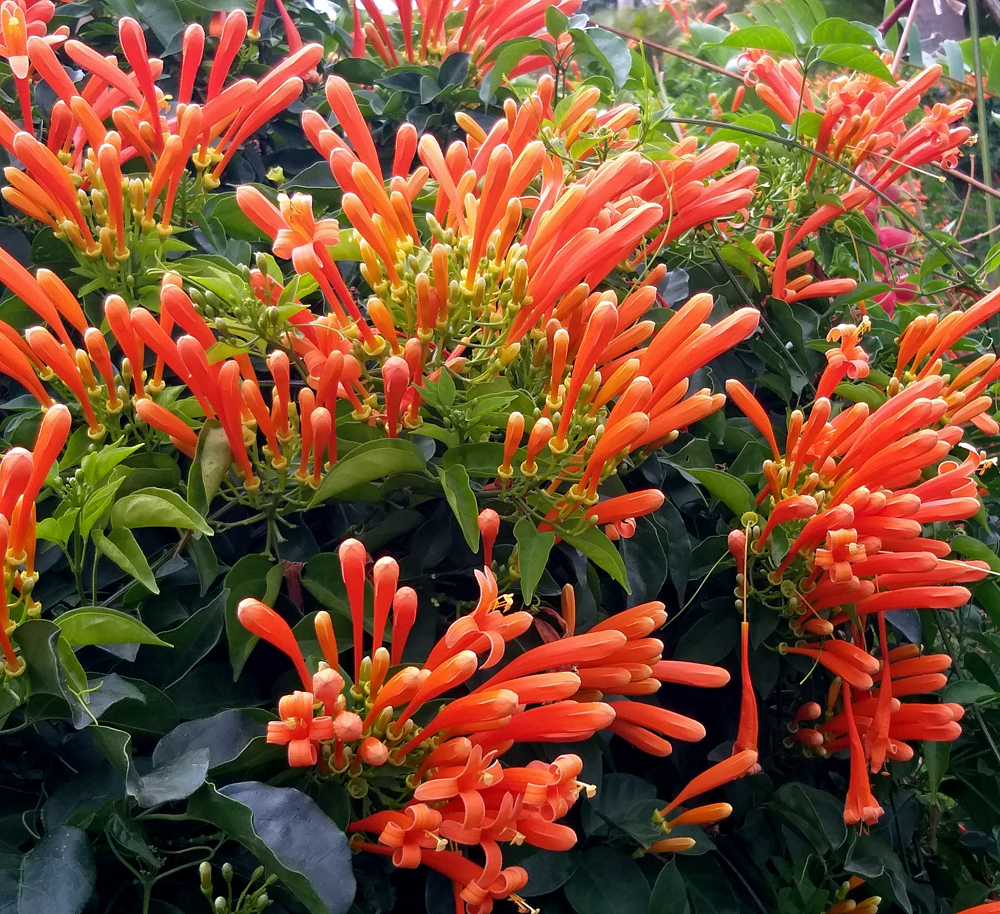
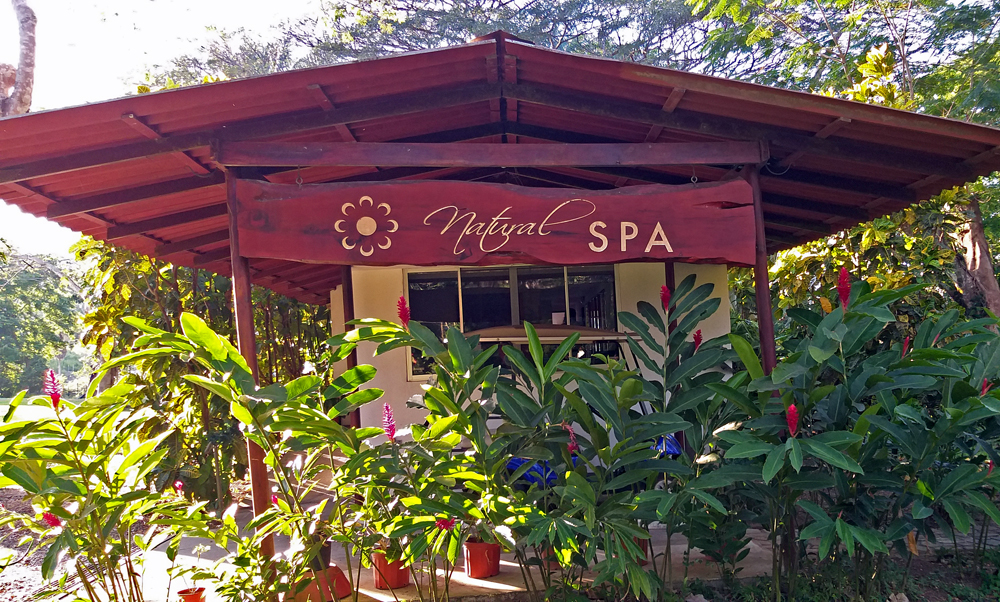
Oh well, I meant well and in my thinned out garden there is not much color now, so they have been added to my two other now-blooming red flowers: Red Ginger and Torch Ginger or in Costa Rica El bastón de emperador. So maybe all this red in my gardens is my Christmas color for this year! 🙂
See the Photo Gallery of My Home Gardens for more of my flowers and they’re not all red! 🙂
“What is the colour of Christmas? Red?
The red of the toyshops on a dark winter’s afternoon,
Of Father Christmas and the robin’s breast?
Or green?
Green of holly and spruce and mistletoe in the house,
dark shadow of summer in leafless winter?
One might plainly add a romance of white,
fields of frost and snow;
thus white, green, red- reducing the event to the level of a Chianti bottle.
But many will say that the significant colour is gold,
gold of fire and treasure, of light in the winter dark; and this gets closer,
For the true colour of Christmas is Black.
Black of winter, black of night, black of frost and of the east wind,
black of dangerous shadows beyond the firelight.― William Sansom
¡Feliz Navidad!
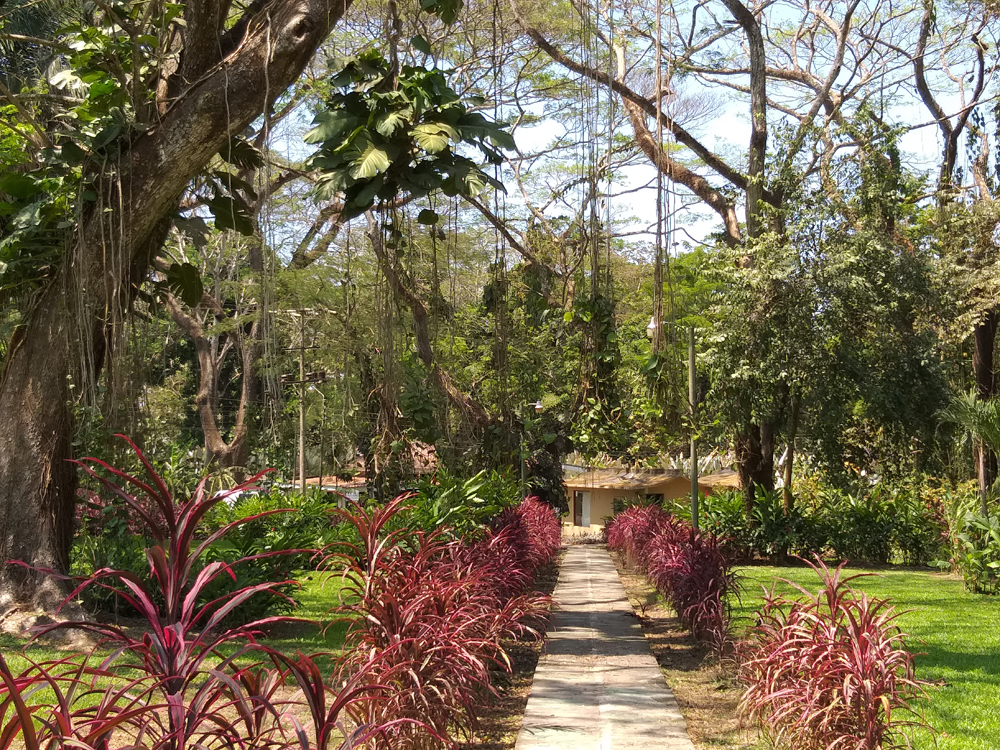
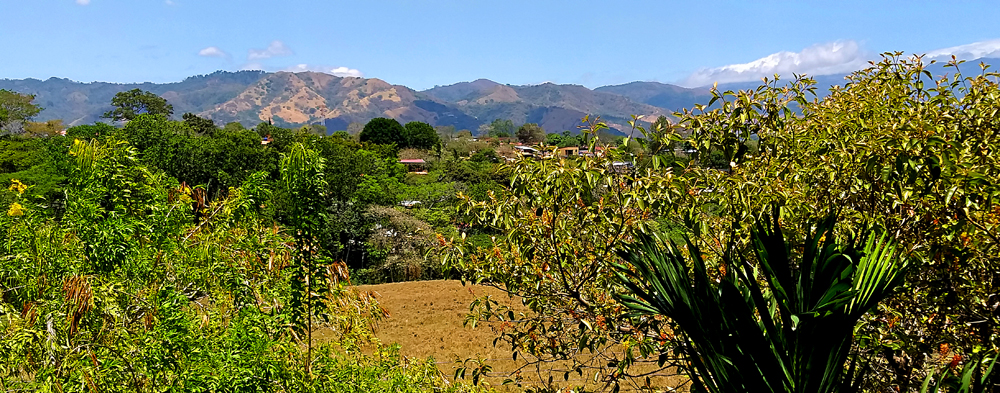
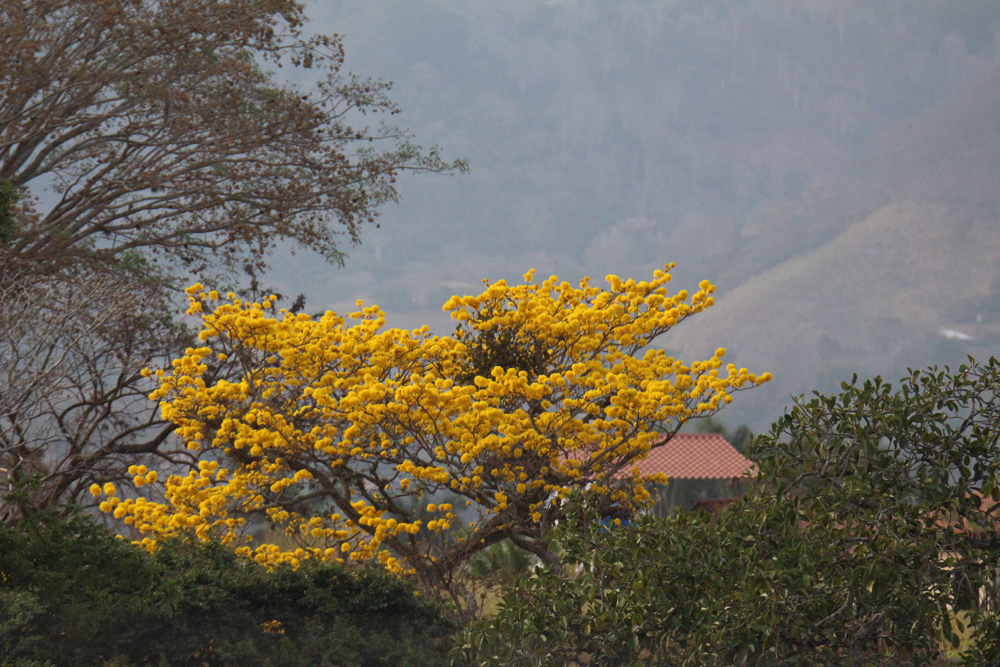
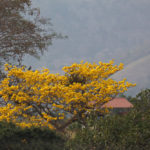
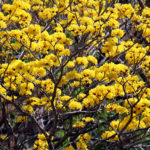
Yes, it’s “Spring” here (la primavera) and almost the beginning of “Summer” (el verano) or Dry Season which starts in December. There are some trees and flowers that bloom this time of year while other bloom at the end of dry season and I can’t explain why because I don’t know. 🙂
I call these my “Yellow Bell Trees” because the flowers are bell-shaped, but that is not the name of them and I can’t seem to get an agreement here on what their English name is. I recently lost two of these trees, so less yellow this year in my garden, but it calls for a Haiku anyway:
¡Pura Vida!
http://www.blurb.com/b/9093011-costa-rica-haiku
I have been playing around with writing Haiku about Costa Rica Nature for nearly 3 years now and this is my little collection of poems, each printed on one of my photos. I’m not a poet, but it was fun to do and I may continue trying from time to time. I write the American 2-3-2 syllables style of Haiku but like the original Japanese Haiku they only describe nature.
¡Pura Vida!

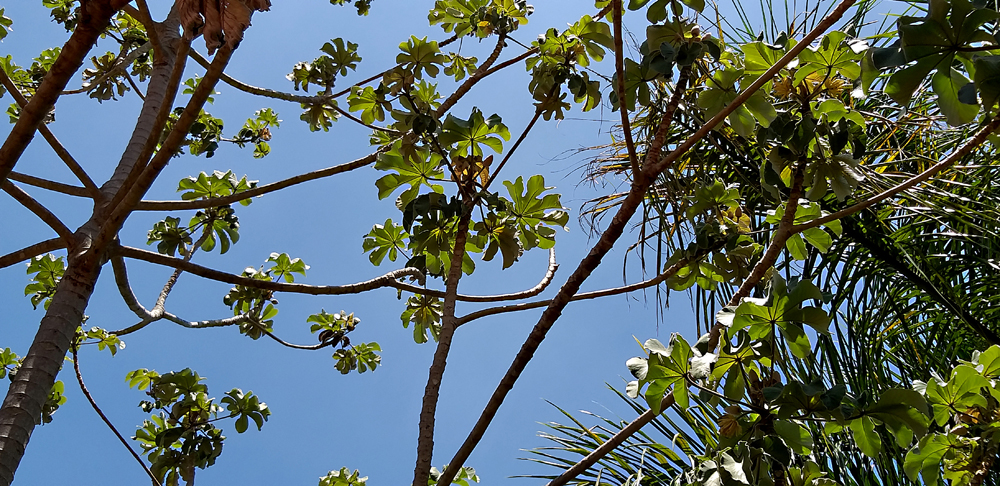
On the hill above my little casita are blooming some brilliant orange African Tulip Trees (an immigrant or invasive species?) and above those the ever-present pink-to-purple bougainvillea which I see here through the limbs of my Guarumo or Cecropia tree. Having “colorful neighbors” can be a plus! And colorful flowers add to my happiness! 🙂
Just living is not enough…
one must have sunshine, freedom, and a little flower.
~Hans Christian Andersen
Flowers help boost happiness and I was just introduced to a new website that you might want to check out: Garden & Happy for a little boost in your happiness, try gardening! 🙂
¡Pura Vida!

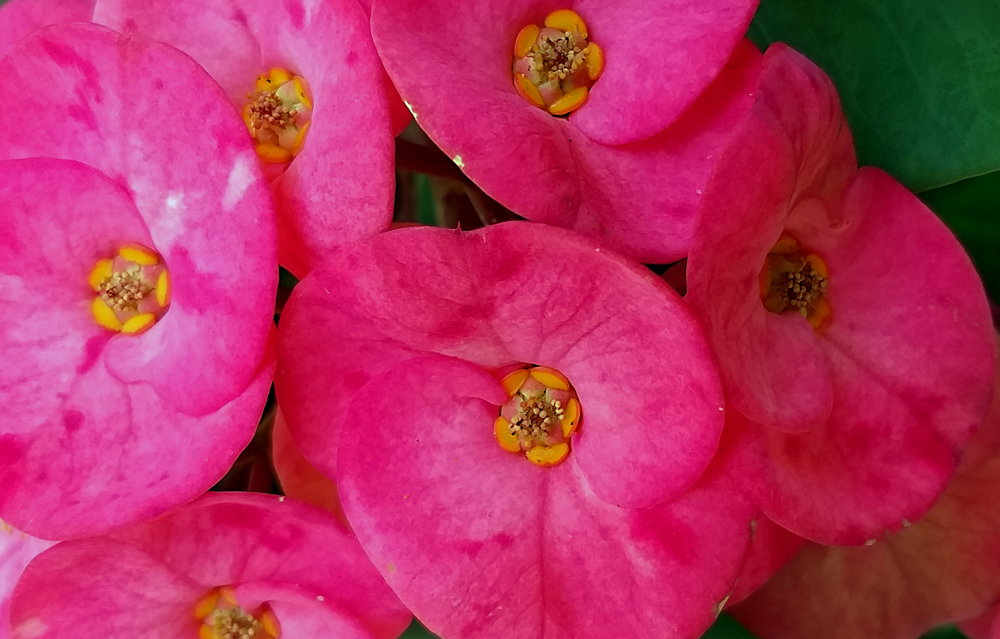
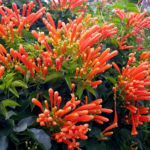
Or in English it is most often called “Torch Ginger” and is one of many plants and trees growing on the steep hill that is my “Front Yard” or what is seen from the street.
This shot I took with my good camera earlier on the same plant and the ones below I took today with my new cheaper cell phone camera that’s not as good as my old cell phone camera and/or the colors and looks change on these flowers. 🙂
Just living is not enough… one must have sunshine, freedom, and a little flower.
~Hans Christian Andersen
Preview my latest photo book about my latest trip in Costa Rica free online. Preview is best seen in full screen mode for bigger photos. Click below:
Esquinas Rainforest Lodge – “The Wind in the Trees”
The subtitle comes from a quote of Thomas Merton:
Nothing has ever been said about God that hasn’t already been said better by the wind in the trees.
“Pitahaya” is not a Spanish word but rather a word from the indigenous people of Costa Rica and what everyone calls this unusual fruit or flower growing on a cactus plant. It is used most popularly in bebidas or fruit drinks like American Smoothies and the fruit is called “Dragon Fruit” or “Pitaya” in the states. The inside is gelatin like and pink in color with tiny black seeds and very sweet.
The photo is of one David brought to Spanish class the other day and I thought I would share another one of out unusual foods here in Costa Rica (and all over Latin America and in Asia). Read about it on Wikipedia (en español) or in English as pitaya/dragon fruit.
¡Pura Vida!