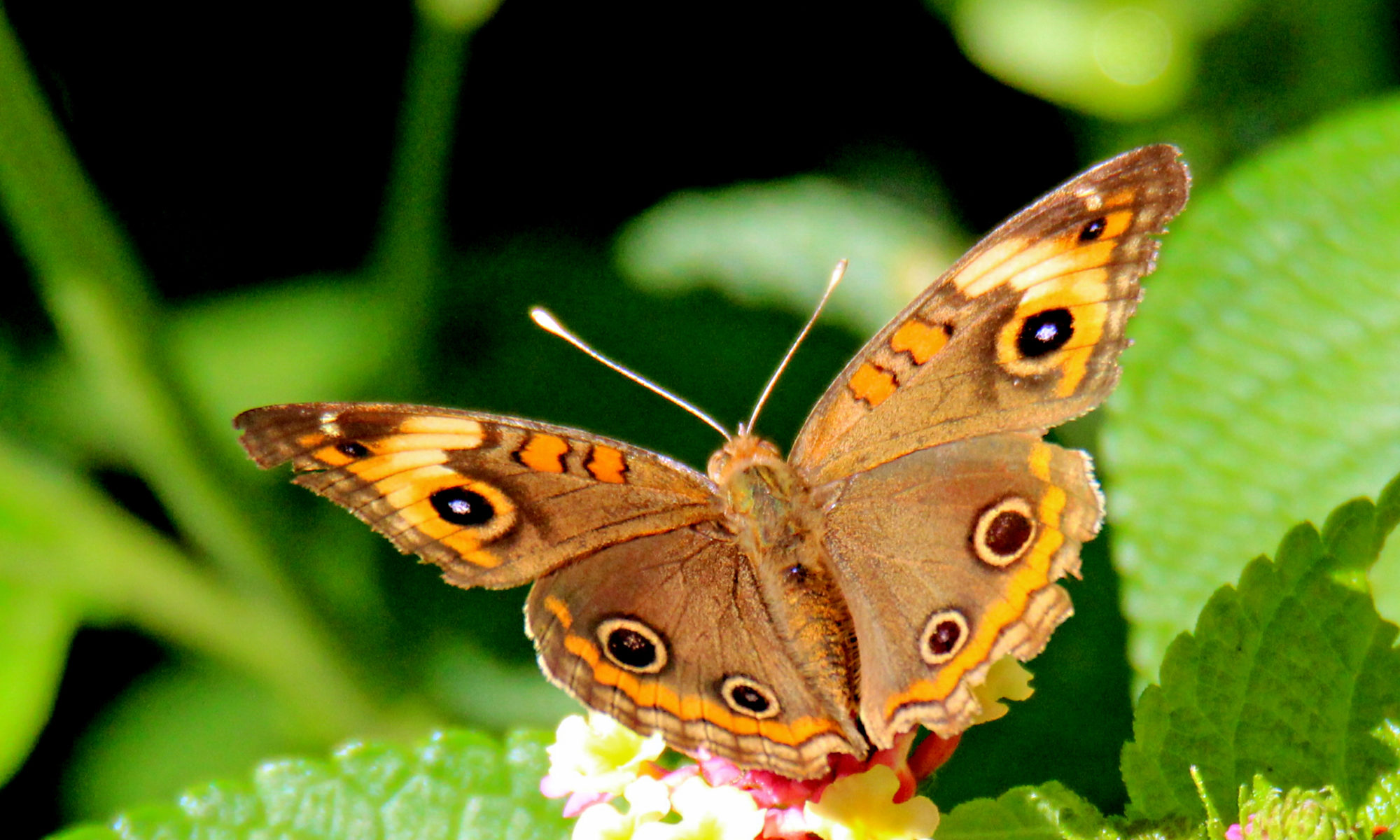
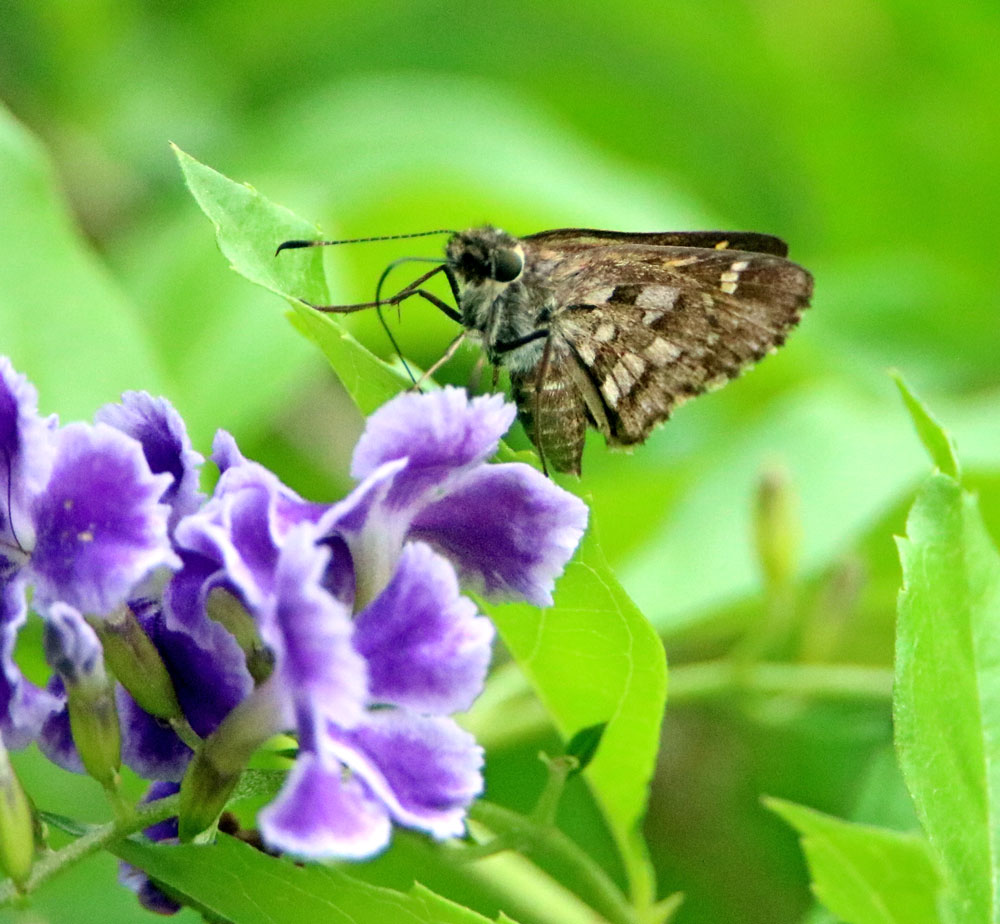
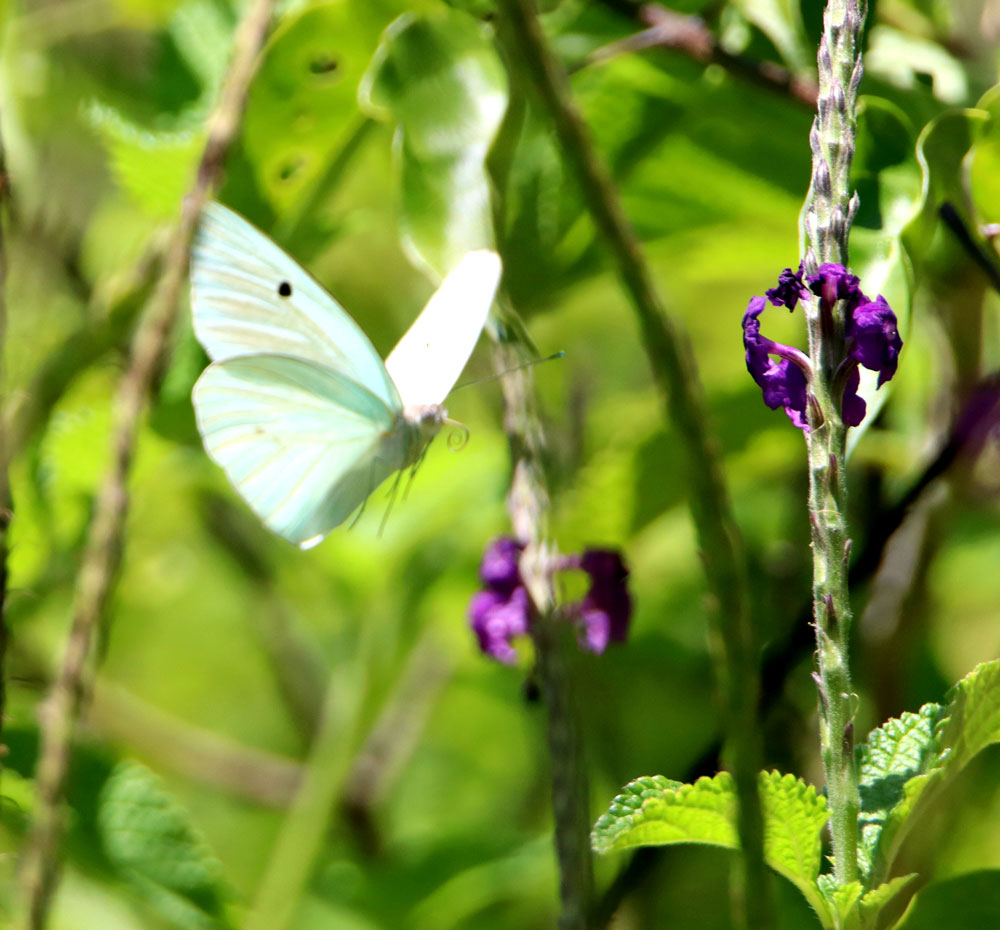
I’ve been unable to identify this butterfly I observed in my garden in June and iNaturalist helped me to put it in this Genus Cecropterus, generally referred to as “Cloudywings.” I’m hoping that after I post it on both iNaturalist and BAMONA, some butterfly specialist will identify it. It is similar to some other butterflies I’ve seen, so it is possible it will join another species I’ve earlier identified. We will see! 🙂
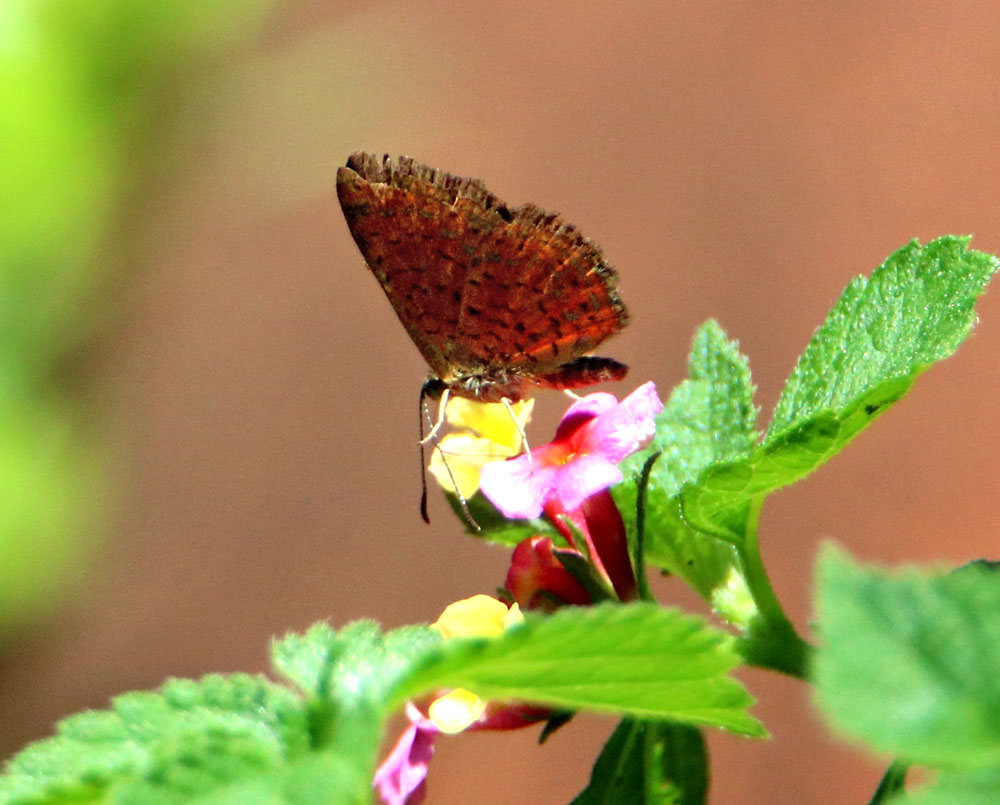
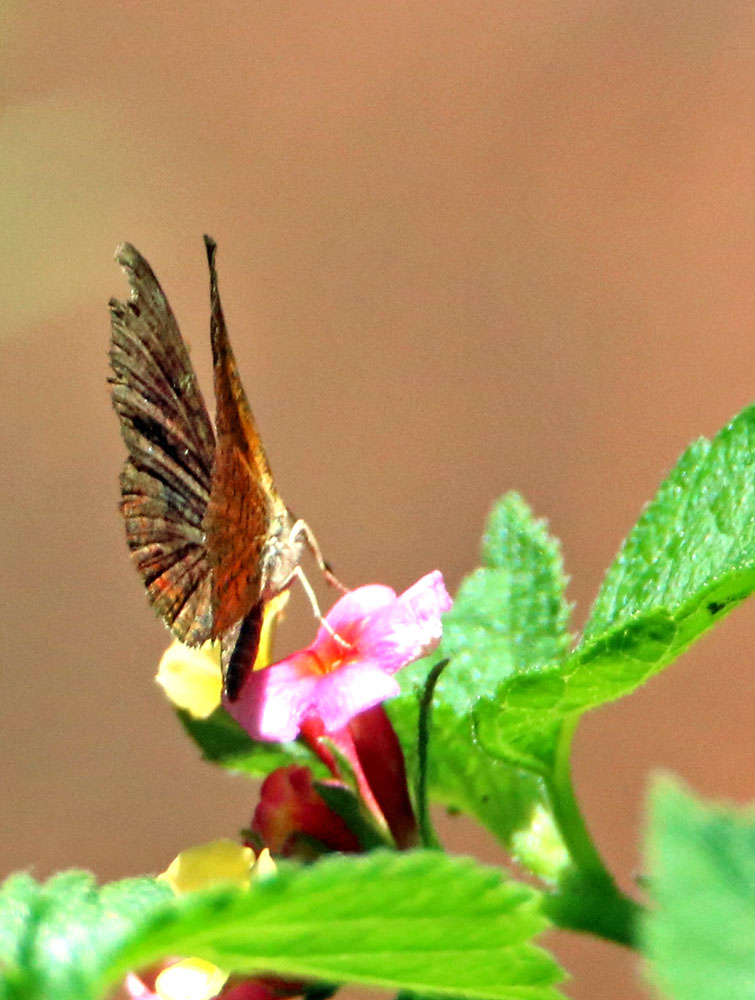
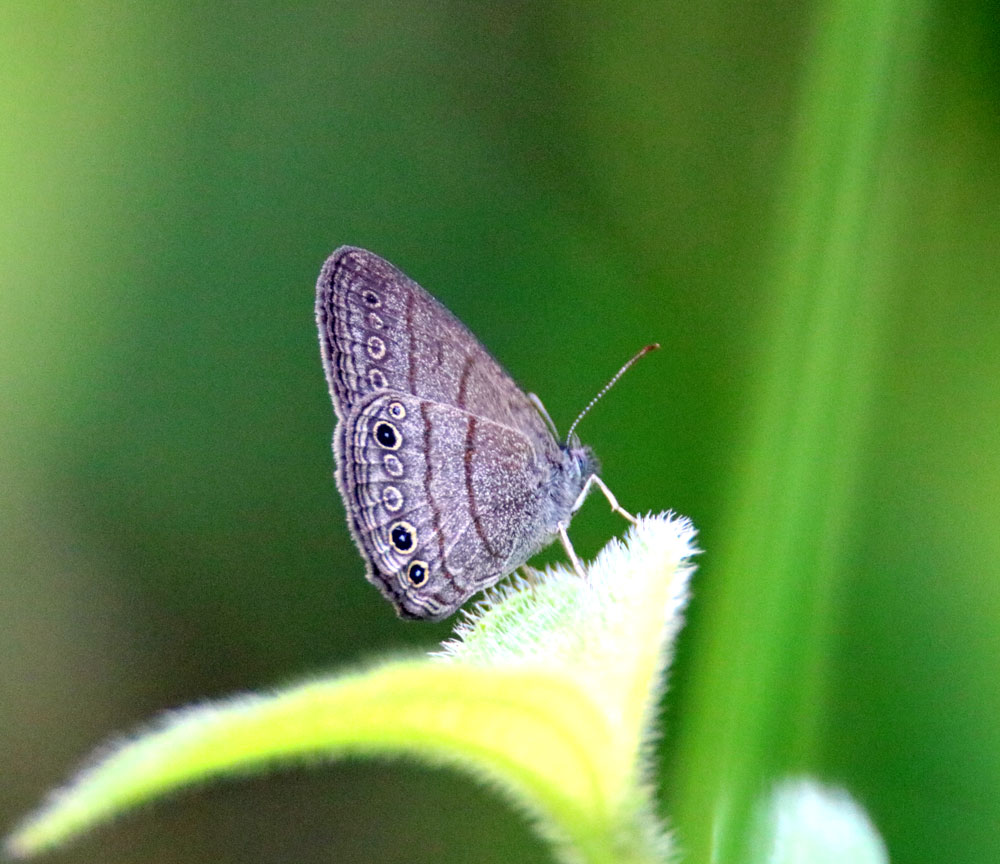
I’m beginning to place more of my unidentified butterflies into their probable genus or even a broader tribe or family, thanks to the folks at iNaturalist who encourage that and their very helpful AI helps me choose which level to put it in. This one from June at my house really fits the Calephelis Genus but I simply cannot identify the species and hopefully when I post it on both iNaturalist and BAMONA at the end of the month as my June observations, some “identifier” or butterfly specialist will have an identity. 🙂 But until then, this observation will stay with several other similar ones in my gallery Calephelis Genus. (linked)
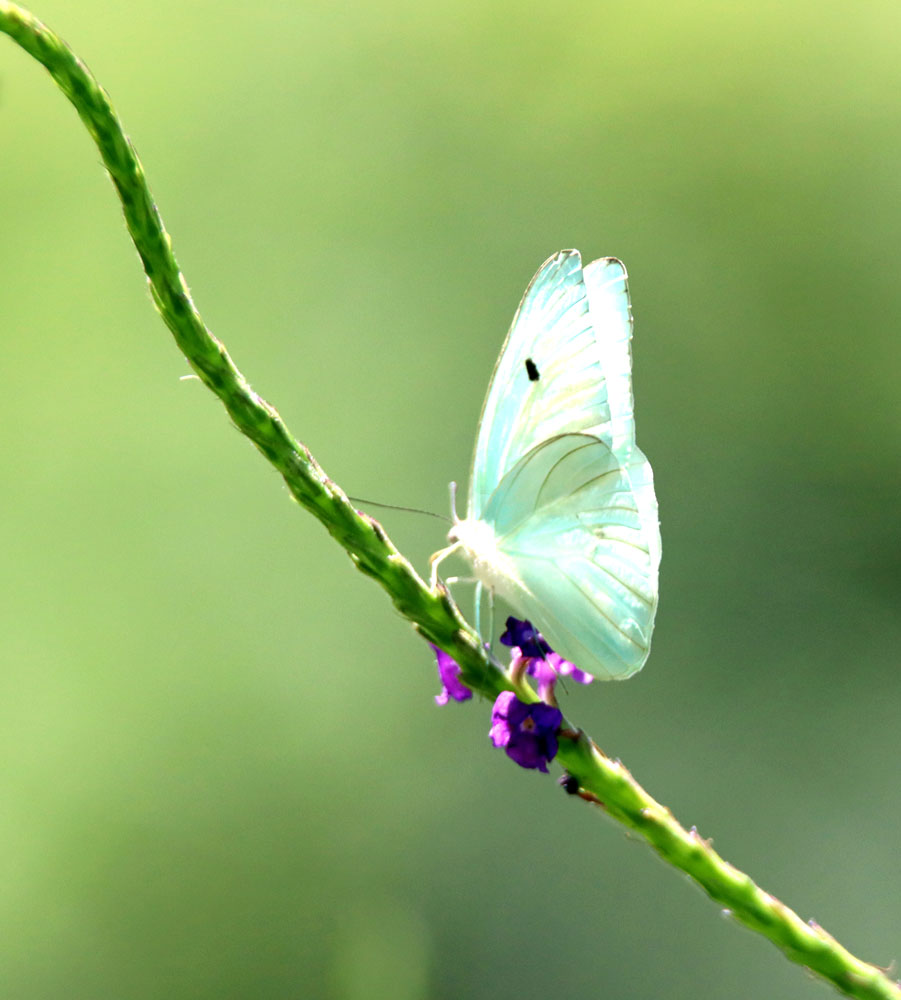
This one might be as common in parts of North America as here, the Giant White – Ganyra josephina (my gallery link). One of the many new species showing up in June when the wind was not blowing. 🙂
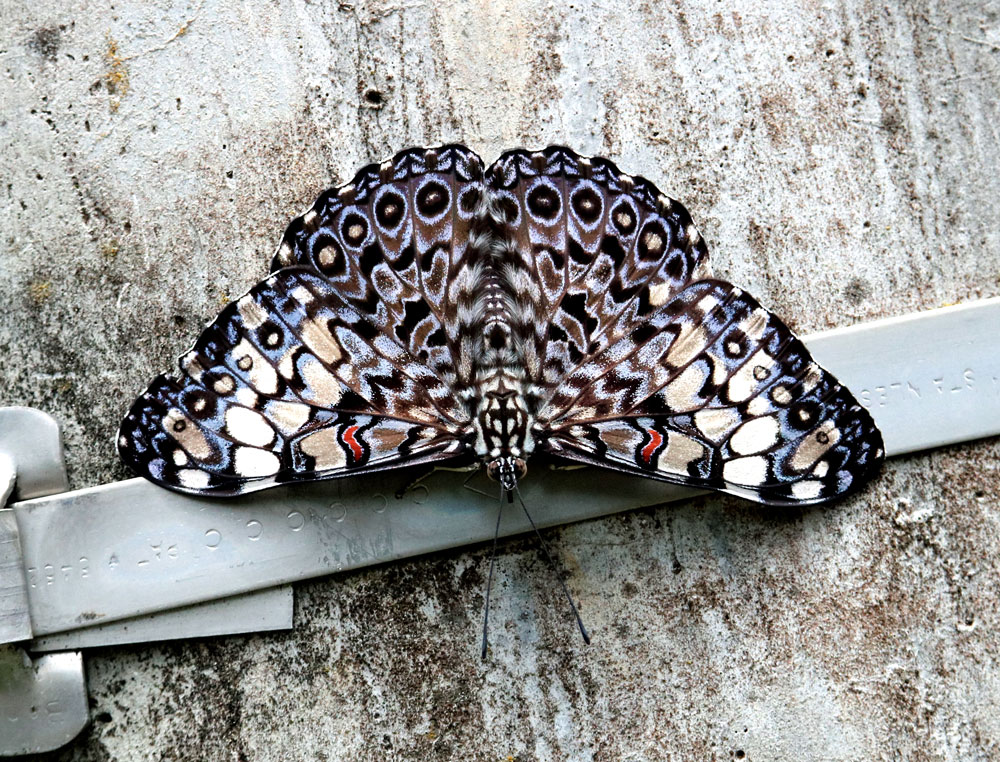
First Cracker I’ve seen in Atenas outside my garden, this one on a telephone pole between my house and the RV front gate. That metal strap on the power line pole takes away from the naturalness of the butterfly, but it is otherwise a good, clear photo by my cheap android telephone. 🙂 See more of this species in my gallery Variable Cracker. All of the others are on my Cecropia Tree.
Variable Cracker, Residential Roca Verde, Atenas, Alajuela, Costa Rica
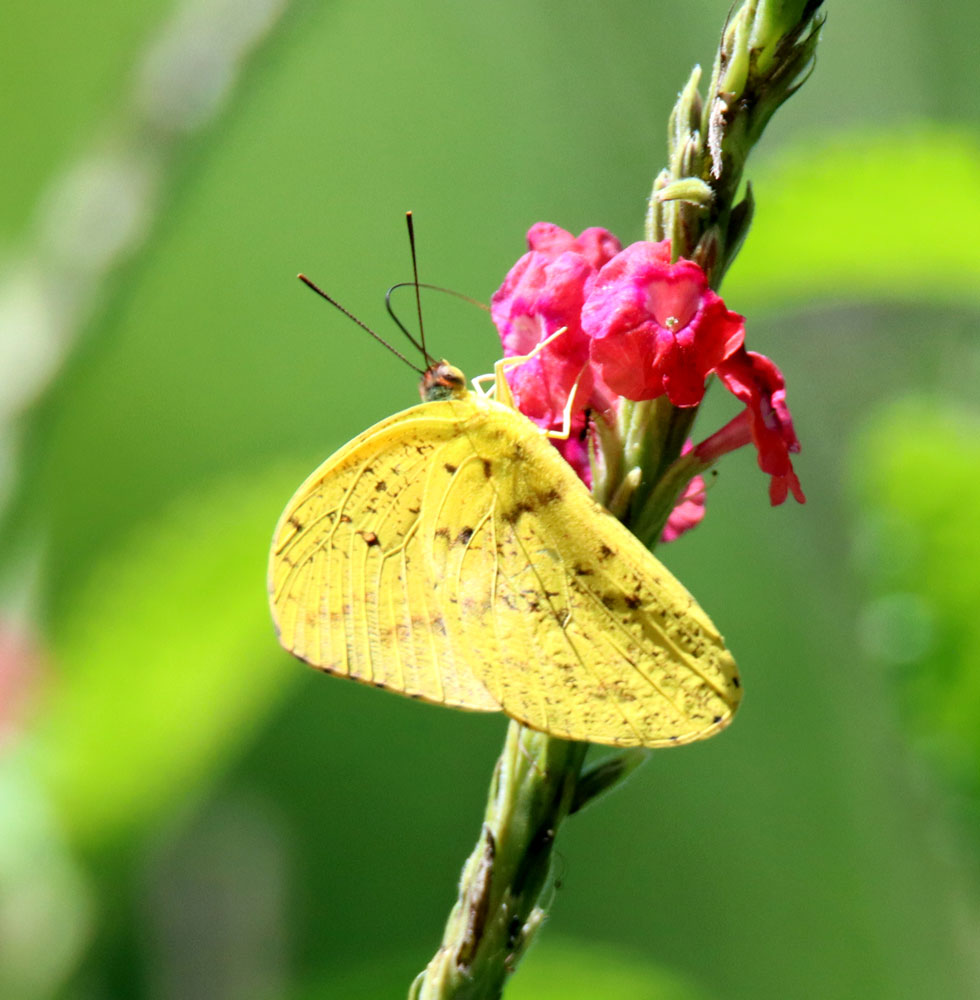
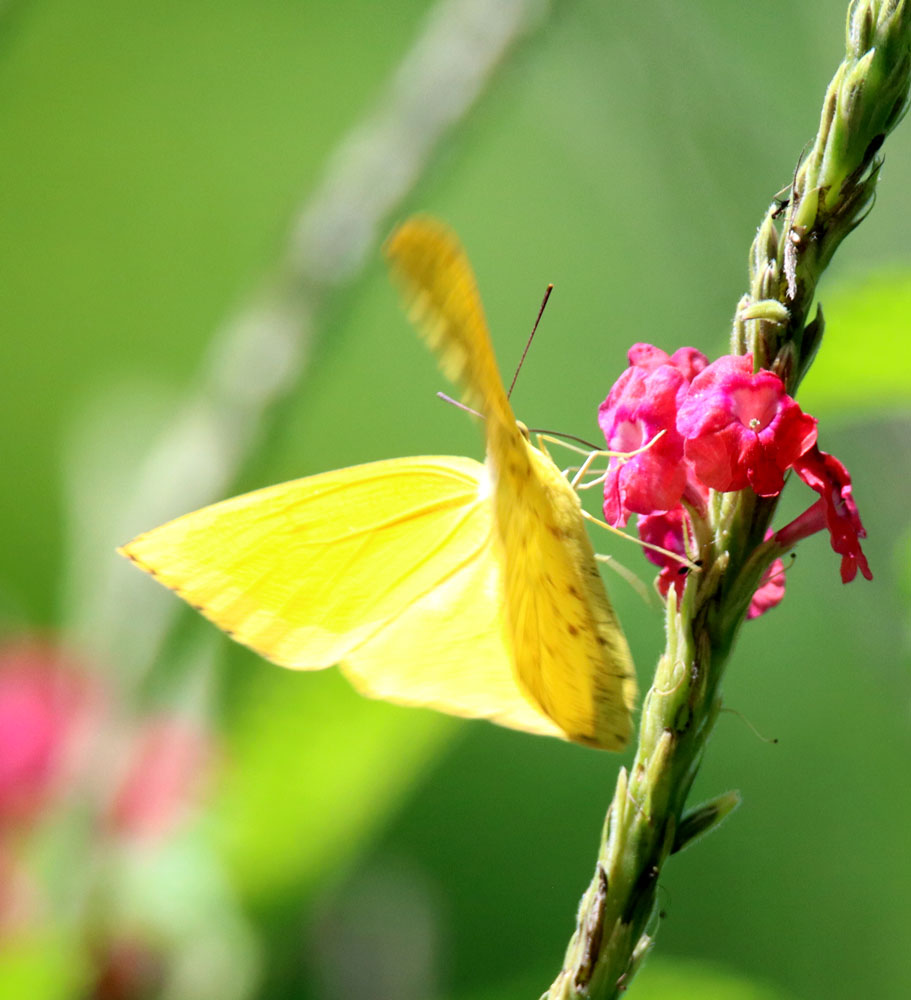
One of my frequently seen Sulphur is this Dark Apricot Sulphur, Phoebis argante (my gallery link). Note that the top of wings are a solid bright yellow while the bottom of wings (or side view) is a darker yellow with lots of brown spots.
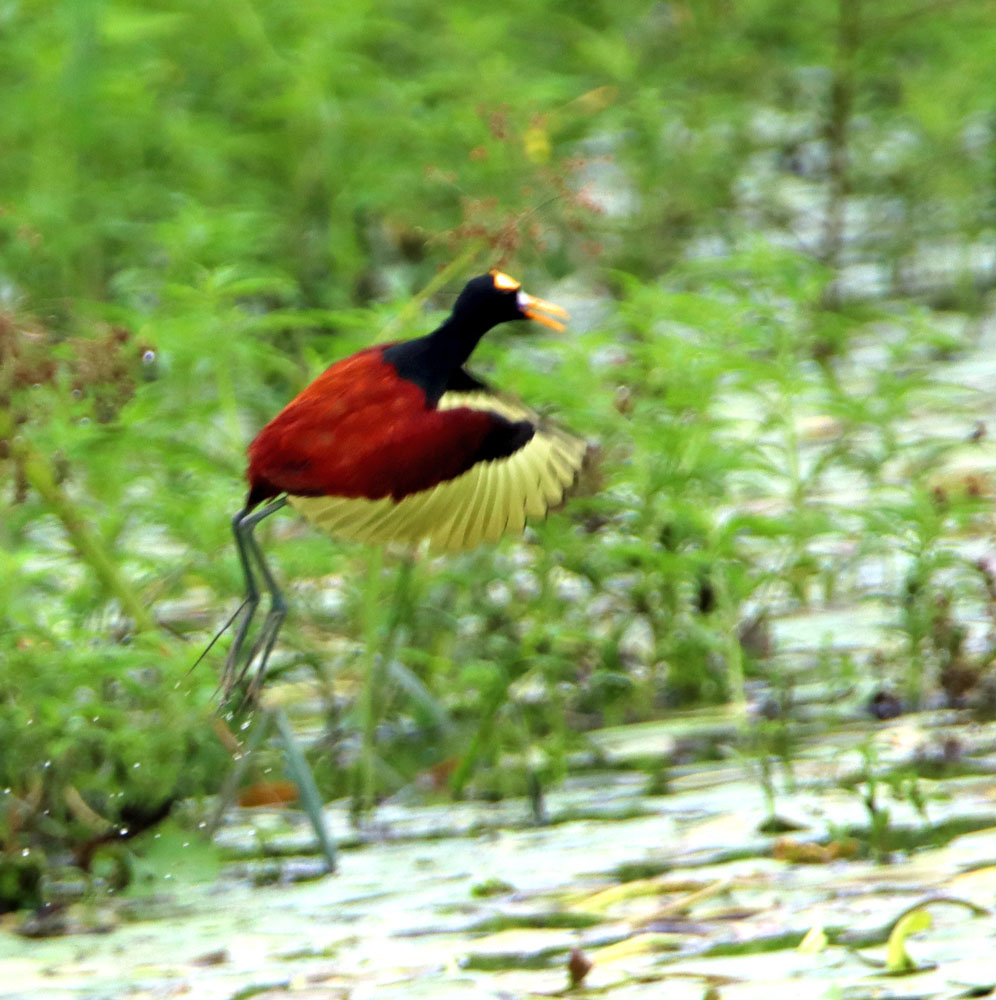
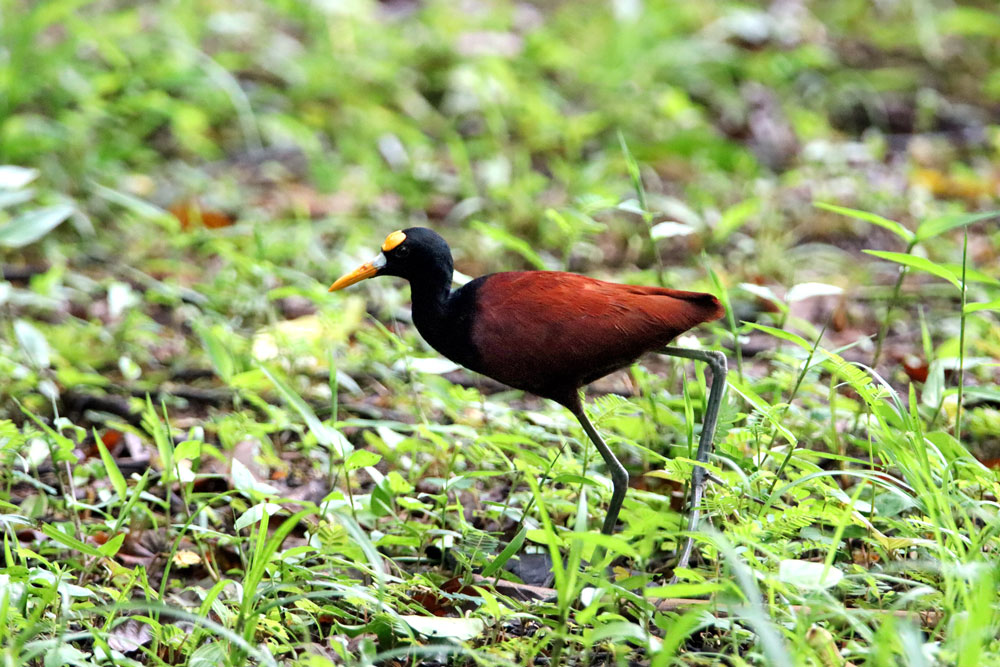
Yes, that is what a few people call the Northern Jacana (my gallery link) because it supposedly “walks on water” though actually on lily pads and floating grass. They share one thing in common with the Basilisk here called “Jesus Christ Lizard,” again for walking on water. Both have extra large feet for their body sizes and unbelievably long toes! But while the Basilisks do walk (run) on water, the Jacana always walks on lily pads, floating grasses and other float debris. And Maquenque Lodge is a good place to see them as is nearby Caño Negro and pretty much any wetlands in Costa Rica, especially Tortuguero NP and Palo Verde NP from my experience. They are found only from Mexico to Panama.
Another interesting thing about Northern Jacanas is the male/female role reversals. It is the female that holds a territory and defends it and she has concubines of males! Plus, after she lays eggs, it is the male that sits on them and raises the chicks to adulthood. 🙂 Nature is just full of surprises! 🙂
Northern Jacana, Maquenque Lodge, Boca Tapada, Alajuela, Costa Rica
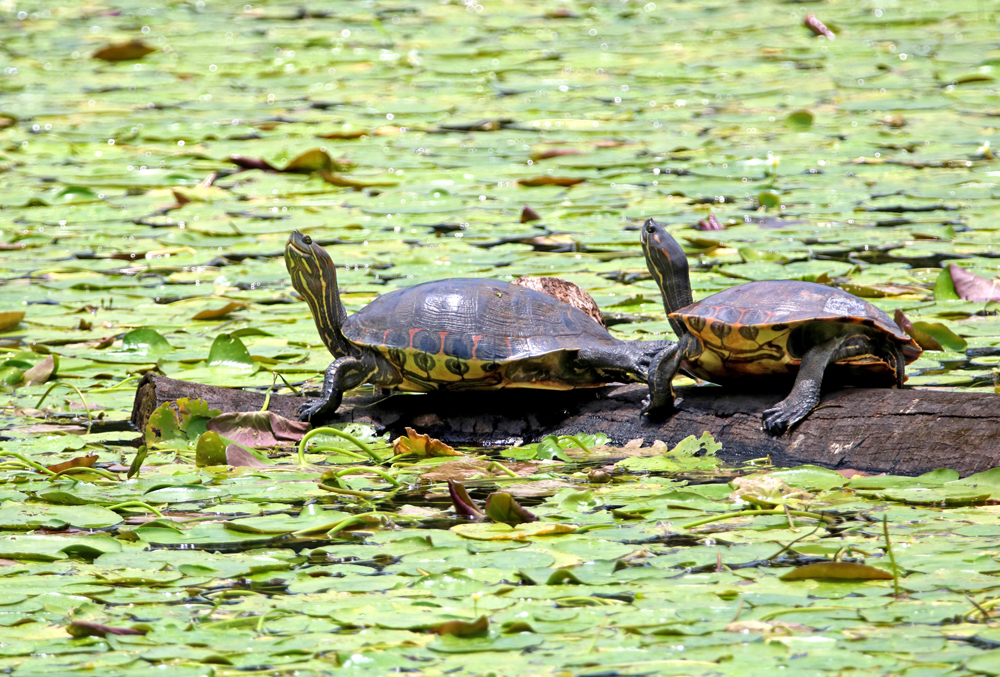
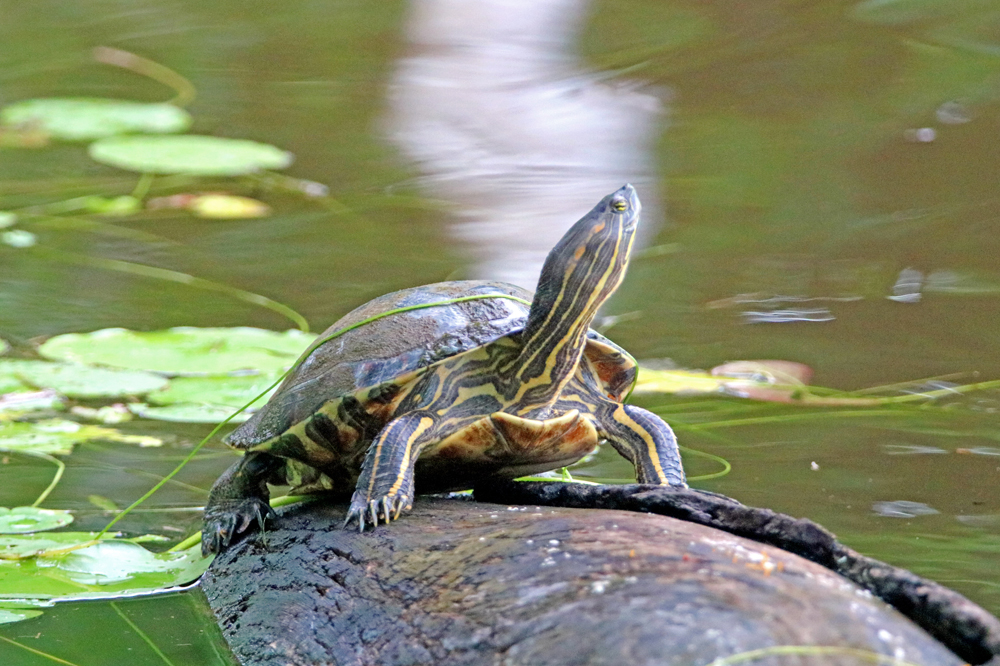
These are my first turtles to be labeled Nicaraguan, but that is what iNaturalist’s AI said for every one of these photos (less the nose shot) and we’ll see if the experts agree after I post them there. It is very similar to the Central American Slider and thus could be either. But Maquenque is almost on the Nicaragua border, plus this species is supposedly all over Costa Rica.