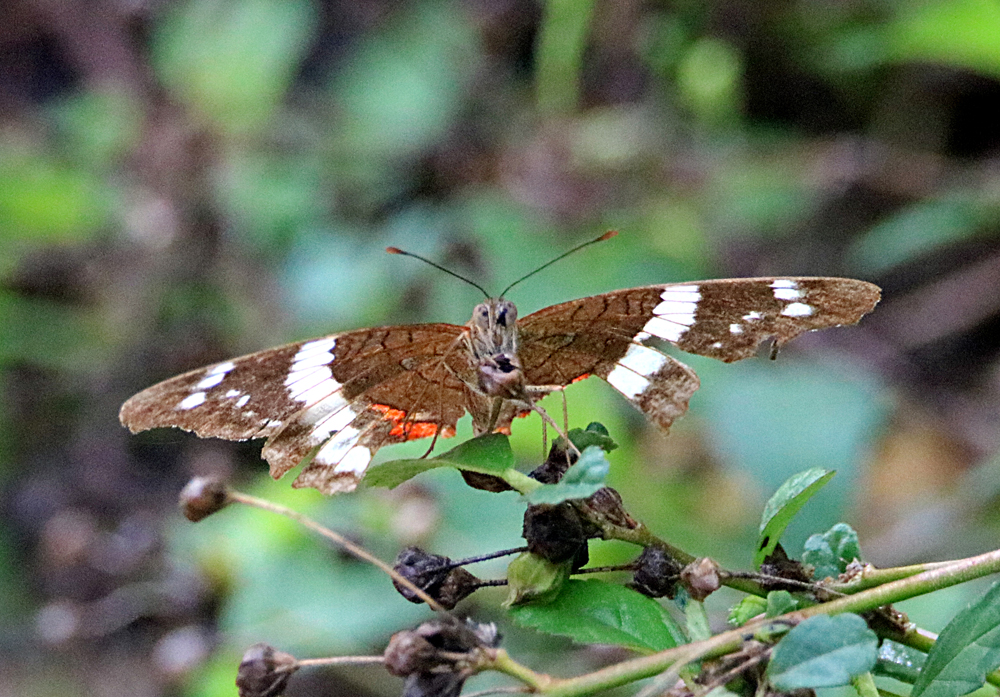
seen on Calle Nueva that morning are the same as what I have regularly in my garden. Check out my photo collections in their two galleries with better photos than these two:

charliedoggett.net
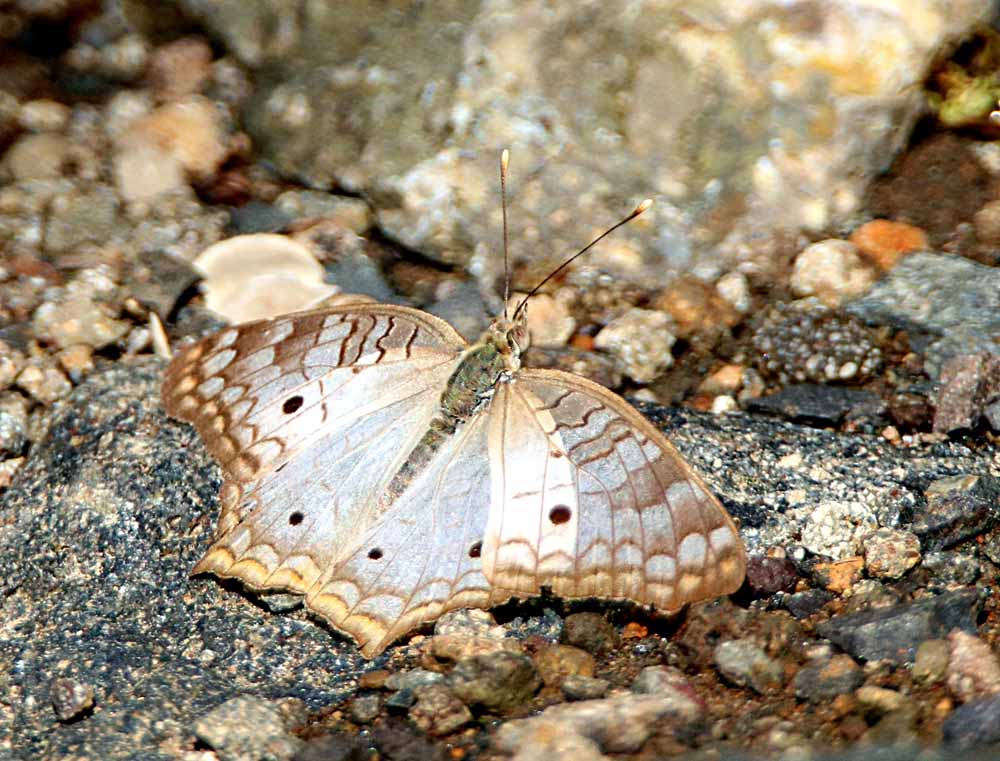
seen on Calle Nueva that morning are the same as what I have regularly in my garden. Check out my photo collections in their two galleries with better photos than these two:
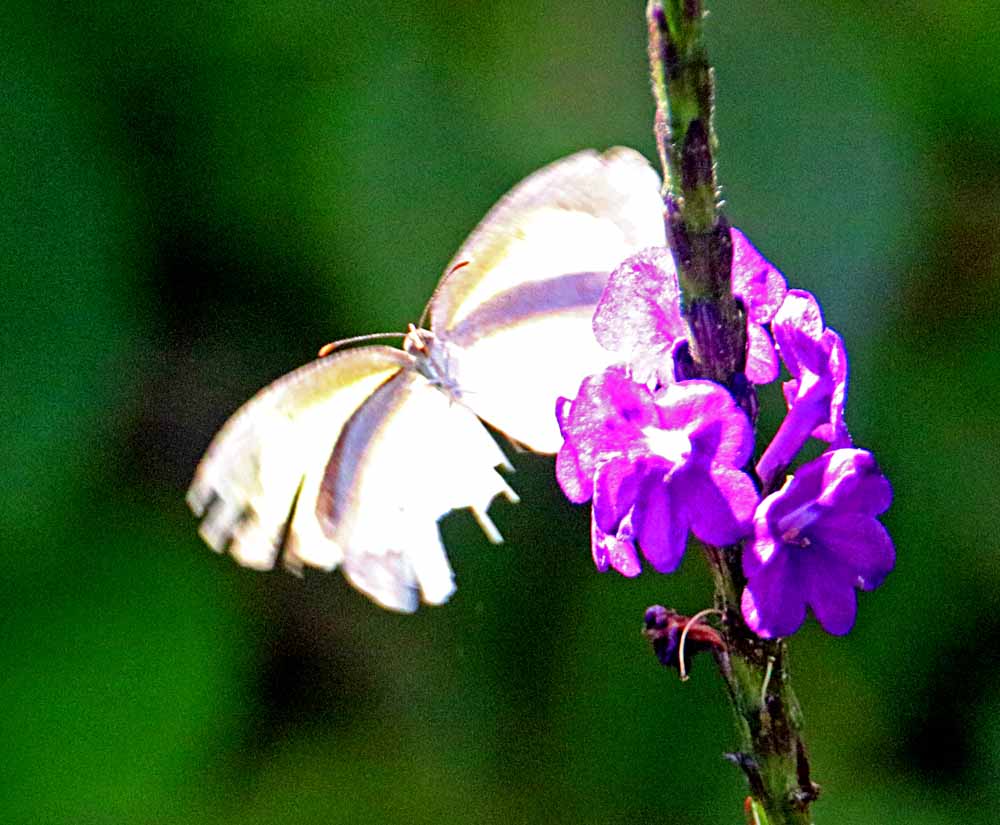
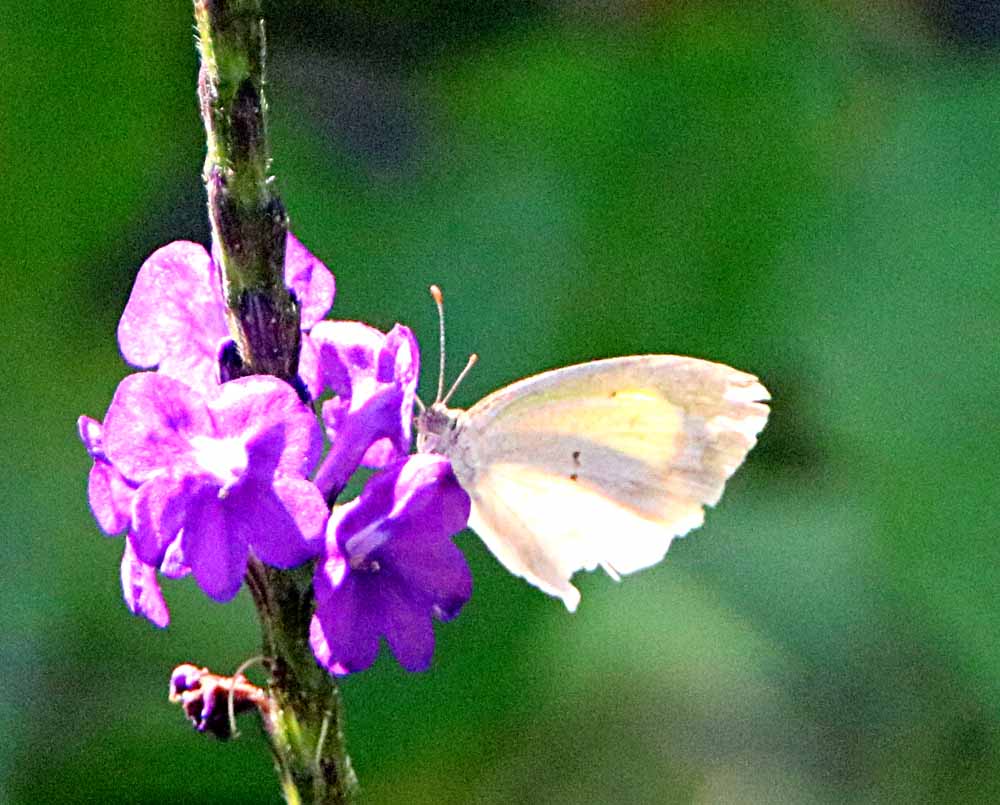
This Barred Yellow, Eurema daira (my gallery link) was in bright sunlight and thus the nicer colors that you can find in my gallery weren’t seen on that morning. 🙂
¡Pura Vida!
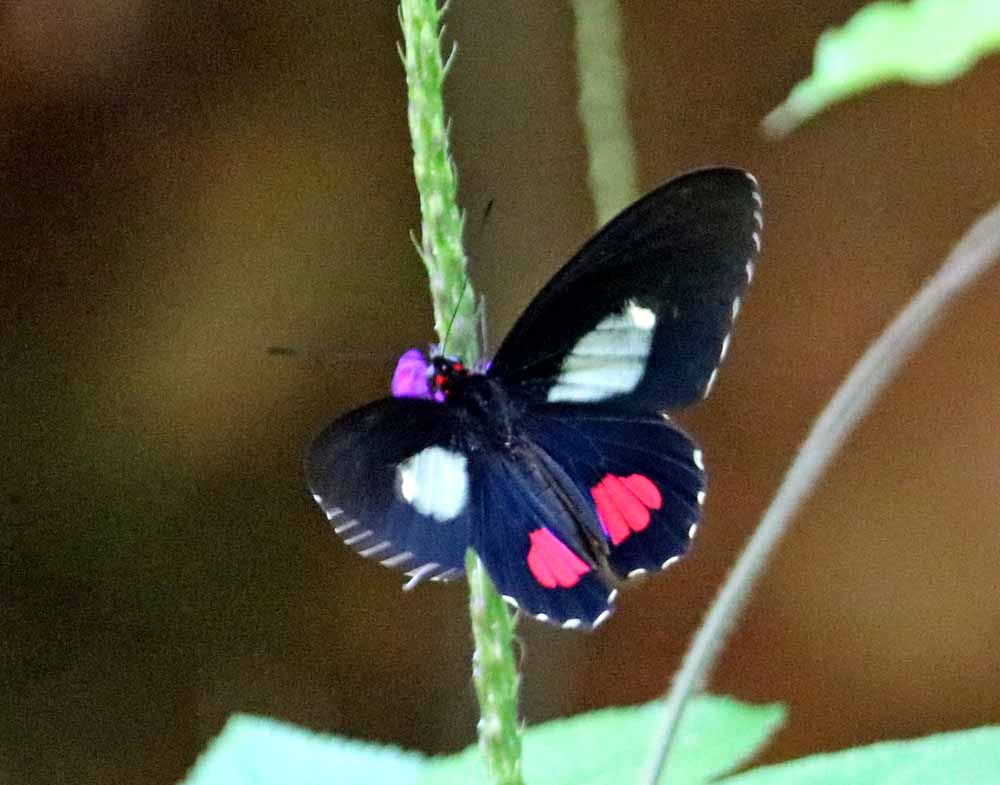
A week ago yesterday I used that Saturday morning to walk about 10 blocks to just past Colegio Technico (our technical high school) to the entrance of the old dirt farm road named “Calle Nueva” with the hope of some butterflies different from my garden’s. I got 10+ species (about half were different and one was a new species!) which I will share here over the next few days . . .
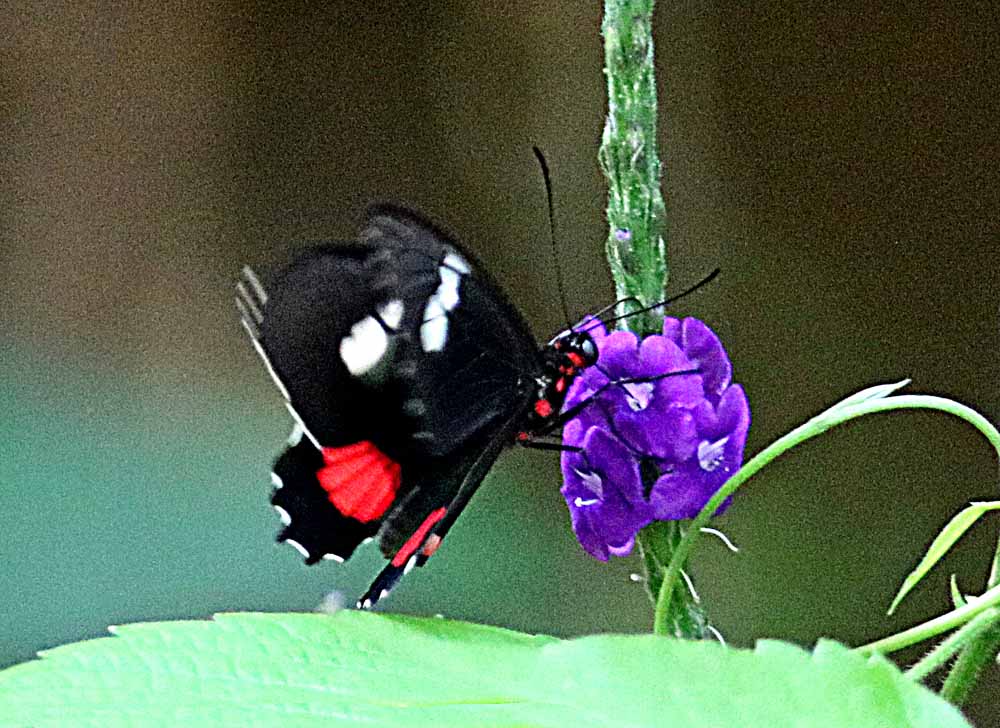
This first one, Variable Cattleheart, Parides erithalion (my gallery link) is the most colorful from that 3 hour hike! 🙂 Here’s just two shots. Go to the above gallery for more.
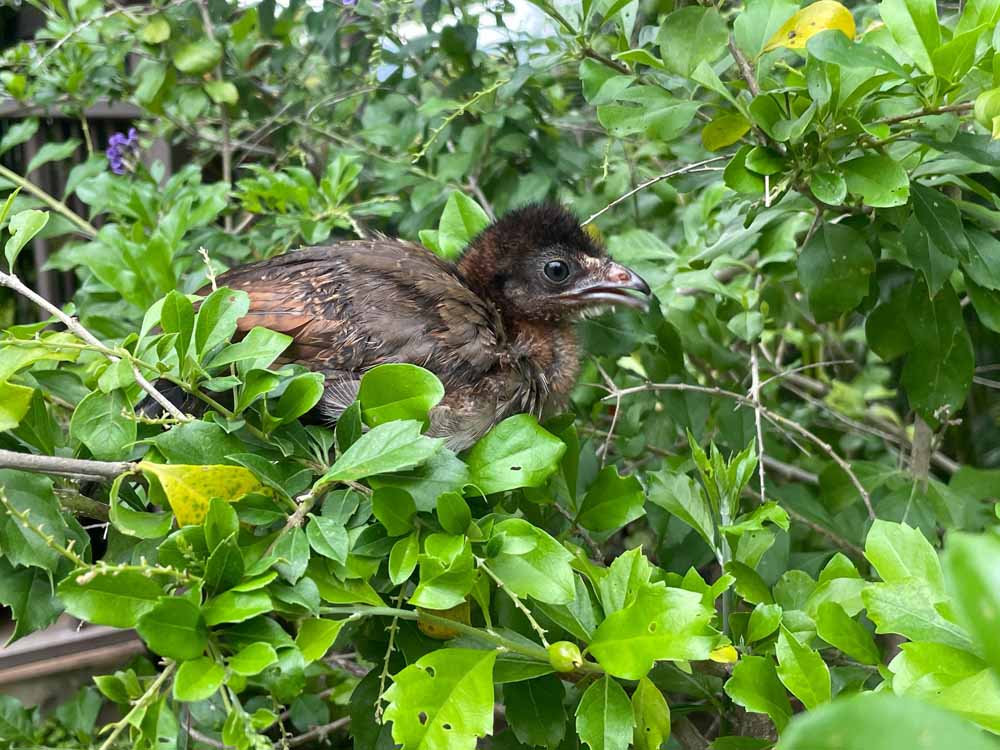
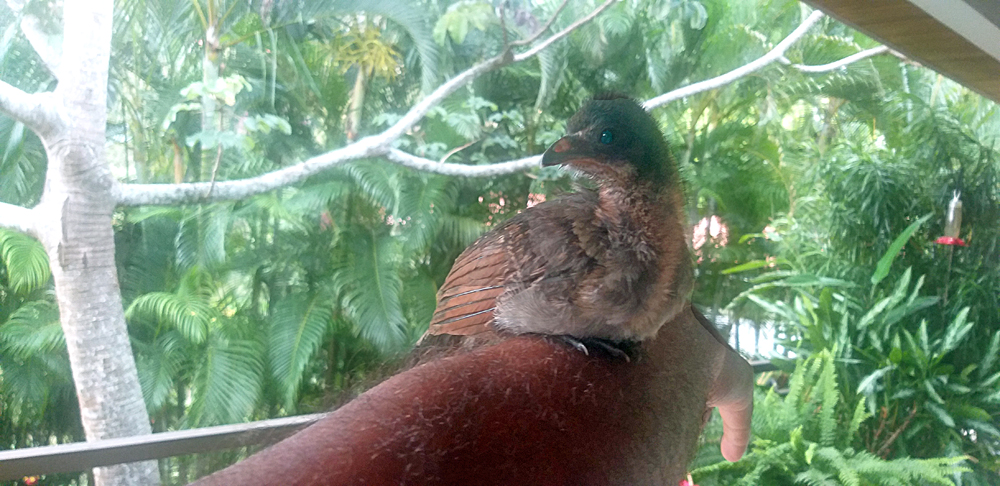
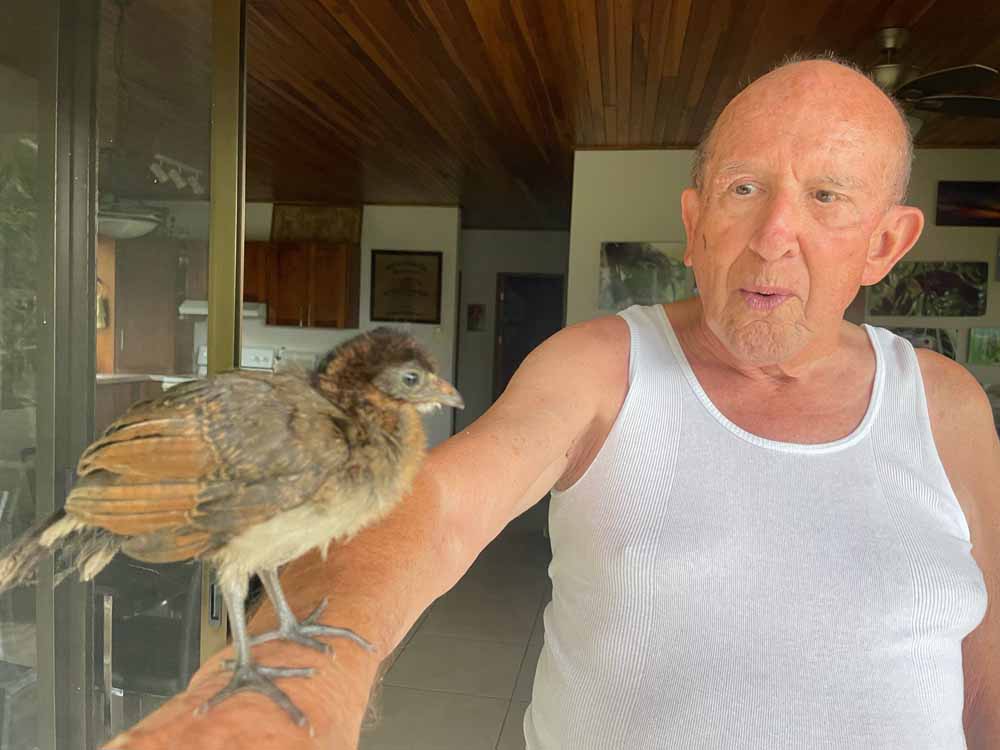
“K,” my landlord up the hill from me came down the other day with a baby Chachalaca on his shoulder which their gardener found when trimming some trees. It was tiny then! And has bonded with the human family as his “mother” or family. They are hoping that when he can fly, he will fly off with the other Chachalacas. I hope so too! A large, adult Chachalaca will not make a good pet nor would it be good for the bird! We will see what happens. I suggested that another possibility is to take him to Rescate Animales in La Garita which recues wild animals and their babies. I’ll post a report when something significant happens. Here’s 3 cell phone pix:
Link to my Chachalaca Gallery, Ortalis cinereiceps.
¡Pura Vida!
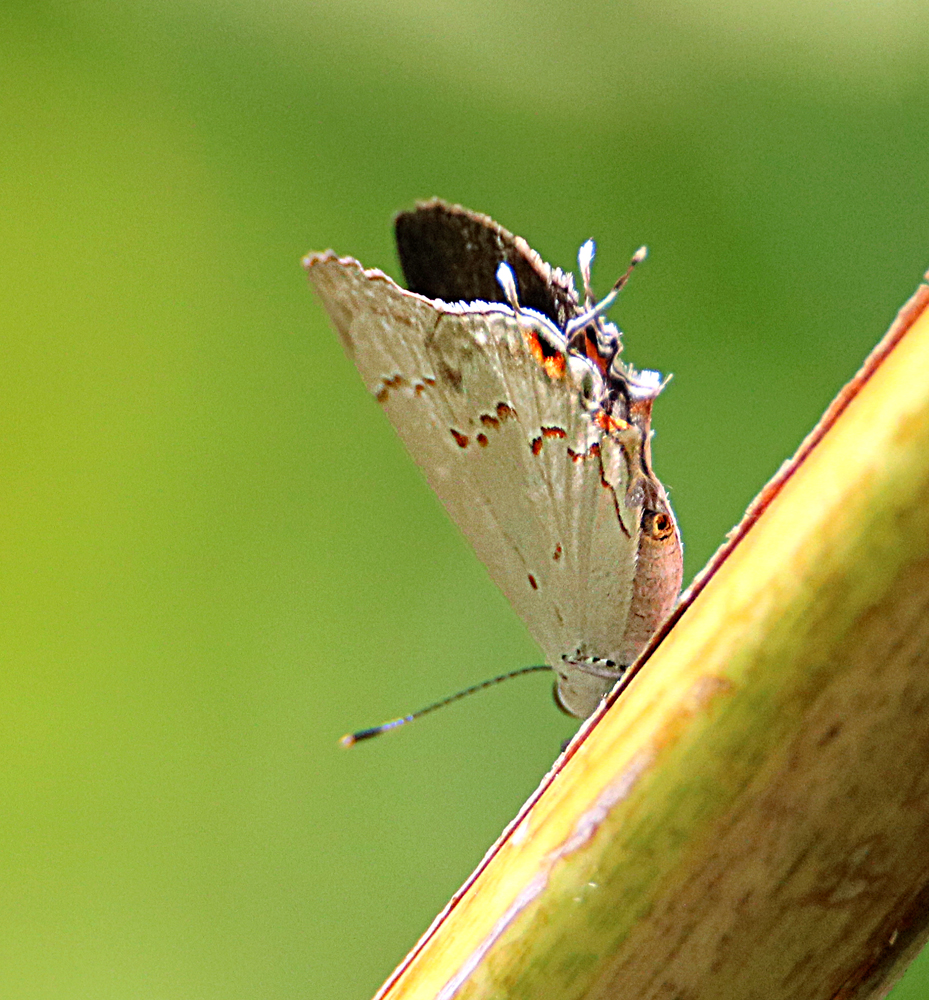
When iNaturalist “Identifiers” (participants with expertise in butterflies) can’t accurately identify a photo, they will often generalize and give it a subfamily or genus label to put it under, and thus I am doing that also, especially with photos that don’t have enough details to be sure of the identity. And I’ve already started adding galleries for genus and subfamily for cases like this.
This one is almost definitely in the Genus Strymon (Scrub-Hairstreaks), but I’m not able to tell which species. Maybe someone will be able to on iNaturalist after I post it there or on BAMONA where I have to just click “unable to identify.” And both sites have people who maybe will identify is as a species. If interested, I have identified 5 species in this genus in my galleries:
And yes, today’s photo may be one of these or another Strymon not shown above. 🙂
¡Pura Vida!
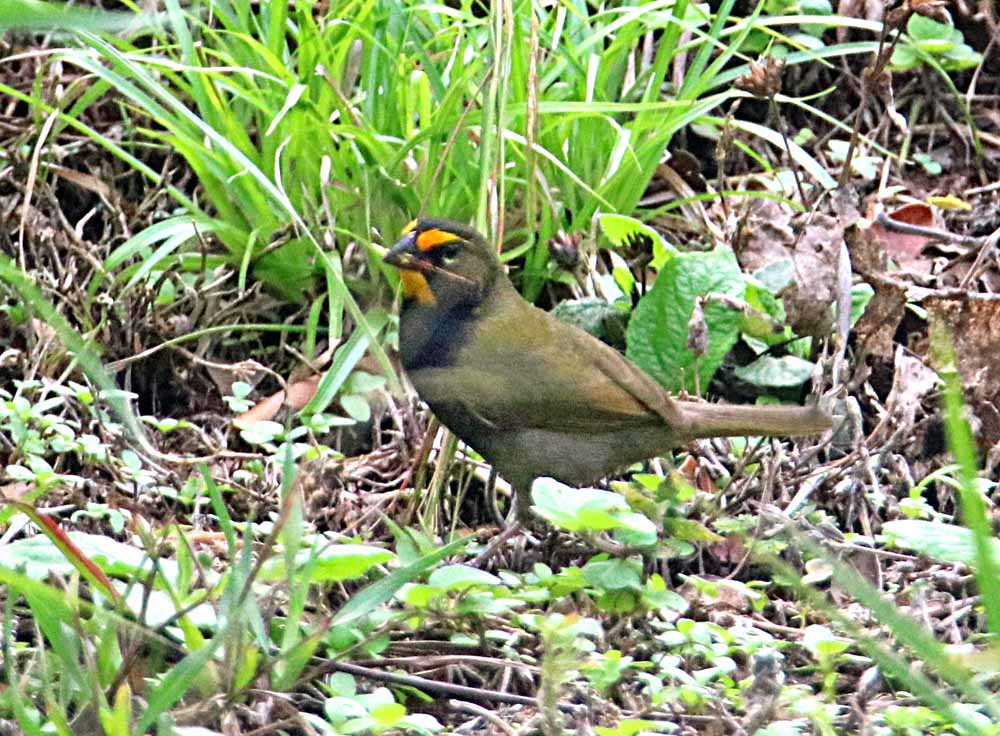
Not new to me or Atenas where I live, the Yellow-faced Grassquit, Tiaris olivaceus (linked to eBird) is a type of seedeater (the beak says that) and in this case prefers grasses which you can see the male chewing on in that photo. It is a Latin American bird found throughout Central America, in the Caribbean Islands and the northern edges of South America.
In my GALLERY: Yellow-faced Grassquit you can see that I’ve photographed this bird multiple times in Atenas, where I live, plus once in Monteverde and once near Volcán Tenorio.
These shots of a male and a female I got on my return walk back from Calle Nueva searching for butterflies last week. I got the female first in the cow pasture in front of my house where I also saw the male but had to follow him to a neighbor’s yard to get this shot of him . . .
The female shots are my first of a female Yellow-faced Grassquit, unless that one juvenile or immature in my gallery was a female! 🙂 And I am very pleased with this FEMALE shot (a portrait for the gallery!) . . .
Continue reading “Yellow-faced Grassquit”
One of those tiny Hairstreak family of butterflies, the Cassius Blue, Leptotes cassius (my gallery link) may be a regular this year. I shared one in early April who was sitting on the wet black-topped driveway.
¡Pura Vida!
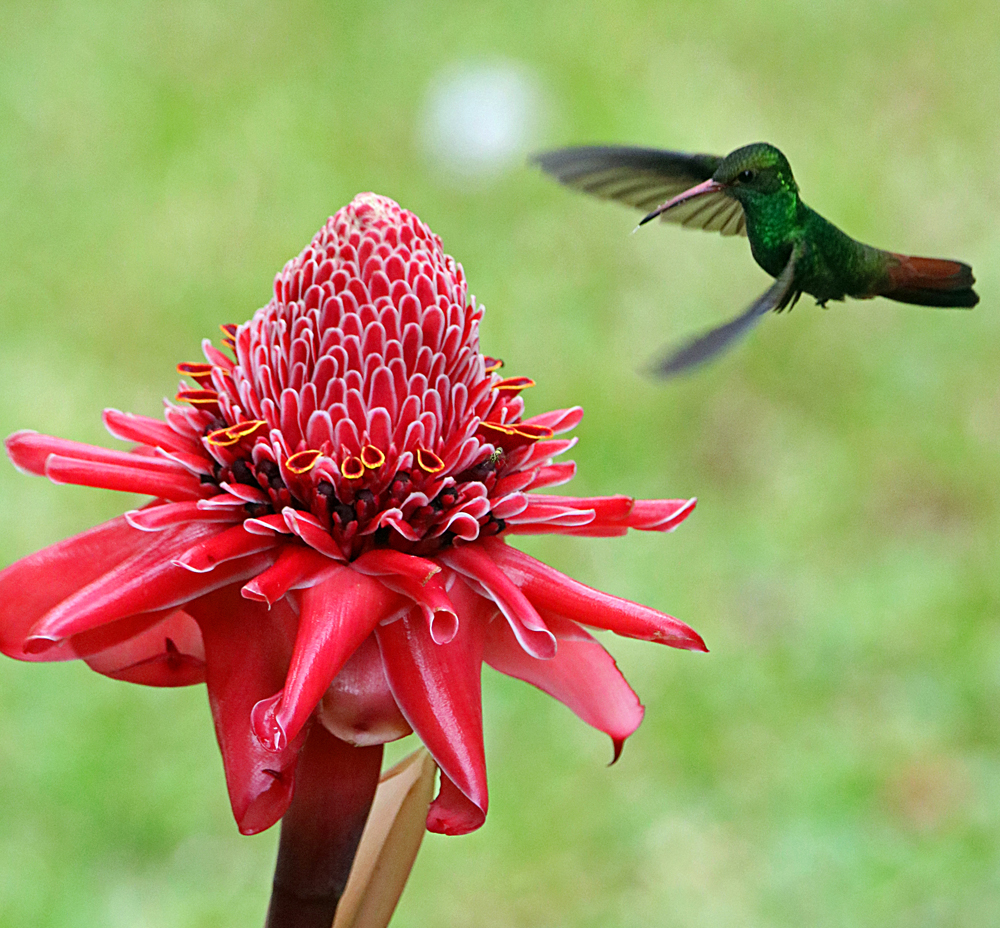
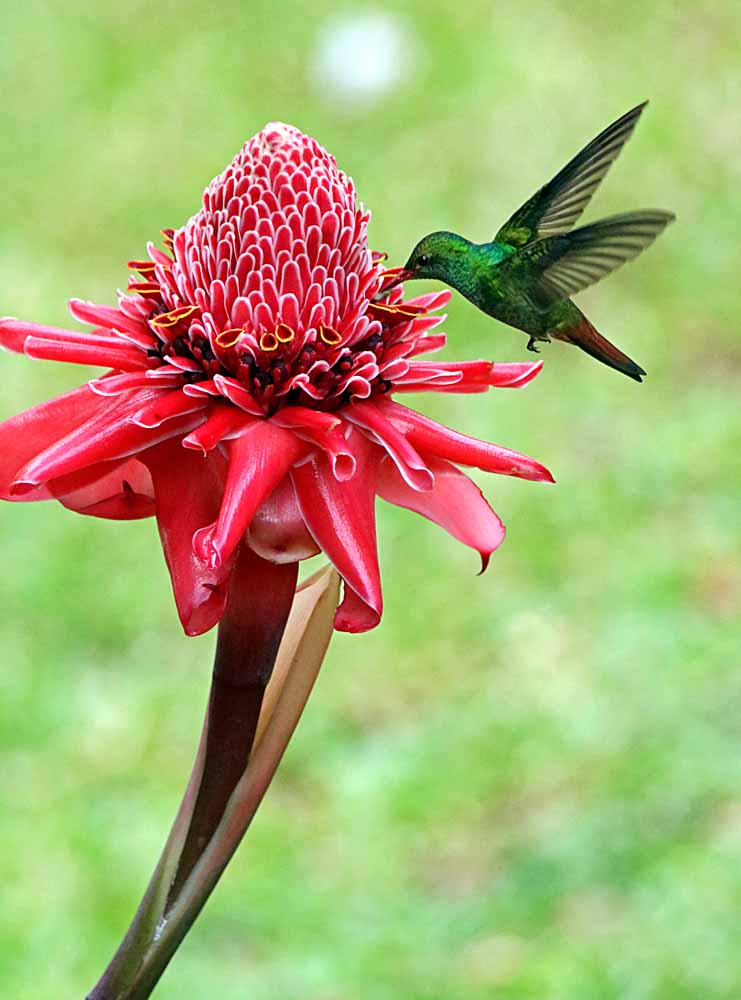
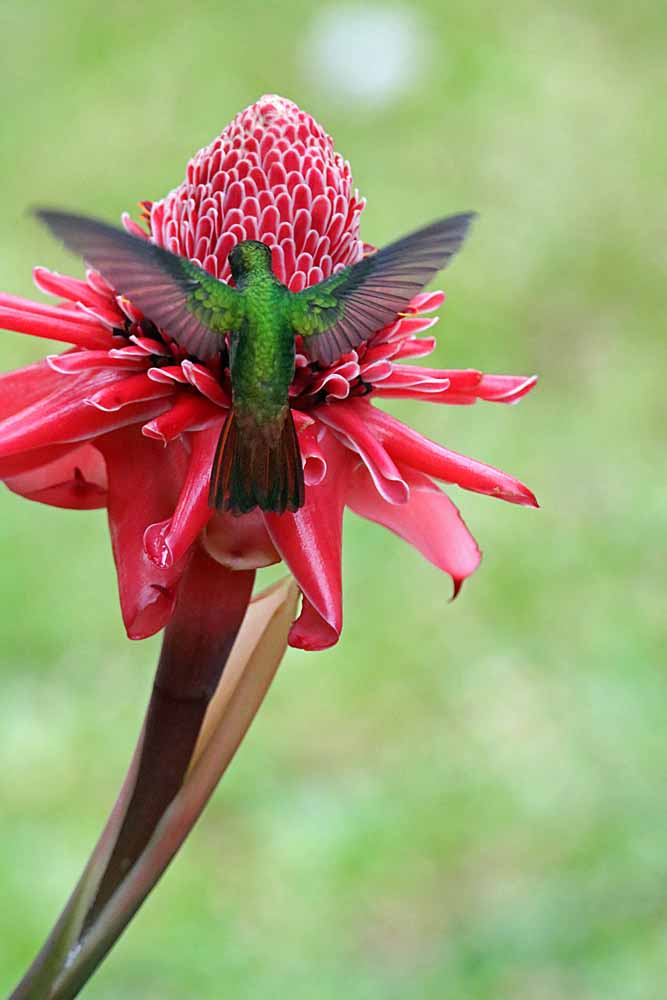
. . . for my resident Rufous-tailed Hummingbird. And of course this Torch Ginger is just one of the many “Flower Restaurants” where he eats as I purposefully do not have feeders filled every day. It is more natural and healthier for the birds to eat from flowers. Here’s three shots from the other day in my garden . . .
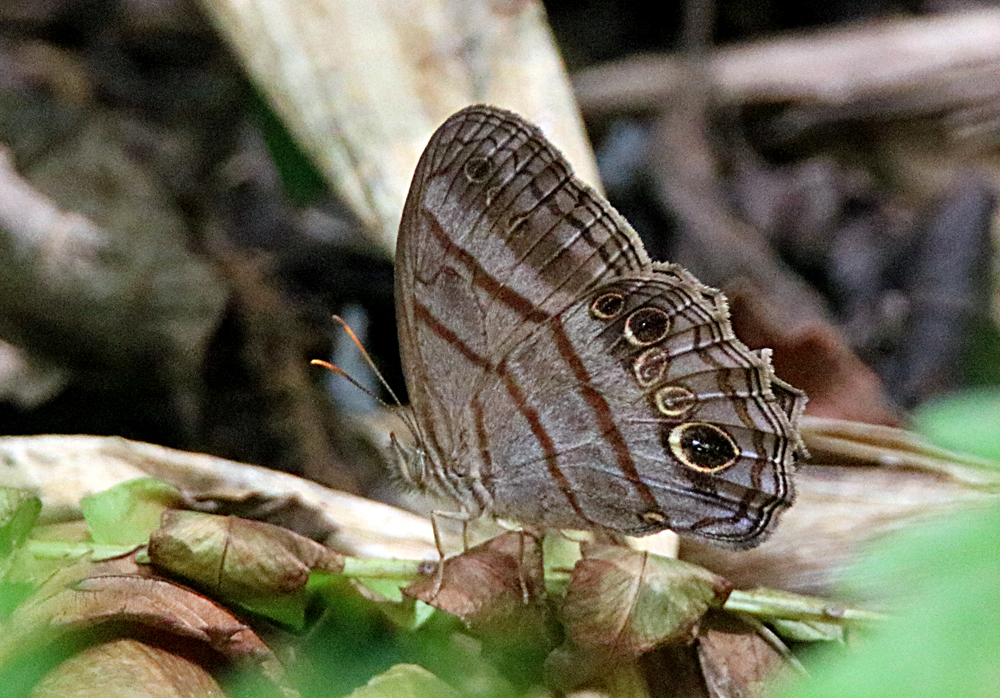
This Blue-gray Satyr, Magneuptychia libye (linked to iNaturalist Costa Rica where there are 307 observations of this species which is a new species for me!) and it makes my 22nd species of Satyrs! 🙂 My galleries for these are at the bottom of the Nymphalidae – BRUSHFOOTS Family Gallery, my largest family of butterflies, though just a little larger than the Skipper! 🙂
¡Pura Vida!
And more about those migrants that the U.S. dumped on Costa Rica . . .
Continue reading “Blue-gray Satyr”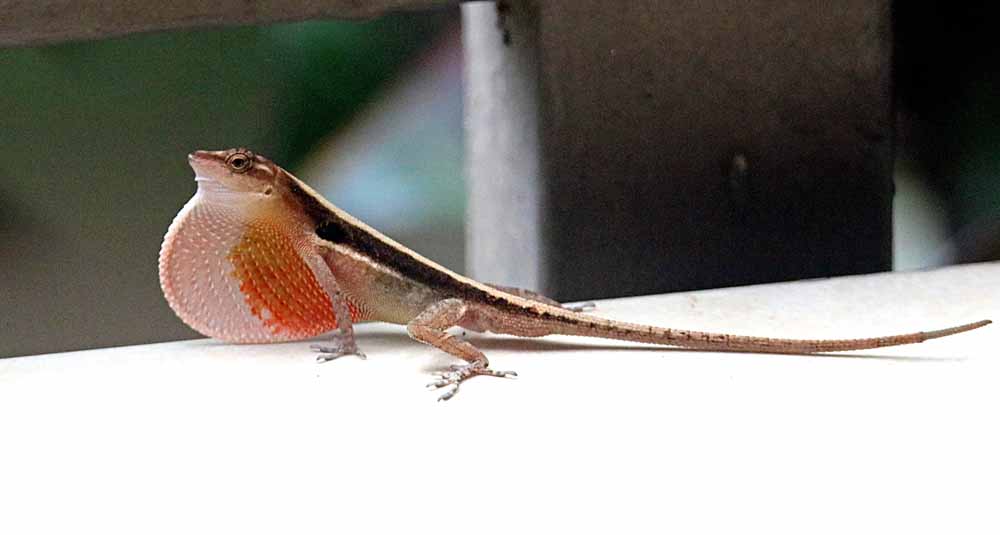
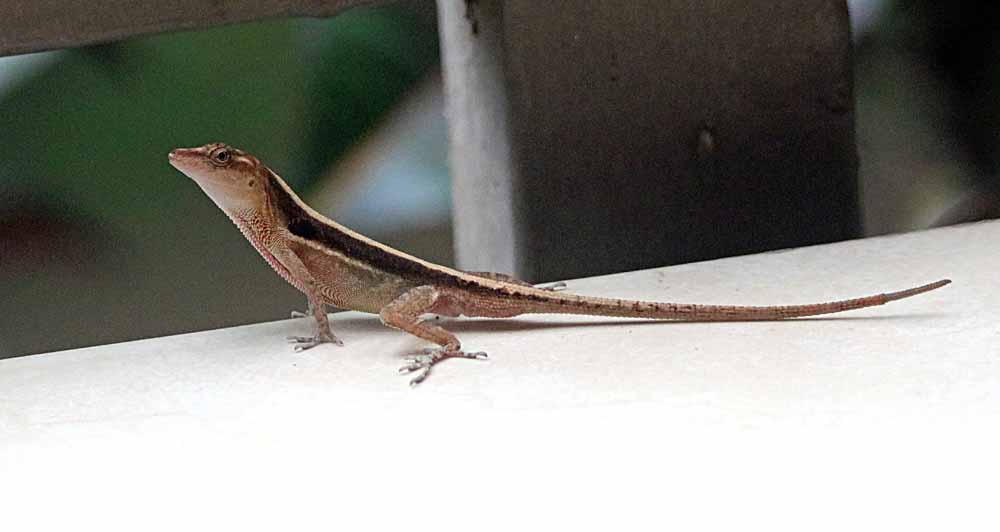
This same species of Anole I posted in 2018 and thought then that one of my books called it a “Stream Anole,” but I am now using iNaturalist more now (but use both books & it) and this is the iNaturalist match for both photos of this species: Copper Anole, Abaniquillo Centroamericano de Bosque Seco, Anolis cupreus (my gallery link). It is found only in 3 countries, Costa Rica, Nicaragua and Guatemala and here only on the Pacific Slope. It is interesting to see the big difference in how he looks when displaying his dewlap and not in these two photos . . .