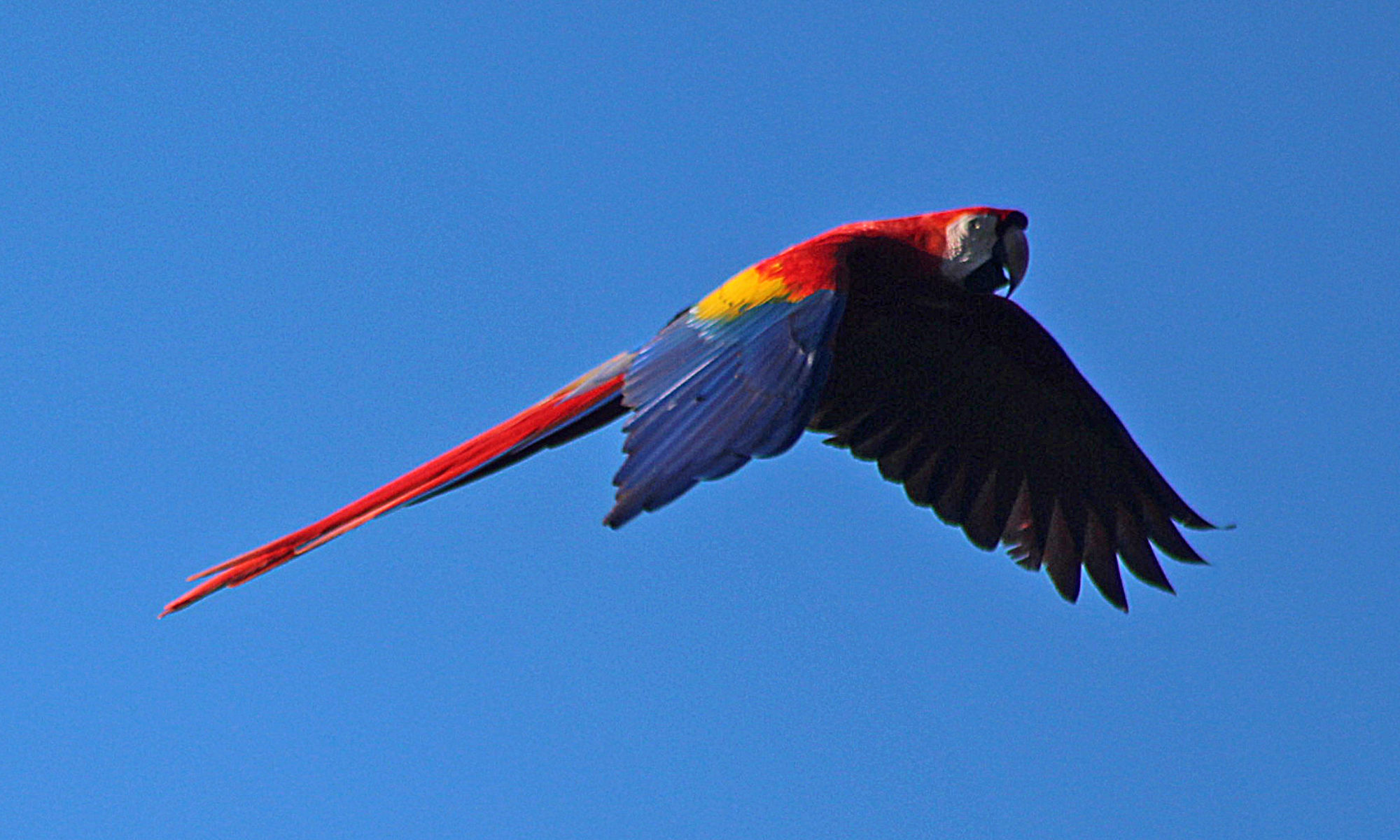
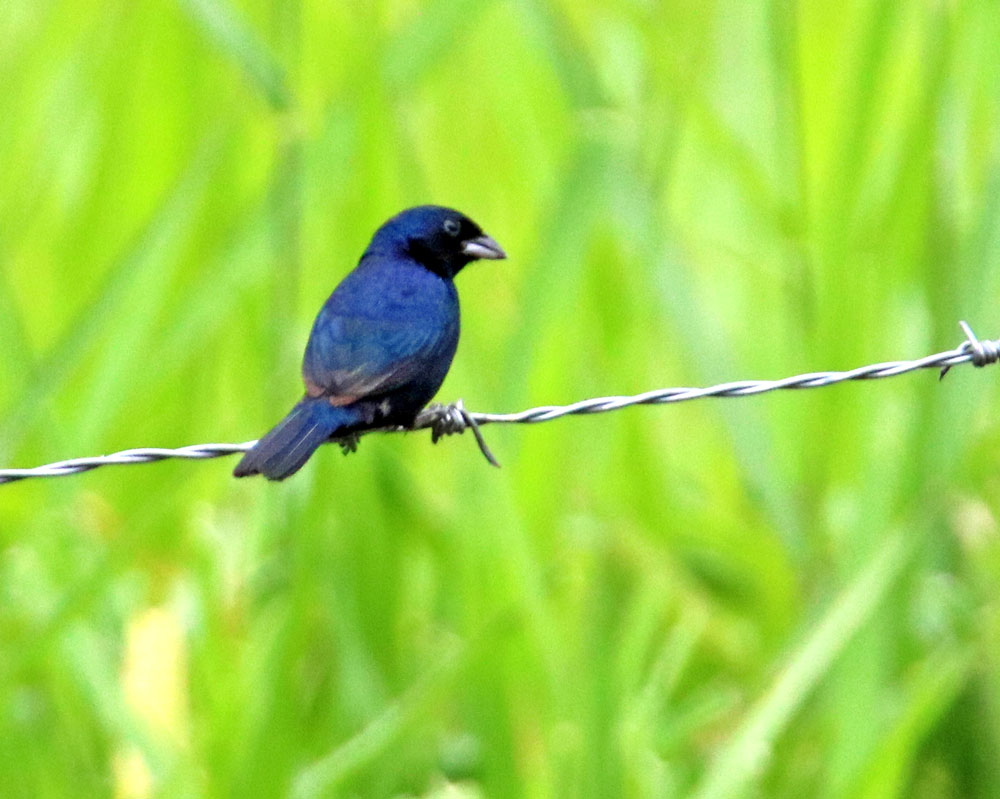
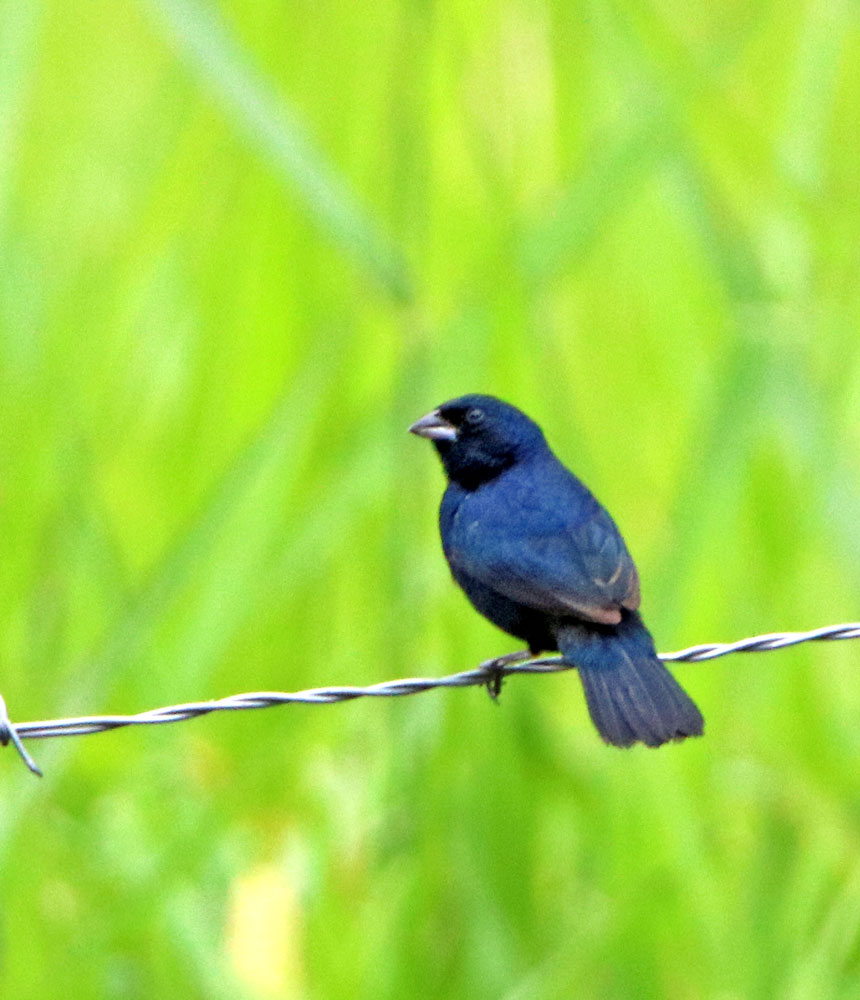
This is one of two or three different ” seed eater type” birds that I see around my house, especially in the cow pasture across the street where this one is. See more of my photos of this species in my gallery Blue-black Grassquit(linked) where the last two images were made on my first trip to Costa Rica in 2009. Or read about them on eBird or oniNaturalist.
Blue-black Grassquit, Roca Verde Cow Pasture, Atenas, Alajuela, Costa Rica
Shot was made from my terrace zooming in on the fence across the street. 🙂
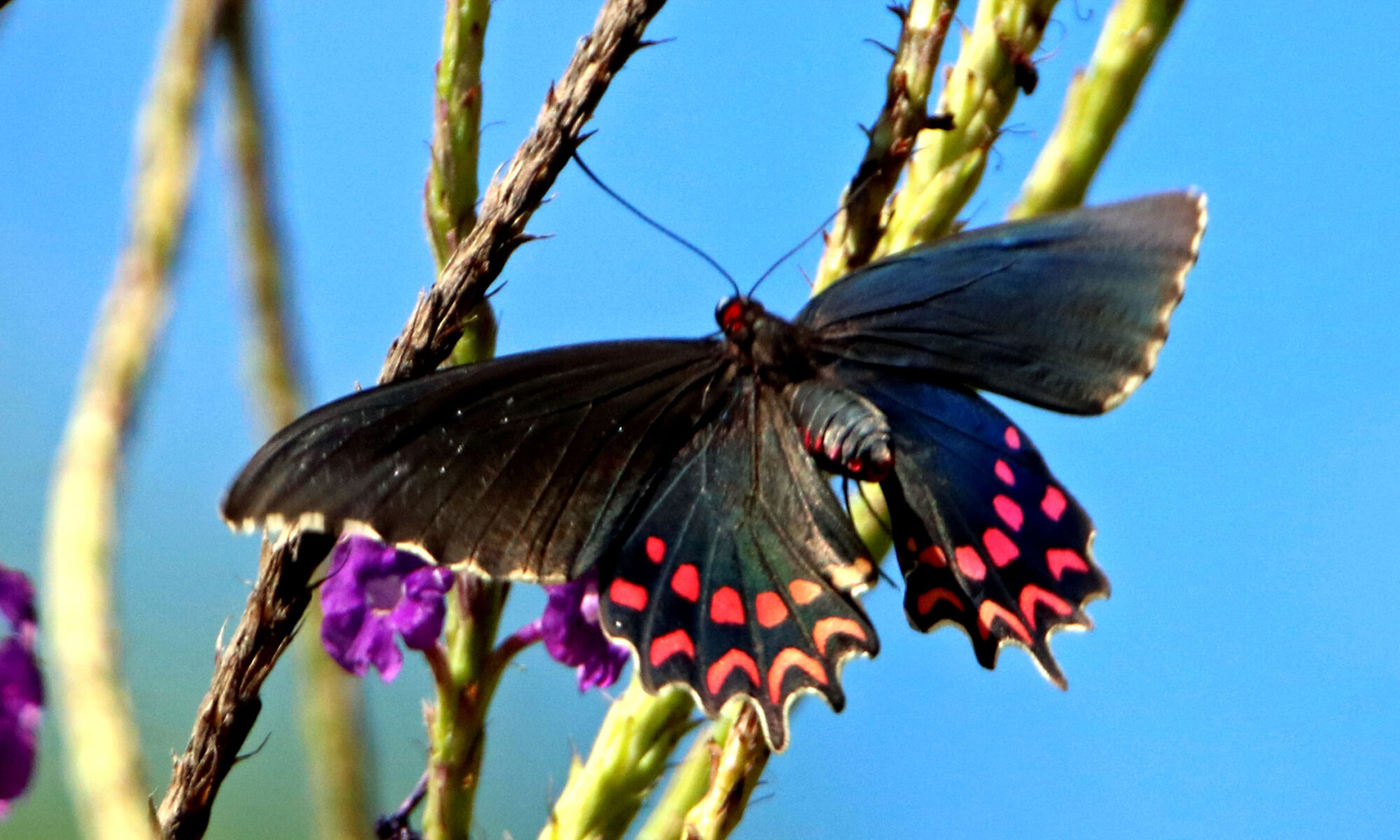
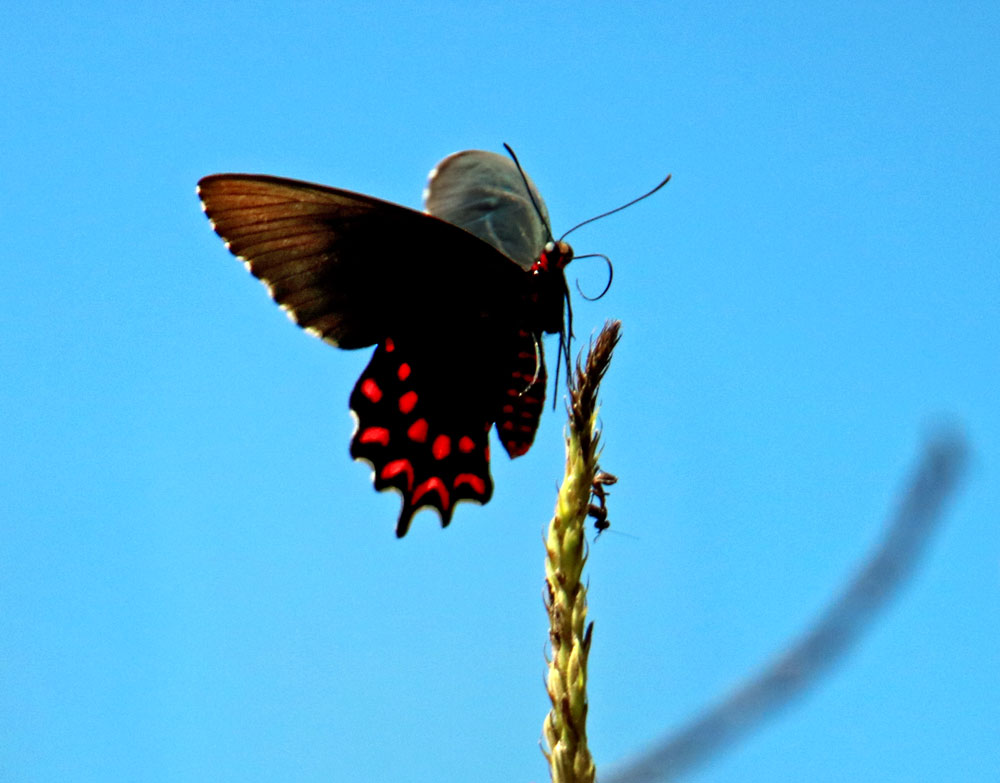
There are several species of “Cattlehearts,” a type of swallowtail butterfly which are all solid black with red/pink and white spots or other “designs.” This is one of prettiest of the 9 species I’ve photographed here and show in my SWALLOWTAILS family gallery (linked) or you can see more of just this species in the gallery: Pink-Spotted Cattleheart (linked).
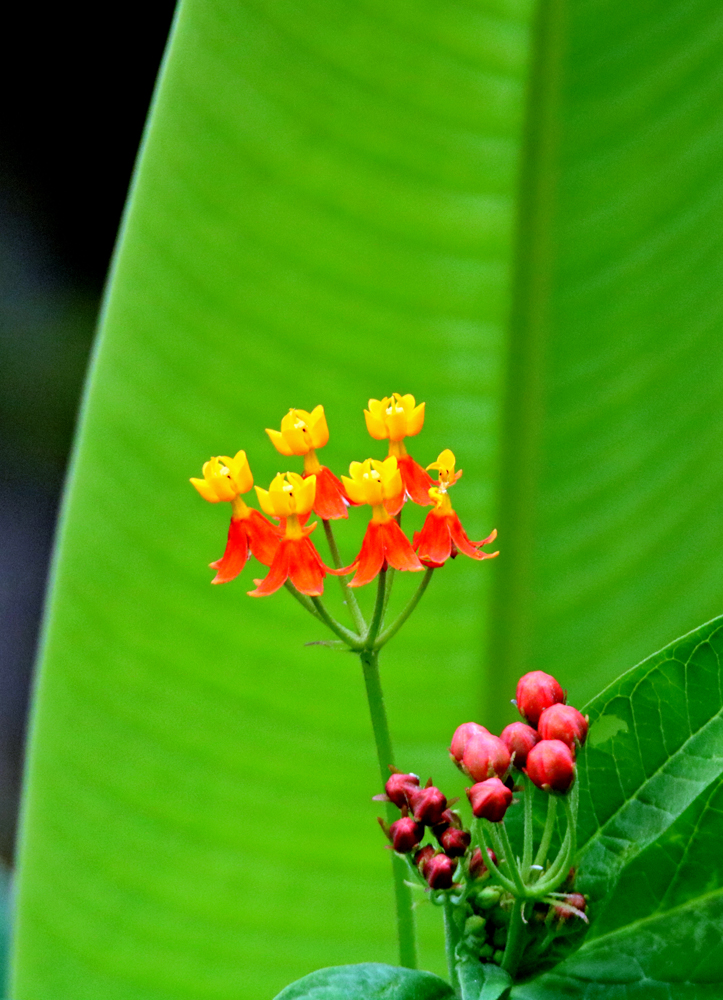
As in most months I occasionally walk through my gardens and focus on the flowers rather than birds or butterflies. Below are two galleries (separating verticals & horizontals) with a few of the photos made in July . . .
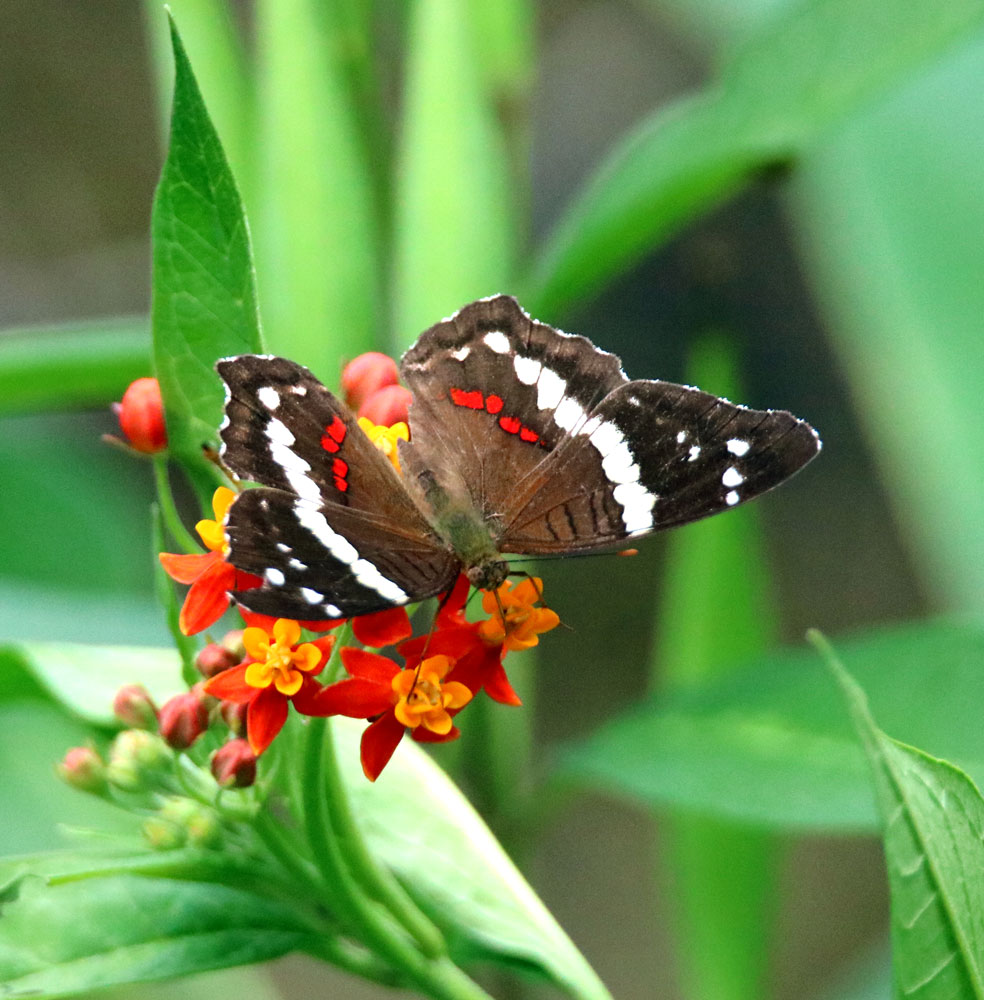
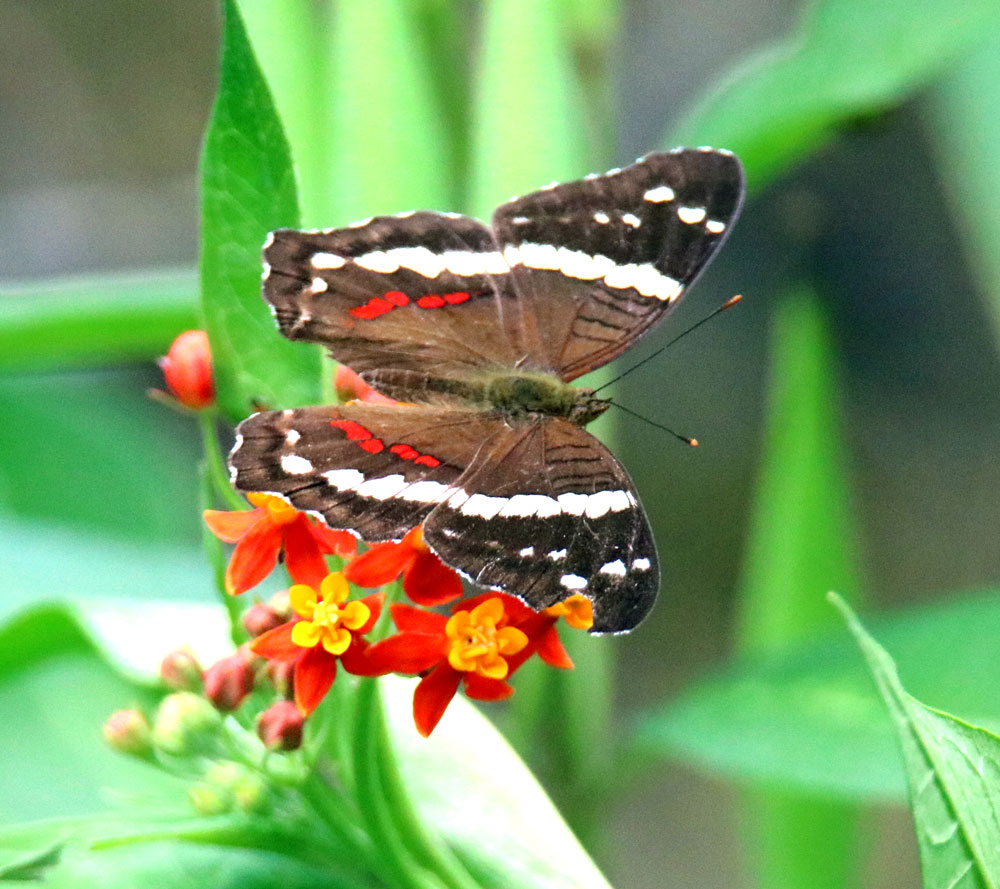
This butterfly may be one of the most common in Costa Rica, but it is still a real beauty and a joy to find, the Banded Peacock (my gallery link).
Banded Peacock, Atenas, Alajuela, Costa Rica
¡Pura Vida!
Email Notification Tech Problem
For about a week now, my regularly scheduled 4 am emailed release of a new post has not been working as handled by “Jetpack,” a service company to WordPress, thus the posts were published online but have not gone out by email to my subscribers. Sorry! Technology drives me crazy when it claims to do so much and then doesn’t work! Jetpack tells me they are working hard to fix it, but in the meantime my scheduled posts will only be emailed if I redo them manually, which I just did for several I considered good for the last week and will now manually publish each night, since their program is not working for scheduled posts. Sorry! Or maybe I should say “sorry technology!” 🙂 And this one is the one scheduled for today.
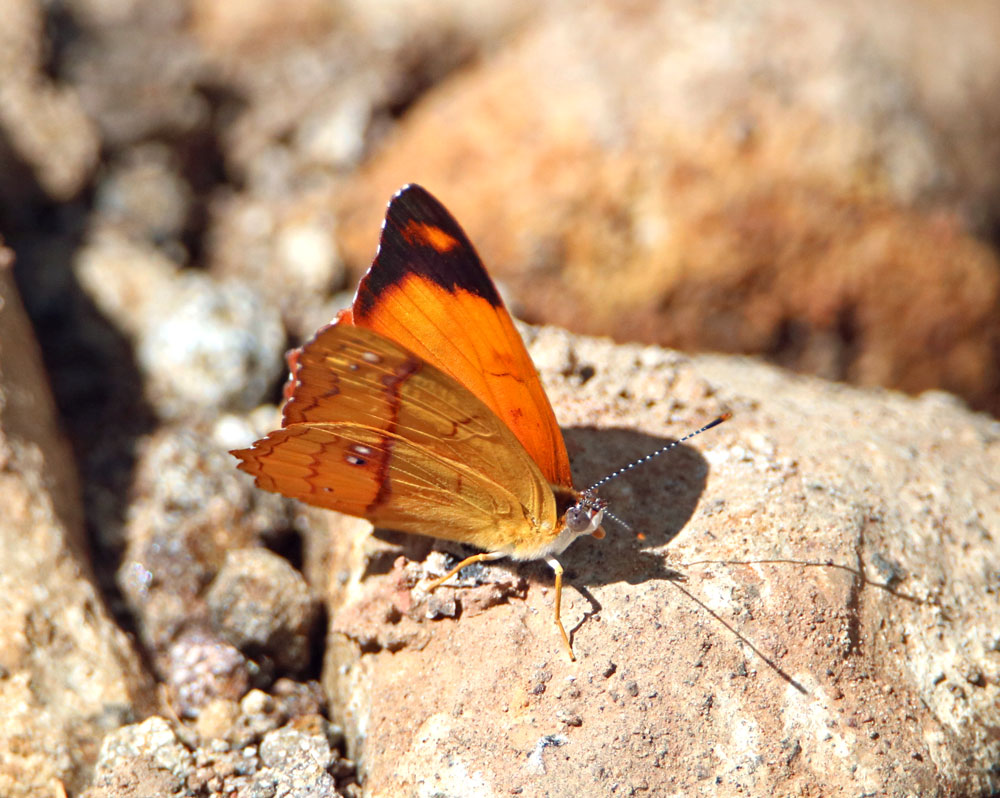
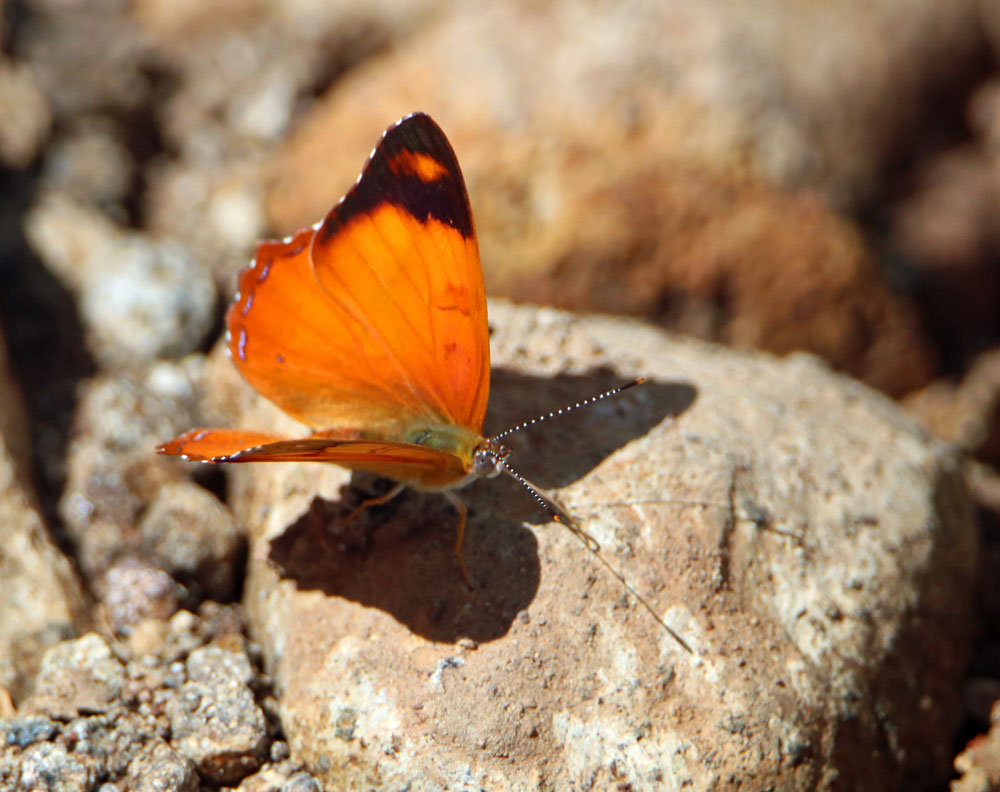
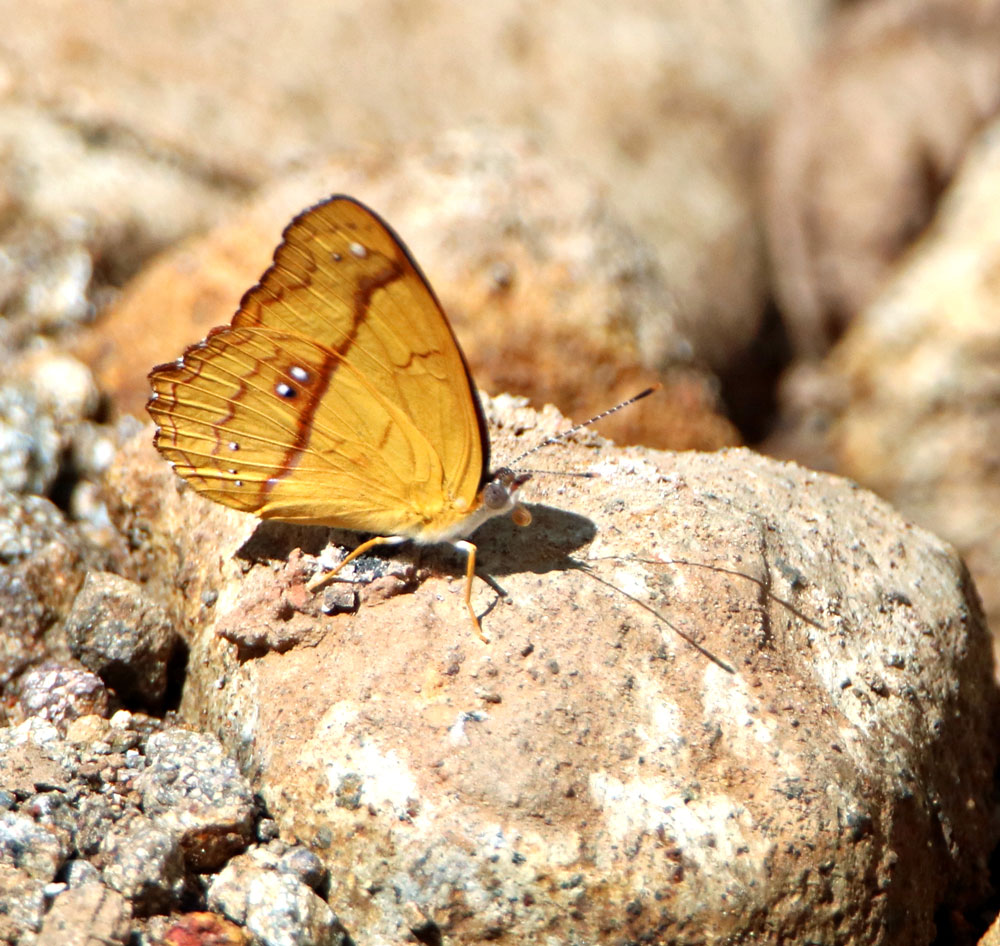
I saw this beautiful butterfly on Calle Nueva last week for the third time, the first being in August 2022 in my garden and again in August 2024. You can see the other photos in my gallery Mandarin Nica (linked). Some people call it “Little Banner” but I prefer to use the iNaturalist names.
Mandarin Nica, Atenas, Alajuela, Costa RicaMandarin Nica, Atenas, Alajuela, Costa Rica
¡Pura Vida!
My Latest Health Update for Close Friends & Family
Day before yesterday I was with my Urologist at the public geriatric hospital in San Jose for a Cystoscopy to help determine why I sometimes “leak” or they just say incontinency. Of course Walter was with me as in almost all of my medical appointments and he watched the TV screen seeing inside me and that my prostate is small and just fine (I had a TURP 30 years ago and they thought there might be scar tissue or a new enlargement, but no) and then all the way up to my bladder that never empties all the way where they discovered that it is stretched and no longer has the ability to contract as much as when younger. That was caused by “holding it” too long and too often when younger. They told Walter that he had to go at least every two hours to avoid this. They gave me two medications which I will take for a year to somehow help the muscles or something build back up in the bladder so I can better contract it and empty it again. A simple outpatient procedure that will make my life a little better, thanks to a national healthcare system that works and works very well! 🙂
I may have already reported that my general geriatric doc sent me to a nutritionist doc here in Atenas Public Clinic who is pushing me to lose weight by stopping sugar and other fattening things like bacon, ice cream, cookies, sweet tea, sodas, processed meats, etc. Every two months she weighs me and measures my waist. 🙂 No wonder it is common in Costa Rica for people to live 100 years! 🙂
This week I’m getting a new local attorney with a slightly updatedwill and giving power of attorney to Walter Ramirez (my driver and medical helper and like a son to me). If I become disabled, he will continue to manage my medical needs and be able to make decisions for me when I’m unable to do so myself, as determined by a doctor.
Overall I’m very happy and healthy for an 86 year old and anticipate many more happy years in the Pura Vida of Costa Rica! (Photographing birds & butterflies!) 🙂
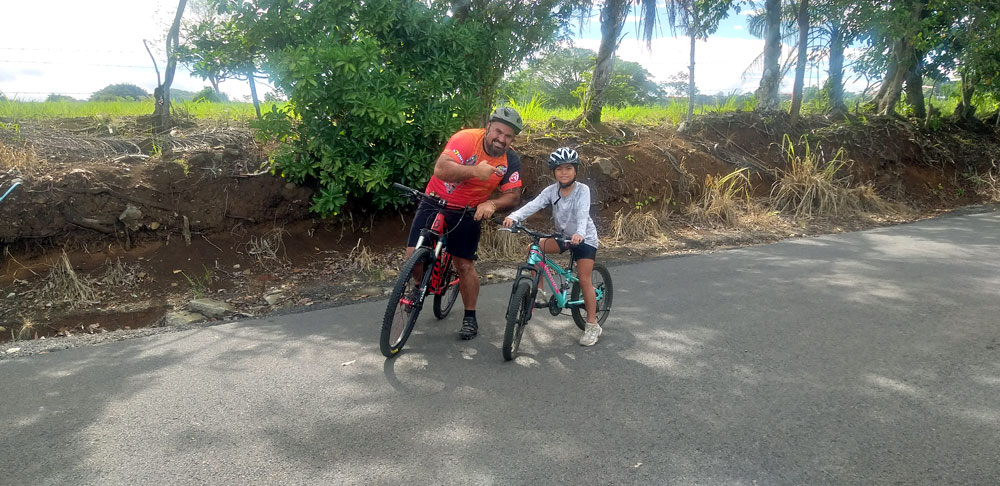
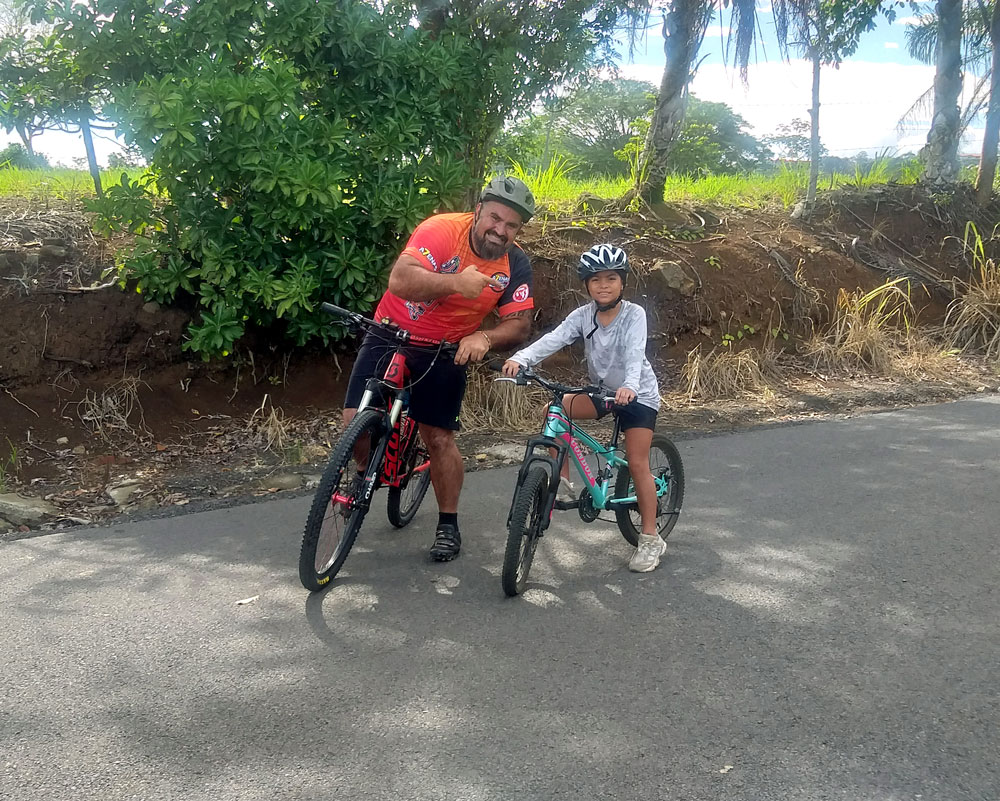
Saturday, 2 days ago, I did an after-breakfast photo walk to Calle Nueva and just before I got to the dirt road this biking duo of Father-Daughter slowed and stopped by me as I was photographing a butterfly. He asked if I would like to photograph them and I said “Sure! But this lens is too long for this close, I’ll use my cellphone and then take one for you on your cellphone,” which I did. About that time his wife and other daughter (lagging behind them) on bikes passed us by saying “¡Buenas dias!” and went on to get ahead of the obvious faster duo. The man and I talked a bit more and he admitted that he just wanted to practice his English and that I could practice my Spanish, which I did. Another example of the friendly people of Costa Rica! ¡Pura vida! 🙂 Though I generally only photograph and share nature photos, I do relate to people every day and each encounter is a joy! 🙂
Happy encounter on my morning walk! 🙂
¡Pura Vida!
This is an August photo, but I may continue to share a few more July pix before switching totally to August photos. As is often the case here, I can’t keep up with the processing of so many good nature photos! 🙂 And yes, I got some butterflies on Calle Nueva that I haven’t had in my garden yet, so another good thing from that morning.
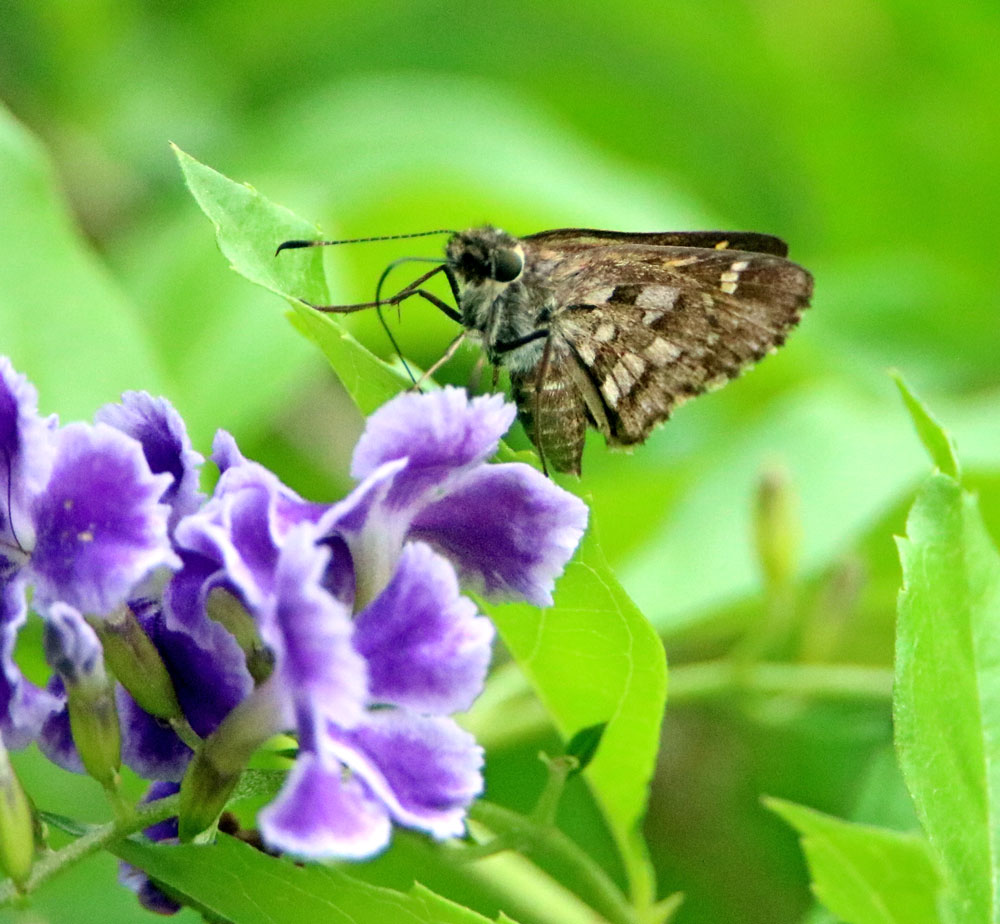
I’ve been unable to identify this butterfly I observed in my garden in June and iNaturalist helped me to put it in this Genus Cecropterus, generally referred to as “Cloudywings.” I’m hoping that after I post it on both iNaturalist and BAMONA, some butterfly specialist will identify it. It is similar to some other butterflies I’ve seen, so it is possible it will join another species I’ve earlier identified. We will see! 🙂
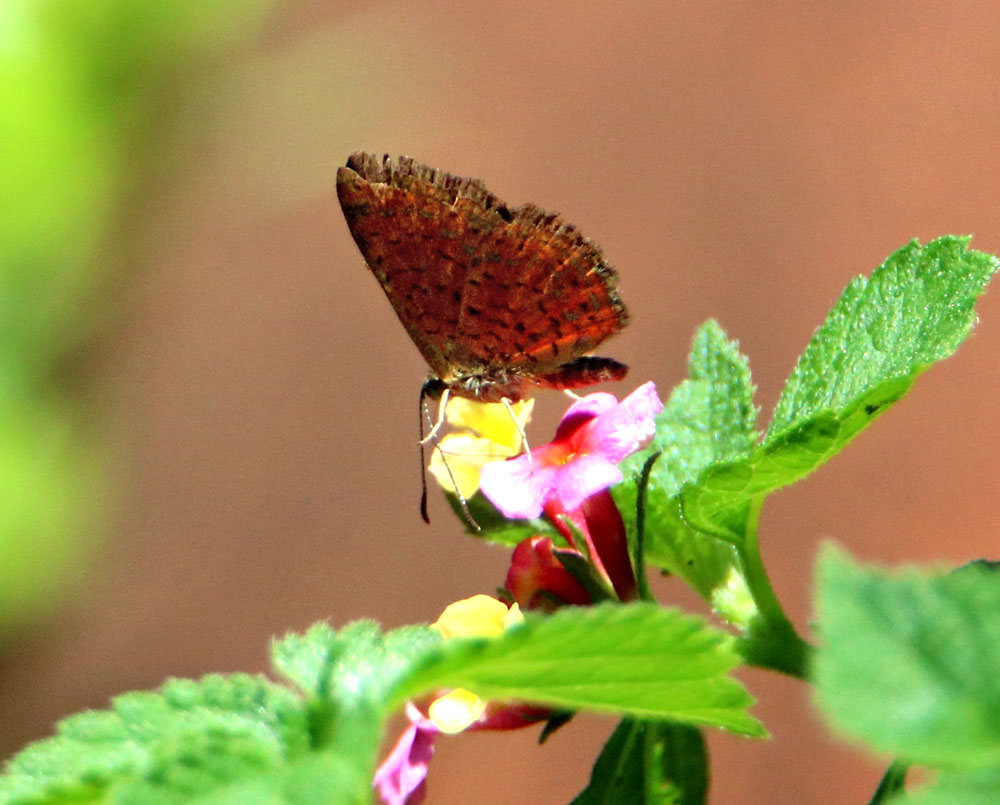
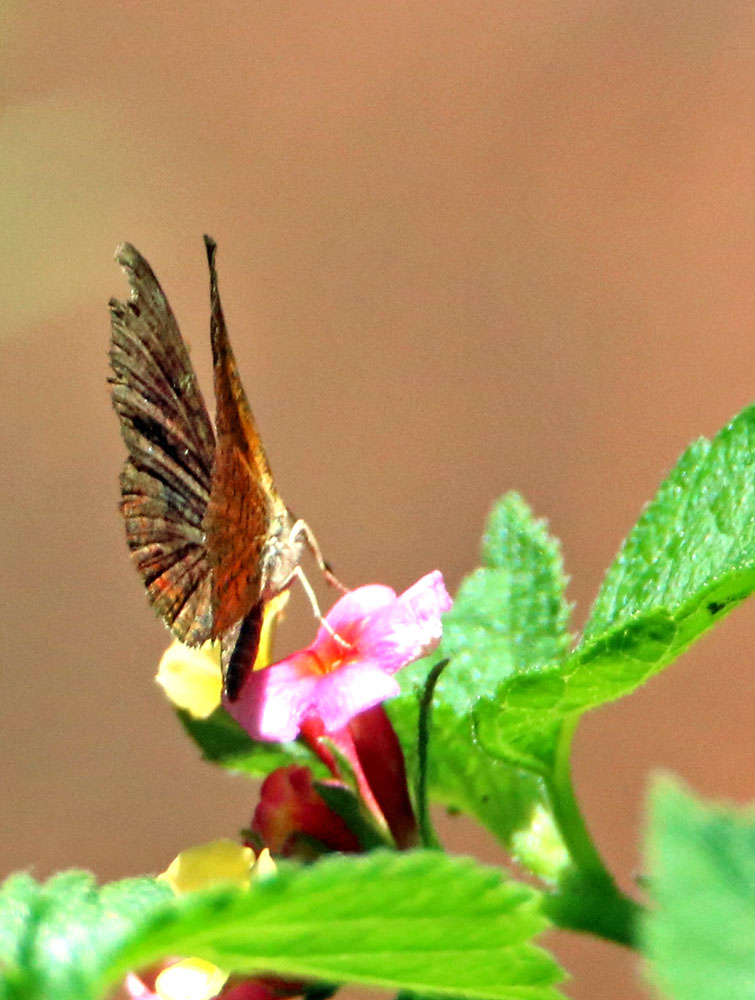
I’m beginning to place more of my unidentified butterflies into their probable genus or even a broader tribe or family, thanks to the folks at iNaturalist who encourage that and their very helpful AI helps me choose which level to put it in. This one from June at my house really fits the Calephelis Genus but I simply cannot identify the species and hopefully when I post it on both iNaturalist and BAMONA at the end of the month as my June observations, some “identifier” or butterfly specialist will have an identity. 🙂 But until then, this observation will stay with several other similar ones in my gallery Calephelis Genus. (linked)
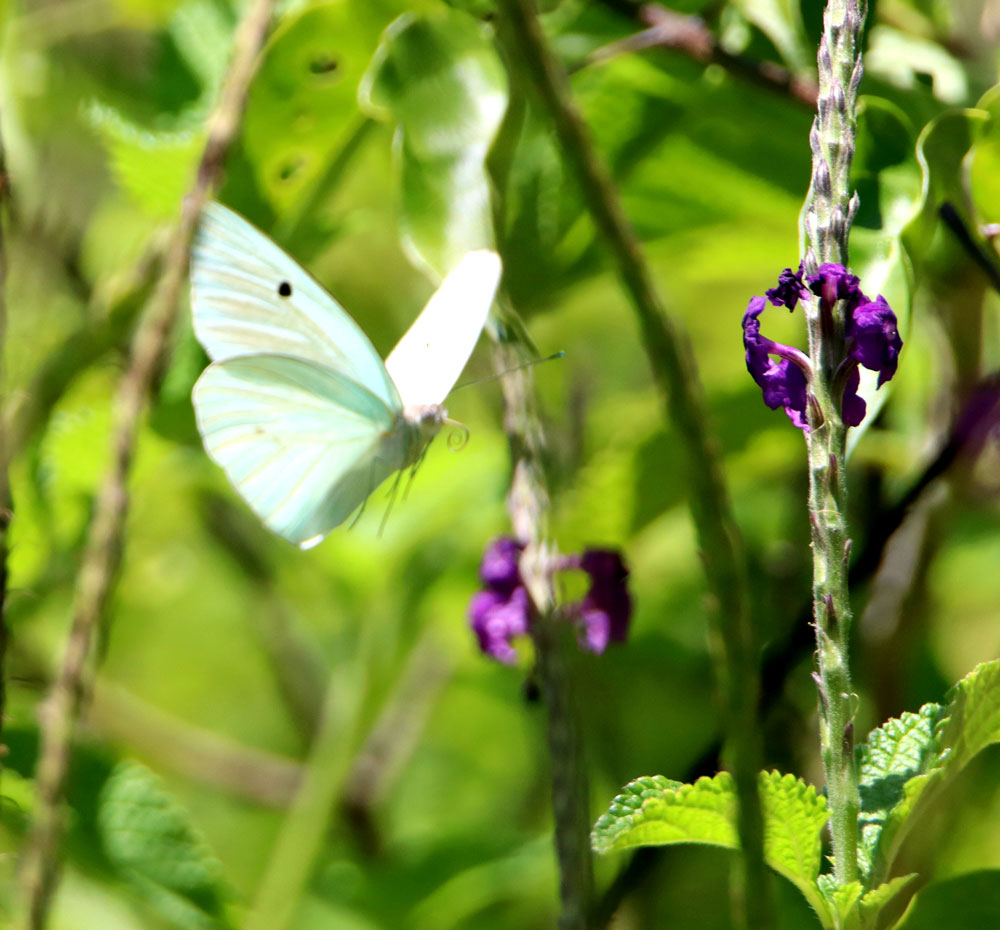
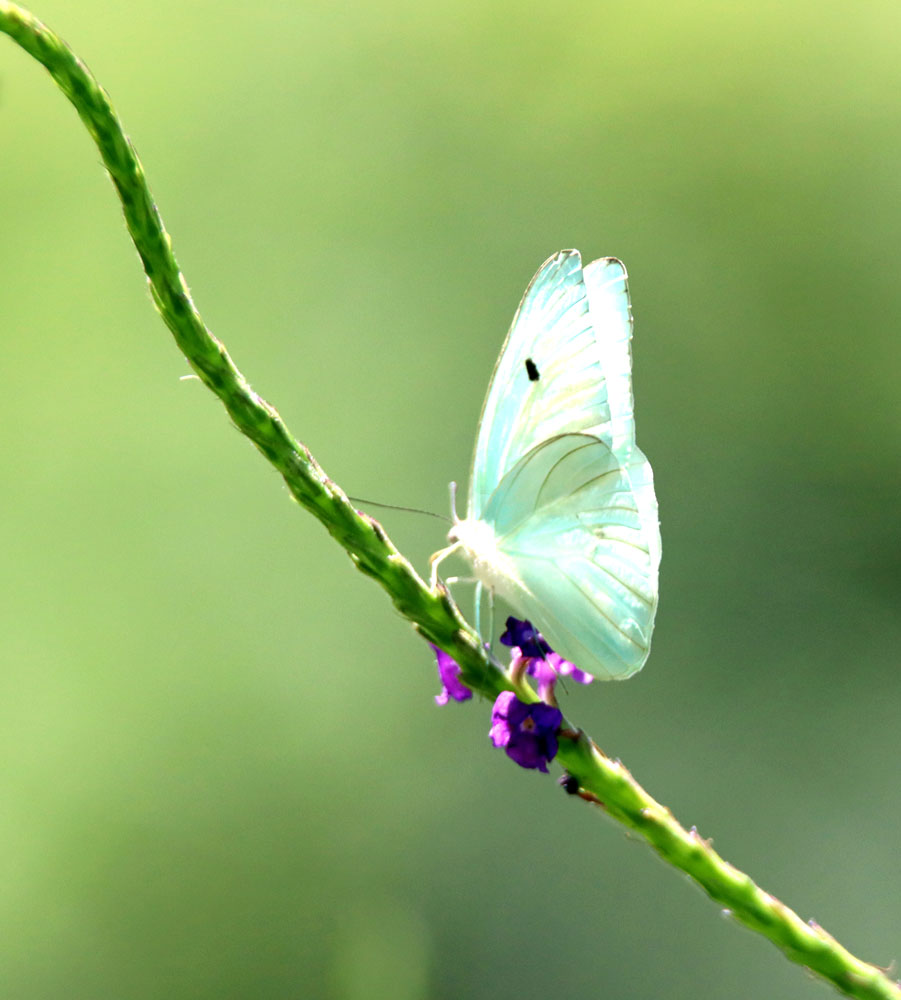
This one might be as common in parts of North America as here, the Giant White – Ganyra josephina (my gallery link). One of the many new species showing up in June when the wind was not blowing. 🙂
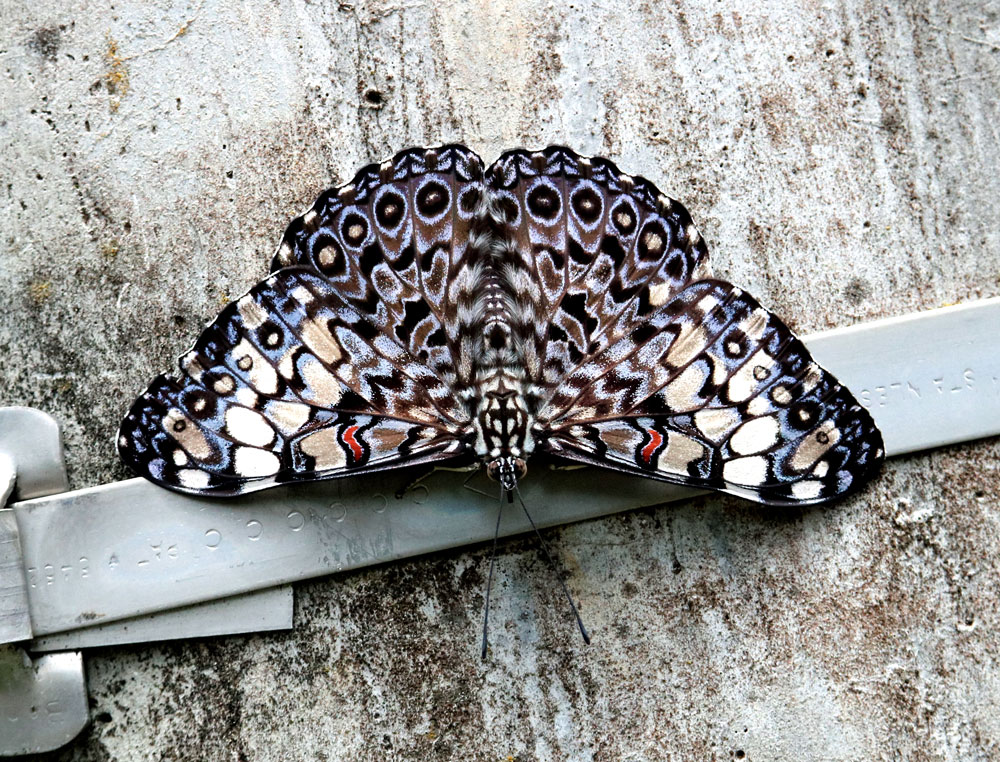
First Cracker I’ve seen in Atenas outside my garden, this one on a telephone pole between my house and the RV front gate. That metal strap on the power line pole takes away from the naturalness of the butterfly, but it is otherwise a good, clear photo by my cheap android telephone. 🙂 See more of this species in my gallery Variable Cracker. All of the others are on my Cecropia Tree.
Variable Cracker, Residential Roca Verde, Atenas, Alajuela, Costa Rica