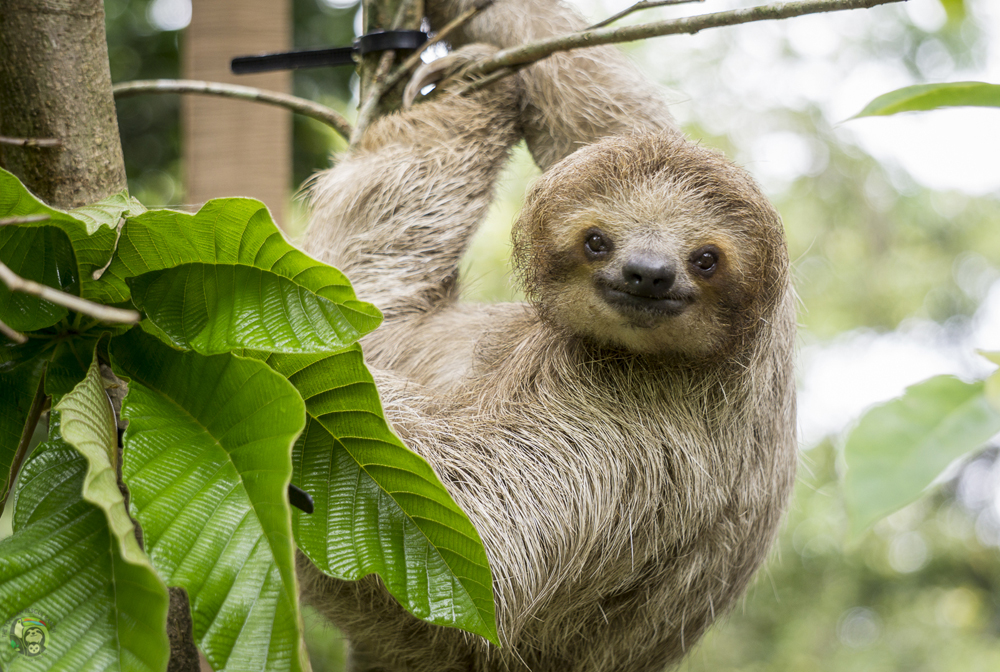
Like Costa Rica’s emblematic Sloth, the people here are always smiling and prepared for come what may – even Coronavirus! Feature photois by the Sloth Rescue Ranch, not me, and from Tico Times. Read on to see how better prepared little Costa Rica is than the big ol’ USA and thus we will get over it quicker too! 🙂
Thursday’s Tico Timesedition reminded us of how better prepared we are than a lot of bigger countries for the pandemic, like our great university is already making emergency respirators for when/if needed at only $140 each! (You think the U.S. would ever do that?) People are ready to sacrifice financially for the 25 days we are closed to all outside tourists (and it will be much longer before tourism is back to normal–like by next winter we hope). Here are the specific articles this week in Tico Times about the pandemic’s affects on Costa Rica:
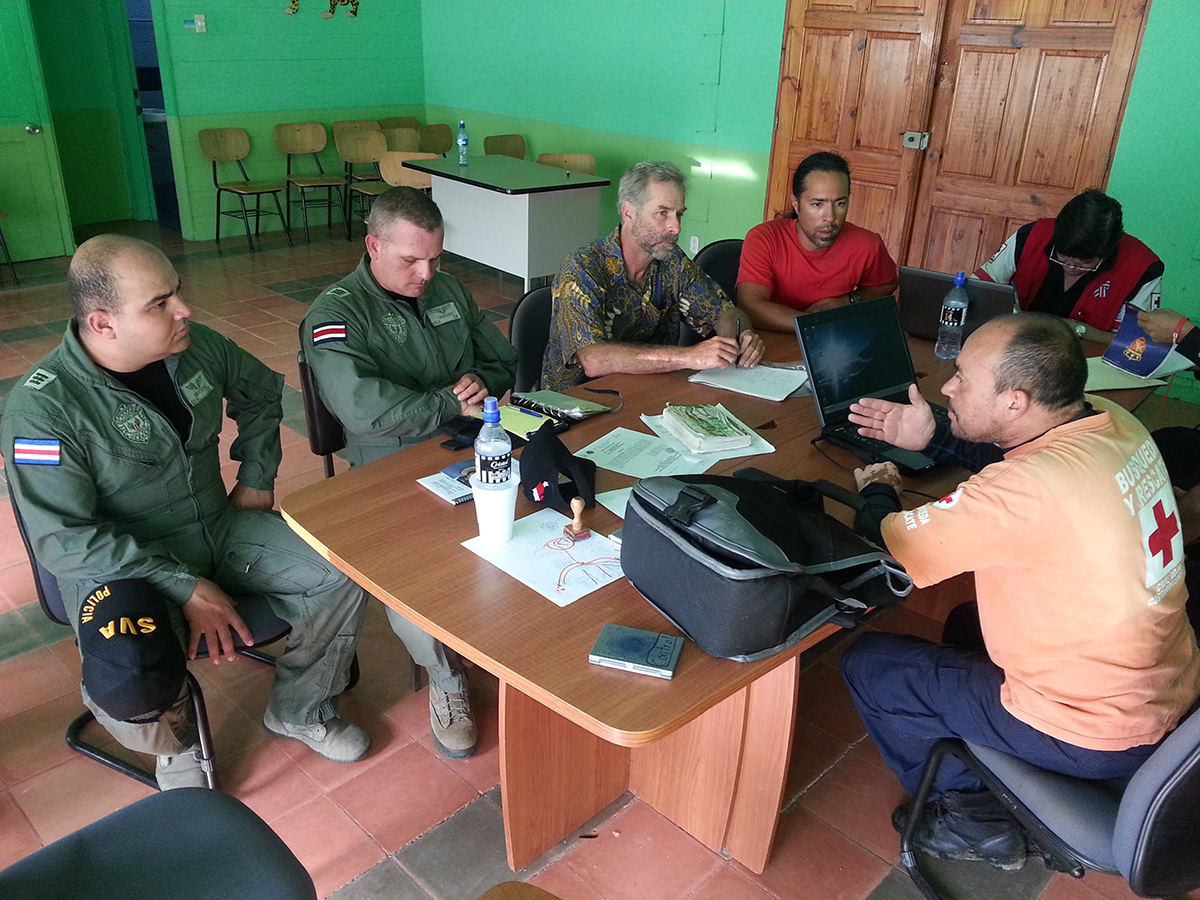
Those were the last words emailed to the parents of Cody Roman Dial as he entered the famous and notorious Corcovado National Park on the Osa Peninsula of south-western Costa Rica on the Pacific coast near the Panama border, July 10, 2014.
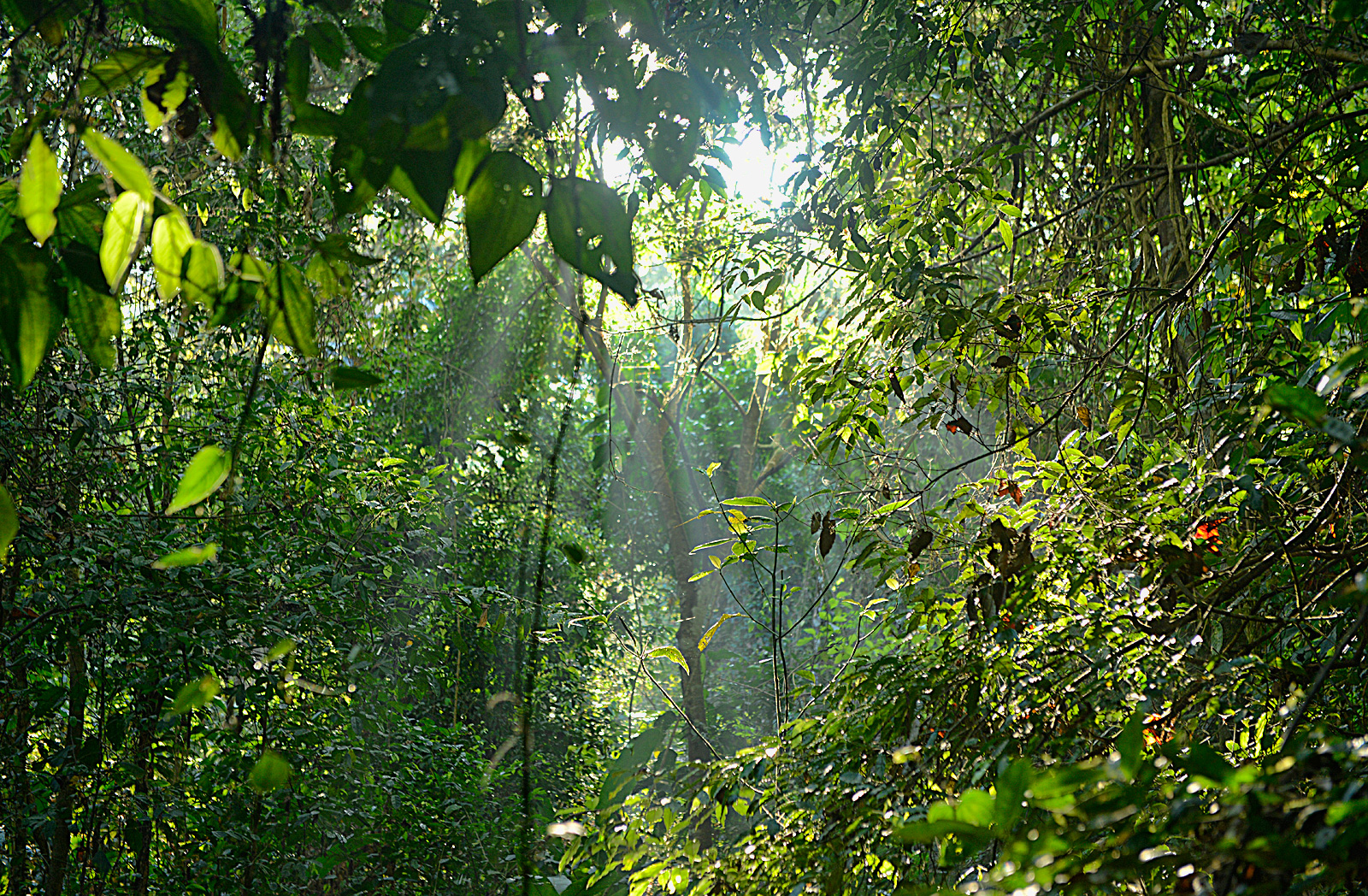
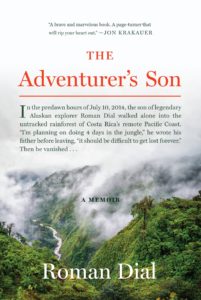
I am currently about 85% through the Kindle version of this memoir of the loss of Roman Dial’s son Cody Roman Dial here in Costa Rica the same year I moved here, 2014. It all happened in one of the wildest jungles in Central America, the kind with dangers that attract young men like Cody! From snakes & jaguars to illegal gold miners.
The book is The Adventurer’s Son by Roman Dial, the young man’s father, and it starts slow as a childhood biography of Cody helping you to love the adventurous boy as if you were his parent too. Then later he adds as many details as he had of Cody’s solo adventure hike from Mexico City to South America through Central America as an invincible-feeling 27 year old with enormous experience in the wild since his young childhood, most with his parents or sometimes with just the father, who is a lifetime adventurer, explorer, scientists, college professor and part-time explorer for National Geographic. The young man sort of had a reason to feel invincible in the wild. On his trek he climbed the highest mountain in Mexico, used his Spanish language to relate to locals, did an impossible off-trail hike through the jungles of El Peten, Guatemala and boated through the dangerous La Mosquitia Swamp in Honduras before coming to Costa Rica. All of the above were already amazing feats!
Cody Roman Dial
Because Corcovado National Park is one of my favorite places in Costa Rica that I have visited 3 times now, I was naturally quite interested in the story and the book.
I will not try to summarize the book or write a full review right now (I’m still reading it), here I give links to public information on the book (the above title link is to the Amazon.com source of the book). Below are three reviews. Plus I have added the reports of the father’s search by our local online newspaper Tico Times and some other news media reports below that. Lastly I have added links to the photo galleries of my three visits to this wilderness national park that took Cody’s life.
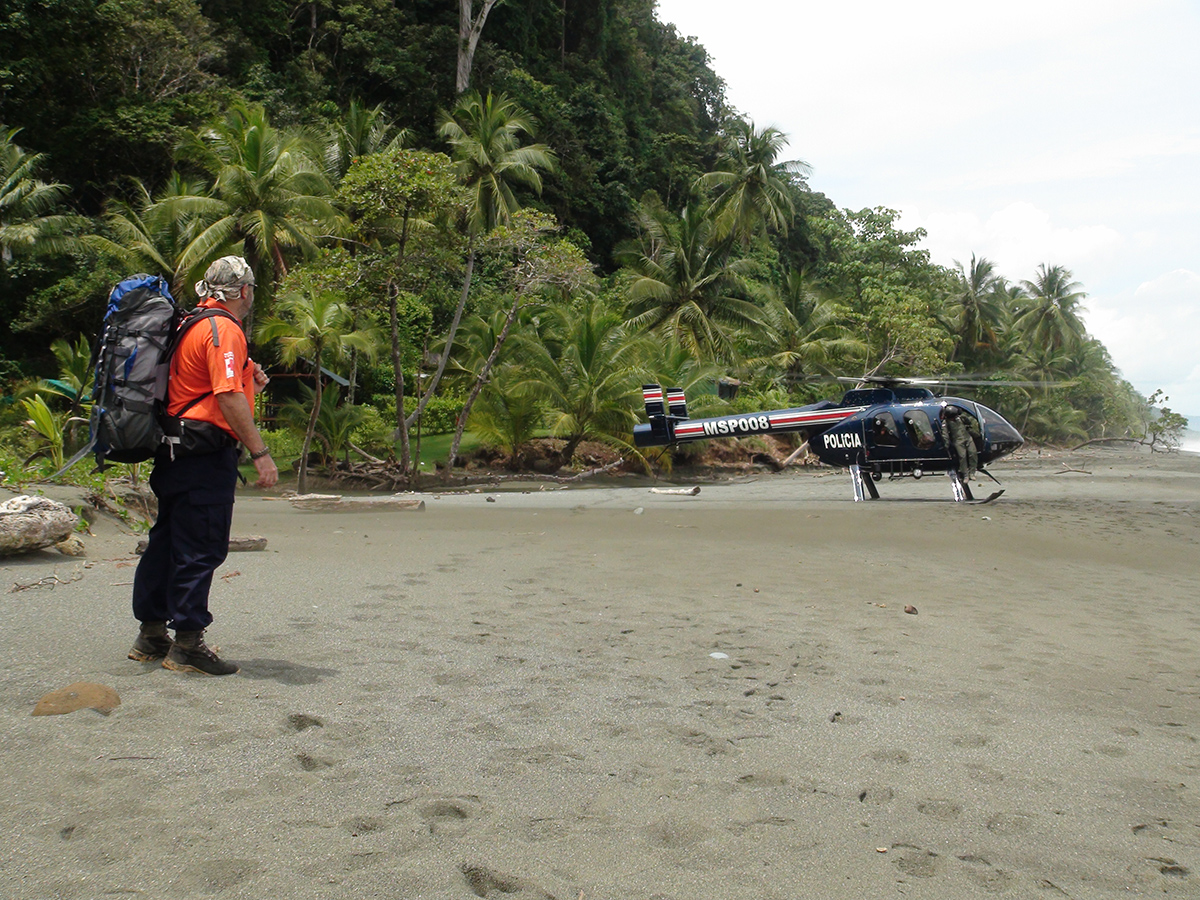
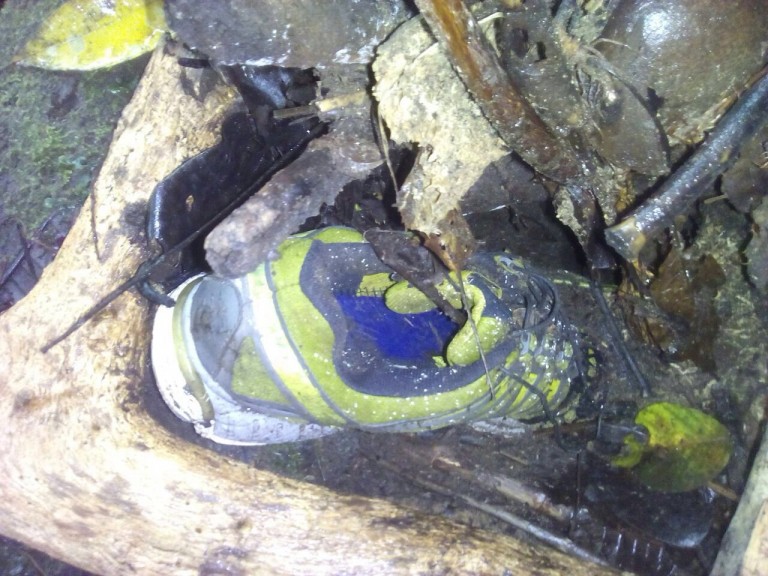
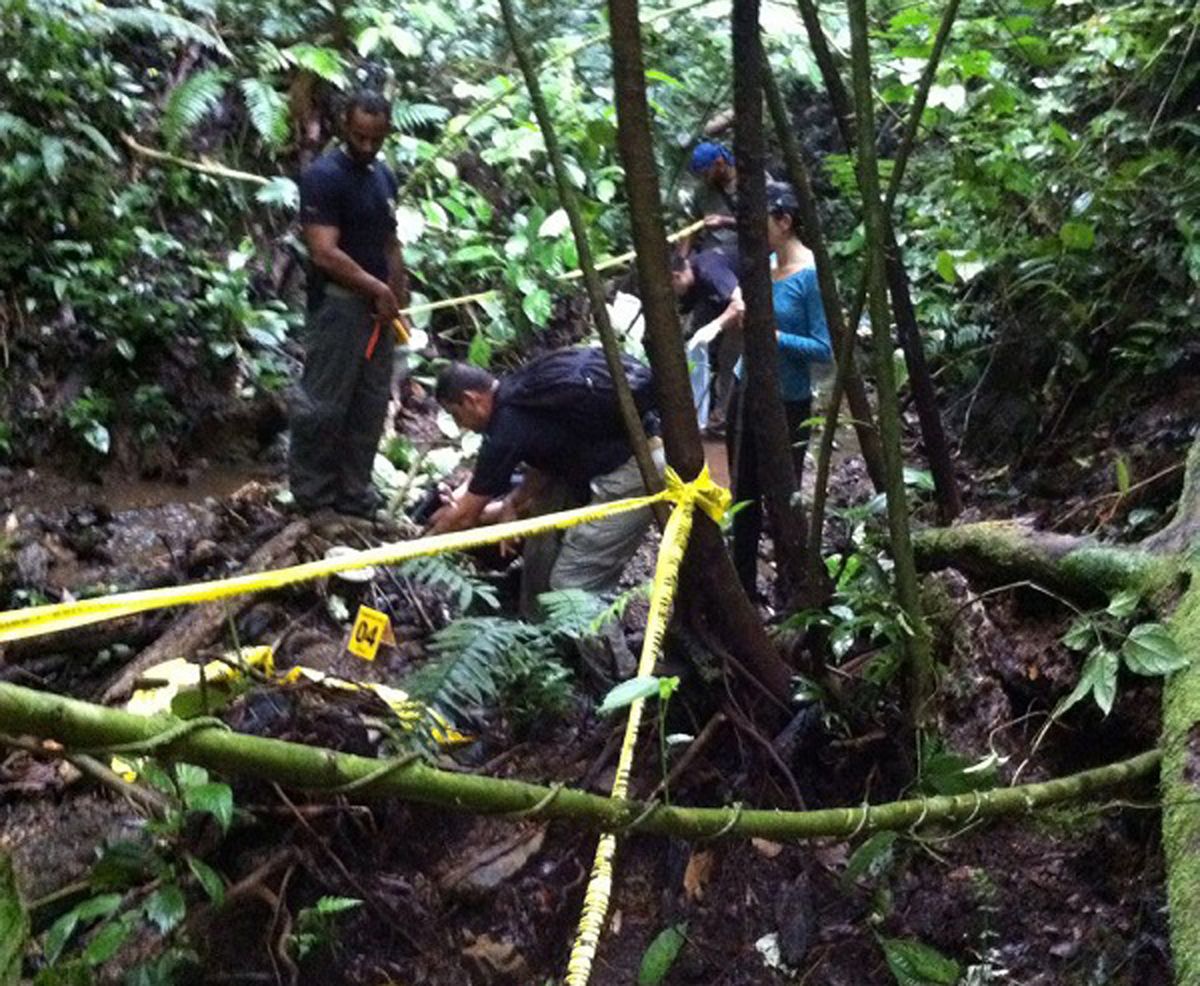
Cody’s equipment and passport found with human remains.Forensic specialists recover remains 2 years later.
There are many more stories online about the mysterious disappearance of Cody Roman Dial and and the ultimate conclusion that he was struck by a tree in a storm and killed in the wilderness of Corcovado National Park, hiking off trail which is against the park rules and hiking without an official guide which is also against the park rules. Sometimes rules are for your own good, but a real adventurer doesn’t always think so.
The book and the live news stories are heartbreaking for parents (I empathize because I’ve lost a child), but this story shows the infrequent yet possible dangers in the wilderness that any adventurer knows are possible. I would personally have thought a poisonous snake more likely there, but even the less likely falling tree is possible, especially in the many storms there.
I remember backpacking solo on Fiery Gizzard Trail in TN with fewer dangers but real dangers anyway. Then one day in 2012 on just a day hike there I stumbled and fell on a rocky mountainous trail and was serious hurt requiring stitches in my head. Maybe a life of adventure is always a gamble to some degree, but many real adventurers feel they must continue the gamble! But, like with so many things for me, I tend to be a moderate, wanting adventure but with more caution than many require, especially the young invencibles!
And yes! I will continue to go to Corcovado National Park (see photos of my 3 visits linked below), but always I go with a guide on an official trail, as tame as that may seem to you Cody’s out there! 🙂 I am basically a risk-adverse adventurer! And yes, that is compromising the very meaning of “adventure,” but I’m an old man who is still alive and still having fun! 🙂
My Comparatively Tame Corcovado Adventures
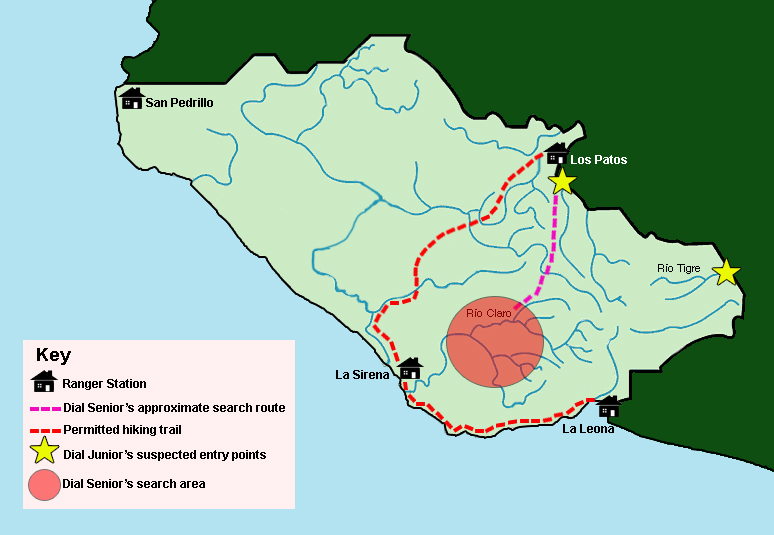
2018-March-13-17–Danta Corcovado — At Los Patos Entrance on above map.
There are only two other entrances that I have not visited, Sirena & Rio Tigre, but may yet. No planned trips there this year but maybe I go again in 2021. 🙂
Margaret, the lady birder from Canada who was in a nearby casita for one month, did most of her birding right here in Roca Verde, including uphill above my casita and on Calle Nueva, the country lane alongside Roca Verde. (She also walked to other neighborhoods in town and had a few trips away, including to Rancho Naturalista & the Tarcoles River.)
But her finding so many birds here got me back into more birding where I live and beyond my own garden where I have no feeders now which has reduced the numbers. Friday morning I spent an hour walking up and down the hill above my house with the result of the following photos of vistas and birds.
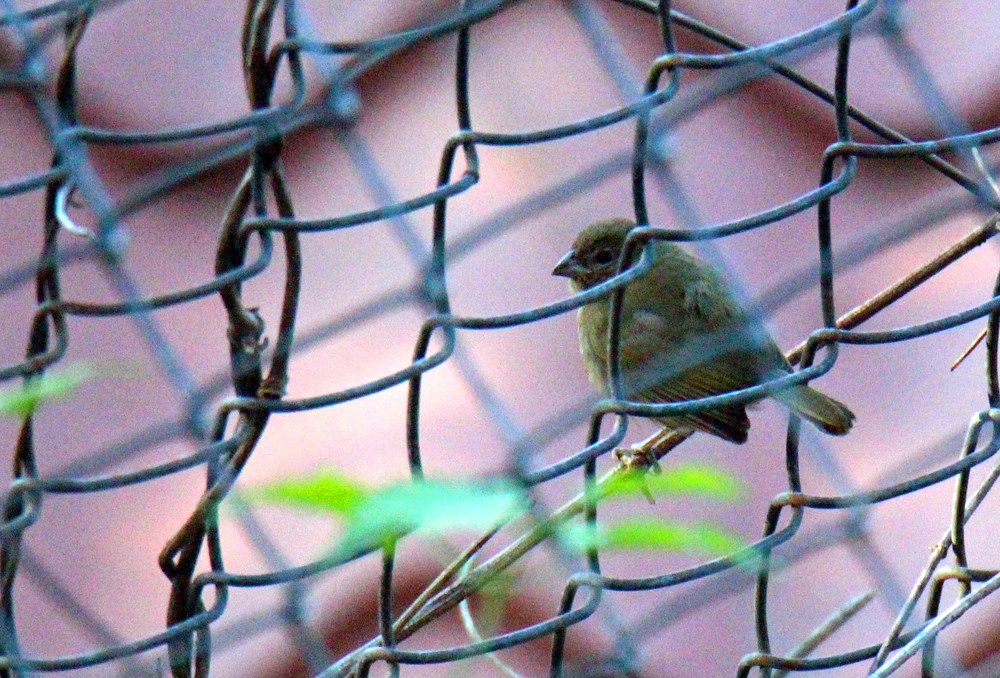
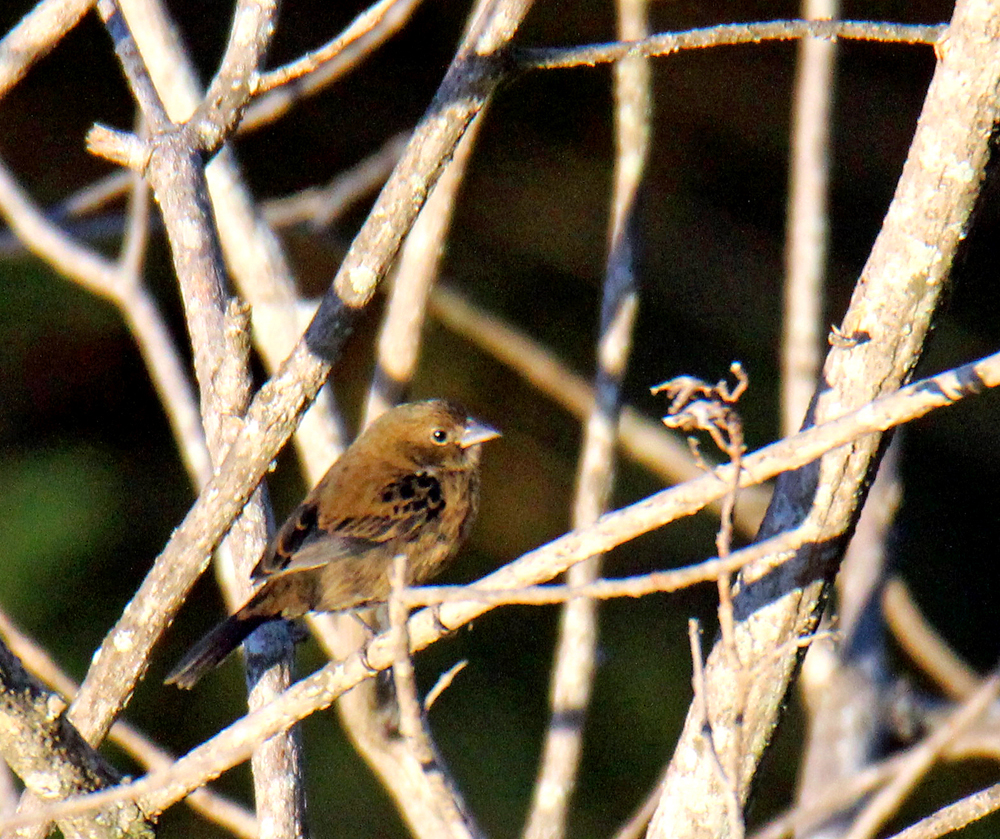
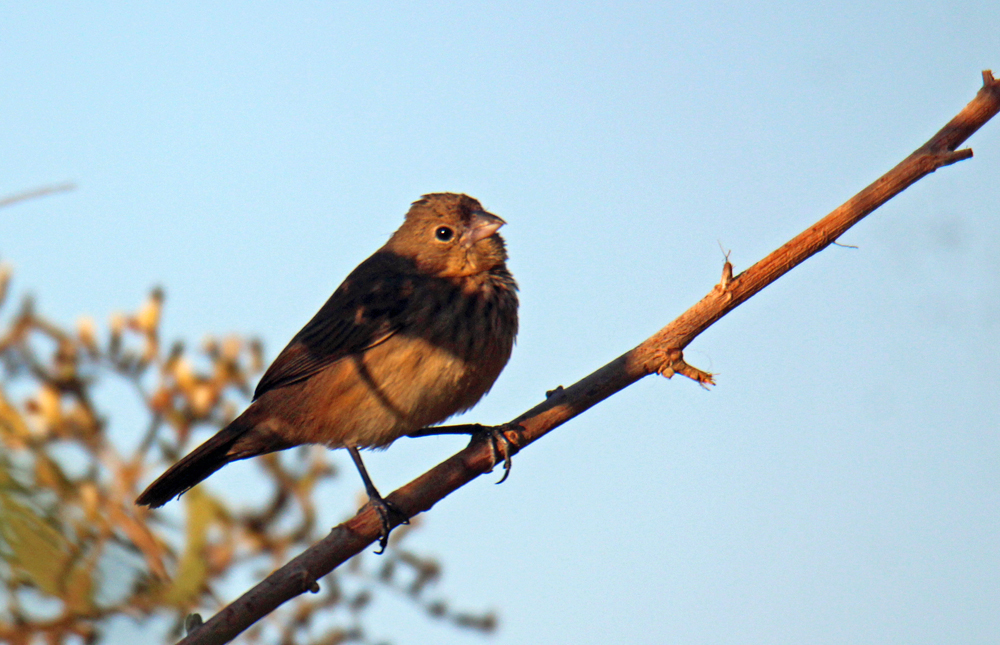
Not bad for less than a 200 meter walk from my house! And I know I have already shared similar views and birds on this blog before, but each new time in the viewfinder is a little bit different perspective, a different light, a different pose or action of the bird, and a new joy for me! No new bird species this time, though the immature Blue-black Grassquit was my first immature version of that species! Notice how different she looks from her mother or some other adult female Blue-black Grassquit in photos above. 🙂 I loved the walk and will keep doing it occasionally!
“In every walk with nature, one receives far more than he seeks.” – John Muir
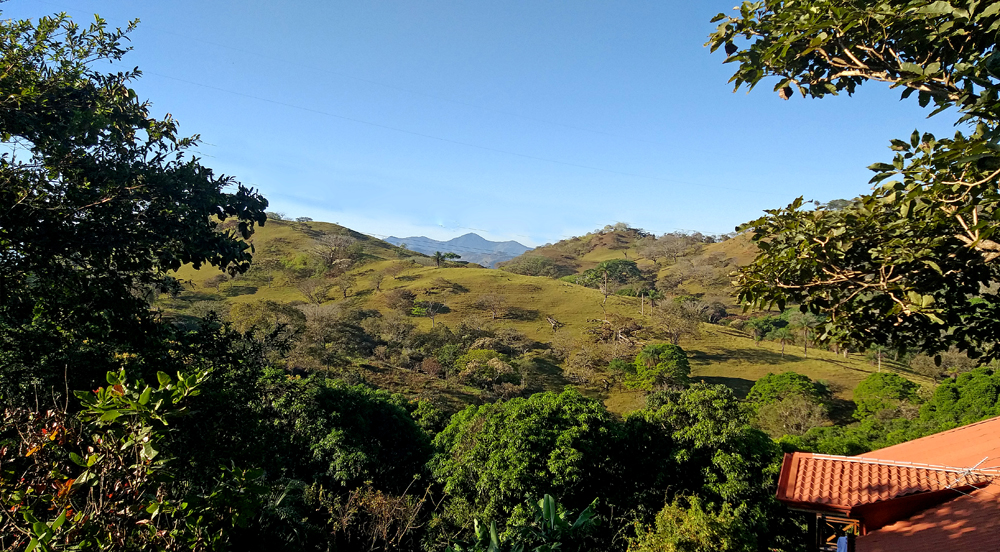
Vistas
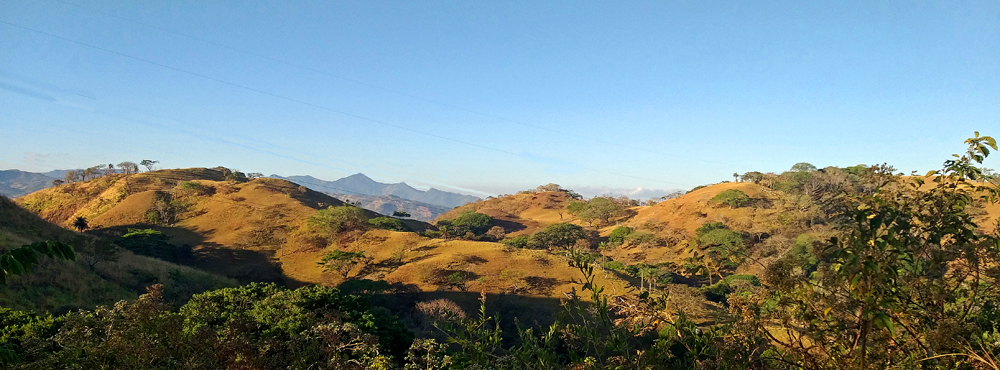
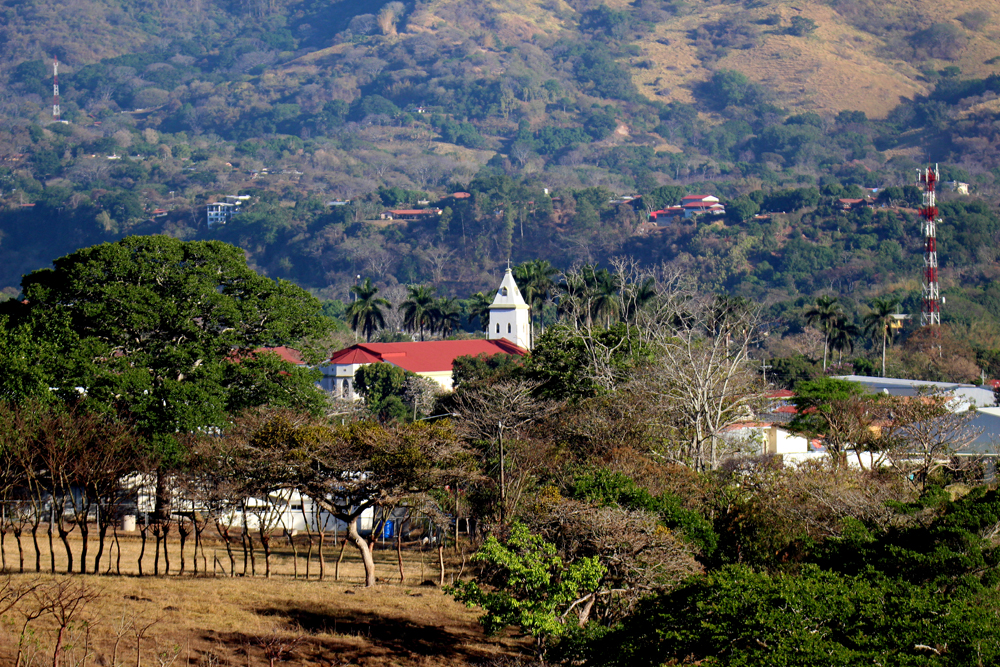
Central Atenas seen from the hill
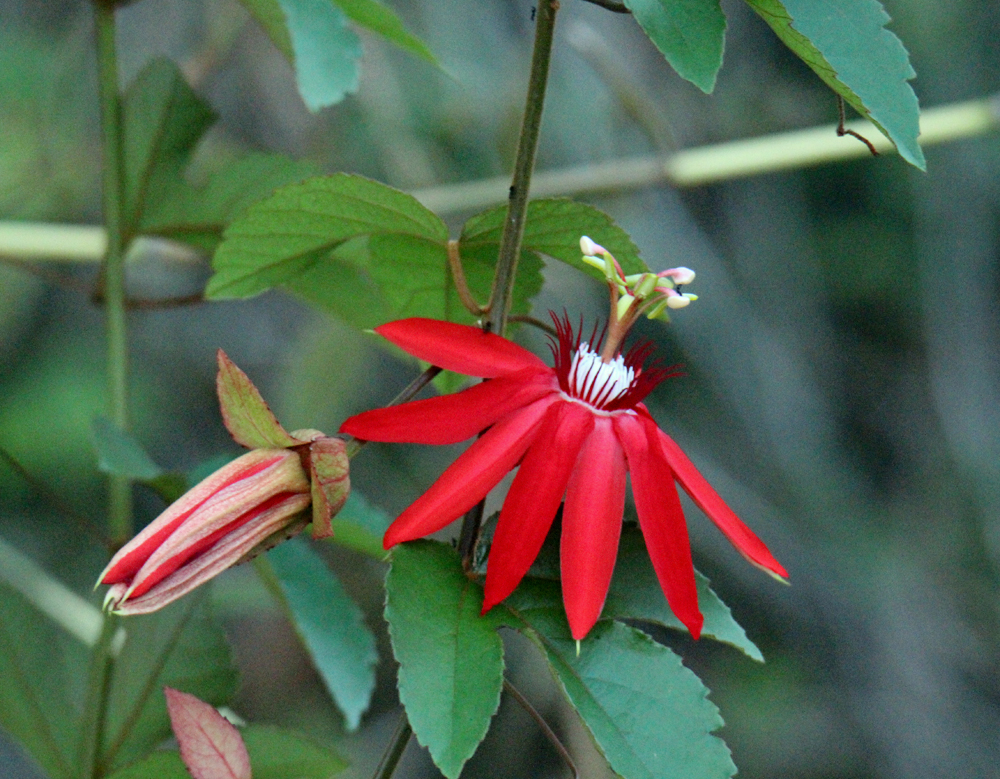
Passion Flower
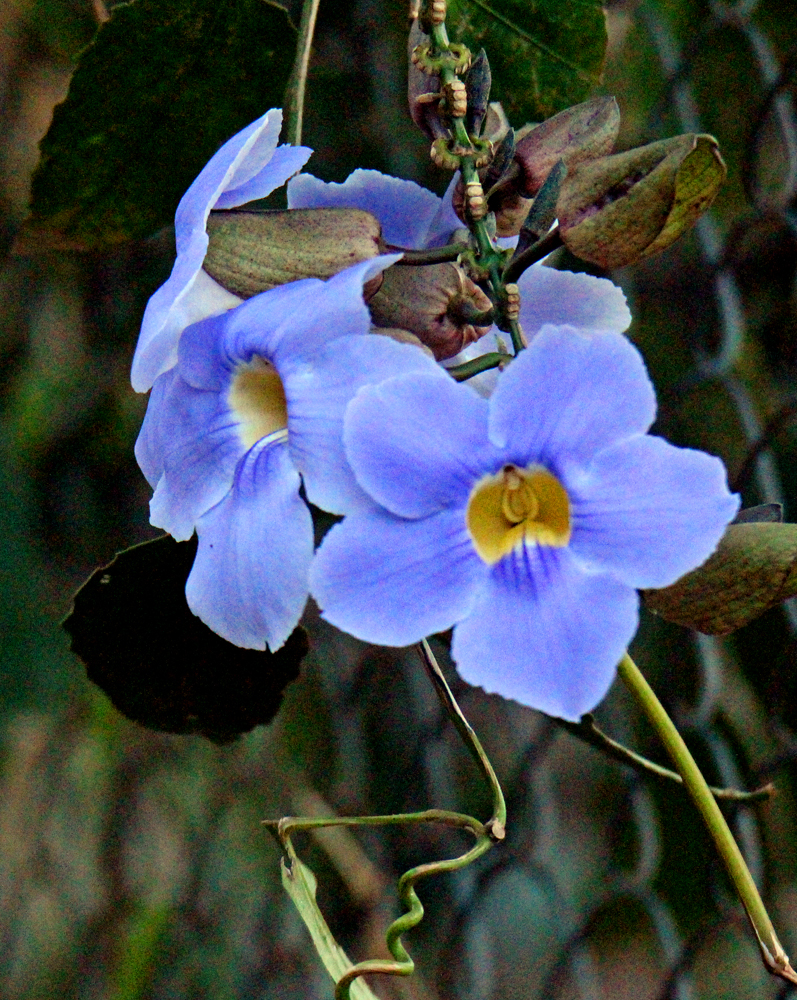
Thunbergia Grandiflora
Central Atenas seen from the hill
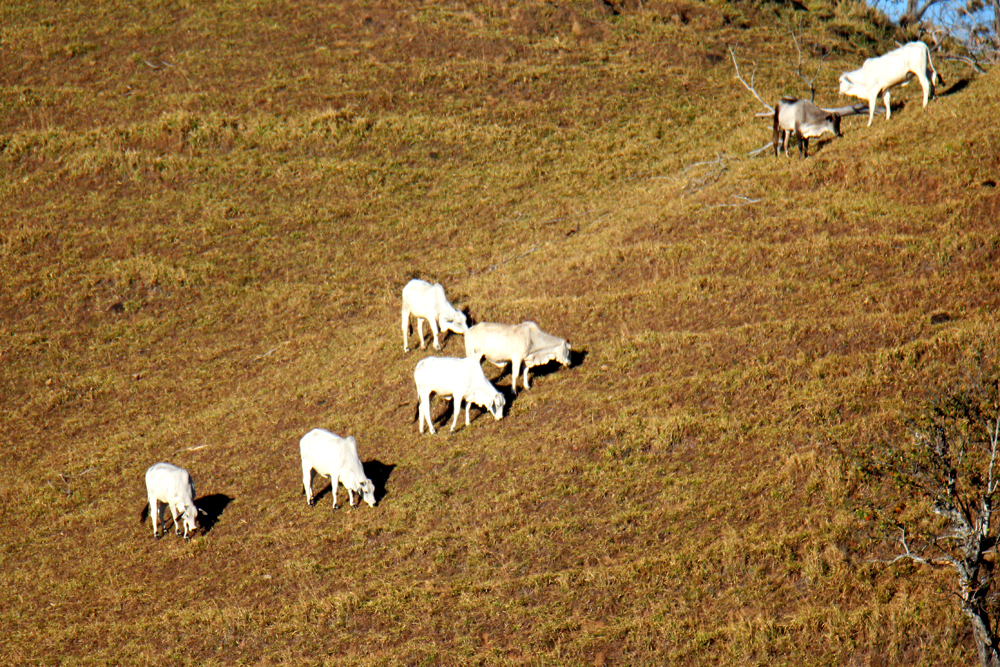
Cattle on the next hill
Farmland adjacent Roca Verde
Birds
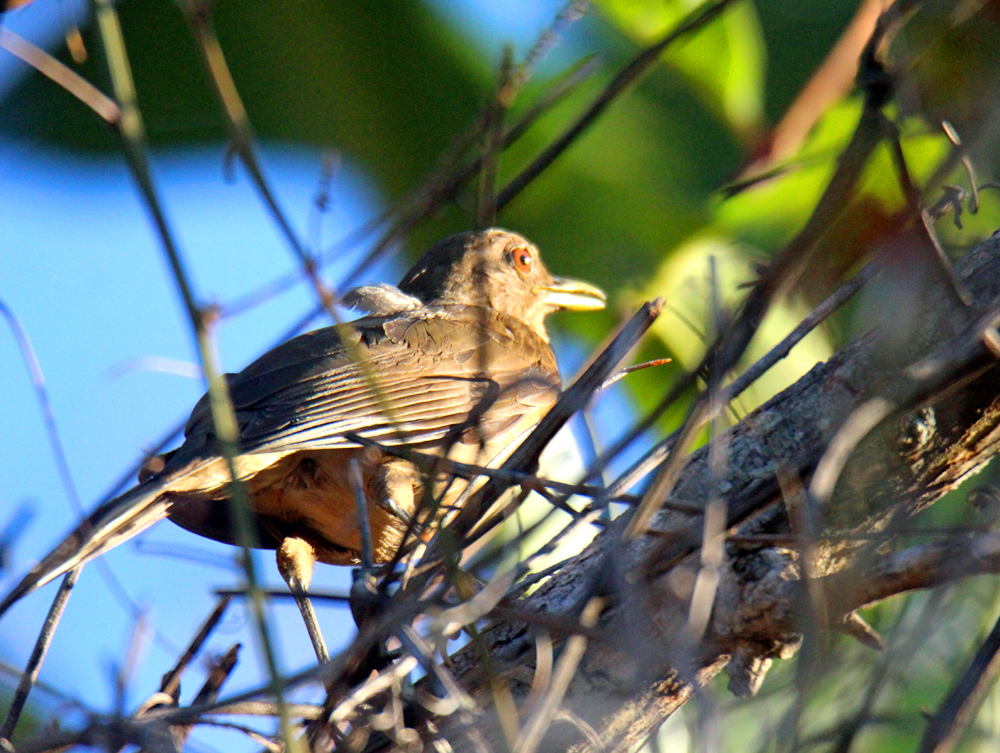
Clay-colored Thrush (light version)
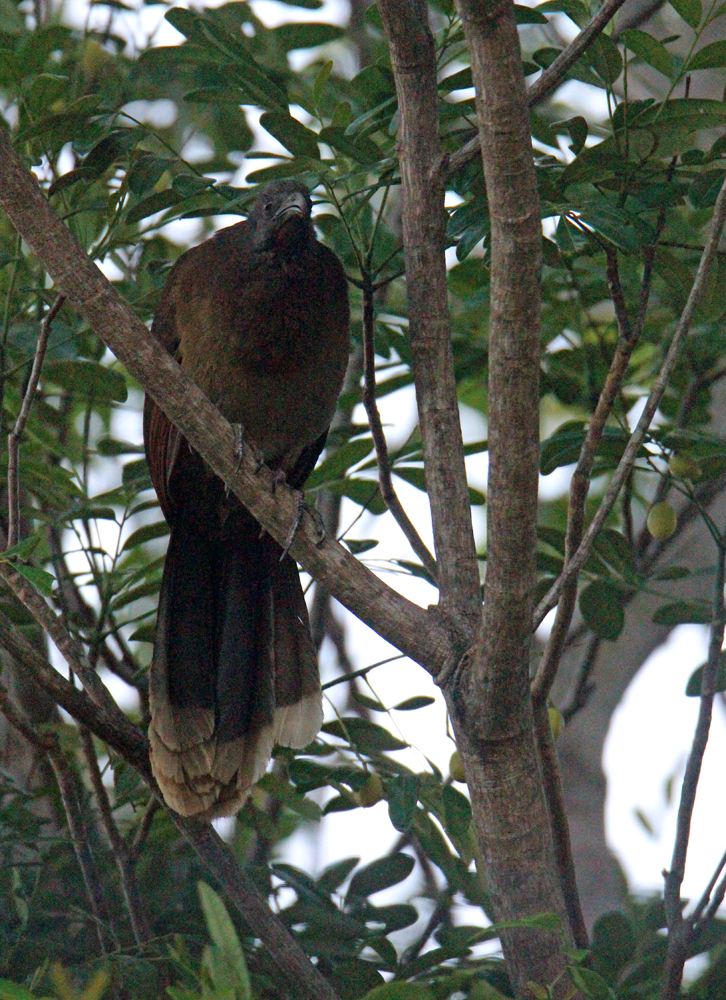
Gray-headed Chachalaca
Immature Blue-black Grassquit female
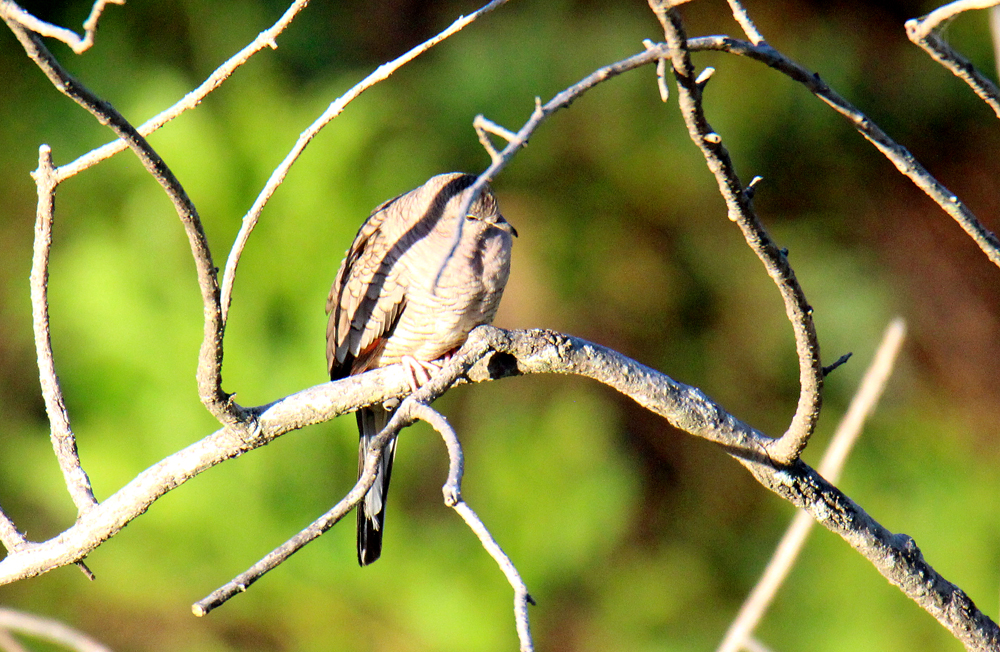
Inca Dove
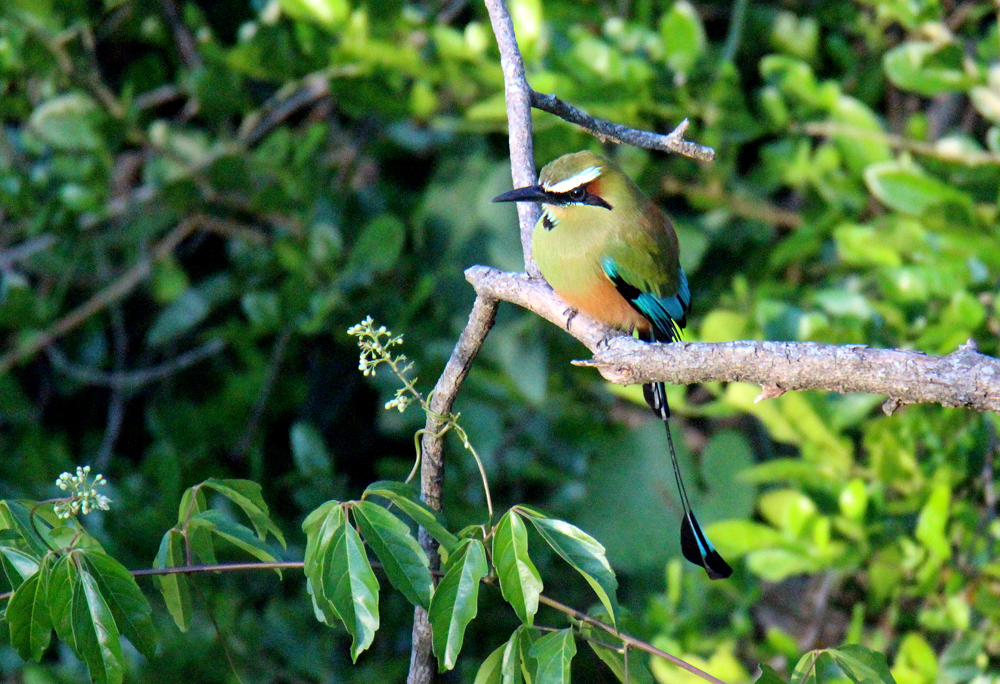
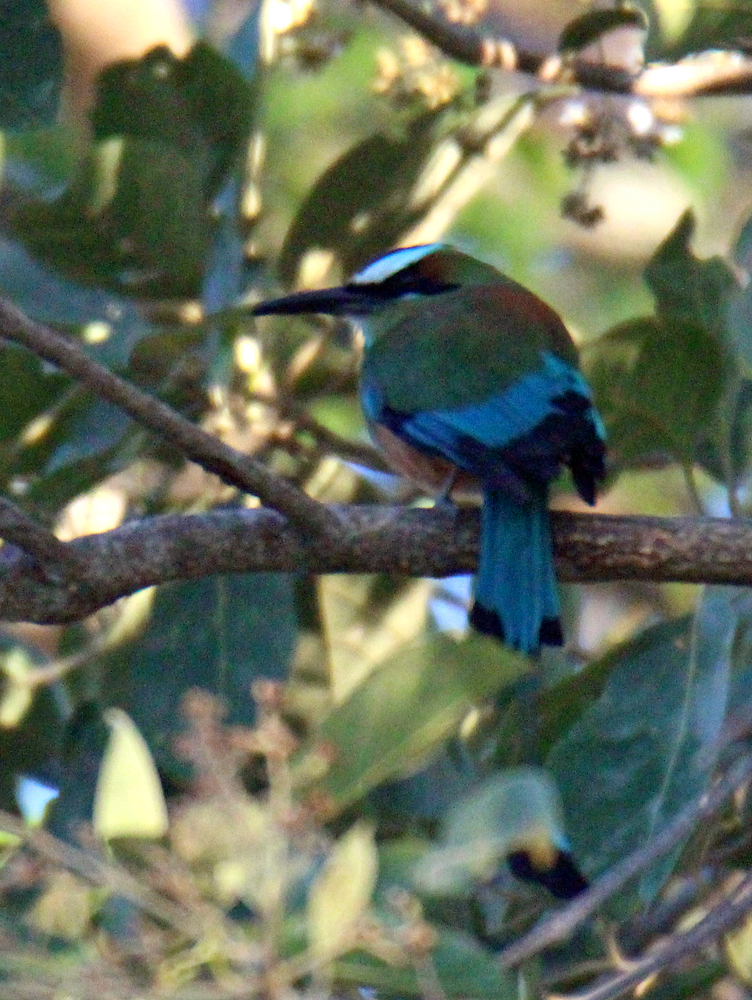
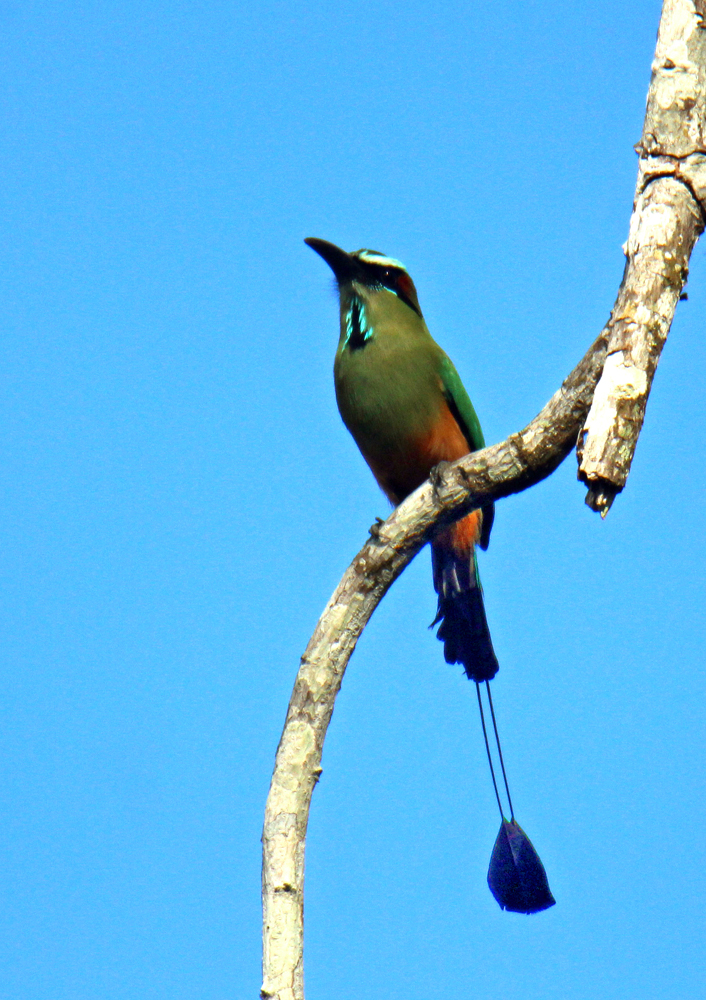
Turquoise-browed Motmot
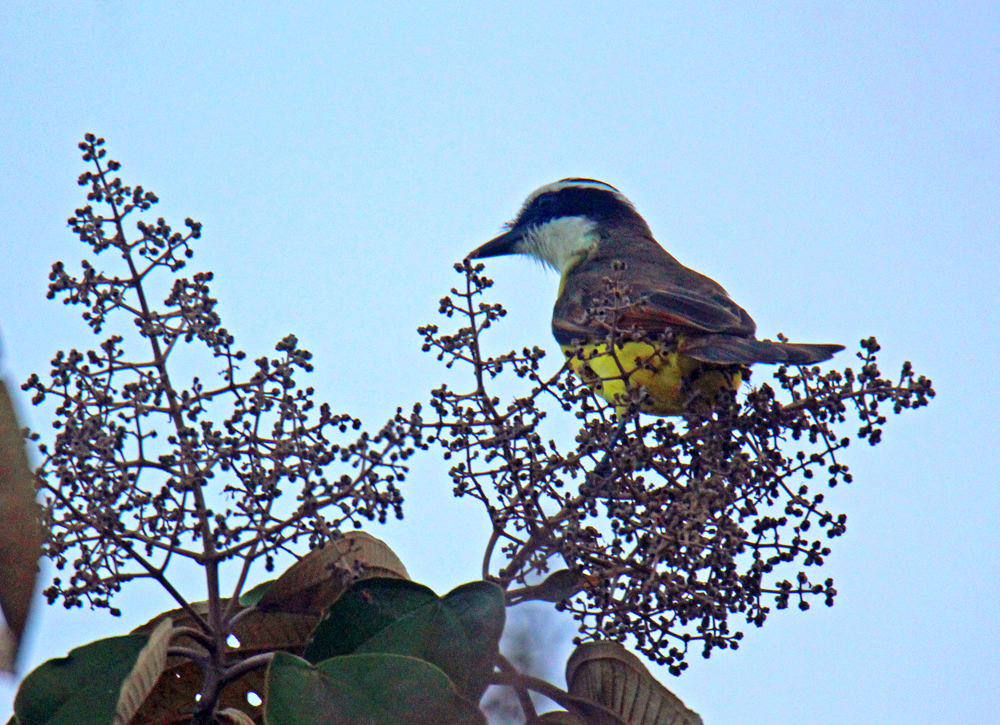
Great Kiskadee
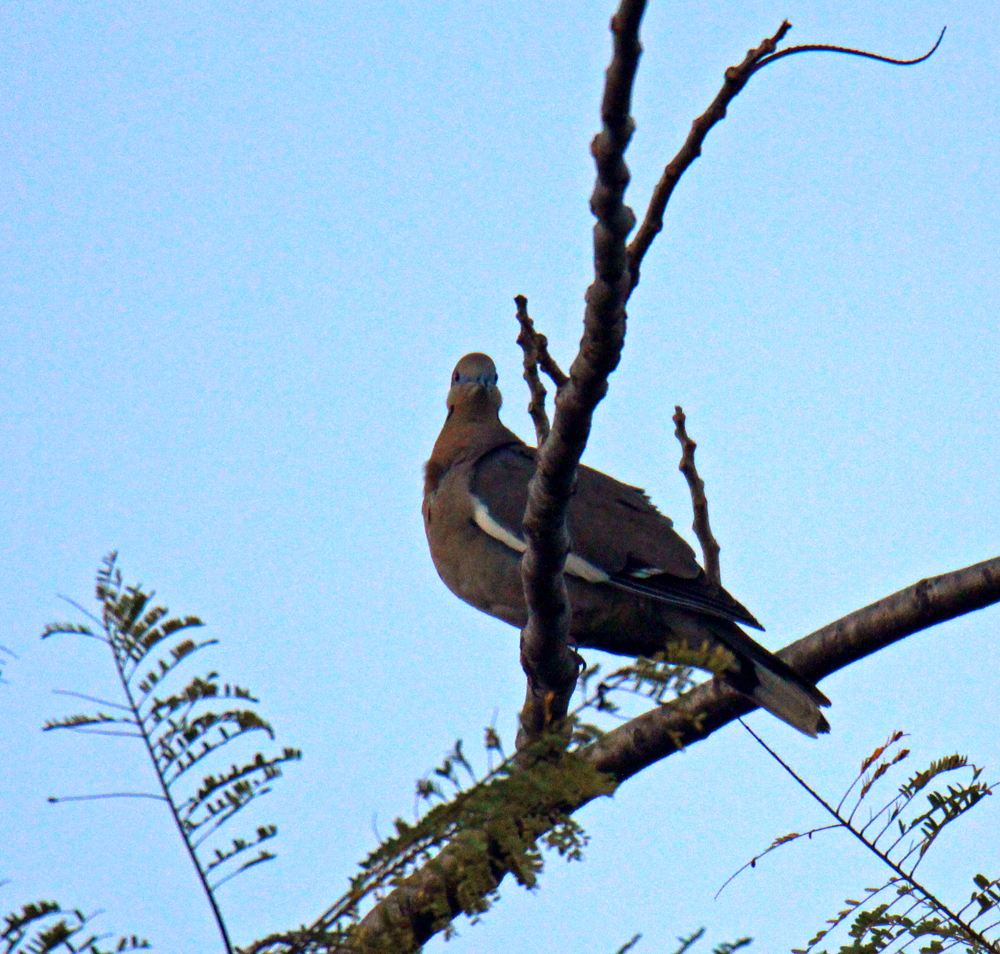
White-winged Dove
Adult Blue-black Grassquit female
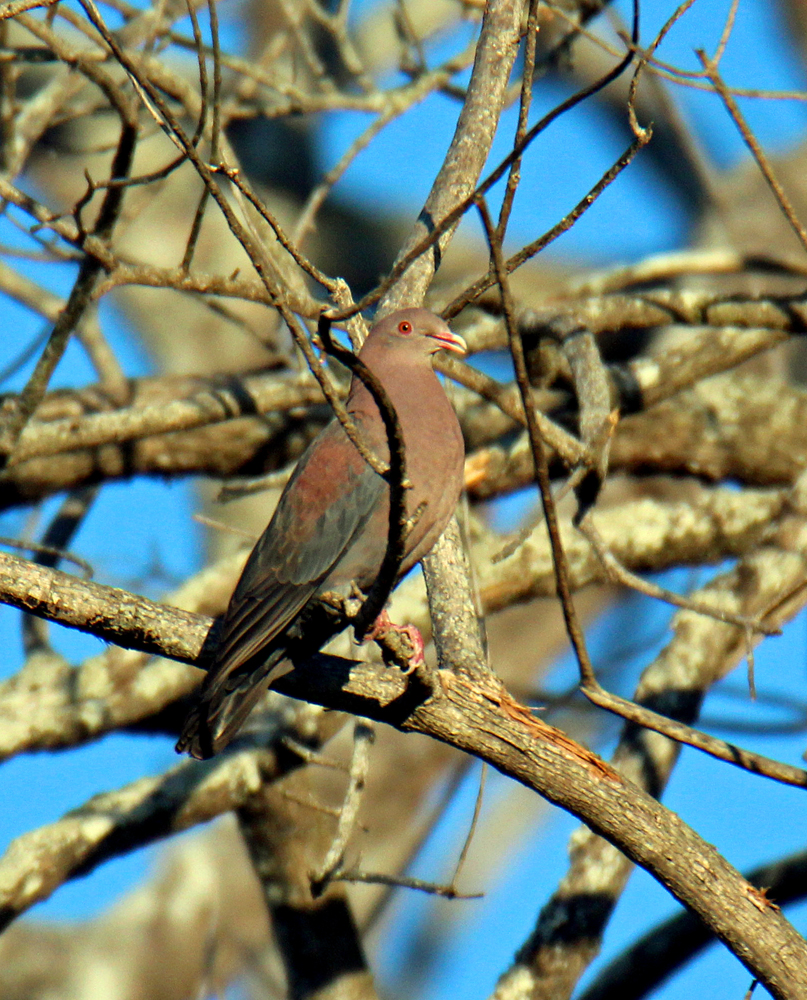
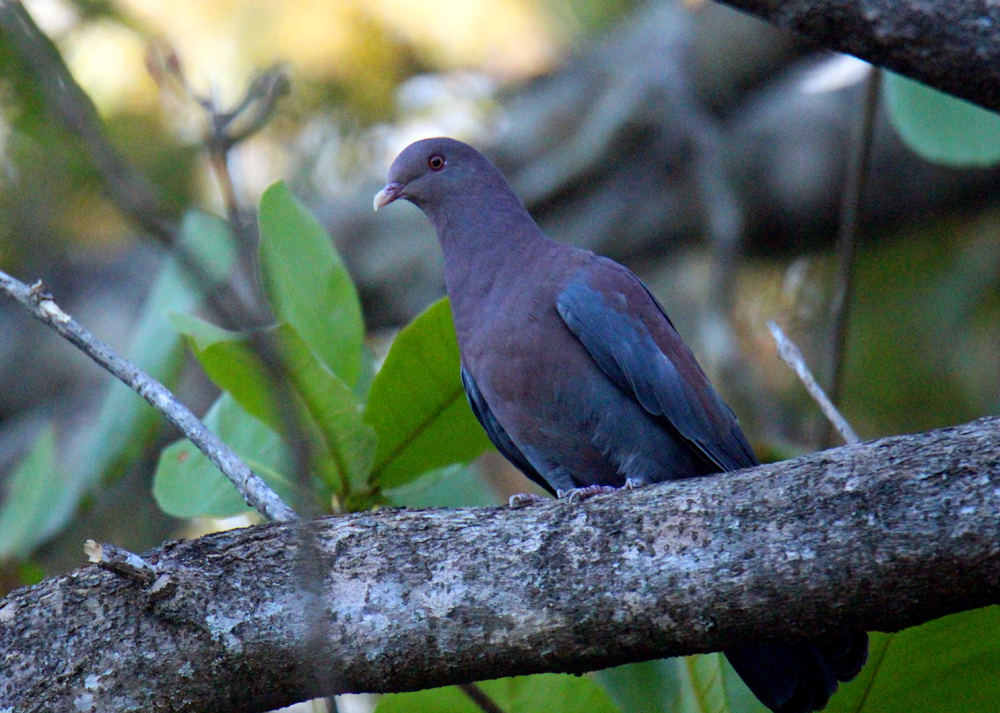
Red-billed Pigeon
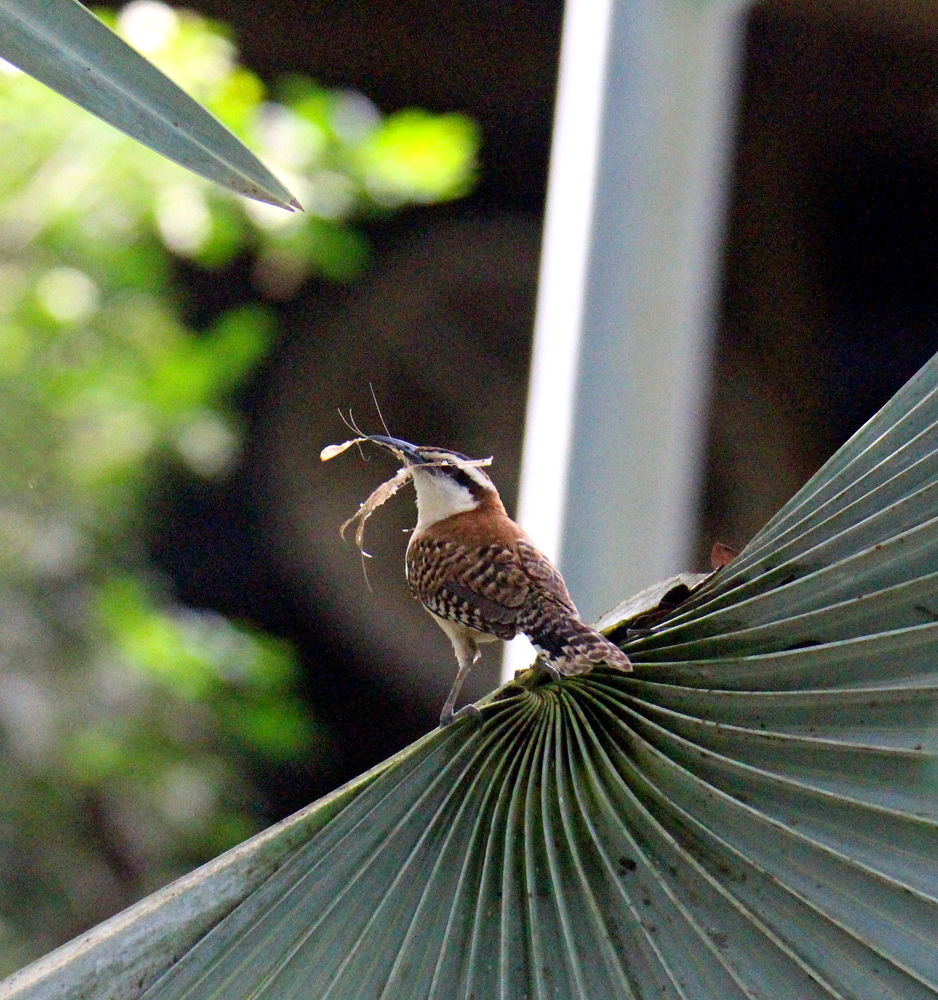
Rufous-naped Wren
Clay-colored Thrush (dark version)
“I love walking because it clears your mind, enriches the soul, takes away stress and opens up your eyes to a whole new world .” – Claudette Dudley
One of the things Heredia is know for is The Toucan Rescue Ranch, which is actually in a suburb, San Isidro de Heredia, which like so many other such places in Costa Rica was started not too long ago by someone dedicated to wildlife, and all the animals that recuperate from injuries or whatever to a level of independence are released into the wild.
After class today I had a quick lunch of something other than the rice and beans I’ve been having here 3 times a day and took a taxi to the rescue ranch for a pre-scheduled “Educational Walk” at 1:30 that lasted until nearly 3:30 and my taxi was waiting on me when finished. Plus a funny thing about the tour, there were 14 people on it with 5 of us from Atenas! Two retiree couples from Atenas were there, plus me. I have met both couples in the past but don’t really know them – another one of those “small world” kind of things! 🙂
Our guide was a really nice & knowledgeable young man from Hungary (the country).
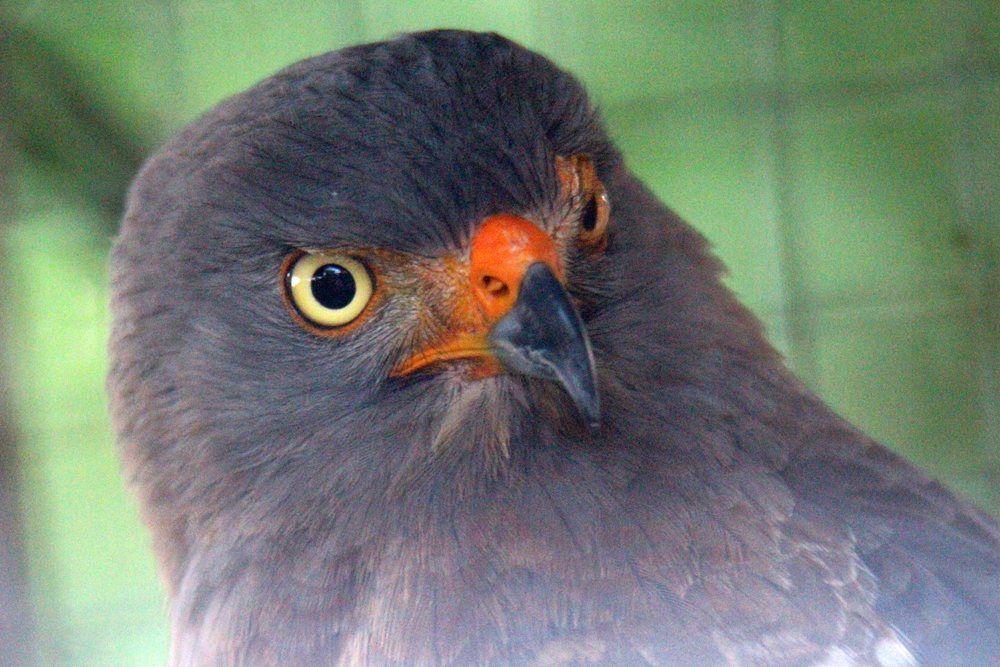
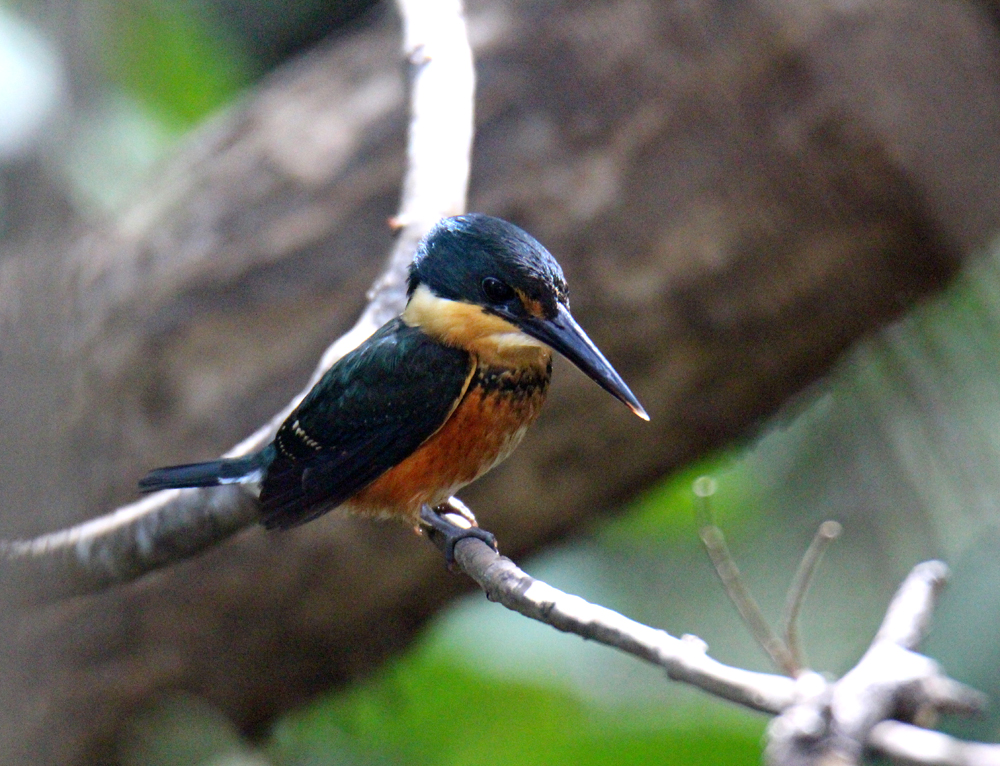
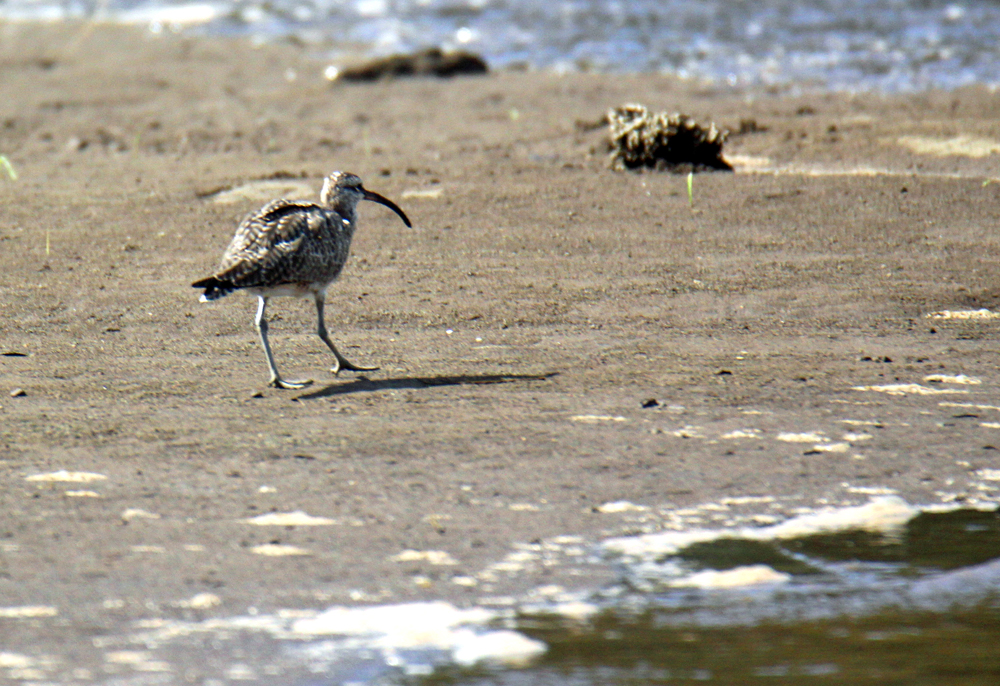
Birds at Toucan Ranch
This slideshow requires JavaScript.
Other Animals
This slideshow requires JavaScript.
Flowers
This slideshow requires JavaScript.
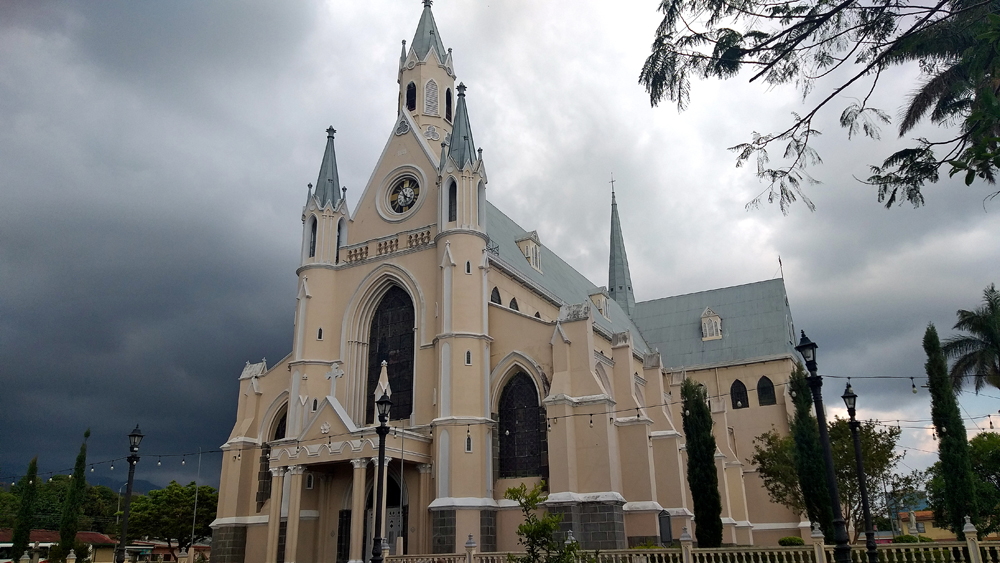
San Rafael Church
On the way back through the suburb of San Rafael de Heredia my taxista stopped here for me to photograph this Gothic architecture church building, second tallest in Costa Rica.
And of course I have a “Trip Gallery” of photos from this week, titled:
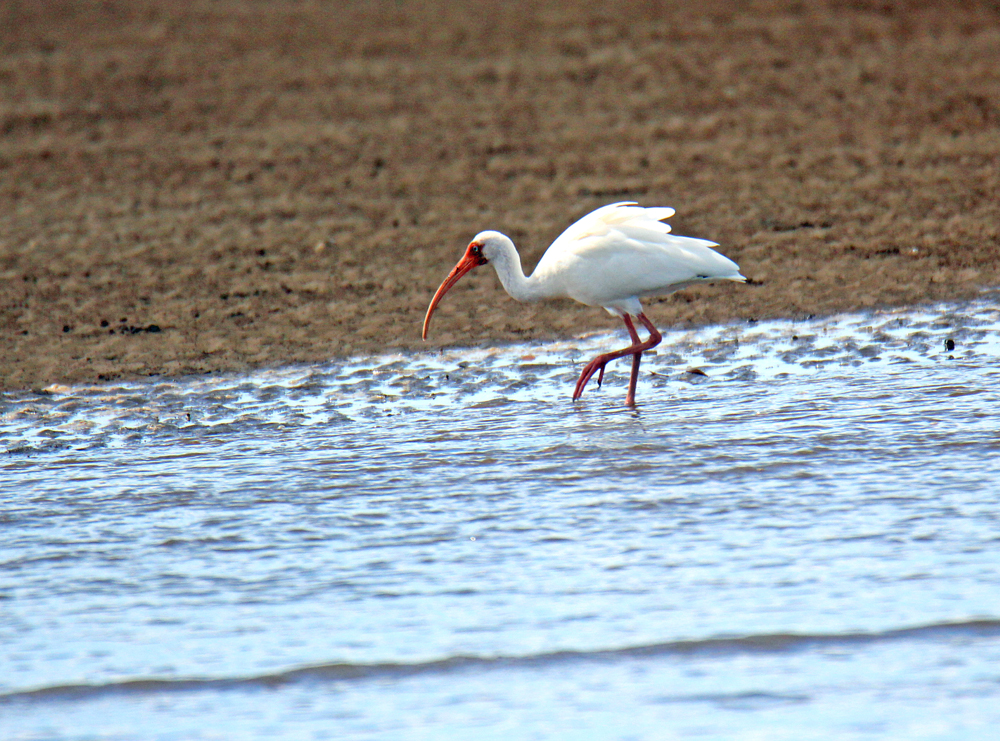
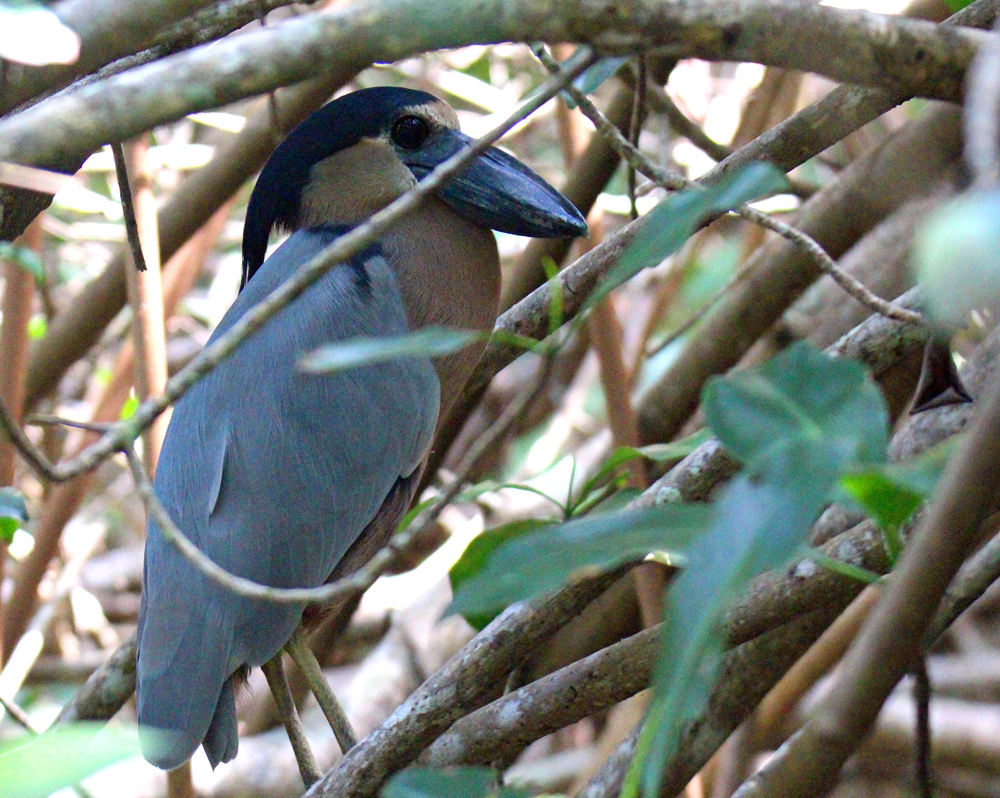
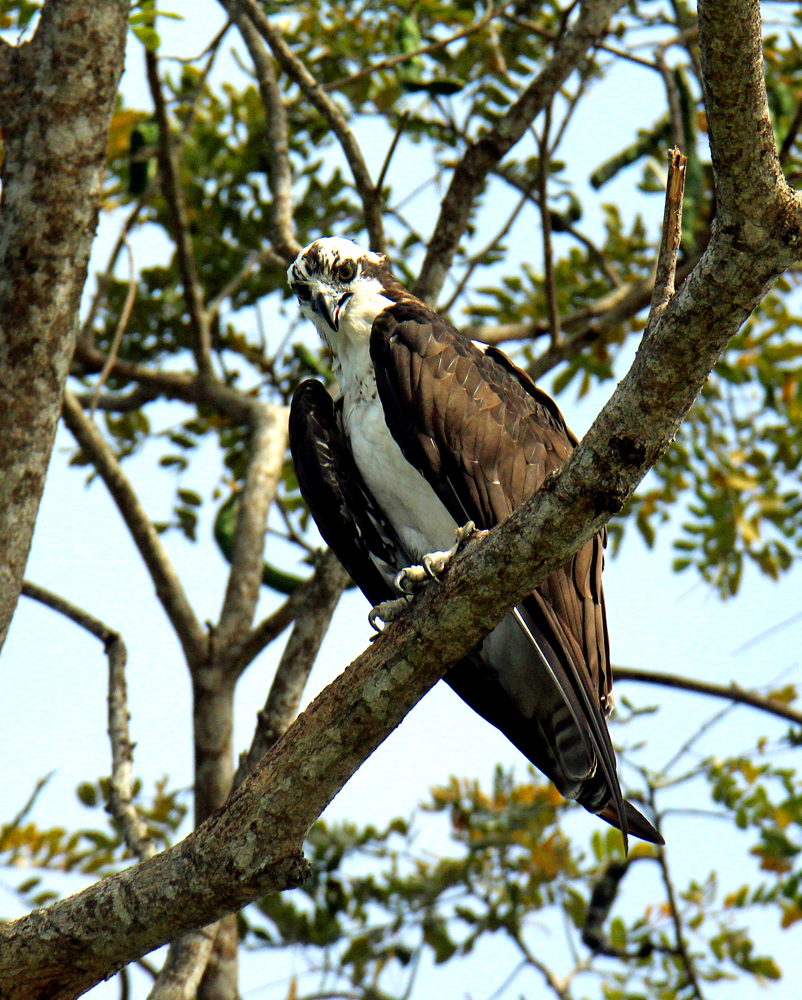
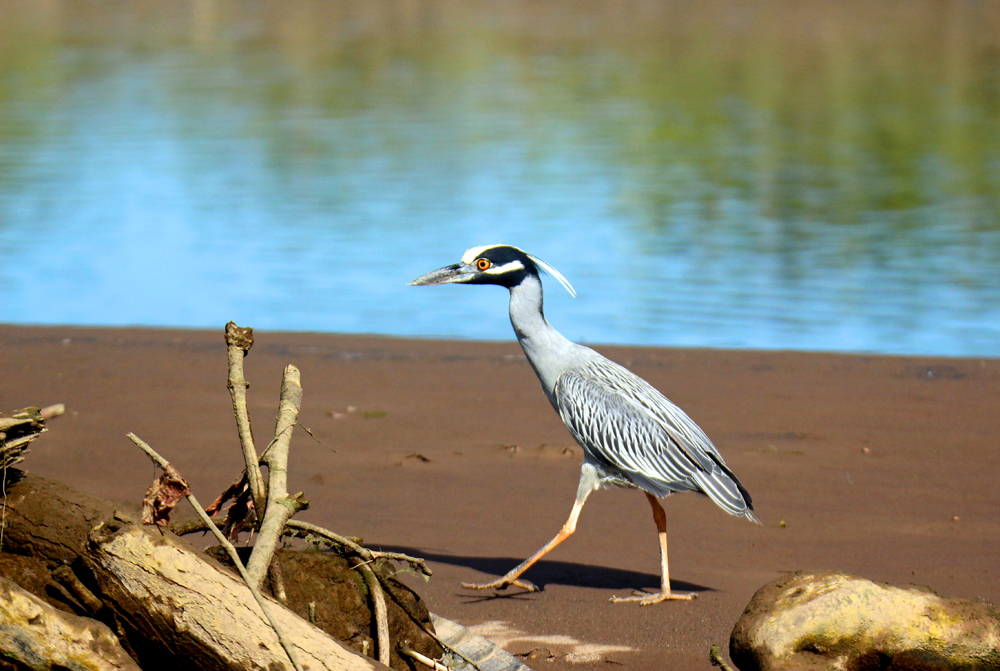
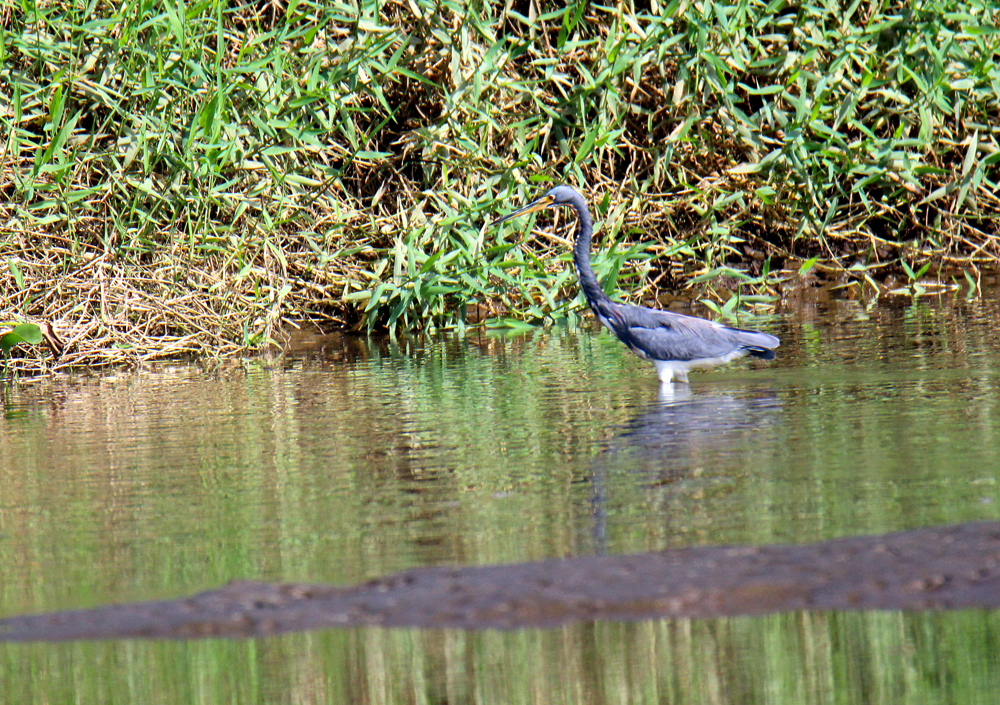
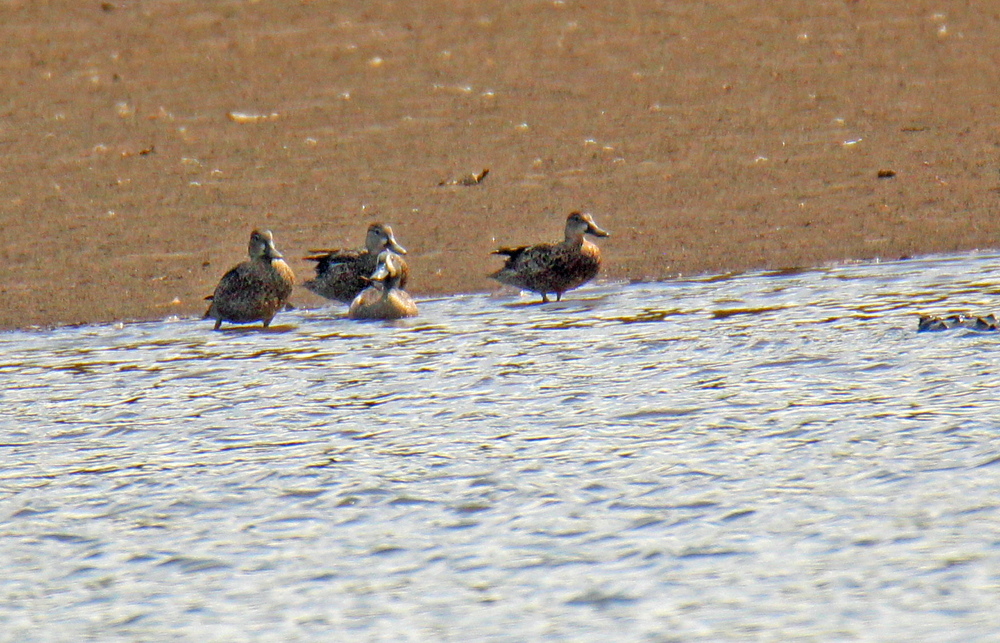
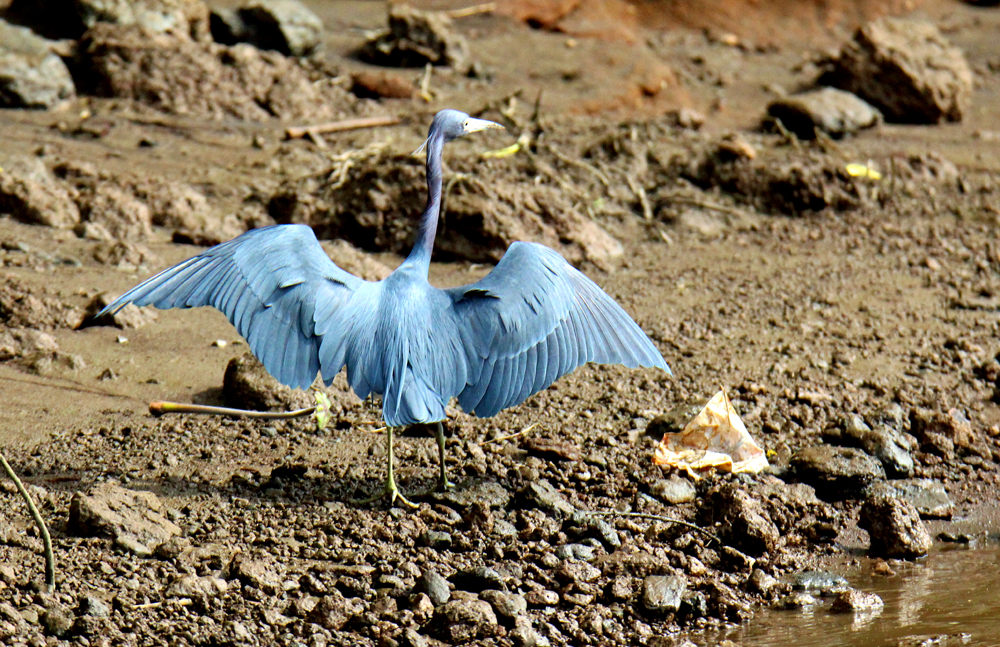
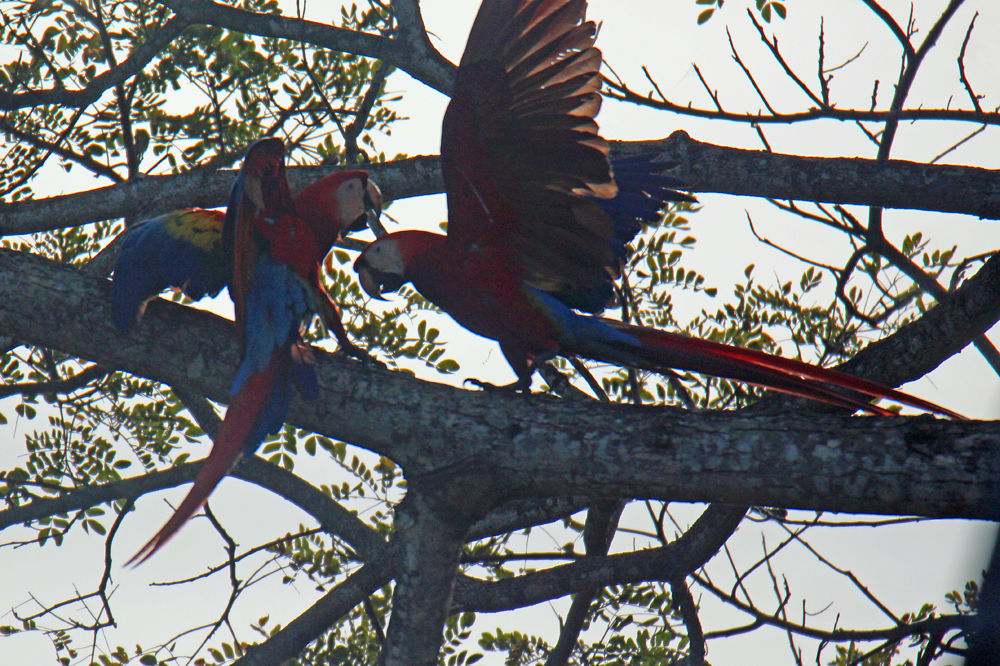
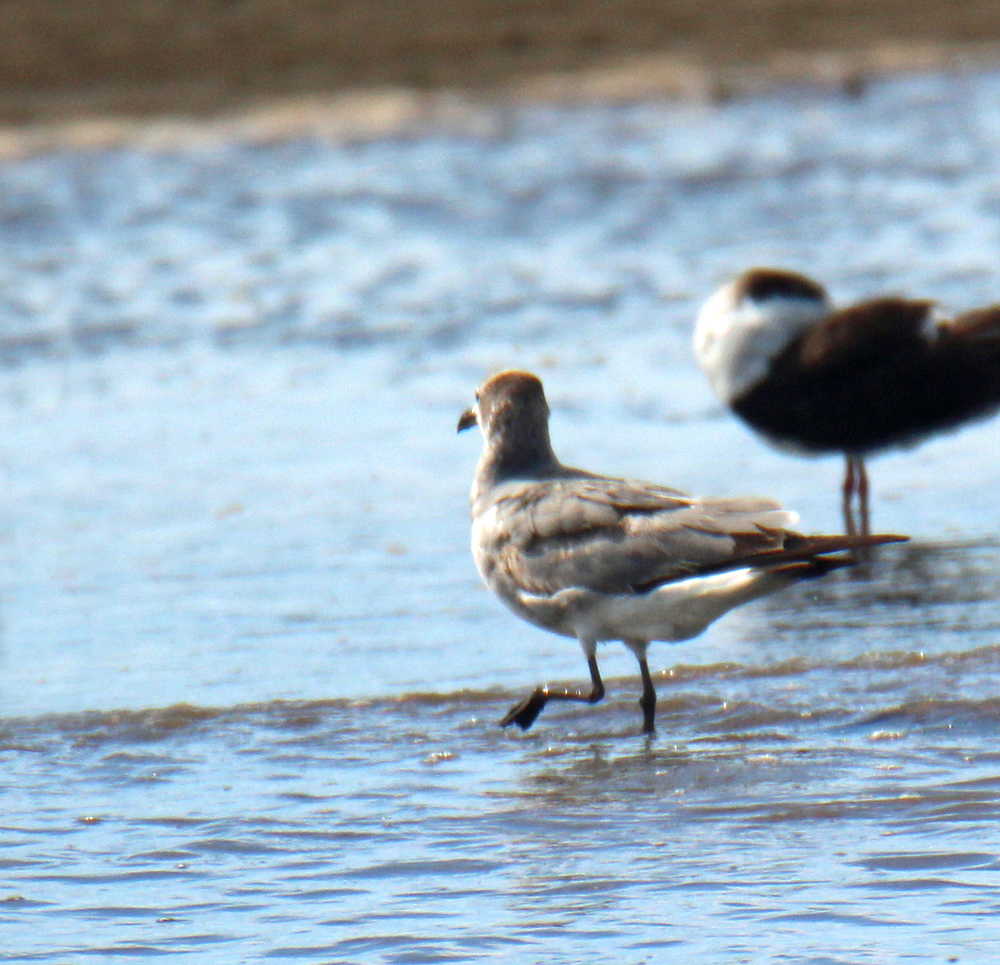
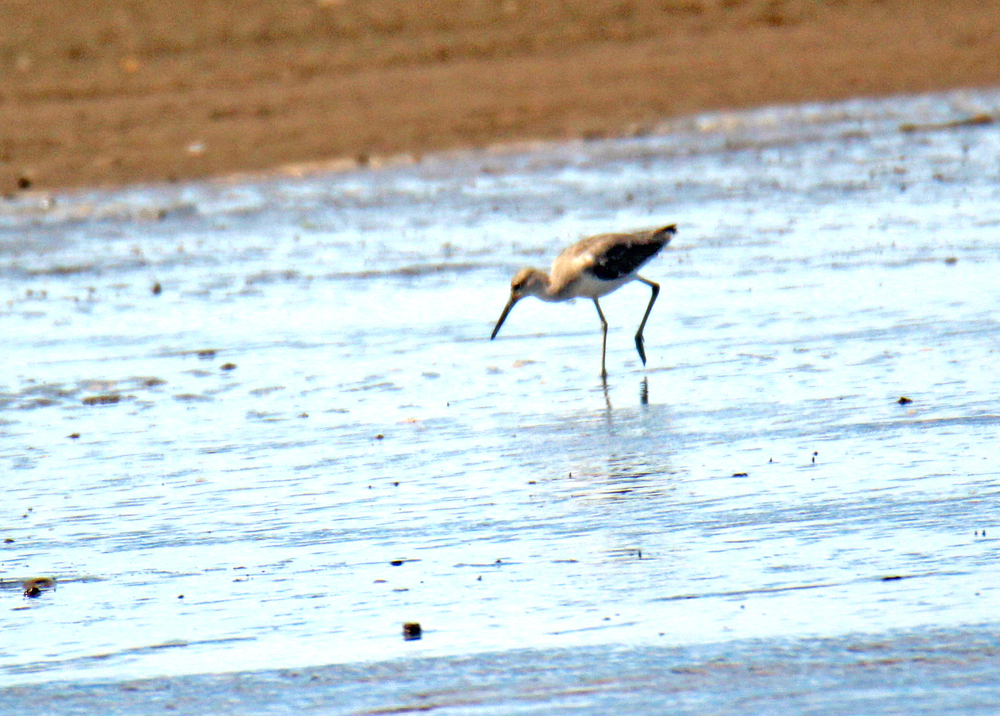
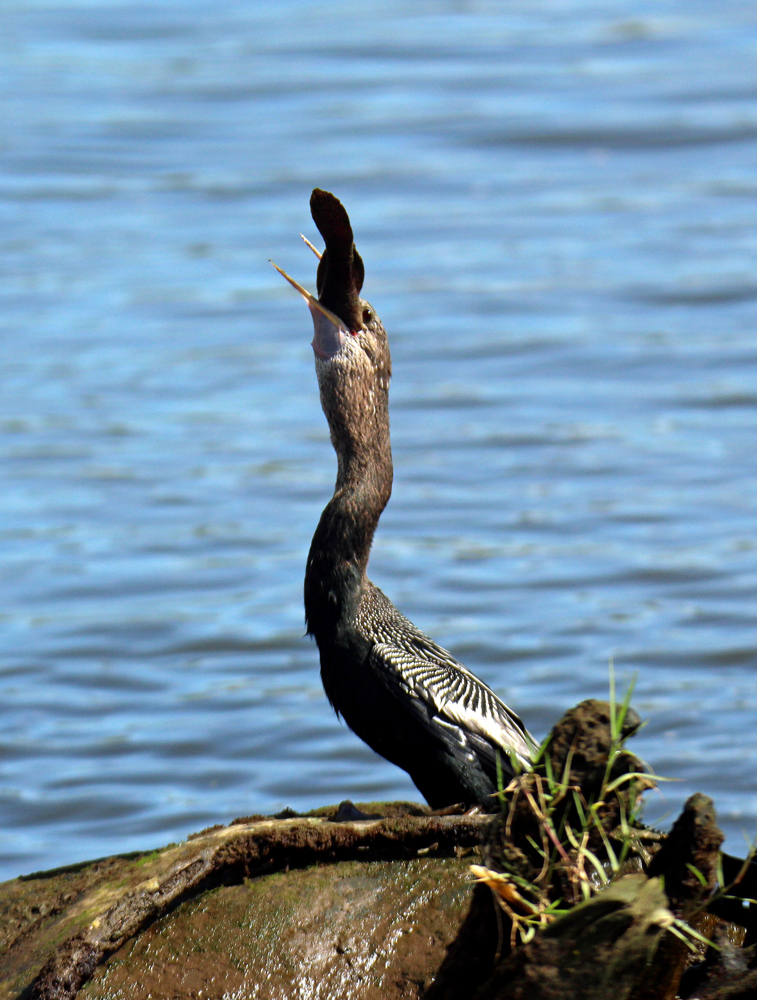
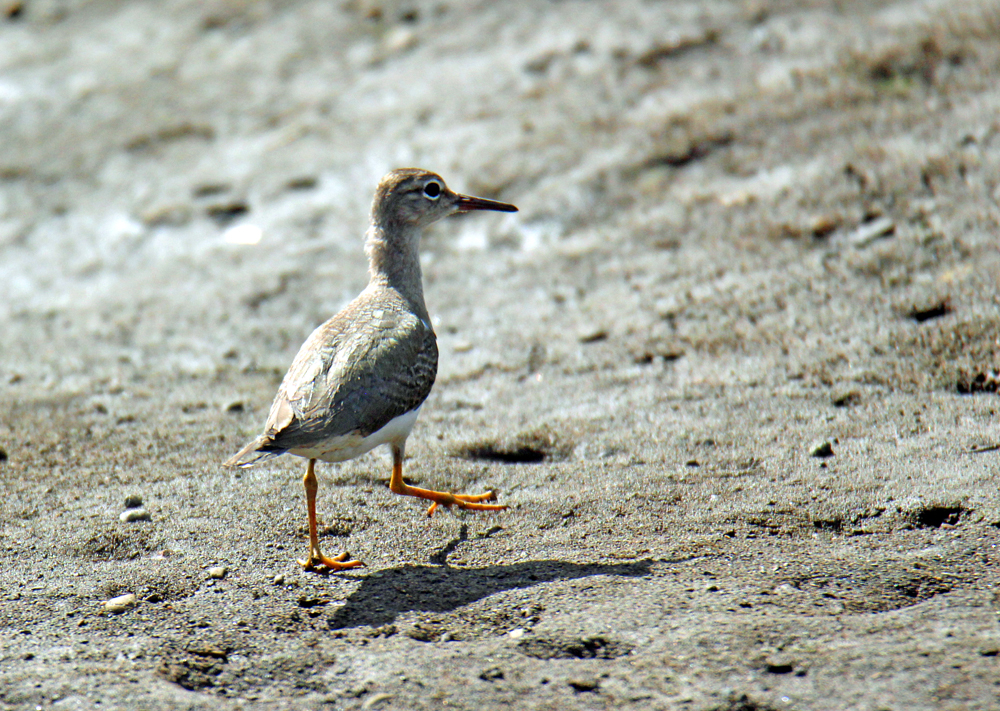
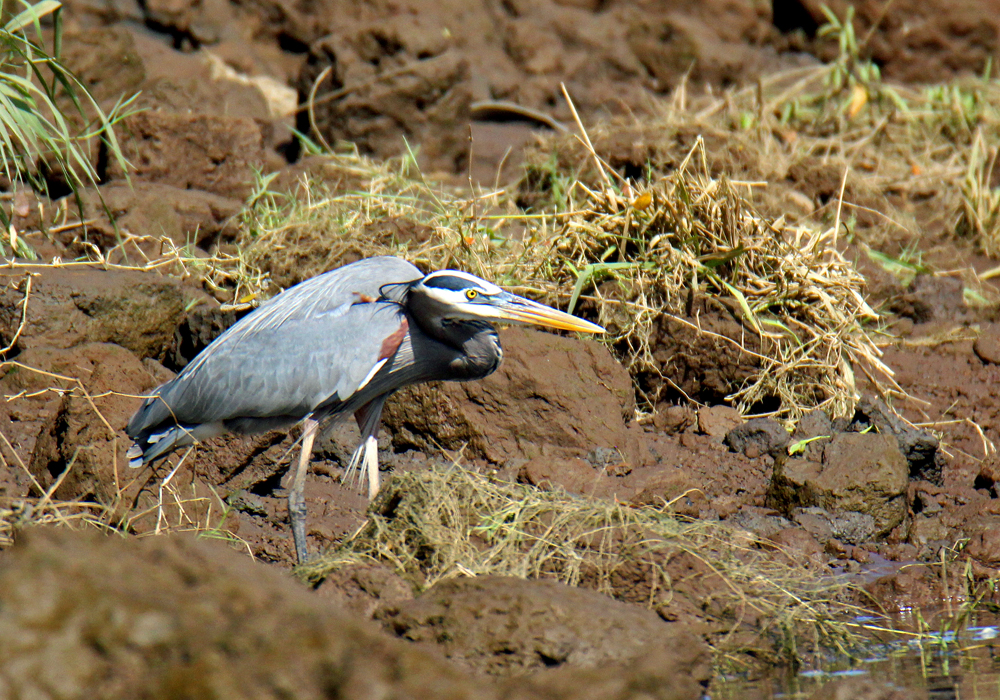
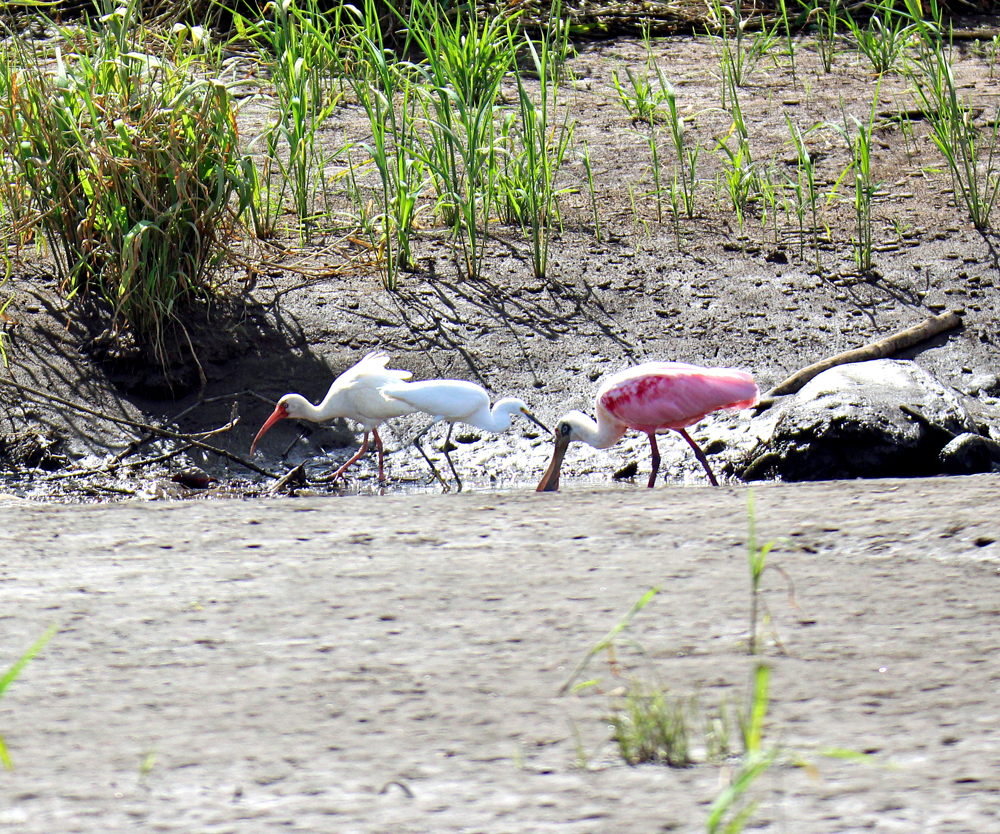
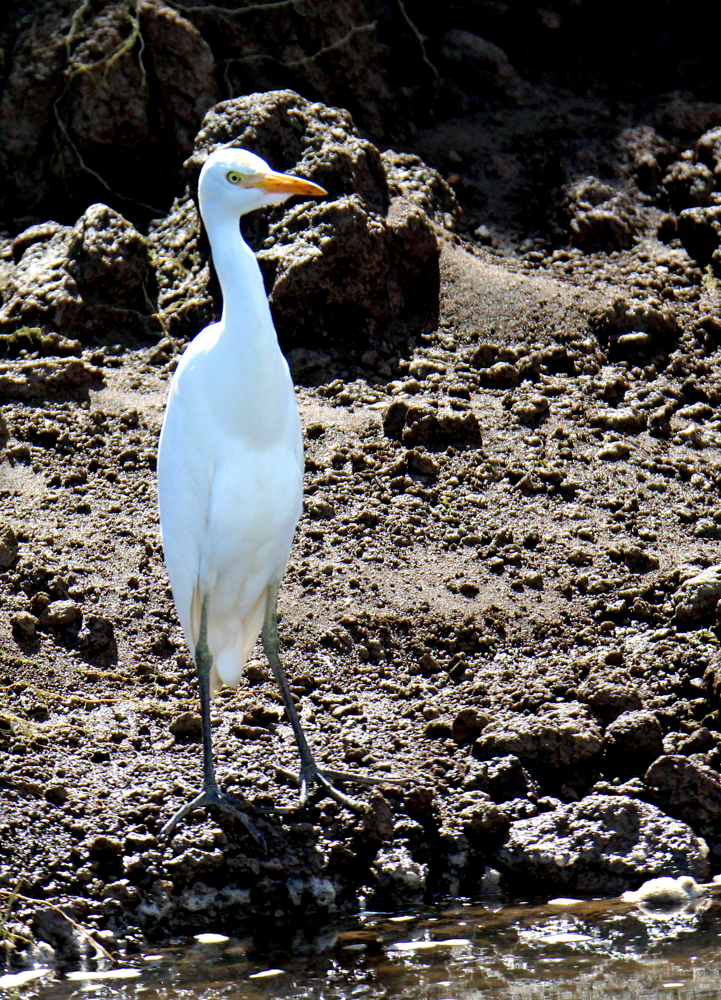
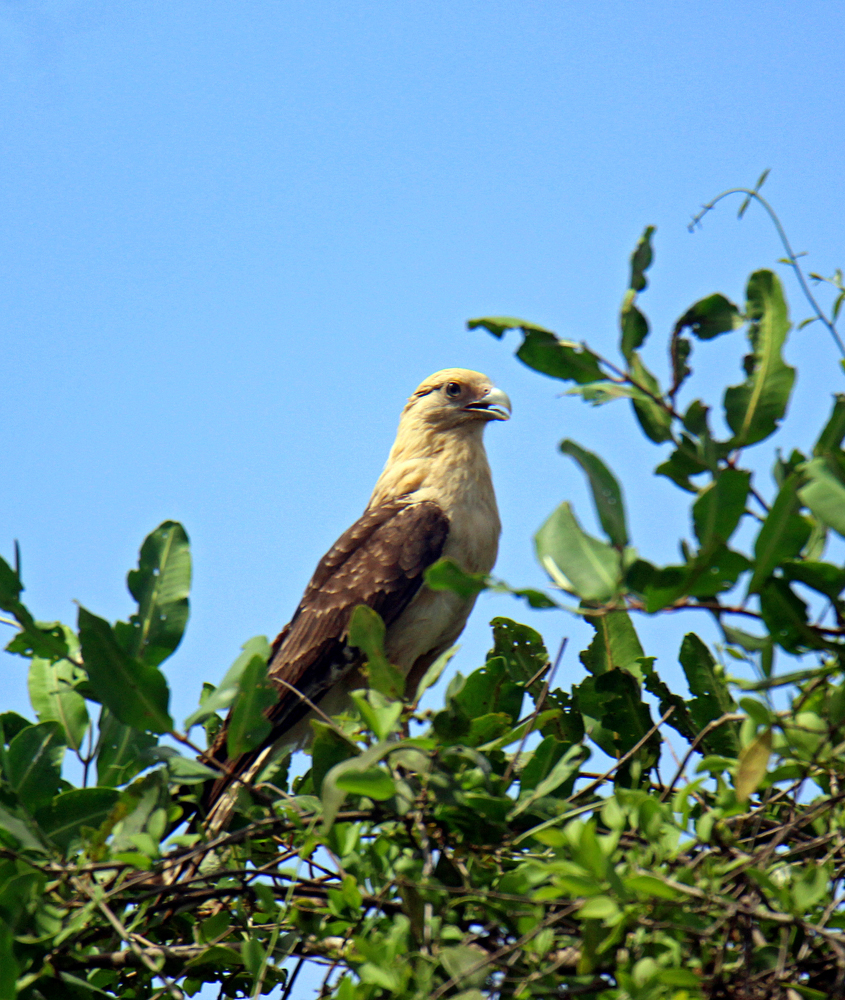
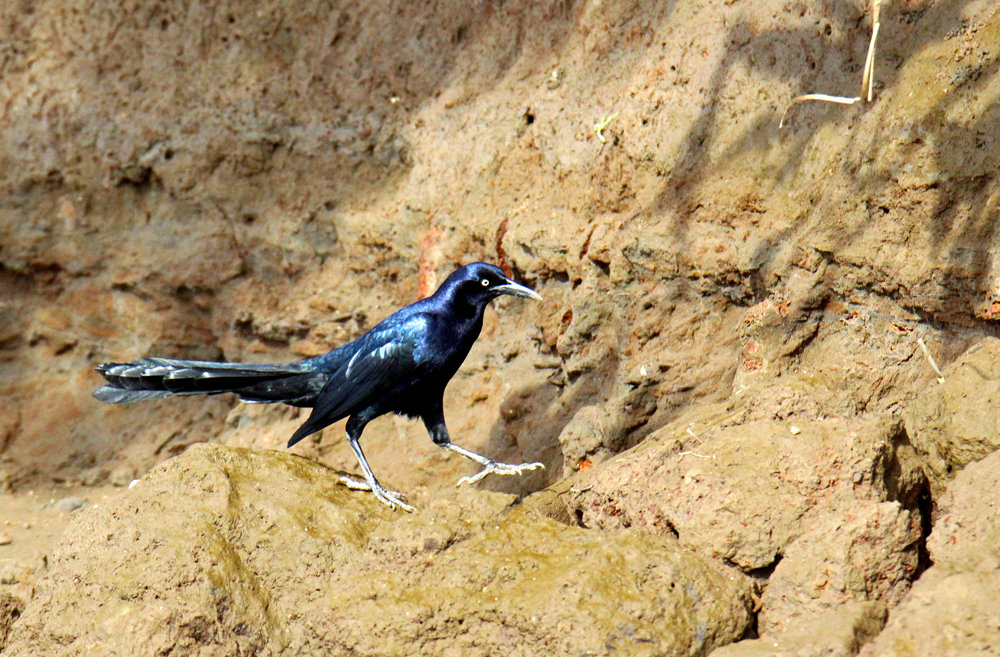
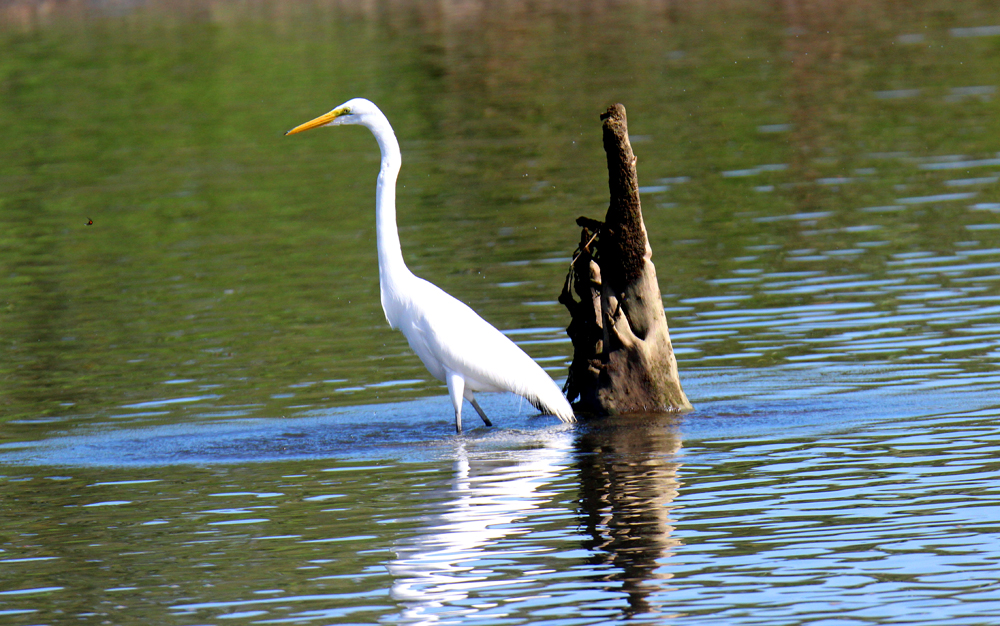
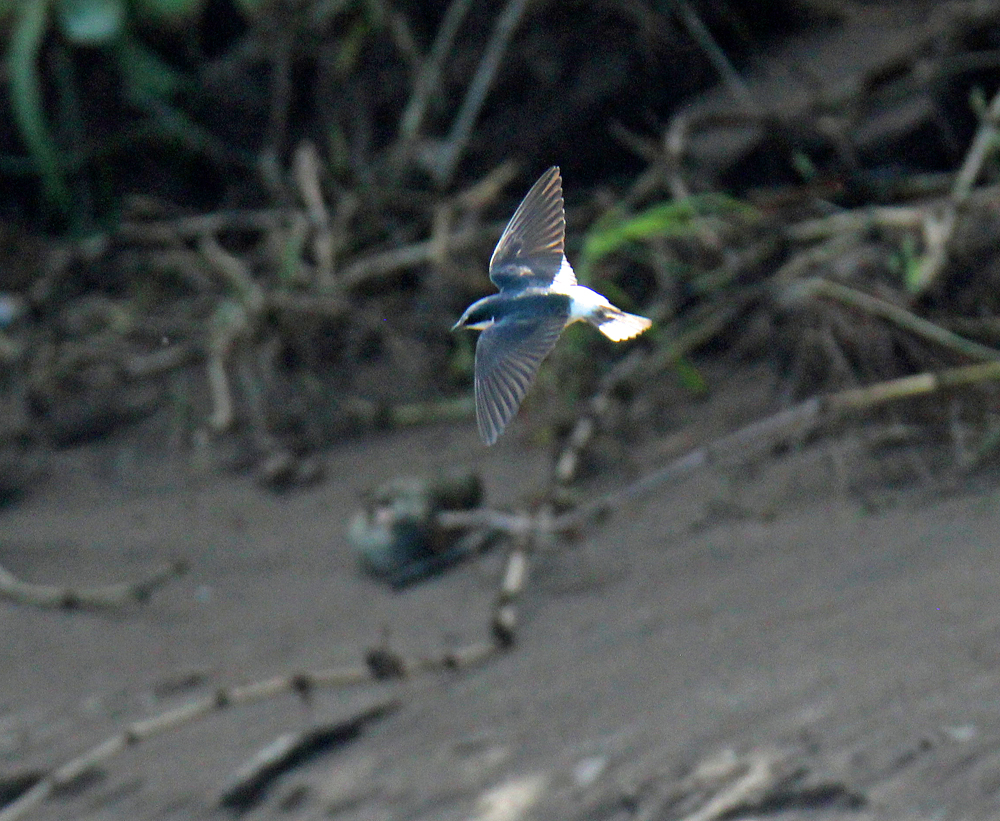
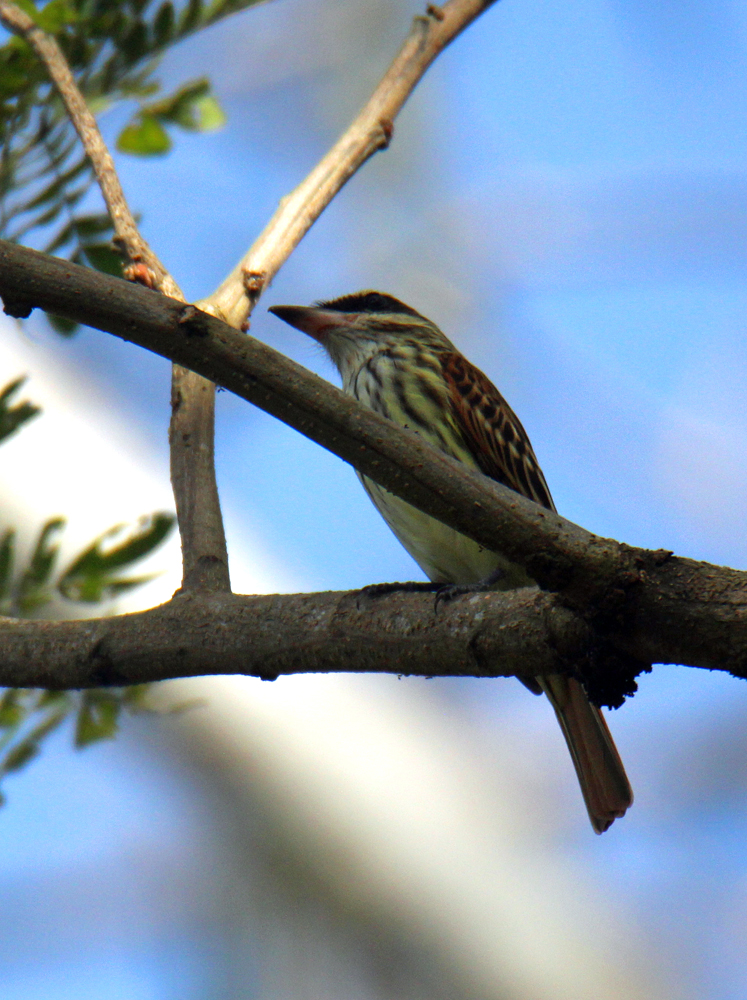
Our trip to the river Thursday yielded more species of birds than any other of my now 9 trips on the Tarcoles River! I got photos of 35 species and know we saw several others, but I only count my photos! 🙂 And this was in less than 2 hours on the river! A good place for birding!
It has been a difficult and rushed job to get the photos ready to post while also getting ready for my trip Sunday to Heredia for Spanish Immersion! I’m only including one shot of each bird in this post, but for more of each bird plus crocs, other wildlife, and other photos, see my “TRIP GALLERY” 2020 Feb 20, Rio Tarcoles Birding Trip for more photos!
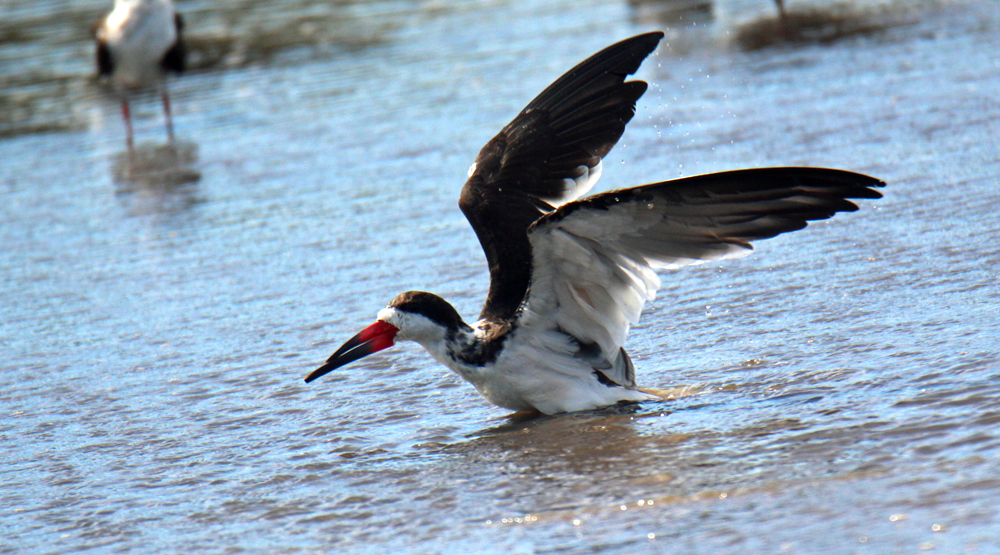
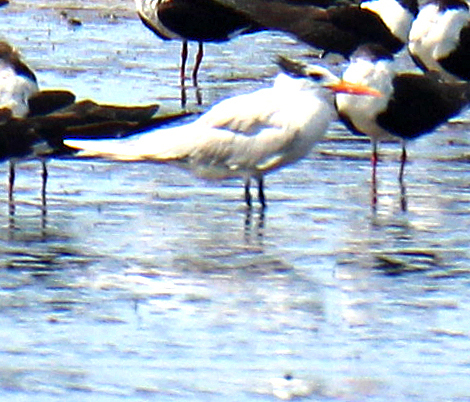
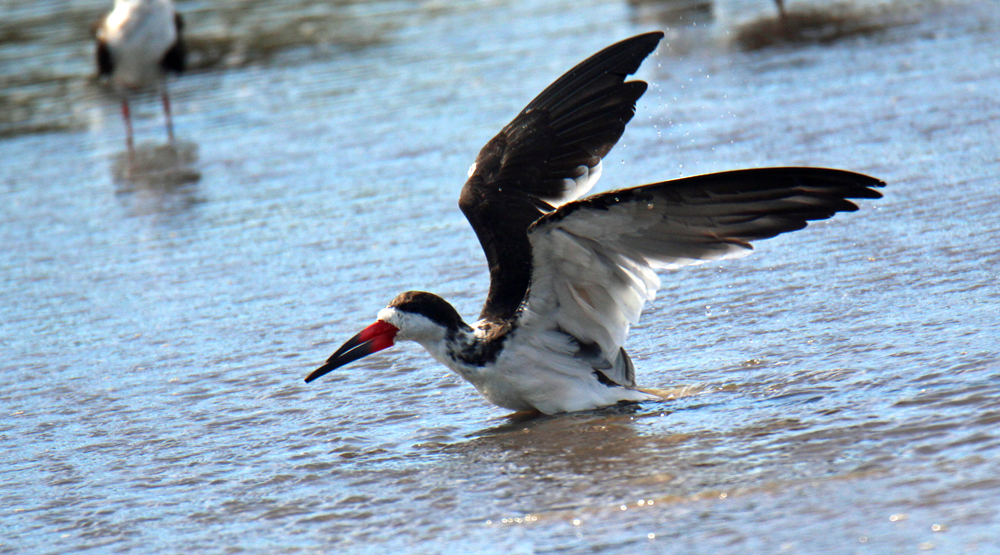
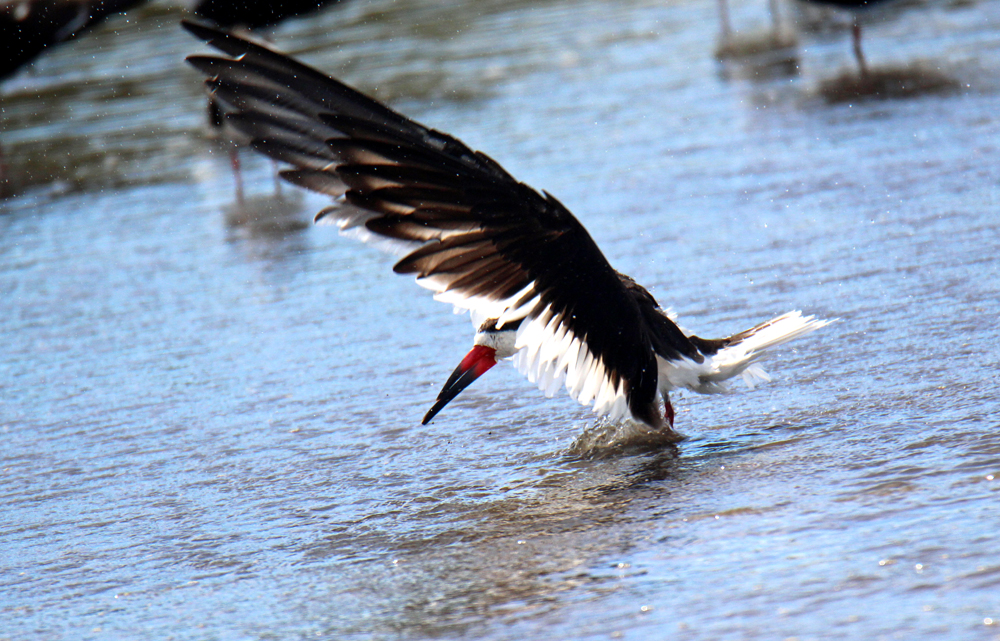
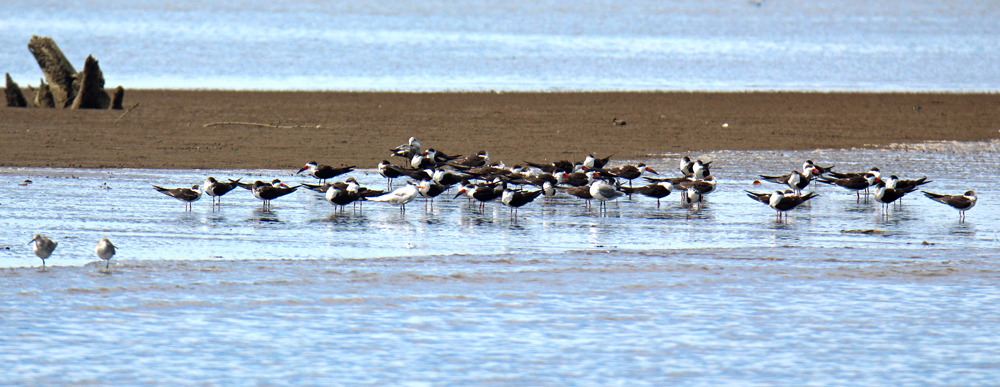
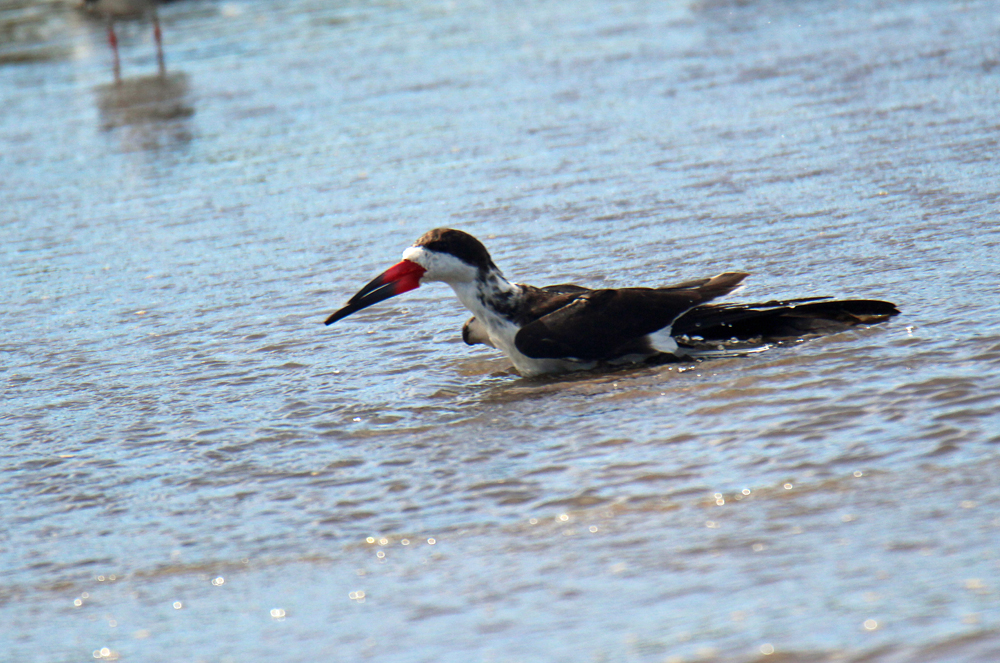
My lifer bird this morning on a trip to nearby Tarcoles River was a Black Skimmer. Read an Overview about them on Cornell’s “All About Birds.”
I took two new friends from British Columbia there this morning and we saw way more than 30 species of birds and I think I got around that many photographed! I’m still working on the photos, but maybe a full report tomorrow. 🙂
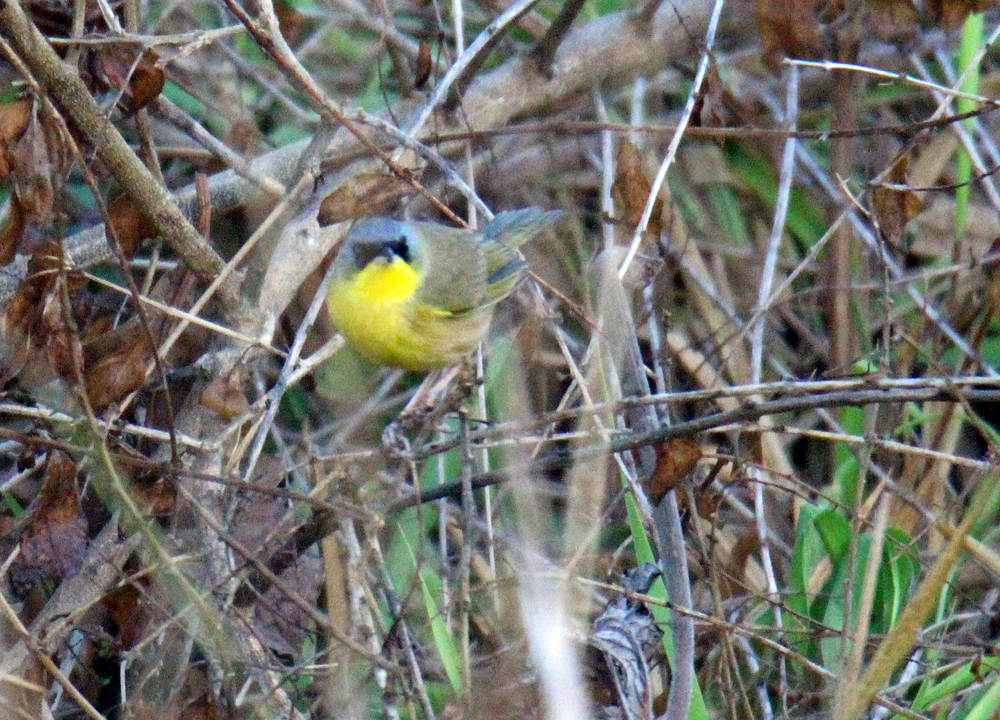
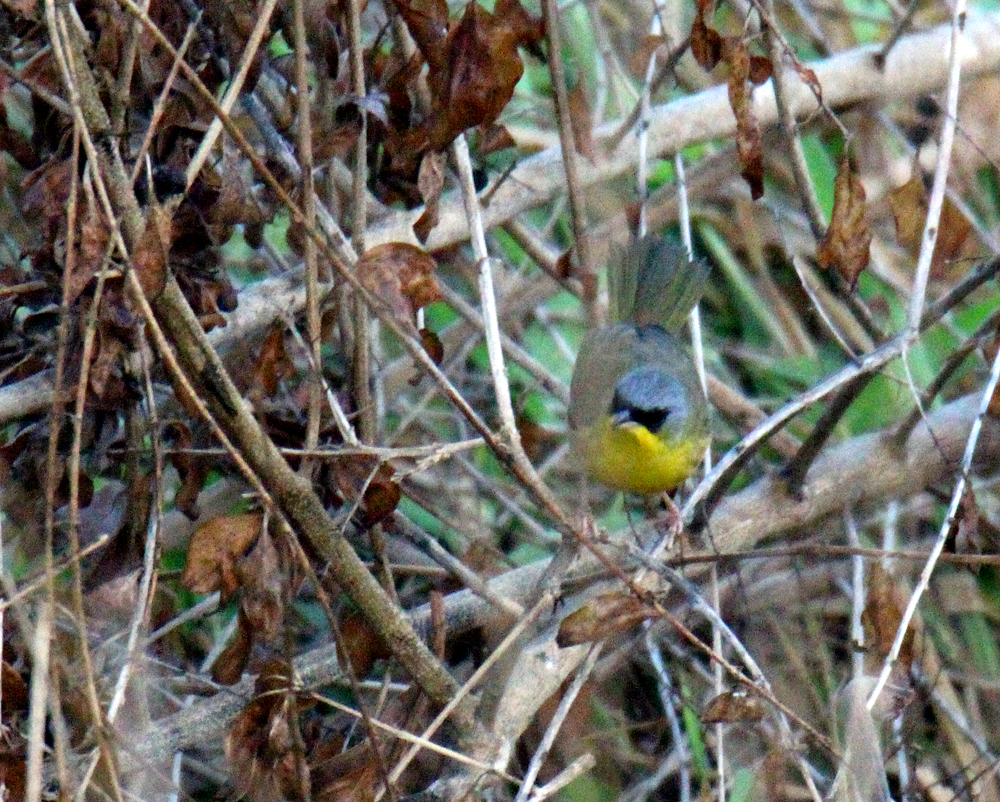
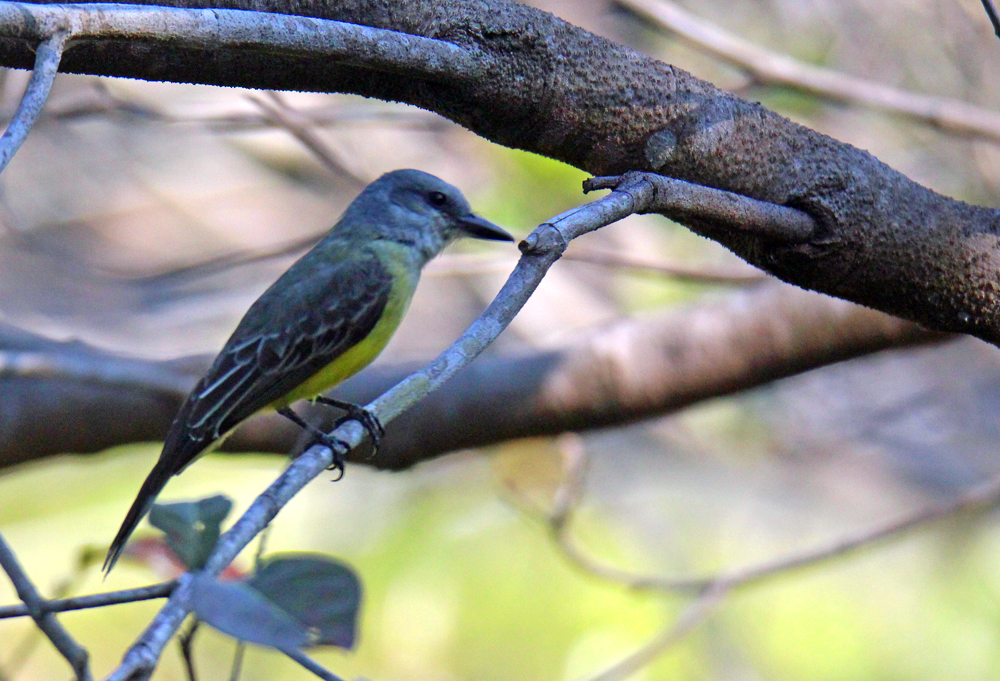
Both yesterday and today I went out around my house looking for birds about 6:20 to 6:40 AM, before breakfast. Both mornings I found birds with gray heads and yellow fronts! Yesterday (before going to Bosque Municipal) I got distant shots of the above Gray-crowned Yellowthroat (link is to Cornell’s “Neo-Tropical Birds”) seen in the cow pasture across the street from my house, my first of this species here, though I got better photos at Curi-Cancha Reserve, Monteverde last year, also in a meadow. Check ’em out!
Gray-crowned Yellowthroat (different photo) in cow pasture in front of my house.
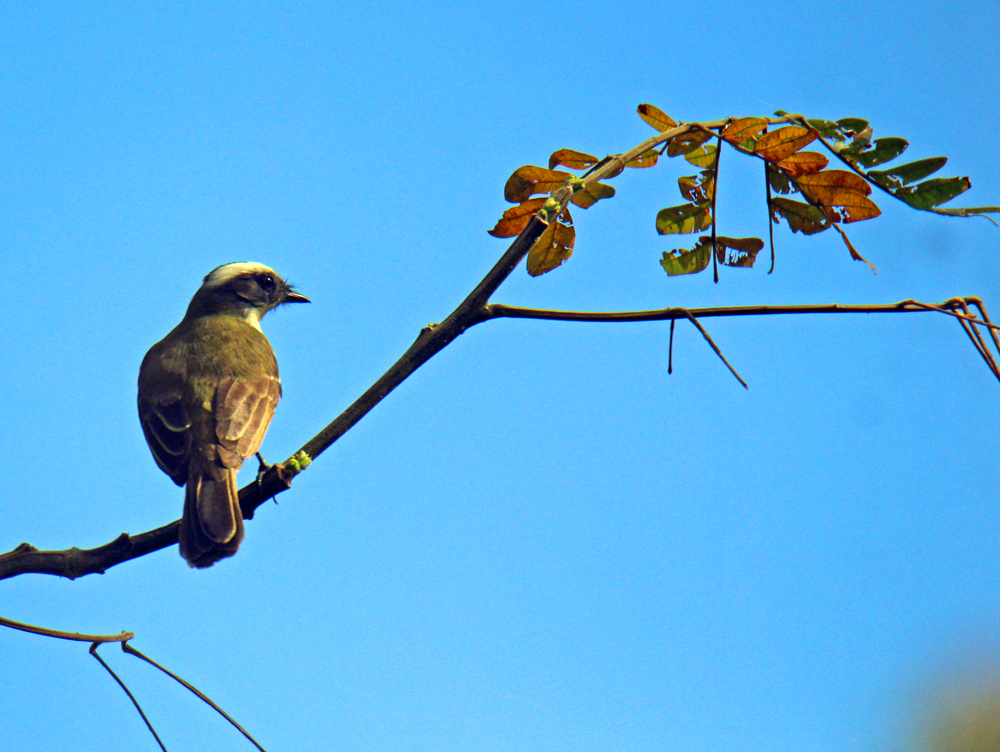
Gray-capped Flycatcher
A more common or more frequently seen-by-me-bird is this common flycatcher which has gray & yellow coloring like the above but is much larger. To learn more about him from Cornell’s “Neo-Tropical Birds,” click this name link, Gray-capped Flycatcheror go see my Gray-capped Flycatcher Photo Gallery (better photos than this). There are around 50 different species of birds here labeled some kind of “Flycatcher,” so a lot of variety! And yes, they do eat flies and other insects! 🙂
Gray-capped Flycatcher, in my garden, Roca Verde, Atenas, Costa Rica
“Once upon a time, when women were birds, there was the simple understanding that to sing at dawn and to sing at dusk was to heal the world through joy. The birds still remember what we have forgotten, that the world is meant to be celebrated.”
Central Park is not the only park in Atenas! We have a sports park in front of the elementary school, a public soccer field separately down the street and a public swimming pool! I have shown much of the sports park and mentioned the others, but the most important one for me is one I had never entered until today – Bosque Municipal Atenas – Atenas Municipal Forest.
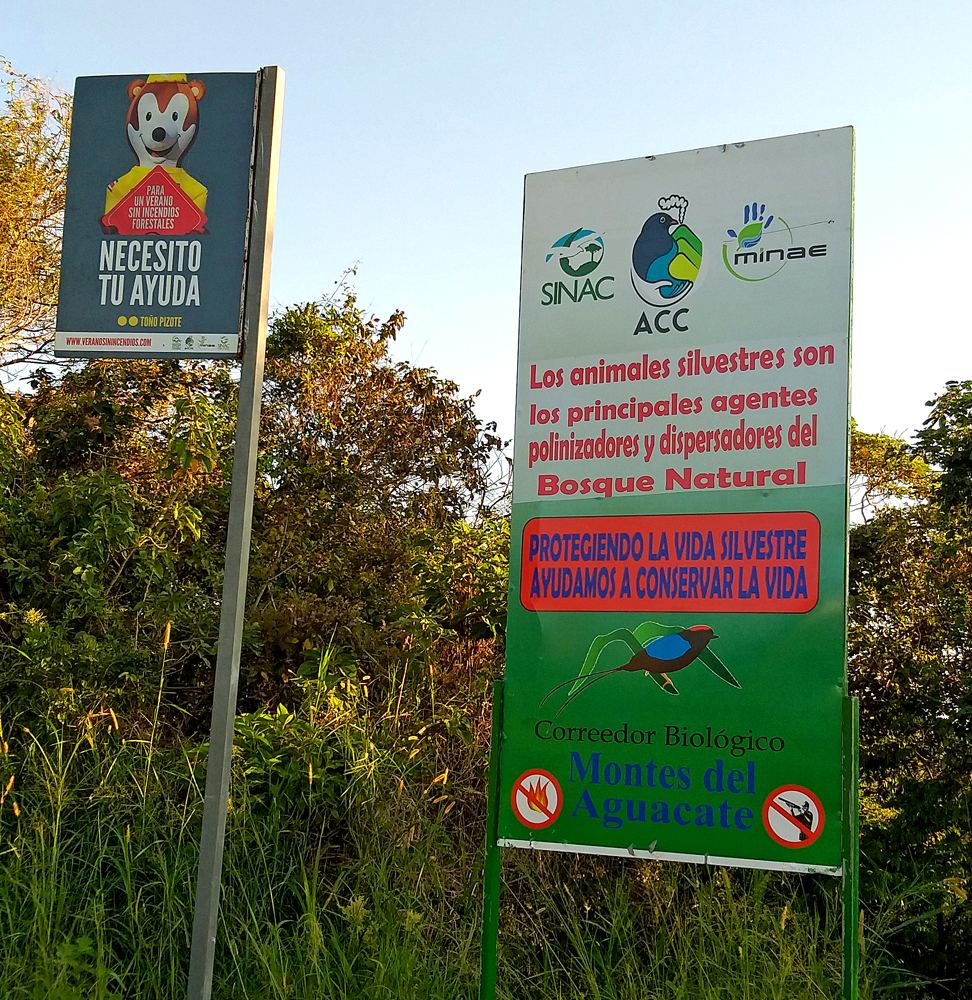
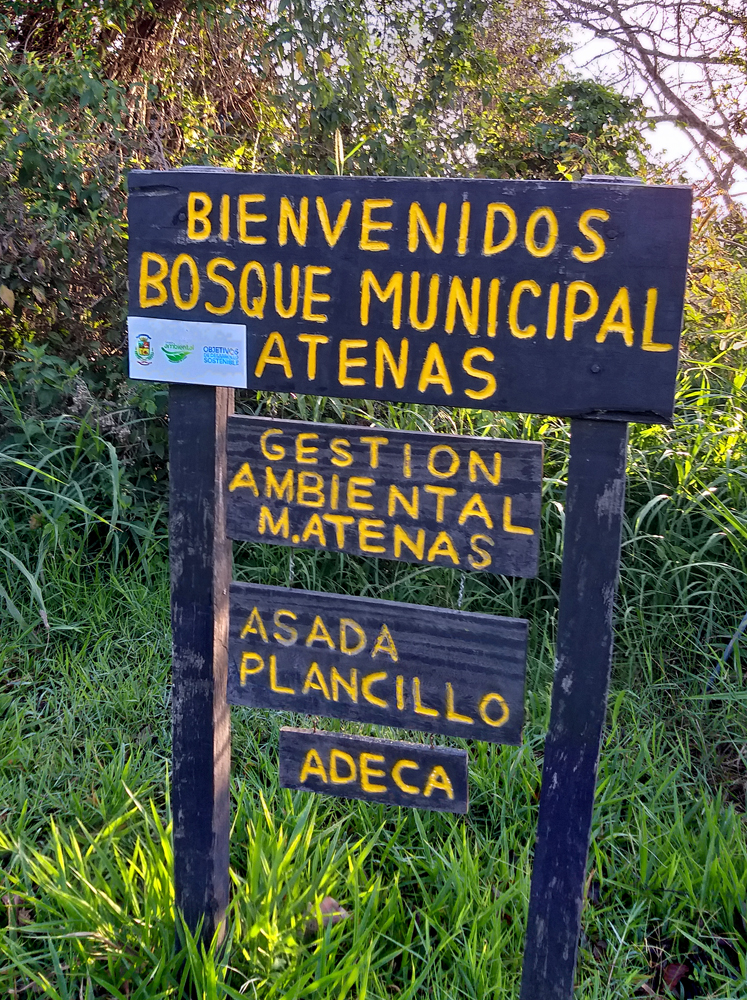
My friend from British Columbia wanted to go and I always have, so we went together to our “nature park” or forest for birds this morning. It is five miles west on Ruta 3 at Vista Linda or the edge of Barrio Jesus, on the right-hand side of the highway with multiple signs and two entrances. The main entrance is near the second sign or further up the mountain at the big community soccer field across the highway from Vista Linda Restaurant & Bar. Just walk around to the other side of the soccer field. Our first taxi driver knew nothing about it but was glad for the $13 one-way taxi drive! 🙂 The taxi that picked us up was very familiar with it, meaning that some people are into nature and others are not! 🙂
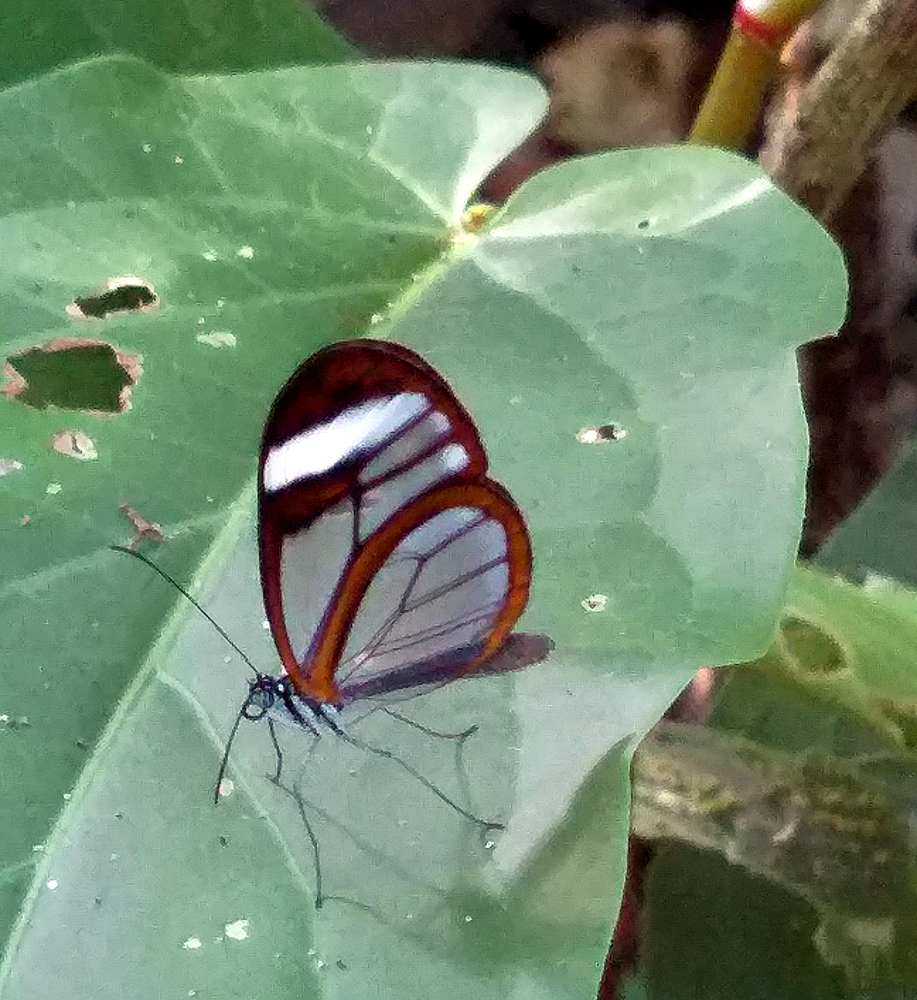
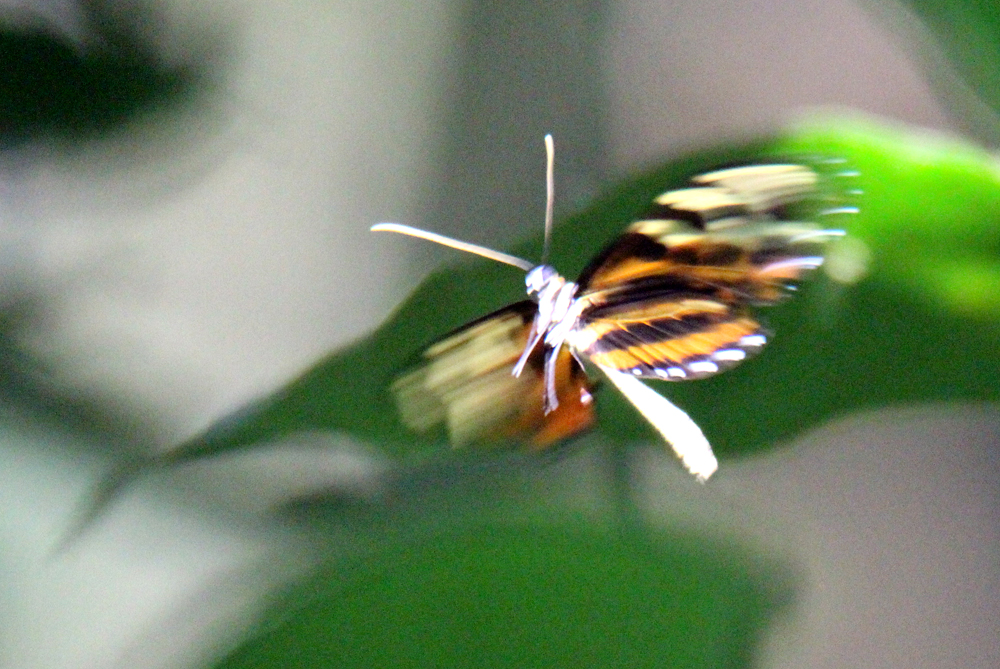
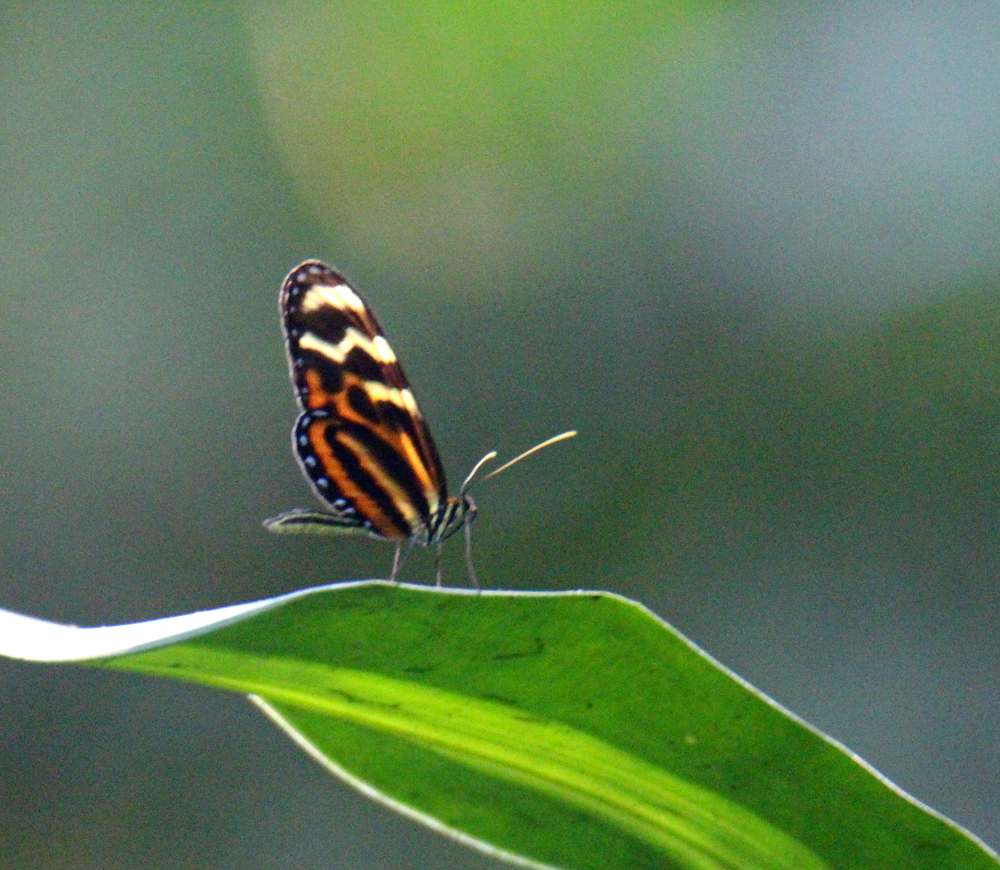
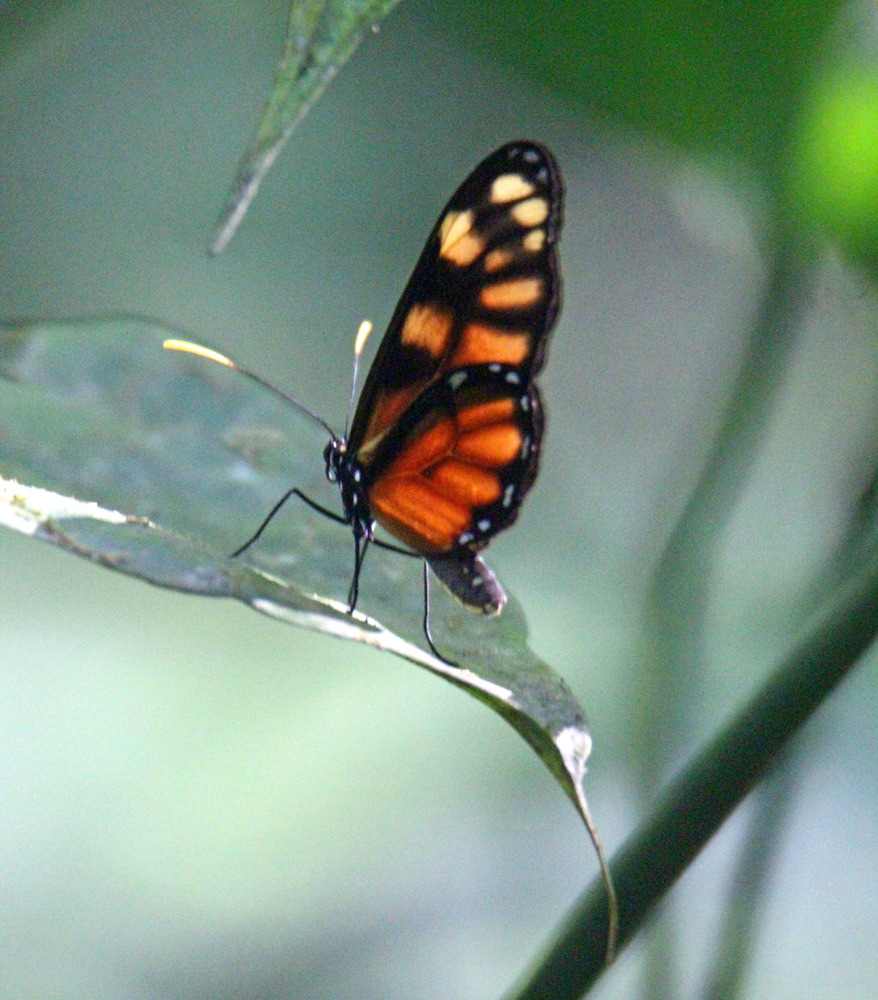
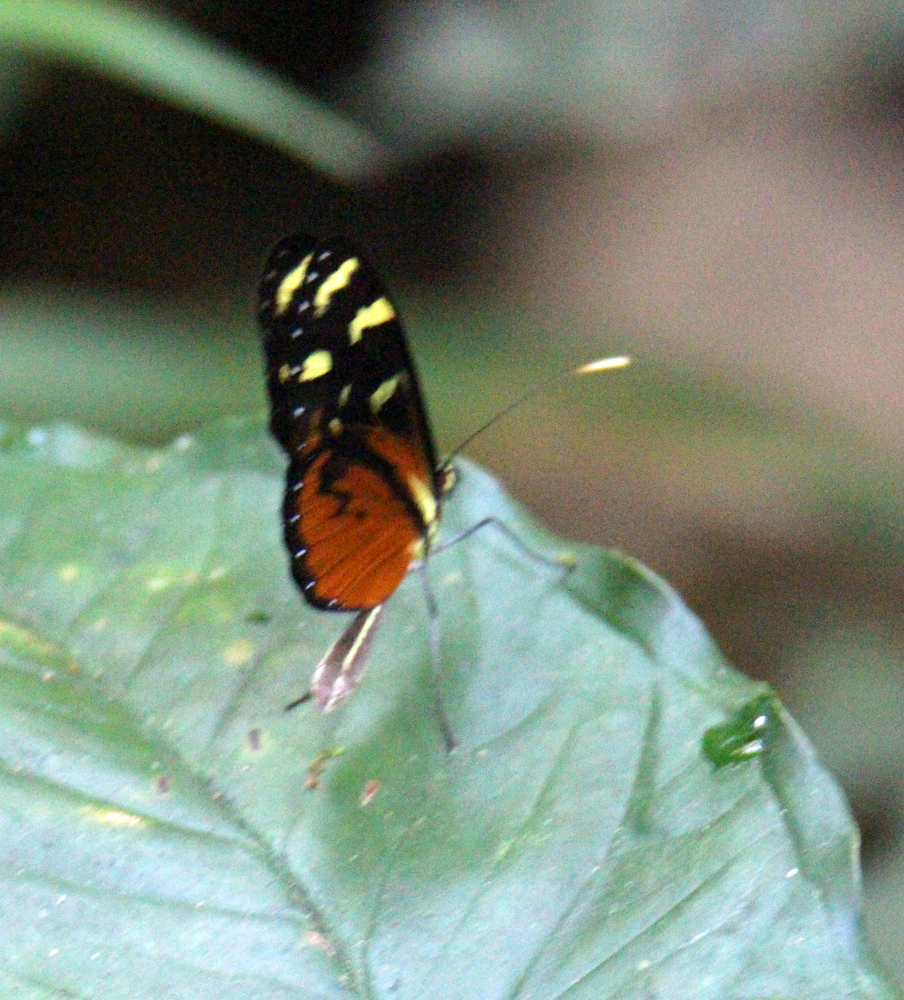
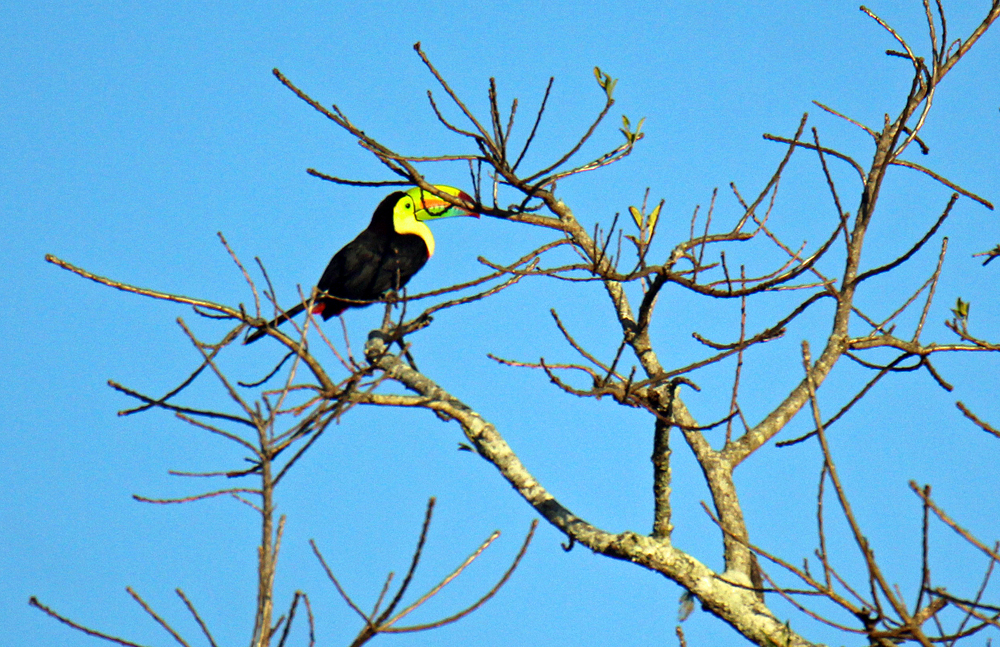
Well, we went for birds, especially the Long-tailed Manakin that definitely lives there and we heard their songs many times (toledo, toledo, toledo) but never was close enough to one for a photo. In fact the above Keel-billed Toucan is the only decent bird photo I got with efforts at some tiny birds and a blurry Woodcreeper. Maybe next time! 🙂 BUT, we saw lots of butterflies and below are 5 species I got shots of, some are new species for me.
5 Butterfly Species
Broad-tipped Clearwing
Common Ticlear
Variable Tigerwing
Big-bordered Dircenna
Confused Tigerwing
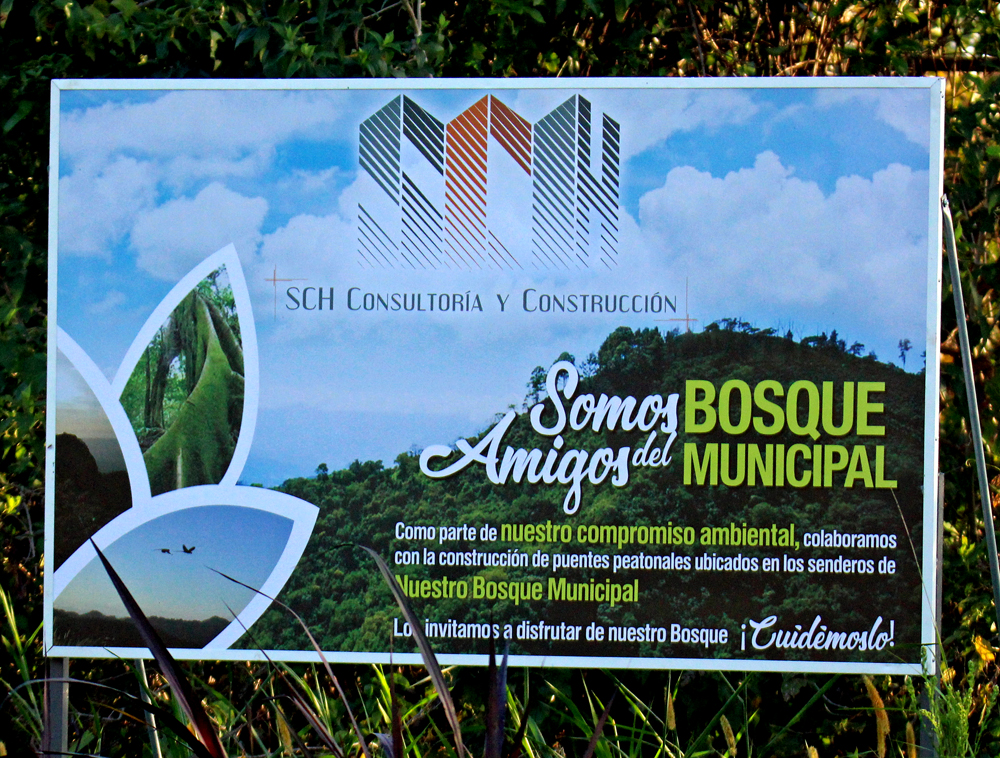
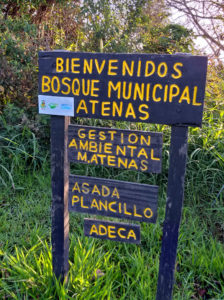
Trail-head Signs
I did not get shots of the two highway signs – sorry!
Nature will bear the closest inspection. She invites us to lay our eye level with her smallest leaf, and take an insect view of its plain. ~Henry David Thoreau
Just had to write this unique date down! It is one of the few dates that works for both Americans who write the month first and all the rest of the world who write the day first! Plus it just looks cool! All those twos and zeros! Say it like this: “O-two O-two, two-O two-O” 🙂
POSTSCRIPT: Larry Yarborough wrote in the comments below what I did not know about this unique date:
FROM AXIOS:
Today’s date is a rare eight-digit palindrome (reads same, forward and backward), 02/02/2020 — the only one of its kind this century: Aziz Inan, a University of Portland (Ore.) professor who has a website chronicling 500 years’ worth of palindromes, tells the Post about today’s rare configuration — where both MM/DD/YEAR and DD/MM/YEAR are palindromes.
“The previous eight-digit palindrome like this was 11/11/1111, 909 years ago. We’ll only have to wait another 101 years for 12/12/2121.” P.S. Today is “the 33rd day of the year, which is followed by 333 more days.” ~Thanks to Larry Yarborough for sharing this Axios Post!
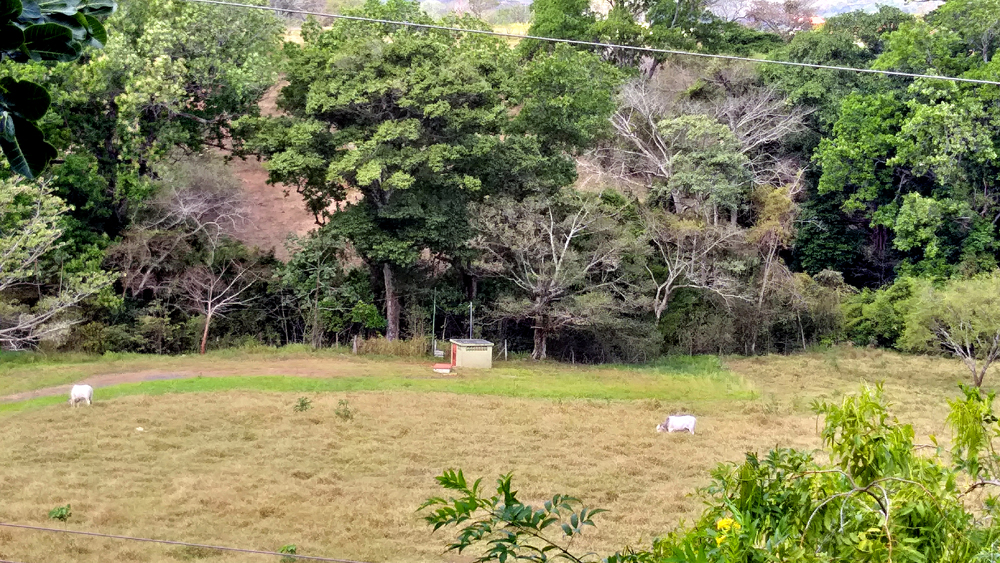
The feature photo is of the cow pasture and tree line along a little stream across from my house. This morning at 6 I decided to walk over along that tree line with my camera looking for morning birds – nada! Not a one! As has been the case the other times I tried that very “birdy-looking” area. The water in the stream is quite polluted (gray water from houses nearby) which may be the reason for no birds or it was windy this morning, though that time of year. And I’ve never heard of cows scaring birds! But not one bird over there! (Maybe snakes?) I do better just sitting on my terrace! Though walking uphill like I did yesterday is even better! I will do that more often!
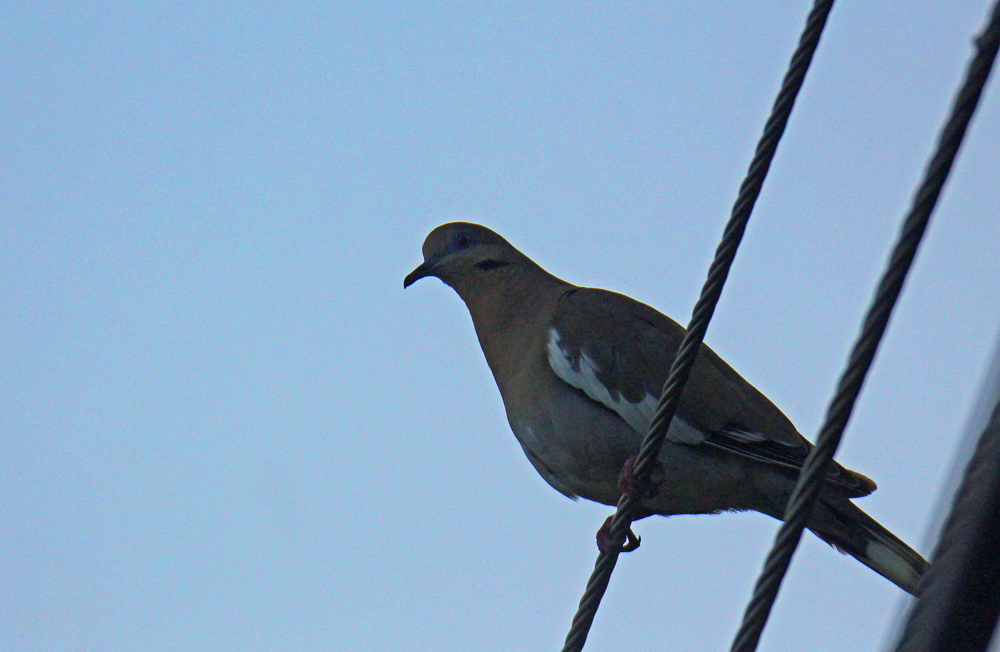
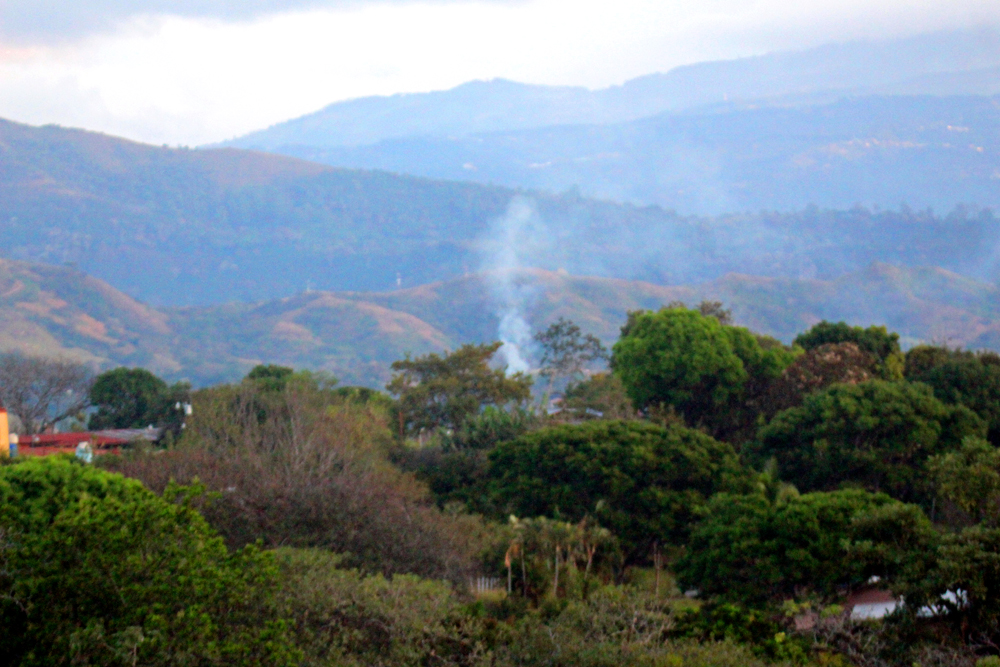
The dove below was on the power line in front of my house and the shot of something burning nearby was the only photo I made from the cow pasture. Sugar cane farmers are burning the remains of their fields after the harvest this month or occasionally someone burns trash, though they are not suppose to in the dry season! 🙂 ¡Pura vida!
White-winged Dove on power line in front of my house looking at the cow pasture.Someone burning something nearby, as seen from the cow pasture.
Yesterday is but today’s memory, and tomorrow is today’s dream. ~Khalil Gibran
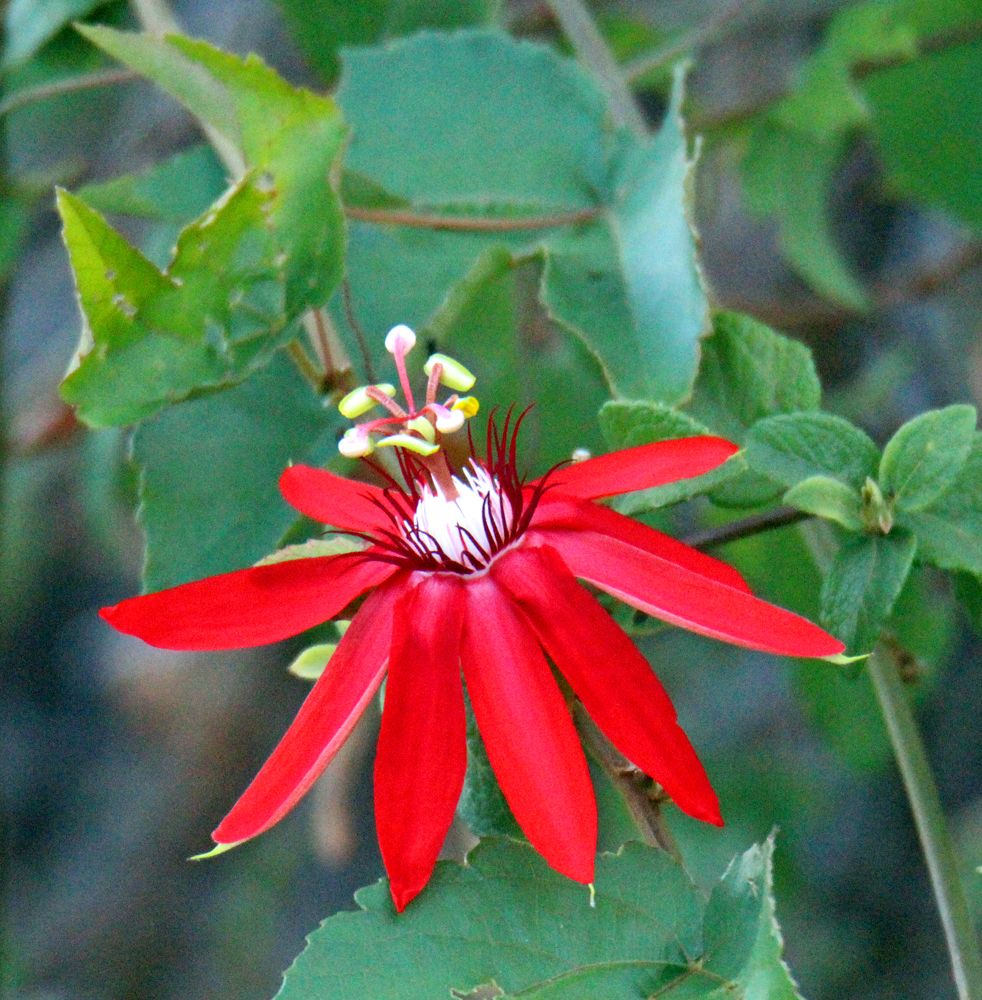
Glad to get back to nature posts after all the other stuff I’ve been posting the last week! And the featured photo above is a Passion Flower growing on a neighbor’s wall along the street uphill above my house.
In my Roca Verde neighborhood, and most neighborhoods across Costa Rica, we have “Snow Birds” or “winter residents” who come to visit or live here during the very cold months up north (Dec-Apr). One of those couples I met for the first time last year always stay in Roca Verde, just a few doors up the hill from me – she is a birder and he a relaxer. 🙂 They are from British Columbia, Canada.
Yesterday she showed me all birds she had photographed in Atenas in just one week, most right here in our neighborhood! Thus I was shamed into birding more in my own neighborhood and later some other places in Atenas – but it means getting up at 5:30 in the morning which I have not been doing much here. Mixed emotions!
I live adjacent to these farming hills seen from street above my house.
This morning I spent just one hour, mostly between 6 & 7 and saw about 20 species of birds, photographing about 15 of them! ALL WITHIN 300 METERS OF MY HOUSE! For you Americans, that’s just 3 blocks, and all along the street in front of my house, up the hill. Of course I ran into Margaret who get out every morning early for birds and we birded together much of the time. I will not do it every day like her, but hopefully more often now!
By 7 there are not a lot of birds to see. It is the magical hour after sunrise and the last hour before sunset that give the most birds! (Same thing on my trips!) And some of these birds from today have not come to my house or I haven’t seen them in my garden yet. CLICK AN IMAGE TO ENLARGE IT . . .
This Morning’s Birds
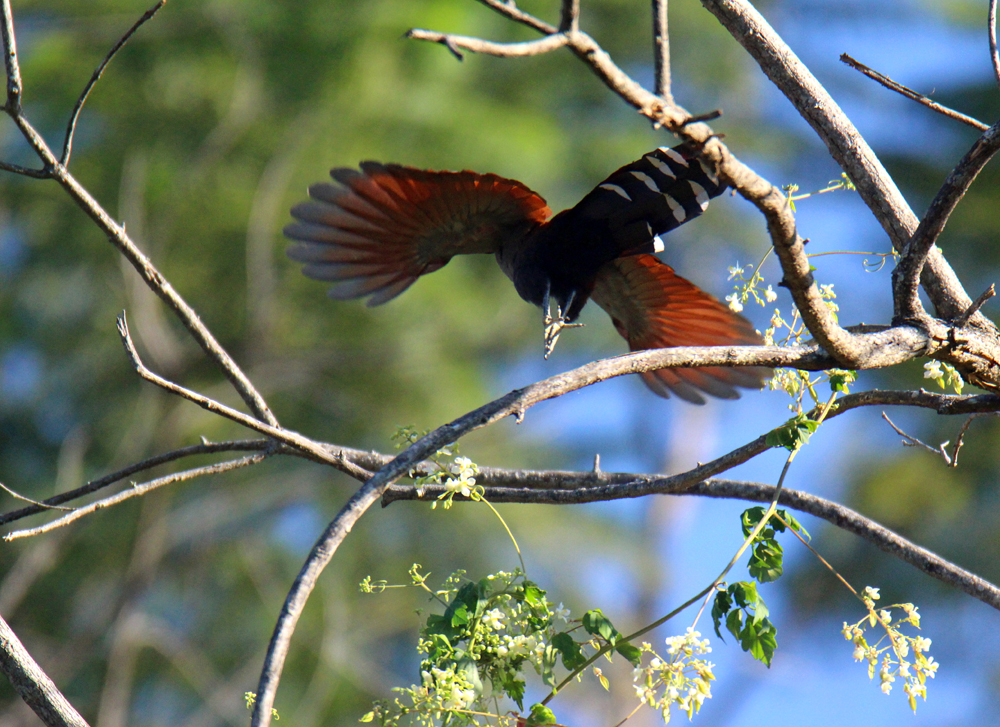
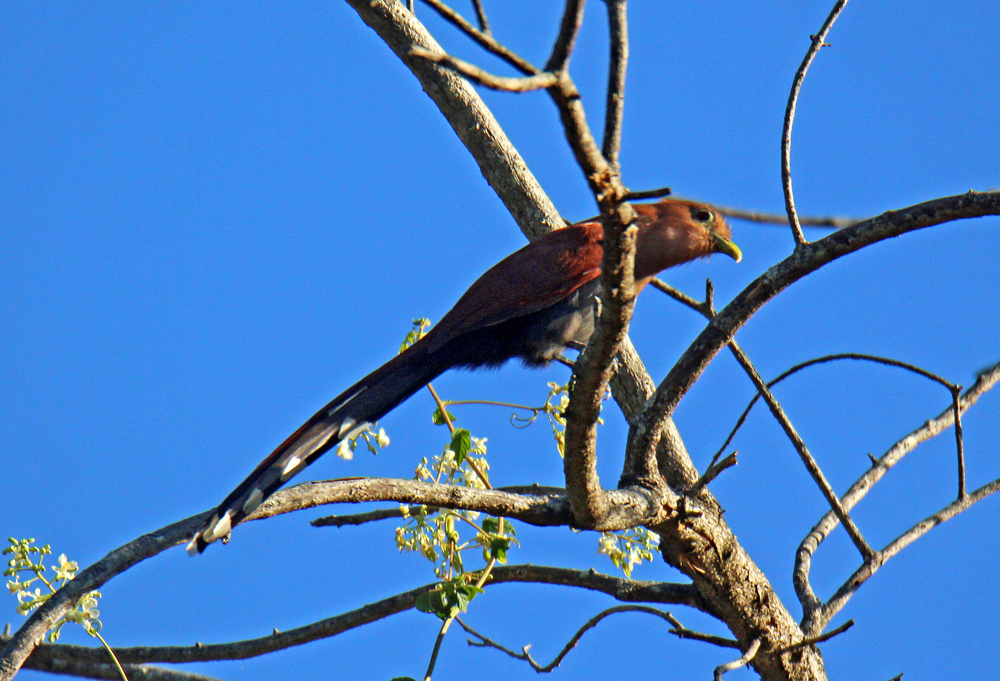
Squirrel Cuckoo Flying
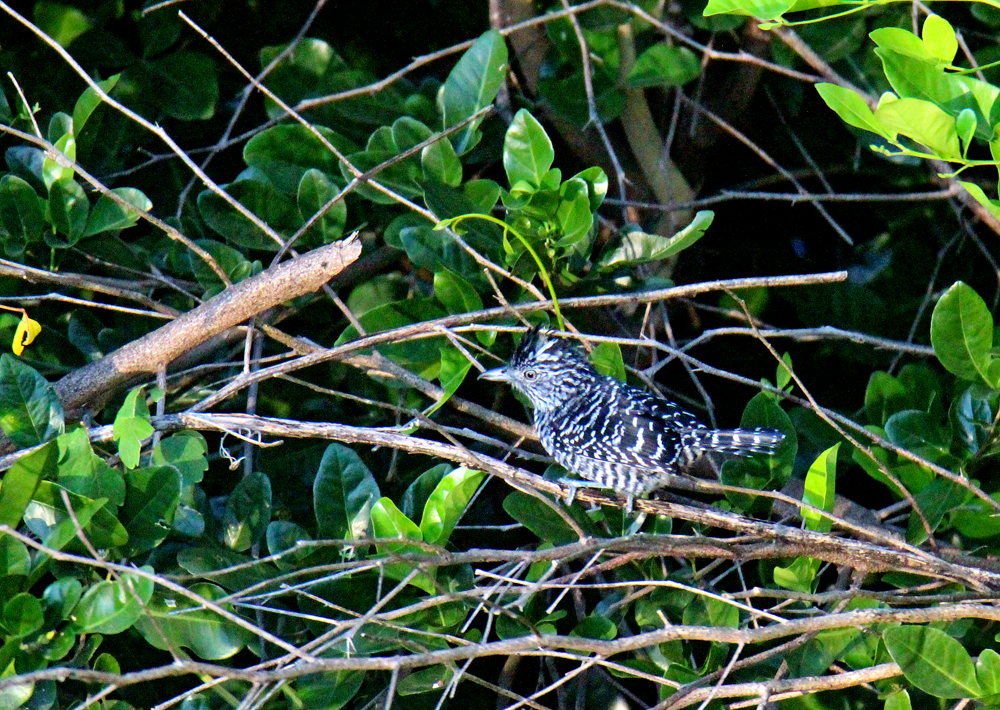
Barred Antshrike
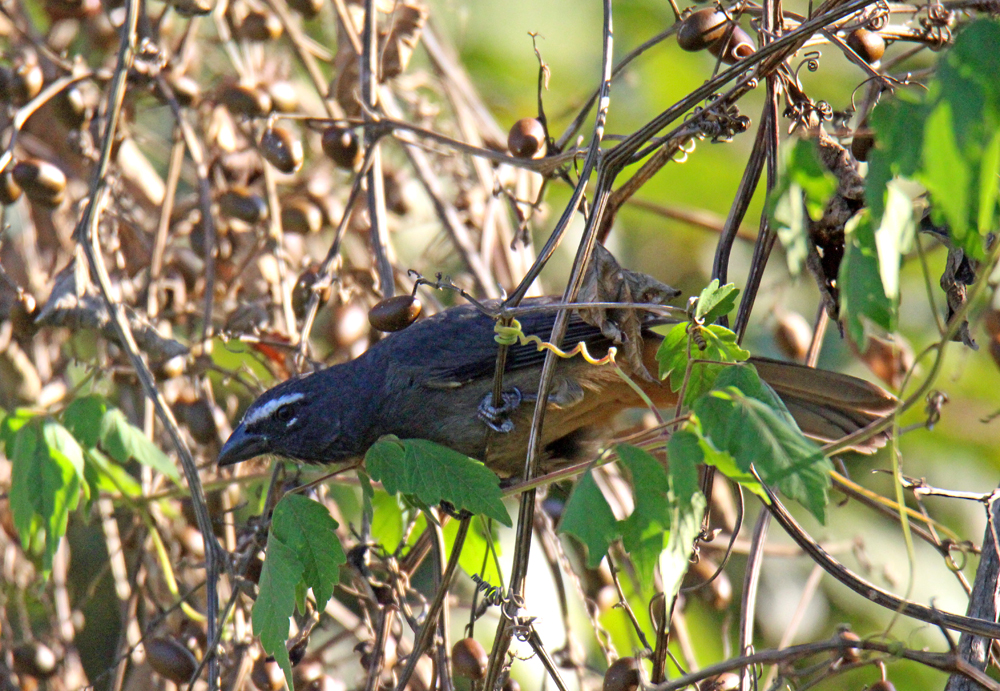
Grayish Saltator
Squirrel Cuckoo
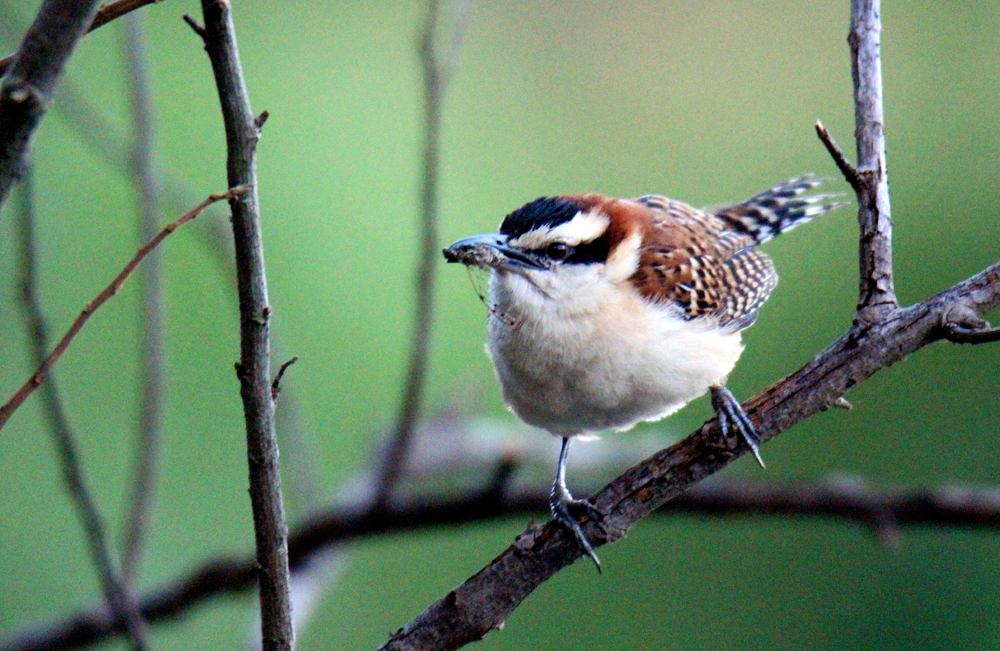
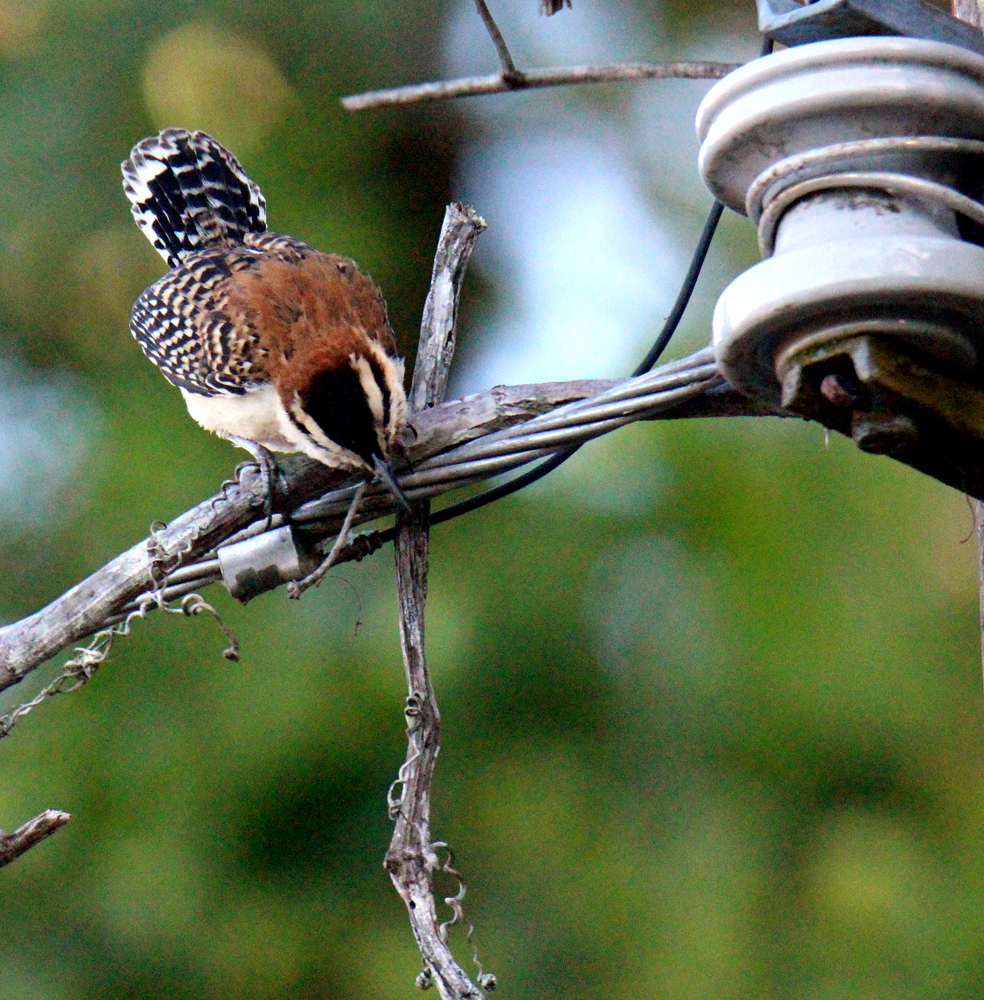
Rufous-naped Wren
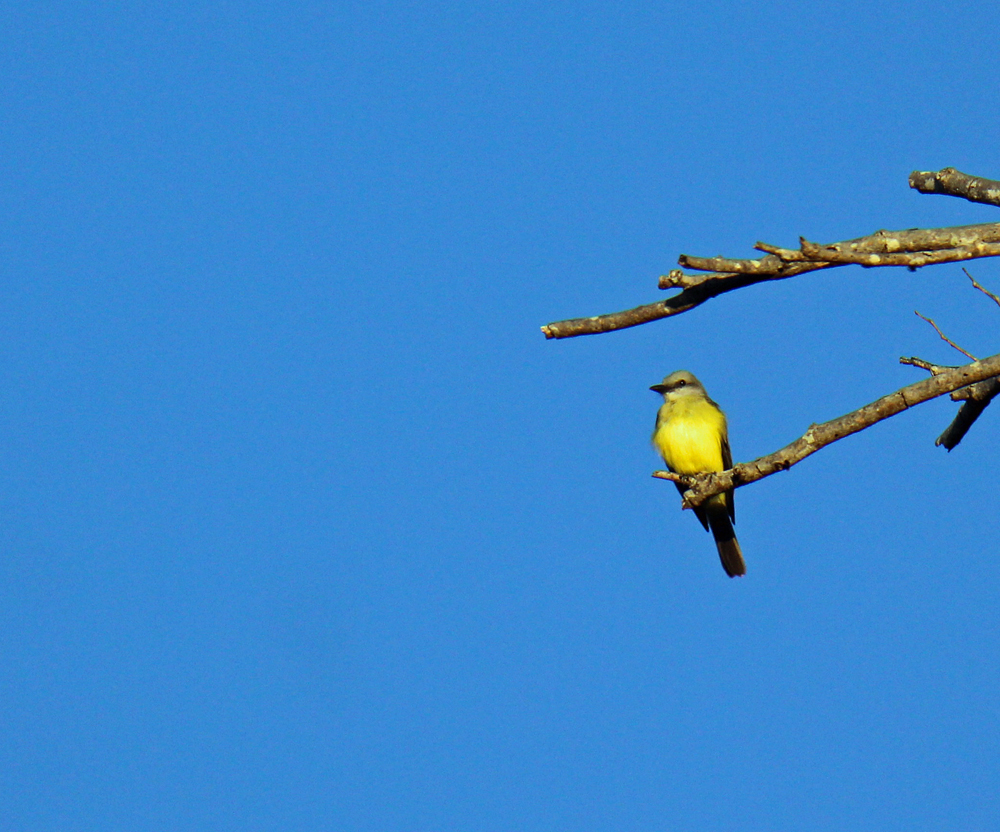
Gray-capped Flycatcher
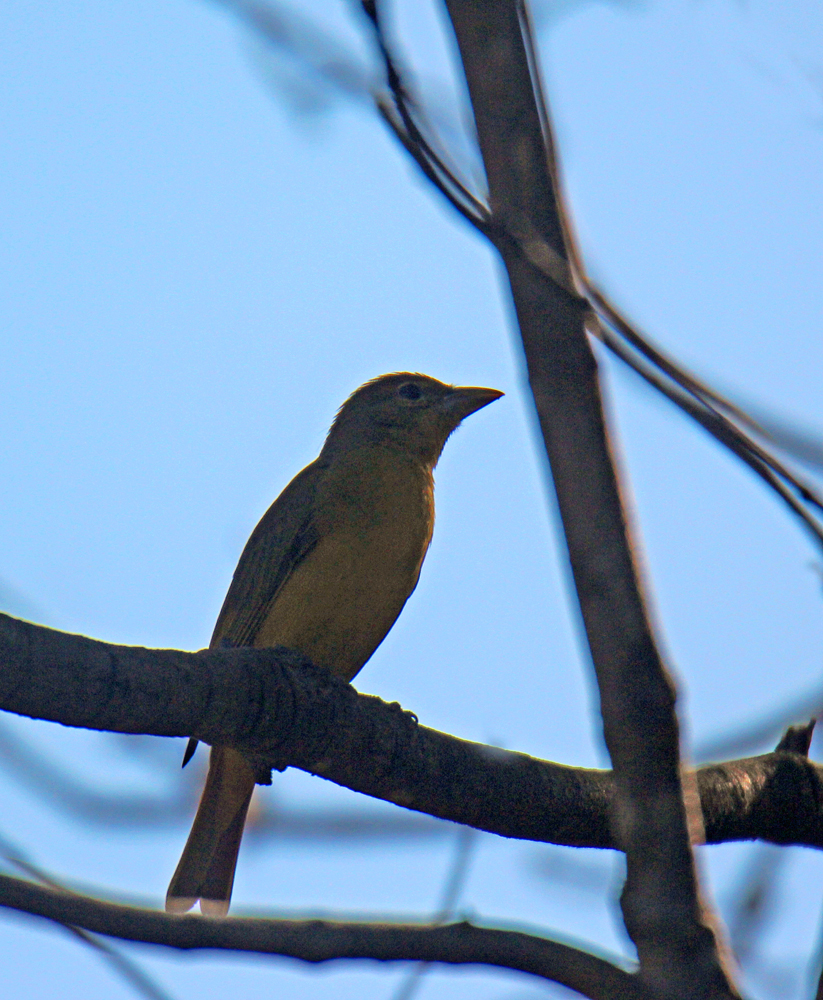
Summer Tanager Female
Turquoise-browed Motmot
Variable Seedeater Juvenile
Red-billed Pigeon
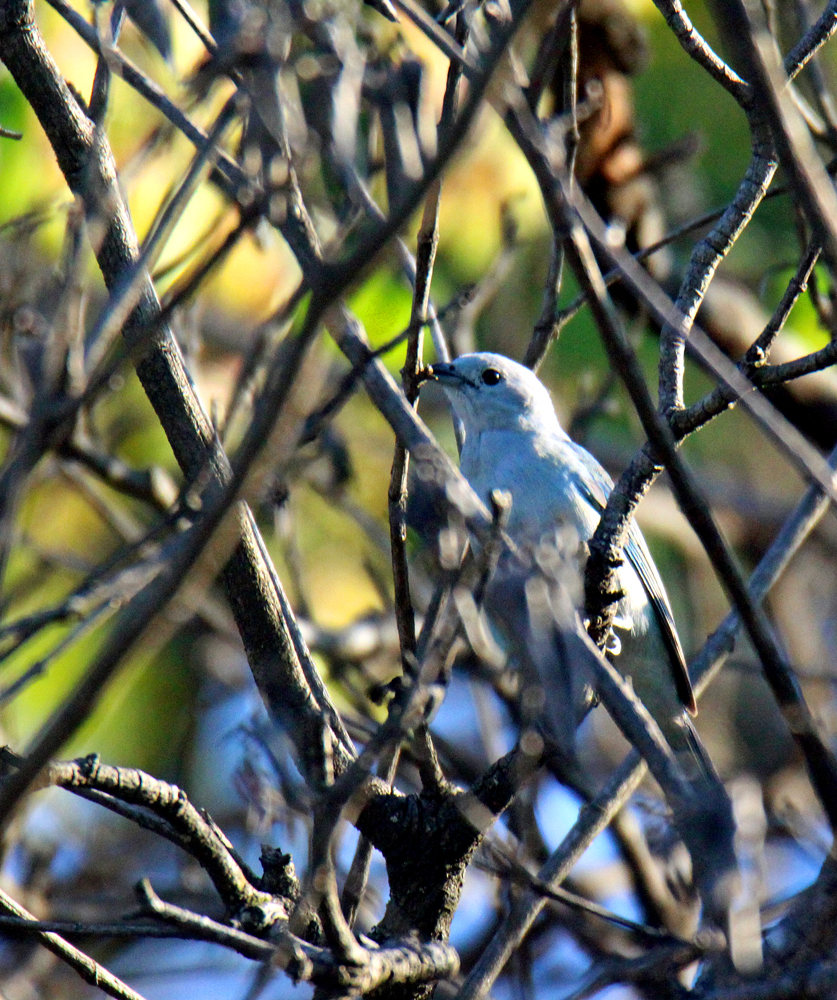
Blue-gray Tanager
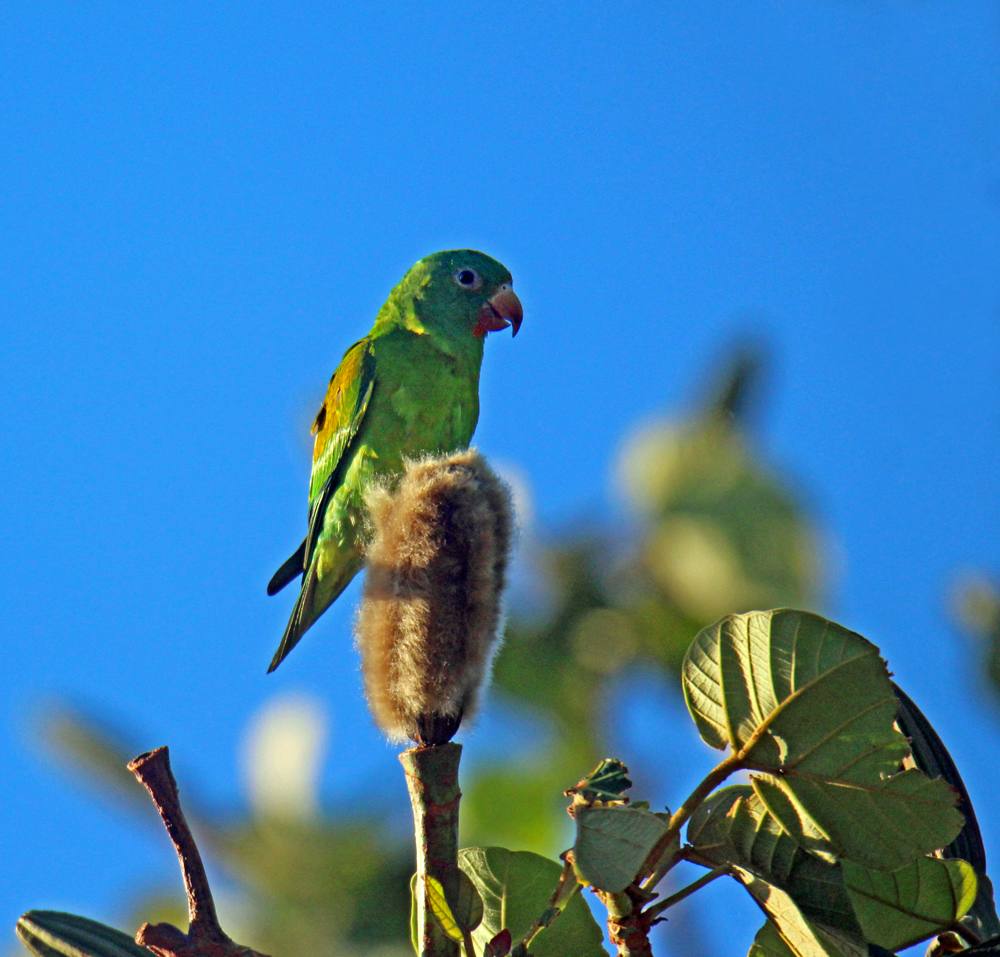
Orange-chinned Parakeet
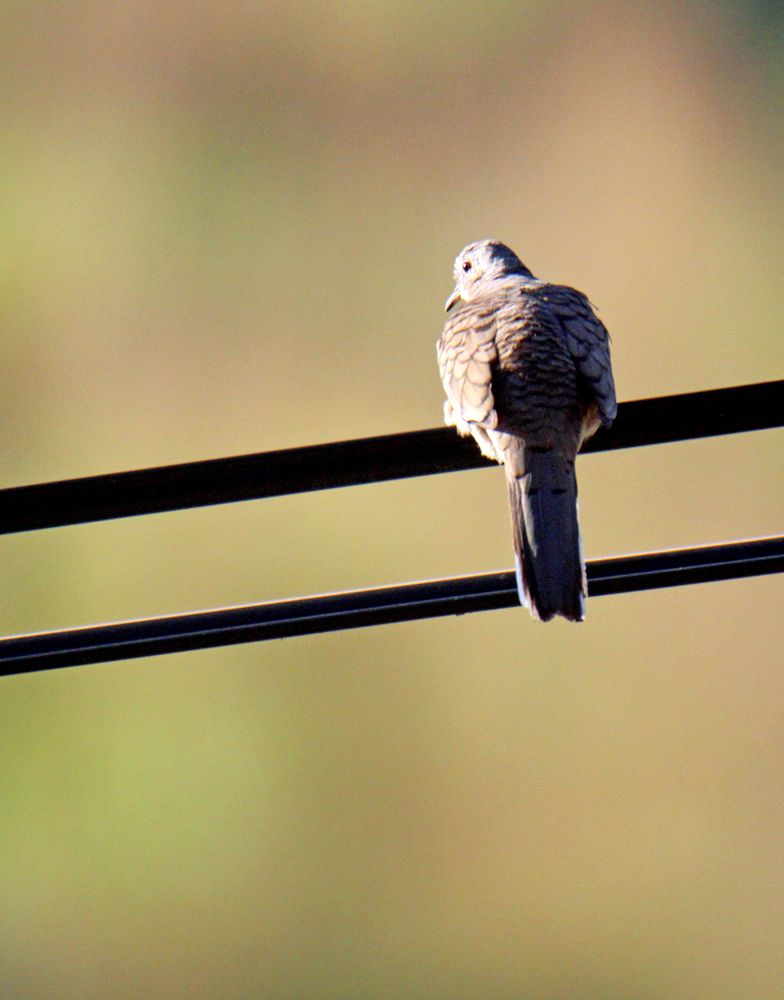
Inca Dove
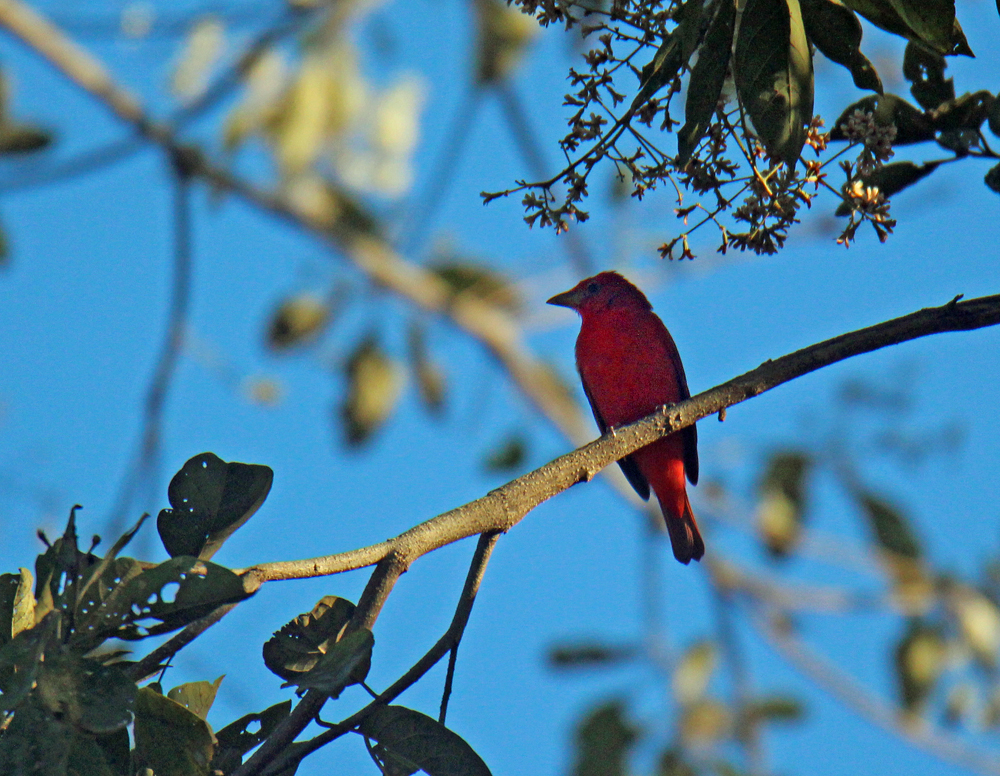
Summer Tanager Male
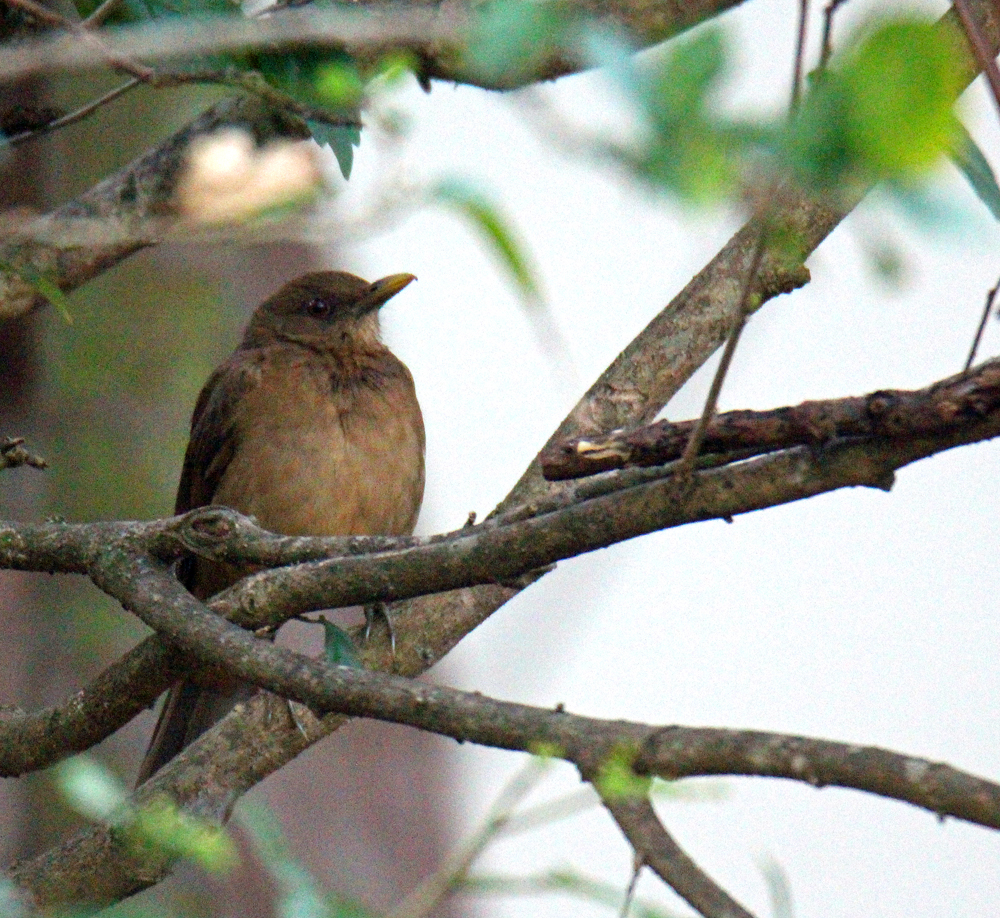
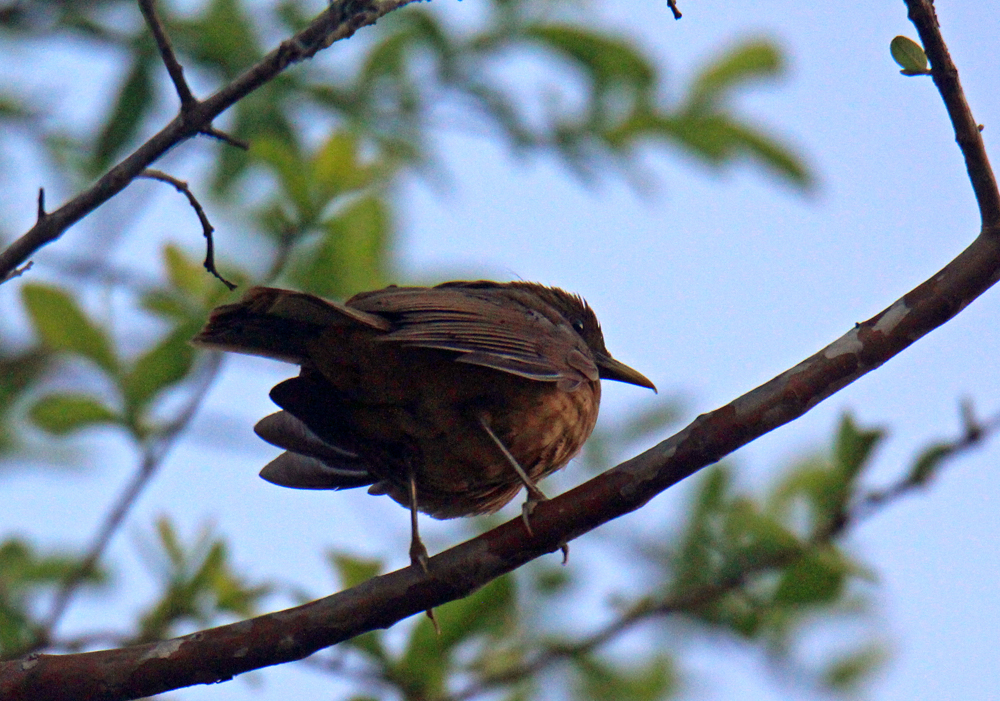
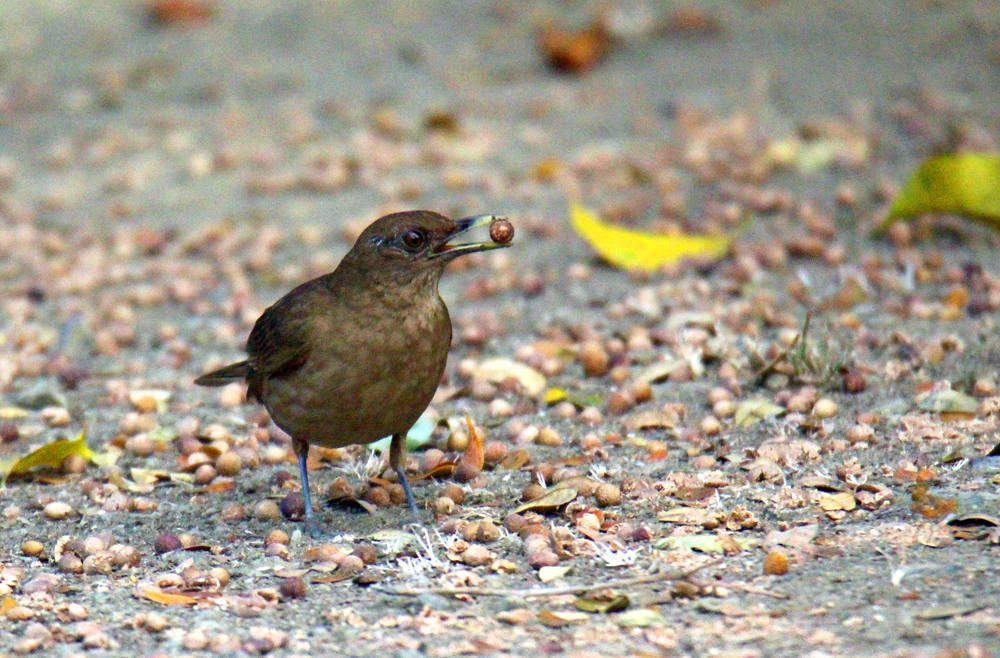
Clay-colored Thrush
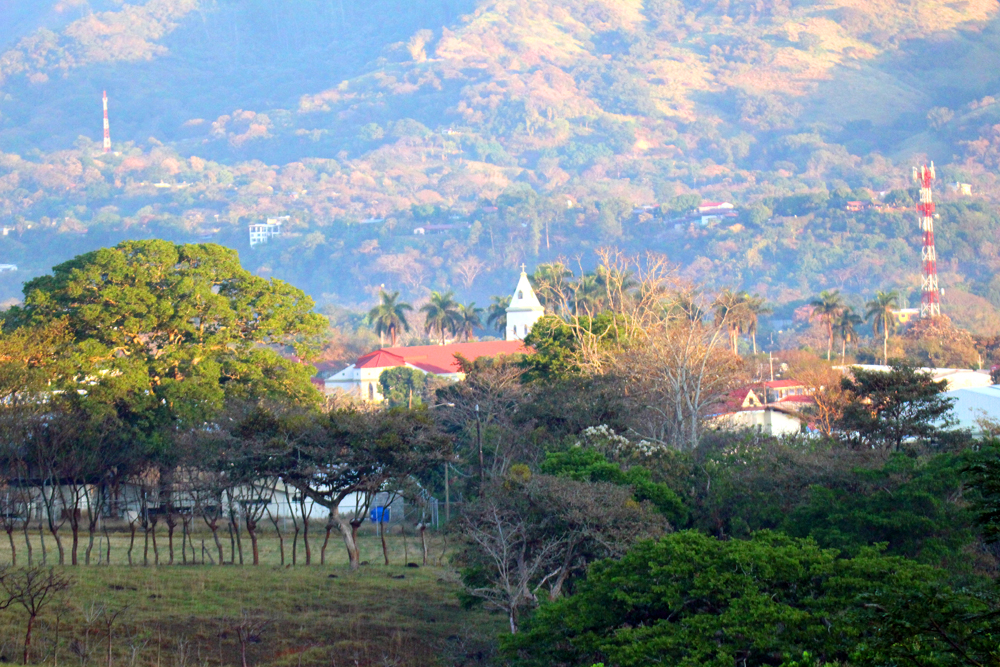
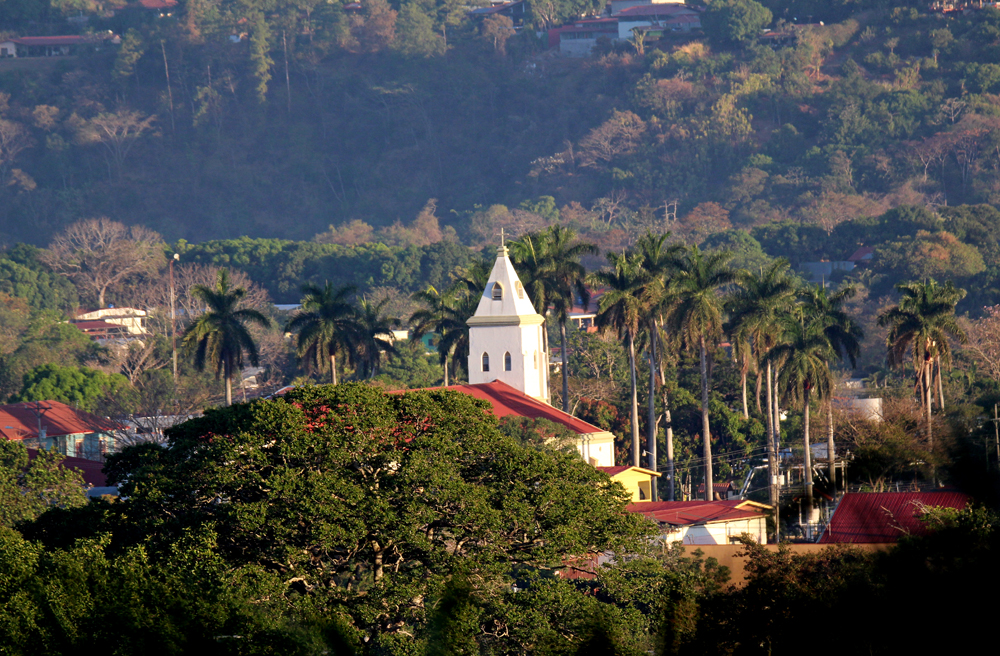
Catholic Church in Central Atenas is also seen from the street above my house, though not as close as this seems through my 60 mm lens! 🙂

 Those were
 One of the things Heredia is know for is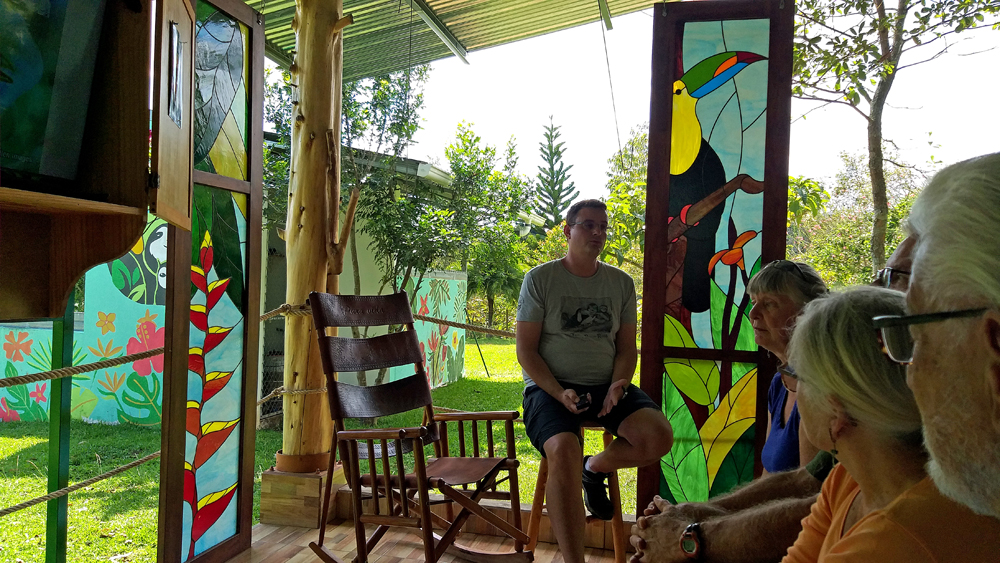
 My friend from British Columbia wanted to go and I always have, so we went together to our “nature park” or forest for birds this morning. It is five miles west on Ruta 3 at Vista Linda or the edge of Barrio Jesus, on the right-hand side of the highway with multiple signs and two entrances. The main entrance is near the second sign or further up the mountain at the big community soccer field across the highway from Vista Linda Restaurant & Bar. Just walk around to the other side of the soccer field. Our first taxi driver knew nothing about it but was glad for the $13 one-way taxi drive! 🙂 The taxi that picked us up was very familiar with it, meaning that some people are into nature and others are not! 🙂