This is the most seen hawk of all for me, almost everywhere I go. See more of my photos in the gallery Common Black Hawk. Not super good photos this trip, but this one of him flying right above me (close) is kind of interesting! 🙂

charliedoggett.net
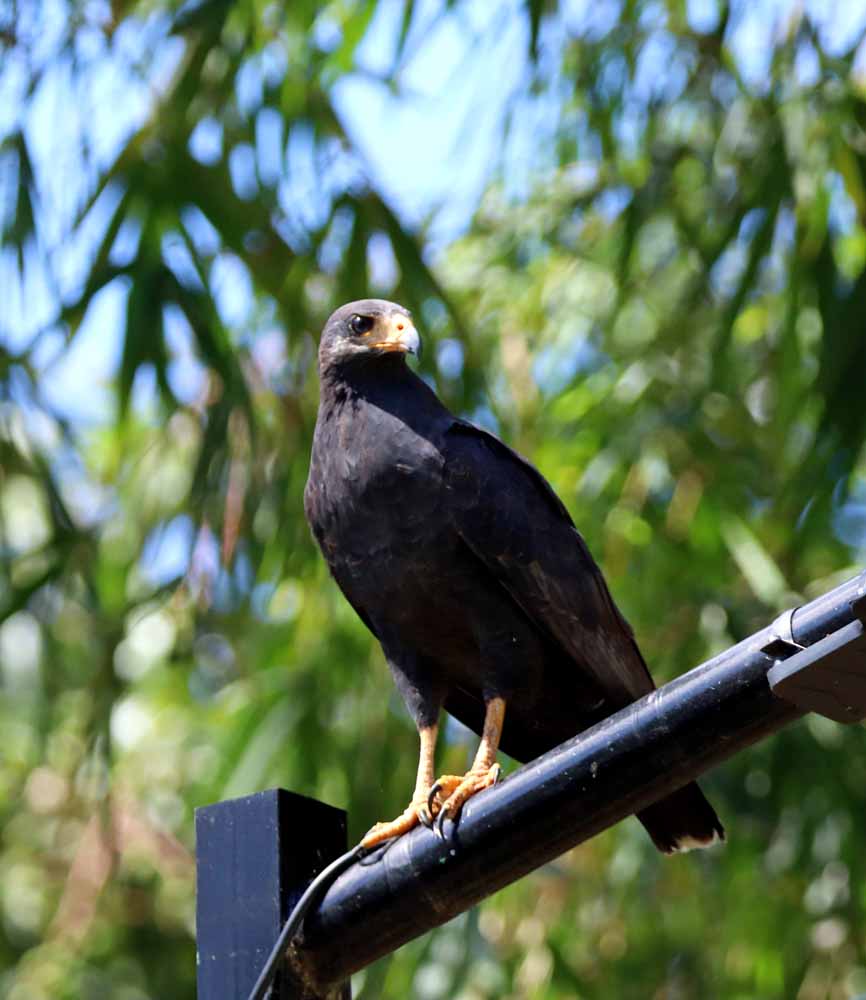
This is the most seen hawk of all for me, almost everywhere I go. See more of my photos in the gallery Common Black Hawk. Not super good photos this trip, but this one of him flying right above me (close) is kind of interesting! 🙂
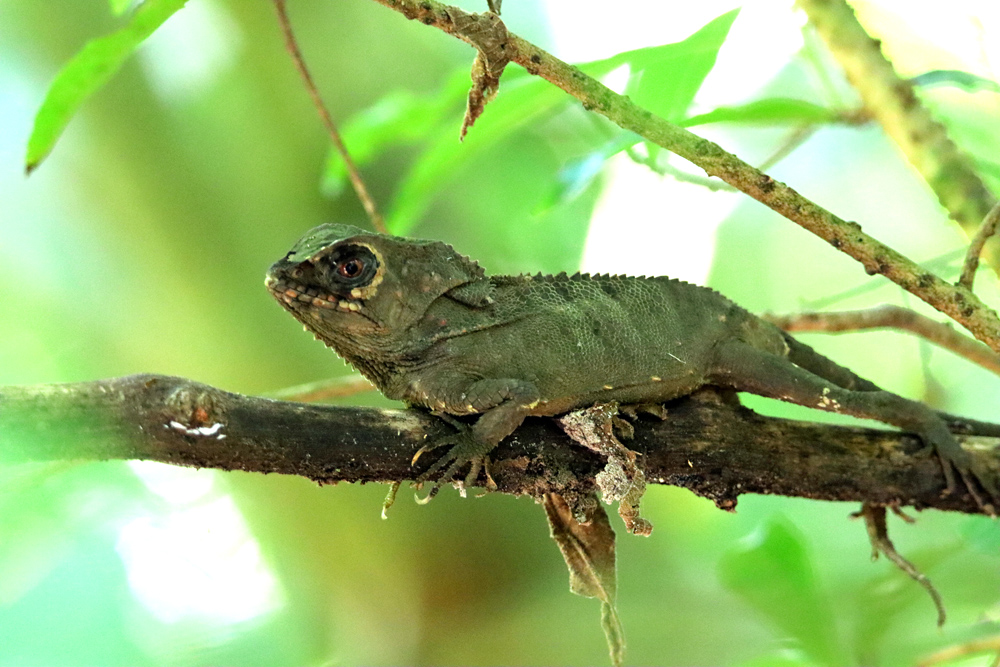
One of the coolest things we saw at Carara National Park yesterday was a Perro Zompopo · Helmeted Iguana – Corytophanes cristatus also known as the Smooth Helmeted Iguana, Helmeted Basilisk, Helmeted Lizard and a few other common names. With that Perro Zompopo being the official Spanish common name on iNaturalist and of course that 3rd Latin name is the scientific name. He was in a lot of shade behind trees, limbs and vines in the thick transitional forest of Carara, thus difficult to photograph. The above shot with a greenish hue was on my Canon Camera while my cell phone shot through the spotting scope had a duller, brownish hue. 🙂 And my identification has not yet been approved by a specialist on iNaturalist, but I’m sort of confident of this.
We got scads of bird photos on Rio Tarcoles but it may take awhile to work through all of them, while the complicated online way of now entering national parks meant we didn’t get on trail to after 11 which is too late for birds, but our excellent guide, Andrys, found lots of other nature to experience and photograph. Both experiences were really good, though too much for one day for our age group. 🙂
¡Pura Vida!
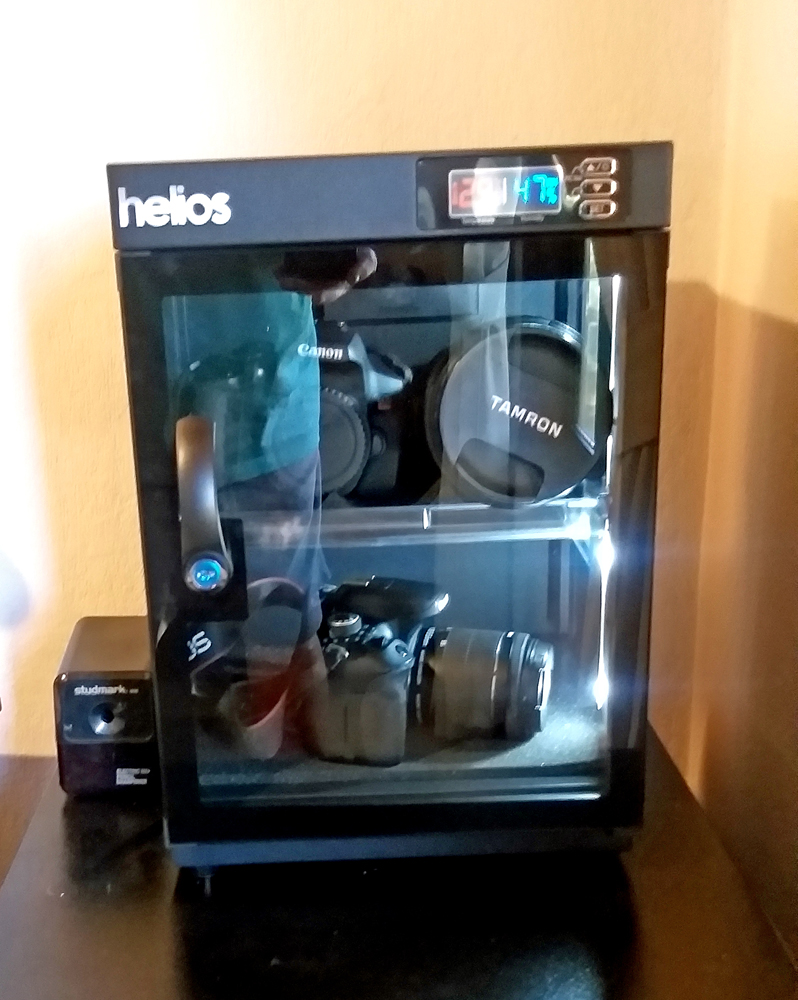
I live in a tropical country, 13° above the equator, with lots of rainforests and cloud forests an hour or so from where I live. Though this Central Valley location is not as humid as a rainforest (except in the rainy season), it is still humid and I’ve learned that humidity does many negative things to my cameras and the lenses .
I recently spent over $300 at the authorized Canon Repair Shop for minor repairs and mainly cleaning of 2 cameras and 2 lenses which had various kinds of mold or other humidity-related problems affecting the electrical connections, the glass and other details.
The repair man was kind enough to reduce some of his future business by recommending that I store my cameras and lenses in a “Dry Box,” which is a metal box containing an electrical device that keeps the humidity down to the level recommended for cameras (40-50%) and at a recommended temperature of 25-29°C. And it costs a fraction of what continued cleaning and repair would cost! (just $150) So a no brainer! 🙂 When you walk in my office now, it looks like I have a little dorm fridge sitting on top of my file cabinet, full of cameras & lenses. 🙂 Anywhere one lives, there are some adaptations that can be made to live with the extremes that might be there. And this will particularly be good when I return from one of my trips to either coast or any rainforest or cloud forest where there’s always more humidity. Humidity damage is now stopped and I expect my cameras to work better! 🙂
Under the ABOUT Menu of my website there is a PHOTOGRAPHER page with a sub-page on My Photography Equipment where I have now added this handy little device to protect my cameras and lenses. 🙂
¡Pura Vida!
This post was made about 2 weeks ago which is about how far ahead I am on creating most of my Blog Posts now since the Christmas trip to Punta Leona.
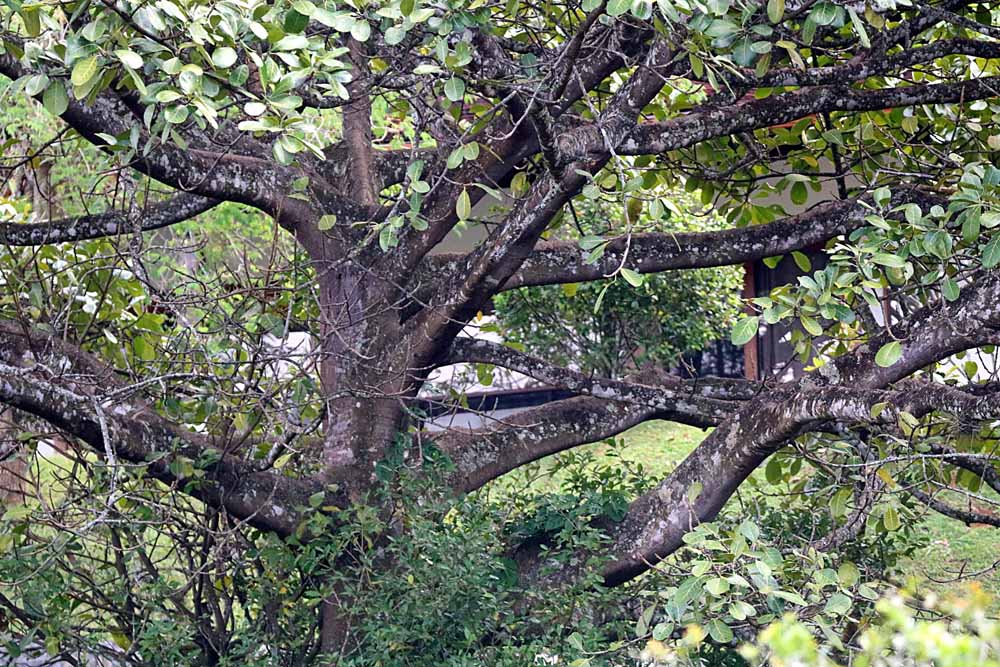
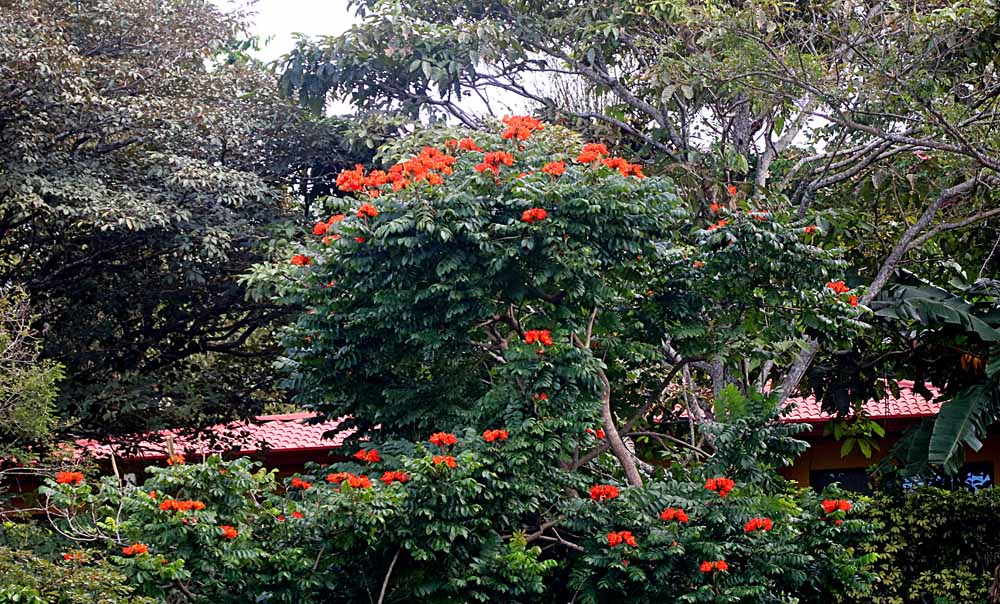
I like looking up the big hills on two sides of my little house on the side of a small hill. The other day I snapped photos through my zoom lens of two trees that I liked the looks of: First is an African Tulip Tree which I know the identity of, but the second one and my feature photo is labeled by Google LENS as a Ficus Thonningii Tree which is native to Africa, though the iNaturalist AI would not specify a species, it just said that is is probably one of the Ficus Trees or one of the Squirrel Trees. (First I’ve heard of squirrel trees!). 🙂 But anyway, I like both trees and I’m sharing these two by photos. And if both are from Africa, it is not that unusual here for people to plant trees and shrubs/flowers from other tropical continents.
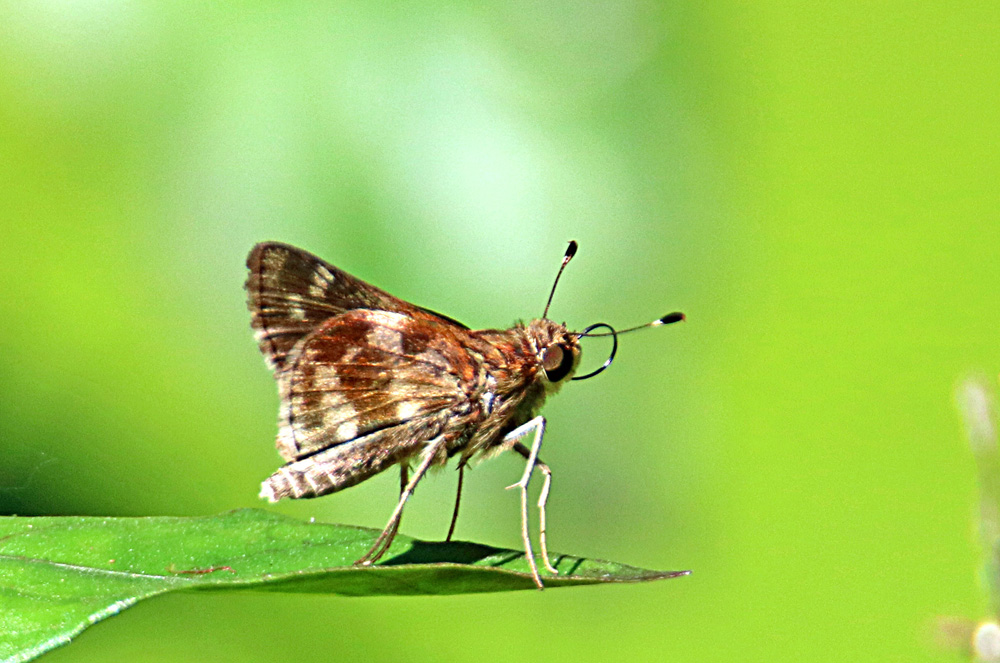
This little brown skipper with a historic-sounding name was at Punta Leona Nature Resort as he sometimes is in my garden. See my gallery Pompeius Skipper – Pompeius pompeius for more photos of this “brown is beautiful” little butterfly. 🙂
¡Pura Vida!
My 2025 Punta Leona GALLERY is now finished!
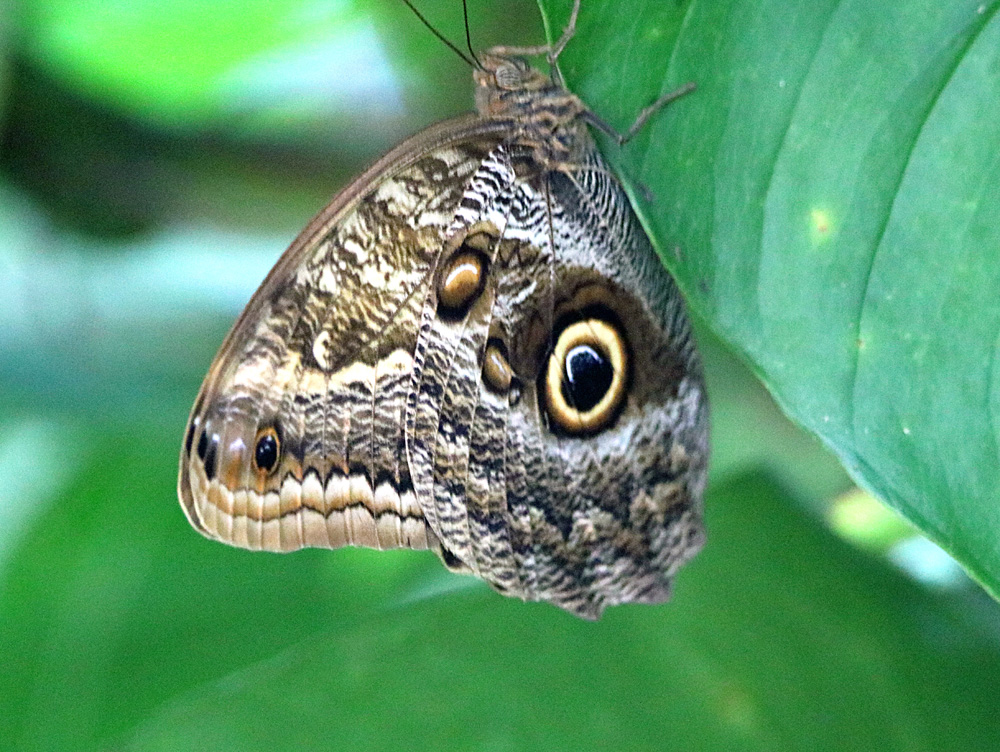
This Pale Owl-Butterfly – Caligo telamonius (my gallery link) is one of several species in the Caligo Genus with the large eye spot on each wing so that when they spread their wings they may appear to a predator as a much larger animal (like an owl) and thus a defensive mechanism. Owl-butterflies are also one of the largest butterflies in Costa Rica. This one was spotted at Hotel Punta Leona Christmas Week. Some earlier sources called it the “Yellow-fronted Owl-Butterfly.”
¡Pura Vida!
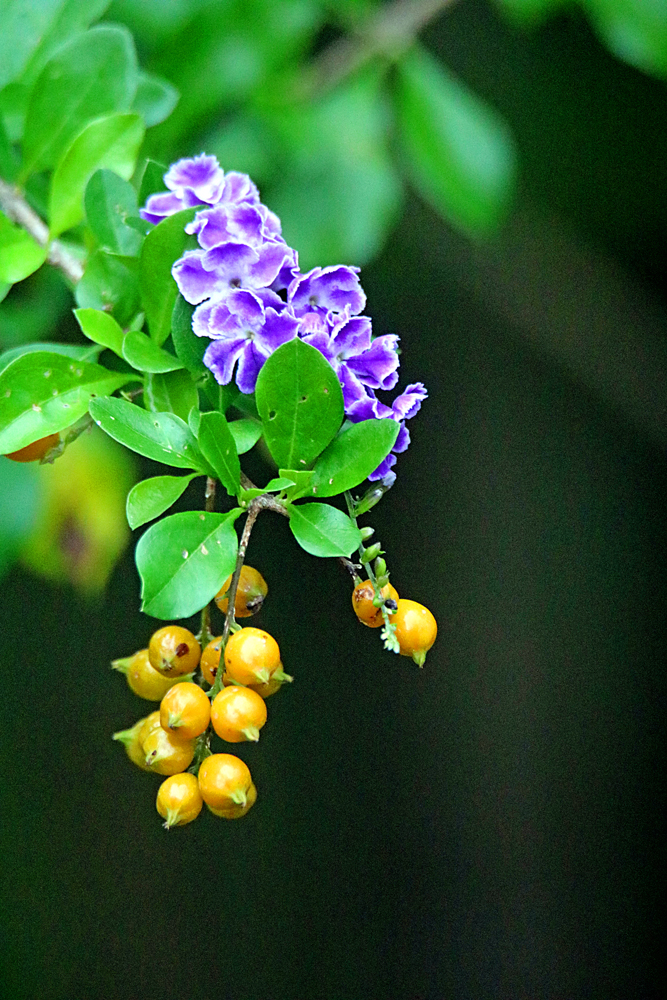
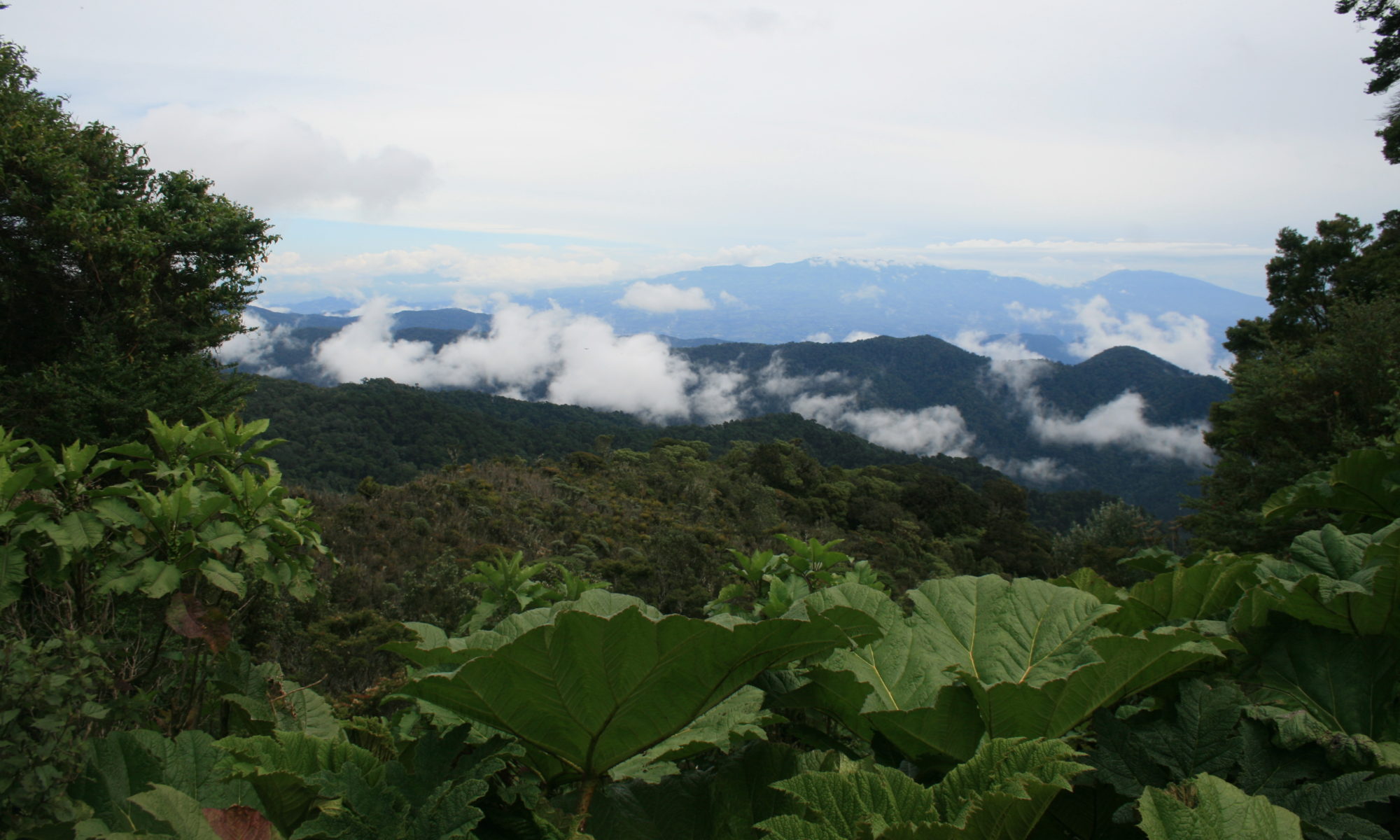
To live in a green world, absorbing both the oxygen and the green spirit is one of the greatest blessings of living in Costa Rica. I randomly picked these photos as representative of this spirit, though many others could have represented it just as well . . .
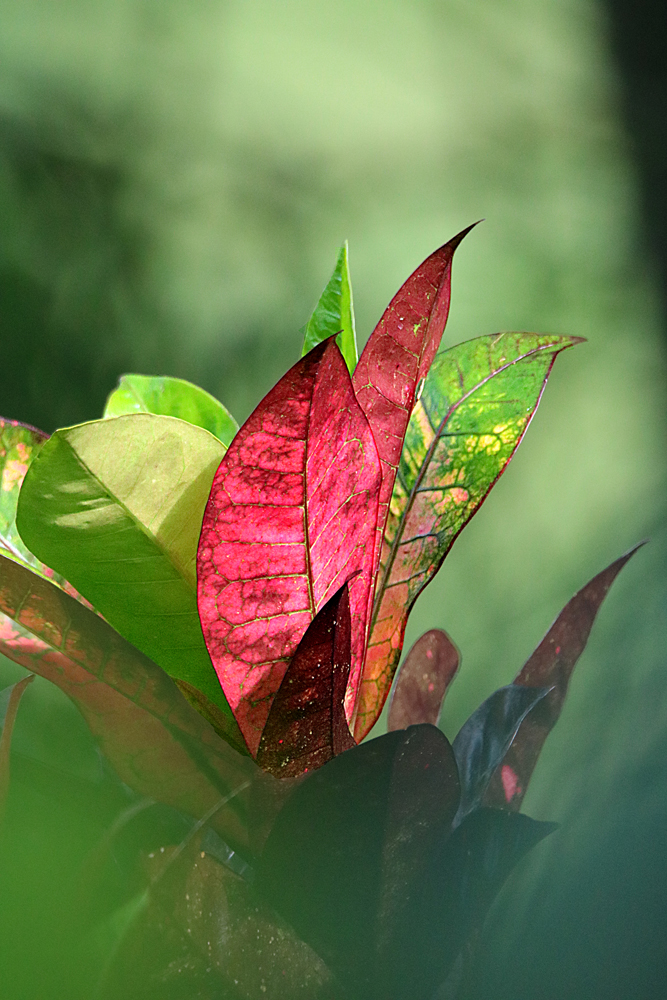
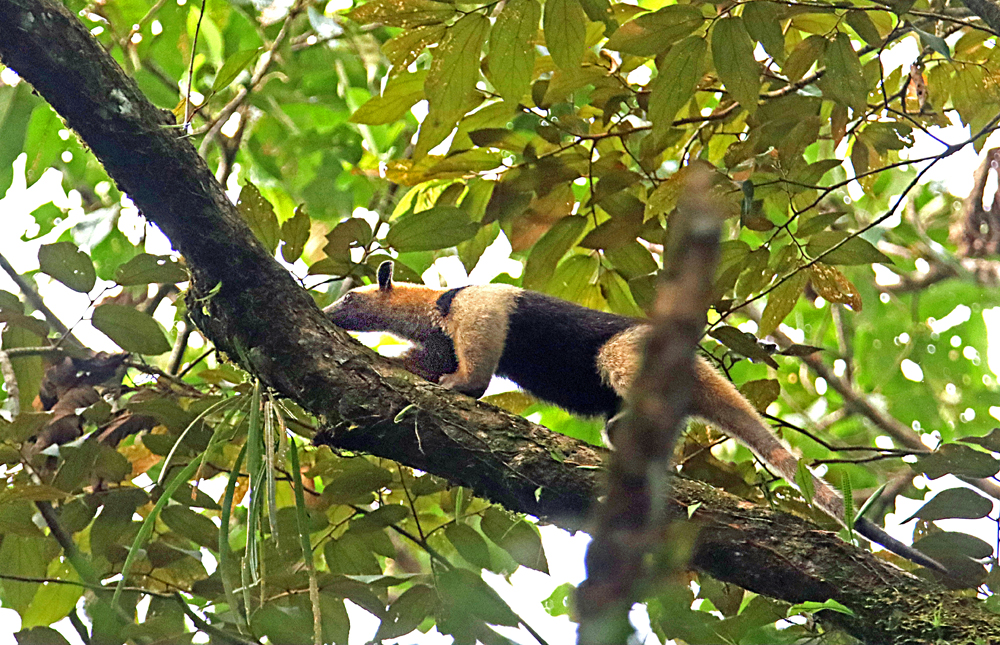
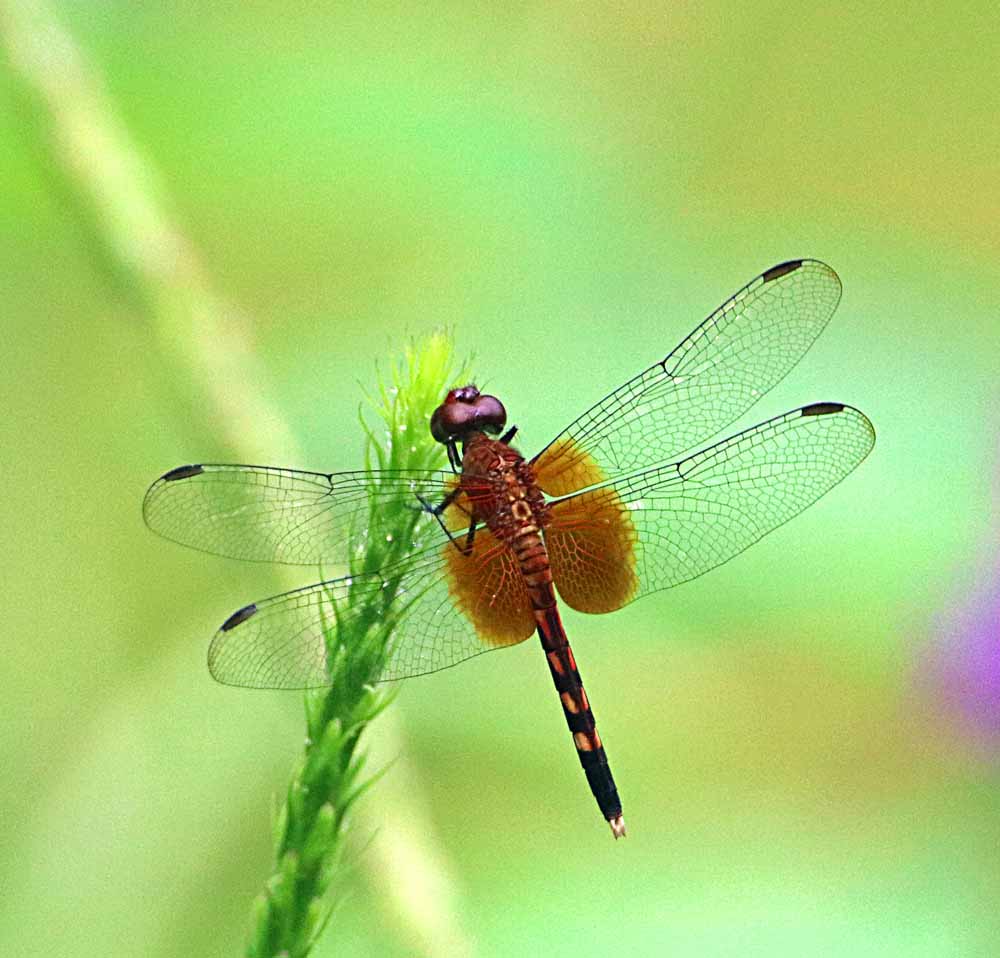
More photos from outside Atenas in this category because I always see more wildlife at the parks, reserves and lodges than at home, which may be best. 🙂 And with less travel this year there were fewer exotic animals, but here’s a few that are pretty interesting 🙂 . . .
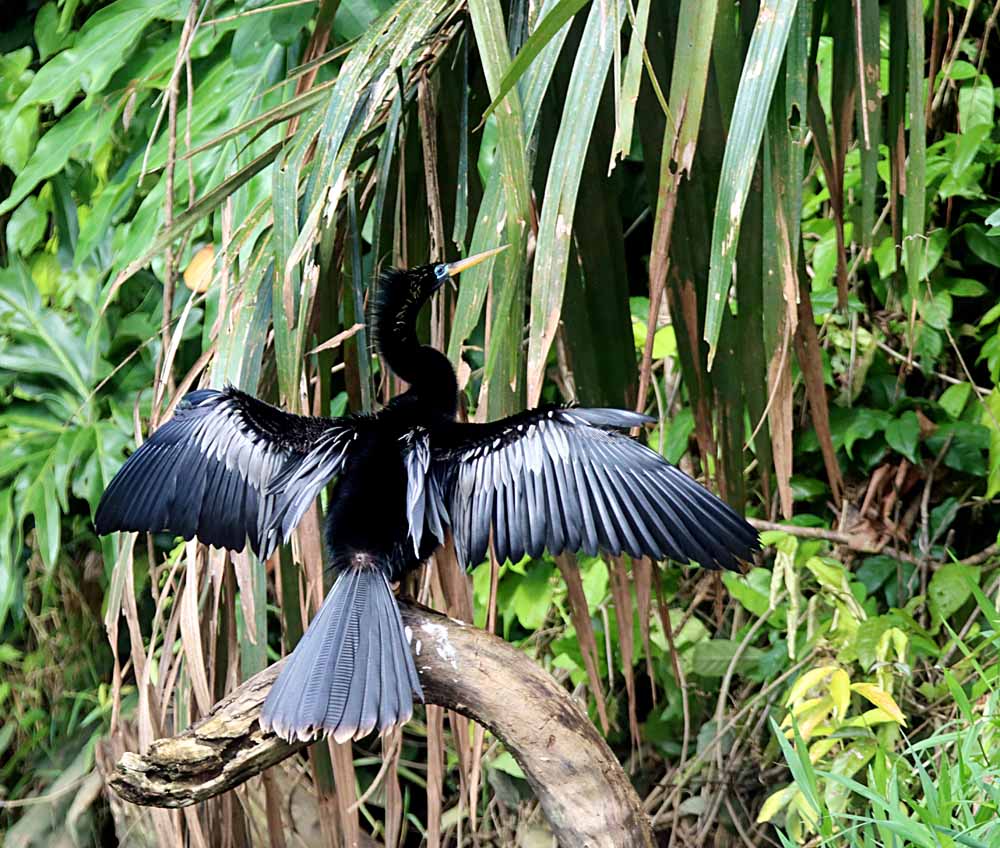
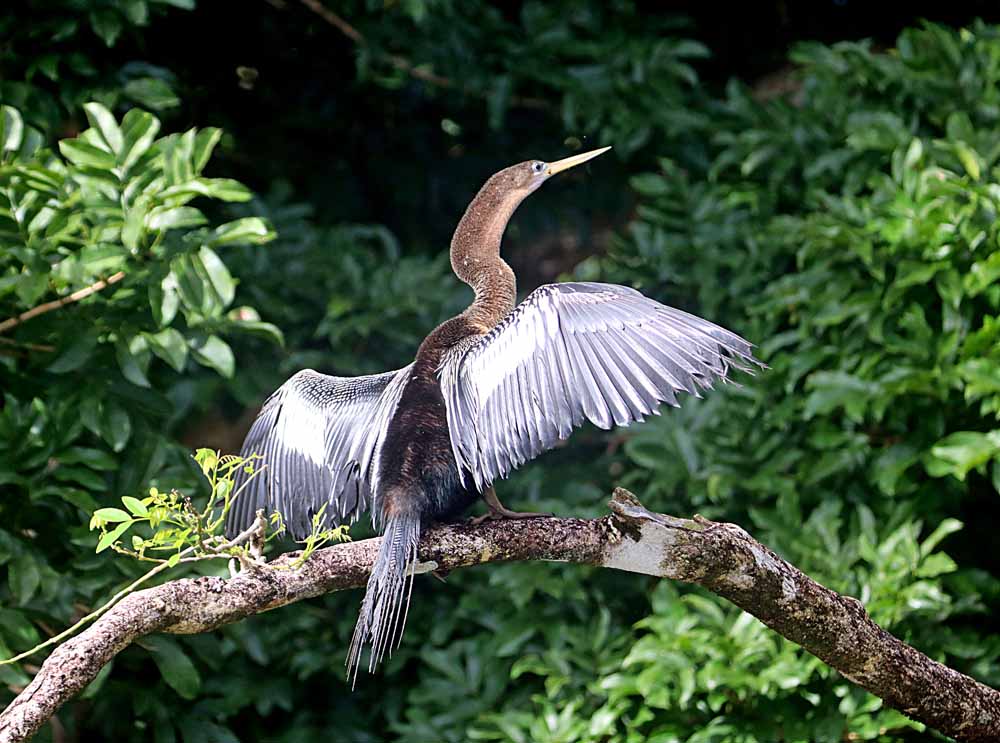
The Anhinga, sometimes called “Snake Bird” because when swimming with his long neck out of the water he/she looks like a snake swimming. This bird is found in all of the tropical Americas on the water where it dives into the water to catch a fish and then afterwards sun-dries itself on a tree as in these two photos, one a male (all black) and one a female (with brown neck). See more of my photos from Costa Rica in the Anhinga Gallery (linked) with most seen on rivers, though also on lakes.
And yes, this makes three days that I have reverted back to my Tortuguero trip for photos. That is because I’ve had some “lean” days in my garden recently (doing posts a week or more ahead now) and I always have more that can be shared from places like Tortuguero! 🙂 Every national park and wildlife reserve here is a rich source of nature photos!
¡Pura Vida!
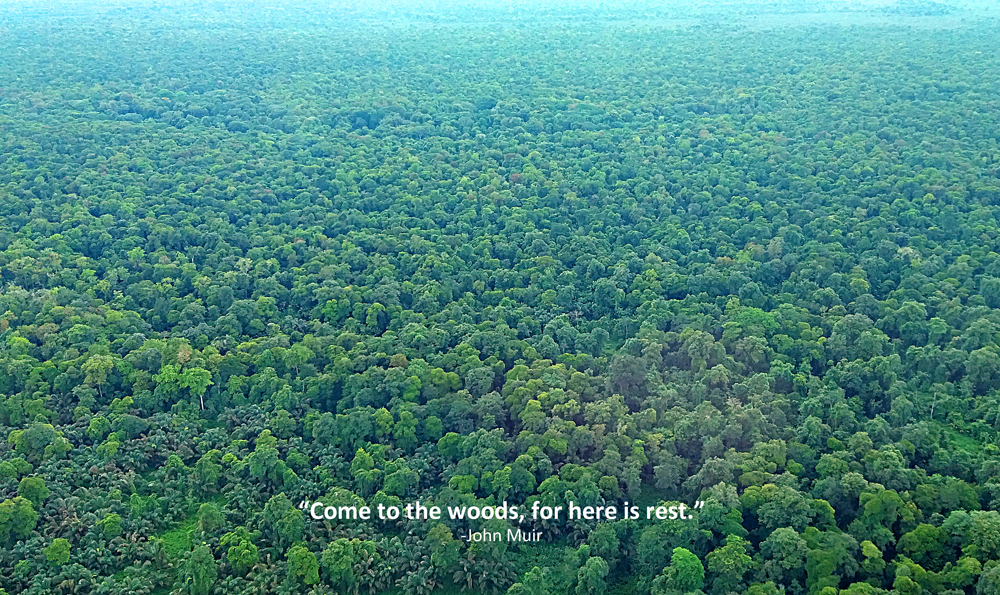
More than 25% of Costa Rica’s forests and land is protected by the government in official National Parks, Wildlife Refuges and Biological Reserves. On top of that there are many “private reserves” that some people say brings the protected percentage closer to 30% but no data on that. And according to Google’s AI:
“With over 615 wildlife species per 10,000 sq km, Costa Rica sits atop of the list as the most bio-diverse region of the world.”
¡Pura Vida!