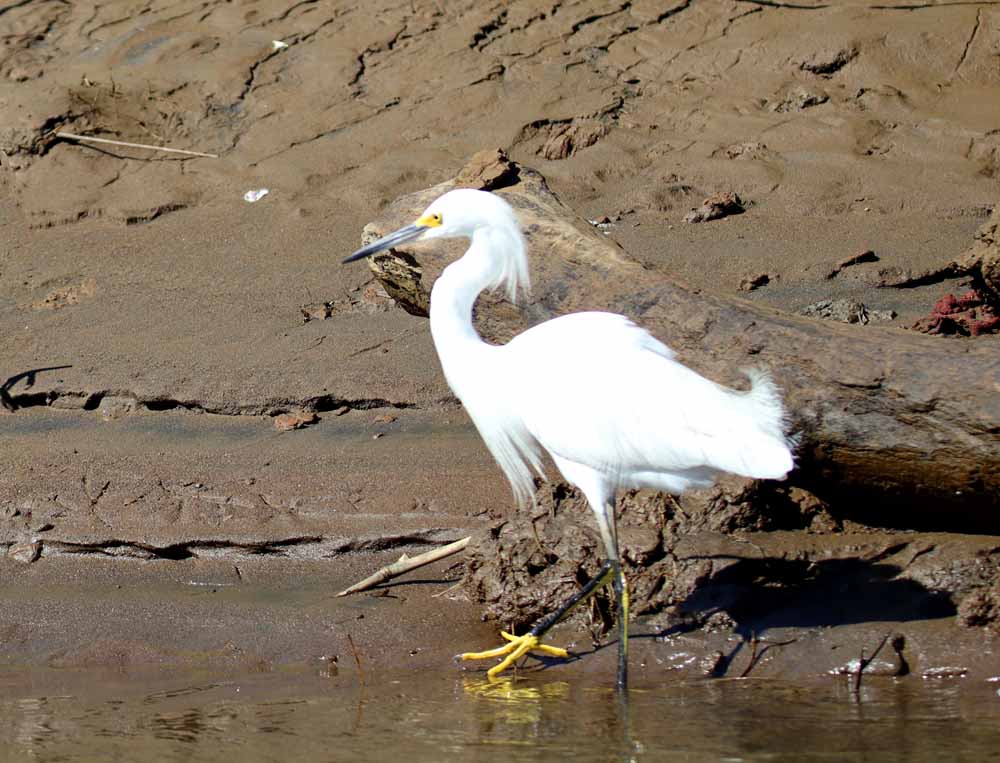
One of my favorite water birds, especially when I can catch them flying or dancing, which I did not this time. See more images in Snowy Egret Gallery. Here’s 3 shots from this latest trip to Rio Tarcoles.

charliedoggett.net
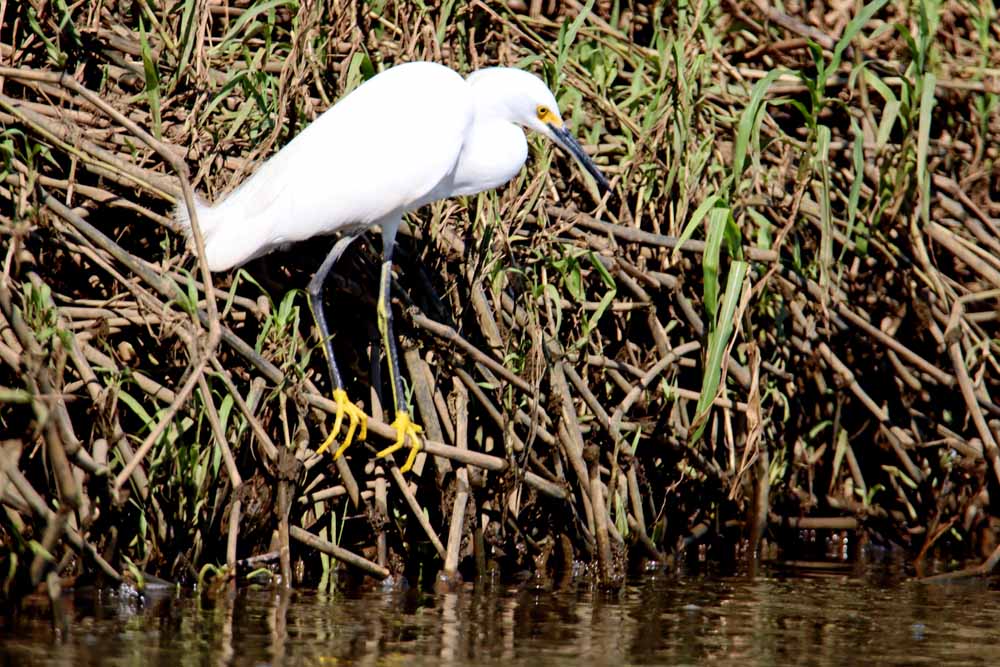
One of my favorite water birds, especially when I can catch them flying or dancing, which I did not this time. See more images in Snowy Egret Gallery. Here’s 3 shots from this latest trip to Rio Tarcoles.
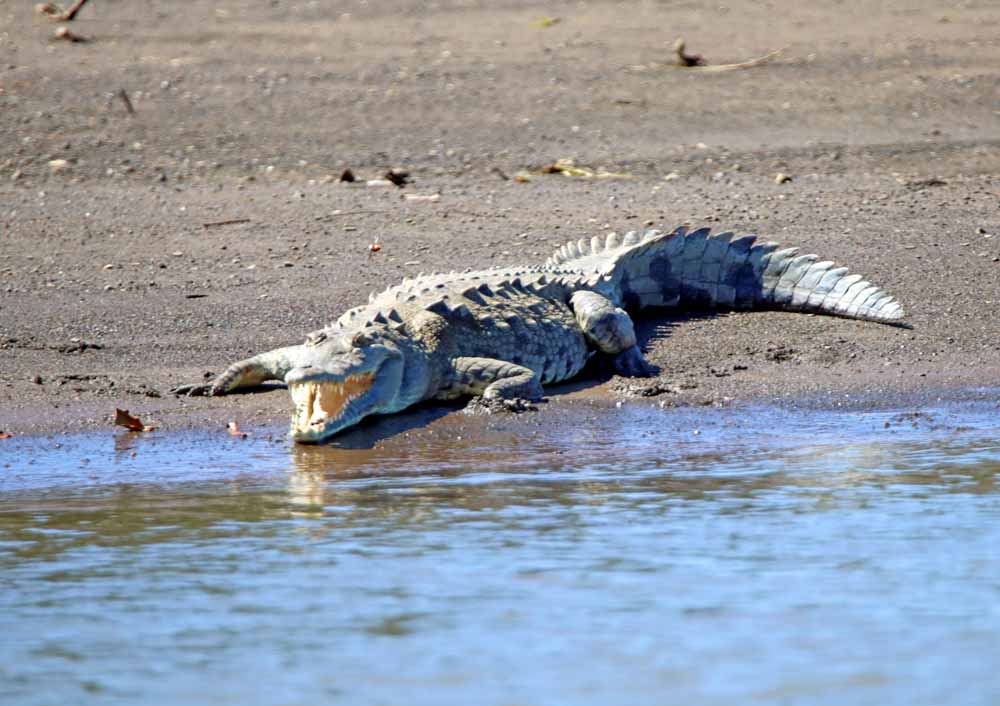
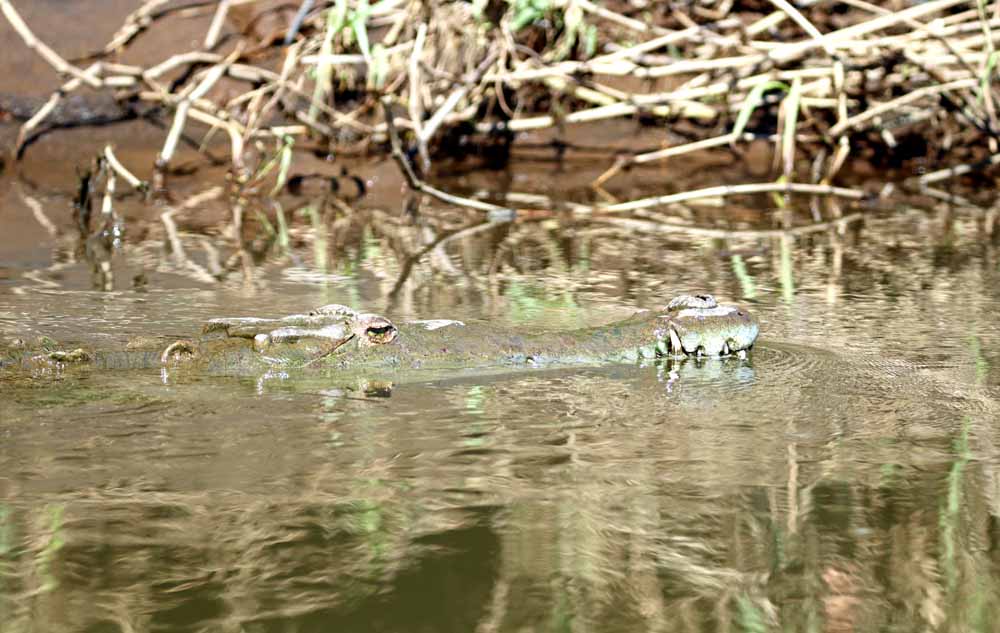
I can’t wind down my reports on Rio Tarcoles without mentioning the American Crocodile, Crocodylus acutus (my gallery link) which is what brings some tourists to the Tarcoles River, with the “Crocodile Bridge” on Ruta 34 over the Tarcoles being a popular stop for tourists to walk out over the river on the pedestrian lane of the bridge to look down on many crocodiles, often sunning on a sand bar. Warning if coming this year, they are working on the bridge, to widen it, and thus many traffic stops! 🙂 Plus you see the crocs up closer on one of the several boat tours from the village of Tarcoles. I always choose “Crocodile Jungle Safari” because they are the best boat to see the most birds, which have priority over crocs for me. Here’s 2 shots from our February 17 trip (with more in the above linked gallery) . . .
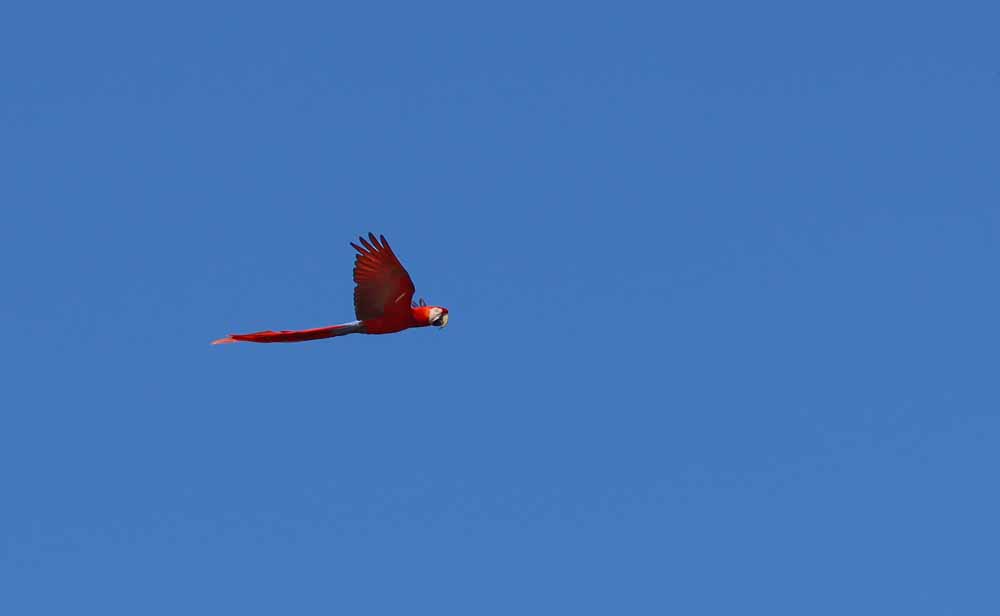
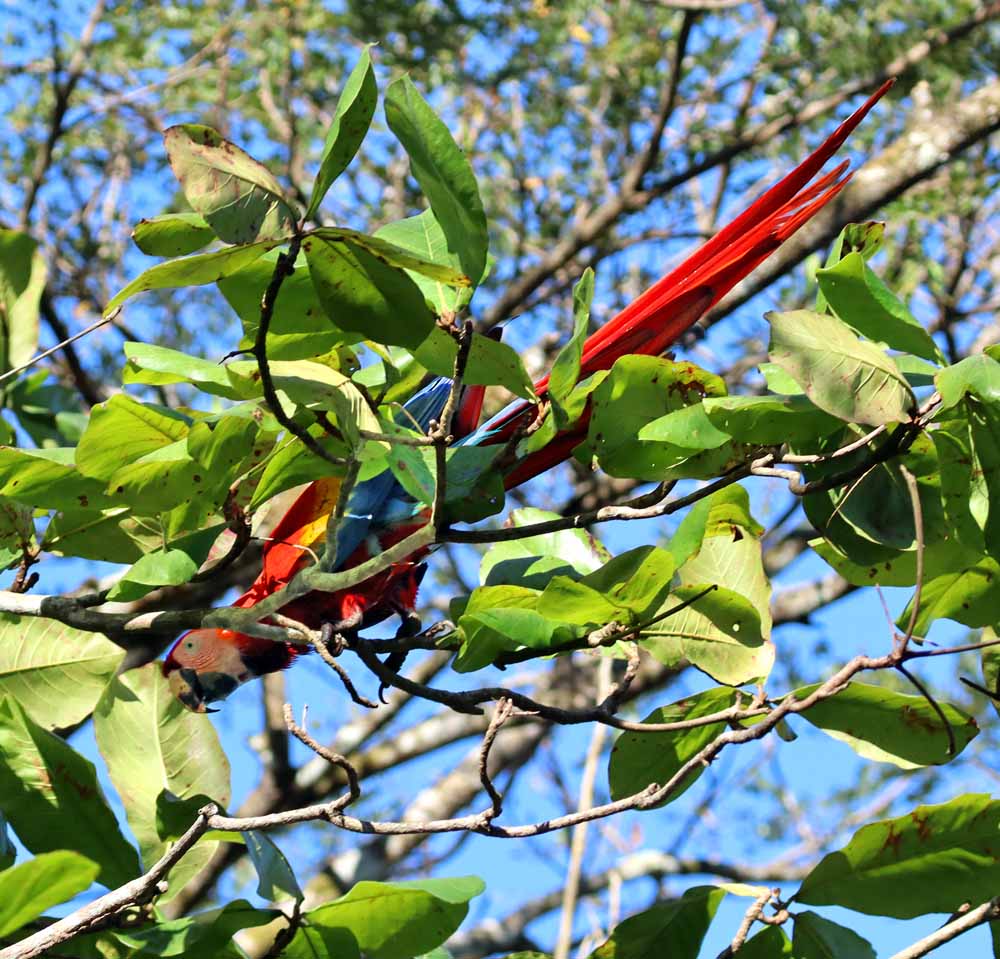
Well, the ones in the tree appeared to be playing “Hide-N-Seek” with us with one trying to become part of the limb! 🙂 Both the village of Tarcoles and the Tarcoles River are one of the best places to see and photograph the Scarlet Macaw, Ara macao (my gallery link), along with nearby Carara NP. And of course these colorful birds are very popular with the tourists, along with all the other parrots and the toucans! 🙂 Just 3 shots here with more from this trip in the above linked gallery.
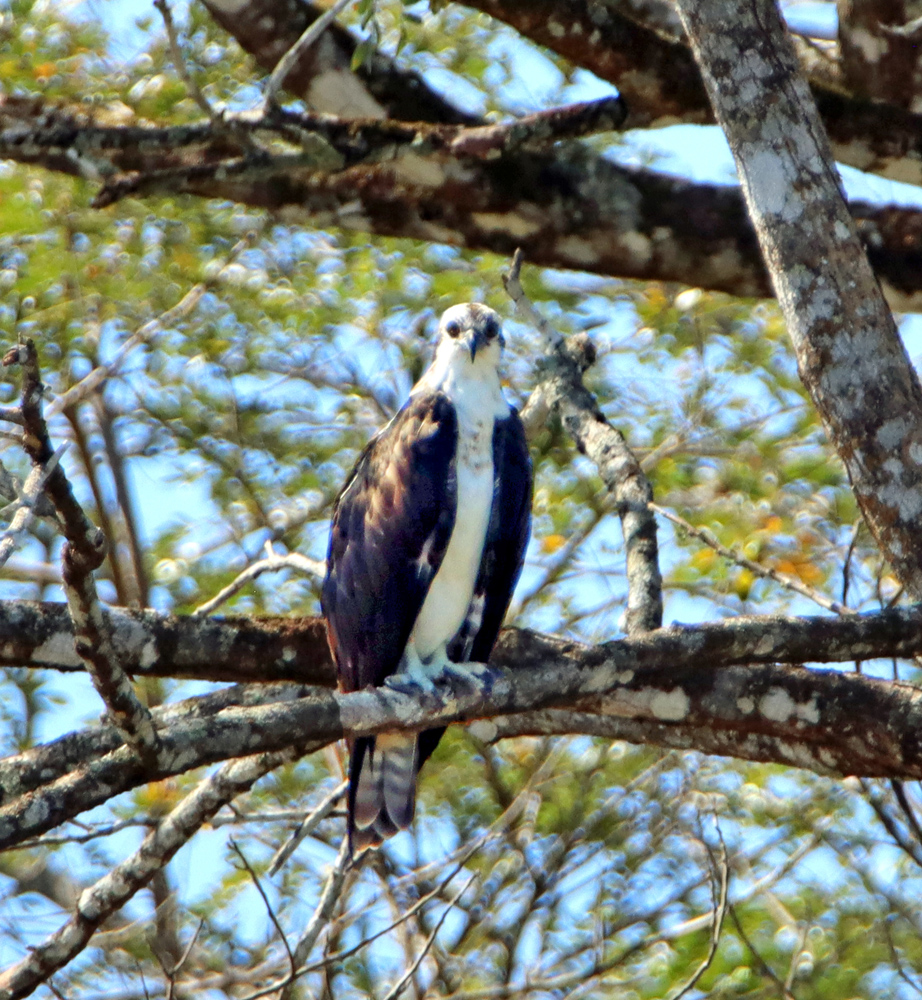
The Osprey (my gallery link) is an iconic bird and fisher on most rivers. We saw only one, briefly, as we floated by on the Tarcoles.
¡Pura Vida!
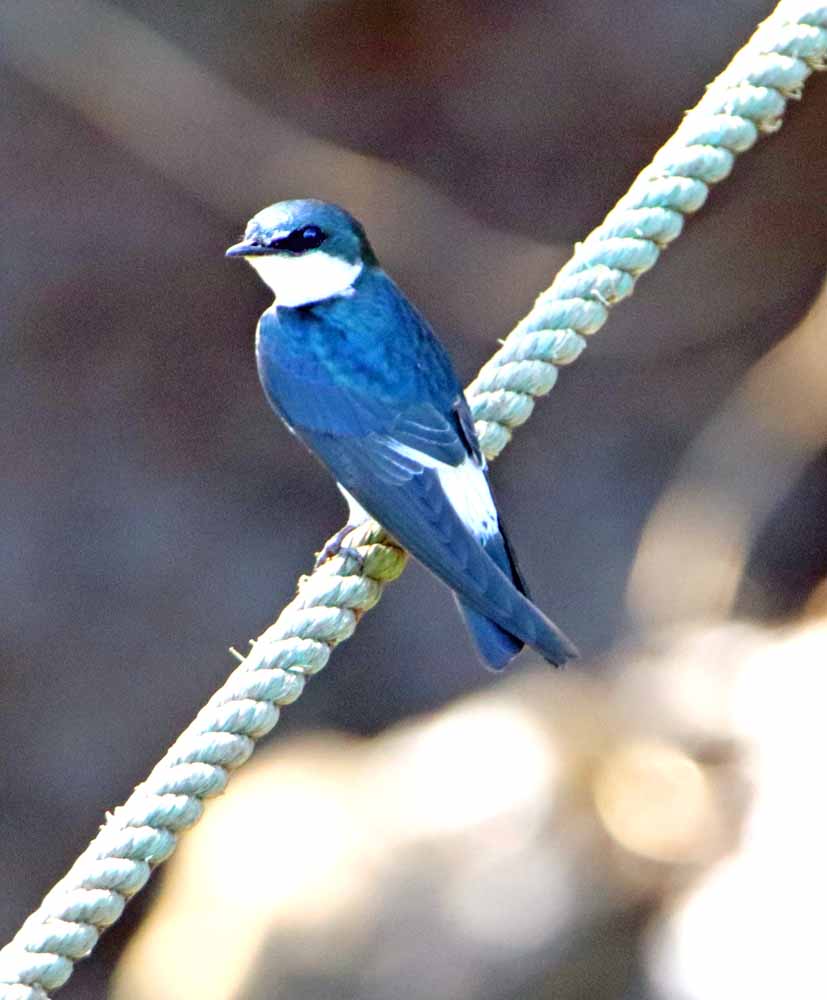
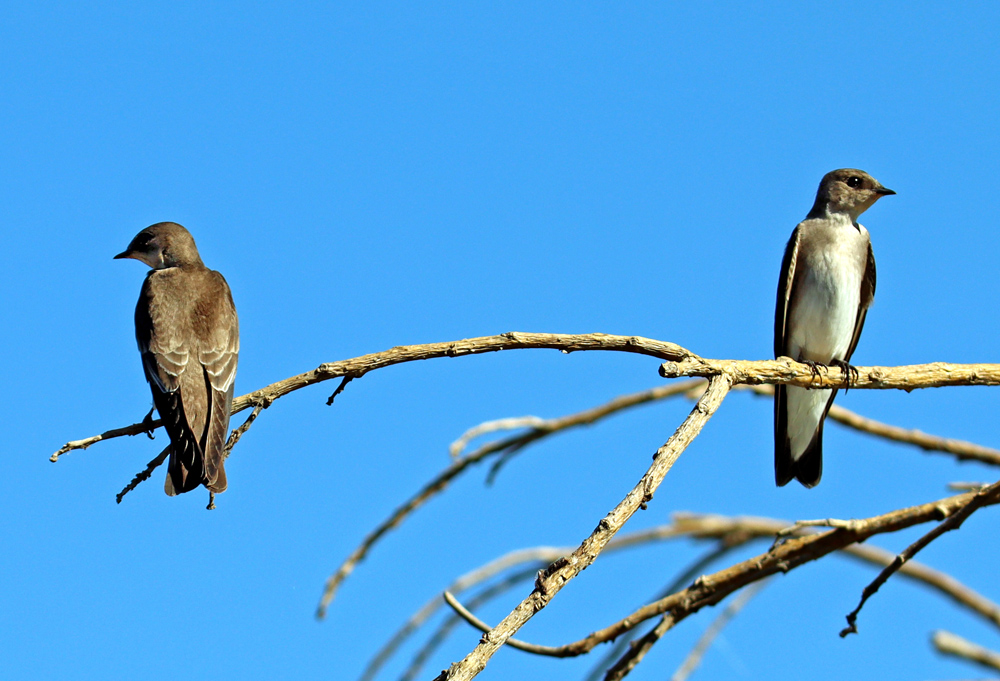
Getting photos of any bird’s front and back views really helps with identification and it just accidentally happened with the pair of Northern Rough-winged Swallows (my gallery link), the first photo. Then the next two photos are of different individual Mangrove Swallows (linked to my gallery).
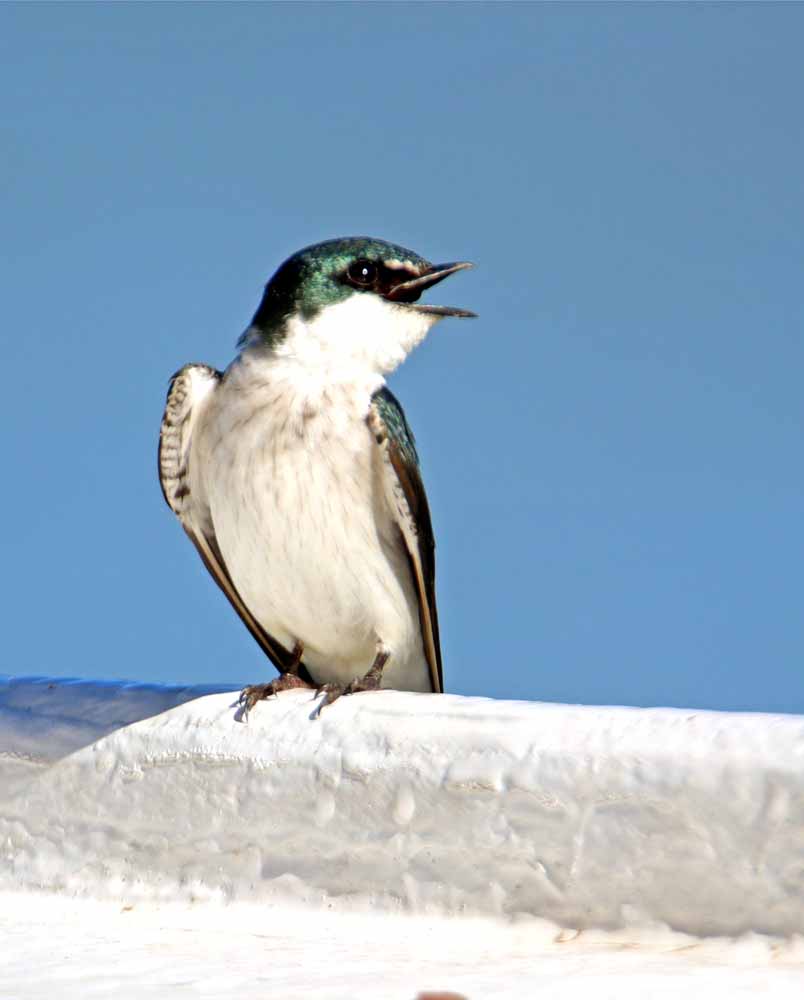
Why is one Mangrove Swallow Blue and the other Green?
“Mangrove Swallows (Tachycineta albilinea) often appear to be different colors—ranging from green to blue—primarily due to feather wear and the interaction of sunlight with their feathers. They have iridescent feathers that reflect light differently depending on their age and the angle of the sun.” ~Wikipedia
¡Pura Vida!
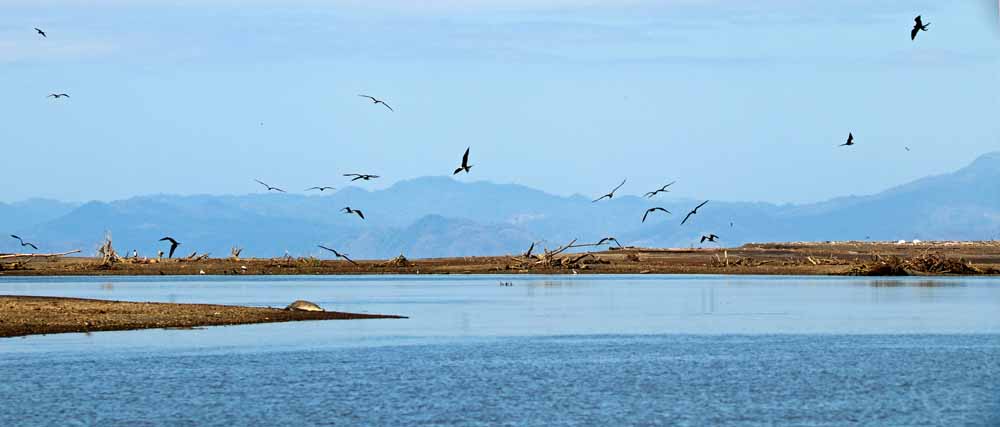
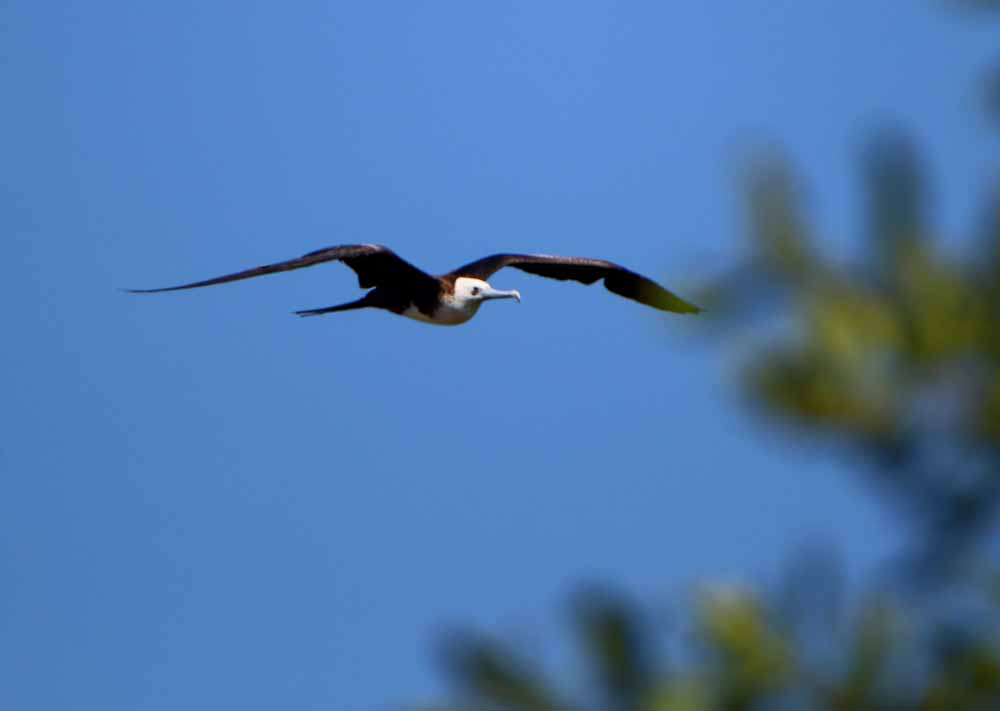
The mouth of the Rio Tarcoles is one of the best places to see this large seabird. For more images, see my gallery: Magnificent Frigatebird.
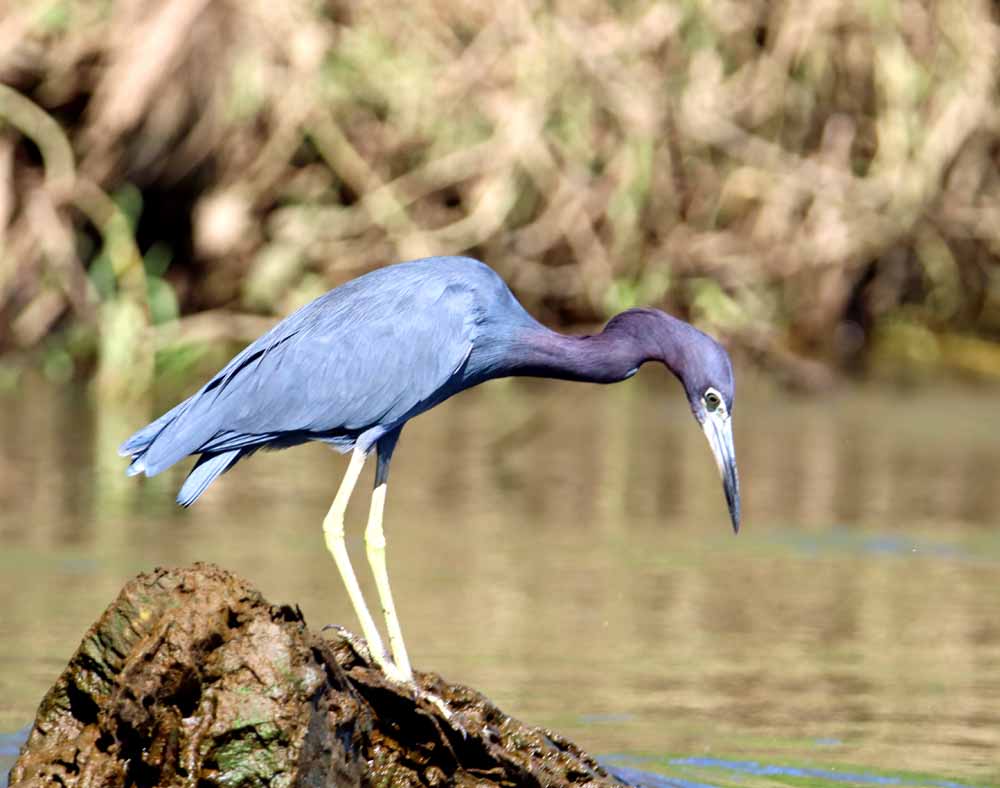
One of my favorites and one of the more common water birds is The Little Blue Heron, Egretta caerulea (my gallery link). Seen here fishing on the Tarcoles River.

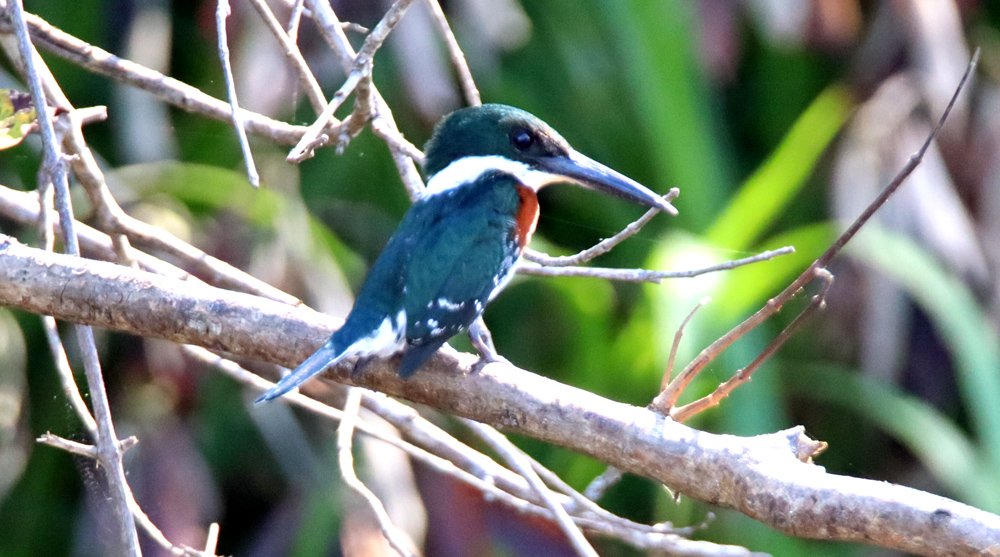
Similar to the Amazon but smaller with several markings different including white spots not on the Amazon. See more photos of this common Kingfisher on both slopes at Green Kingfisher Gallery.
¡Pura Vida!
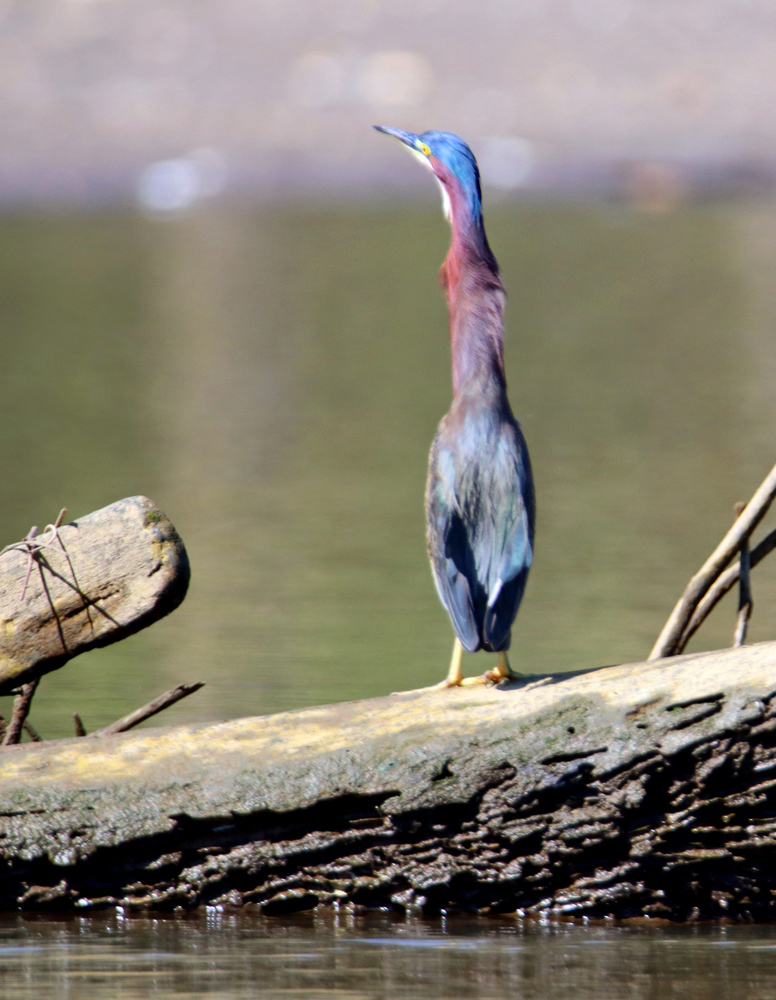
I have never seen a Green Heron with this long of a neck (or a neck stretched out this long) as most look “short and squatty.” But the coloring and everything else matched the Green Heron and eBird’s AI, Merlin, agreed! See my other photos from other times and places in my GALLERY: Green Heron. Just one photo here from when our boat floated past it on a floating log. The only one I saw close enough to photograph that day.
And here is how Google’s AI answered my question about this stretched neck:
“Green herons are about the size of crow, but they can extend their coiled S-shaped neck to a length equal to that of their body. This “rubber neck” helps them stretch out to catch prey, swallow large critters and position their head without moving the body.” ~Google AI
¡Pura Vida!
🙂
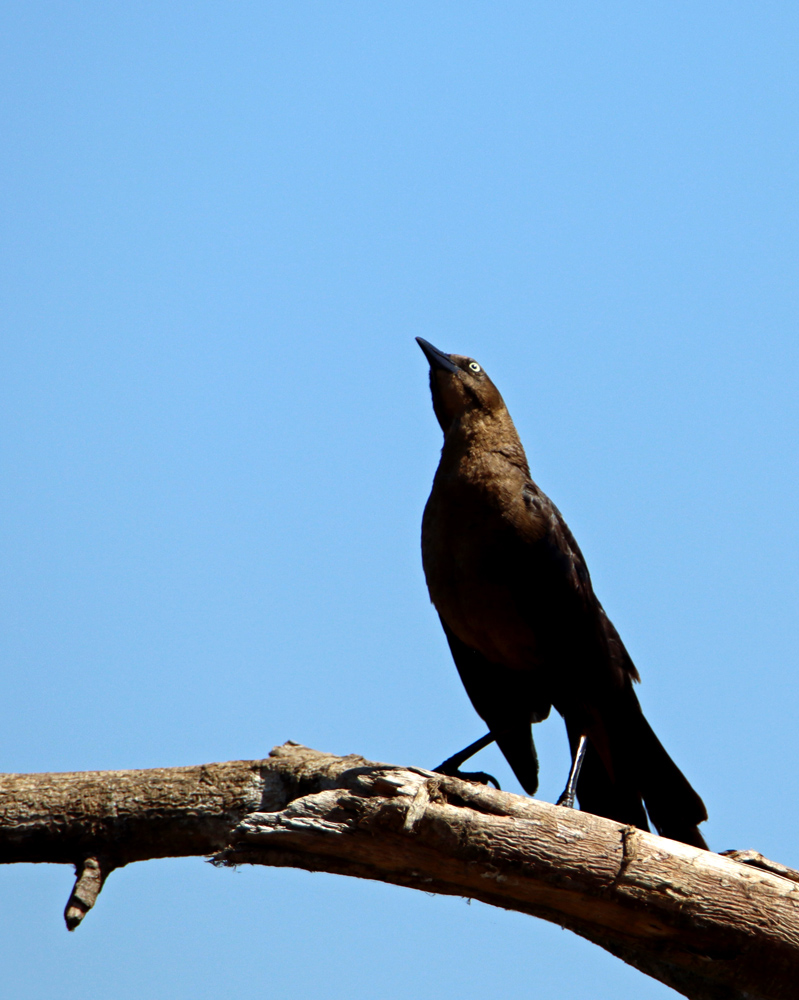
Usually more Grackles are seen on the Tarcoles than we did this time. I think this photo is of a male, always black and usually with a little blue or purple sheen, not seen in this photo. And the way the light hits this one, plus its shadows, it’s possibly a dark brown female. The females are just as handsome, with brown as their color and strutting less than the males. 🙂 Just this one photo. See more in my Great-tailed Grackle GALLERY.
¡Pura Vida!