The Security of Tree Limbs

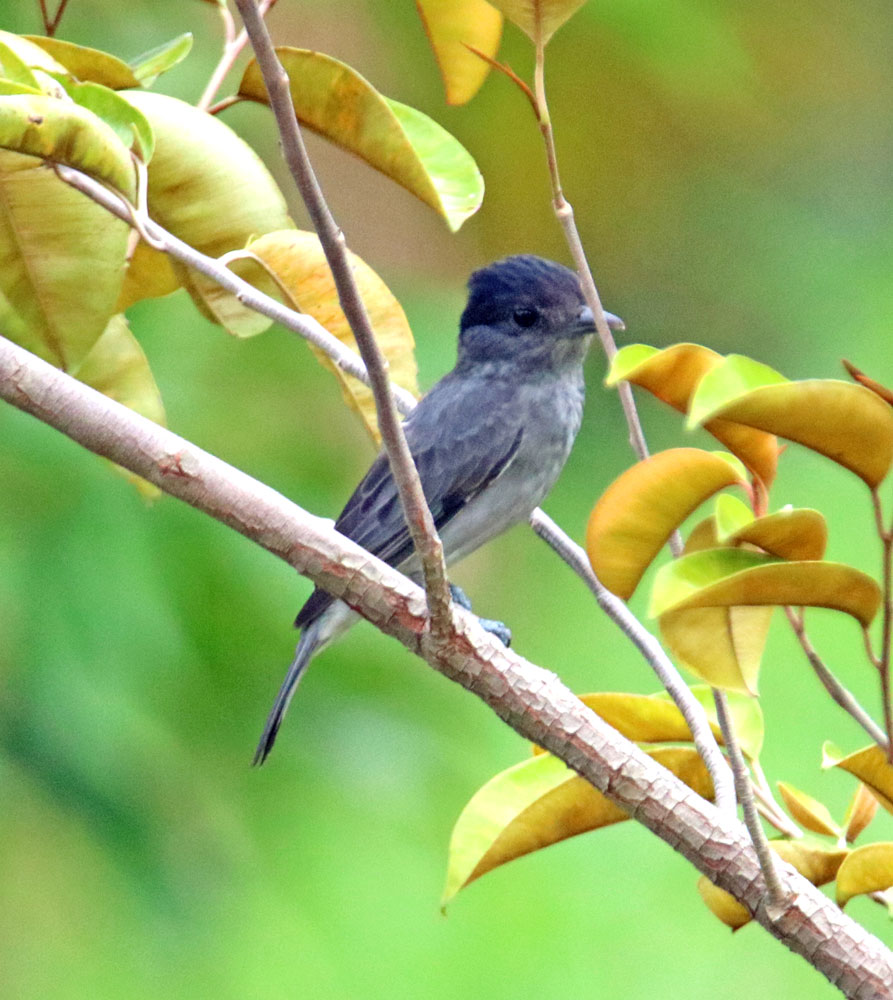
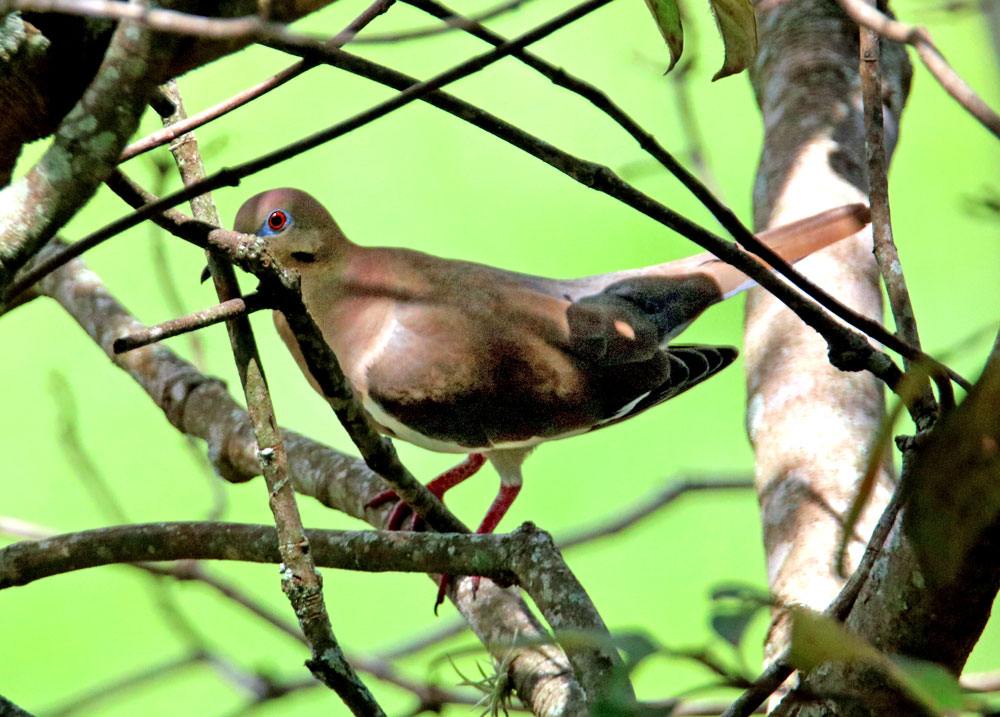
I’m noticing that most birds (with exceptions of course) tend to land in a tree on a limb that is surrounded by other limbs and thus I assume that they purposefully find a “safe spot” out of the reach of possible predators. And in the case of this White-winged Dove (my gallery link) in a Nance Tree, they also make themselves difficult to photograph! 🙂 Or at least the kind of open and posed photo on a clean limb humans like to see. Maybe you could call it “Nature’s Security.” 🙂
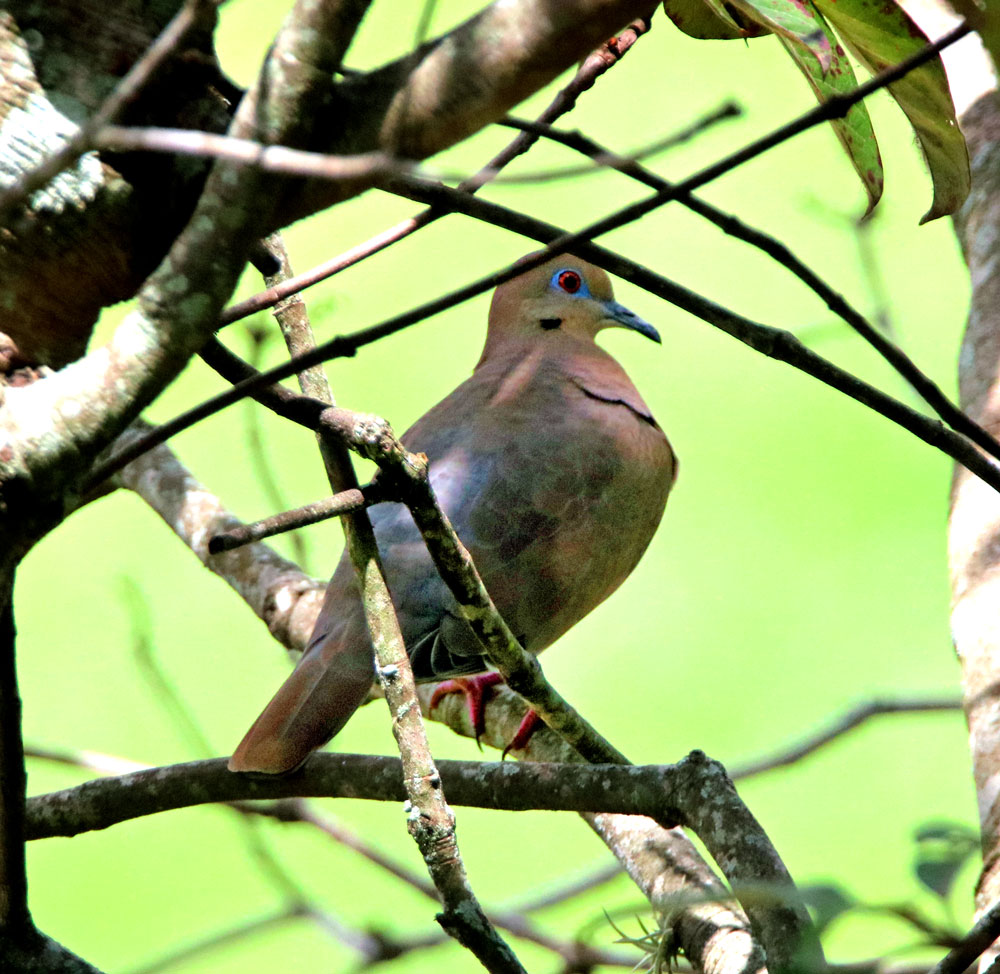
White-winged Dove, My Garden, Atenas, Alajuela, Costa Rica

¡Pura Vida!

Sad Loss of a Young Tico Friend

And of course 38 is young to me! 🙂 Yeison went by “Jason” with his English-speaking friends and was one of two, then 12 years younger, guys assigned to me to “practice” my Spanish and as would probably be expected, he practiced more English than I did Spanish, 🙂 but that was okay.

After that first year I saw him only occasionally and he continued to be like too many of his generation of males here, not wanting to work or not keeping a job for long (it seems to me). With his good English, he tried 3 different U.S. Call Center jobs here in Costa Rica and hated all of them, none lasting long. Then off and on jobs as a security guard which he was at my bank when he died last month. During his off and on work he married and had a cute little baby boy, but was not sufficiently supporting his family and she divorced him and he was ordered to pay the equivalent of $400 per month child support and had become quite depressed with the difficulty of that and seldom getting to see the child.

Last month he walked out on the Atenas railroad bridge (highest in the country) and jumped off into the deep rocky canyon of the Rio Grande River. He was reported missing and not found for two days, and then by the Red Cross Ambulance Service after someone called to report seeing a body in the bottom of the canyon. The official government report of his death is here: https://crhoy.com/nacionales/encuentran-en-rio-el-hombre-de-joven-desaparecido-en-atenas/

Yeison Quesada

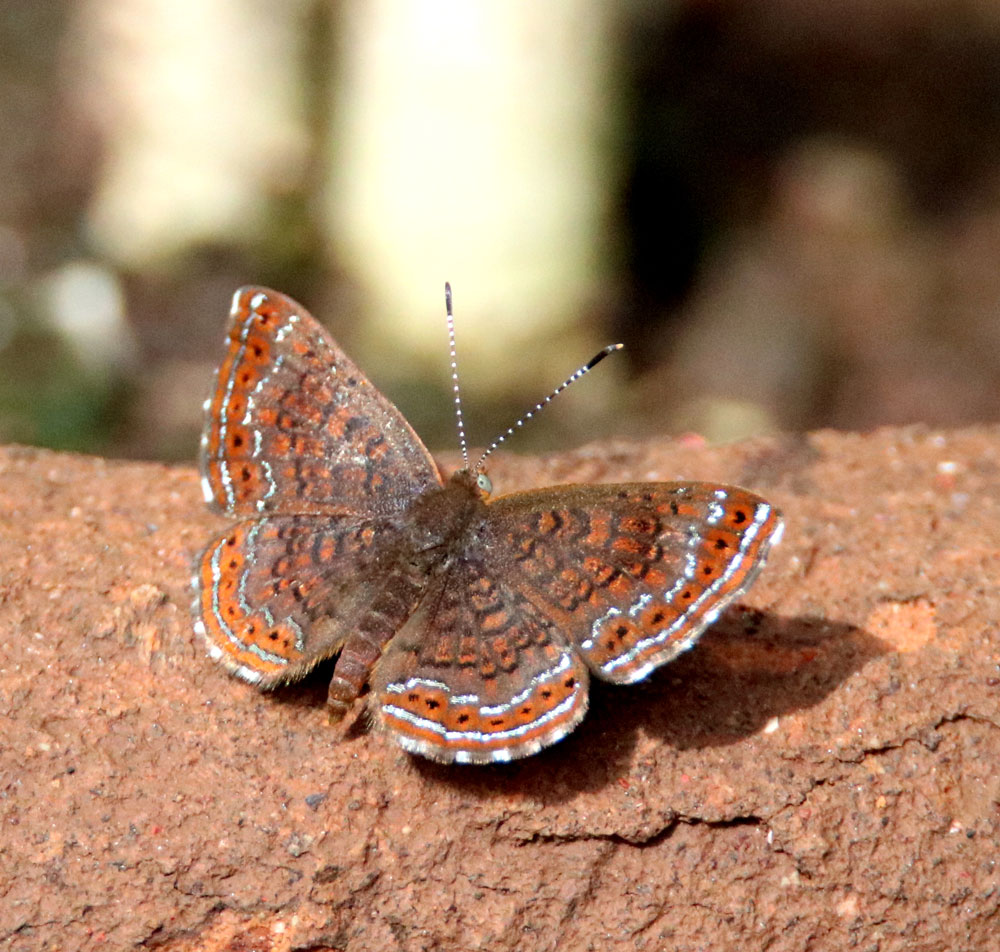
Laverna Metalmark

The Laverna Metalmark, Calephelis laverna (my gallery link) is almost identical to the Carolina Metalmark in the States, while this one is found from Costa Rica to Brazil.

¡Pura Vida!

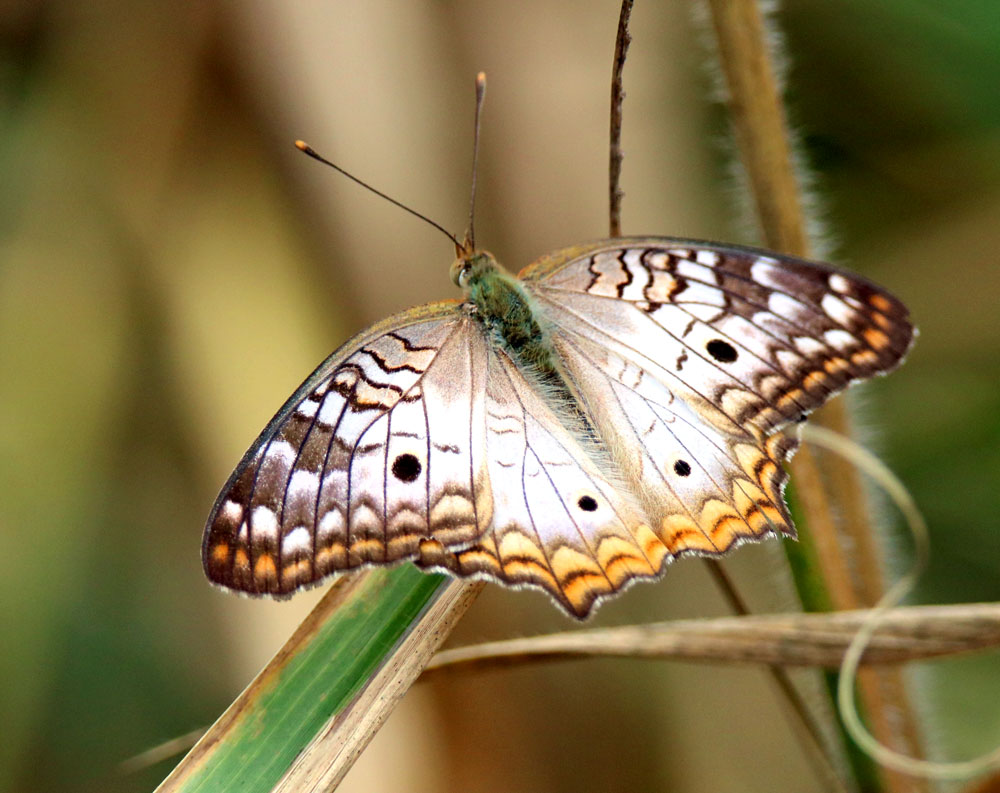
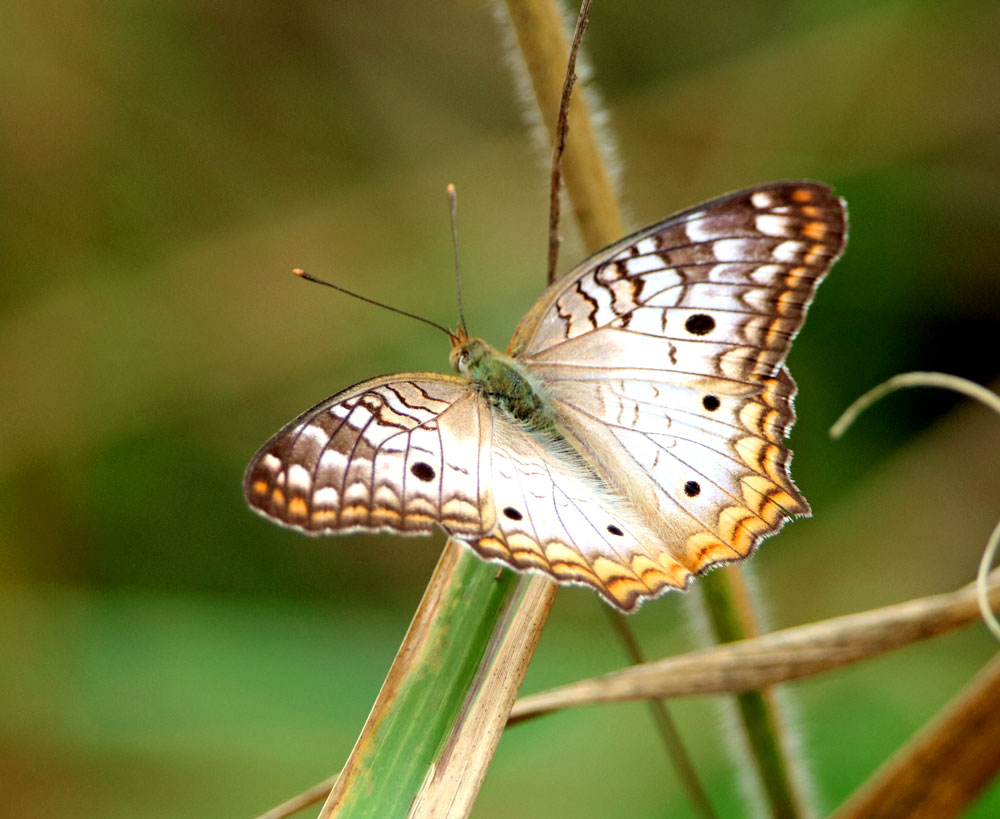
White Peacock

Another favorite butterfly was seen in the cow pasture in September, the White Peacock (my gallery link). They are so different from the Banded Peacock, I sometimes wonder why they are both called peacocks. 🙂 But, “A rose by any other name . . .” I definitely don’t see as many of these as his “Banded” cousin, but I have photos of them from all over the country, literally coast to coast.

White Peacock, Roca Verde Cow Pasture, Atenas, Alajuela, Costa Rica

¡Pura Vida!

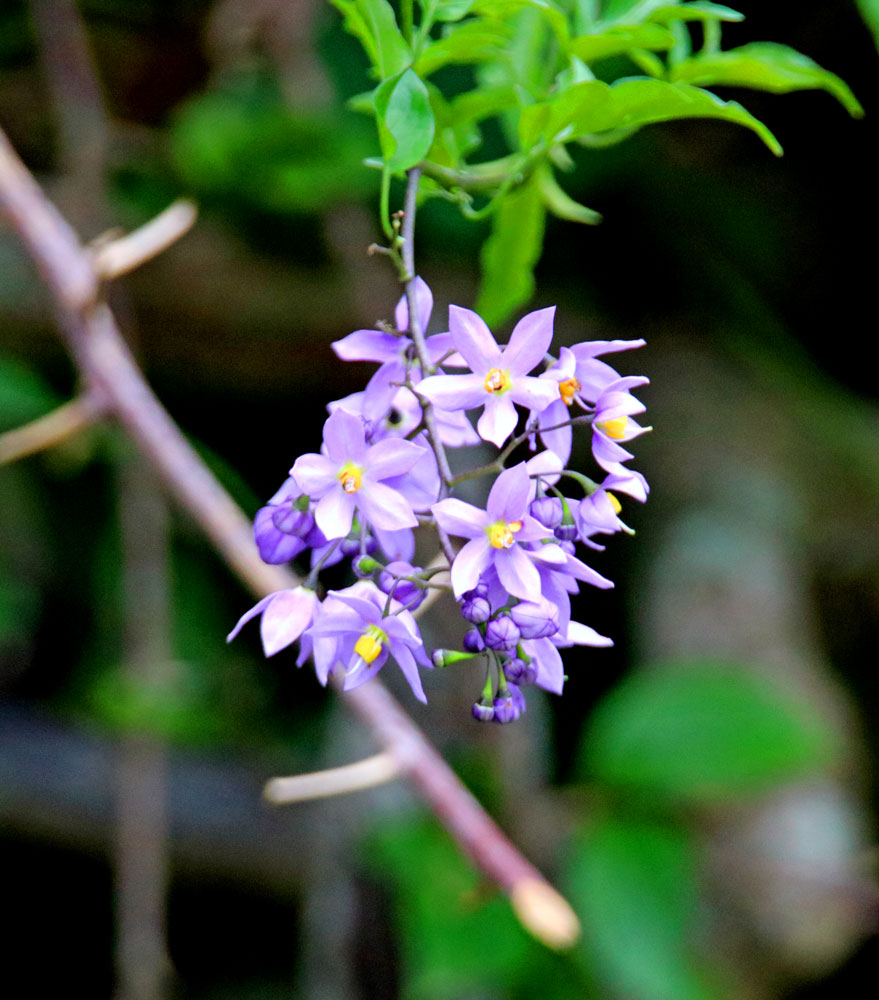
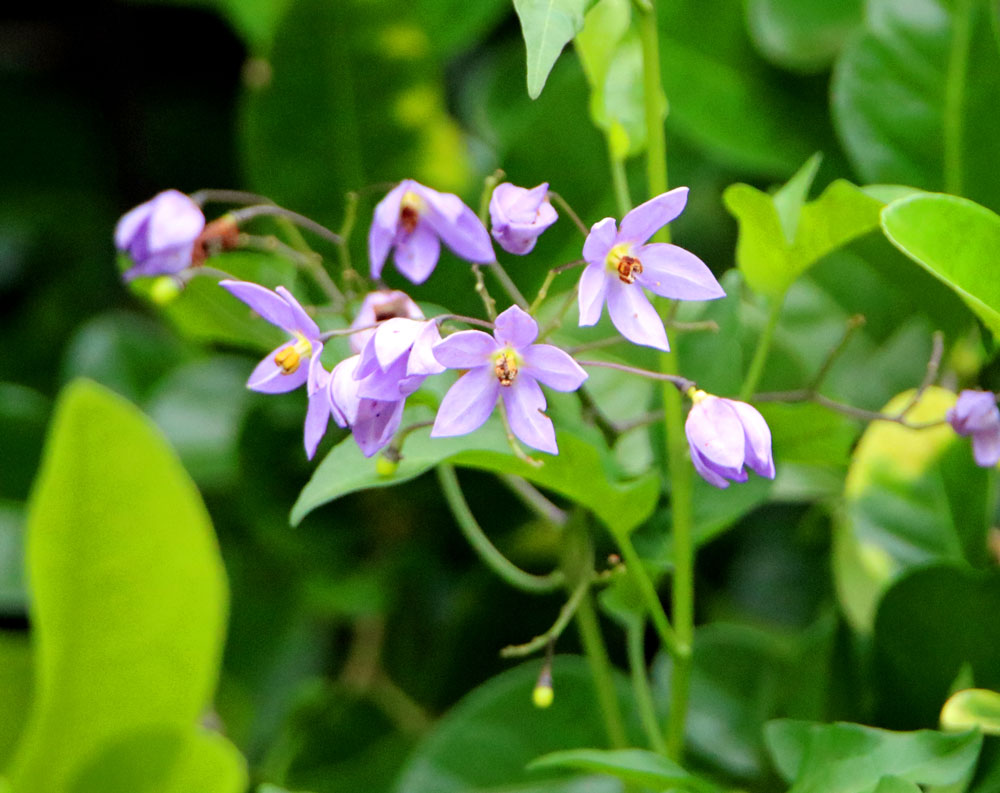
Brazilian Nightshade

I snapped this vine flower with my cellphone while walking down a Roca Verde street. It was growing on the side of the street on the edge of someone’s property, possibly growing wild. iNaturalist AI tells me it is Brazilian Nightshade – Solanum seaforthianum (linked to a Wikipedia article). If you keep your eyes open and scanning around, there are “little treasures” to find almost anywhere you walk here. 🙂

Brazilian Nightshade, Atenas, Alajuela, Costa Rica

¡Pura Vida!

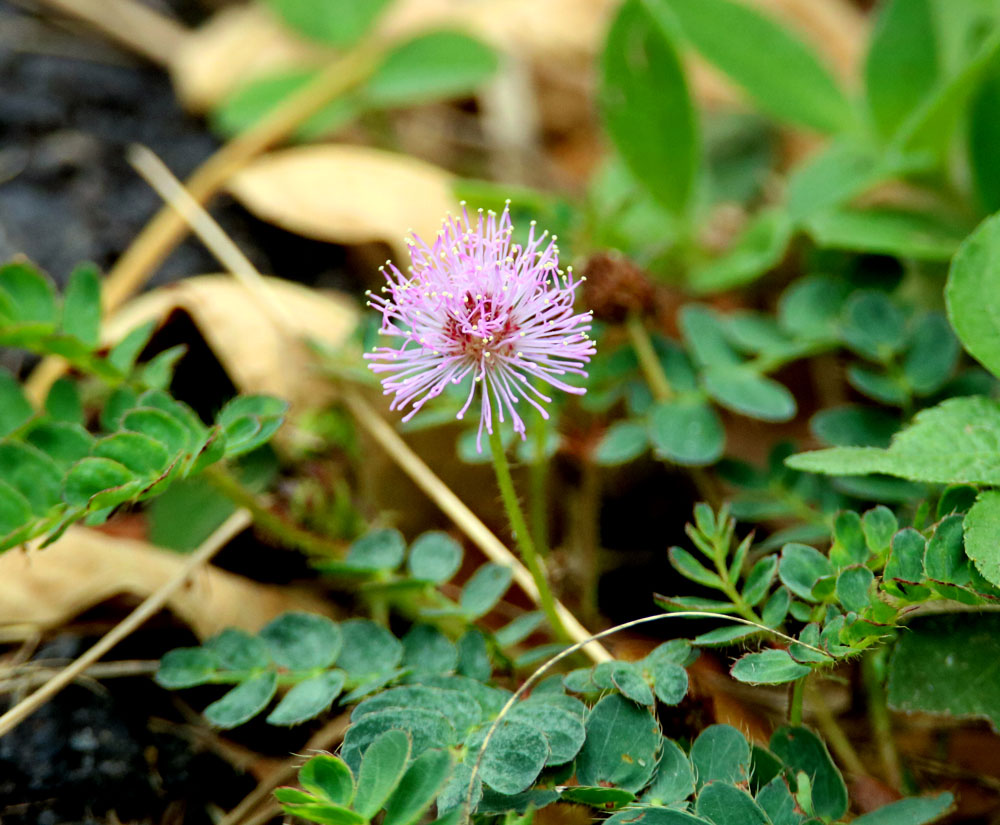
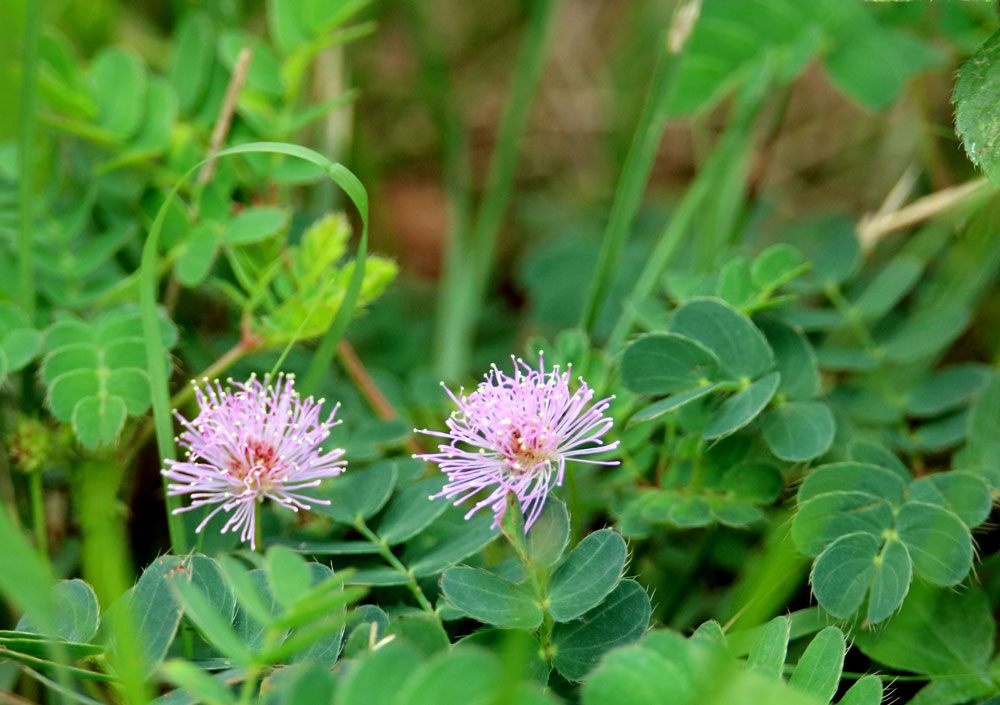
Sensitive Plant – Mimosa pudica

Touch the leaves and they curl up! Sensitive Plant – Mimosa pudica. See more unusual things in nature in my gallery Leaves & Nature Things.

Sensitive Plant – Mimosa pudica, Atenas, Alajuela, Costa Rica. Note the tiny hairs on edge of leaves.

¡Pura Vida!

A Deeper Red Than Usual

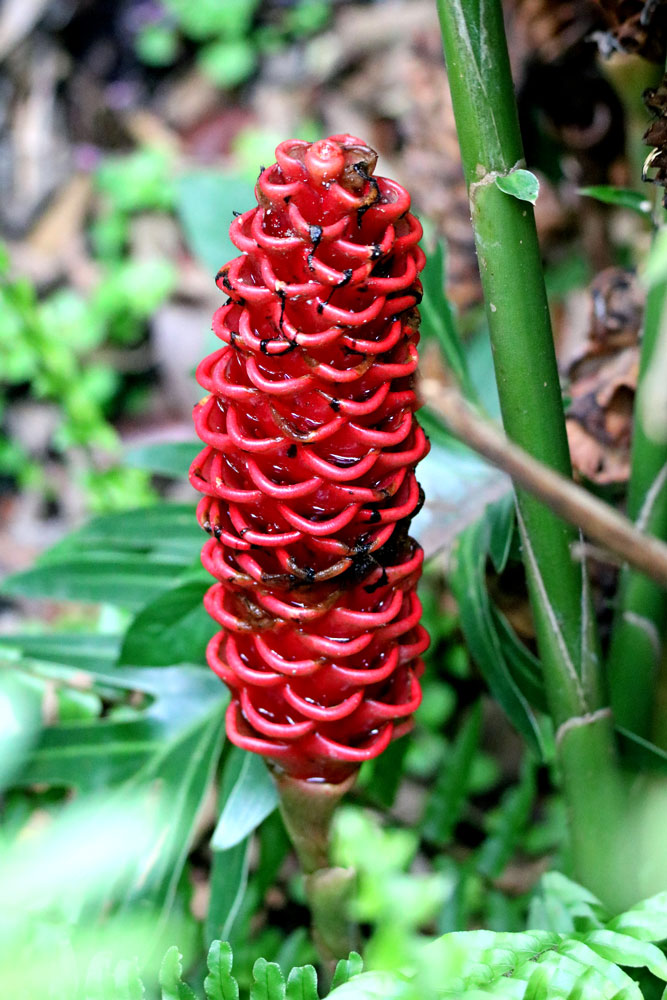
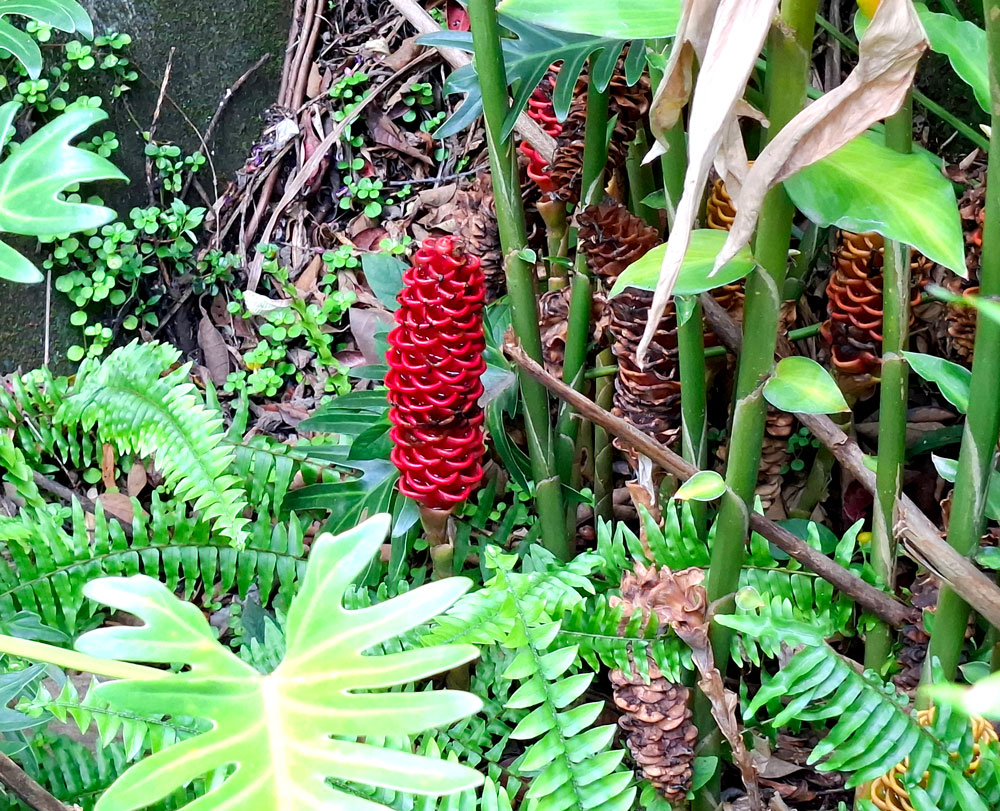
I grow two groups of Maraca or Shampoo Ginger (Zingiber zerumbet) (My gallery link). The ones on the west side of my house by the Higueron Tree usually start yellow and turn orange and at a different time of year than these in my “Jungle Garden” on the south side of my casita which usually stay yellow during their 3 months plus of blooming, with some hints of orange. But this year on a south side one has turned a deep red as shown in the feature photo above. I have been cutting the tall plants back to give more sun to ground plants and the more sun might be the reason, though I don’t know for sure. Tropical plants are just as interesting to watch and photograph as much of the wildlife that I usually focus on.

I first experienced this interesting tropical flower on a jungle trip to Mayan ruins in Guatemala in 2006 December – Guatemala where this plant grew right outside my jungle room at Chiminos Lodge. Tropical adventures always include tropical plants! 🙂

Maraca or Shampoo Ginger, Atenas, Alajuela, Costa Rica

And two more photos showing the usual yellow and some orange ones . . .

Continue reading “A Deeper Red Than Usual”

Rose-throated Becard

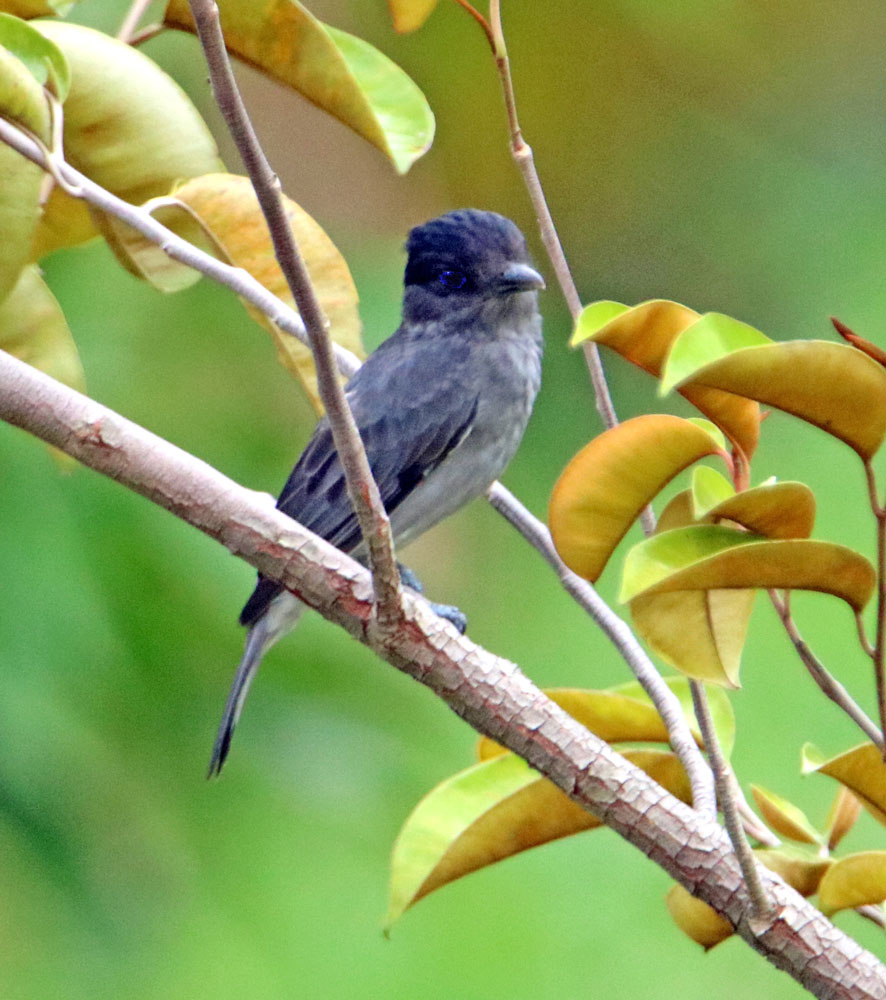
This is a young male Rose-throated Becard (my gallery link) whose throat has not turned rose colored yet and iNat says that some in the rainforest never get the rosy-pink throat. The female is overall reddish brown as you can see in my above-linked gallery. This one landed in a neighbor’s tree for a minute or so, then flew off. I don’t see them very often. They are found from Southern Arizona & Texas south to Panama, so mostly Central American. Read more on eBird.

Rose-throated Becard, Atenas, Alajuela, Costa Rica

¡Pura Vida!

Giant Monstera

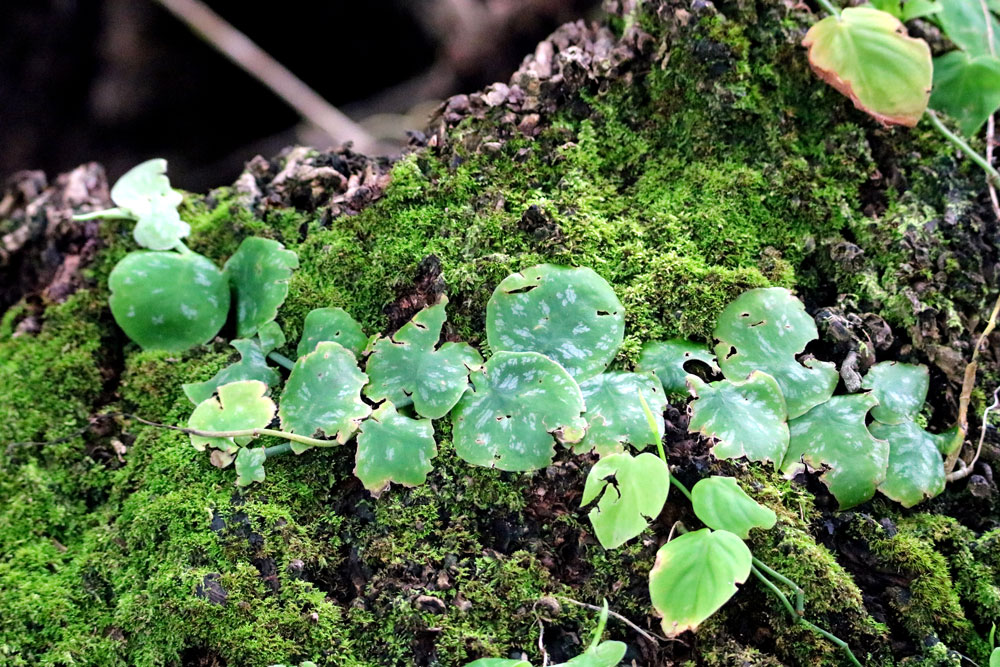
Is not really that “giant” in size like its cousin, Monstera Deliciosa, but rather has leaves that mostly grow flat against the trunk of a tree and sometimes, as in this photo, on top of moss. This Giant Monstera – Monstera tuberculata (Wikipedia article) was growing on a tree in the Gandoca-Manzanillo Wildlife Refuge in the South Caribbean area of Limón Province of Costa Rica on my recent trip there.

¡Pura Vida!

You might also enjoy my gallery Leaves & Nature Things!

Caribbean Land Hermit Crab

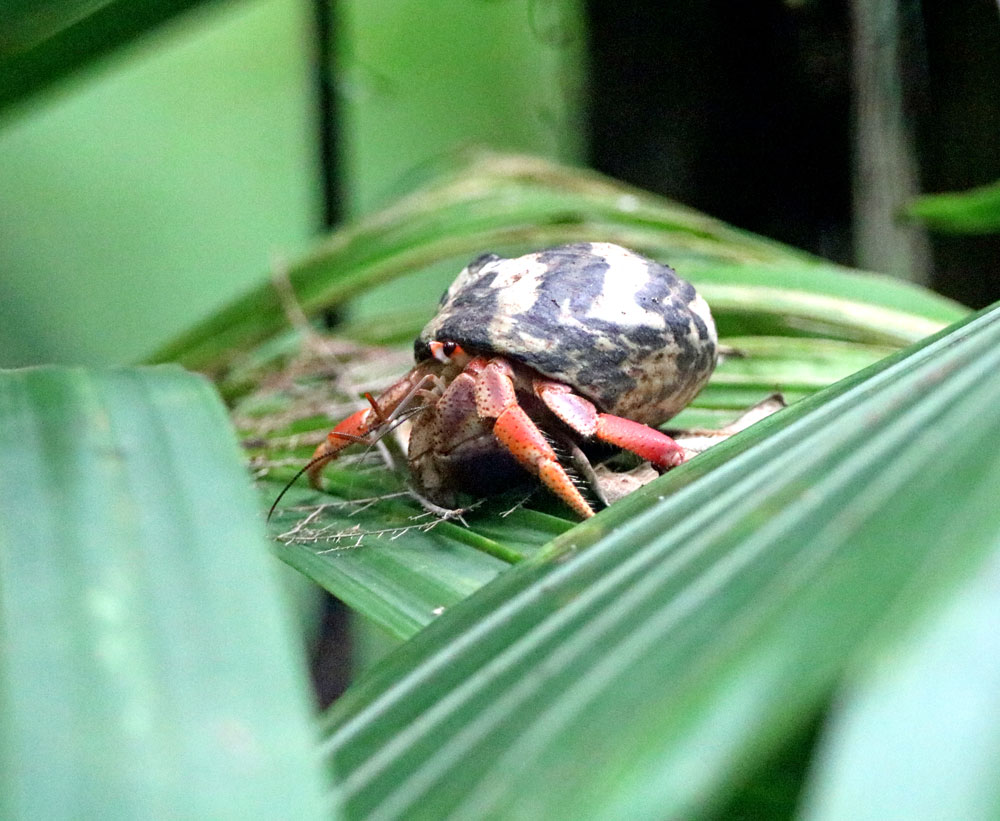
“The Caribbean Land Hermit Crab (Coenobita clypeatus), also known as the soldier crab, West Atlantic crab, tree crab, or purple pincher (due to the distinctive purple claw), is a species of land hermit crab…” ~iNaturalist,

And on iNaturalist Cost Rica they have been reported only from the South Caribbean area of Limón Province where I visited recently.

For several different species of crabs, see my gallery: CRUSTACEANS CR (linked).

¡Pura Vida!