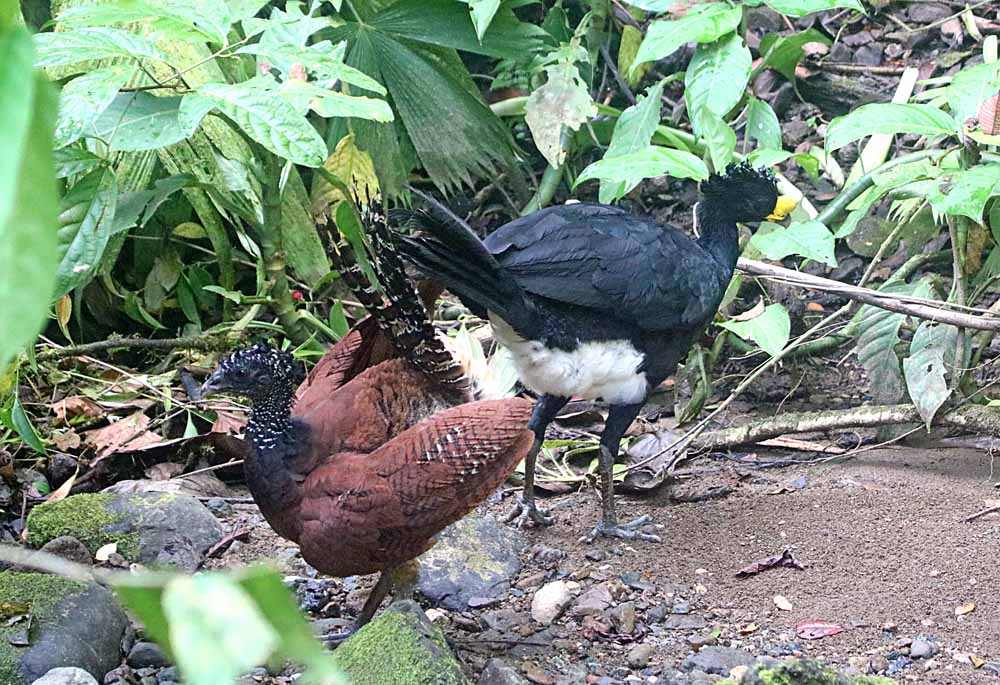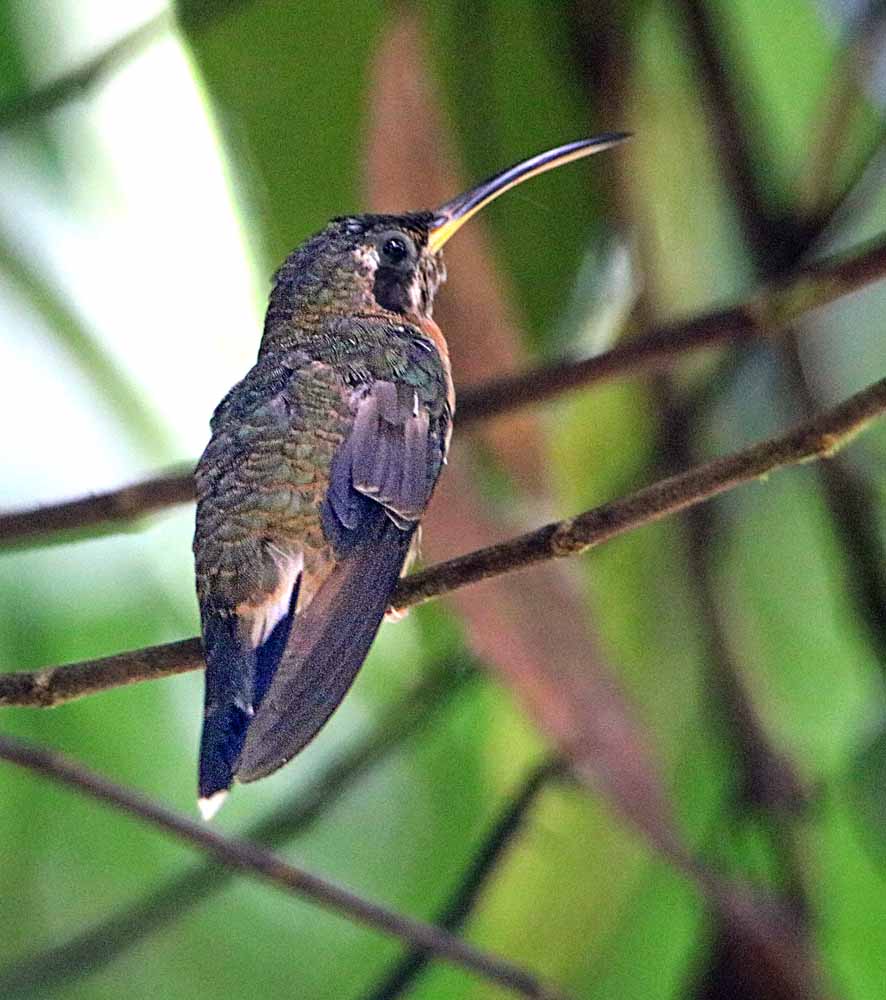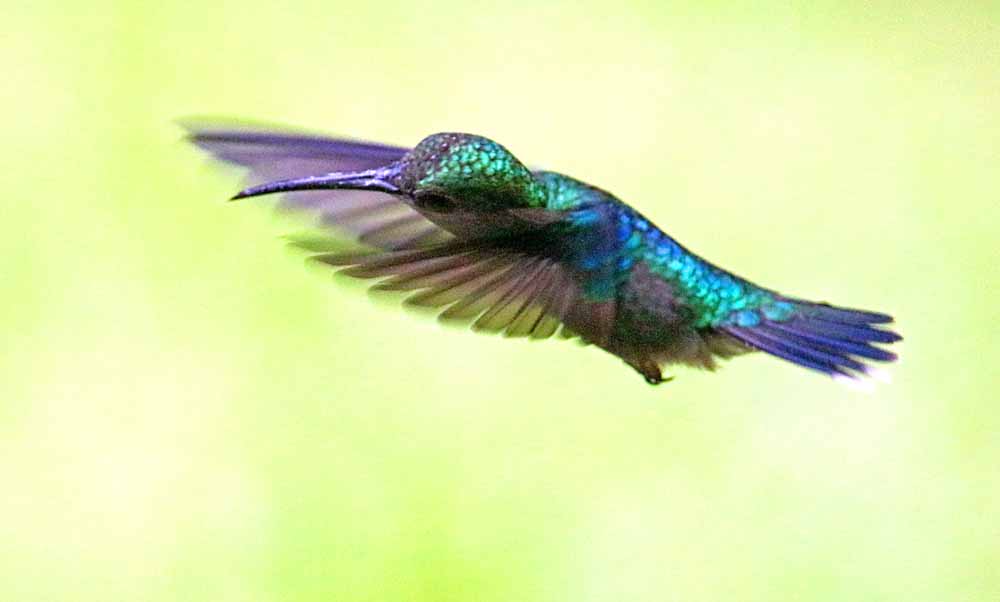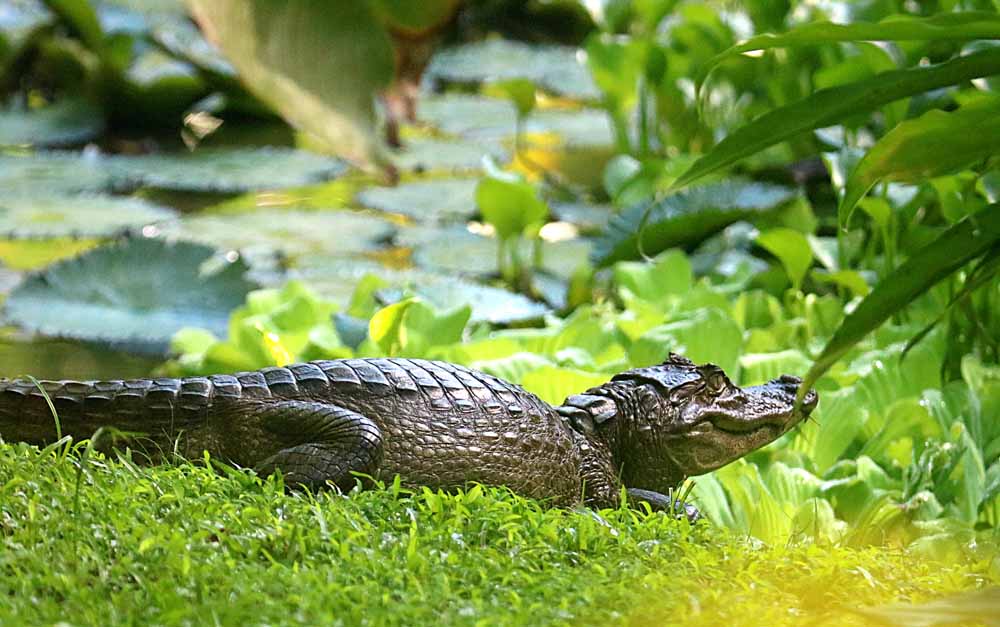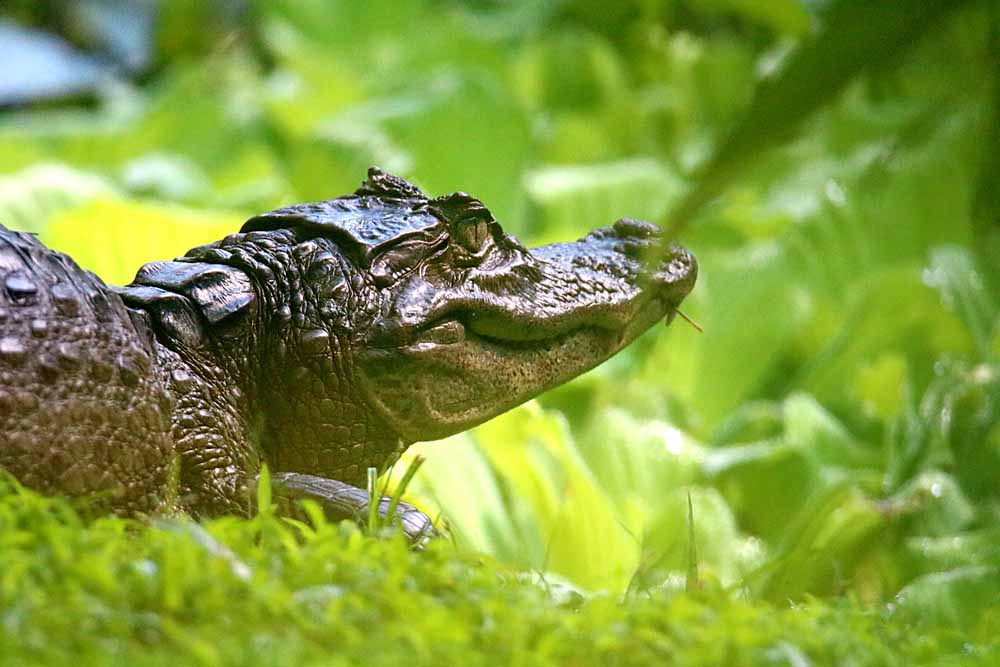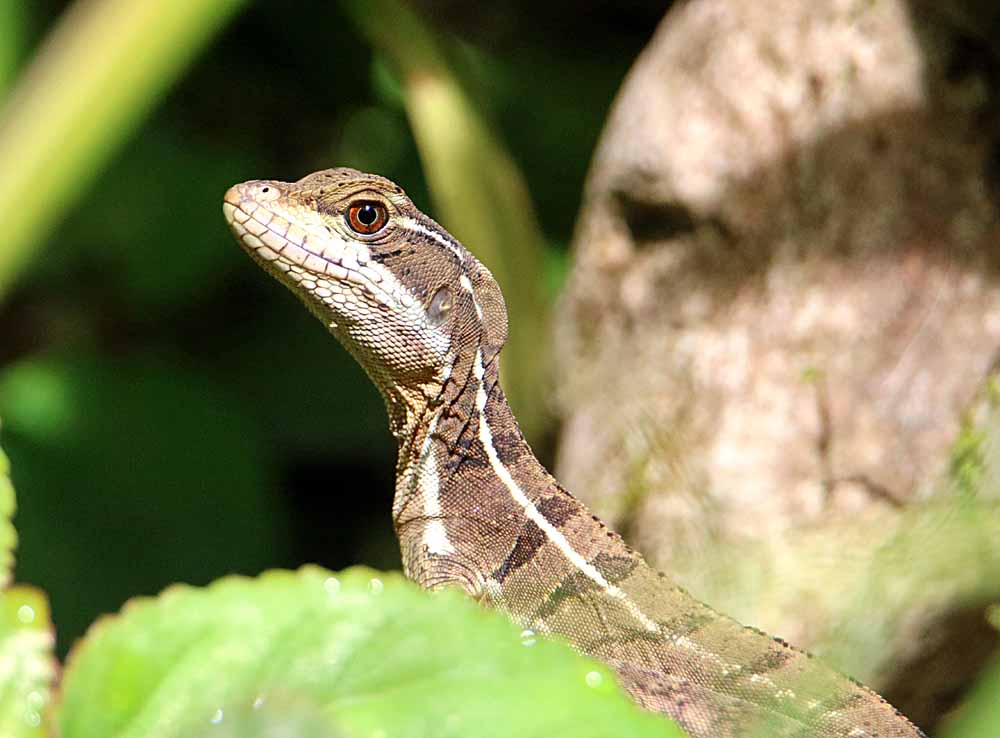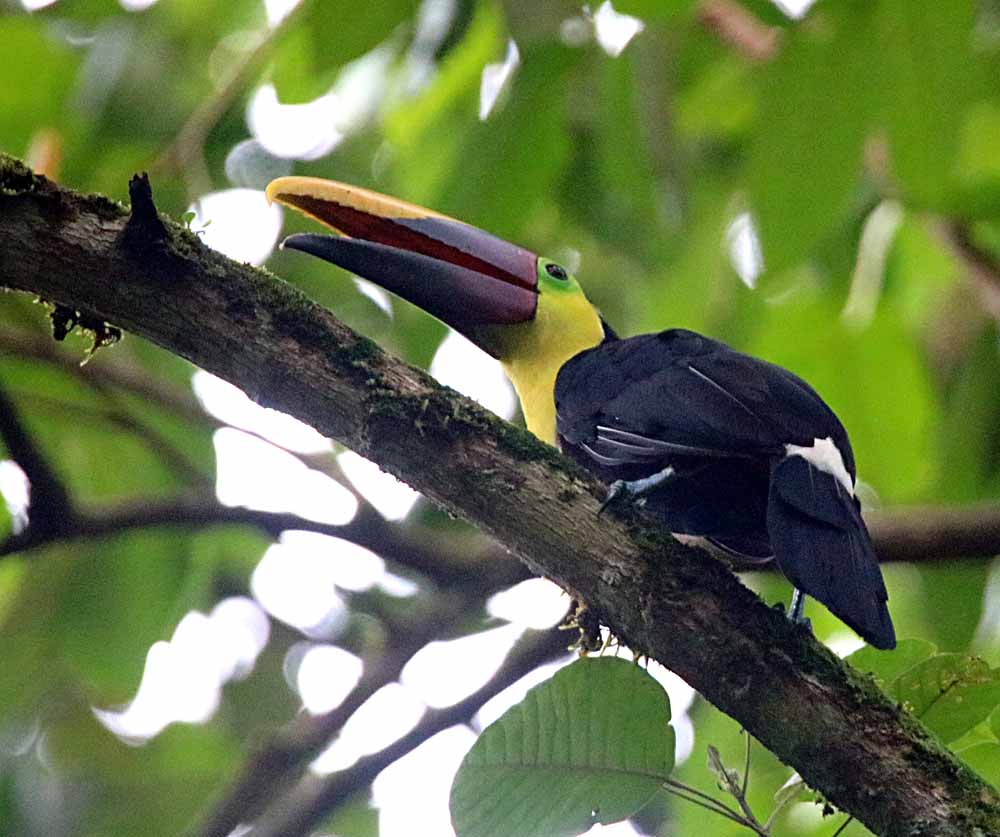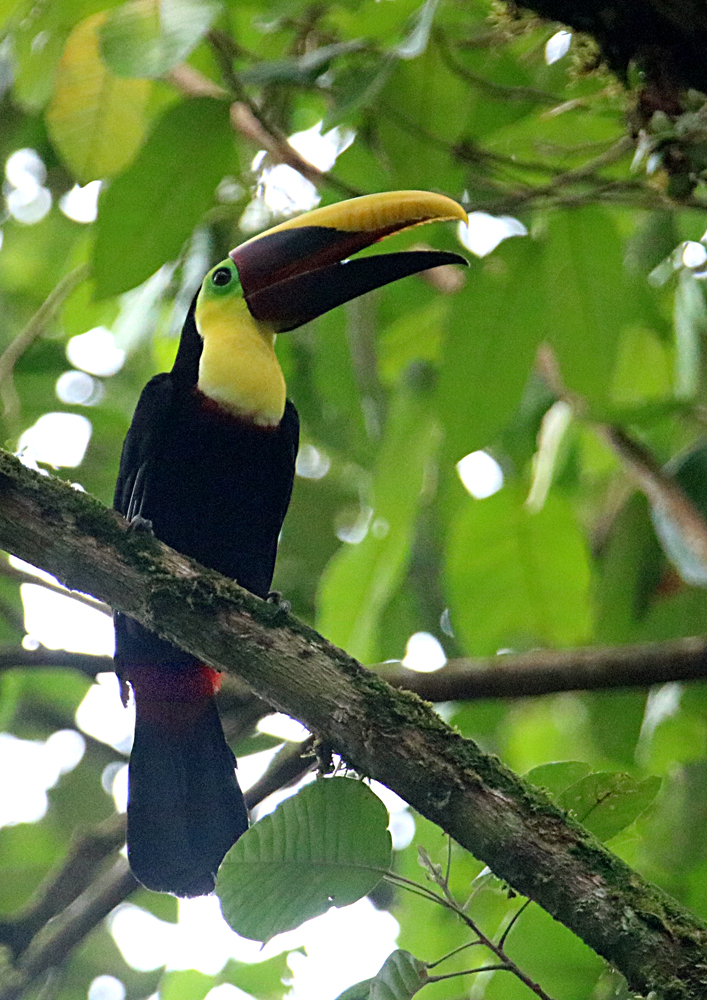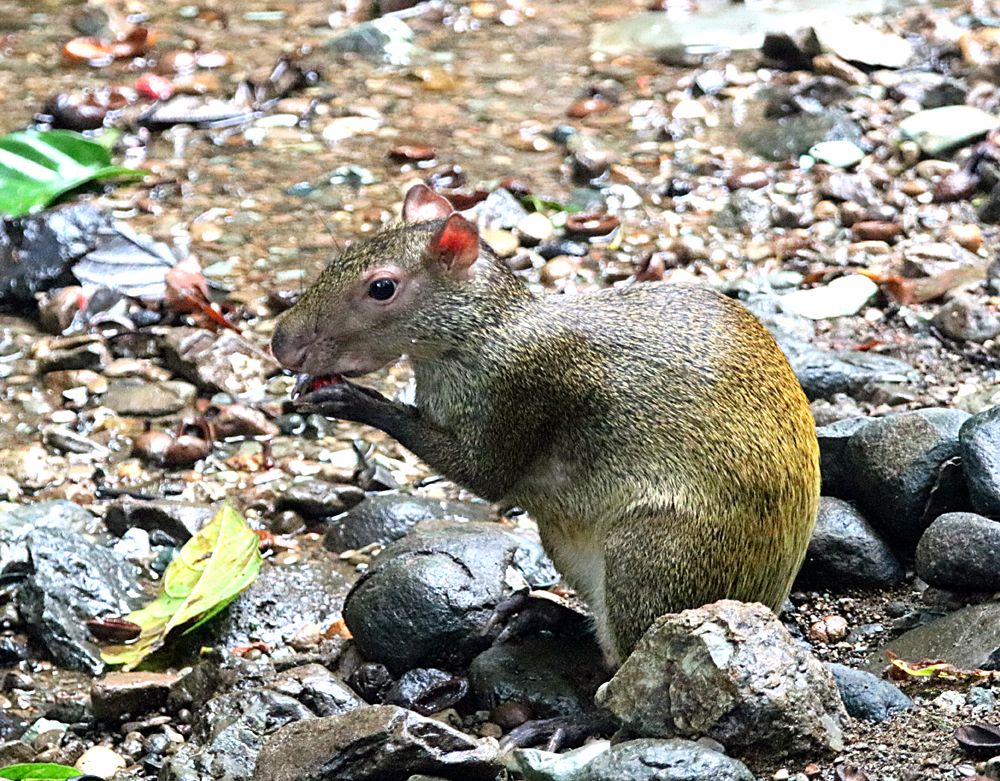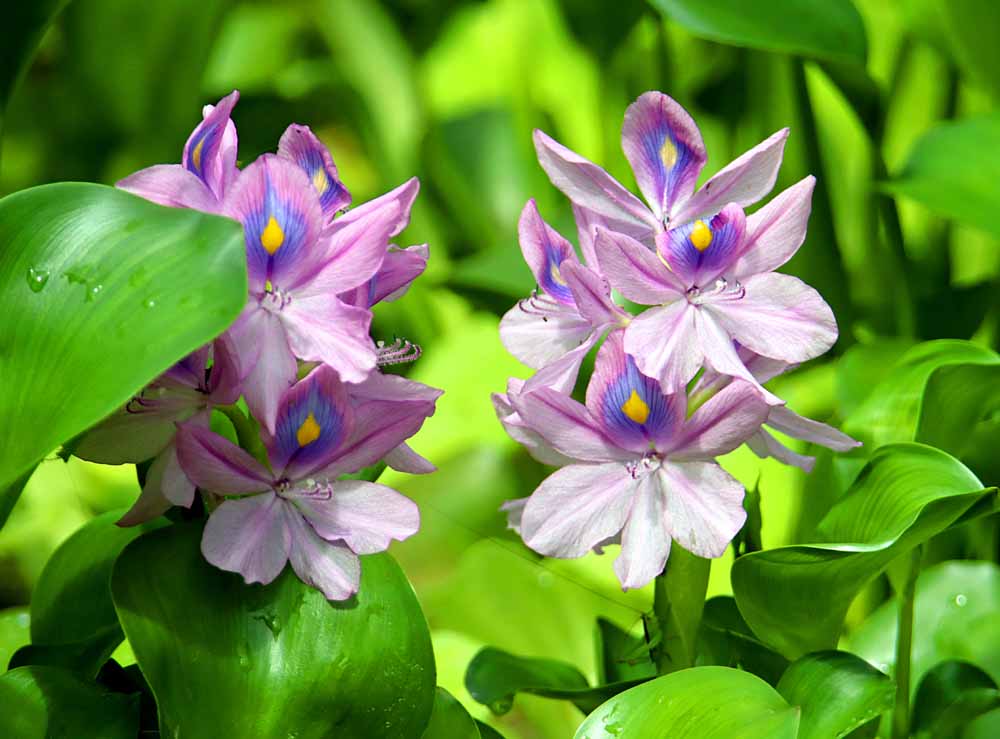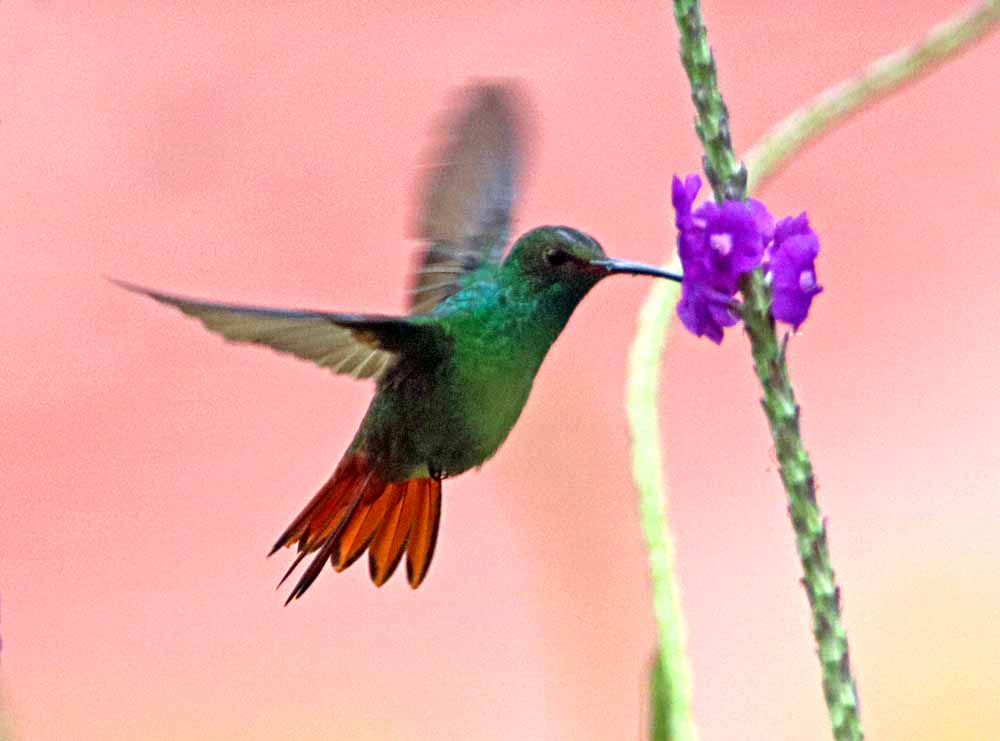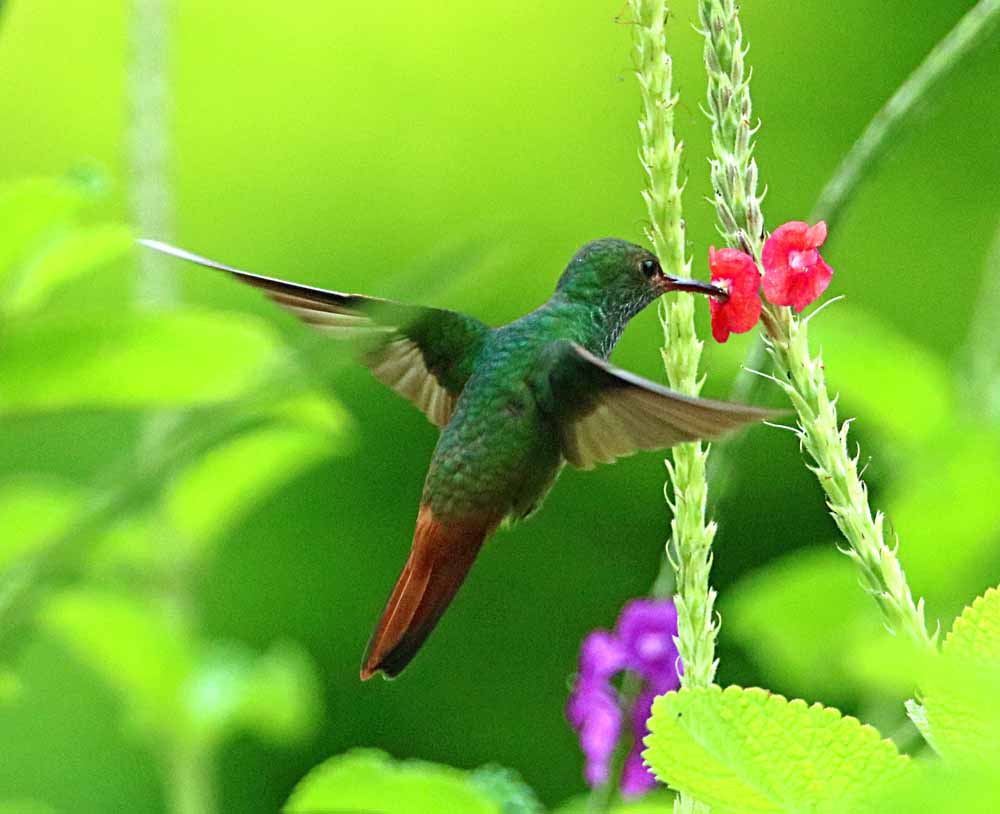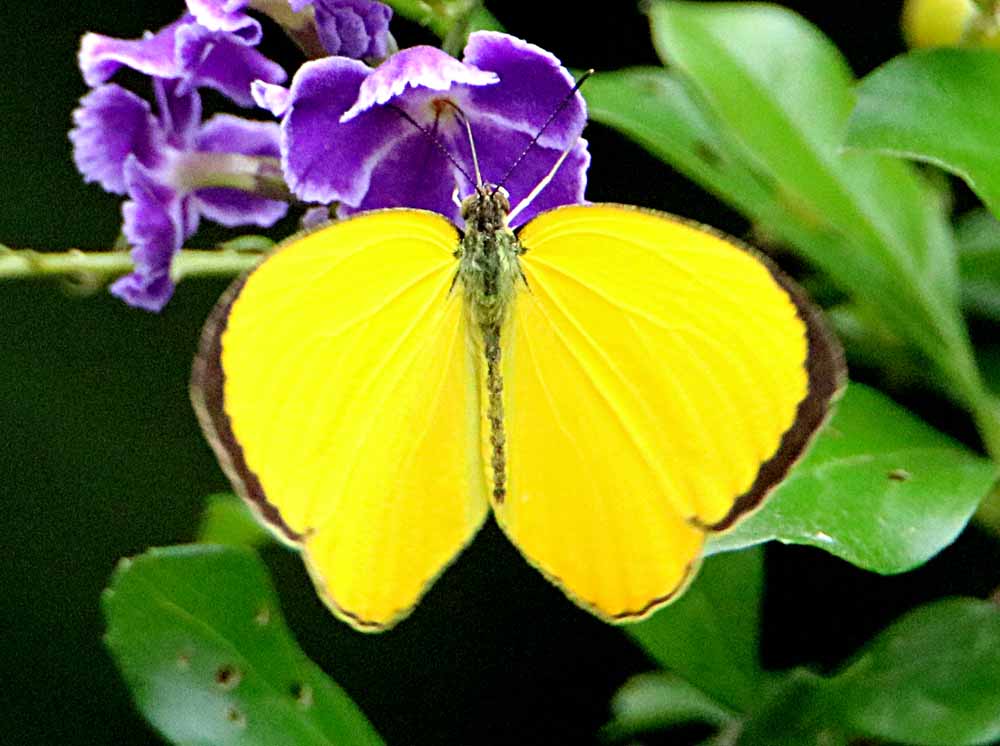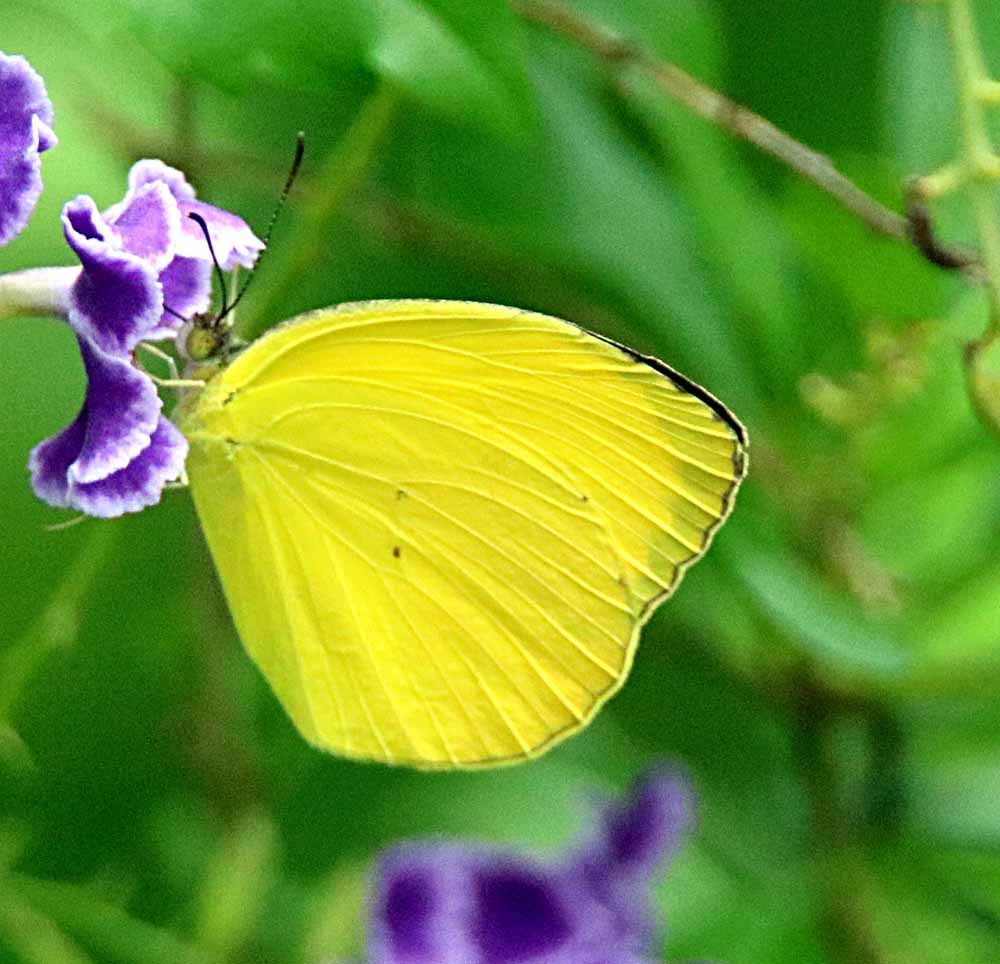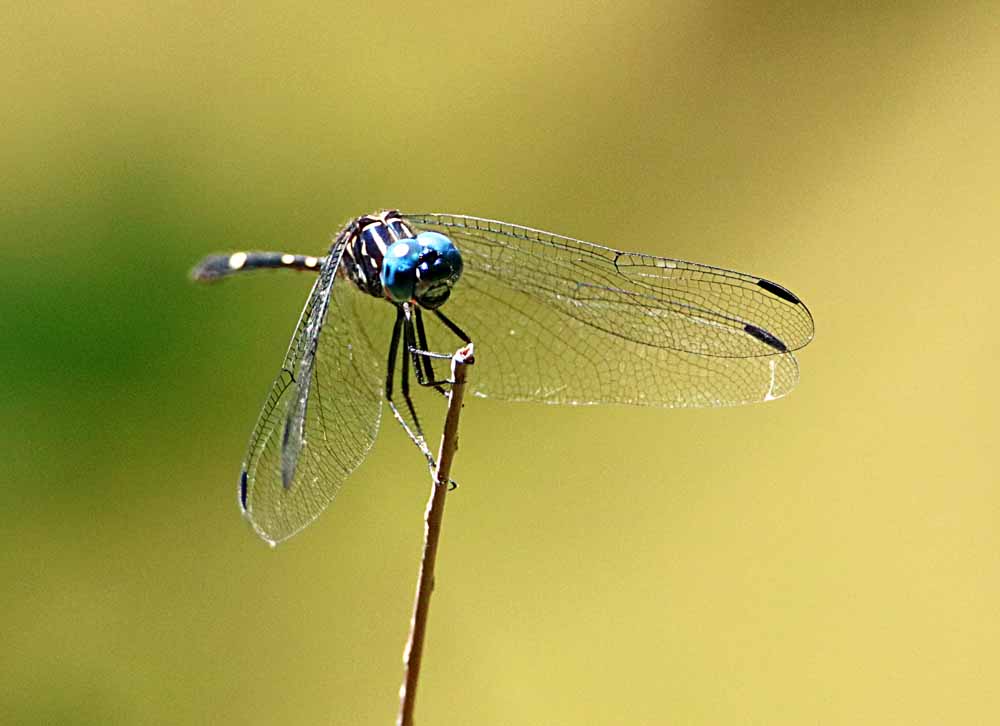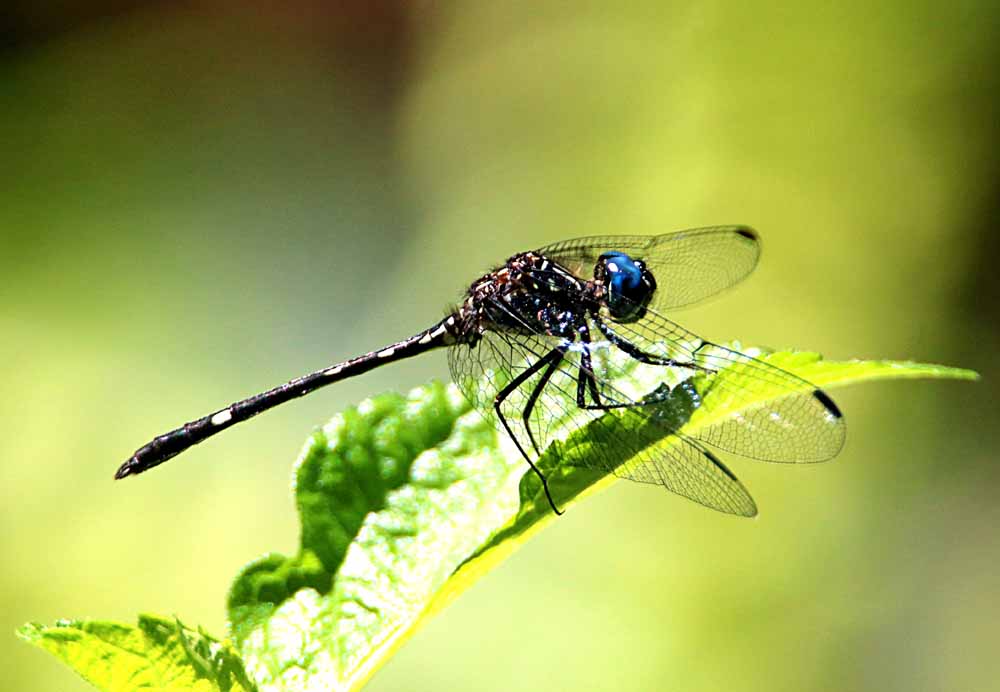

For my last post on the Calle Nueva Walk, here’s 4 shots of other things I liked along this little dirt country road . . .

For more of him, see my Common Basilisk Gallery.
Continue reading “Other Nature, Calle Nueva . . .”For my last post on the Calle Nueva Walk, here’s 4 shots of other things I liked along this little dirt country road . . .

For more of him, see my Common Basilisk Gallery.
Continue reading “Other Nature, Calle Nueva . . .”The Little Yellow – Pyrisitia lisa (my gallery link) is much more common in the eastern half of the U.S. than here, but he’s here too! 🙂

¡Pura Vida!
I used the iNaturalist A-I to hep identify this which, if correct is a new species for me. Laverna Metalmark, Calephelis laverna (iNaturalist link) is similar to other Metalmarks in my Metalmarks Gallery. I haven’t submitted it to iNaturalist yet, to see if the identifiers there agree with this ID. Here’s two shots from Calle Nueva . . .


¡Pura Vida!
The Heraldica Clearwing, Ithomia heraldica (my gallery link) is a common-looking orange & black butterfly that’s found only in Costa Rica and Panama say some sources, while others say from Columbia to Mexico. Either way, mostly Central America. Here’s a couple of shots from my trek on Calle Nueva the other day.

or at least I am pretty sure that is the identification, Banded Yellow, Eurema elathea (my gallery link) and it is common to have all of these different colors (white, tan, yellow, orangey), but without a view of the top of wings (to see yellow & brown bands) it is difficult for an exact ID as there are others similar to this in the Pieridae family of butterflies. 🙂 Here’s four shots from Calle Nueva, all 4 different colors (but I think the same species) . . .

seen on Calle Nueva that morning are the same as what I have regularly in my garden. Check out my photo collections in their two galleries with better photos than these two:

This Barred Yellow, Eurema daira (my gallery link) was in bright sunlight and thus the nicer colors that you can find in my gallery weren’t seen on that morning. 🙂


¡Pura Vida!
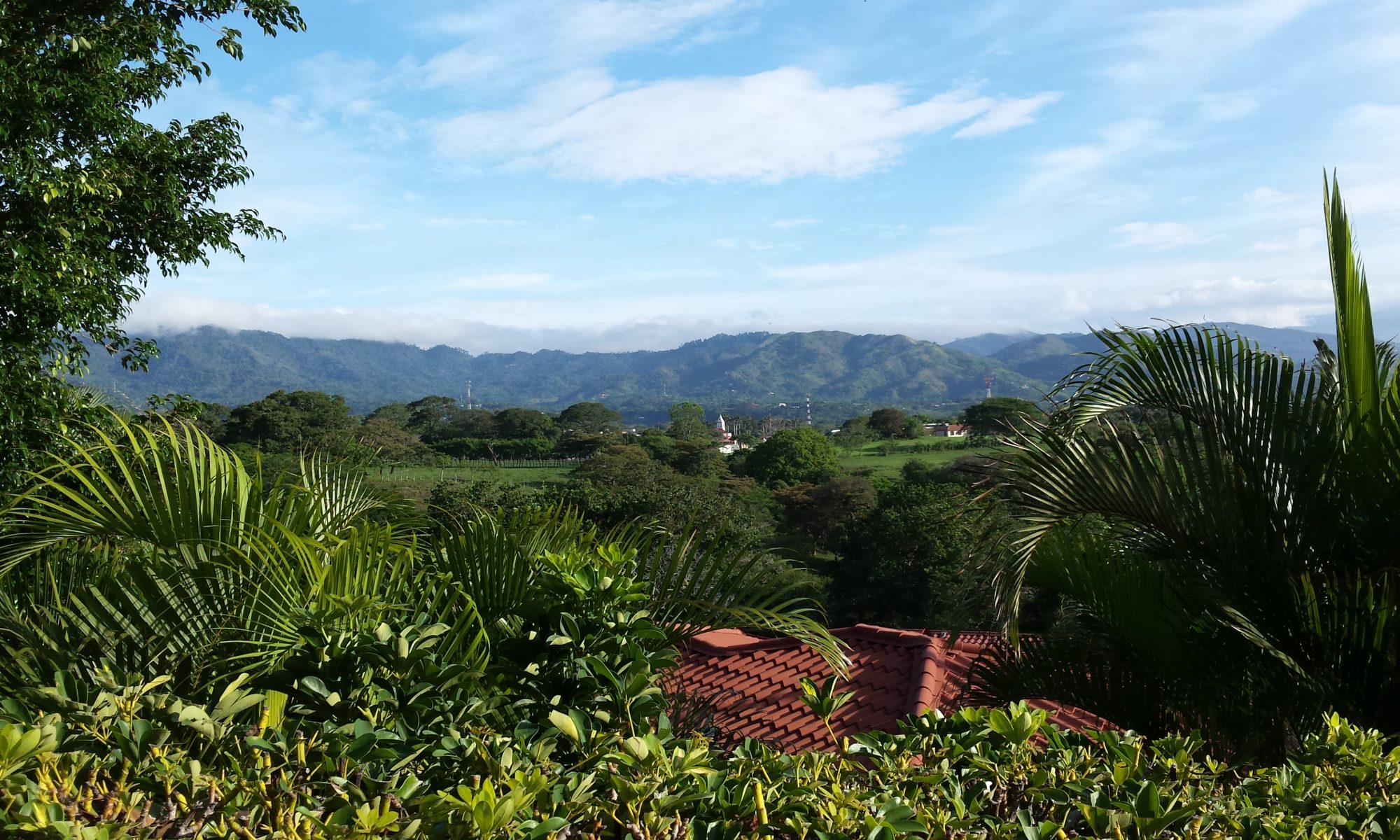
A week ago yesterday I used that Saturday morning to walk about 10 blocks to just past Colegio Technico (our technical high school) to the entrance of the old dirt farm road named “Calle Nueva” with the hope of some butterflies different from my garden’s. I got 10+ species (about half were different and one was a new species!) which I will share here over the next few days . . .
This first one, Variable Cattleheart, Parides erithalion (my gallery link) is the most colorful from that 3 hour hike! 🙂 Here’s just two shots. Go to the above gallery for more.

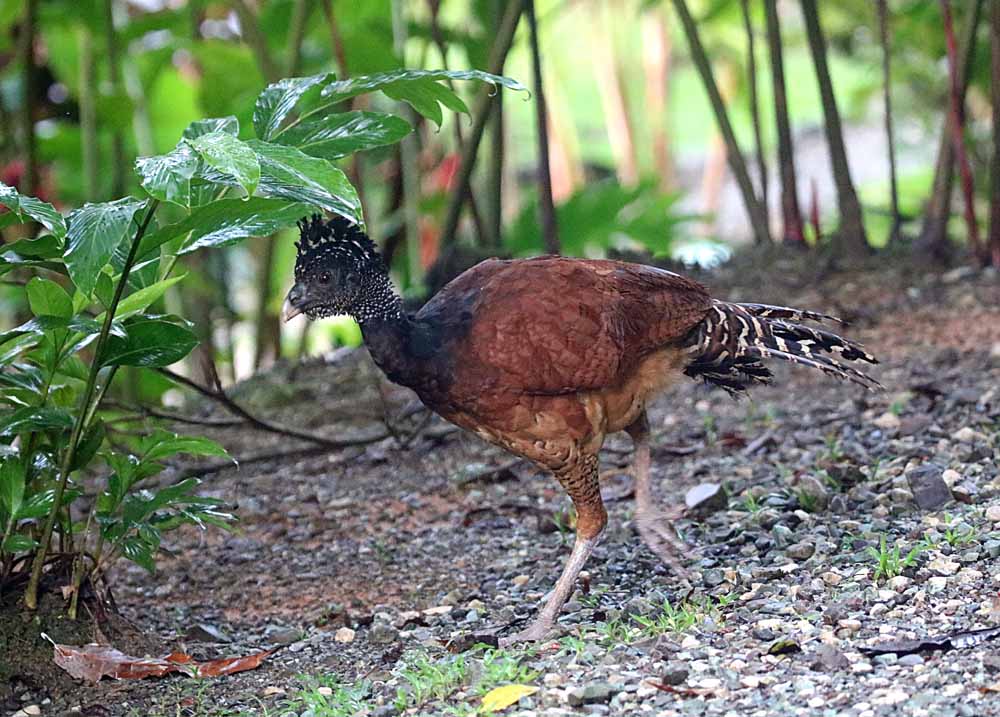
“K,” my landlord up the hill from me came down the other day with a baby Chachalaca on his shoulder which their gardener found when trimming some trees. It was tiny then! And has bonded with the human family as his “mother” or family. They are hoping that when he can fly, he will fly off with the other Chachalacas. I hope so too! A large, adult Chachalaca will not make a good pet nor would it be good for the bird! We will see what happens. I suggested that another possibility is to take him to Rescate Animales in La Garita which recues wild animals and their babies. I’ll post a report when something significant happens. Here’s 3 cell phone pix:


Link to my Chachalaca Gallery, Ortalis cinereiceps.
¡Pura Vida!
When iNaturalist “Identifiers” (participants with expertise in butterflies) can’t accurately identify a photo, they will often generalize and give it a subfamily or genus label to put it under, and thus I am doing that also, especially with photos that don’t have enough details to be sure of the identity. And I’ve already started adding galleries for genus and subfamily for cases like this.

This one is almost definitely in the Genus Strymon (Scrub-Hairstreaks), but I’m not able to tell which species. Maybe someone will be able to on iNaturalist after I post it there or on BAMONA where I have to just click “unable to identify.” And both sites have people who maybe will identify is as a species. If interested, I have identified 5 species in this genus in my galleries:
And yes, today’s photo may be one of these or another Strymon not shown above. 🙂
¡Pura Vida!