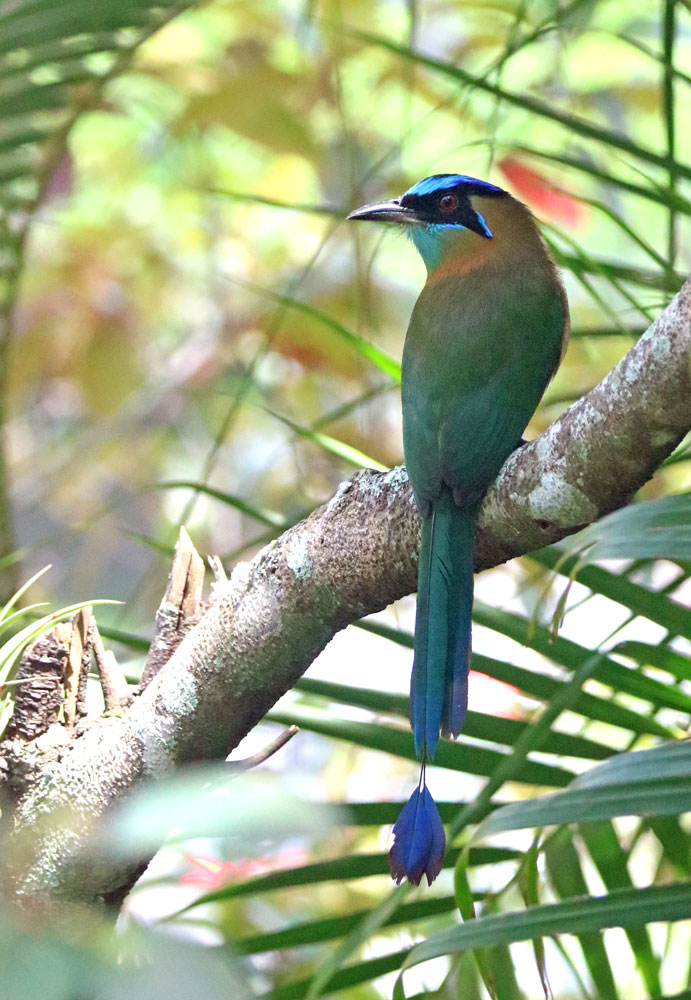
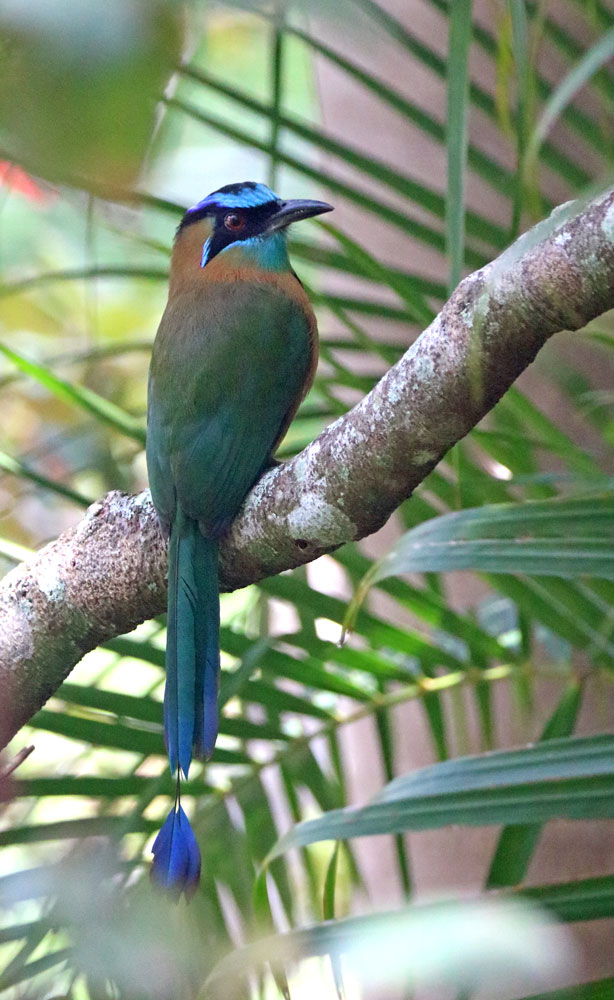
The first seen in my garden since December 2025, plus I saw one earlier the same day on my morning walk up the hill, but it was in bad light and thus no good photos. See my earlier photos at Lesson’s Motmot from different Costa Rica locations. This is another purely Central American bird with the usual overlaps into Southern Mexico.
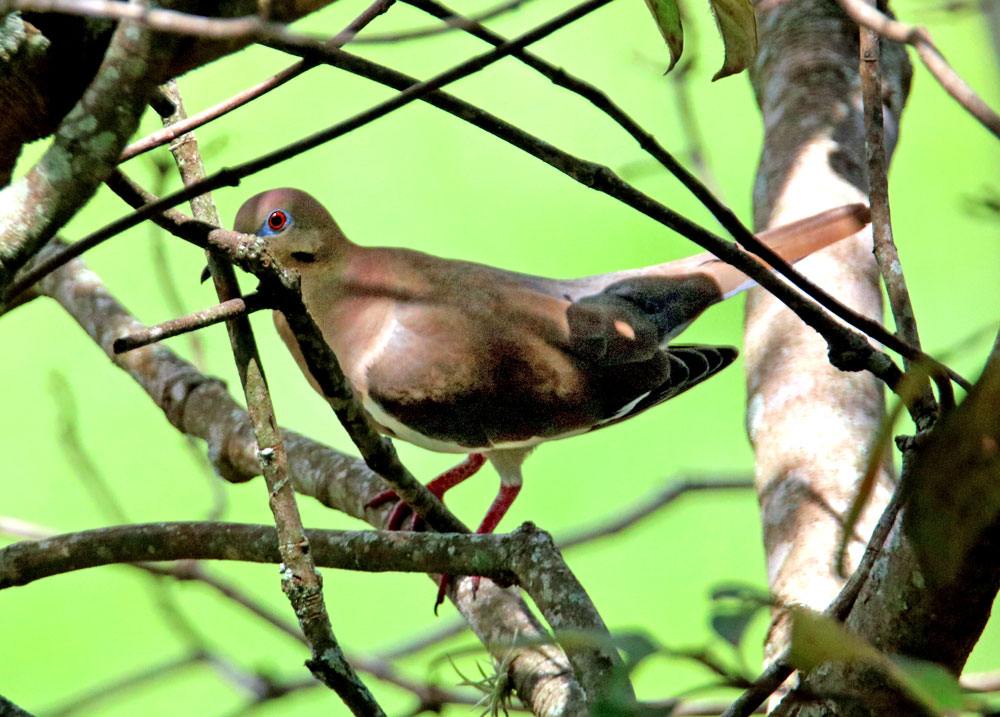
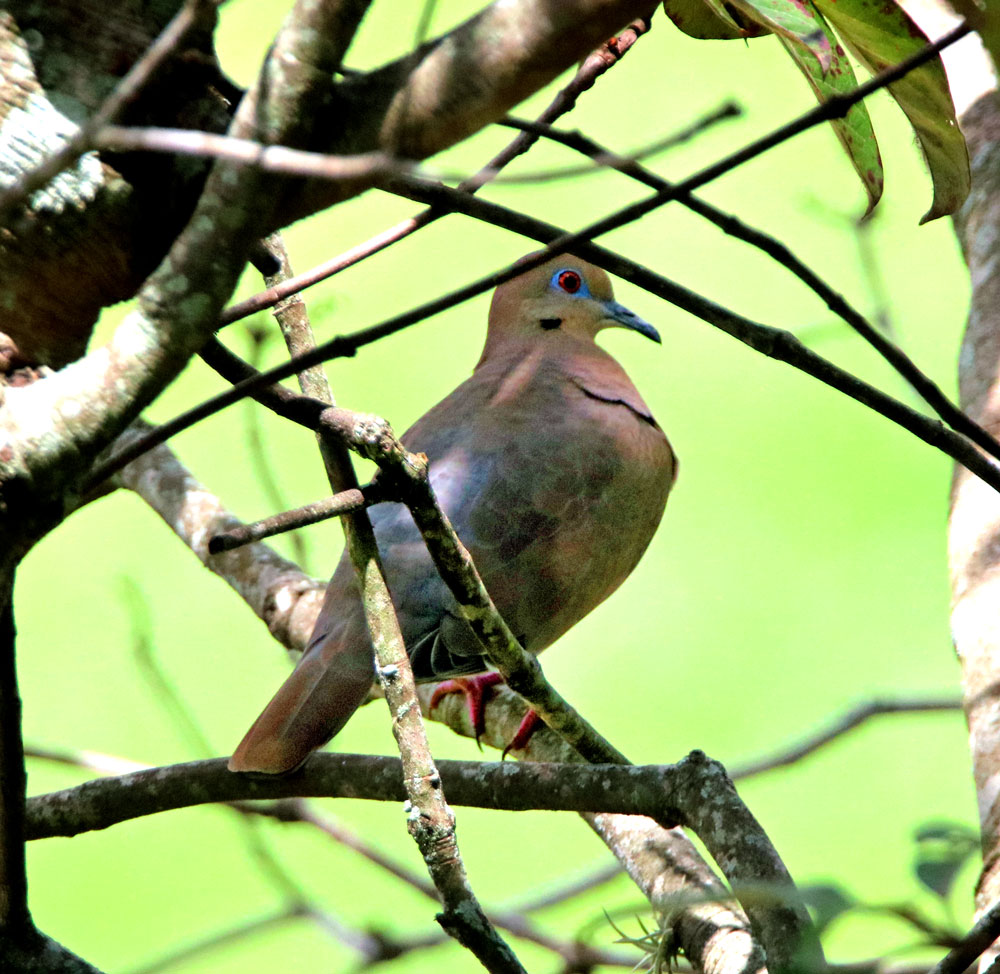
I’m noticing that most birds (with exceptions of course) tend to land in a tree on a limb that is surrounded by other limbs and thus I assume that they purposefully find a “safe spot” out of the reach of possible predators. And in the case of this White-winged Dove (my gallery link) in a Nance Tree, they also make themselves difficult to photograph! 🙂 Or at least the kind of open and posed photo on a clean limb humans like to see. Maybe you could call it “Nature’s Security.” 🙂
White-winged Dove, My Garden, Atenas, Alajuela, Costa Rica
¡Pura Vida!
Sad Loss of a Young Tico Friend
And of course 38 is young to me! 🙂 Yeison went by “Jason” with his English-speaking friends and was one of two, then 12 years younger, guys assigned to me to “practice” my Spanish and as would probably be expected, he practiced more English than I did Spanish, 🙂 but that was okay.
After that first year I saw him only occasionally and he continued to be like too many of his generation of males here, not wanting to work or not keeping a job for long (it seems to me). With his good English, he tried 3 different U.S. Call Center jobs here in Costa Rica and hated all of them, none lasting long. He tried working in A/C Sales for an uncle in Jaco, but “that didn’t work out,” he said. Then off and on jobs as a security guard which he was at my bank when he died last month. During his off and on work he married and had a cute little baby boy, but was not sufficiently supporting his family and she divorced him and he was ordered to pay the equivalent of $400 per month child support and had become quite depressed with the difficulty of that (for him) and seldom getting to see the child.
Last month he walked out on the Atenas railroad bridge (highest in the country) and jumped off into the deep rocky canyon of the Rio Grande River. He was reported missing and not found for two days, and then by the Red Cross Ambulance Service after someone called to report seeing a body in the bottom of the canyon. The official government report of his death is here: https://crhoy.com/nacionales/encuentran-en-rio-el-hombre-de-joven-desaparecido-en-atenas/
Yeison Quesada
My Blog Post Search for my mentions of Jason Quesada
It was mostly during those first 2 to 4 years when I was with him, often as a needed translator then, or at the beginning treating him to a Star Wars movie (his 1st) as the only blog post showing a photo of him (below). But the idea is that in those early years here in CR, he was a part of my life and I deeply regret that I was not able do anything to stop his suicide. He is just one example of the difficulties of being poor in this world, sometimes living a hopeless life. And of course he brought some of his problems on himself (lack of ambition, education and good work ethics), but the popular lifestyles and systems of this world (highly American-influenced) also have some blame. It saddens me to lose a friend who gave up on living in this hectic, crazy world. He was a believer and I put faith in the verse from Psalm 34:18 – “The Lord is close to the brokenhearted and saves those who are crushed in spirit.” I don’t understand, but hope that he is close to God now.
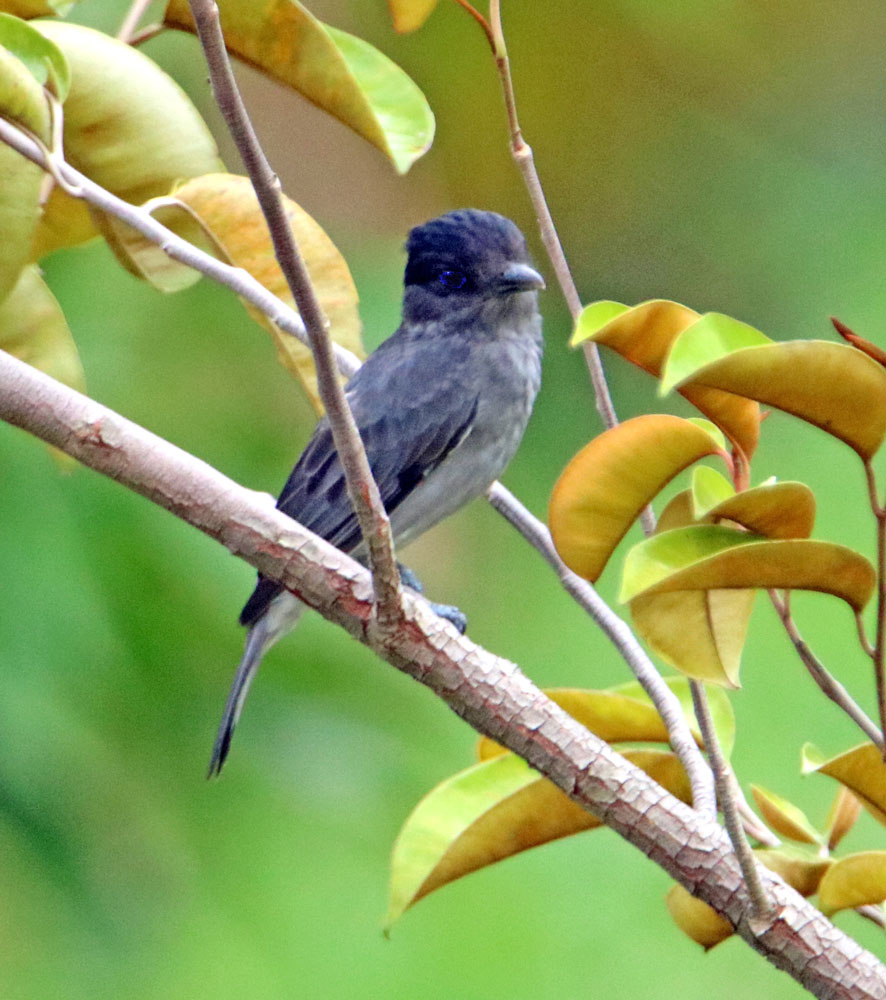
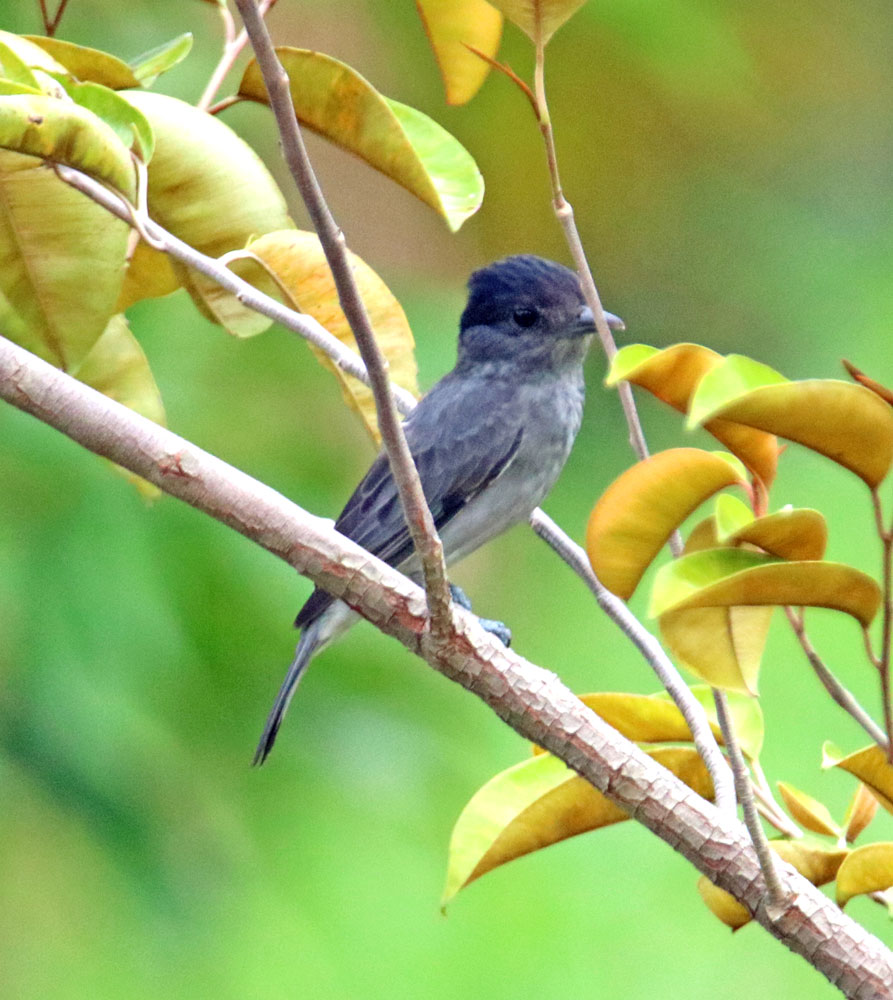
This is a young male Rose-throated Becard (my gallery link) whose throat has not turned rose colored yet and iNat says that some in the rainforest never get the rosy-pink throat. The female is overall reddish brown as you can see in my above-linked gallery. This one landed in a neighbor’s tree for a minute or so, then flew off. I don’t see them very often. They are found from Southern Arizona & Texas south to Panama, so mostly Central American. Read more on eBird.
Rose-throated Becard, Atenas, Alajuela, Costa Rica
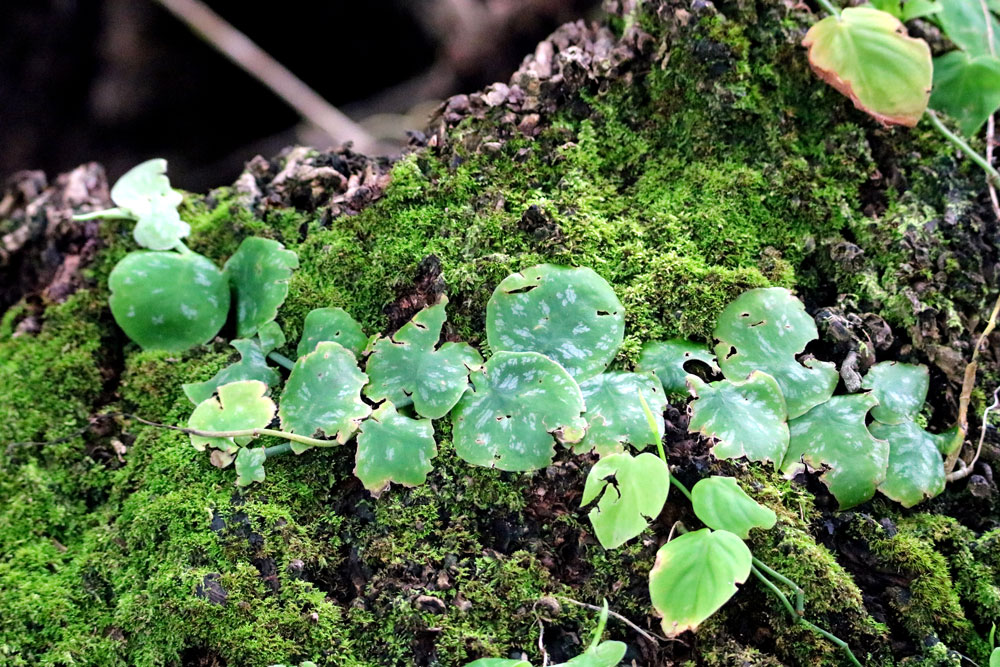
Is not really that “giant” in size like its cousin, Monstera Deliciosa, but rather has leaves that mostly grow flat against the trunk of a tree and sometimes, as in this photo, on top of moss. This Giant Monstera – Monstera tuberculata (Wikipedia article) was growing on a tree in the Gandoca-Manzanillo Wildlife Refuge in the South Caribbean area of Limón Province of Costa Rica on my recent trip there.
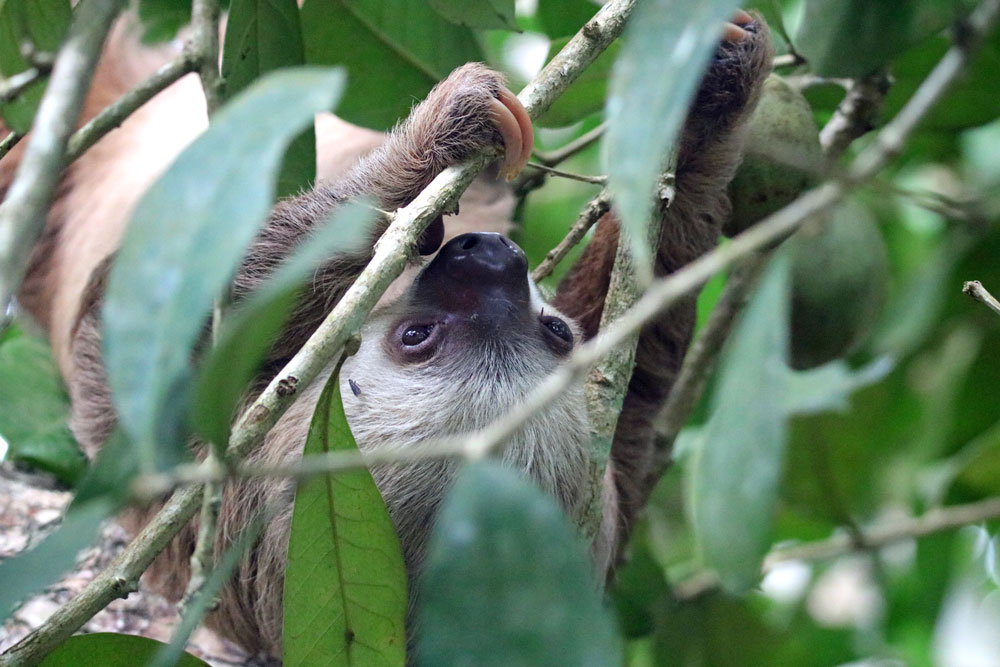
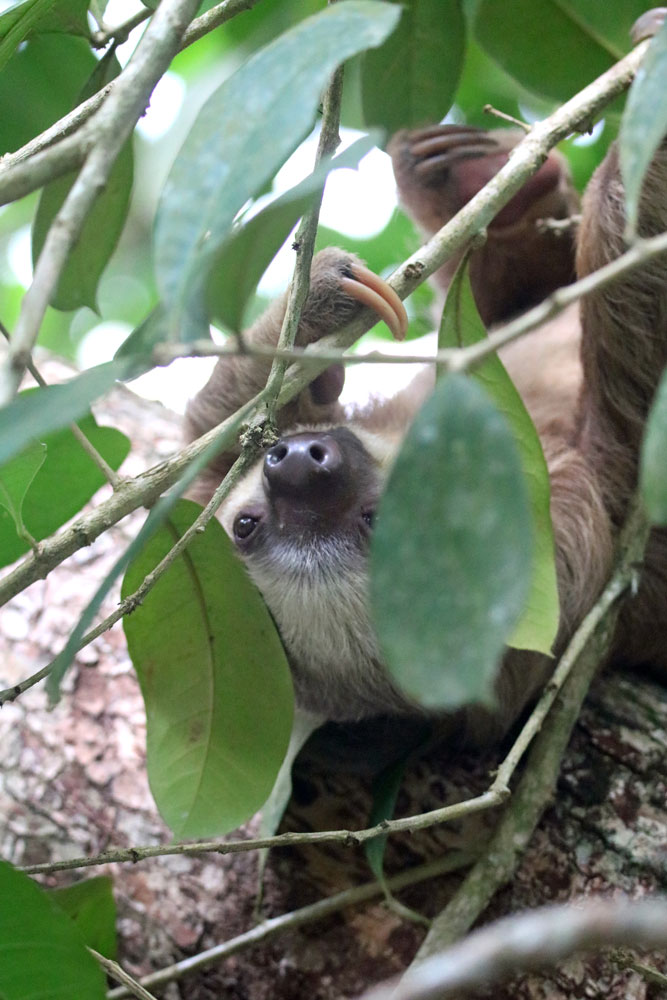
It has been a while since I’ve photographed a sloth and this one was at Gandoca-Manzanillo Wildlife Refuge, Manzanillo, Limón, Costa Rica on this year’s South Caribe trip, at eye-level on a very leafy tree as we were exiting the park. You never know when or where you will see the next wildlife photo op! 🙂 To see more of my sloth photos, go to the galleries: Sloth, Hoffman’s Two-toed and Sloth, Brown-throated Three-toed (linked). And note that I embarrassed myself, not only with the wrong ID in the first edition of this post, but on iNat where two people told me it was 2-toed and I said back, “count them in the photos.” Wellllll . . . I just learned that the 2-toed is thus on front but has 3-toes on the back, which now I see is obvious in this particular photo. I’m red-faced!
Brown-throated Three-toed Sloth, Gandoca-Manzanillo Wildlife Refuge, Manzanillo, Limón, Costa Rica
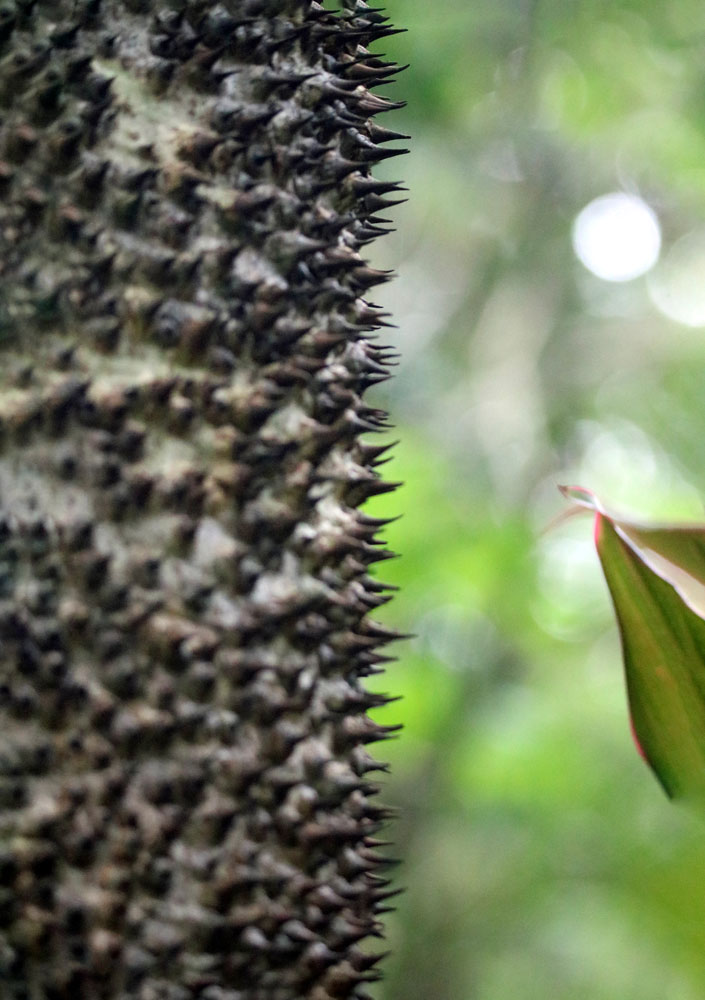
The Sandbox Tree – Hura crepitans (linked to Wikipedia) in wet tropical lands in both the Americas and moist jungles of Africa; seen here on my walk through just one little part of Gandoca-Manzanillo Wildlife Refuge, manzanillo, Limón, Costa Rica. It has a lot of other “Common Names” other than the “Sandbox Tree” listed as the official common name. My favorite of them all is the “Monkey No-Climb Tree.” 🙂 Yes, those scales are very sharp-pointed!
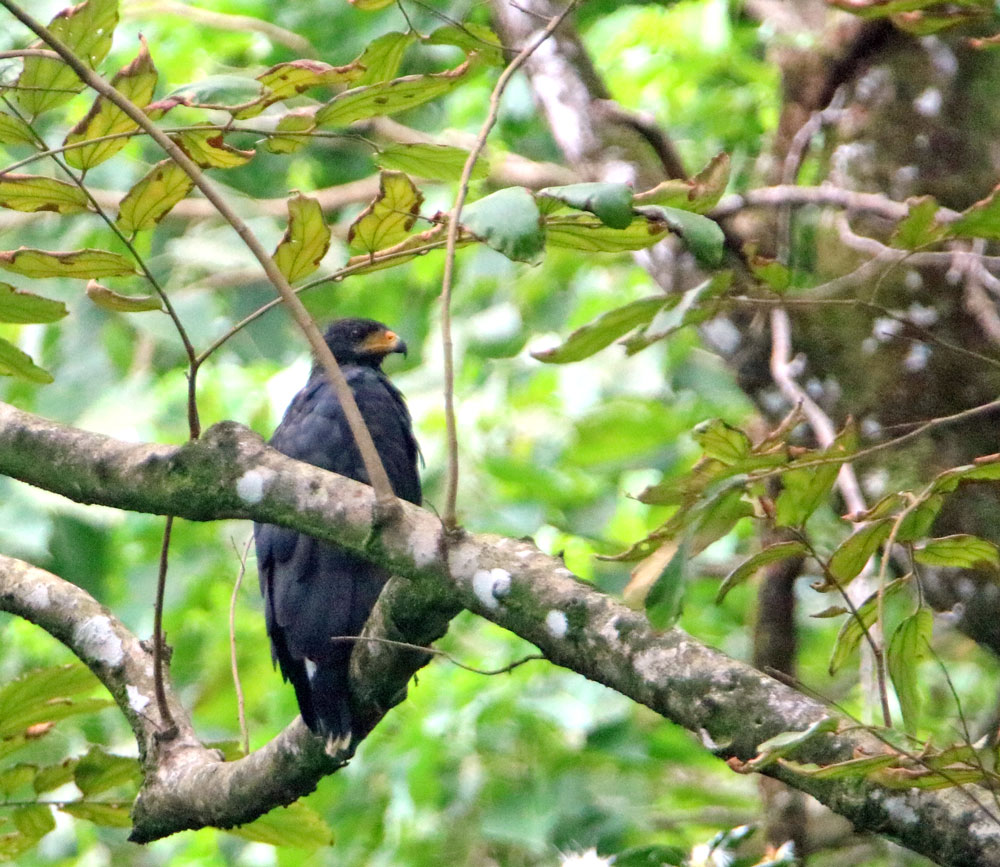
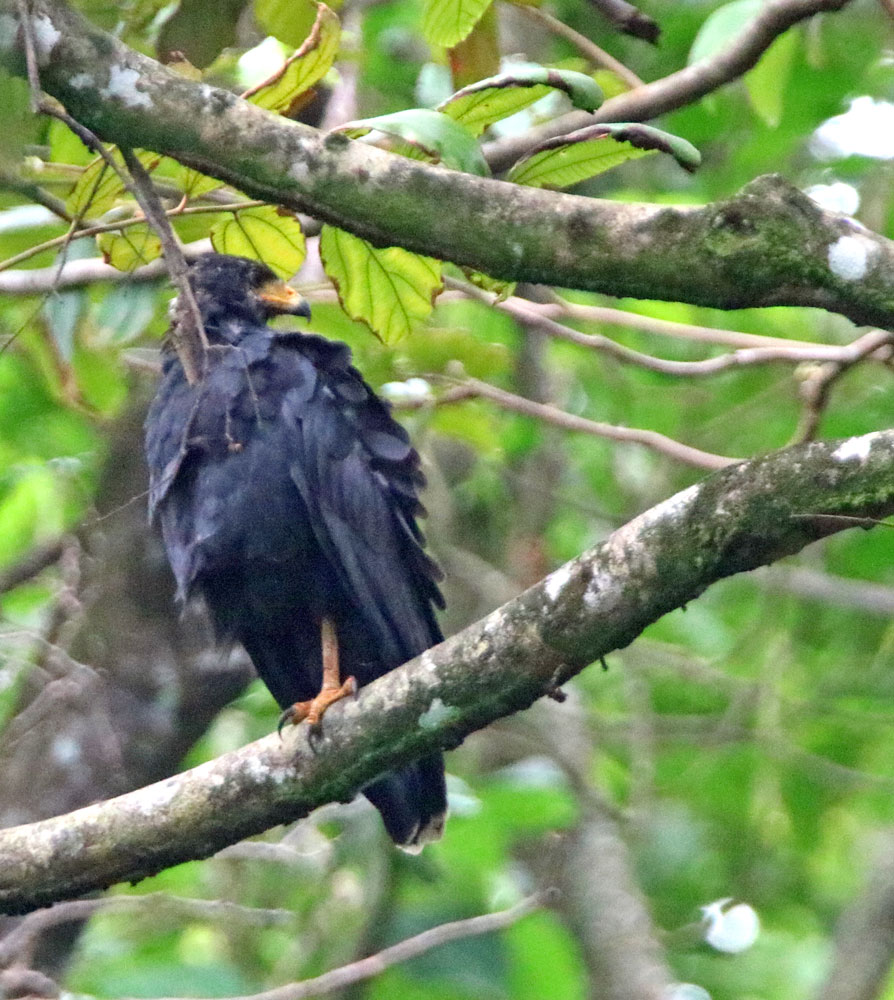
. . . used to be one of the birds I photographed at Banana Azul every year, but not this year. (I did see one fly off one day.) But I got several shots of this one in Gandoca-Manzanillo Refuge and we saw him in 3 or 4 places searching for crabs (his favorite food) or other small animals to eat. Just two shots here, but you can see more in my gallery: Common Black Hawk (linked). It is found from the Southwestern U.S. south through Mexico and all of Central America to the northern shores of South America. We have them on both slopes of Costa Rica.
Common Black Hawk, Gandoca-Manzanillo Wildlife Refuge, Manzanillo, Limón, Costa Rica
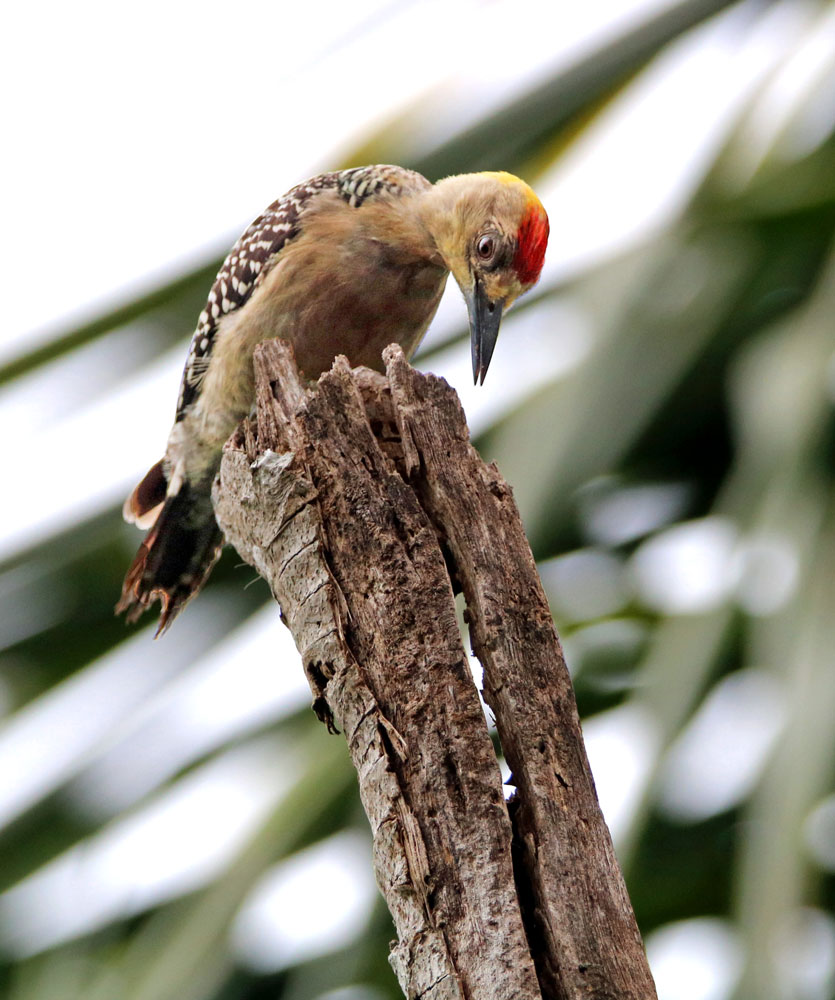
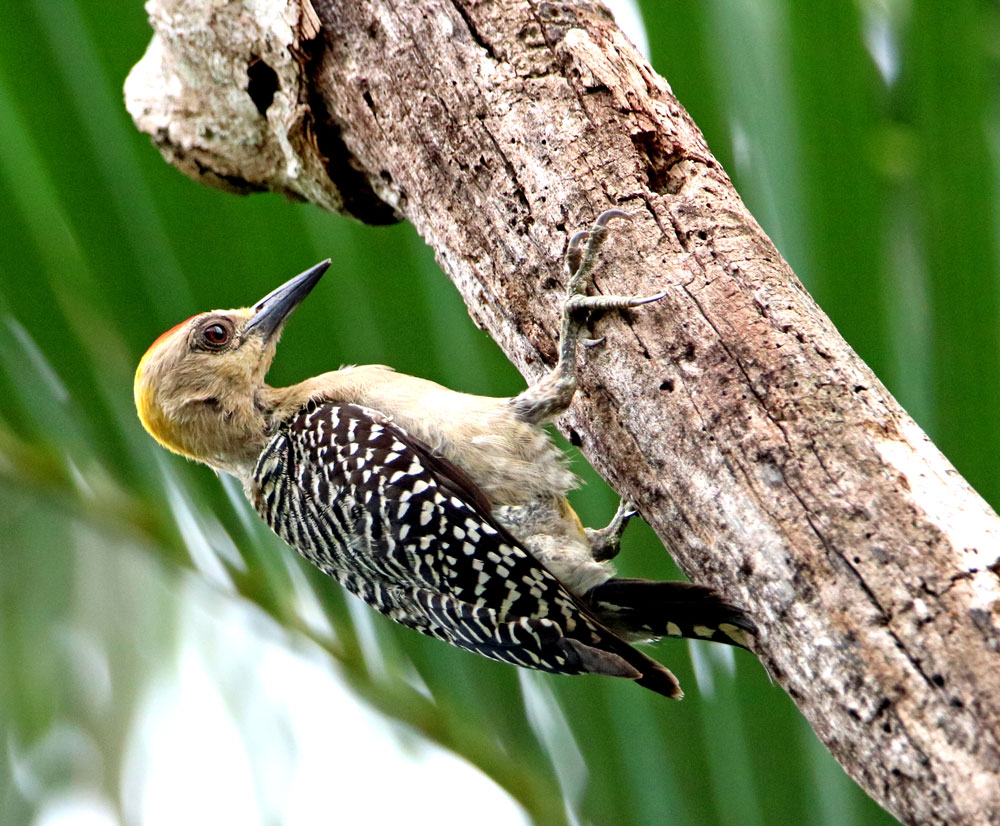
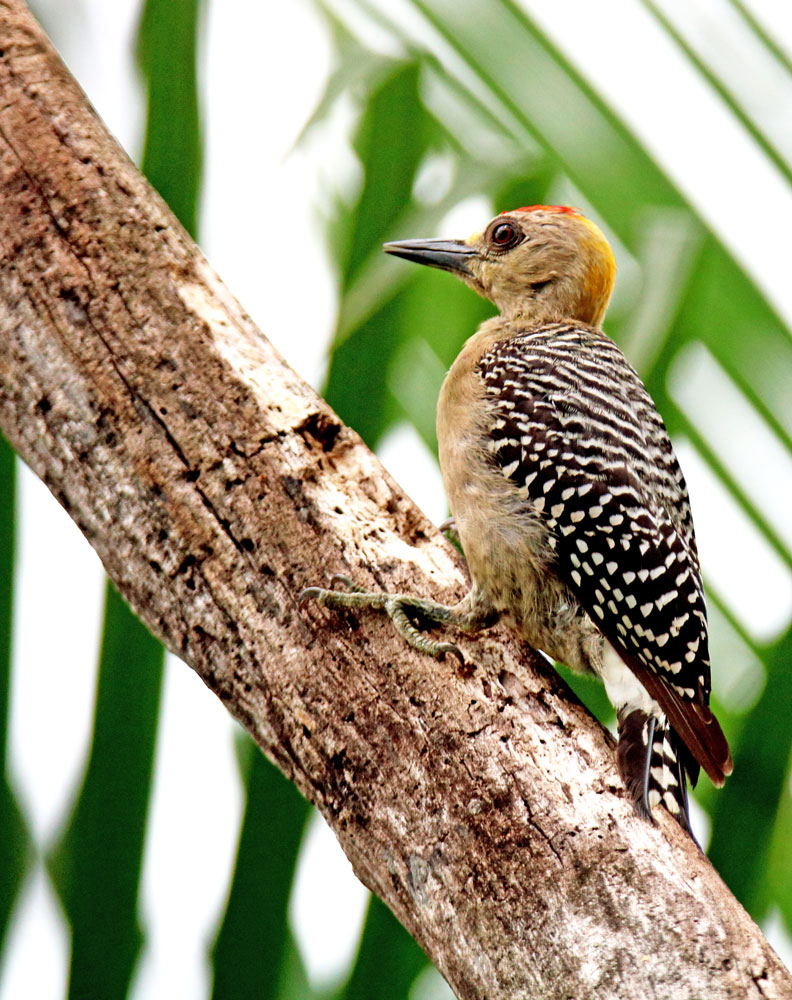
One of the two most common woodpeckers in my garden (Black-cheeked is the other one) and one of 10 total woodpecker species I’ve photographed in Costa Rica! You will find all 10 in my online gallery, with this observation included in the galleryHoffman’s Woodpecker (linked). This one looking for insects on a dead limb in neighbor’s yard is a male, known by the red spot on the top of his head, while the female has only that golden nape with no red. Otherwise they are identical. They are found only in Costa Rica and Nicaragua. Read more about them on eBird. So many fascinating birds here! 🙂
Hoffman’s Woodpecker, Atenas, Alajuela, Costa RicaHoffman’s Woodpecker, Atenas, Alajuela, Costa Rica
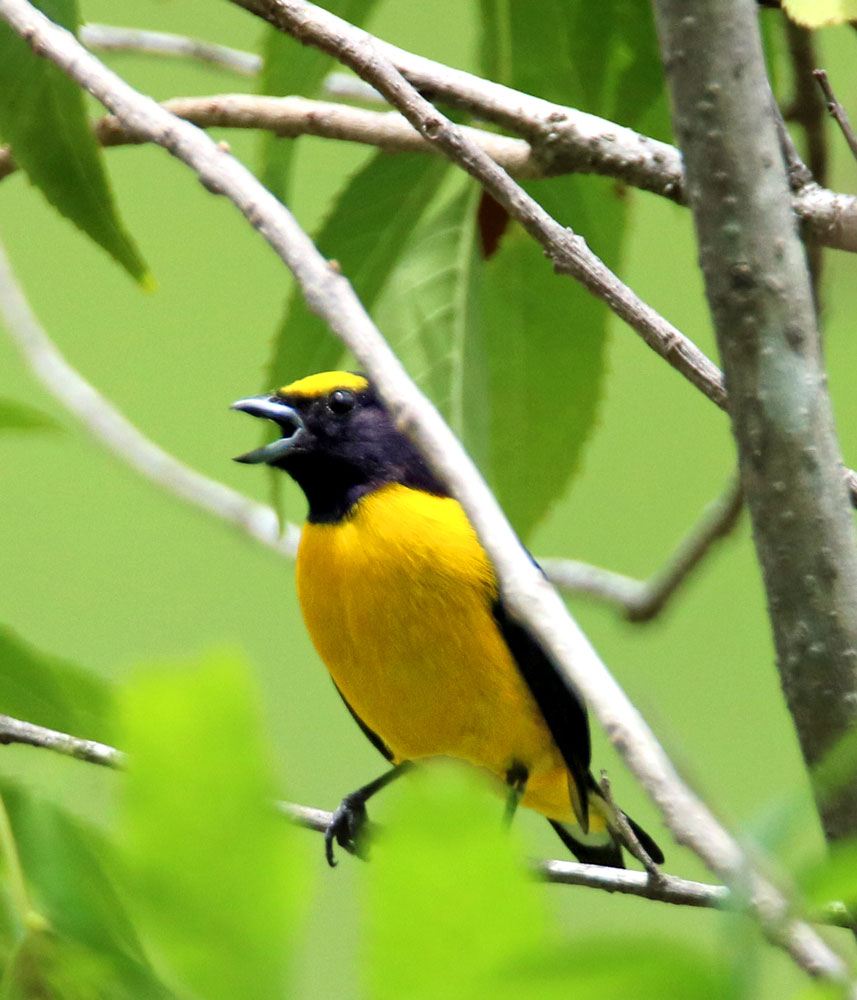
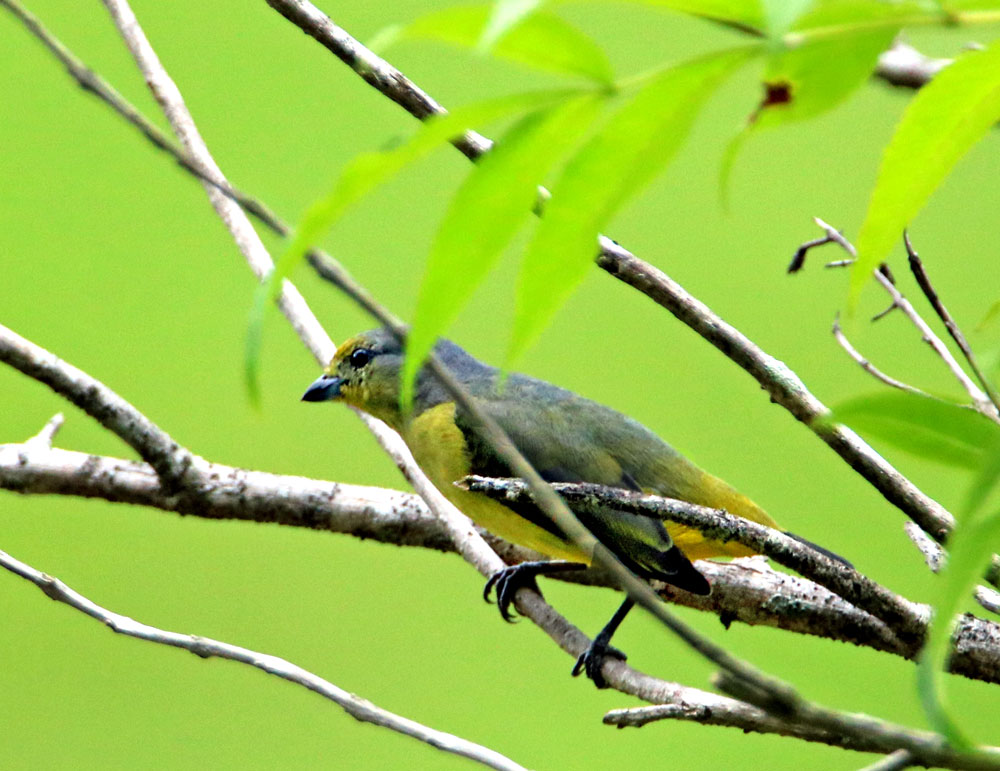
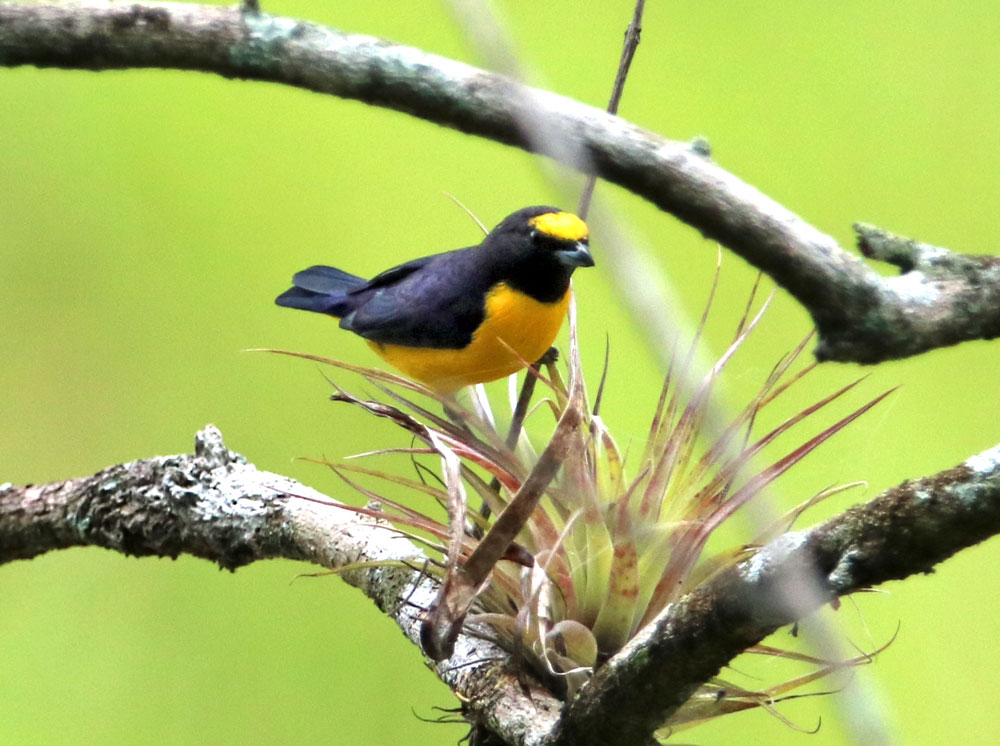
My only other time to see this bird was in January of this year, also in my garden. eBird says they live from Mexico to Costa Rica but only in Northwest Costa Rica and I am in more of West Central Costa Rica. Maybe their habitat is expanding south! 🙂 Notice the big difference in the male and female, fairly typical of all Euphonias. See all my photos in the gallery Scrub Euphonia – Euphonia affinis (linked).
Scrub Euphonia, female, Atenas, Alajuela, Costa RicaScrub Euphonia, male, Atenas, Alajuela, Costa Rica