
The Cinnamon-bellied Saltator – Saltator grandis (my gallery link) as seen at Hotel Punta Leona was eating a flower (or maybe taking it to his/her nest?).

¡Pura Vida!
My profession is to always find God in nature.
– Henry David Thoreau
The Cinnamon-bellied Saltator – Saltator grandis (my gallery link) as seen at Hotel Punta Leona was eating a flower (or maybe taking it to his/her nest?).

¡Pura Vida!
This Pale Owl-Butterfly – Caligo telamonius (my gallery link) is one of several species in the Caligo Genus with the large eye spot on each wing so that when they spread their wings they may appear to a predator as a much larger animal (like an owl) and thus a defensive mechanism. Owl-butterflies are also one of the largest butterflies in Costa Rica. This one was spotted at Hotel Punta Leona Christmas Week. Some earlier sources called it the “Yellow-fronted Owl-Butterfly.”

¡Pura Vida!
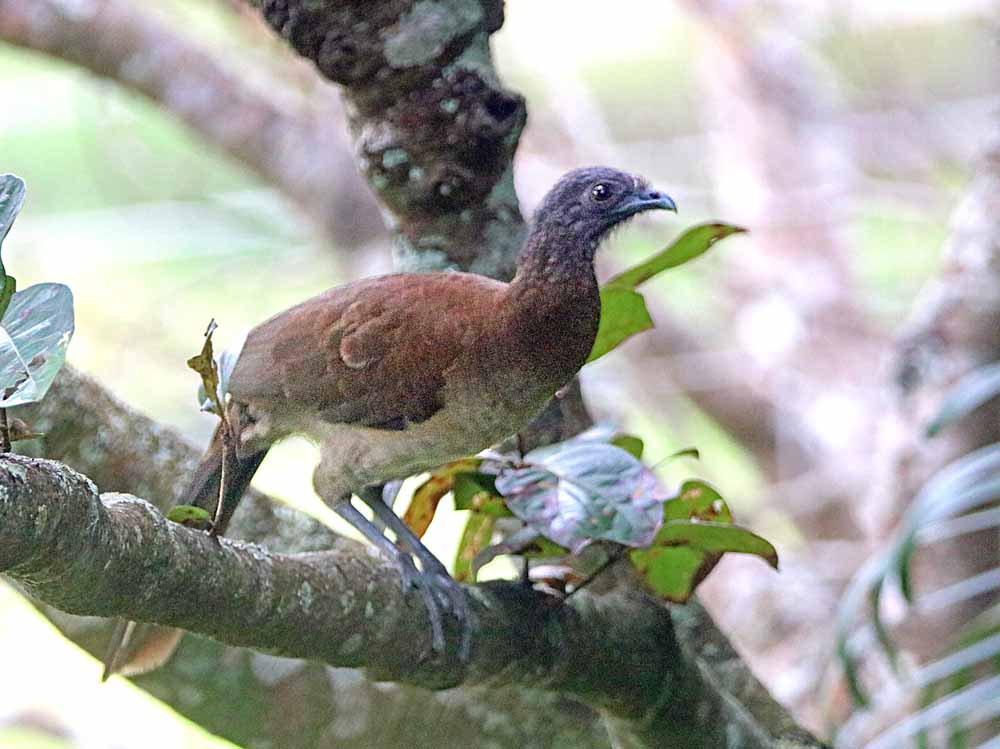
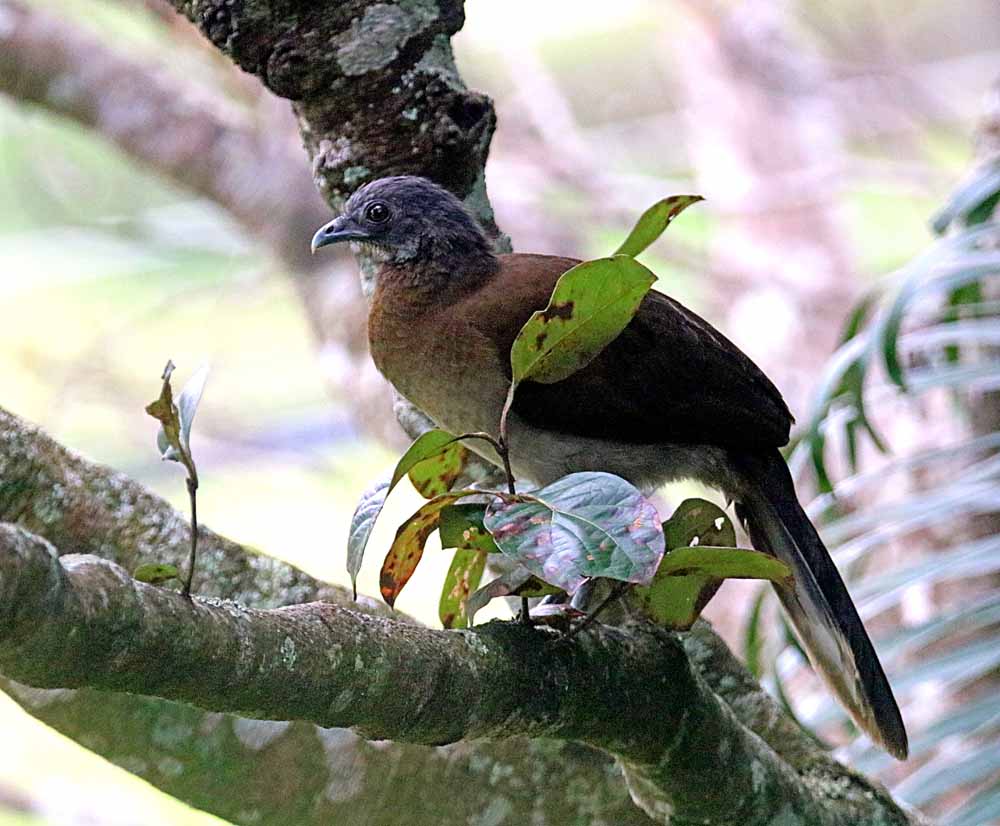
One of the good things about Punta Leona is that there are many species of bird and I got only 11 this trip compared to 21 species on my 2019 visit there. Of course the big turkey-sized Crested Guan (my gallery link) is a favorite of many of the foreign tourists. Not good lighting for this shot, but you can see better photos in the above linked gallery from all over Costa Rica.

¡Pura Vida!
This one looks a little different from the ones in my garden, but animals like people do have different looks, personalities, etc. 🙂 This one at Hotel Punta Leona Christmas week. See more of my photos of this species in my gallery: Black Spiny-tailed Iguana, Ctenosaura similis.

¡Pura Vida!
One of the most seen butterflies all over Costa Rica is this Banded Peacock, Anartia fatima (my gallery link) photographed here along one of the roads/streets in Punta Leona Resort, Puntarenas, Costa Rica.

¡Pura Vida!
There are 5 different “Cattleheart” (Parides) butterflies that are very similar to this one but I don’t think any are an exact match, so I’m putting it in the Genus and will hope for an expert identifier on iNaturalist to give it a correct species name. Then I will change it in my gallery. These black, red and white Swallowtails (linked to my gallery where there are about a dozen species of these ). They seem to be quite common in Costa Rica and not easy for me to differentiate all of the species. 🙂

After breakfast on new year’s morning, January 1, a small lizard appeared in my Cecropia Tree (Guarumo en español). Almost immediately he flashed a bright red dewlap (the flap of skin that fans out on the neck of most anoles) as he went for an insect to eat. Later, as he moved along one limb, his dewlap changed to orange and then yellow and back to red. A new experience for me! All the other anoles I’ve seen have only displayed one color of dewlap. 🙂
And when I finally got him identified, that was a surprise too! He is the only lizard I’ve got in my photo collection of 21+ lizards that is named after a person, the Charles Myers Anole, Anolis charlesmyersi (my gallery link with more photos). Here’s a shot without the dewlap displayed, followed by three shots with 3 colors of dewlap, orange, yellow and red . . .

This is my second sighting of a Black Pondhawk, Erythemis atala (my gallery link) with the other one not far from Punta Leona at the old Hotel Villa Lapas in Tarcoles which today (January 1) reopens as a more expensive Marriott, Santa Lucia Jungle Hacienda (their website link). Hope they still have the abundance of wildlife on their property next door to Carara National Park! I may try it out one time, we’ll see. 🙂

¡Pura Vida!
At least that is what everyone calls them in English! 🙂 While the “official” common name in English is “Common Morpho!” And in Spanish everyone is covered with “Mariposa Morfo Azul Común” or “Common Blue Morpho Butterfly!” 🙂 And “Common” is good because there are other species with blue tops! 🙂 See my photos from many different locations of this, the National Butterfly of Costa Rica, Common Morpho, Morpho helenor gallery. Four shots I liked from Punta Leona after this first introductory photo . . .

Like one I photographed in my garden June, just not as good a photo this time. 🙂 And one of the iNaturalist “experts” changed the other photo to an “Orange Cracker,” but me and the AI + my book believe this one is “Red” though I admit the tops of both are similar. 🙂 I’m putting this with my other “official” shots of a Red in my Red Cracker Gallery. And if an “identifier” changes it, I’ll move it. And the butterfly house at Punta Leona says they have both Red & Orange there, so no help there! 🙂 But I’m sticking with red for now! 🙂

¡Pura Vida!