Retired American nature-lover, living in Costa Rica, photographing birds and other jewels of nature. This site simply reports on my joys of being RETIRED IN COSTA RICA!
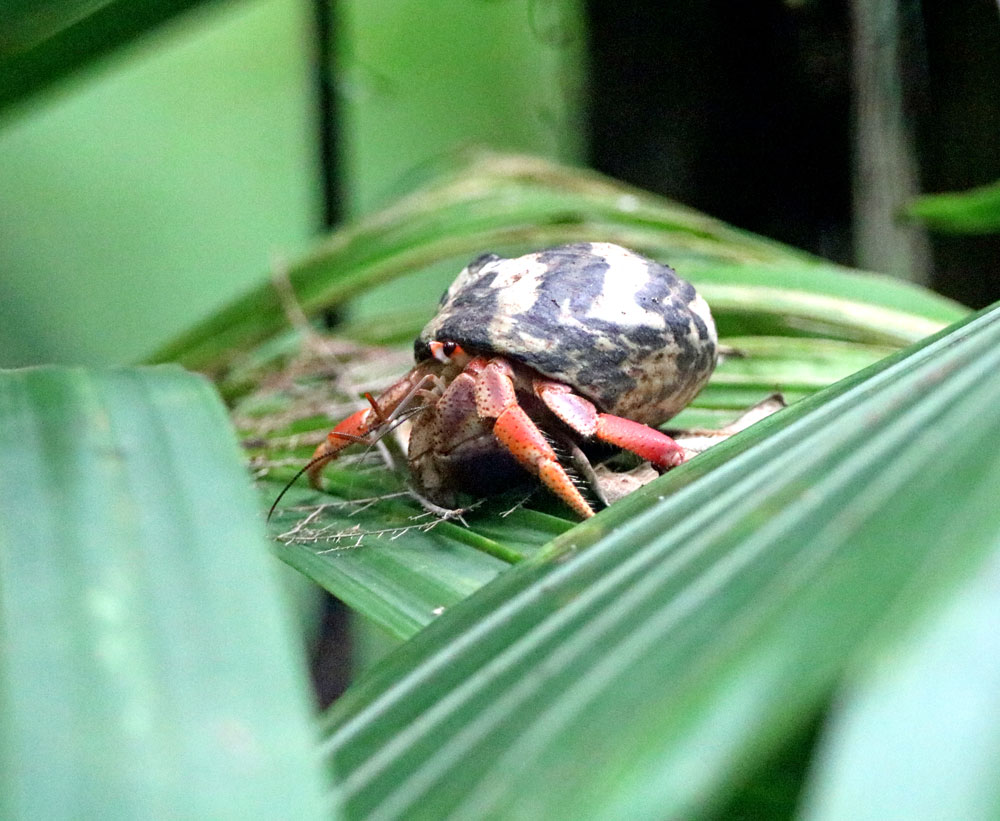
“The Caribbean Land Hermit Crab (Coenobita clypeatus), also known as the soldier crab, West Atlantic crab, tree crab, or purple pincher (due to the distinctive purple claw), is a species of land hermit crab…” ~iNaturalist,
And on iNaturalist Cost Rica they have been reported only from the South Caribbean area of Limón Province where I visited recently.
For several different species of crabs, see my gallery: CRUSTACEANS CR (linked).
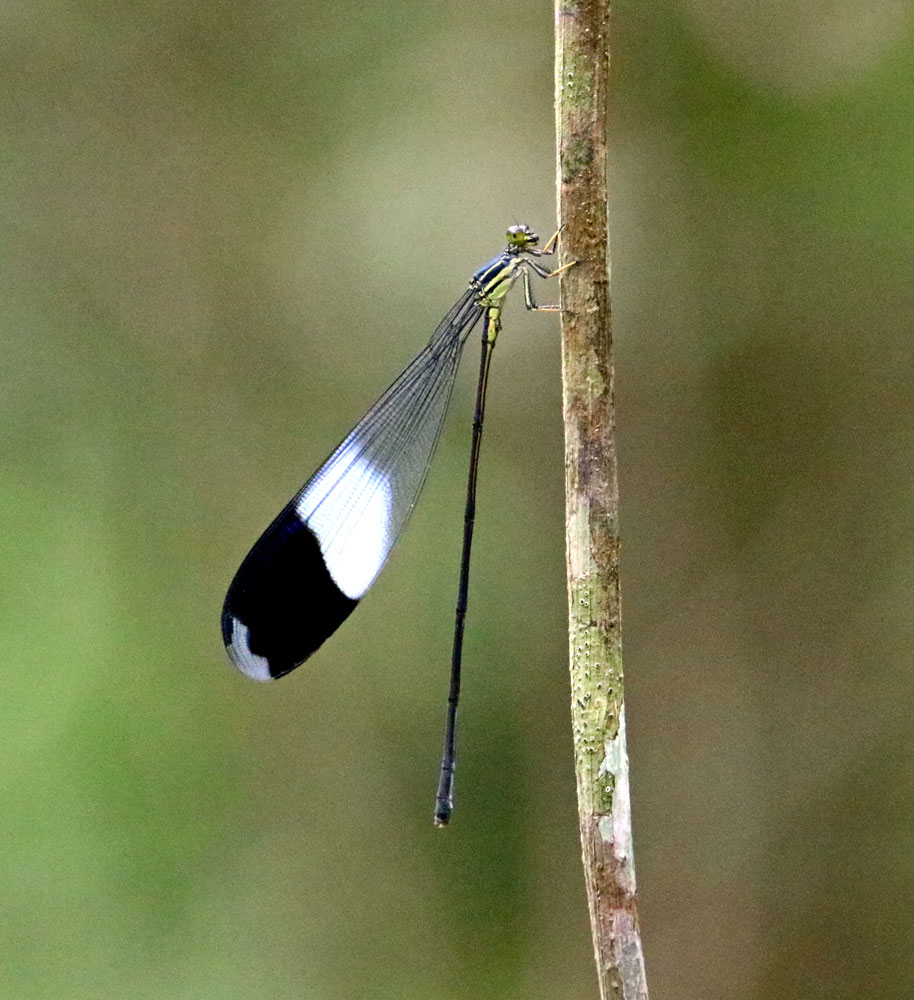
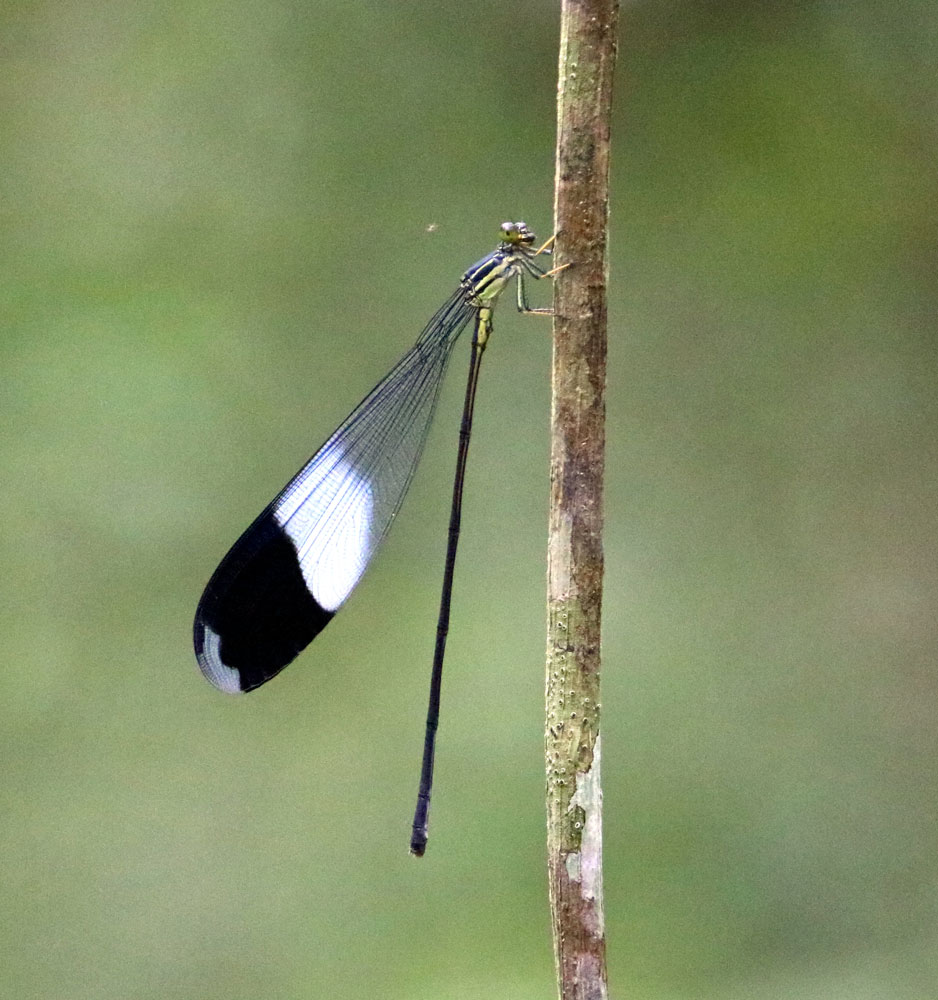
This is a “lifer” or first time seen damselfly for me! It was alongside one of the trails in Gandoca-Manzanillo Wildlife Refuge, Manzanillo, Limón, Cost Rica week-before-last. It is more striking or noticeable in a thick forest like that than a lot of the dragon & damselflies. Again, you never know when nor where you will see what, but I thank God for each new nature experience wherever I am! 🙂
Blue-winged Helicopter Damselfly, Gandoca-Manzanillo Wildlife Refuge, Manzanillo, Limón, Costa Rica
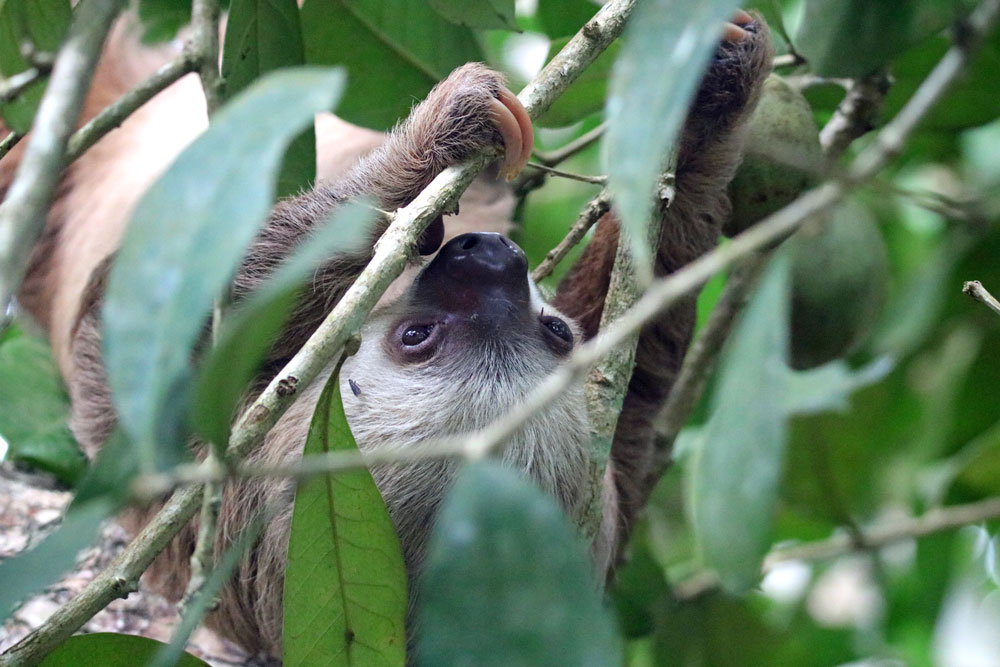
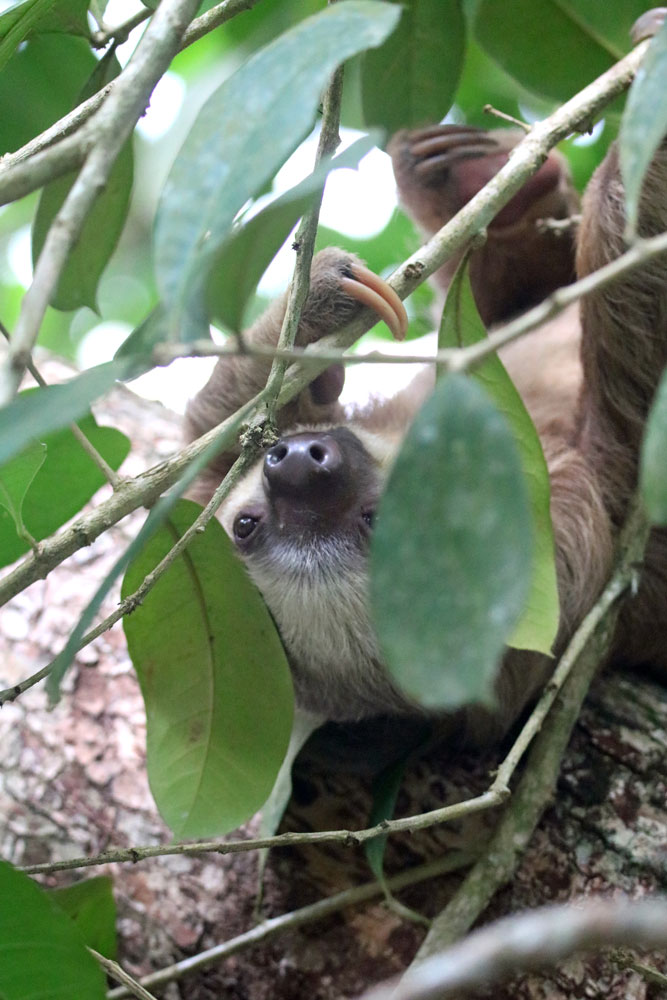
It has been a while since I’ve photographed a sloth and this one was at Gandoca-Manzanillo Wildlife Refuge, Manzanillo, Limón, Costa Rica on this year’s South Caribe trip, at eye-level on a very leafy tree as we were exiting the park. You never know when or where you will see the next wildlife photo op! 🙂 To see more of my sloth photos, go to the gallery: Sloth, Brown-throated Three-toed (linked).
Brown-throated Three-toed Sloth, Gandoca-Manzanillo Wildlife Refuge, Manzanillo, Limón, Costa Rica
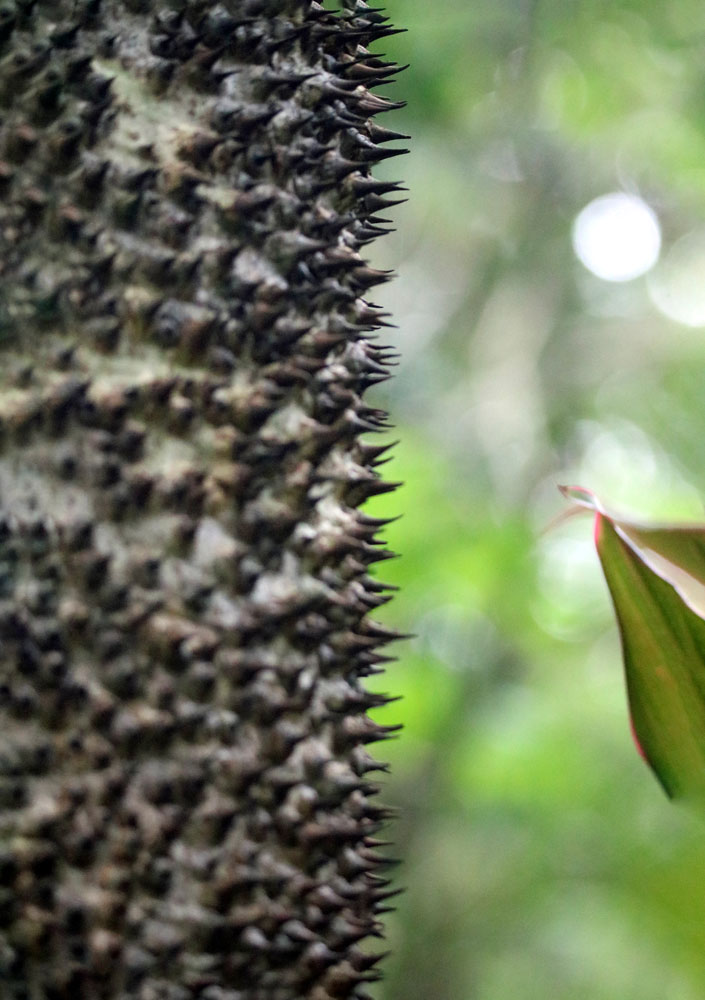
The Sandbox Tree – Hura crepitans (linked to Wikipedia) in wet tropical lands in both the Americas and moist jungles of Africa; seen here on my walk through just one little part of Gandoca-Manzanillo Wildlife Refuge, manzanillo, Limón, Costa Rica. It has a lot of other “Common Names” other than the “Sandbox Tree” listed as the official common name. My favorite of them all is the “Monkey No-Climb Tree.” 🙂 Yes, those scales are very sharp-pointed!
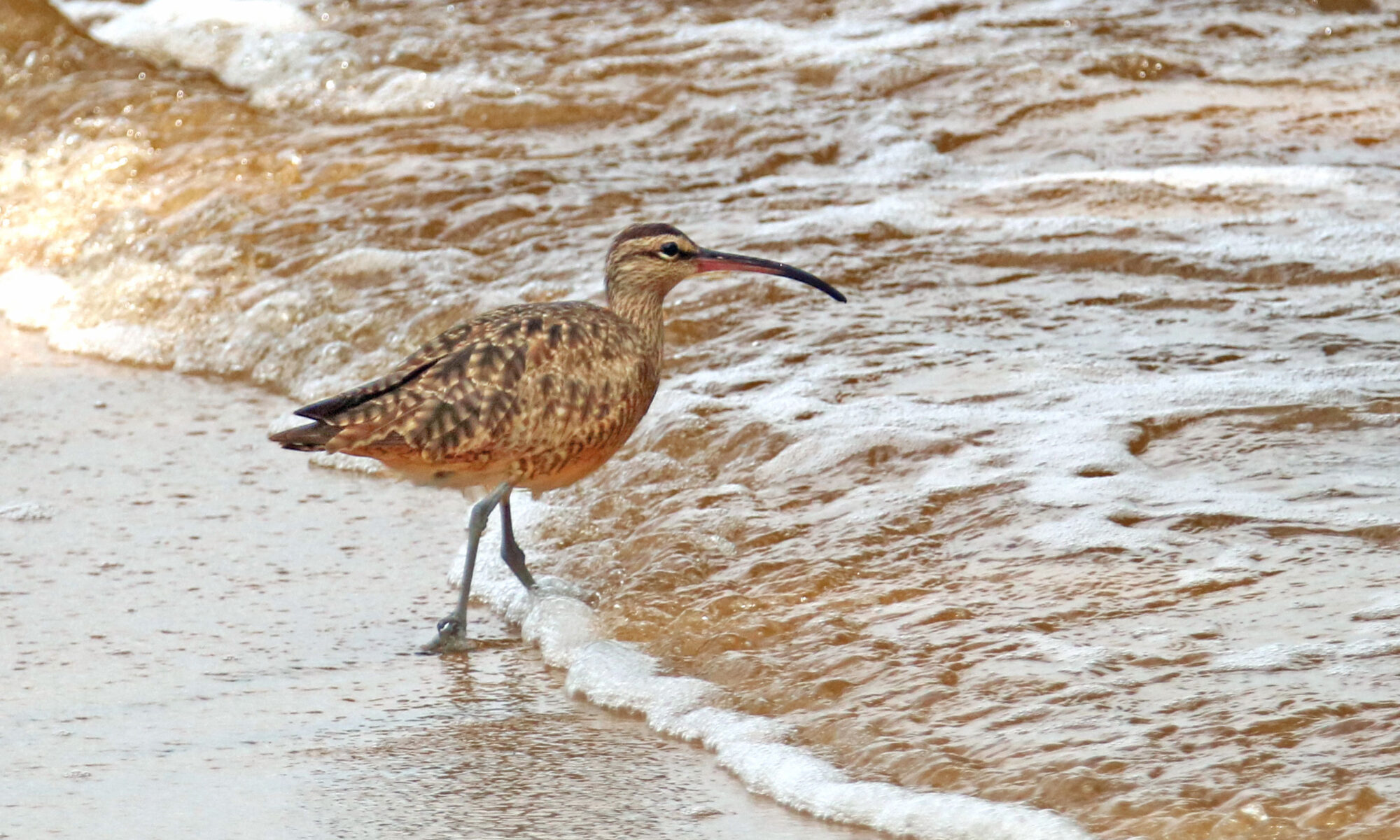
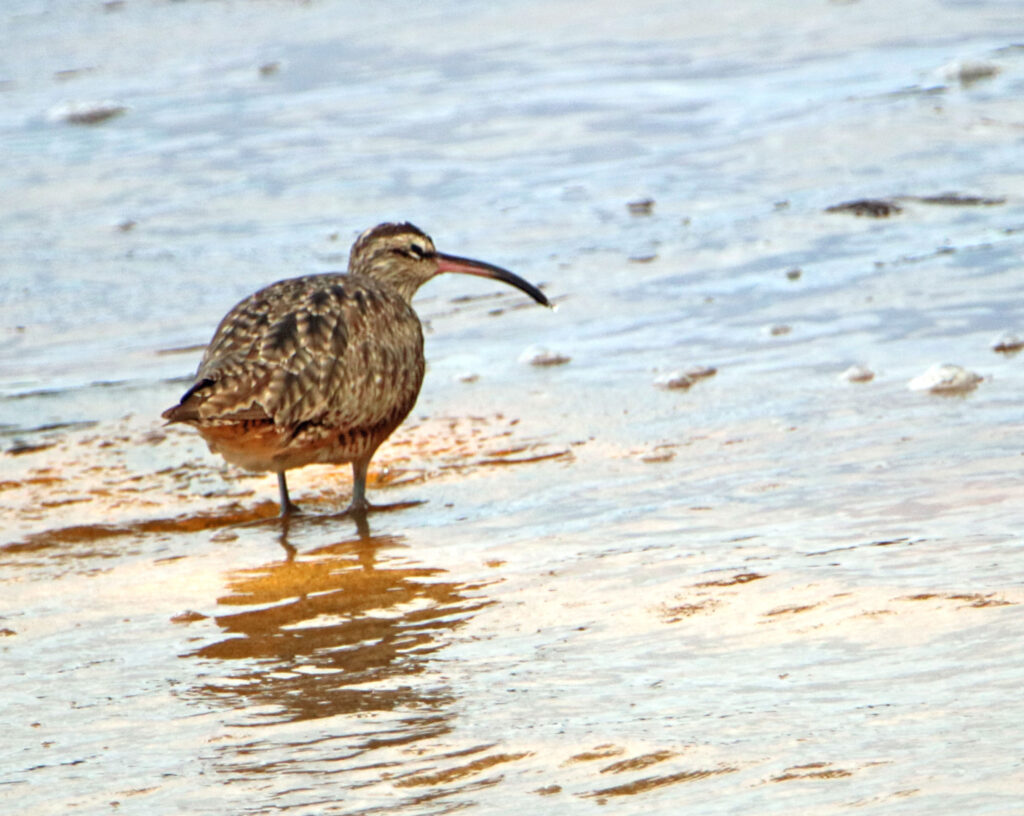
This bird used to be called just “Whimbrel” and that common name and its scientific name was for all Whimbrels world-wide. Now “they” have split them into two species with the old scientific name going for the ones in Europe & Asia and the ones in the Americas (North, Central and South) are called Husonian Whimbrel (Numenius hudsonicus)(my gallery link).
Thus another one of my galleries had to have a name change, including each individual photo. Just part of having up-to-date science! 🙂 This smaller, “chunkier” one (compared to the majority) was seen last week at Gandoca-Manzanillo Wildlife Refuge. And if you notice the water is darker and reddish or rusty, it is because the ocean’s saltwater at high tide went up into the Mangrove Forest and the Bloodwood Trees there react to the salt, releasing a reddish sap this time of year, turning the water red as the tide goes back out. 🙂
Hudsonian Whimbrel, Gandoca-Manzanillo, Limón, Costa Rica
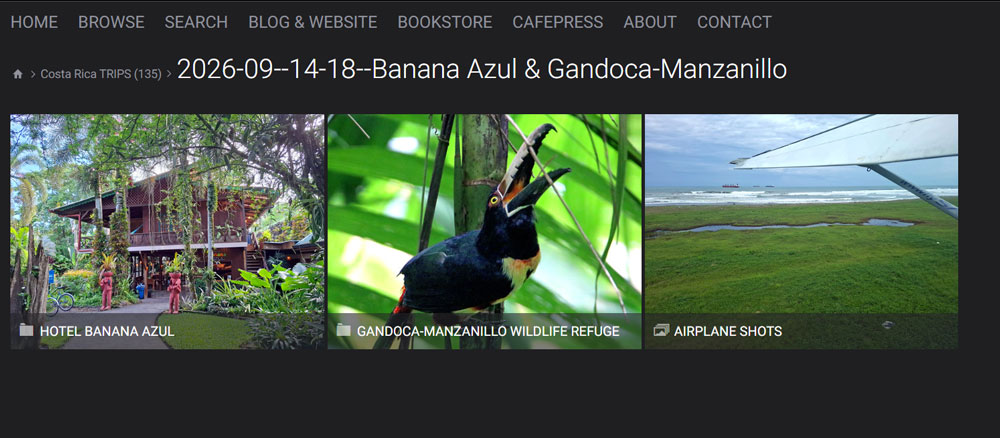
This year’s visit to the Caribbean side of Costa Rica included a week at Hotel Banana Azul with a day hike in Gandoca-Manzanillo Wildlife Refuge and my collection of photos are ready to see at https://charliedoggett.smugmug.com/TRIPS/2026-09-14-18-Banana-Azul-Gandoca-Manzanillo or you can click on the first page image below to get there. Two disclaimers as to why there are not as many photos this year: The bizarre weather with a Super-El-Niño, wind and rain every day (normally the driest month there), a muddy beach road with no butterflies at all (my main thing there now) and the global-warming and ocean rising has caused enormous erosion of the beaches there now, with almost no beach left. But it is still a beautiful nature place and I have a lot of photos from this year’s trip.
CLICK above image to go to the photo gallery.
¡Pura Vida!
I’ve done blog posts of Caribe photos ahead through the end of September, but wanted to announce my trip gallery now. The first of October I will continue sharing nature photos from my garden and on walks in my hometown of Atenas. If I just look, there is some nature to experience every day! 🙂
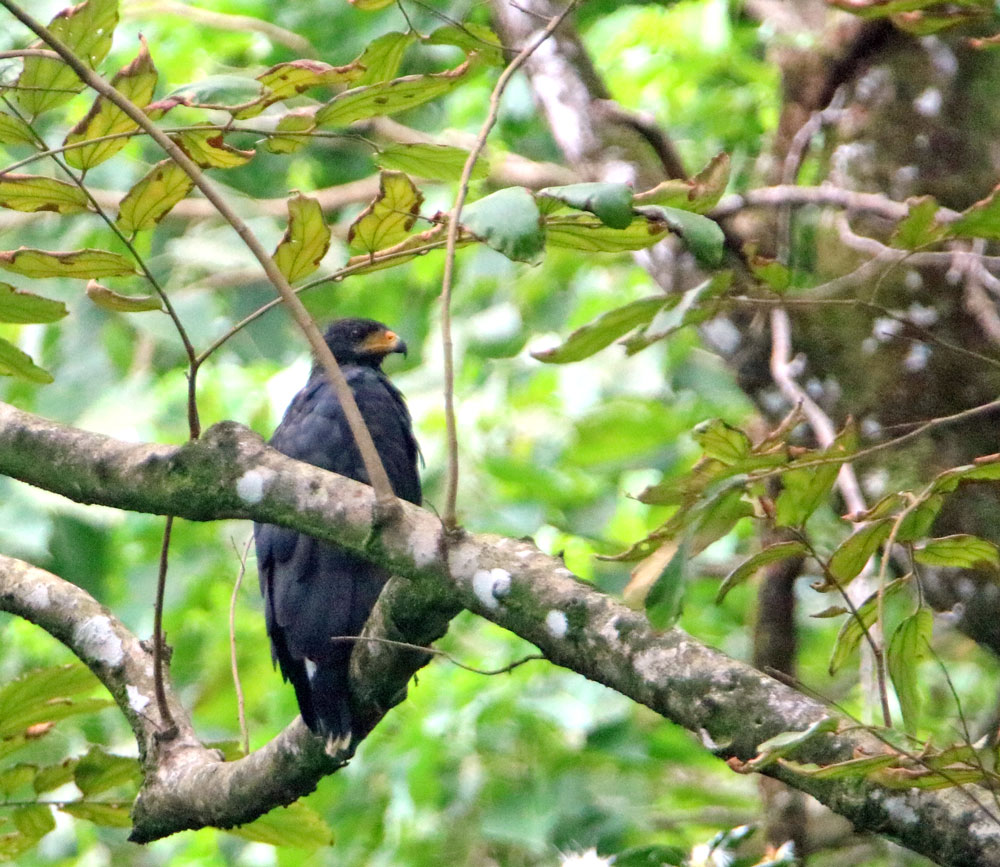
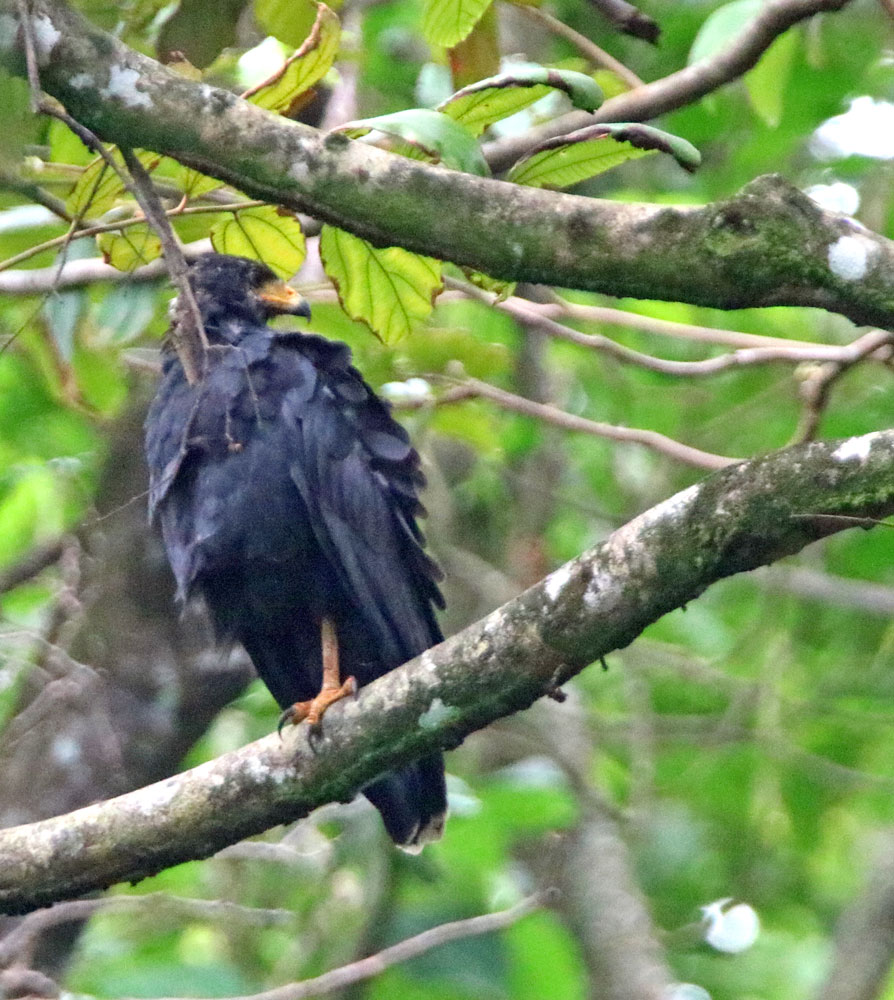
. . . used to be one of the birds I photographed at Banana Azul every year, but not this year. (I did see one fly off one day.) But I got several shots of this one in Gandoca-Manzanillo Refuge and we saw him in 3 or 4 places searching for crabs (his favorite food) or other small animals to eat. Just two shots here, but you can see more in my gallery: Common Black Hawk (linked). It is found from the Southwestern U.S. south through Mexico and all of Central America to the northern shores of South America. We have them on both slopes of Costa Rica.
Common Black Hawk, Gandoca-Manzanillo Wildlife Refuge, Manzanillo, Limón, Costa Rica
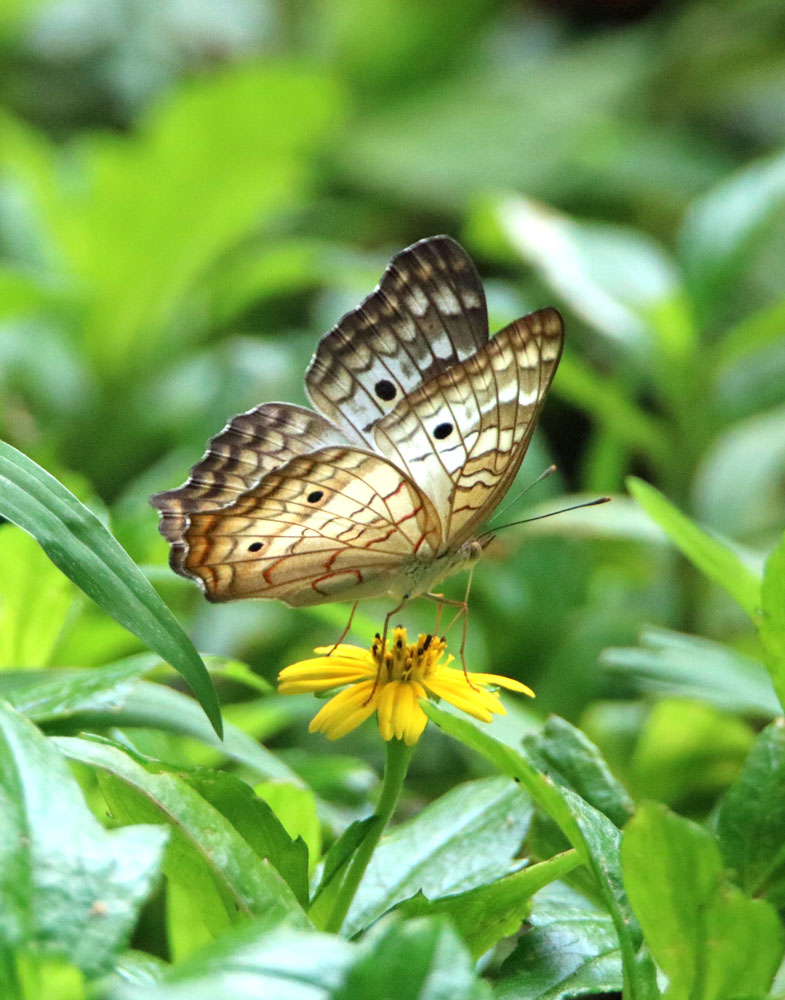
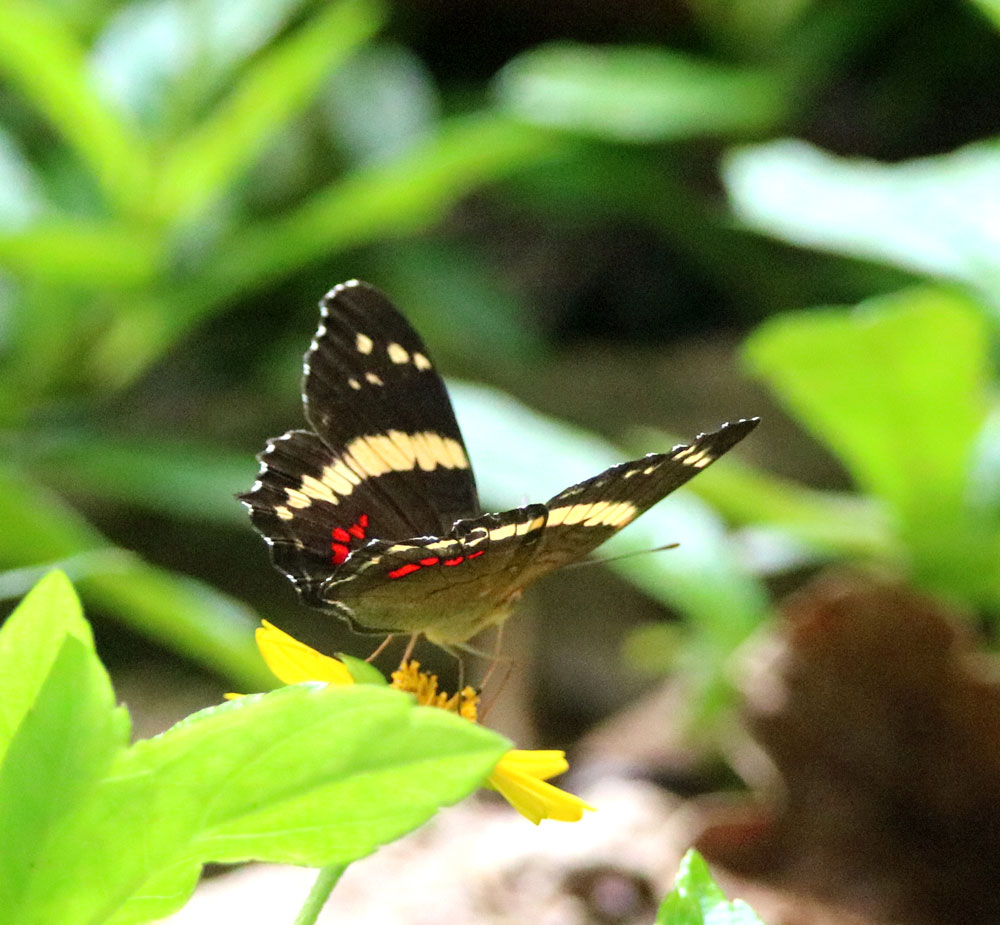
. . . Peacock Butterflies that is, at Gandoca-Manzanillo Refuge: the feature photo above is of the White Peacock (my gallery link) and below is the common Banded Peacock (my gallery link) as the only two butterflies I was able to photograph during this year’s week in Caribe Sur, with a few others seen flying but never landing at both Manzanillo and Banana Azul.
Banded Peacock Butterfly, Gandoca-Manzanillo Wildlife Refuge, Manzanillo, Limón, Costa Rica
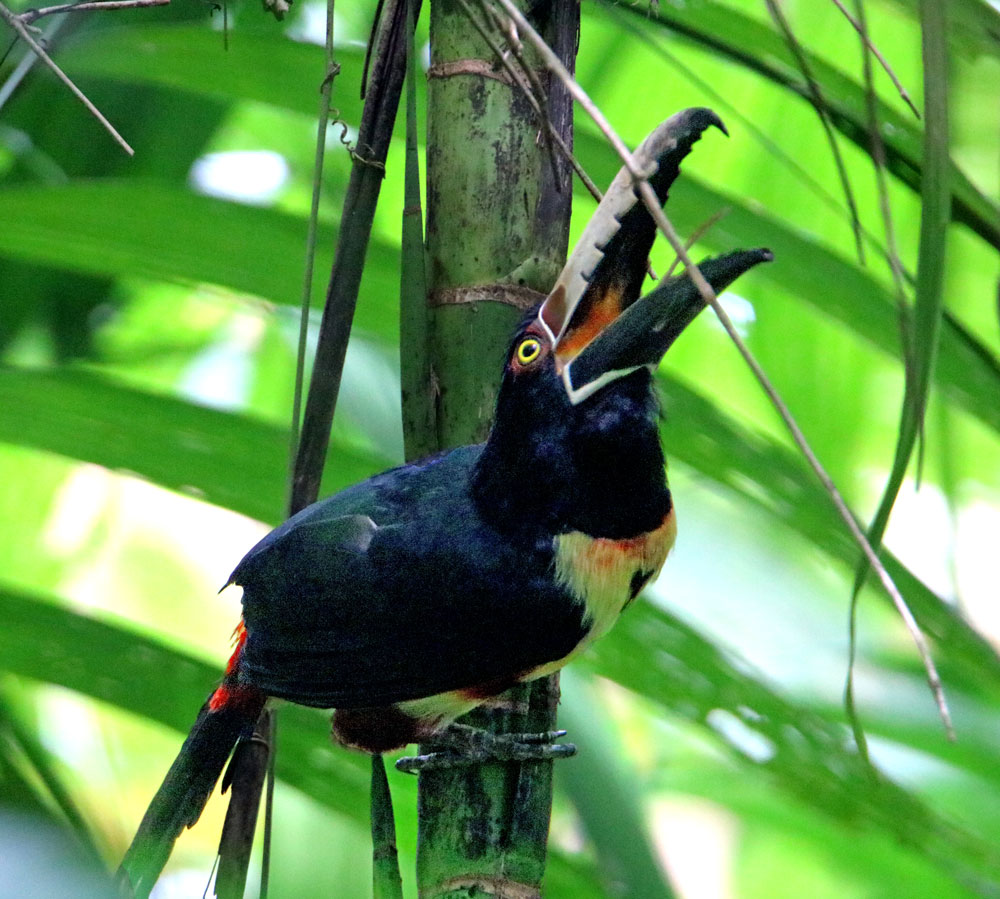
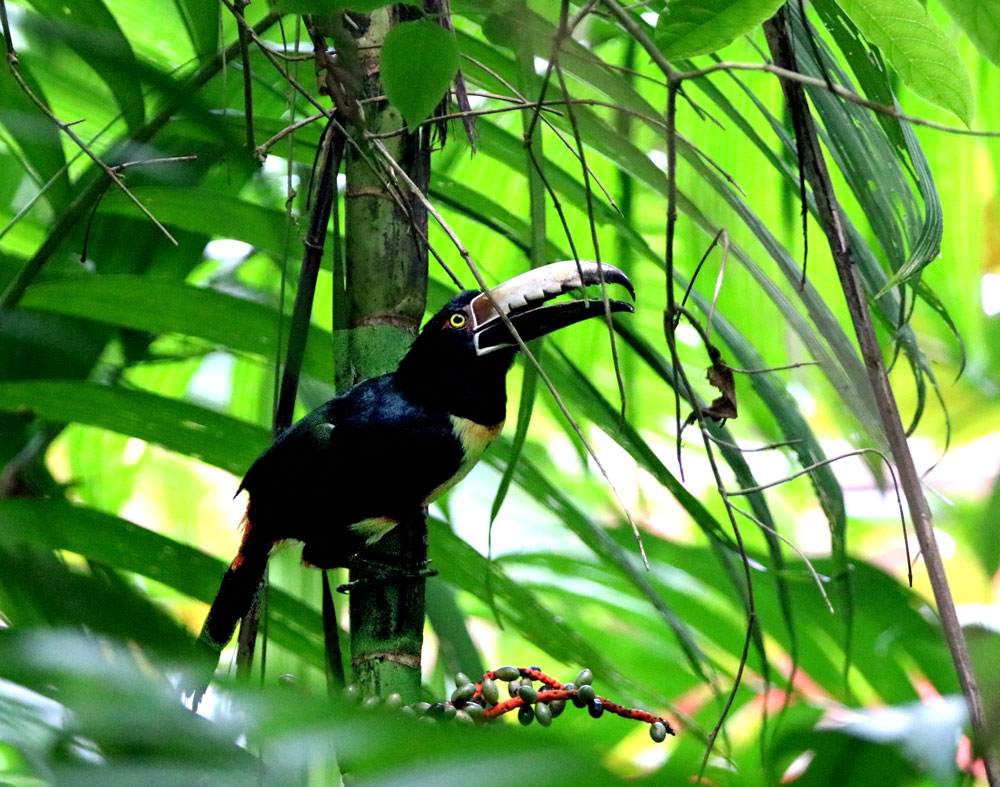
This small toucan is found from Mexico south to Columbia and Venezuela. In Costa Rica it is found mostly on the Caribbean Slope with the only ones on the Pacific side being in the Northwest or the Nicoya Peninsula. While his first cousin, the Fiery-billed Aracari is found along the Central and Southern Pacific Coast of Costa Rica. That includes Atenas where I’ve had Fiery-billed in my garden. It looks like this one except for the red bill. See my other photos of this one in my gallery: Collared Aracari(linked).
Collared Aracari, Gandoca-Manzanillo Wildlife Refuge, Manzanillo, Limón, Costa Rica