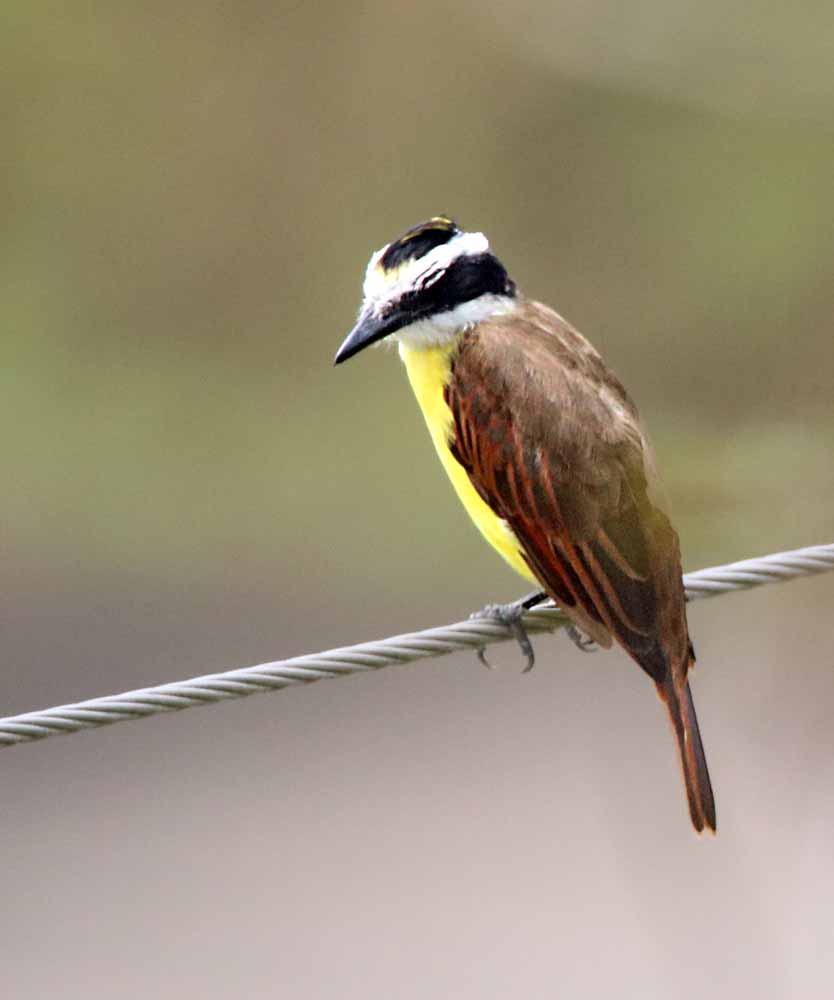
One of the old regulars in my garden seems to always make a good picture, the Great Kiskadee, Pitangus sulphuratus (my gallery link) and is almost always here! Found from Mexico to South America. Here’s one on the powerline.
¡Pura Vida!

charliedoggett.net
One of the old regulars in my garden seems to always make a good picture, the Great Kiskadee, Pitangus sulphuratus (my gallery link) and is almost always here! Found from Mexico to South America. Here’s one on the powerline.
¡Pura Vida!
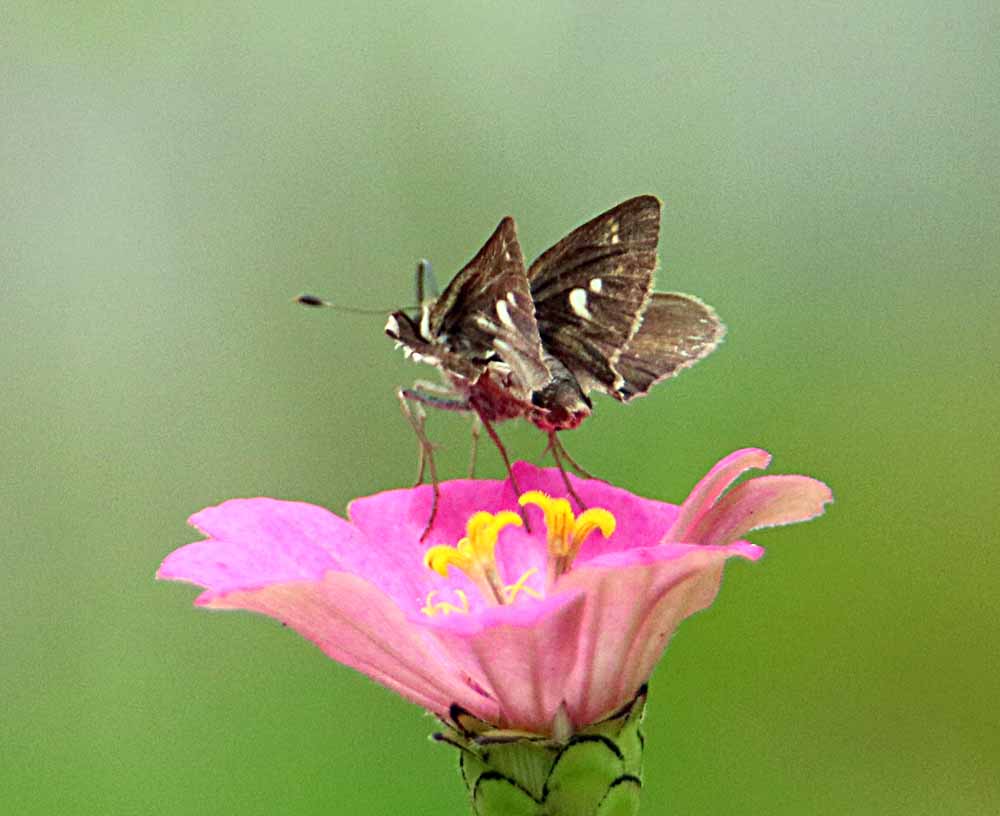
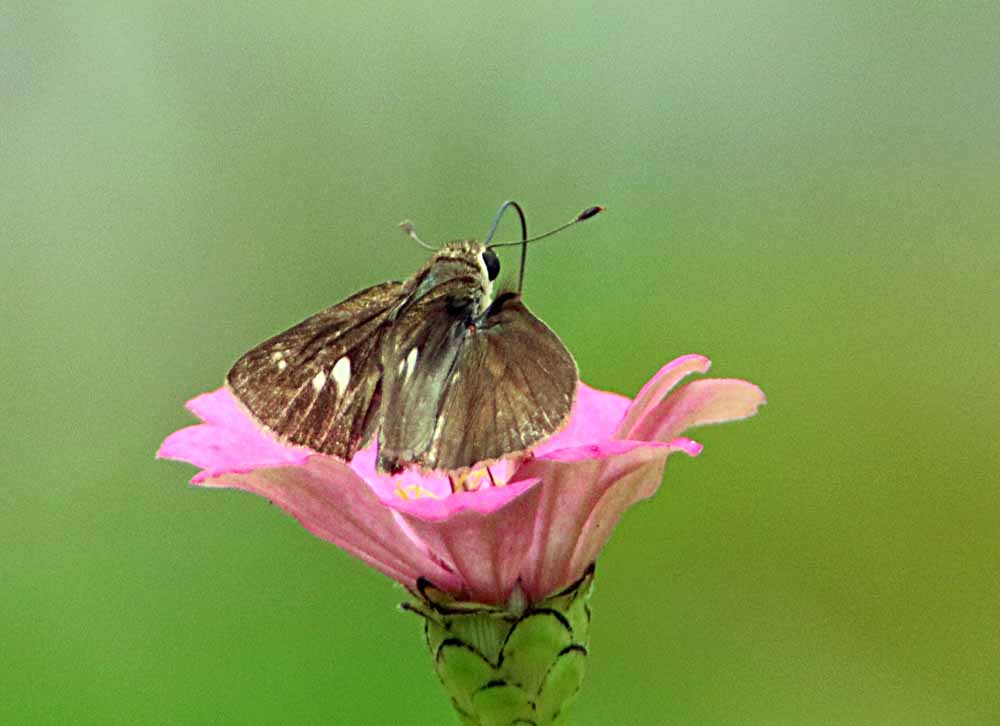
This is one of those that are almost impossible to identify with no matches in any of my sources of those spots and other characteristics. The AI called Google Lens is for the entire world and on difficult individuals like this one, they might call it a butterfly that lives only in Asia or Africa, so not as helpful on ones like this as they are on very unique and unusual insects they can find another photo of. So far, iNaturalista’s AI is the most helpful on butterflies, but not always. In the case of this one, as far as they will go in identification is to put it in the Hesperini Tribe which is pretty broad or general. As I write this, I haven’t yet posted these photos on iNaturalist yet. But when I do there is a real possibility that one of the experts who have devoted their lives to butterflies will have an identification, but not always. Here’s three photos of this Skipper Butterfly that I cannot ID:
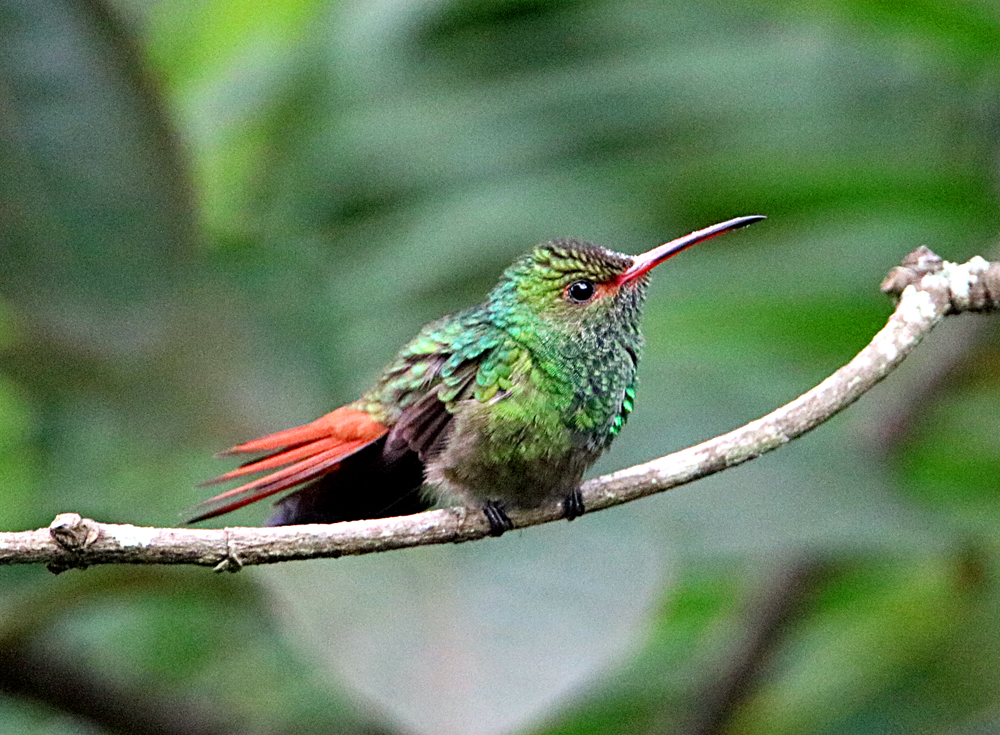
And the most common hummingbird in my garden is this Rufous-tailed Hummingbird, Amazilia tzacatl (my gallery link). Fairly common from Mexico to northern South America at multiple altitudes.
¡Pura Vida!
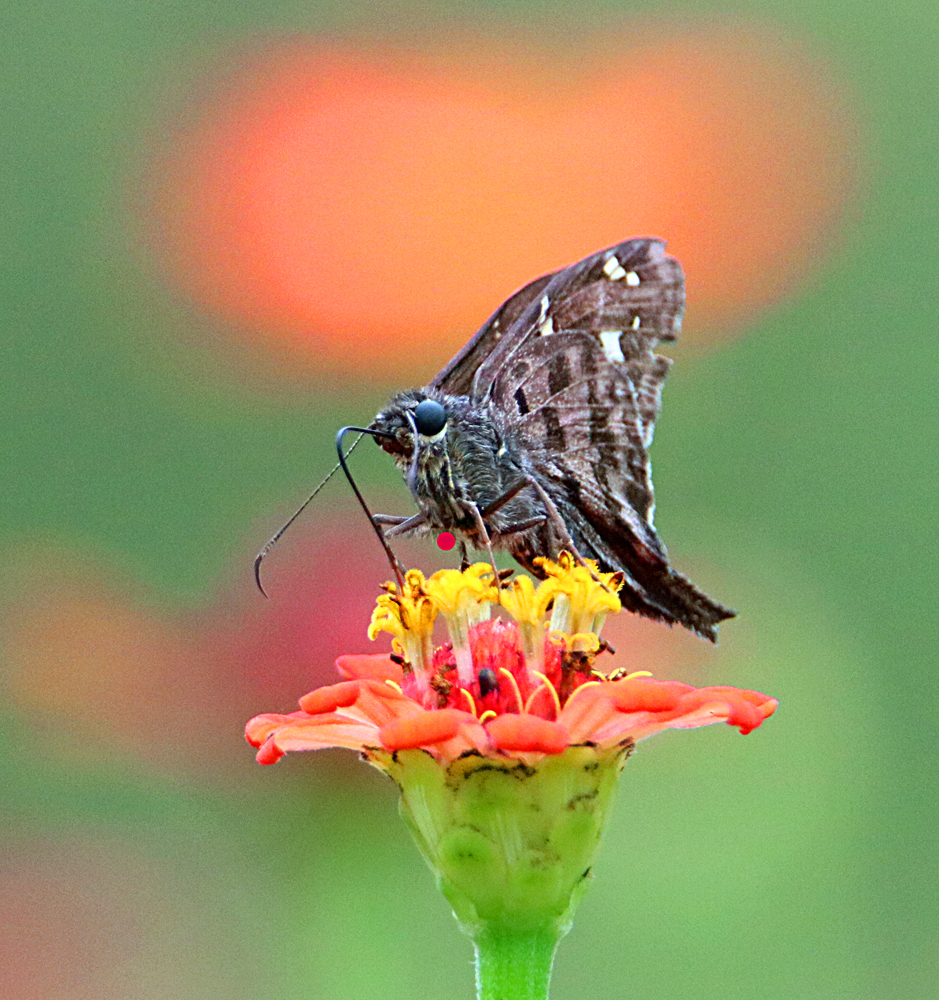
There are a lot of these around my garden as you can see in the gallery: Dorantes Longtail, Cecropterus dorantes.
¡Pura Vida!
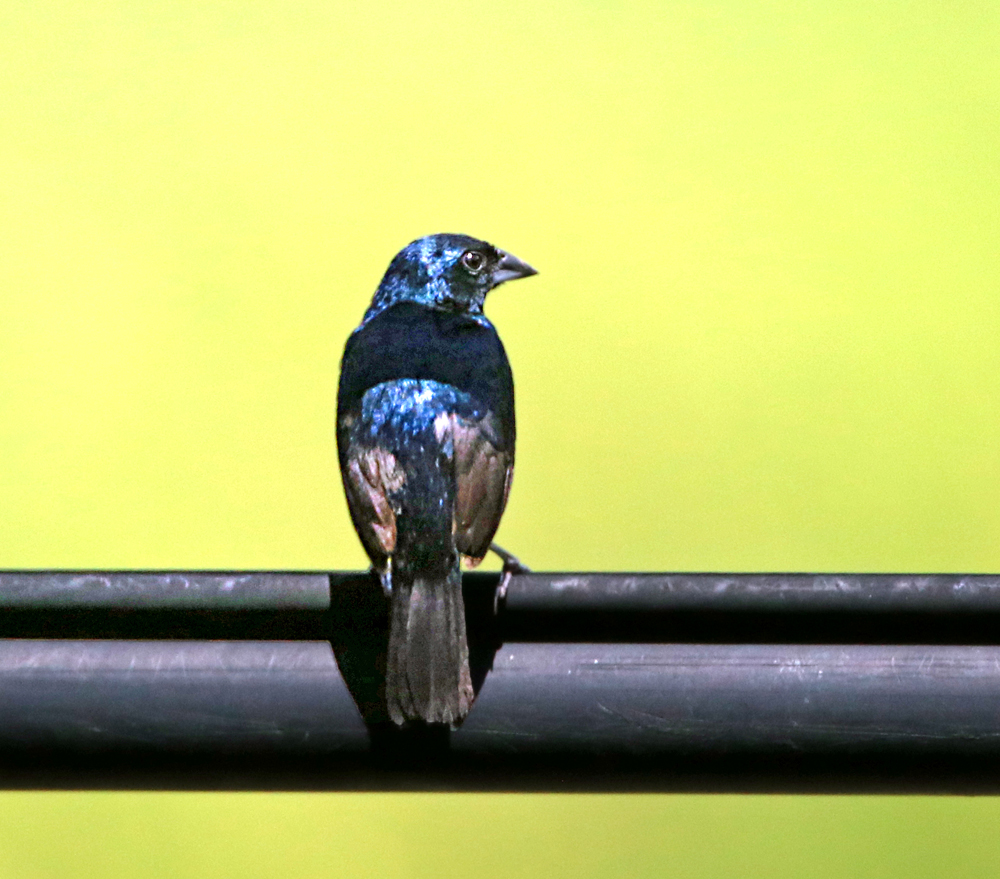
Looking over the meadow across from my house where he will feed, this male has a black band across his back which is the shadow of another powerline above him. 🙂 I’ve seen both male & female of these all over Costa Rica as shown in my gallery at: Blue-black Grassquit, Volatinia jacarina, including that first trip to Costa Rica while at Carate on the Osa Peninsula in 2009. Note that he is similar to the Blue-black Grosbeak I recently shared a photo of, but smaller. Both feed on the grasses (seeds).
¡Pura Vida!
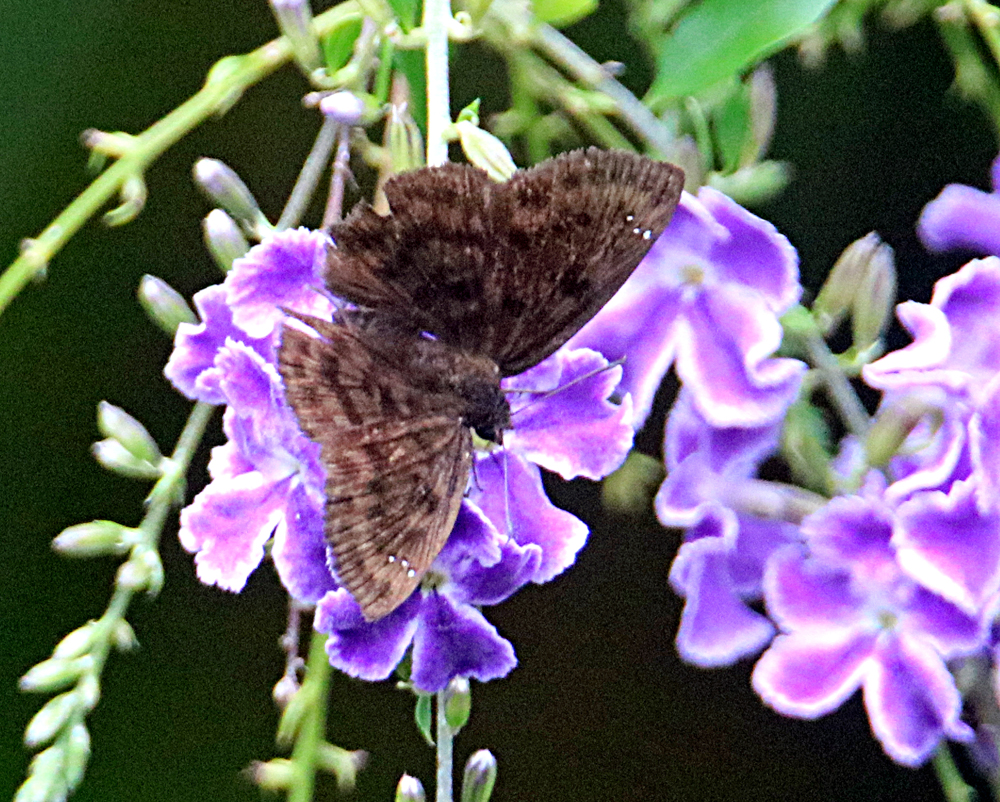
I think it is most likely the Telemiades nicomedes, but not sure, so giving it the genus name. iNaturalist uses the genus name a lot as you can see on this Genus Telemiades page of iNaturalist Costa Rica.
¡Pura Vida!
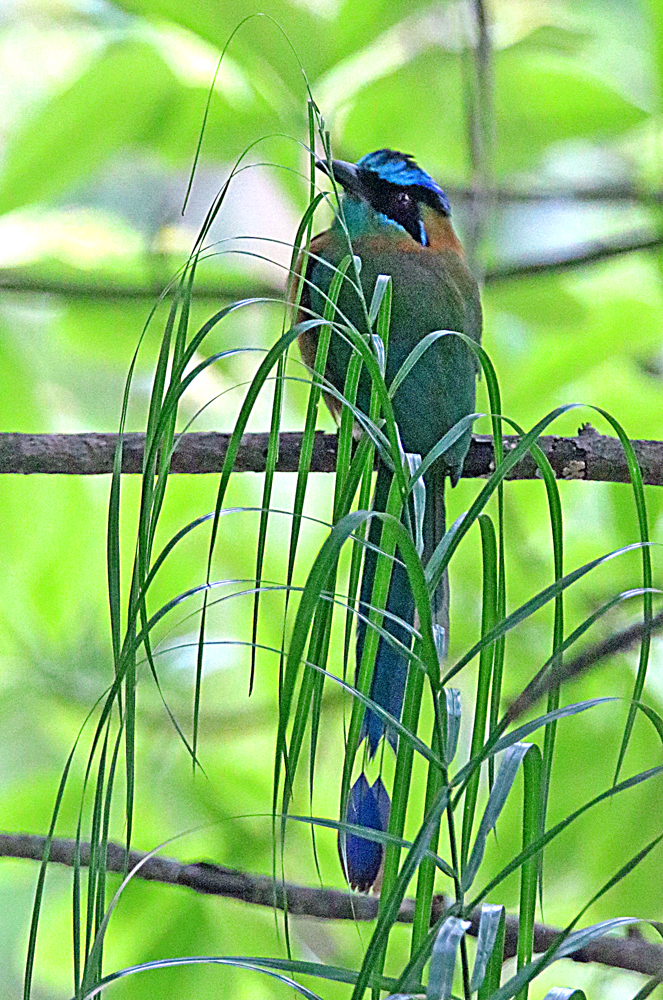
Is still coming around in September and I’m glad! I think he is one of the most elegant of the birds here!
See my gallery: Lesson’s Motmot, Momotus lessonii
¡Pura Vida!
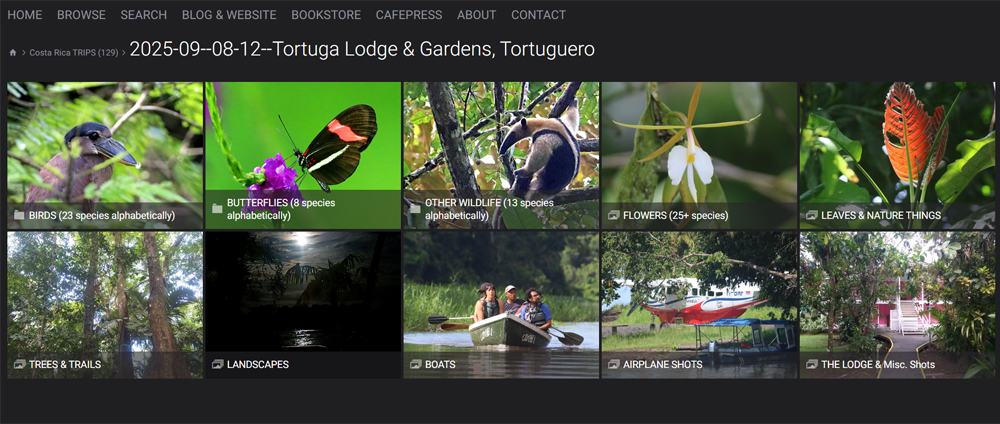
Go to: https://charliedoggett.smugmug.com/TRIPS/2025-09-08-12-Tortuga-Lodge-Gardens-Tortuguero
For the last two weeks I’ve shared photos made on my 4-night trip to “The Amazon of Costa Rica,” Tortuguero National Park. And that was only the “tip of the iceberg” of the many photos made. See them all in the above gallery! Having this kind of nature adventures is why I chose to live out my retirement in Costa Rica and it has already surpassed my hopes and dreams and though I have to slow down some, the adventures continue! Sometimes in my little backyard garden! 🙂
¡Pura Vida!
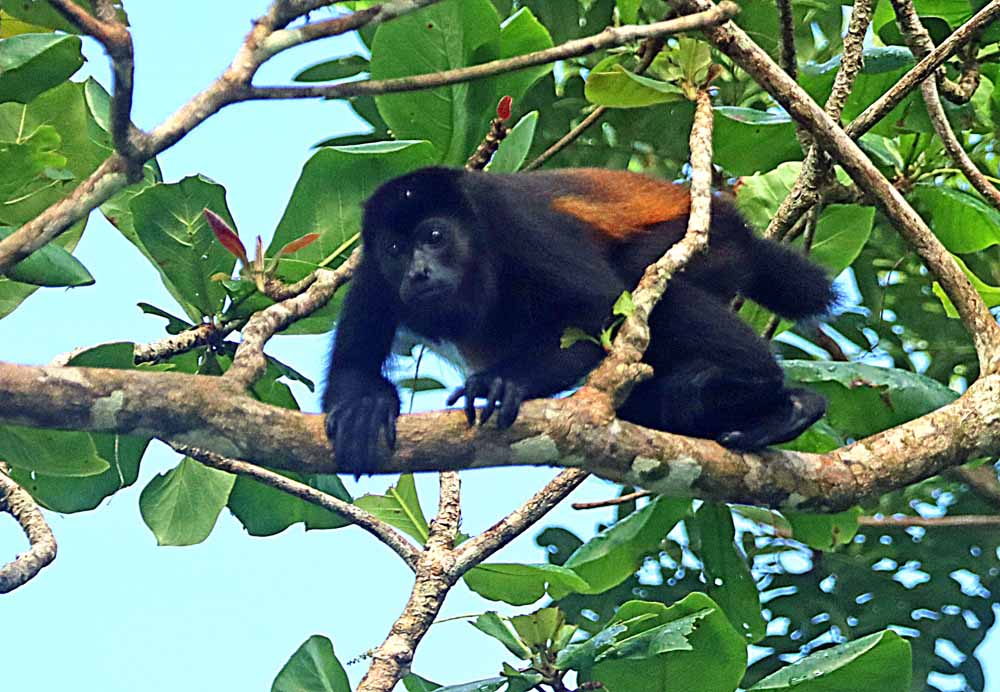
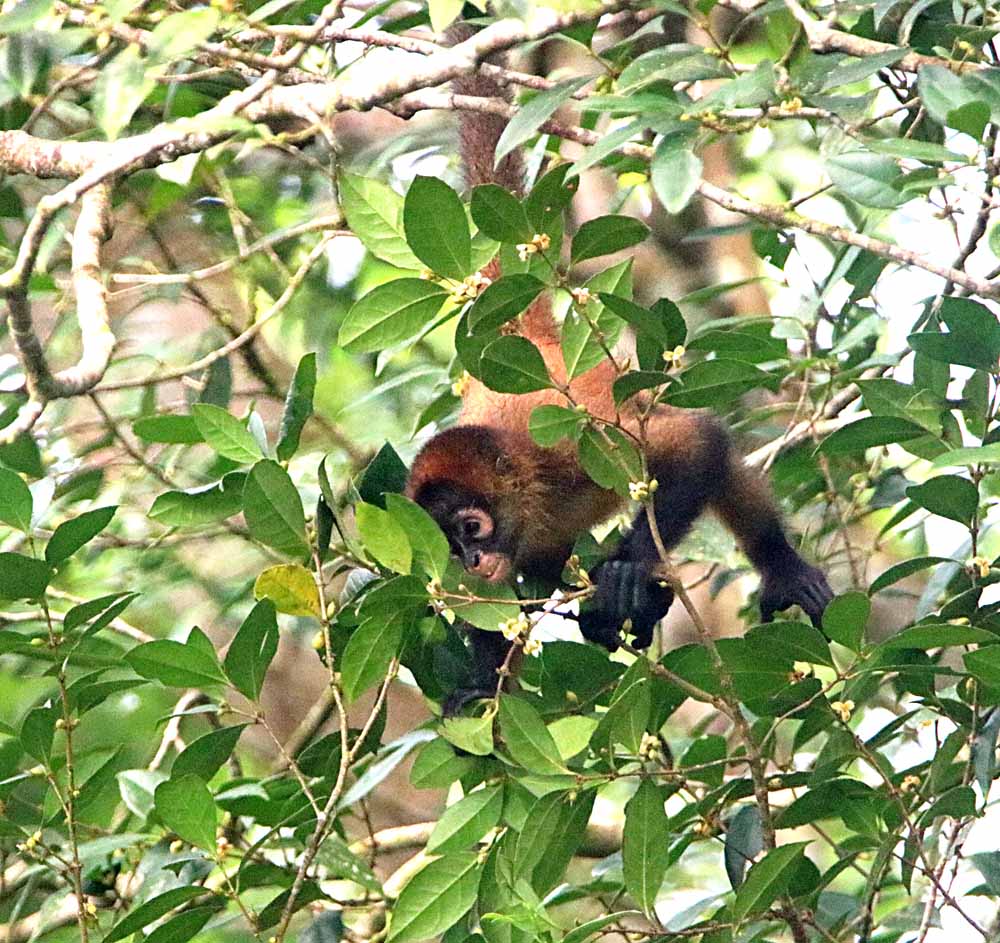
out of the 3 that live in Tortuguero were photographed on my trip there more than a week ago now. I always see monkeys in Tortuguero, both at the lodges and on the boat trips or forest trail hikes like I did on the Jaguar Trail this trip. Here’s just 2 shots, one each of a Mantled Howler Monkey and a Central American Spider Monkey. My Trip Gallery is now finished, so you can now see several shots of each species there:
And oh yes, the third monkey usually seen in Tortuguero is the White-faced Capuchin Monkey (linked to my species gallery) but I did not see one this time, which is unusual. They are the most aggressive of the three and will steal food from your bags, etc.
Here’s one shot each of the Howler and Spider monkeys from this trip . . .
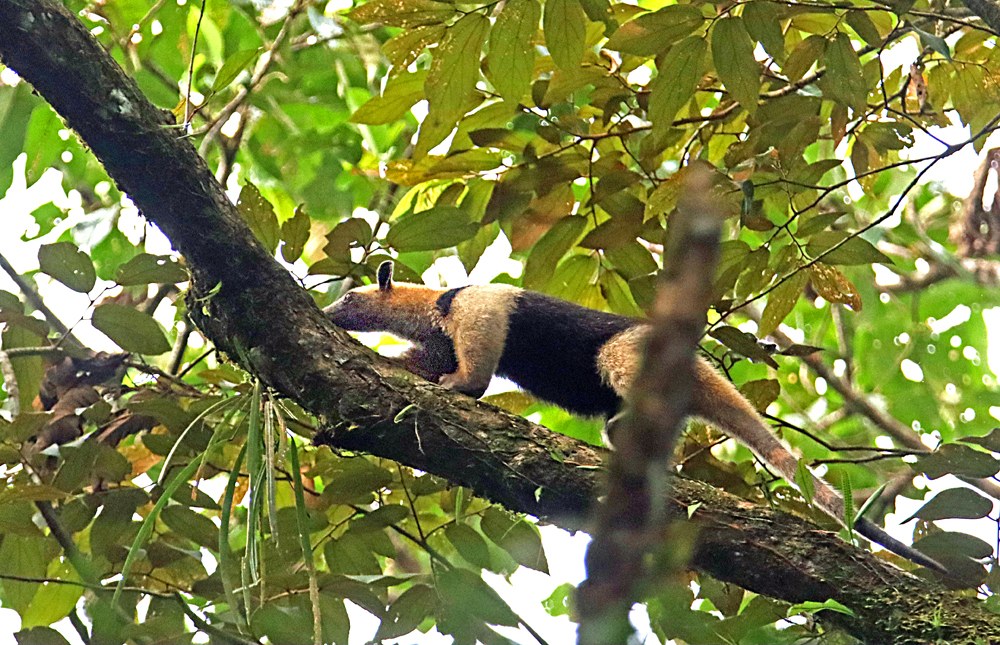
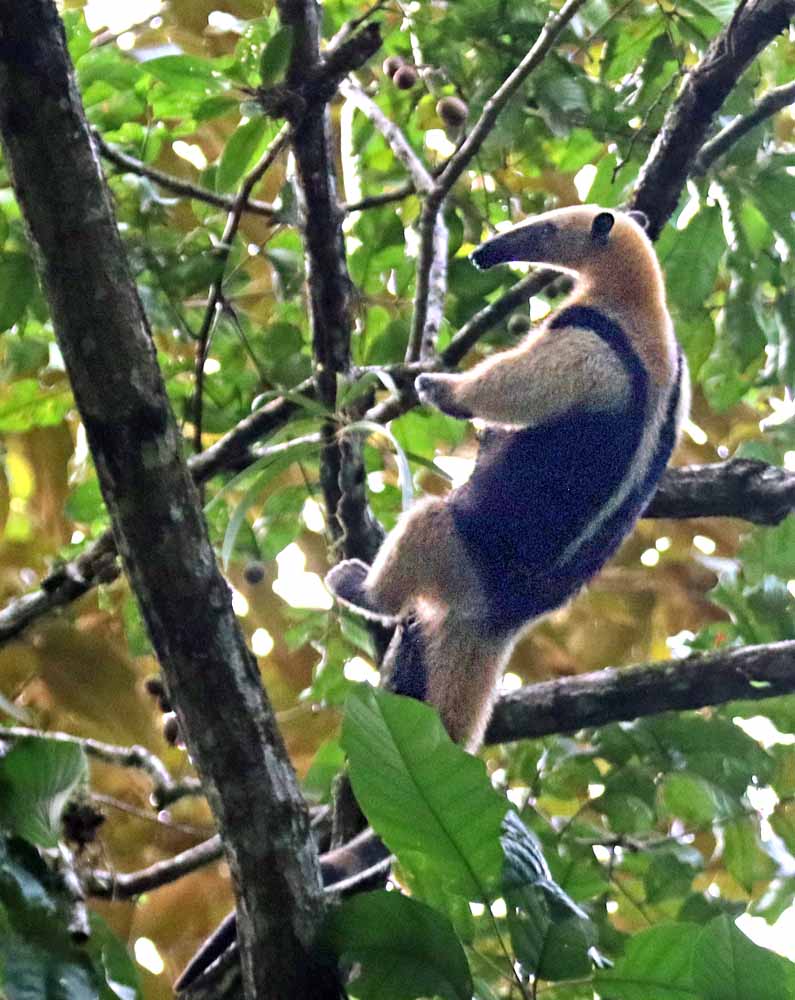
One of the many interesting things seen on my Jaguar Trail hike (Tortuguero) was a Northern Tamandua, a type of anteater. He was high in the many dark shady trees and thus very difficult to photograph, but here are 3 photographs that give you an idea of this larger than monkeys but smaller than an adult man, looking like he is wearing black coveralls or vest or suspenders! 🙂 You can see the few other photos I’ve made in other parts of Costa Rica of this interesting mammal in my gallery: Anteater, Northern Tamandua, Tamandua mexicana. This one lives throughout Central America from Southern Mexico to the northern edges of the Andes, though there is also another, larger, species of anteater in South America called “Giant Anteater.” Here’s 3 photos made on one of my hikes in Tortuguero National Park a week or so ago . . .