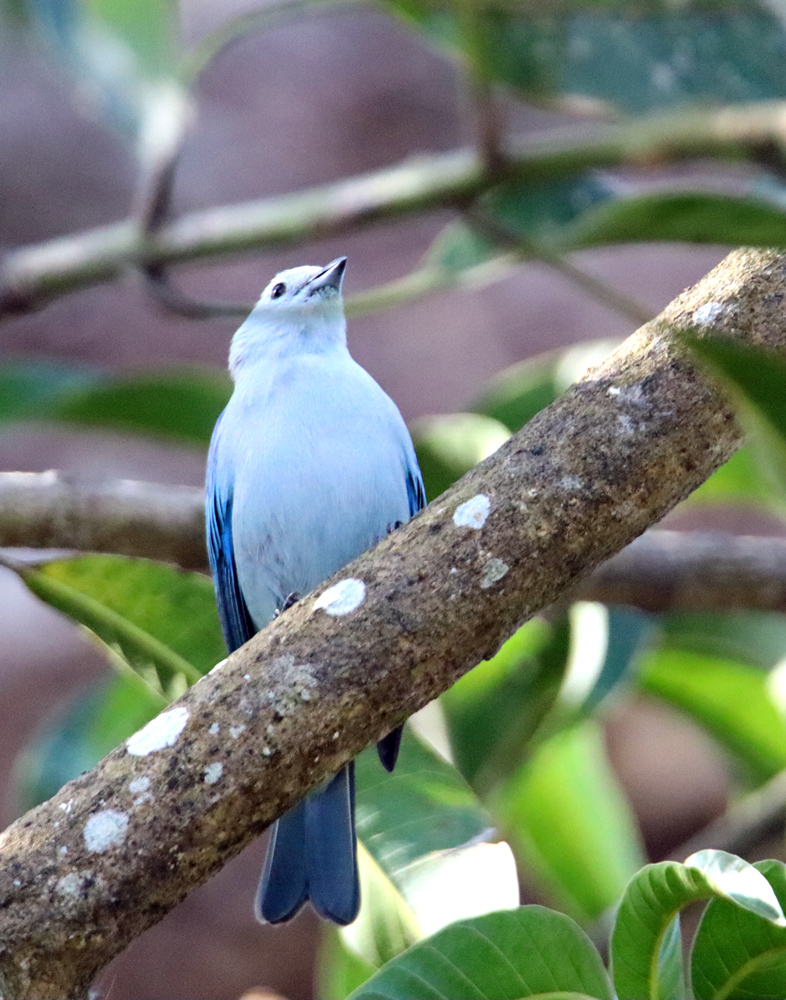
There are more than water birds on Rio Tarcoles with both shores lined with forests. And this is one of the more common Central & South American birds that even comes to my garden. See more in my gallery: Blue-gray Tanager.
¡Pura Vida!

charliedoggett.net
There are more than water birds on Rio Tarcoles with both shores lined with forests. And this is one of the more common Central & South American birds that even comes to my garden. See more in my gallery: Blue-gray Tanager.
¡Pura Vida!
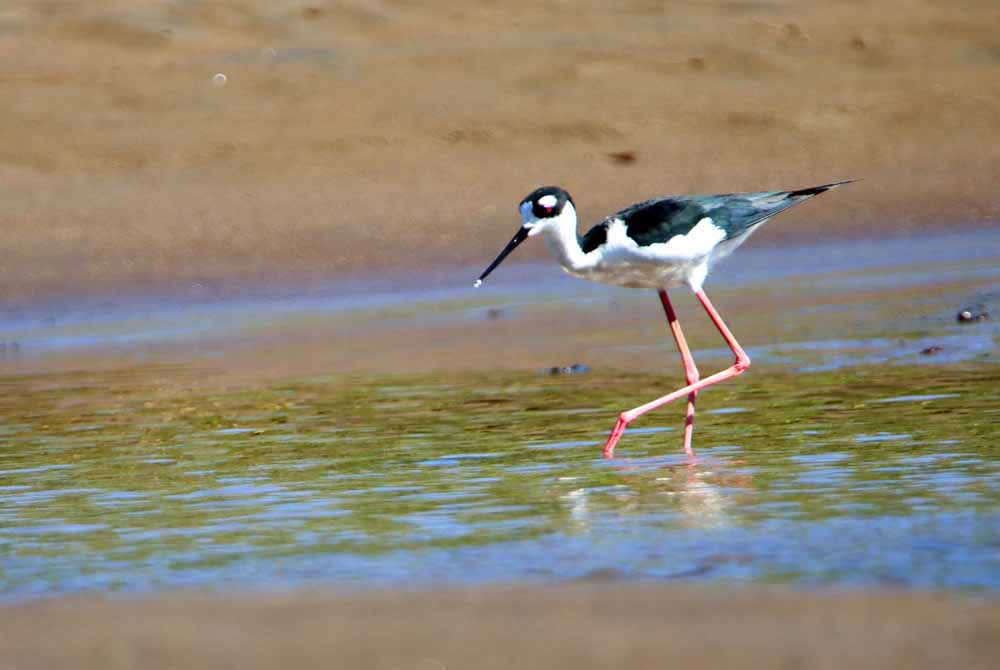
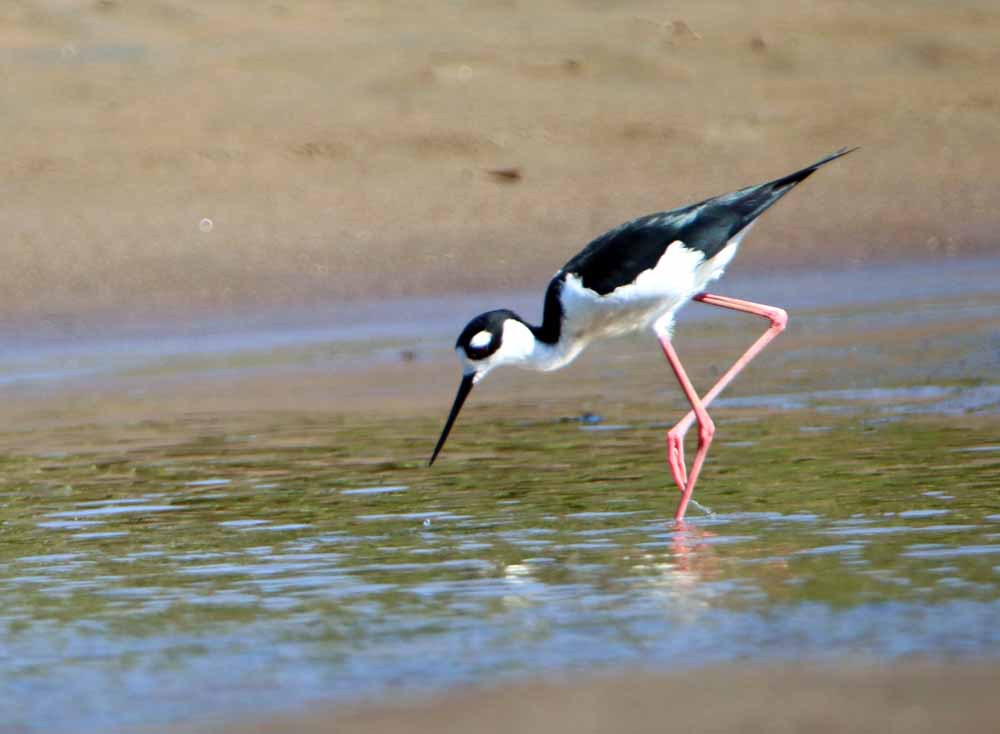
This unmistakable to identify, black & white shore bird, with unreal hot pink & very long legs, is found throughout the Americas and on both slopes of Costa Rica in both fresh & salt waters. See my photo collection of this unique bird in the linked gallery: Black-necked Stilt.
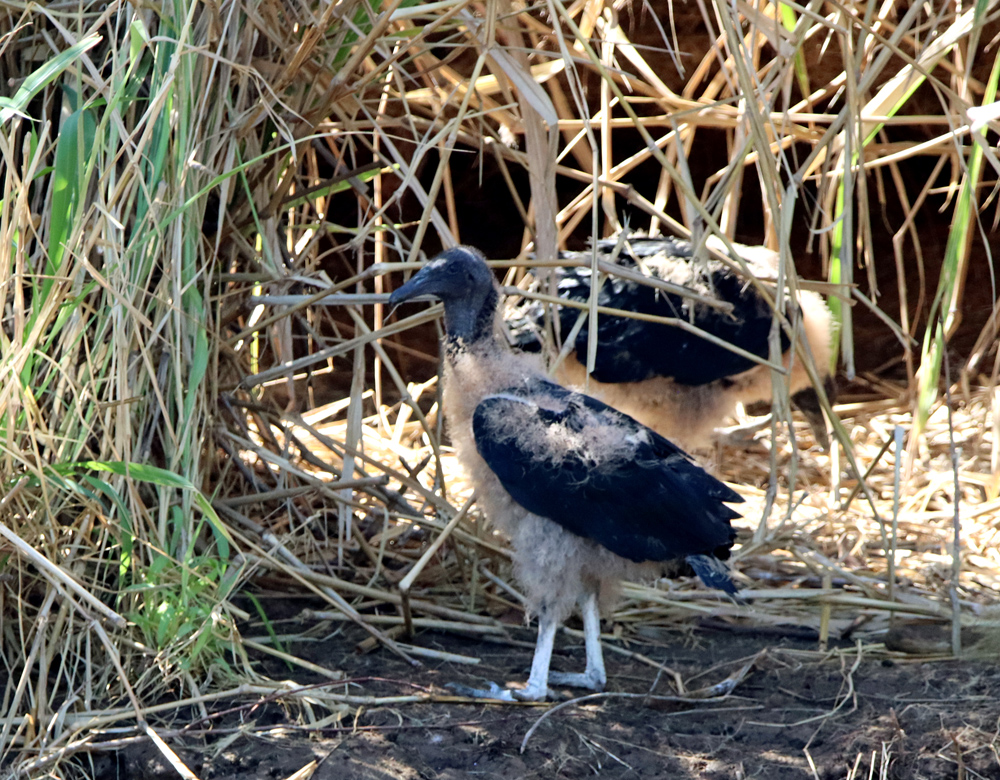
I’ve seen many black vultures over the years here but never before a juvenile. A family of at least 3 or maybe 4 children were on the ground in the grasses adjacent the river with no adult seen near them. I hesitate to call them babies, but still pretty young with some semi-downy feathers and unable to fly. I guess the nest is on the ground in those grasses, though it seems dangerous to me, even for the larger birds. So I asked Google and its AI said . . .
“Yes, black vultures commonly nest on the ground, usually in secluded areas like thickets, hollow logs, caves, or abandoned buildings. They do not build traditional nests, instead laying their eggs directly on the ground, soil, or debris.”
For a lot of photos of adult Black Vultures, see my gallery: Black Vulture
¡Pura Vida!
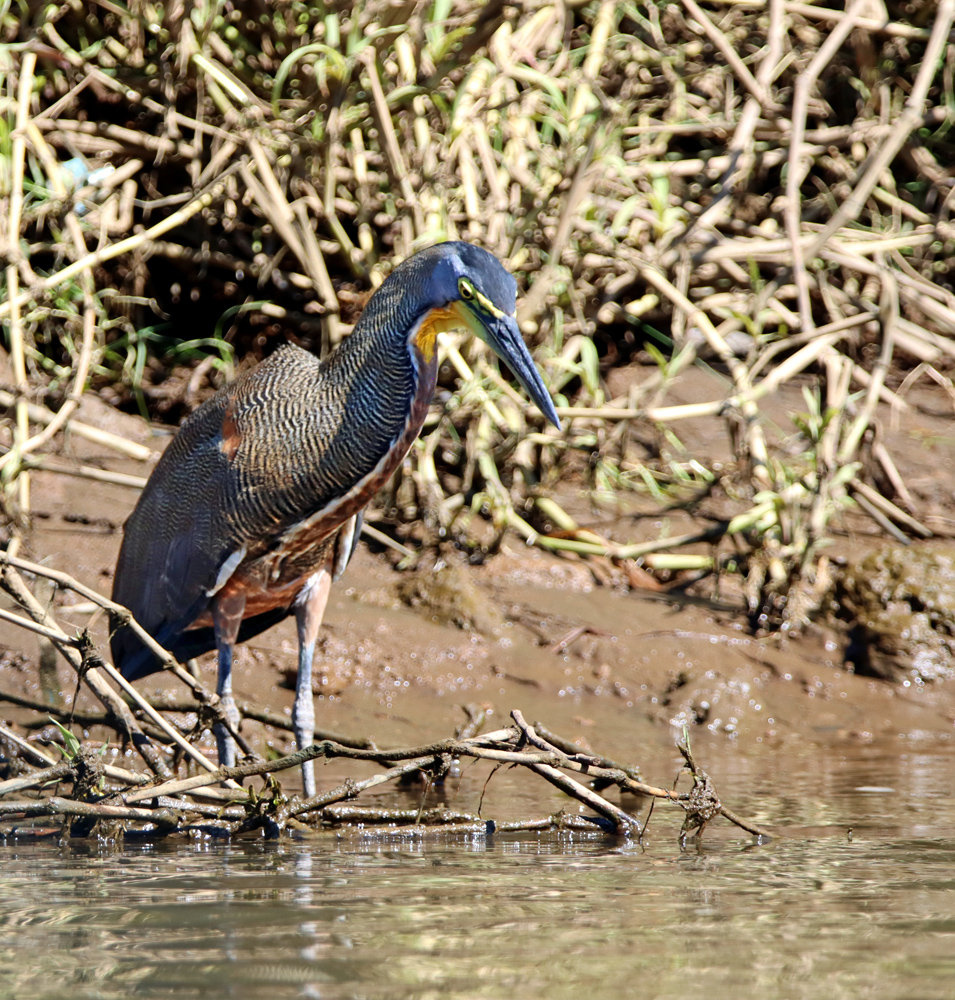
Another common water bird on most all rivers in Costa Rica is this Bare-throated Tiger-Heron – Tigrisoma meicanum (my gallery link). Fairly common on both slopes from Mexico to Columbia.
¡Pura Vida!
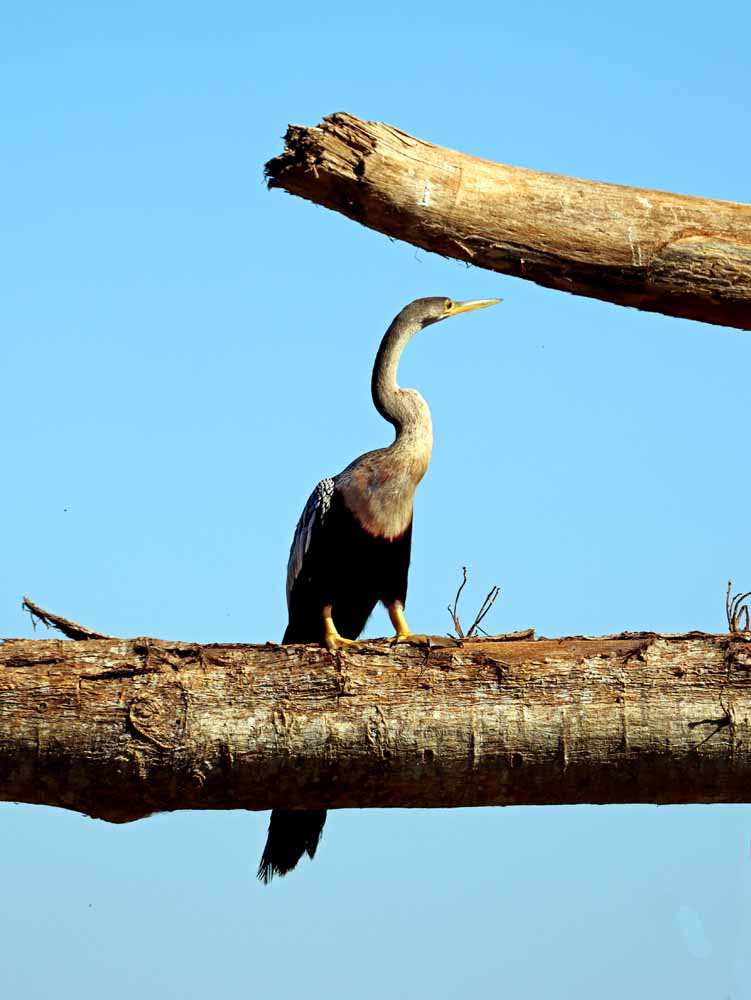
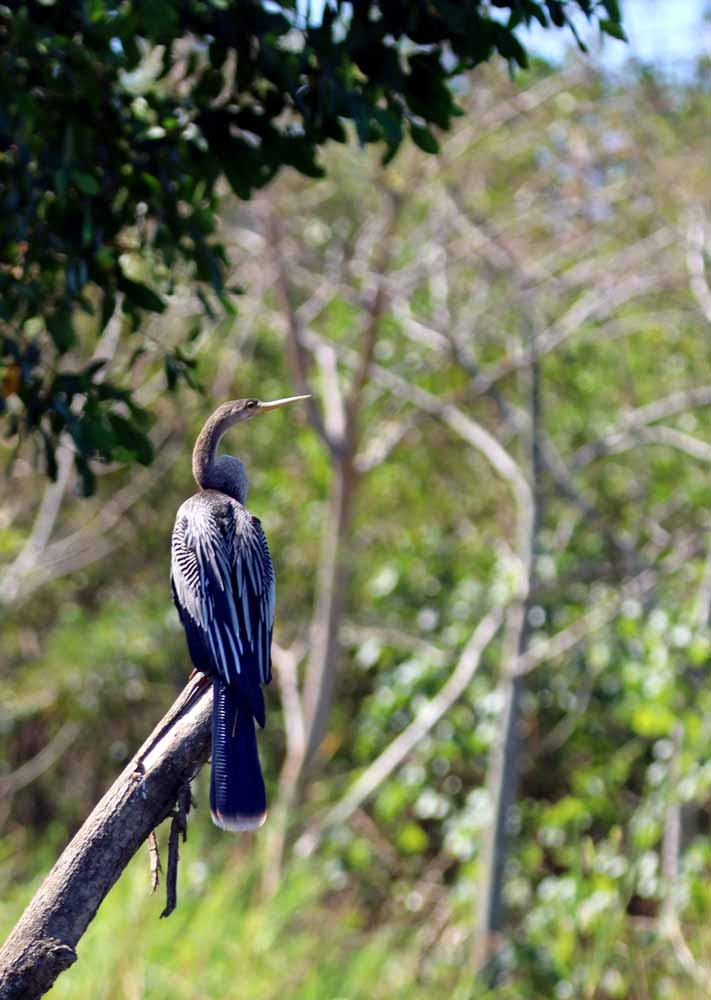
We saw only females. The males are solid black and usually seen on the river. See my photo gallery: Anhinga – Anhinga anhinga. Every river and lake in Costa Rica has Anhinga’s on both slopes. Often called “Snake Bird” because after they dive into the water to catch a fish, they swim back to shore with only the long neck above water, appearing as a swimming snake. 🙂
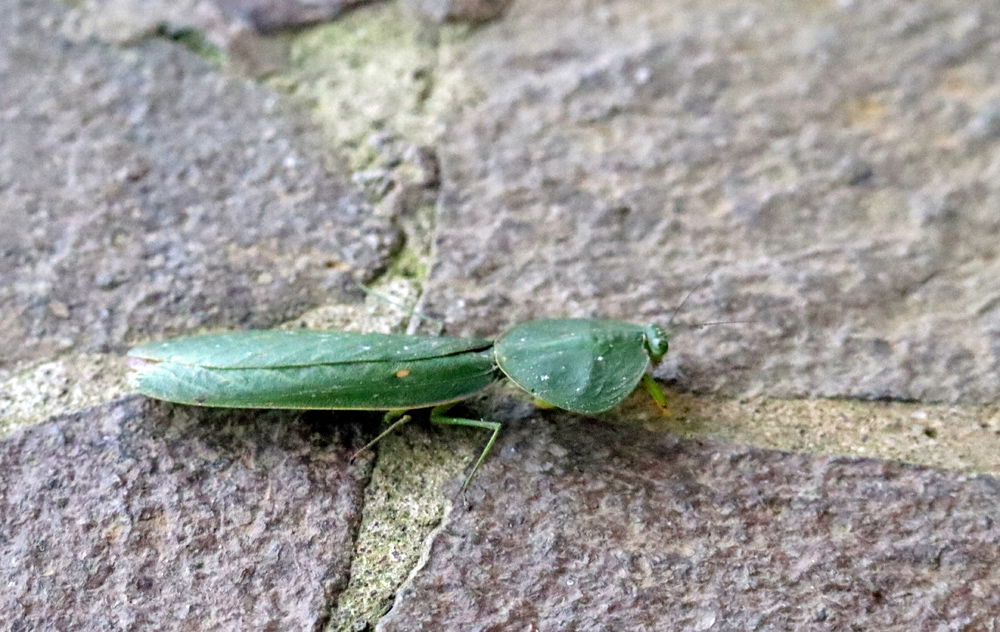
The Peruvian Shield Mantis – Choeradodis rhombicollis (Wikipedia link) is found mostly in Central & South American tropics. I photographed this one last week at Villa Blanca Cloud Forest Resort. And yes, he is related to the Praying Mantis, also found here. In my gallery I have him with other Hooded Mantises, Genus Choeradodis. But both iNaturalist & Google Lens were specific with a species name on this one. 🙂
¡Pura Vida!
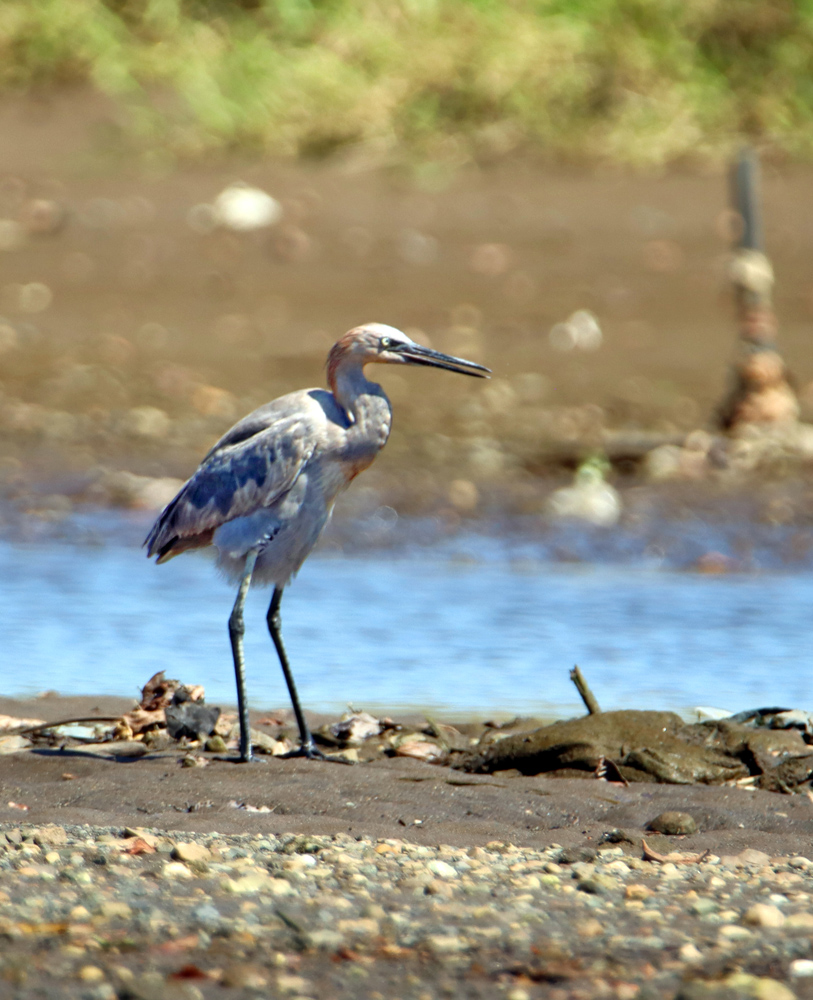
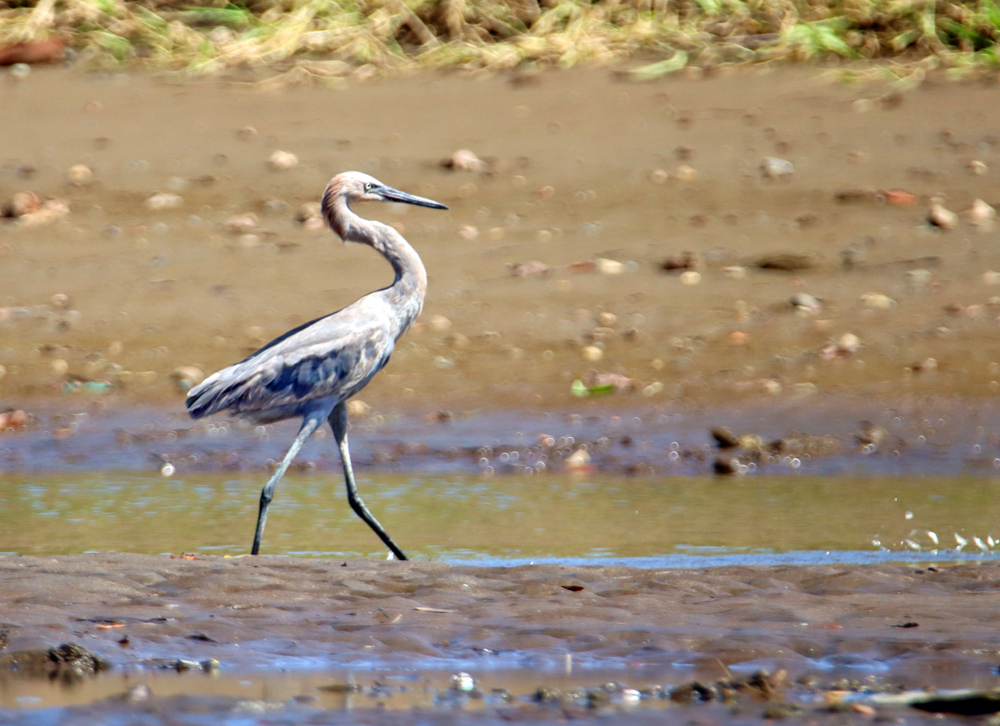
The Reddish Egret, Egretta rufescens (my gallery link) is seldom seen and usually in the mouth of a river as it was here in the mouth of Rio Tarcoles. Though I did see one upriver at Rancho Humo, Palo Verde NP, Rio Tempisque, a pale morph. This time it is a dark morph. It is rare and mainly seen on the Pacific Coast when seen. Only my second sighting and a different morph this time.
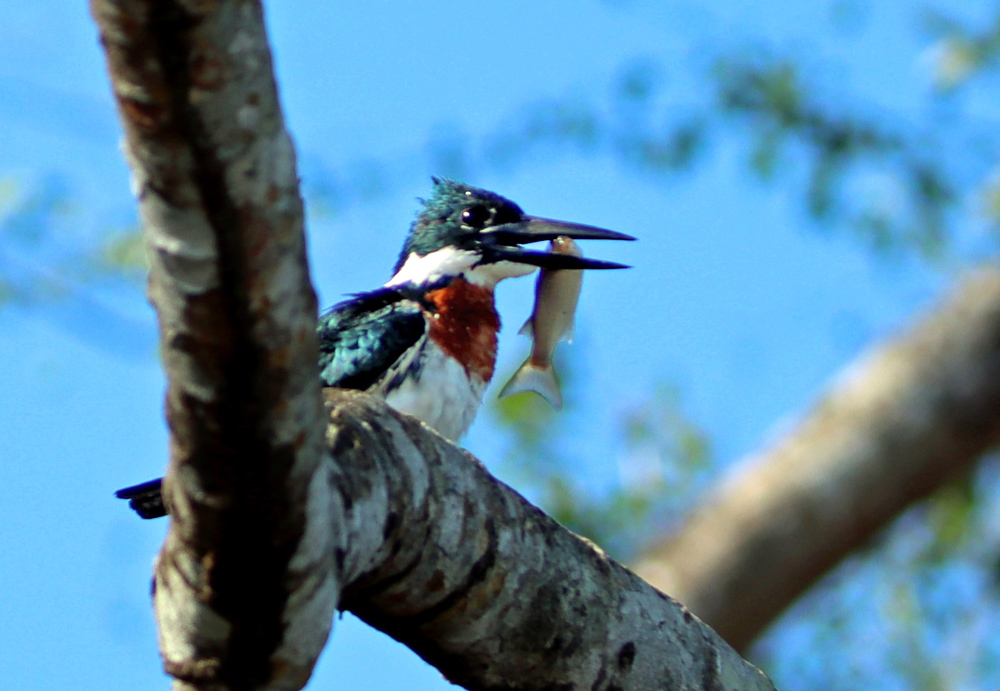
Eating a tiny fish on Rio Tarcoles last week. See more of my photos of this species in the gallery: Amazon Kingfisher (linked).
The other Kingfisher we saw was a Green Kingfisher which I will share later as one of the many birds seen on the Tarcoles!
¡Pura Vida!

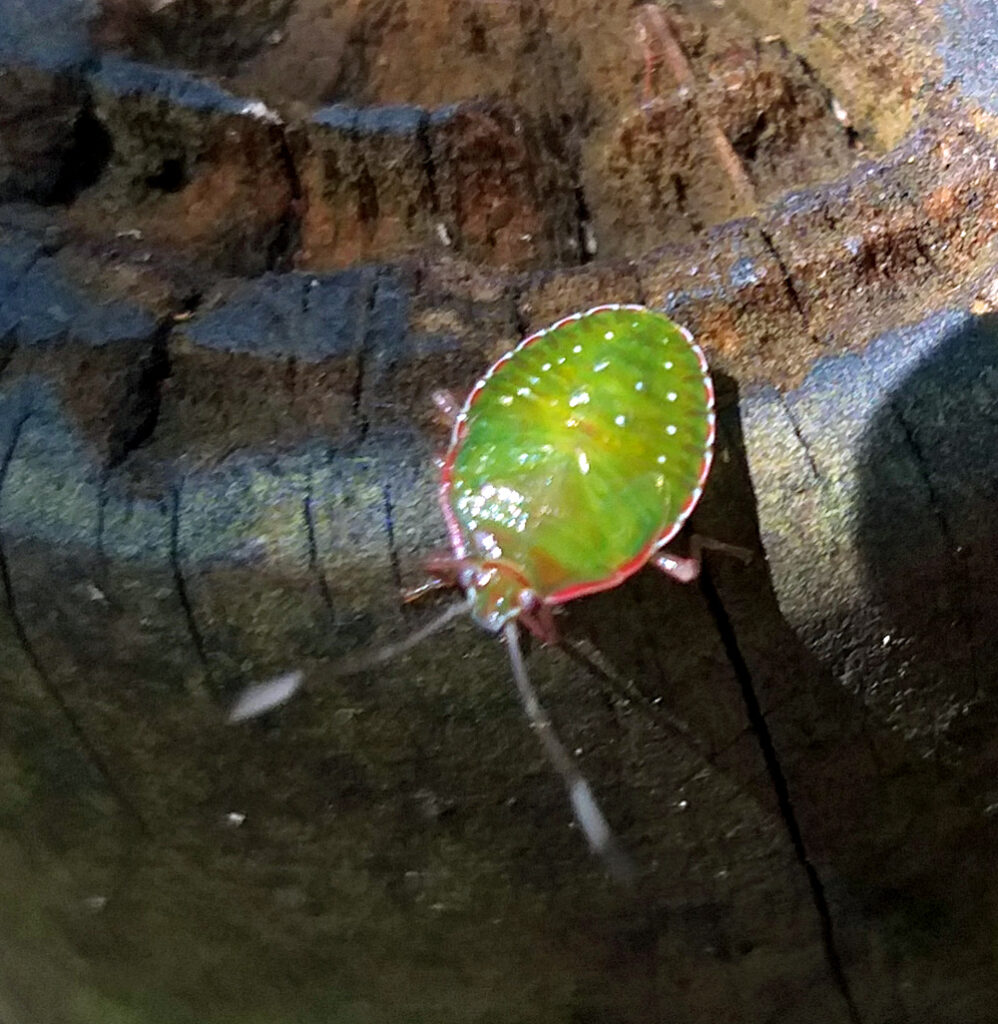
I haven’t found a species match yet, but sure that it is in this super family: Stink Bugs, Shield Bugs, and Allies Superfamily Pentatomoidea (linked to an iNaturalist page on this family).
¡Pura Vida!
And for more bugs, my gallery: More Costa Rica Insects which is separate from my Butterfly & dragonfly galleries. 🙂
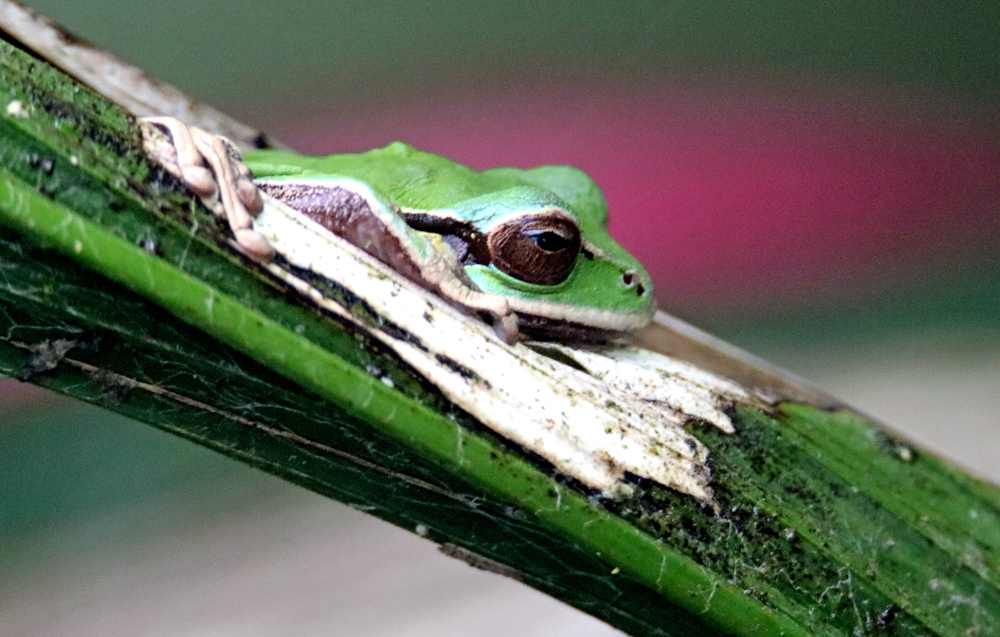
Hiding in a piece of vegetation in the Los Angeles Cloud Forest Reserve two days ago. See more from several other locations in my gallery Masked Tree Frog, Similisca phaeota.
¡Pura Vida!