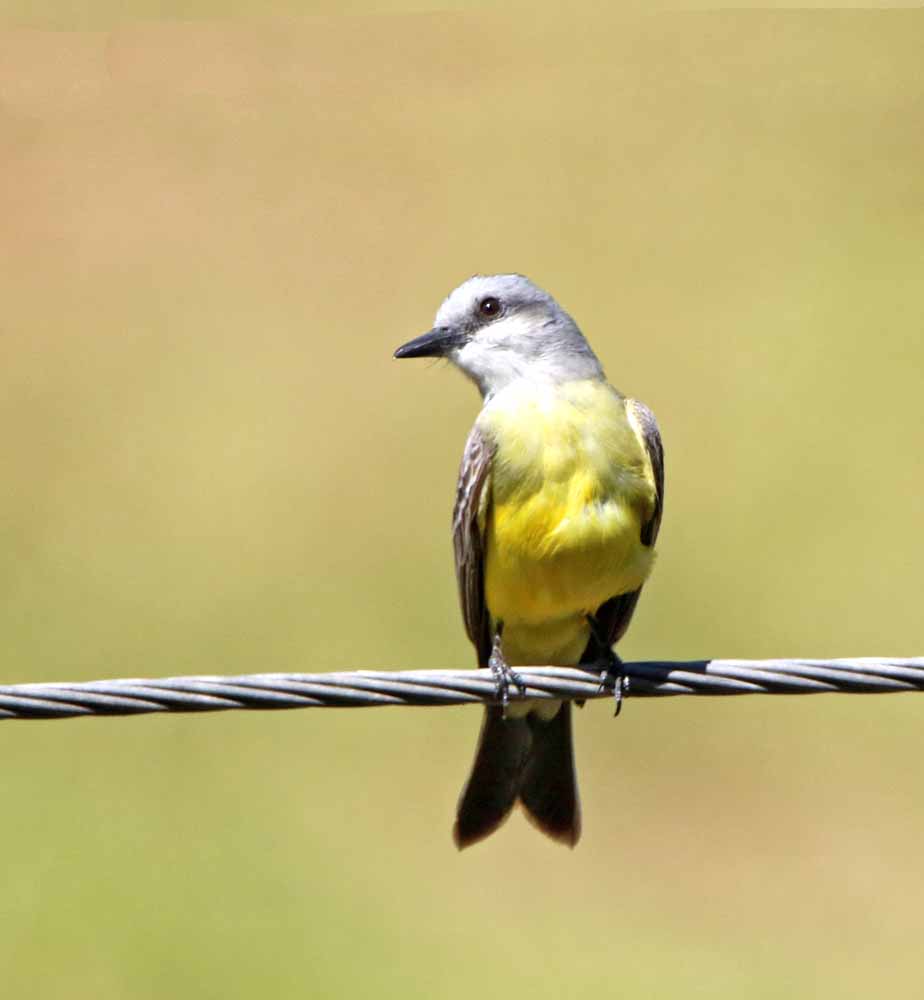
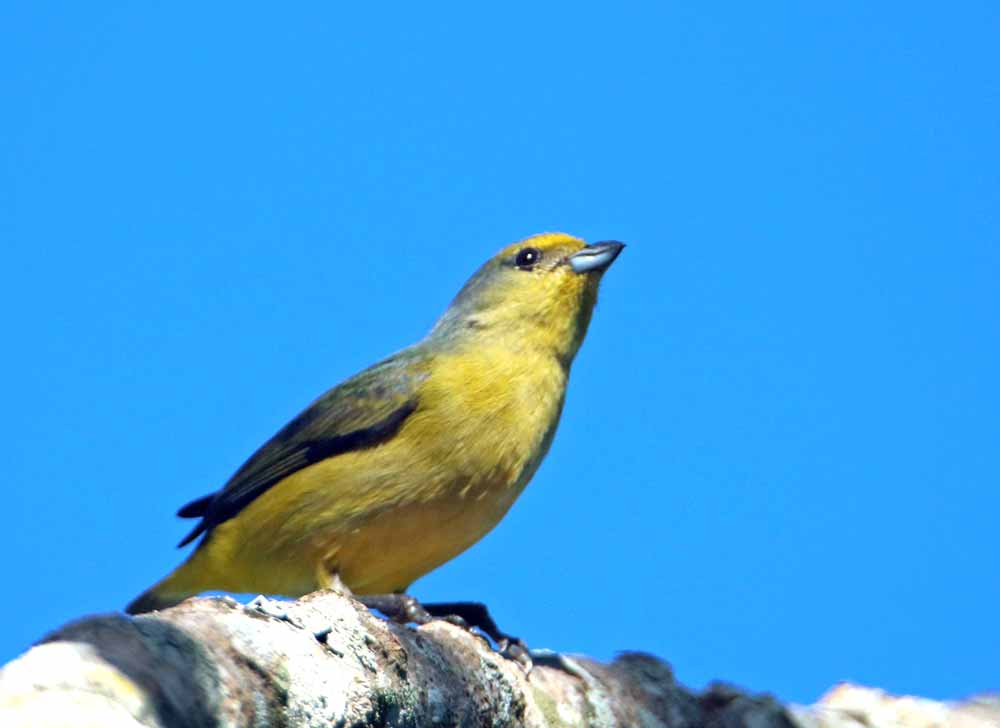
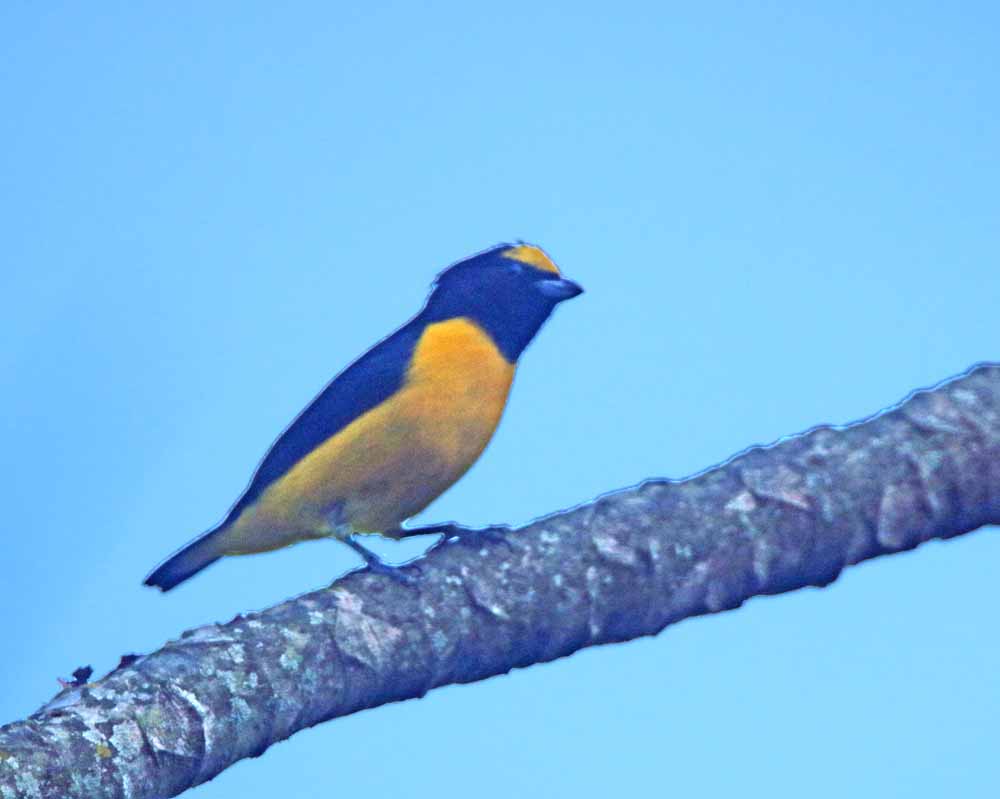
Not your every day bird but definitely one of my favorites, the Squirrel Cuckoo, Piaya cayana (my gallery link) is one I’ve seen in multiple locations across Costa Rica, just not frequently. See all those in the above-linked gallery or for my all-time favorite, a portrait of one who posed for me in the Cecropia tree back in 2017: Cuckoo Portrait. A metal print of it hangs in my living room here. 🙂 This one last Sunday was in a tree behind my house only about 40 seconds, so I had to act quick to get these shots before he flew off to a neighbor’s tree and out of sight.
There are 7 species of cuckoos in Costa Rica and I’ve seen and photographed only three, the other two being the Mangrove Cuckoo (in two locations) and the Lesser Ground Cuckoo in one location, (both names are linked to my galleries).
This year I’m not limiting myself to 12 favorite photos of the year like in the past, but doing separate posts over 4 days of (1) Favorite Bird Photos, (2) Favorite Butterfly Photos, (3) Favorite Other Wildlife Photos, and (4) Favorite Plant Life Photos. And you will notice that the big majority of photos were made in Atenas, where I live, because I’m not traveling as much as I used to. The “Atenas” shots were mostly in my garden and Rio Tarcoles runs through Atenas though the river photos were made west of here near the coast. The only other two locations were the two trips made before now at Esquinas Rainforest Lodge and Tortuguero NP. (And sorry for this post coming on the same day as the Cuckoo post. I’m getting sloppy in my scheduling!)
“Birds” is the first gallery of “favorites” from this year, found just below this sample photo for the emailed edition of the post:
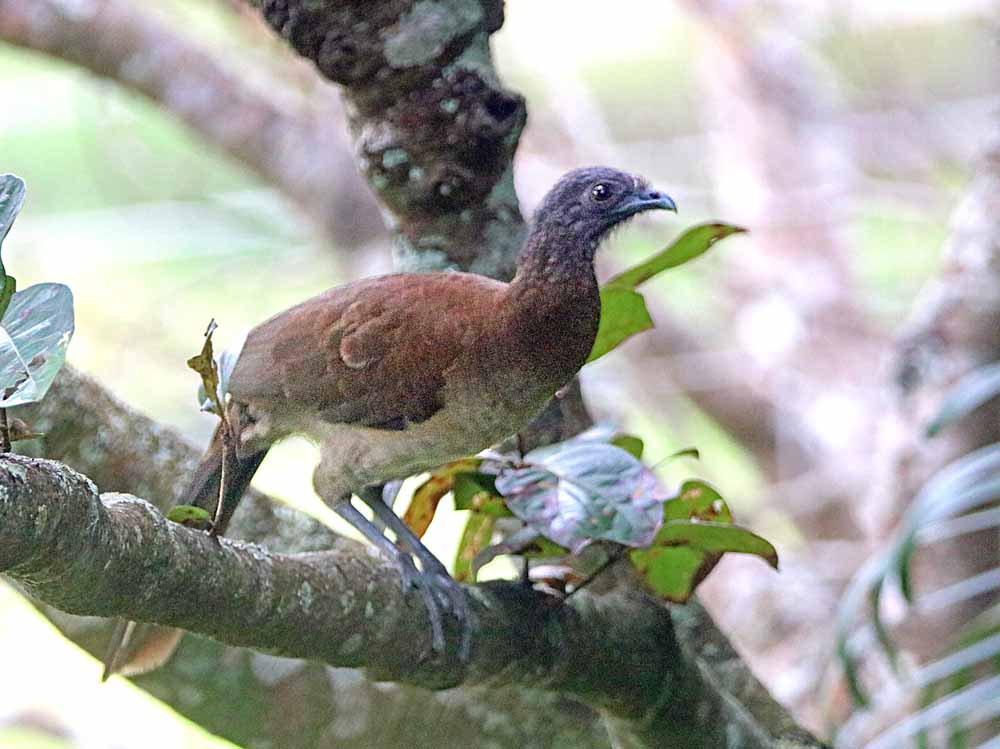
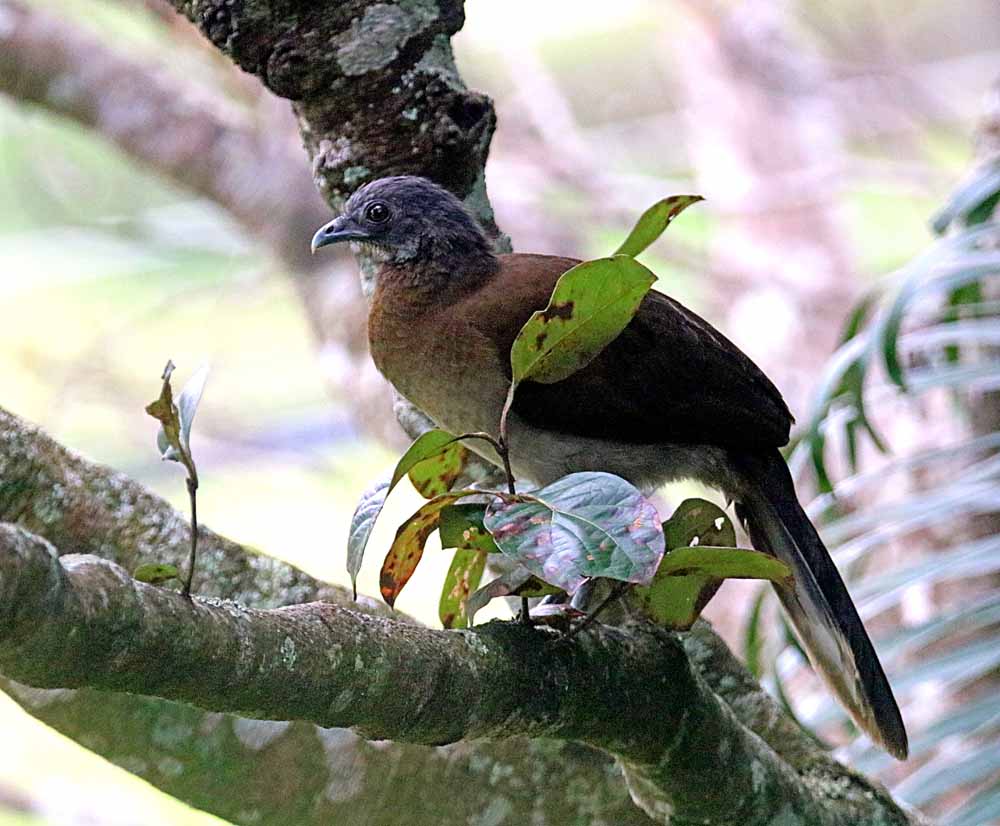
In the recent days of many creatures eating the ripe palm berries, a Chachalaca or a squirrel broke one of the berry limbs off and it fell to the ground. With many more on the tree, he/she stayed in the tree and the bottom of the pecking order, Clay-colored Thrush, enjoyed the berries off the dropped limb. Plenty for everyone! 🙂 And as I watched this epicurean delight I suddenly realized that these birds have no teeth to chew their food and thus swallow the berry whole! 🙂 I’m enjoying these observations of nature! Simple life in a simple country.
In some ways I’m glad the visits aren’t every day, so I can get excited and enjoy the occasional visits of a neighborhood Lessons Motmot, Momotus lessonii (my gallery link). It lives solely in Central American lowland forests and in Costa Rica more on the Pacific Slope than the Caribbean Slope, though it is seen in the some inland forests on the Caribbean side, while the similar but less-seen Turquoise-browed Motmot (my gallery link) lives only on the Pacific Slope. I have had both in my garden, but many more of the Lesson’s. The species name of “Motmot” comes from an early morning hooting like an owl that the motmots make. 🙂 In both photos he is in a Nance Tree in my garden.
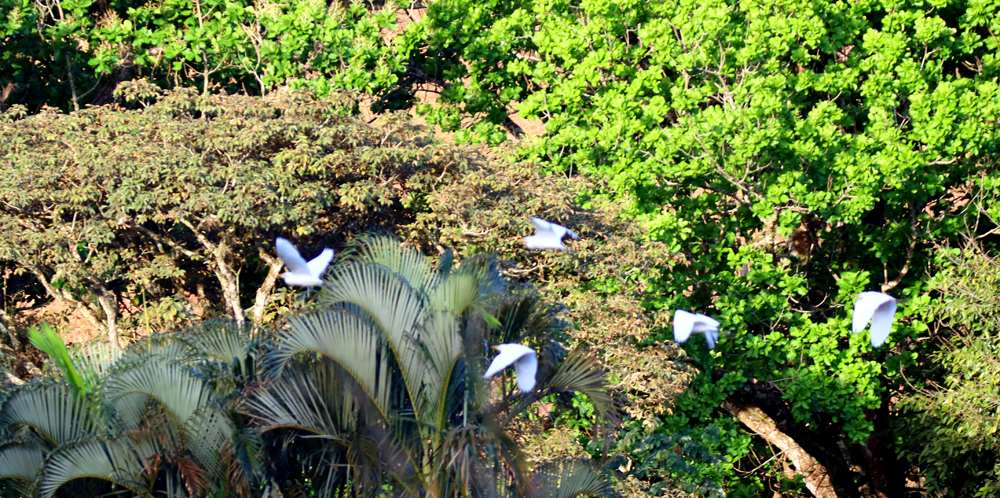
That big bunch of green palm berries in my October 25 post turned red in November and multiple creatures began to eat with the Chachalacas and Boat-billed Flycatchers the most possessive. Below this introductory photo is a gallery showing the “pecking order” for these particular palm berries when I was out to see it. Note that I never saw the iguanas eating them (though they do eat the Nance Berries) but that doesn’t mean they didn’t partake, I just never got a photo. And they would possibly be some competition to the Chachalacas, though those birds stay in families or flocks outnumbering others, as well as being the largest. 🙂
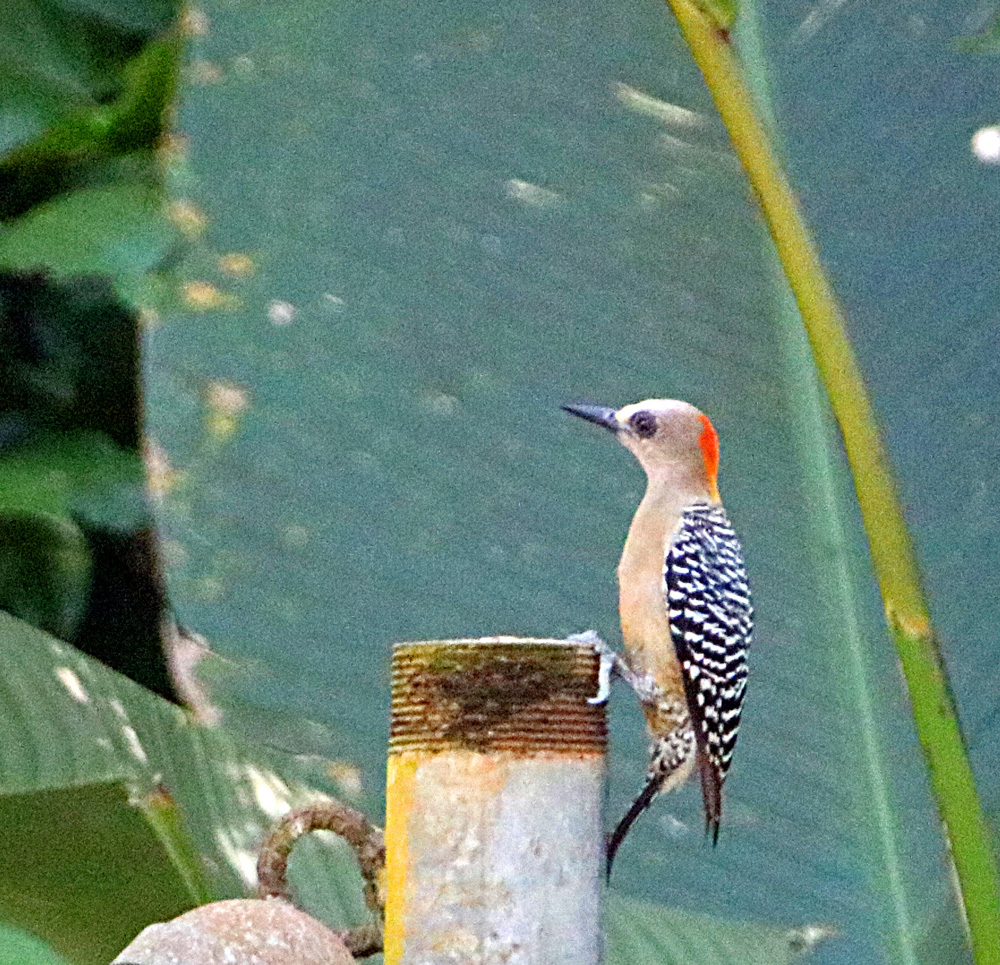
One of our two woodpeckers with the “Woody Woodpecker” hair is the Lineated Woodpecker, Dryocopus lineatus, (my gallery link) “Carpintero Lineado” en español, with the Pale-billed Woodpecker being the other big hairdo woodpecker (his whole head is red!). 🙂 This one sensed that my Cecropia Tree is dying and landed first on the trunk then went straight to a dead limb looking for insects to eat. Because of their “pecking/eating” they tend to stay longer in a tree, making them sometimes easier to photograph than other birds, though the overcast afternoon was poor light that day with a glary white sky. 🙁 Here are two shots from this past Monday. See the gallery for more from all over Costa Rica. He is found only in Central & South America, with North America’s most similar bird being the Pileated Woodpecker (linked to my gallery of one seen on Nashville’s Stones River Greenway).
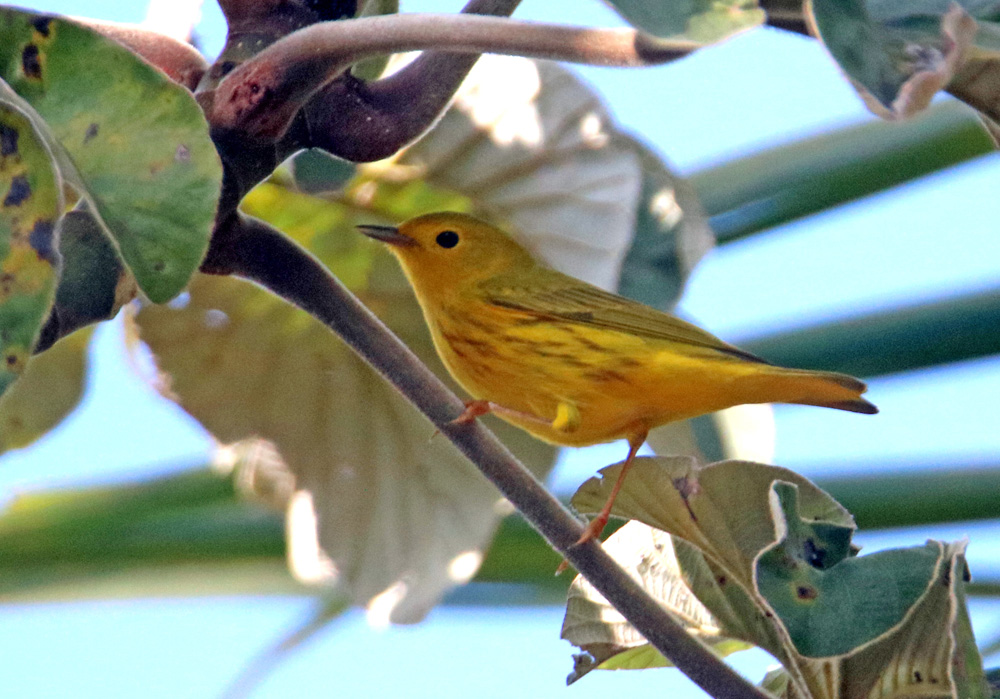
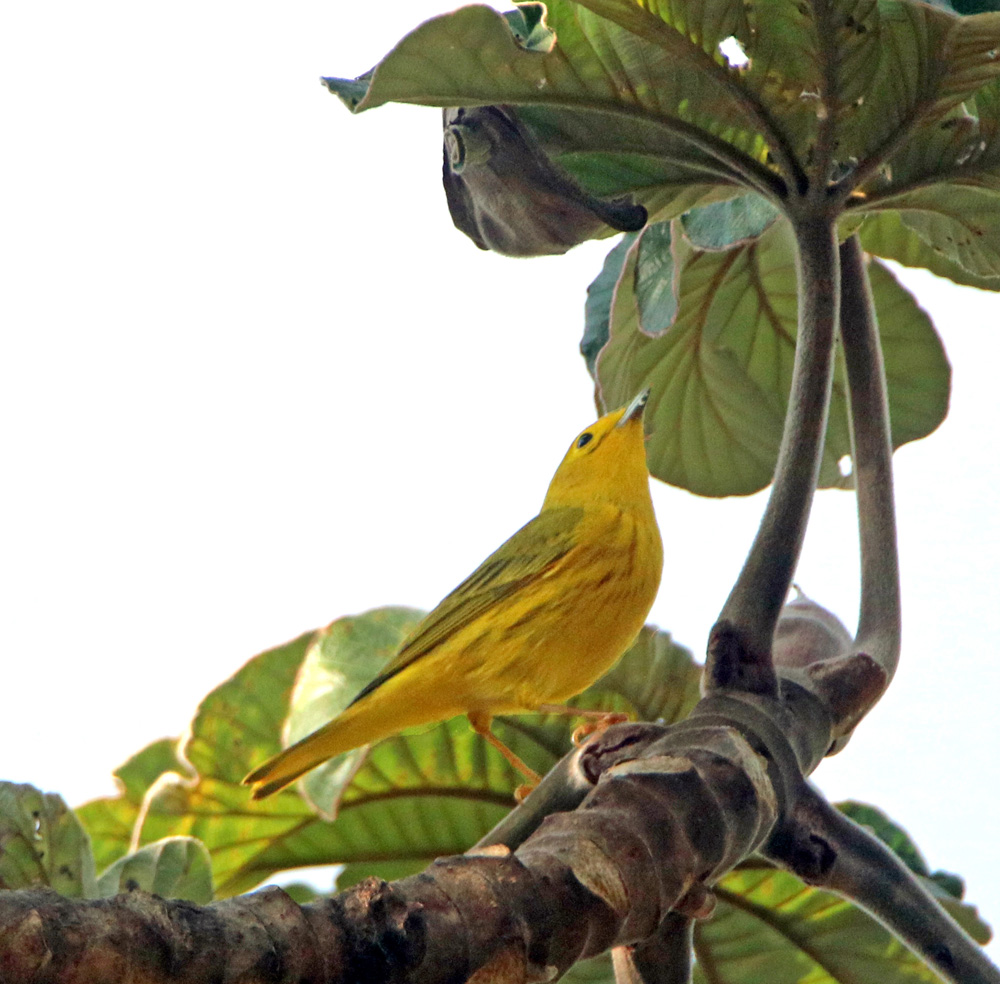
Is back in Costa Rica from “up north” and no longer called just “Yellow Warbler” as in the past but has a new official name of Northern Yellow Warbler – Setophaga aestiva (linked to my gallery) and what is used by eBird and iNaturalist. Some older books still say just Yellow Warbler and the Princeton Field Guide says American Yellow Warbler. I’m not sure which names are harder to keep up with, Birds or Butterflies! 🙂 They seem to both be changing frequently. This particular bird showed up on December 1 in my Cecropia Tree. Here’s two shots of him/her . . .
Some of you may remember that back in 2017 I started a collection of handmade “Artisan Birds,” mainly from artists in Costa Rica, but a few from other Central American countries and ended up with 2 from countries outside Central America. The collection has not grown much since the first two years or so, but I finally I now have a better tree on which to display them.
Up close on a few of my artisan birds. See each one individually in the linked gallery.
And you can see all of my “Artisan Birds” collection with labels of where they are each from in my photo gallery:My Artisan Birds Tree
The first year (2017) was the best display tree, a dead tree branch with lots of branches and I never found another like that. Last year I finally bought an artificial green bush or shrub which I kept most of the year in my living room with or without the artisan birds, but never liked it and the artificial limbs were too weak and droopy and earlier this month it went to the garbage man. And I vowed to find a better one this year!
Well, last week I found this all white artificial small tree with little tiny lights and decided that was it! But again, the limbs were too weak and droopy to handle the small weight of my tiny ornaments! (See the BEFORE & AFTER pictures below.) Grrrrr! BUT, “where there’s a will there’s a way!” I figured out how they made it with a real little tree trunk and wires going up and out for limbs, “they” just used too thin or flimsy wires. I thought, “why couldn’t they have used stiffer (heavier) wires?” Then I realized that if I could tell them how they “should” have done it, I could just do it myself! And I did! 🙂
I went to the main hardware store here in Atenas (La Ferretería Vargas & Hijos) and bought some heavier or stiffer wire (12.5 m roll) for a fraction of what the 3 rolls of white electrical tape (cinta blanca) cost and two days later I have totally “rewired” my little Christmas tree with the new heavy wire held to the older thinner wires with lots of white electrical tape wrapped around every centimeter of every limb and the trunk! A LOT OF WORK! But, ta daa! I now have a new tree that is strong enough to hold the artisan birds! 🙂 Here are two pairs of “Before & After” photos to show you what I accomplished . . .