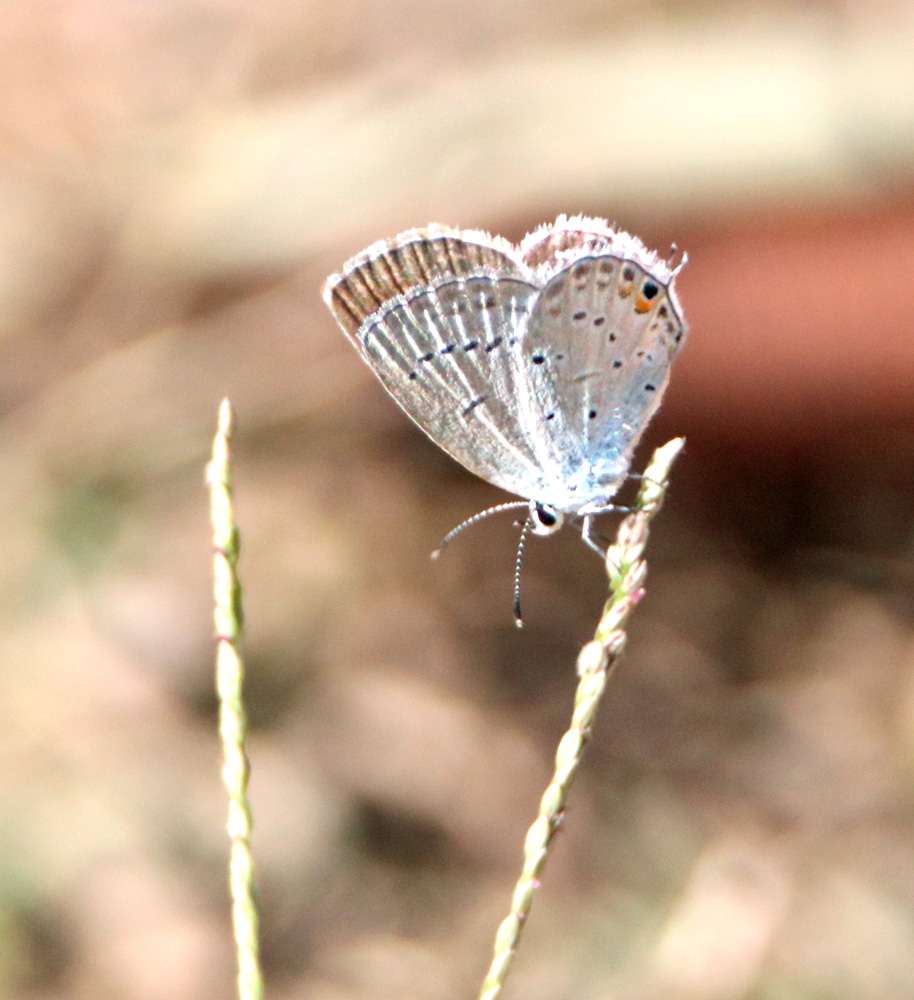
From the cow pasture near my house, an Eastern Tailed-Blue, Cupido comyntas (linked to my gallery with 2 pix showing the blue tops + 2 more shots from this sighting).
¡Pura Vida!
charliedoggett.net
From the cow pasture near my house, an Eastern Tailed-Blue, Cupido comyntas (linked to my gallery with 2 pix showing the blue tops + 2 more shots from this sighting).
¡Pura Vida!
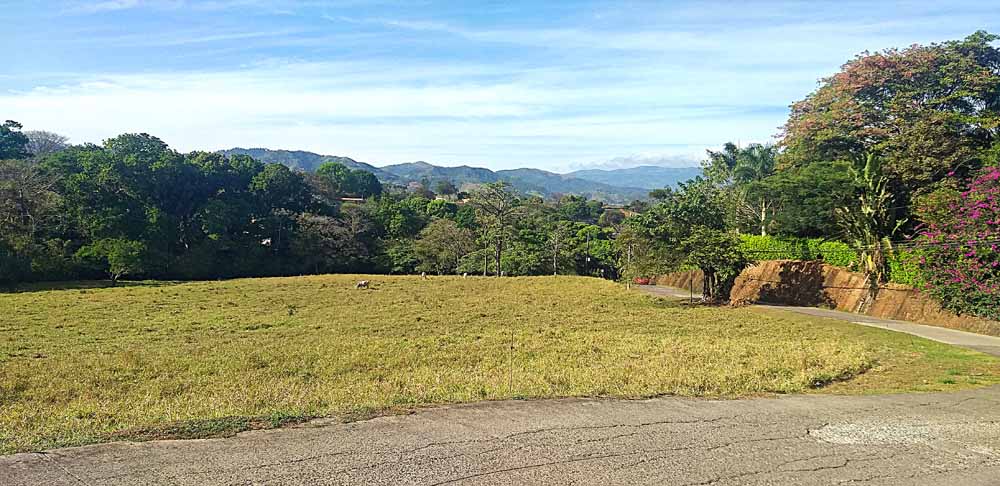
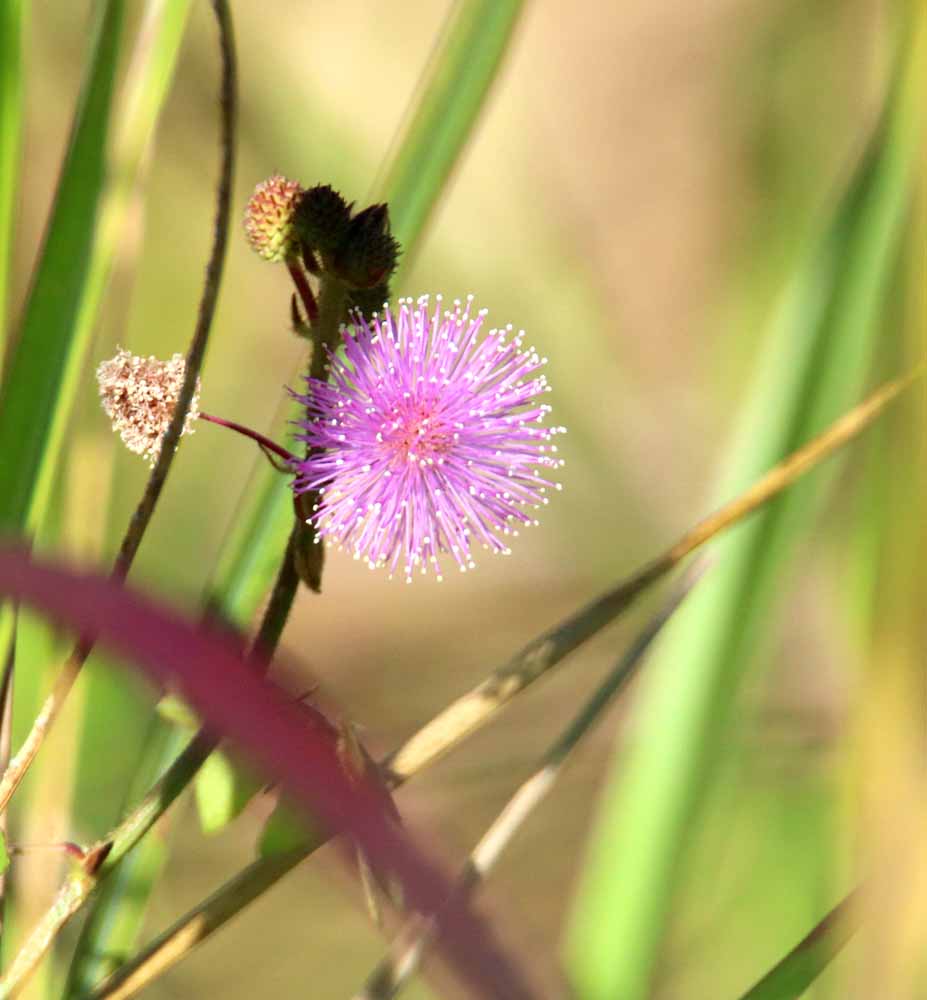
I don’t go to the cow pasture enough for birds, butterflies and a lot of other nature to photograph, so on a recent morning I walked down the road along the pasture fence to that only big tree on right side of pasture by the road and back to my gate from where the feature photo was made. In about 15 to 20 minutes I photographed 6 species of butterflies and the other nature items in a gallery below this one mimosa plant photo . . .
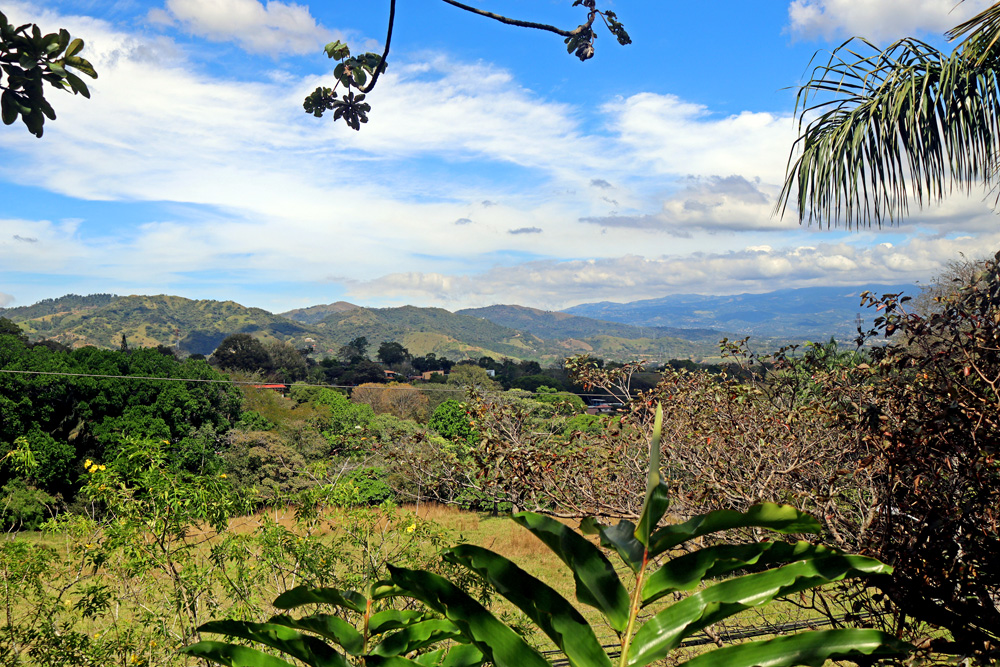
“The greatest gift of life on the mountain is time… to sit and stare at the shapes of the hills.” ~Phillip Connors:
¡Pura Vida!
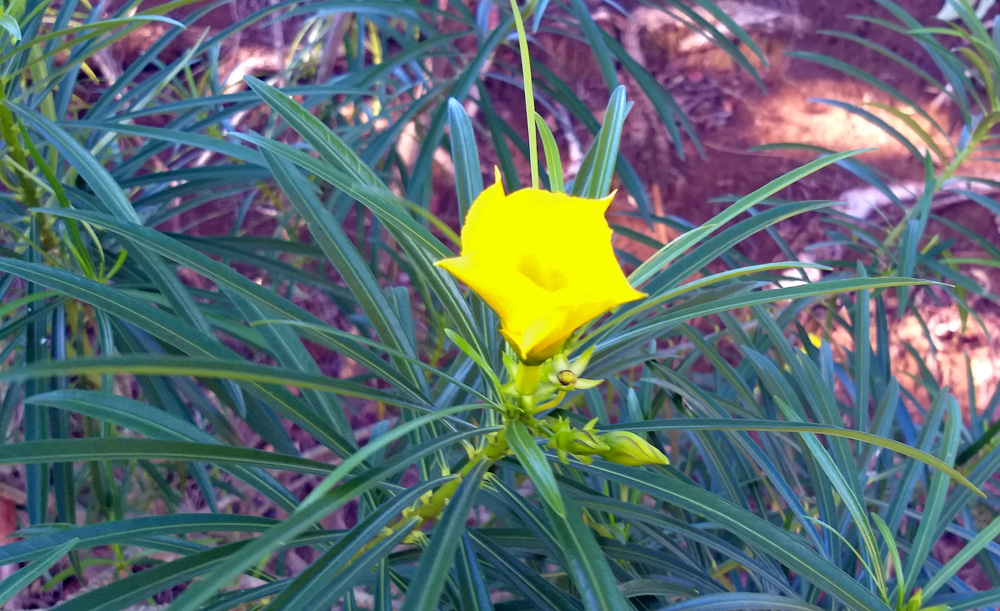
On one of my walks to town I used my cell phone to snap a photo of this yellow flower along the side of the road. iNaturalist AI labeled it a Be-still Tree – Cascabela thevetia (linked to iNaturalist). “Be still” was appropriate on that day as the wind was blowing strongly and this flower would not be still for a photo! 🙂 There is another species in this genus known as Yellow Oleander (Cascabela thevetiodes) and thus some people call this one Yellow Oleander too. They are similar.
¡Pura Vida!
And for a look at other things I photograph on my walks in Atenas, see the gallery Walking in Atenas.
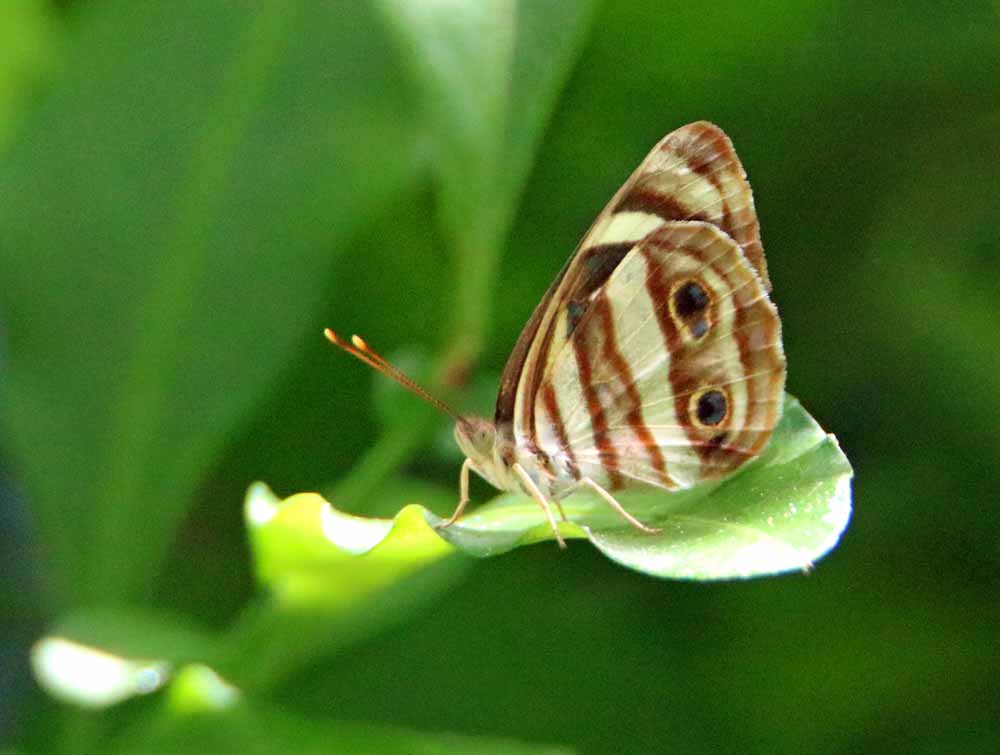
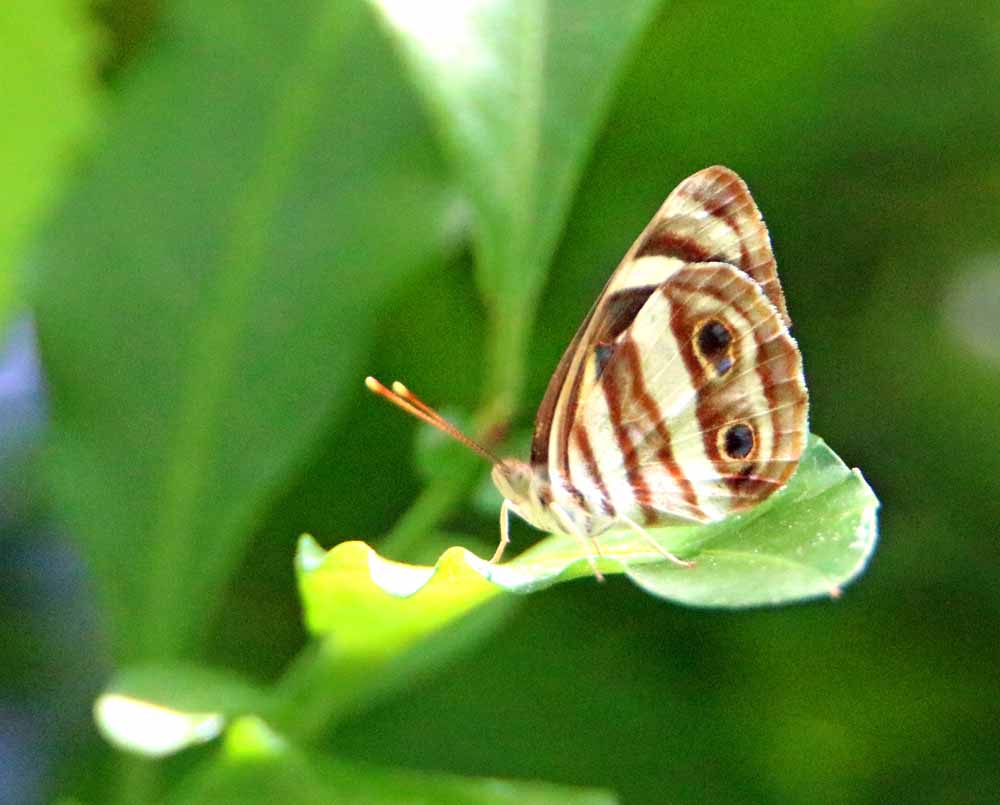
A new species for me! Or my first time to see and photograph, thus these 2 photos are the only ones today in my Gallery Four-spotted Sailor, but who knows, I might see another one tomorrow! 🙂 And a fun fact about this one is that I photographed him through my kitchen sink window, where I spotted him while washing dishes! 🙂 There are several kinds of “Sailor” butterflies and I’ve seen only one other, the Pale Sailor, which I’ve seen 2 different years in my garden plus nearby on 8th Avenue near Hotel Colinas del Sol, so a lot more photos!
¡Pura Vida!
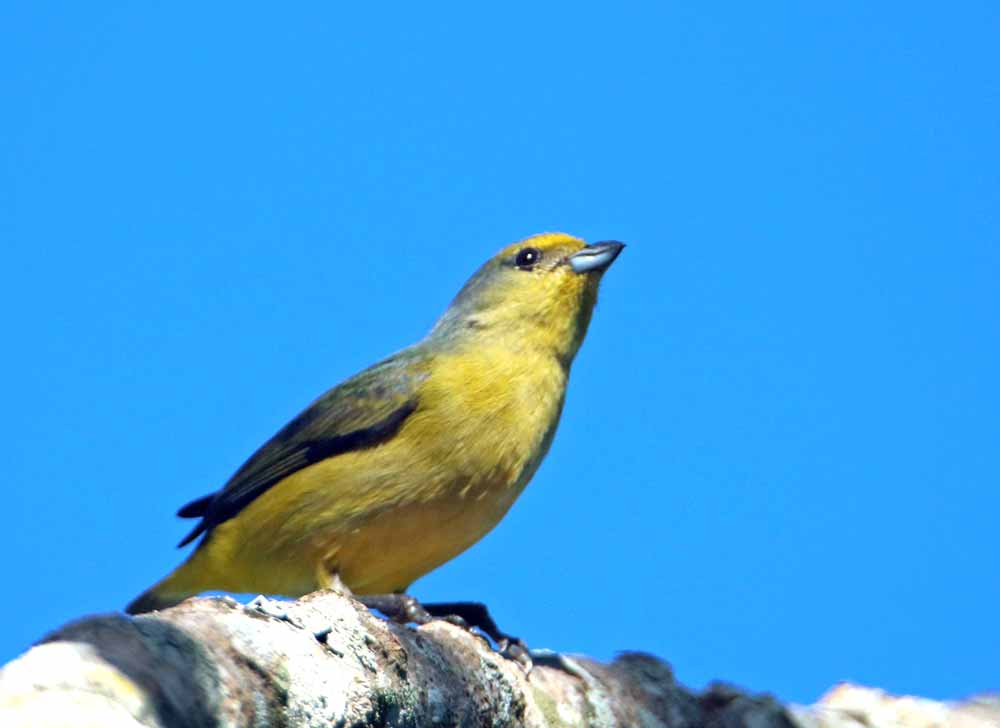
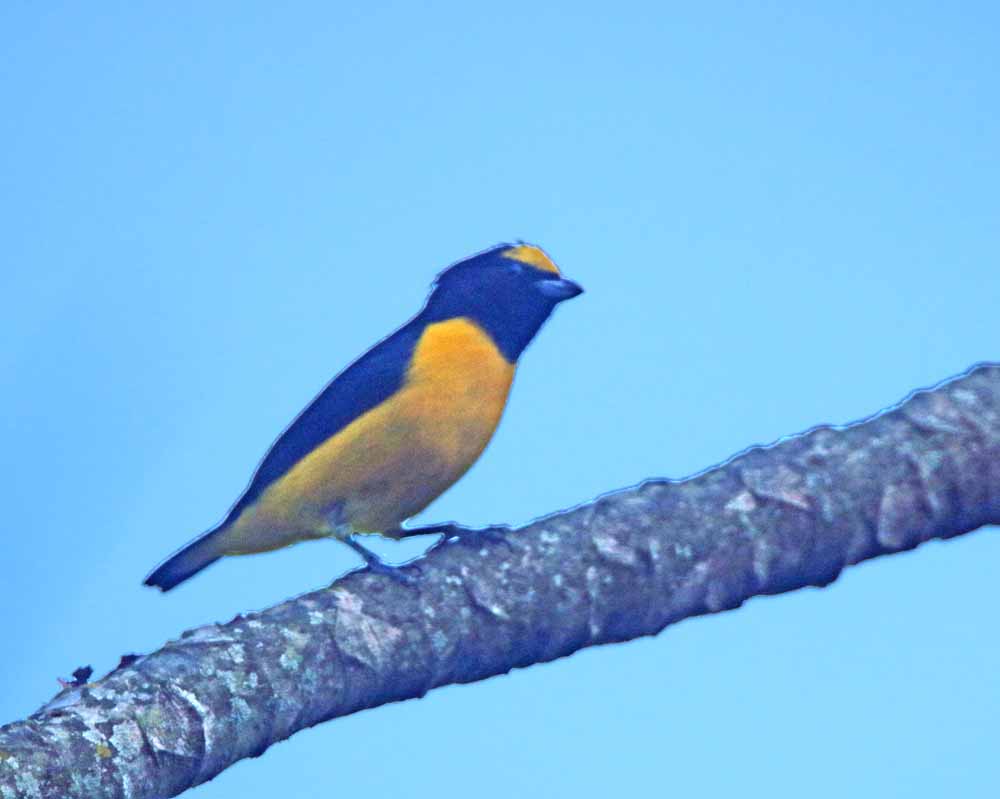
This is the first time I’ve seen any Euphonia in quite a while, maybe more than a year and usually somewhere else other than my garden. And I got both the male and the female, though the male was in the shadows and thus not as good a photo.
¡Pura Vida!
See more in my Yellow-crowned Euphonia Gallery where I have photos from 3 other locations, with this being the first of this species in my garden.
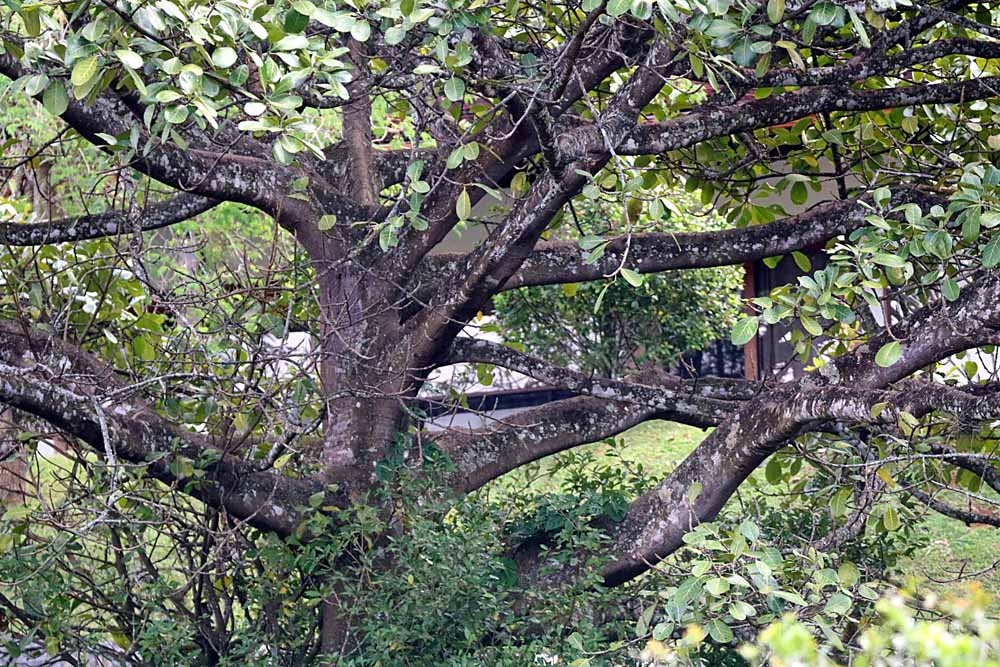
“Hope deferred makes the heart sick, but a longing fulfilled is a tree of life.” ~Proverbs 13:12
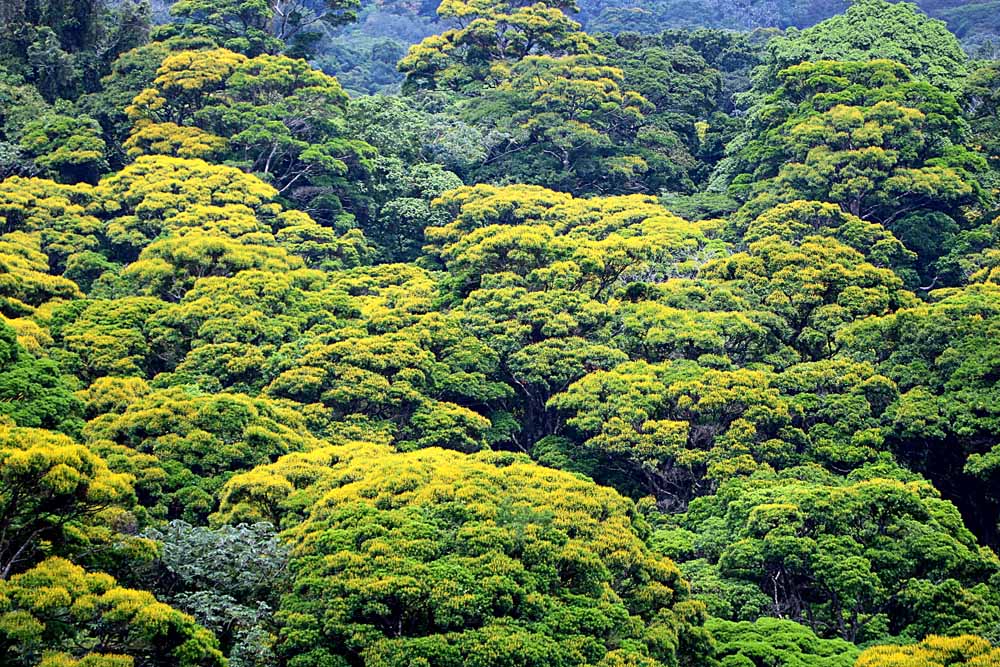
My blog/website administrative page has a bucket for “Drafts” and occasionally I put something in there that I think I might work into a blog post later (like yesterday’s). Back in 2022 I placed the above quote from Proverbs that I picked from one of my Daily Bible Readings to comment on later and here I am, about 3 years later, commenting on it (with photos!). 🙂
Continue reading ““A longing fulfilled . . .””
“Every time you smile at someone, it is an action of love, a gift to that person, a beautiful thing.” ~Mother Teresa
She is emphasizing that simple acts of kindness, like smiling, are profound expressions of love, making it a meaningful gift to others.
Thus I try to smile at everyone I pass as I walk to town or anywhere else. AND, as is the local custom here, if we make eye contact, I always say “¡Buenos dias!” or if in the afternoon, “¡Buenos tardes!” And occasionally a grumpy man or teen will grudgingly say just “Buenos” back to me, while the vast majority here smile and say “Buenos dias” back to me. 🙂
Smiling is not trivial; it’s a powerful, loving gesture that connects people and starts something beautiful.
¡Pura Vida!
🙂
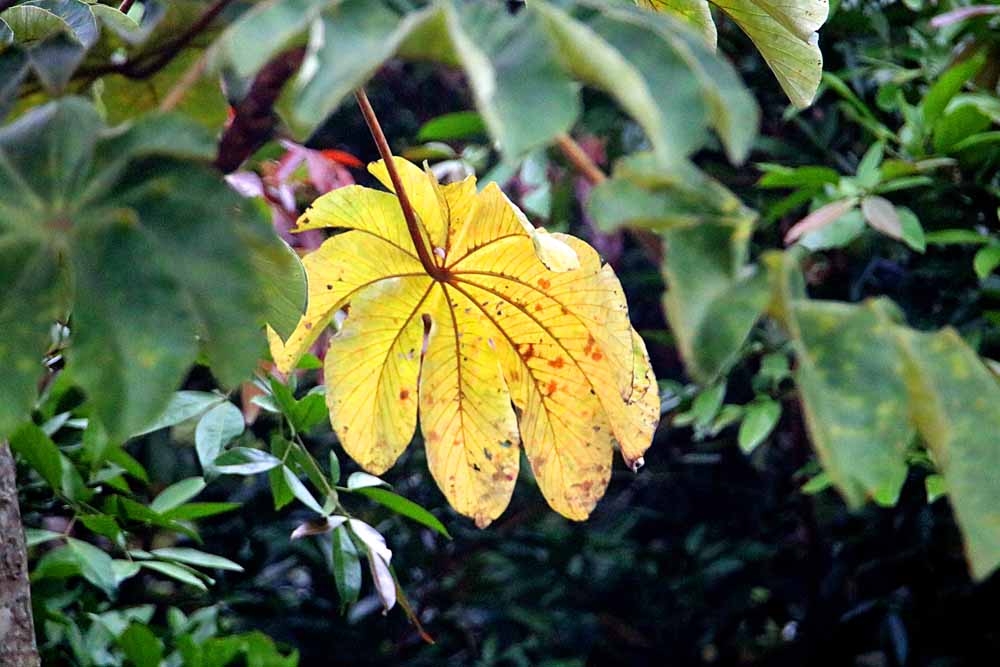
I continue to photograph leaves that give me a moment of awe. Here’s five shots from 3 plants in December that awed me . . .
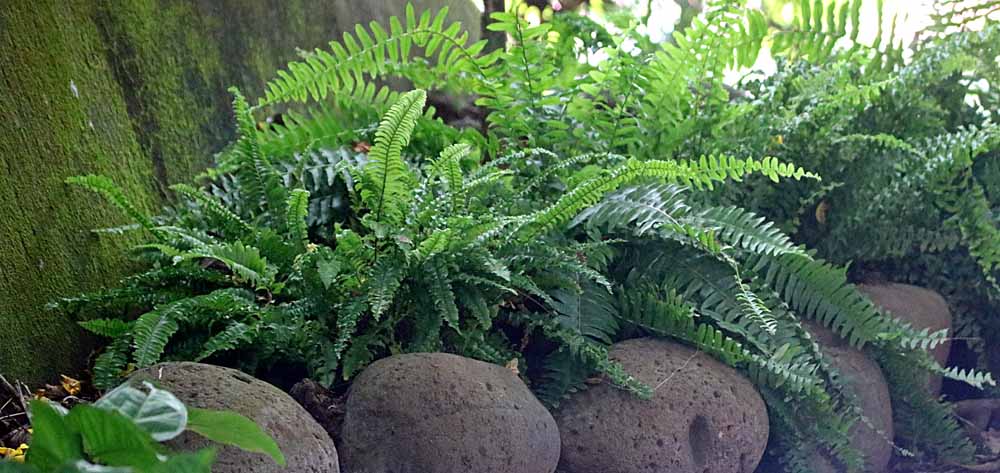

Almost every day of every month (when at home) I walk through my garden with camera in hand looking for birds, butterflies or other wildlife. When none are seen, I usually snap a photo of a flower or an interesting leaf. And recently I have been presenting some of those photos at the end of the month or in the next month. So here are last month’s flower shots not already shown. I do occasionally have a post on one of my flowers, like the Desert Rose for my Christmas Card in December! And I won’t repeat those images. 🙂 Below this introductory photo is a gallery of 7 flower shots from December.